分类: politics

  • Family of British journalist detained in US say UK has failed to help him

    Family of British journalist detained in US say UK has failed to help him

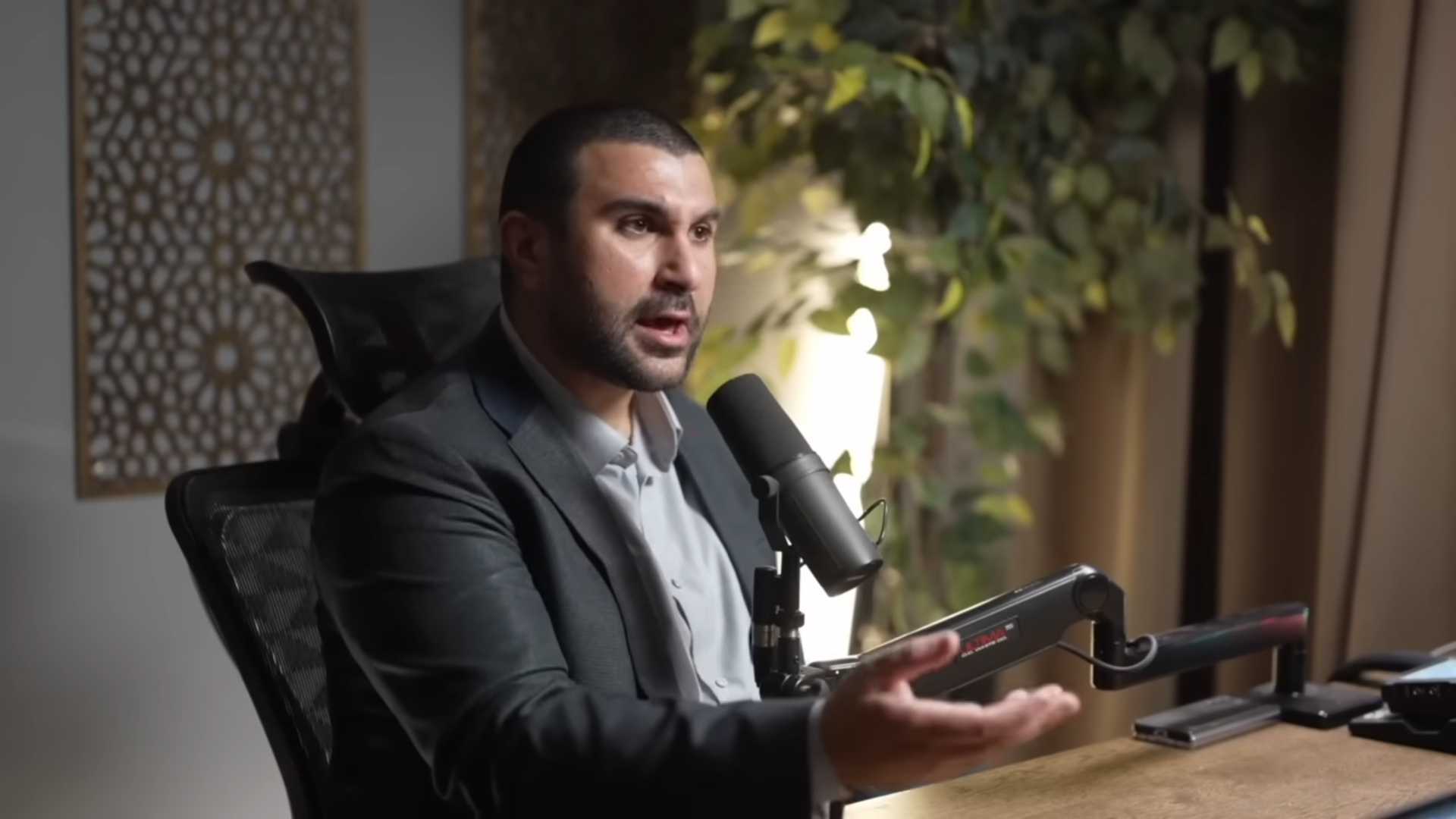
    The family of Sami Hamdi, a British Muslim journalist detained by US authorities, has urgently called for the UK government to secure his immediate release, expressing frustration over its perceived inaction. Hamdi, the editor-in-chief of The International Interest, was detained by the Department of Homeland Security’s Immigration and Customs Enforcement (ICE) at San Francisco International Airport during a speaking tour in the US. The Council on American-Islamic Relations (CAIR) has labeled his detention as retaliation for his criticism of Israel, describing it as an ‘abduction.’

    Hamdi’s wife, Soumaya, voiced her distress, stating that her husband was ‘abducted’ for advocating Palestinian rights. She emphasized his role as a devoted family man and urged the UK government to provide full consular support, which she claims has not yet been extended. ‘Sami is now being held captive thousands of miles away from our children, who miss their father dearly,’ she said. ‘We are increasingly concerned by the lack of action and communication from the UK government.’

    Hamdi had recently spoken at a CAIR gala in Sacramento, where he condemned Israel’s actions in Gaza, and was scheduled to speak at another event in Florida. CAIR condemned his detention as a blatant attack on free speech, asserting that it was motivated by his criticism of Israeli policies. Meanwhile, Israel activist Amy Mekelburg, who claimed responsibility for Hamdi’s arrest, accused him of ‘legitimizing Jihadi networks,’ a claim echoed by Tricia McLaughlin of the Department of Homeland Security.

    This incident occurs amid broader accusations of efforts to silence critics of Israel’s actions in Gaza. Human Rights Watch reported that over 3,000 students have been arrested in the US in 2024 for protesting against Israel’s military operations, labeling the Trump administration’s crackdown as ‘illegitimate and false.’ Hamdi’s case has reignited debates about free speech and the treatment of dissenting voices in the US and beyond.
  • Trump’s Asia tour sees deals, knee-bending and a revealing final meeting

    Trump’s Asia tour sees deals, knee-bending and a revealing final meeting

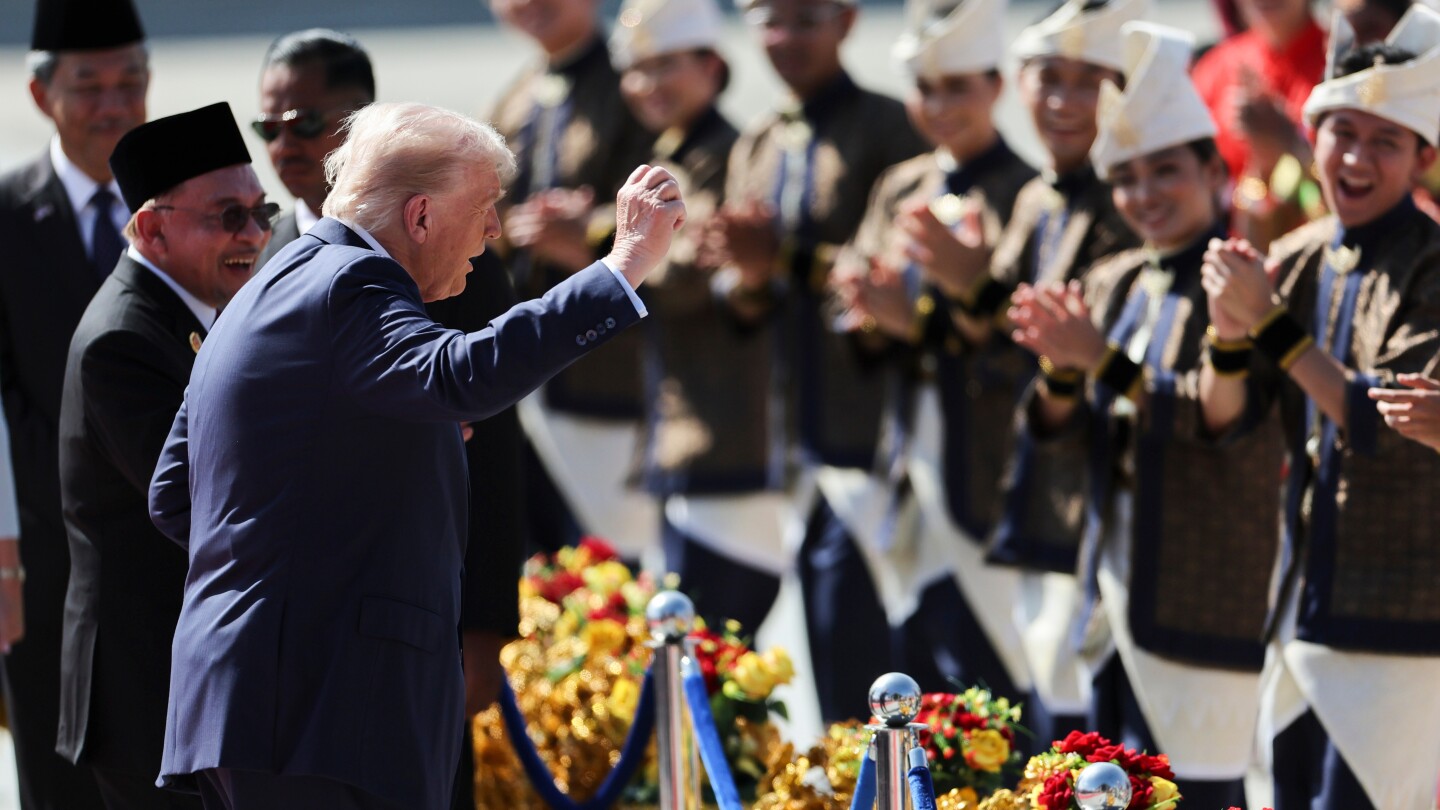
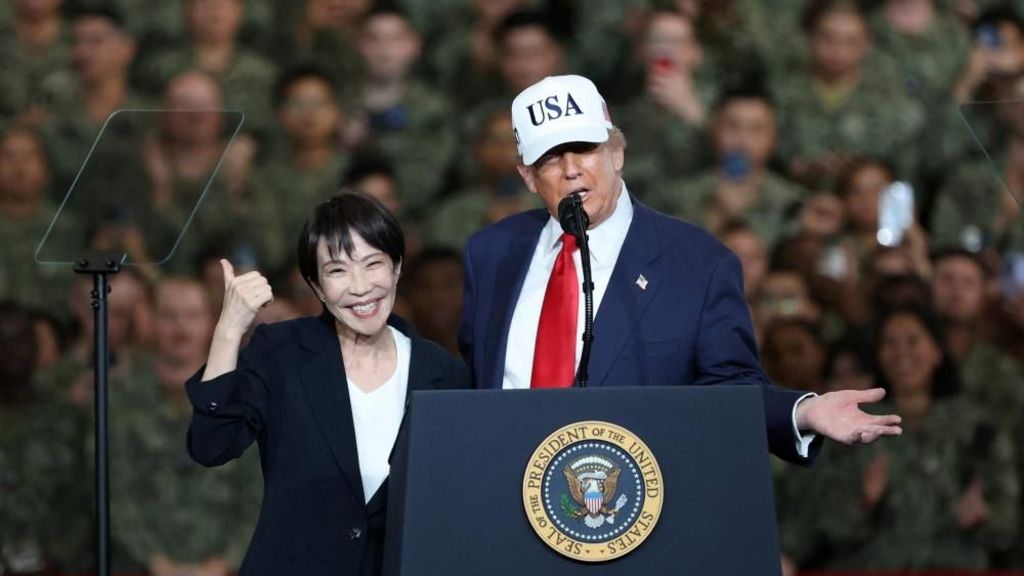
    Donald Trump’s five-day diplomatic tour across East Asia showcased both his influence and the constraints of his power. The trip, which included stops in Malaysia, Japan, and South Korea, was marked by a mix of trade negotiations, personal accommodations, and symbolic gestures. In Malaysia, Trump secured access to critical minerals and facilitated progress on trade agreements with Southeast Asian nations. Japan’s newly elected Prime Minister Sanai Takaichi announced $550 billion in Japanese investments in the U.S. and presented Trump with gifts, including cherry trees and a golf club once owned by the late Shinzo Abe. South Korea welcomed Trump with a 21-gun salute and awarded him the nation’s highest medal, alongside a replica of an ancient Korean crown. However, the climax of the trip came during Trump’s meeting with Chinese President Xi Jinping in Busan. Unlike the pomp and pageantry of previous stops, this encounter was stark and businesslike, reflecting the high stakes of U.S.-China relations. The two leaders discussed tariffs, market access, and critical minerals, ultimately agreeing to de-escalate tensions. While Trump hailed the meeting as ‘amazing,’ it underscored the complexities of balancing power and diplomacy in a rapidly shifting global order. As Trump departed, Xi’s arrival in South Korea symbolized China’s growing influence, leaving questions about America’s future role in the region.

  • Trump caps refugee admissions at 7,500 – mostly white South Africans

    Trump caps refugee admissions at 7,500 – mostly white South Africans

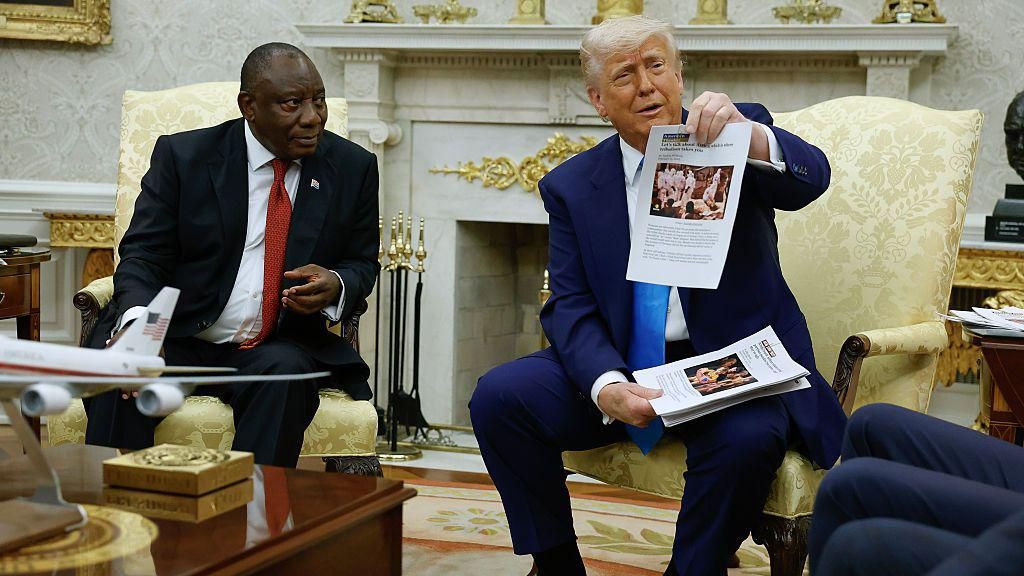
    The Trump administration has announced a significant reduction in the number of refugees admitted to the United States, capping the figure at 7,500 for the upcoming fiscal year. This marks a sharp decline from the previous limit of 125,000 set by former President Joe Biden. The new policy, detailed in a notice published on Thursday, prioritizes white South Africans, particularly Afrikaners, and other individuals facing ‘illegal or unjust discrimination’ in their home countries. No specific rationale was provided for the drastic cut, though the notice cited ‘humanitarian concerns’ and ‘national interest’ as justifications. In January 2025, President Trump signed an executive order suspending the US Refugee Admissions Programme (USRAP), asserting that the move would enable authorities to focus on national security and public safety. The decision has drawn criticism from refugee advocacy groups, who argue that it unfairly excludes other persecuted groups and undermines the US’s moral standing. During a tense Oval Office meeting in May, Trump criticized South African President Cyril Ramaphosa, claiming that white farmers in South Africa were being ‘persecuted’ and killed. The White House also presented a video purportedly showing burial sites for murdered white farmers, though it later emerged that the footage was from a 2020 protest. The US policy has sparked accusations of bias and raised concerns about the exclusion of other vulnerable populations, including former allies who assisted US forces in Afghanistan and the Middle East. Global Refuge CEO Krish O’Mara Vignarajah condemned the decision, stating that it ‘lowers our moral standing’ and undermines the credibility of the refugee program. The South African government has yet to respond to the announcement.

  • Merz in Turkey: Germany seeks to rebuild strategic defence ties

    Merz in Turkey: Germany seeks to rebuild strategic defence ties

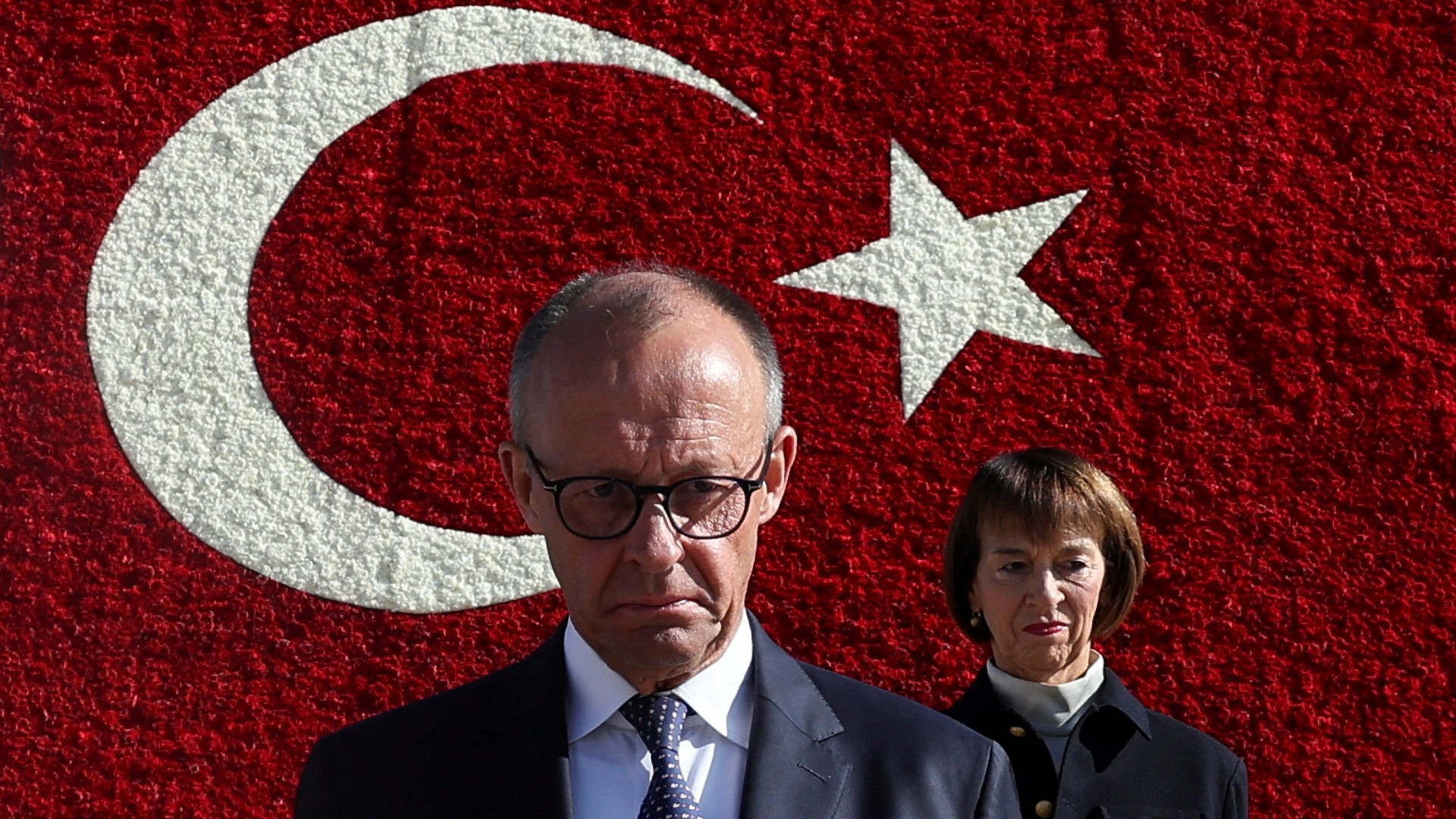
    German Chancellor Friedrich Merz’s inaugural official visit to Ankara on Thursday signifies a pivotal shift in Berlin’s approach toward Turkey, emphasizing a security-oriented and transactional partnership. This visit underscores Germany’s growing reliance on Ankara’s role in bolstering European security and marks an effort to reset bilateral relations on a new foundation of cooperation. Historically, Germany’s concerns regarding Turkey revolved around domestic issues, human rights, and migration, particularly concerning Syrian refugees. However, Merz’s agenda now encompasses broader collaboration, including joint efforts to address the war in Ukraine and potential defense sector initiatives. A notable development is Germany’s approval of a €10.7 billion Eurofighter jet deal with Turkey, featuring advanced Meteor missiles and cutting-edge weaponry. Sources in Ankara suggest that Berlin has also urged Greece and Cyprus not to obstruct Turkey’s participation in the EU’s Safe initiative, which allocates €170 billion for defense industry investments. Merz emphasized the multifaceted nature of German-Turkish relations, spanning foreign policy, security, migration, energy, and trade, during his arrival in Ankara. He expressed his commitment to strengthening this partnership through discussions with President Erdogan. Turkey’s mediation efforts in the Ukraine conflict, including hosting talks between Russia and Ukraine, have been welcomed by Berlin. However, achieving a lasting peace would require significant strategic adjustments, potentially involving territorial compromises for Ukraine. Beyond Ukraine, Turkey has raised bilateral concerns, including a request for price reductions on Siemens high-speed trains for its expanding rail network. Ankara also seeks updates to the customs union, visa facilitation, and cooperation in Africa to counter Chinese influence. Additionally, Turkey aims for Germany’s continued support for the Gaza ceasefire plan brokered by Donald Trump, which envisions Hamas’s disarmament and political transformation. Merz is expected to address the issue of Turkish asylum seekers, pressing Ankara to accept more rejected applicants as Germany intensifies deportation efforts. Official data reveals that 22,560 Turkish nationals await deportation, with Germany also exploring the resumption of deportations to Syria, contingent on Turkey’s cooperation. This visit highlights the evolving dynamics of German-Turkish relations amid shifting geopolitical priorities.

  • ‘America First’ Trump loved hanging out with the global elite during his Asia trip

    ‘America First’ Trump loved hanging out with the global elite during his Asia trip

    During a whirlwind five-day tour across Asia, President Donald Trump showcased a surprising shift from his ‘America First’ rhetoric to a more globally engaged approach. From dancing with local performers in Malaysia to receiving a gold medal and crown in South Korea, Trump appeared to relish the international spotlight. His trip included high-profile meetings with leaders such as Japan’s Prime Minister and South Korea’s President, where he emphasized mutual benefits in trade and diplomacy. Despite a federal government shutdown and low poll numbers back home, Trump expressed enthusiasm for his foreign engagements, declaring his meetings ‘great’ and ‘fantastic.’

  • Nepal PM holds first talks since protests with parties and ‘Gen Z’

    Nepal PM holds first talks since protests with parties and ‘Gen Z’

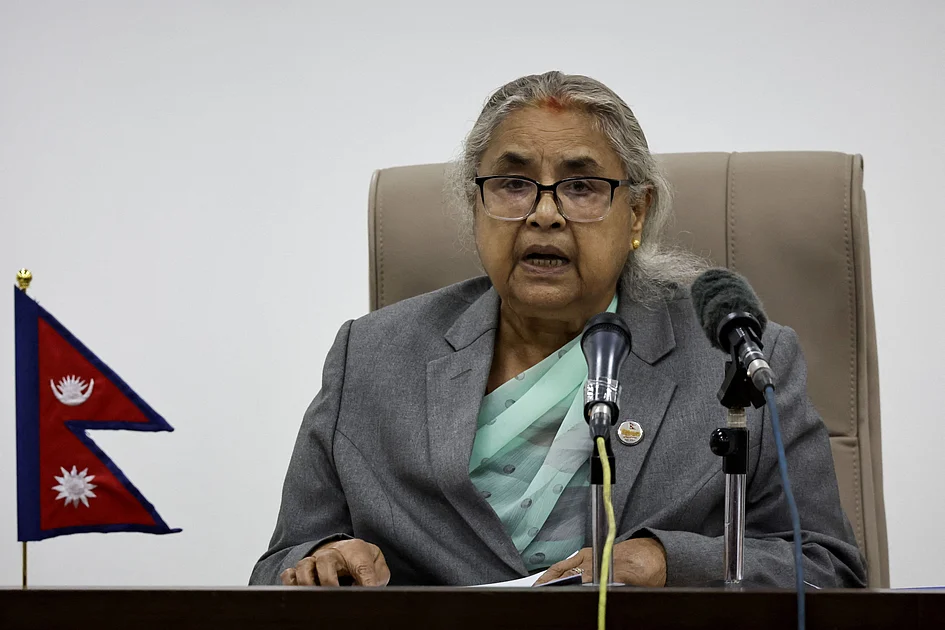
    Nepal’s interim Prime Minister Sushila Karki has convened the first round of discussions between political parties and youth representatives following last month’s violent anti-corruption protests that led to the collapse of the previous government. The unrest, which erupted on September 8-9, was sparked by a temporary social media ban but was fueled by long-standing grievances over economic hardship and systemic corruption. The clashes resulted in at least 73 fatalities and left key government institutions, including parliament and courts, in flames. Karki, a former chief justice appointed as interim leader, emphasized the importance of fostering cooperation and trust in a statement on social media. She stated, ‘We have succeeded in creating an environment of cooperation and trust by ending the state of lack of dialogue.’ The four-hour meeting, attended by major political parties and ‘Gen Z’ representatives, aimed to address the deep public distrust in Nepal’s established parties and prepare for the March 2026 elections. Karki pledged to ensure fair, secure, and timely elections while restoring order and addressing demands for clean governance. The meeting also included representatives from the Communist Party of Nepal – Unified Marxist Leninist (CPN-UML), led by ousted former Prime Minister KP Sharma Oli. Ram Rawal, Karki’s media coordinator, noted that the dialogue helped bridge the trust gap between the government, political parties, and the youth. The unrest has further strained Nepal’s fragile economy, with the World Bank reporting that 82% of the workforce is engaged in informal employment and GDP per capita stood at just $1,447 in 2024.

  • Trump sets 7,500 annual limit for refugees entering US. It’ll be mostly white South Africans

    Trump sets 7,500 annual limit for refugees entering US. It’ll be mostly white South Africans

    In a significant policy shift, the Trump administration has announced a drastic reduction in the number of refugees admitted annually into the United States, capping the figure at 7,500 for the 2026 fiscal year. This marks a sharp decline from the previous ceiling of 125,000 set under President Joe Biden. The announcement, published in the Federal Registry on Thursday, did not provide a specific rationale for the decision but stated that the admission of these refugees is “justified by humanitarian concerns or is otherwise in the national interest.” Notably, the majority of these refugees are expected to be white South Africans, a group the administration has previously cited as facing discrimination and violence in their home country—a claim strongly denied by the South African government. The move represents a continuation of the administration’s restrictive stance on refugee admissions, which began with the suspension of the program on Trump’s first day in office. Since then, only a limited number of refugees, predominantly white South Africans, have been admitted, with some entering as part of ongoing legal proceedings. The reduced cap has had a significant impact on organizations dedicated to refugee resettlement, many of which have been forced to downsize due to the plummeting number of arrivals. This policy shift has drawn criticism from various quarters, as it marks a departure from the bipartisan support the refugee program has historically enjoyed.

  • Trump’s surgeon general pick goes into labour before confirmation hearing

    Trump’s surgeon general pick goes into labour before confirmation hearing

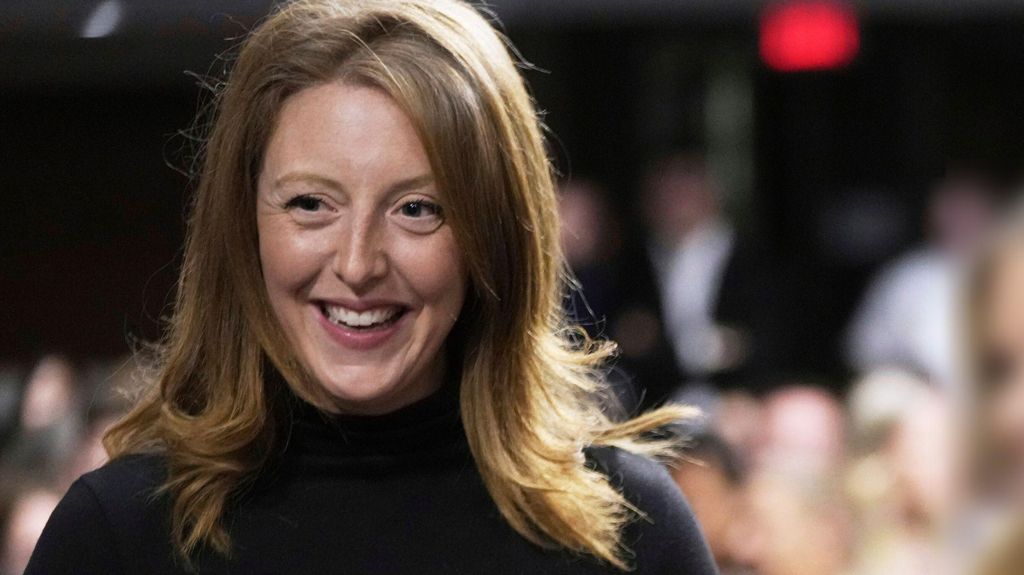
    President Donald Trump’s nomination of Dr. Casey Means for the position of U.S. Surgeon General has taken an unexpected turn as her Senate confirmation hearing was postponed due to her going into labor with her first child. A spokesperson confirmed the delay, noting that Dr. Means was initially set to appear virtually before the Senate committee due to her advanced pregnancy.

  • Xi says China confident, capable to navigate all kinds of risks, challenges

    Xi says China confident, capable to navigate all kinds of risks, challenges

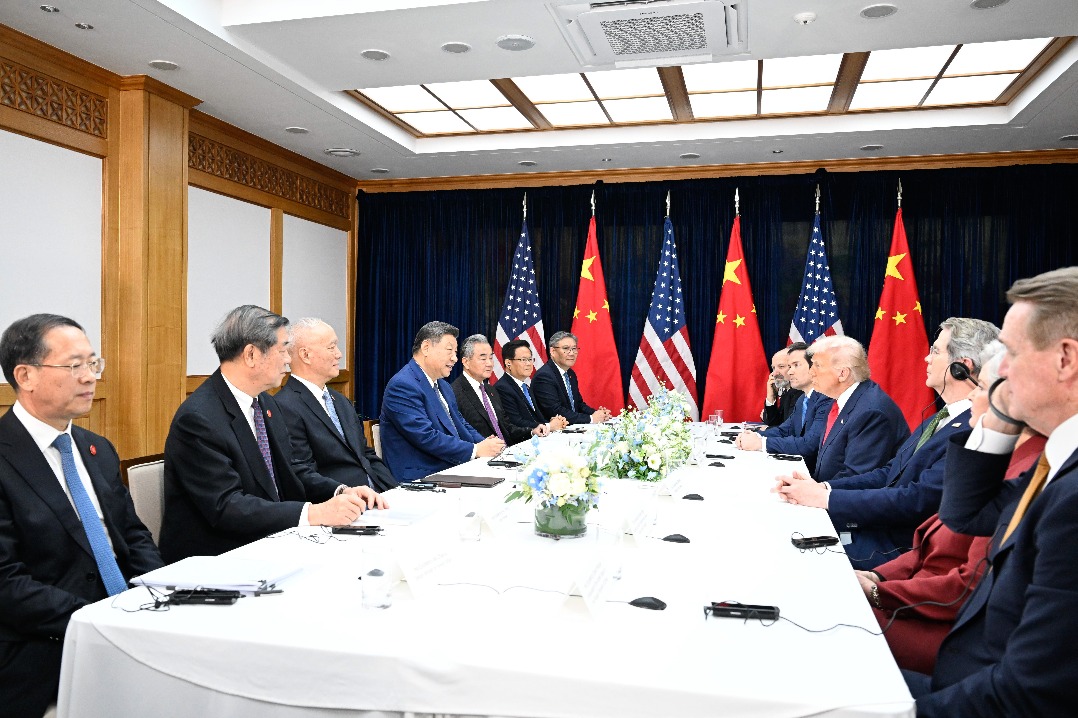
    During a meeting with US President Donald Trump in Busan, South Korea, Chinese President Xi Jinping expressed unwavering confidence in China’s ability to navigate through various economic risks and challenges. The meeting took place on the sidelines of the 32nd APEC Economic Leaders’ Meeting in Gyeongju and during Xi’s state visit to South Korea. Xi likened the Chinese economy to a vast ocean, emphasizing its size, resilience, and promising future. He highlighted that China’s economy grew by 5.2 percent in the first three quarters of the year, with a 4 percent expansion in import and export trade, despite facing both domestic and external difficulties. Xi also mentioned that the 20th Communist Party of China Central Committee, at its fourth plenary session, had adopted recommendations for the economic and social development plan over the next five years. He reiterated China’s commitment to deepening reforms, expanding opening-up, and promoting higher-quality economic growth, aiming for well-rounded human development and common prosperity. Xi emphasized that China’s focus remains on managing its own affairs well and sharing development opportunities with the world, rather than challenging or supplanting any other country. He expressed optimism that these efforts would expand the space for cooperation between China and the United States.

  • Five ways the government shutdown is hurting Americans

    Five ways the government shutdown is hurting Americans

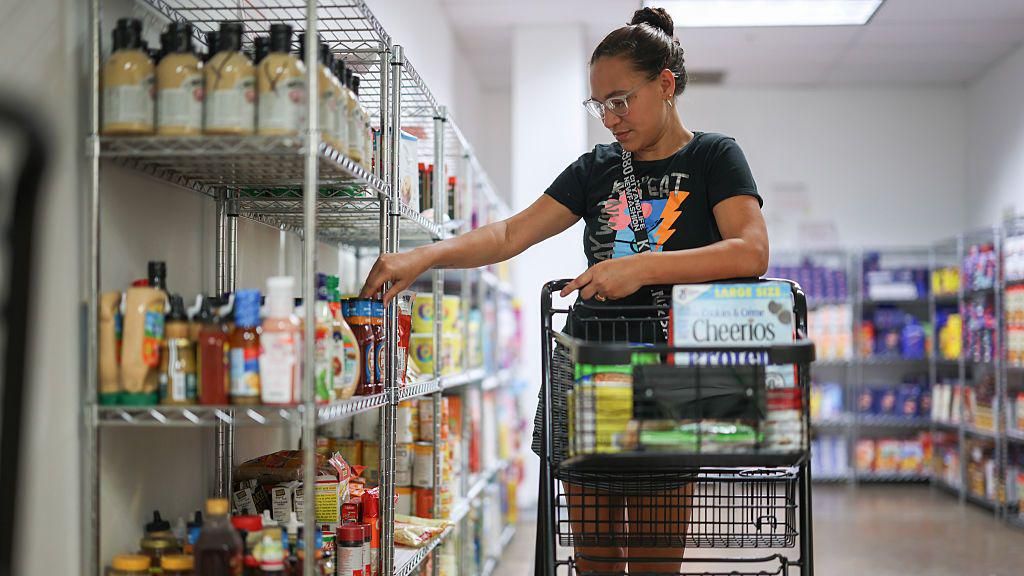
    The United States government shutdown has now stretched into its fifth week, with no immediate resolution in sight. The political stalemate between Democrats and Republicans over a spending plan has left federal agencies shuttered, impacting millions of Americans who are now grappling with severe economic consequences. The prolonged shutdown threatens essential services, including food assistance, military pay, and heating aid, creating a ripple effect across the nation.