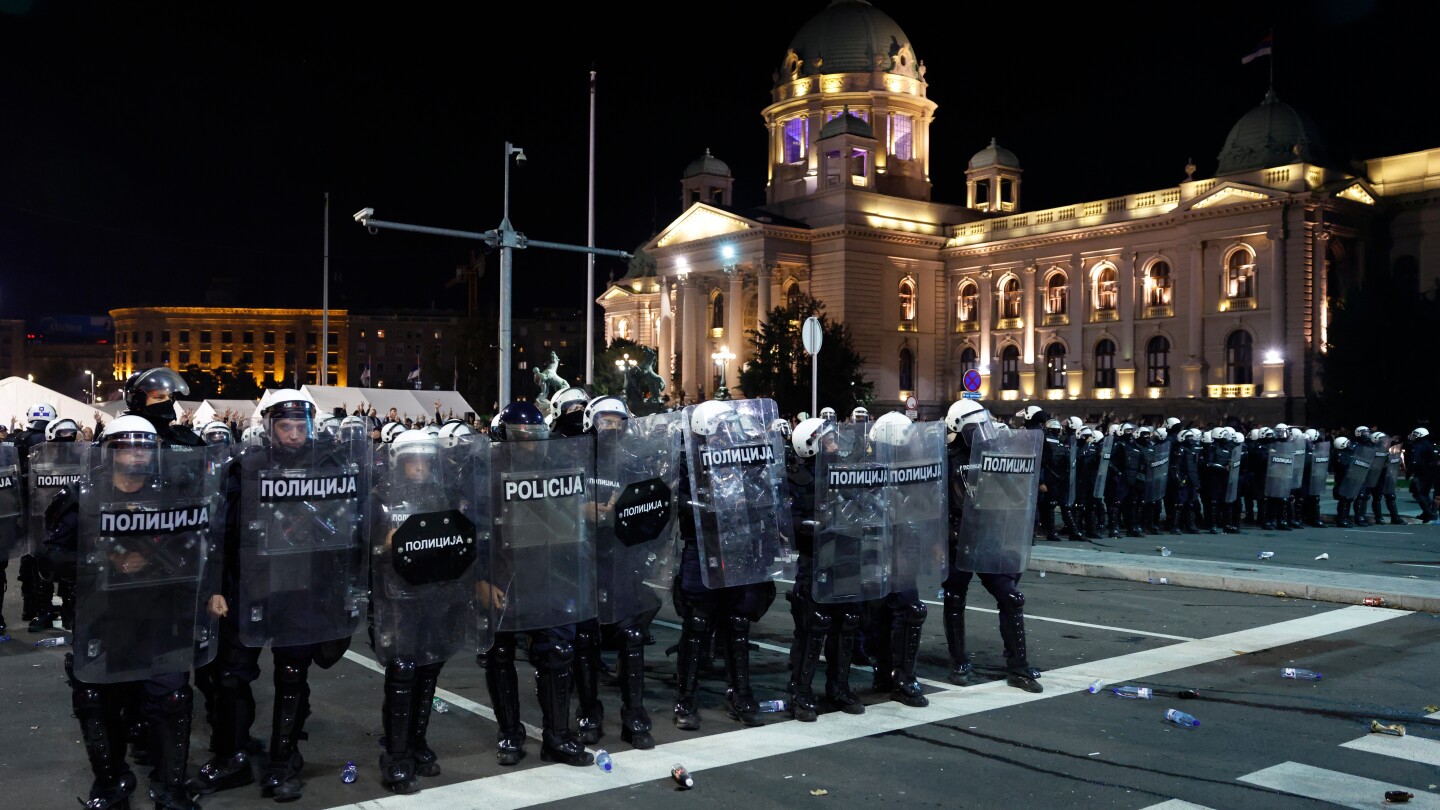
BELGRADE, Serbia — The streets of central Belgrade became a battleground on Sunday as hundreds of riot police intervened to separate opposing factions: supporters of Serbia’s autocratic President Aleksandar Vucic and anti-government protesters. The confrontation, marked by thrown bottles and flares, underscored escalating political tensions following a year of sustained demonstrations against Vucic’s rule. The clashes erupted a day after tens of thousands gathered in Novi Sad to commemorate the first anniversary of a train station disaster that claimed 16 lives and ignited a youth-led movement demanding political reform. The tragedy has become a rallying point for critics of Vucic’s increasingly authoritarian 13-year tenure. In Belgrade, protesters rallied in support of Dijana Hrka, the mother of one of the victims, who began a hunger strike near a tent camp outside the parliament building. This camp, occupied by Vucic’s loyalists since March, has become a symbol of the president’s efforts to consolidate power. Known colloquially as “Caciland,” the camp has drawn criticism for restricting public access and raising fears of violence, particularly after a recent shooting incident. Authorities have intensified their crackdown on dissent, detaining hundreds of protesters and labeling student demonstrators as “terrorists.” Protesters accuse the government of corruption and negligence in the Novi Sad station renovation, which they claim led to the fatal collapse. They are demanding accountability for the victims, the release of detained protesters, and early parliamentary elections.
分类: politics
-
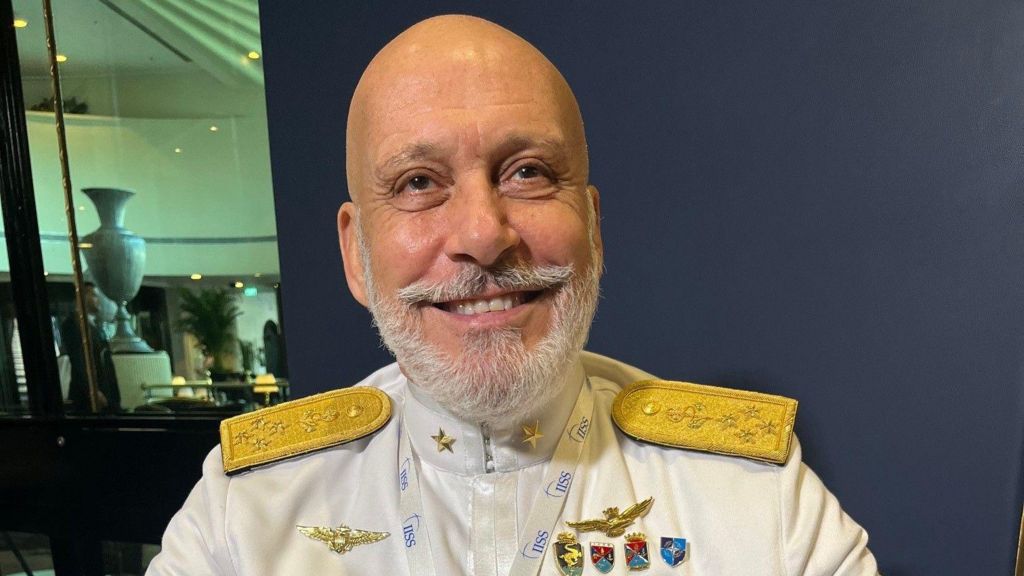
Nato ‘will stand with Ukraine’ to get long-lasting peace, senior official tells BBC
Admiral Giuseppe Cavo Dragone, Chair of NATO’s Military Committee, has characterized the ongoing Russia-Ukraine conflict as a strategic misstep for Russian President Vladimir Putin. Speaking to the BBC, Adm Dragone emphasized that the war has reached a stalemate, making it imperative to initiate peace negotiations to prevent further loss of life. He highlighted that Russia’s 2022 invasion of Ukraine inadvertently led to Finland and Sweden joining NATO, further isolating Russia on the global stage. ‘Putin will not succeed in establishing a puppet government in Ukraine,’ Dragone asserted, dismissing any notion of a Belarus-like scenario in Kyiv. He also underscored NATO’s unwavering commitment to Ukraine, stating that the alliance will support the nation until a lasting peace is achieved. On the topic of defense spending, Dragone noted that NATO members have agreed to increase their defense budgets to 5% of GDP by 2035, a move prompted by persistent urging from former U.S. President Donald Trump. Addressing concerns over Russia’s recent unveiling of advanced nuclear-powered weapons, Dragone downplayed the threat, reiterating NATO’s defensive posture. ‘We are not threatened by them; we are prepared to defend our 32 nations and one billion people,’ he declared. Looking ahead, Dragone identified the Baltic states—Estonia, Latvia, and Lithuania—as potential flashpoints for future aggression but assured that NATO’s Article 5 would ensure collective defense. He also highlighted air defense as NATO’s top priority, with plans to deploy a ‘drone wall’ along the alliance’s eastern borders within months. Despite internal dissent from some member states like Slovakia and Hungary, Dragone expressed confidence in NATO’s cohesion and reliability, concluding, ‘The alliance is stronger than our adversaries, and we will stand with Ukraine until peace prevails.’
-
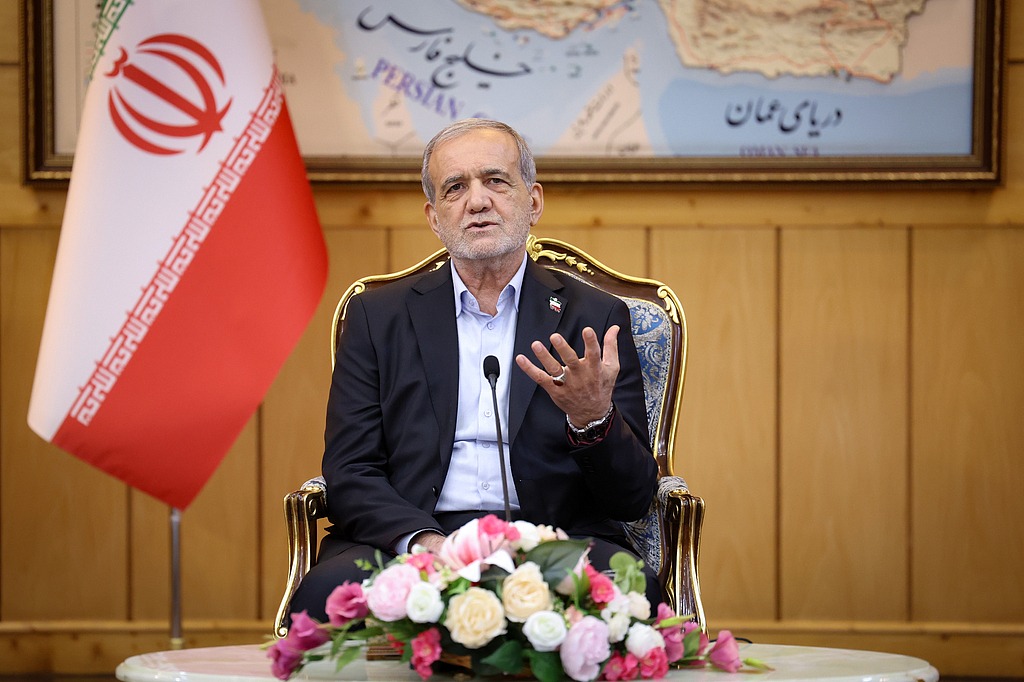
Iran’s president pledges full support for ‘peaceful’ nuclear industry
In a recent statement, Iranian President Masoud Pezeshkian reaffirmed his government’s unwavering commitment to advancing the nation’s nuclear program, emphasizing its peaceful nature. Speaking on Sunday, Pezeshkian clarified that Iran’s nuclear activities are solely aimed at addressing domestic needs and enhancing living standards, rather than developing nuclear weapons. He criticized what he described as ‘negative and biased propaganda’ that attempts to equate nuclear energy with atomic weaponry. The president pledged robust support for expanding Iran’s nuclear capabilities, with a focus on increasing the country’s share in the global nuclear market. He highlighted the importance of accelerating the production of radiopharmaceuticals and advancing modern medical technologies, labeling them as critical for national progress. Pezeshkian also accused ‘colonial powers’ of obstructing independent nations, including Iran, from accessing advanced technologies. Despite longstanding accusations from Western governments that Iran is pursuing nuclear weapons, Tehran maintains that its nuclear program is peaceful, primarily intended for power generation and medical applications.
-
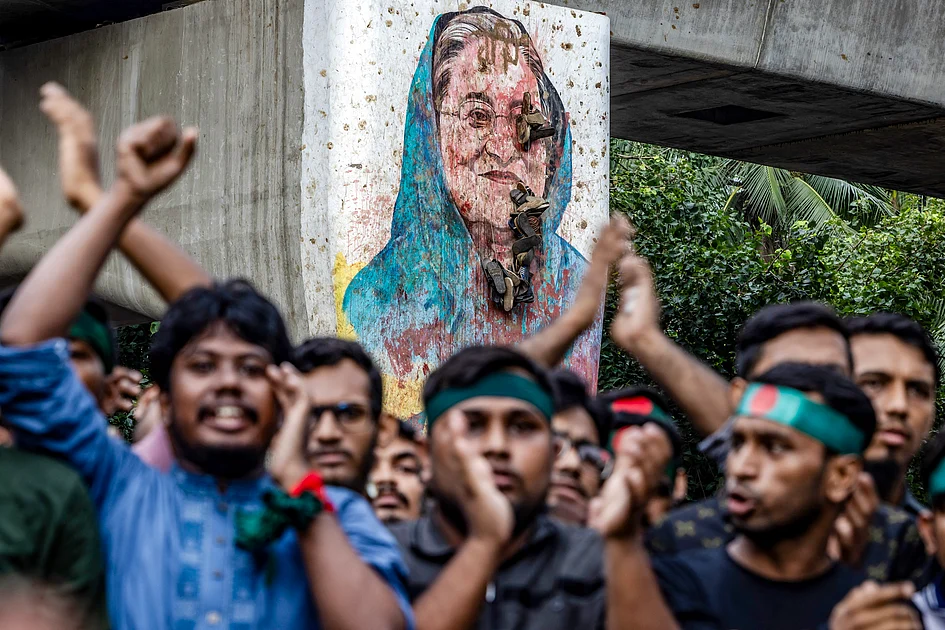
Political violence kills almost 300 since Hasina’s fall: Rights group
In the year following the ousting of Bangladesh’s former Prime Minister Sheikh Hasina, nearly 300 people have lost their lives due to political violence, according to a report by the Dhaka-based human rights organization Odhikar. The report, released on Sunday, highlights the ongoing turmoil in the country since Hasina’s 15-year autocratic rule ended in August 2024, when she fled to India. The violence, which has primarily involved political parties, has resulted in at least 281 deaths from August 2024 to September 2025. Additionally, the report documented 40 extrajudicial killings and 153 cases of lynching during the same period. Odhikar’s director, ASM Nasiruddin Elan, noted that while human rights abuses have decreased since Hasina’s departure, issues such as deaths in custody, bribery, and harassment persist. Elan emphasized that many innocent individuals continue to suffer due to their alleged affiliations with Hasina’s now-banned political party, the Awami League. The report also revealed that extortion by political parties, including the Bangladesh Nationalist Party and Jamaat-e-Islami, has affected people across all social strata. Furthermore, inefficient policing has led to frequent mob attacks, with law enforcement agencies being accused of serving party interests and operating with impunity. As of now, neither Bangladesh’s interim government nor any political parties have responded to Odhikar’s findings.
-
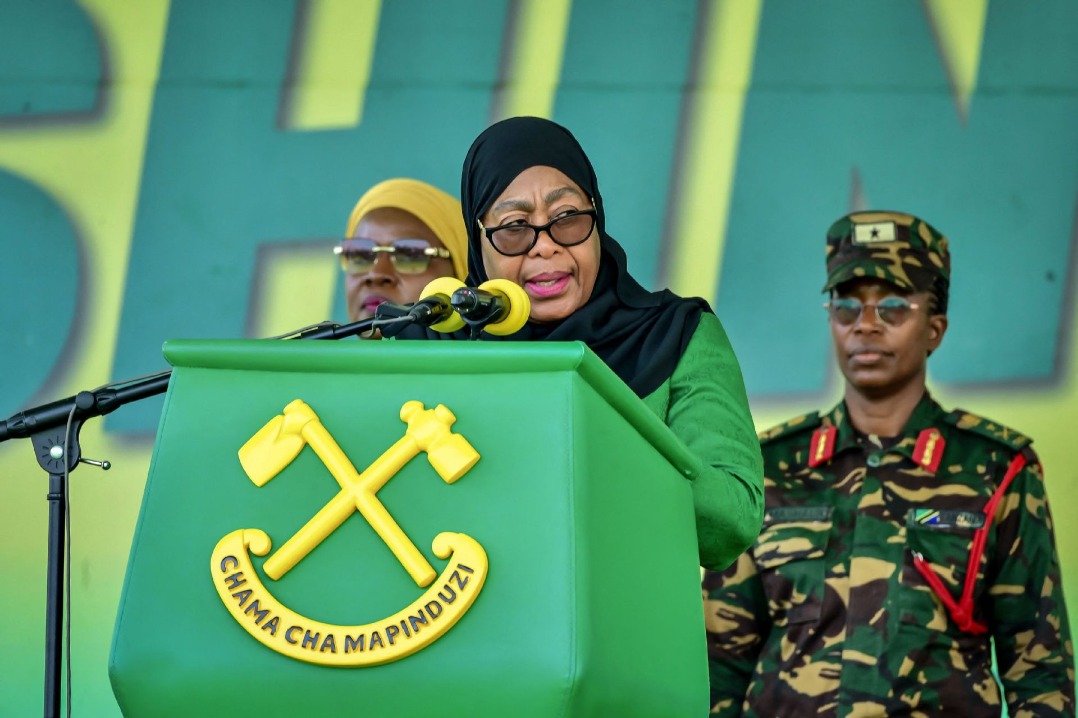
AU congratulates Hassan on winning Tanzania’s presidential election
The African Union (AU) has extended its heartfelt congratulations to Samia Suluhu Hassan on her resounding victory in Tanzania’s presidential election. The announcement was made by AU Commission Chairperson Mahmoud Ali Youssouf, who lauded Hassan’s triumph as a significant milestone for the nation. The Tanzanian Independent National Electoral Commission declared on Saturday that Hassan, representing the ruling Chama Cha Mapinduzi party, secured an overwhelming 97.66 percent of the vote in the general elections held on Wednesday. However, the electoral process was overshadowed by violent protests, prompting Youssouf to express profound sorrow over the loss of lives and extend condolences to the bereaved families. In his statement, Youssouf emphasized the importance of protecting fundamental rights and freedoms, including peaceful assembly and expression, and urged Tanzanian authorities to uphold these principles within the legal framework. He also called on citizens to exercise their rights responsibly and reaffirmed the AU’s commitment to supporting Tanzania in maintaining peace, national unity, and democratic governance. Hassan, who previously served as vice-president from 2015 to 2021, assumed the presidency in March 2021 following the demise of President John Magufuli, becoming Tanzania’s first female head of state. Her election marks a historic achievement, further solidifying her role as a trailblazer in Tanzanian politics.
-
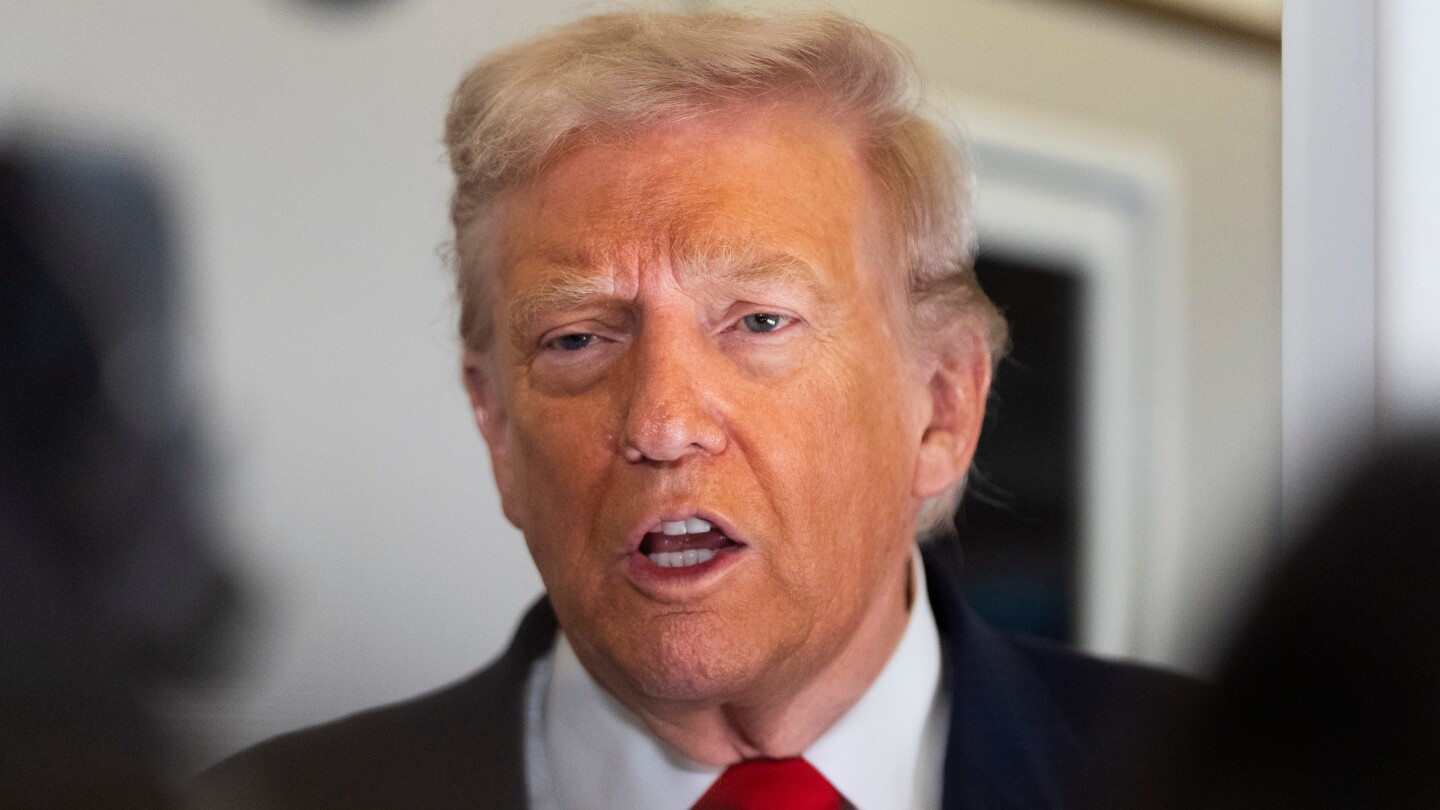
Trump says China’s Xi has assured him that he won’t take action on Taiwan during Republican’s term
In a recent interview with CBS’s ’60 Minutes,’ President Donald Trump revealed that Chinese President Xi Jinping has assured him that Beijing will not pursue its long-standing goal of unifying Taiwan with mainland China during Trump’s presidency. This assurance came despite the issue of Taiwan not being a primary topic in their recent discussions in South Korea, which largely centered on U.S.-China trade tensions. Trump expressed confidence in Xi’s commitment, stating, ‘He has openly said, and his people have openly said at meetings, ‘We would never do anything while President Trump is president,’ because they know the consequences.’
The U.S. has long been wary of China’s potential military actions against Taiwan, a self-governing democracy that Beijing claims as part of its territory. The 1979 Taiwan Relations Act governs U.S. relations with Taiwan, emphasizing the provision of resources for Taiwan’s self-defense and the prevention of any unilateral changes to its status by Beijing. However, the Act does not mandate U.S. military intervention in the event of a Chinese invasion.
When questioned about whether he would deploy U.S. forces to defend Taiwan if attacked, Trump remained noncommittal, adhering to the U.S. policy of ‘strategic ambiguity.’ This policy, maintained by both Republican and Democratic administrations, avoids clear indications of whether the U.S. would intervene militarily in such a scenario. ‘You’ll find out if it happens, and he understands the answer to that,’ Trump remarked regarding Xi.
The Chinese embassy in Washington has yet to comment on Trump’s statements, and the White House has not provided additional details on when Xi or Chinese officials communicated this assurance to Trump. The ’60 Minutes’ interview, recorded at Trump’s Mar-a-Lago resort in Florida, is part of a broader segment scheduled to air later Sunday.
-
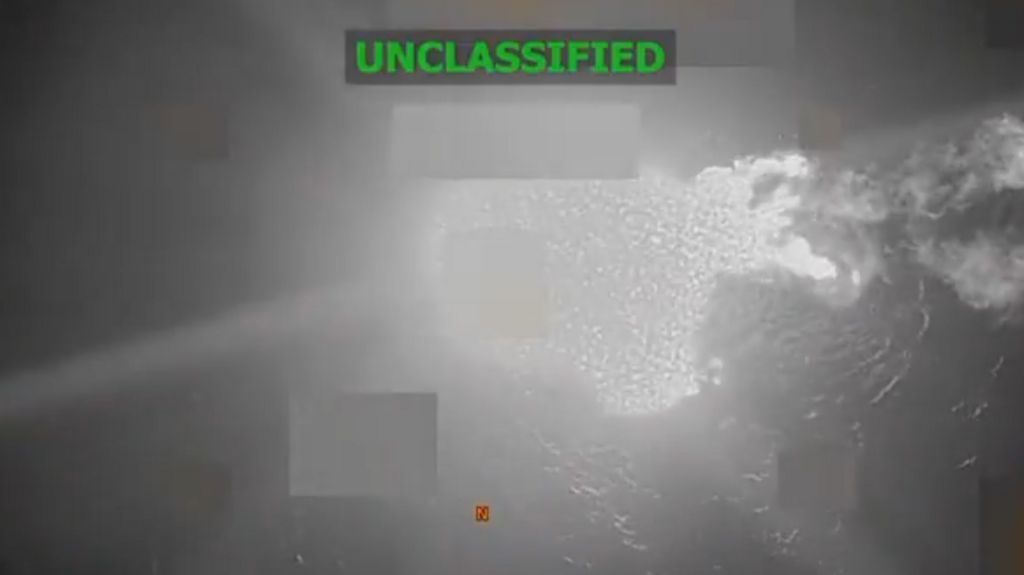
Three killed in latest US strike on alleged drug boat in Caribbean
In a recent development, US Defense Secretary Pete Hegseth disclosed that three individuals were killed in a US military strike targeting an alleged drug-smuggling vessel in the Caribbean. The incident, which occurred on Saturday, is part of a broader campaign initiated by the Trump administration to combat drug trafficking into the United States. Since September, these strikes have sparked significant controversy, with experts questioning their legality under international law and Latin American leaders condemning the actions as violations of human rights.
Hegseth claimed the targeted boat was operated by a designated terrorist organization and was navigating international waters along a known drug-smuggling route. However, he provided no concrete evidence to substantiate these allegations. The announcement was accompanied by a video purportedly showing the vessel being struck, though the footage was grainy and lacked clarity.
The Trump administration has defended the strikes as necessary measures against ‘narco-terrorists,’ particularly those linked to Venezuela. Critics, however, argue that the operations are politically motivated, aimed at exerting pressure on governments in the region, such as those of Colombia and Venezuela, which have been at odds with US policies. Colombian President Gustavo Petro has labeled the attacks as ‘murder,’ while Venezuelan leader Nicolas Maduro accused the US of fabricating a war.
The US has intensified its military presence in the Caribbean, deploying warships, fighter jets, and drones, ostensibly to curb drug trafficking. However, military analysts suggest the scale of the deployment exceeds what is necessary for such operations. The UN’s human rights chief, Volker Turk, has condemned the strikes, stating they violate international human rights law and result in an unacceptable loss of life.
Domestically, the legality of the strikes has also been questioned, with some US lawmakers arguing that congressional approval is required. Despite these concerns, the Trump administration has maintained its stance, threatening further military action in the region.
-
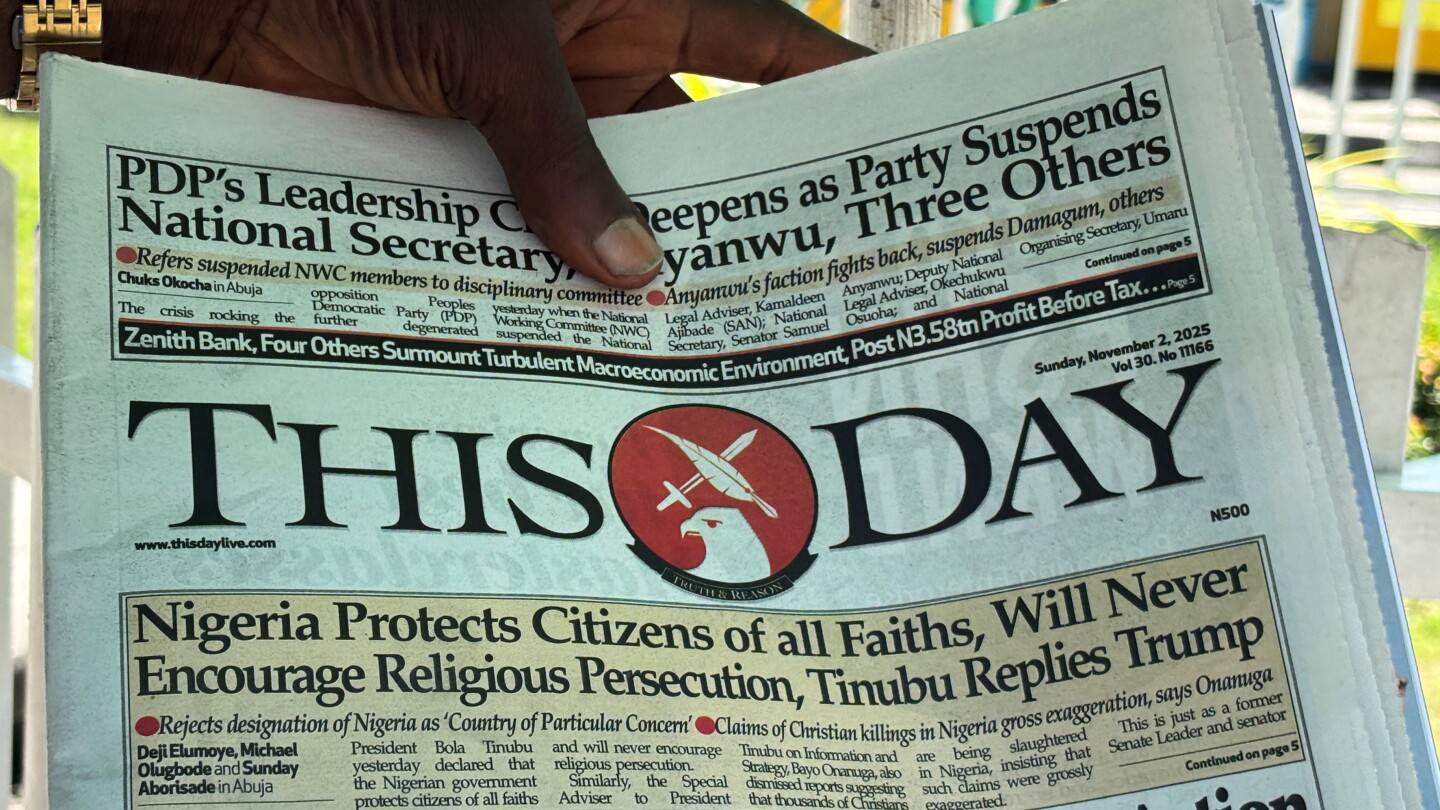
What to know as Nigeria rejects US military threat over alleged Christian killings
ABUJA, Nigeria — The Nigerian government has firmly rejected former U.S. President Donald Trump’s threat of potential military intervention in the country over claims of Christian persecution. Daniel Bwala, a spokesman for Nigerian President Bola Tinubu, stated that such unilateral action by the U.S. is unacceptable, emphasizing Nigeria’s sovereignty and the need for bilateral agreement on any military operations. Bwala dismissed Trump’s allegations as misleading, suggesting they are part of his confrontational approach to force dialogue. Trump’s comments, made on social media, threatened to halt U.S. aid and potentially launch military action against Nigeria, citing alleged atrocities against Christians. He also designated Nigeria as a ‘country of particular concern’ for religious freedom violations. However, Nigerian officials and experts argue that the violence in Nigeria is not religiously motivated but stems from complex security crises affecting both Christians and Muslims. Boko Haram insurgents and armed gangs are the primary perpetrators, with victims often determined by geography rather than faith. President Tinubu has pledged to enhance cooperation with international partners to protect all communities, while critics highlight the government’s failure to address insecurity decisively, creating opportunities for external interference.
-
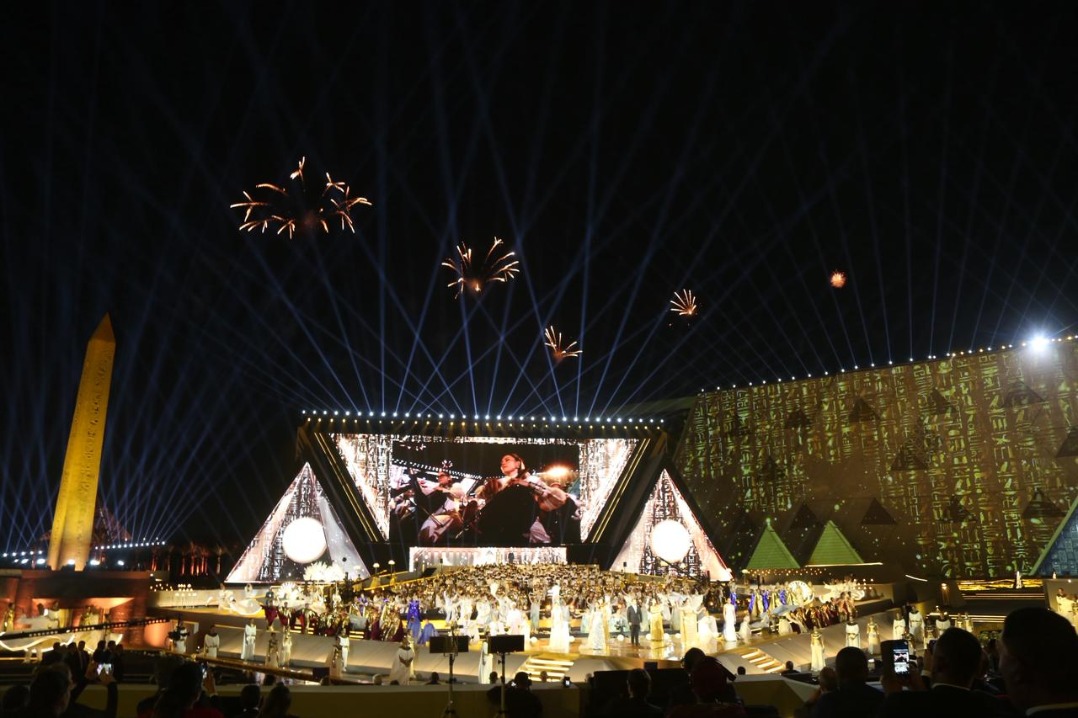
Xi extends congratulations to Egyptian president on Grand Egyptian Museum opening
In a significant gesture of international goodwill, Chinese President Xi Jinping extended his heartfelt congratulations to Egyptian President Abdel-Fattah al-Sisi on the grand opening of the Grand Egyptian Museum. The message, sent on Saturday, underscores the deepening cultural and diplomatic ties between the two nations. The Grand Egyptian Museum, a monumental addition to Egypt’s cultural landscape, is set to become a global hub for ancient history and heritage. President Xi’s congratulatory note highlights China’s commitment to fostering mutual respect and collaboration in cultural preservation and international diplomacy. This event marks another milestone in the strengthening relationship between China and Egypt, reflecting shared values and a mutual appreciation for historical legacy.
-
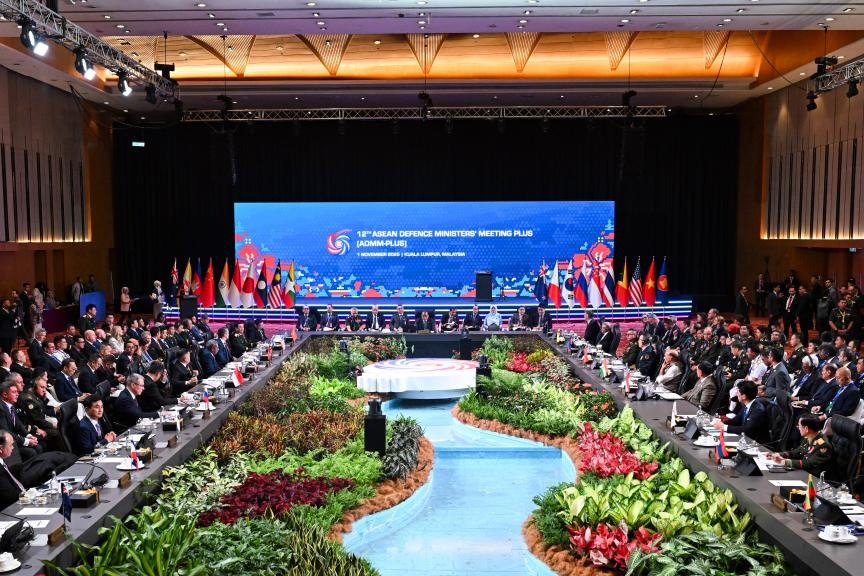
Chinese defense minister attends ASEAN Defense Ministers Meeting Plus in Malaysia
The 12th ASEAN Defense Ministers Meeting Plus (ADMM-Plus) convened in Kuala Lumpur, Malaysia, on November 1, 2025, with Chinese Defense Minister Dong Jun in attendance. Speaking at the event, Dong emphasized the significance of the 15th anniversary of the ADMM-Plus mechanism, highlighting the increasing interconnectedness of regional nations and the growing demand for peace and development amidst emerging threats. Dong underscored the importance of the Global Governance Initiative, which aligns with the ASEAN Charter and the Treaty of Amity and Cooperation in Southeast Asia, offering Chinese solutions to global challenges. He called for countries to remain committed to peace and cooperation, seek common ground, and work together for shared development and stability. Dong reaffirmed China’s support for ASEAN’s central role in the regional architecture and expressed China’s willingness to collaborate with regional countries to maintain peace, resolve differences through dialogue, and enhance open cooperation. He also pledged China’s continued contribution to ADMM-Plus security cooperation and the building of a closer China-ASEAN community with a shared future. Additionally, Dong held discussions with defense leaders from South Korea, Japan, and Australia during the event.