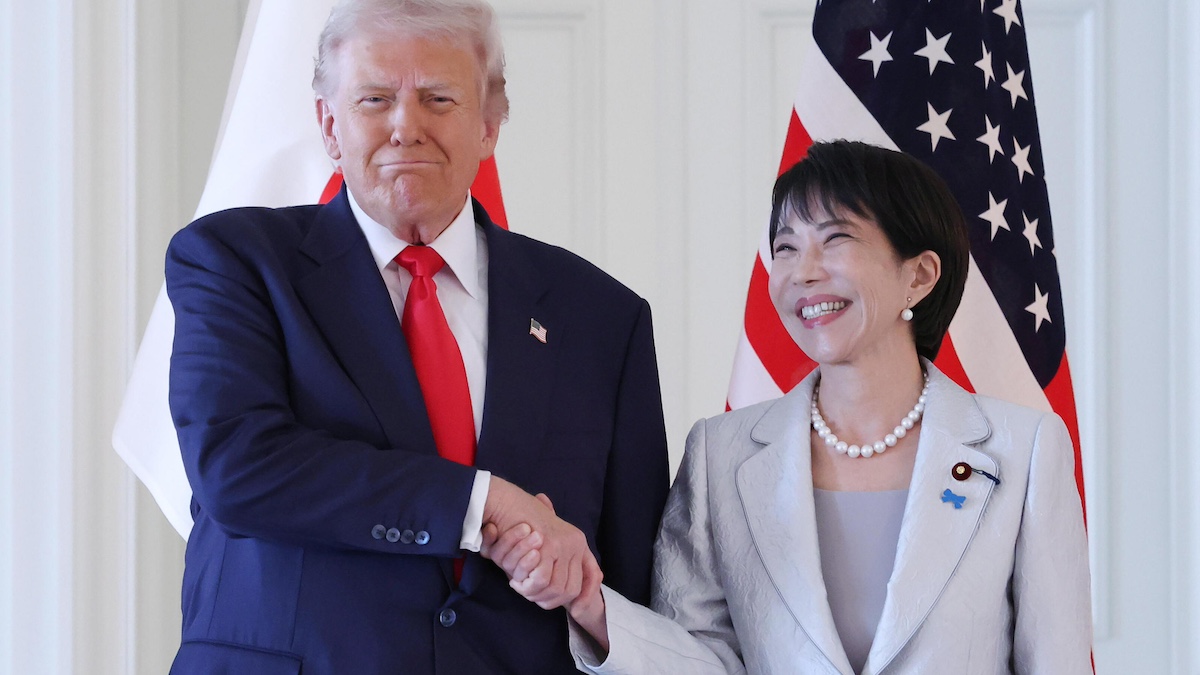
President Donald Trump’s foreign policy has often been characterized by his “America First” slogan, which initially suggested a shift toward isolationism. However, recent actions and decisions demonstrate a more complex and assertive approach to global affairs. Far from retreating from international engagement, Trump has actively pursued strategies that emphasize America’s dominance on the world stage.
分类: politics
-
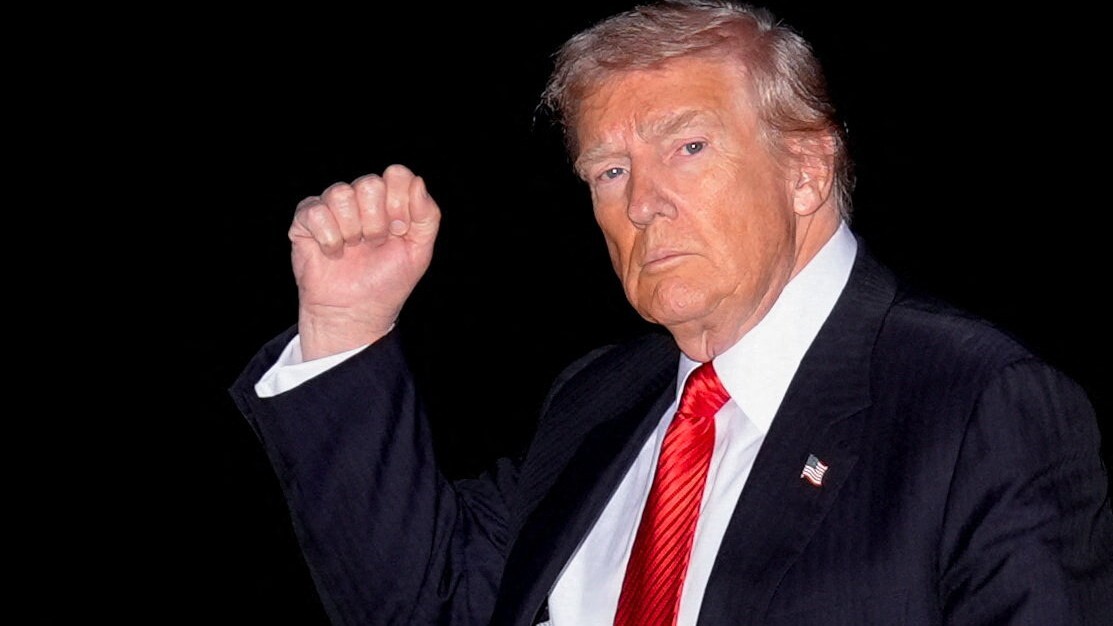
‘I think he’s going to join’: Trump says Saudi Arabia will normalise with Israel without two-state solution
In a comprehensive interview with CBS’s 60 Minutes on Sunday, former US President Donald Trump expressed confidence that Saudi Arabia would normalize relations with Israel, even without the kingdom’s longstanding precondition of a two-state solution to the Palestinian-Israeli conflict. This statement precedes Saudi Crown Prince Mohammed bin Salman’s upcoming visit to Washington on November 18, marking his first White House visit since 2018. When questioned about Saudi Arabia’s stance on the Abraham Accords, Trump dismissed concerns, asserting, ‘I think he’s going to join. I think we will have a solution.’ He emphasized the role of Israel and other stakeholders in determining the final outcome, while also highlighting the significance of neutralizing Iran’s nuclear capabilities as a prerequisite for regional stability. Trump referenced his administration’s efforts in brokering a ceasefire in Gaza and his controversial air strikes on Iran’s nuclear facilities, which Tehran denies had any lasting impact. The interview also touched on Trump’s relationship with Israeli Prime Minister Benjamin Netanyahu, whom he praised as ‘very talented’ but acknowledged pushing on certain issues, including apologies to Qatar and the Gaza ceasefire. Trump’s remarks extended to domestic politics, criticizing New York City’s mayoral candidate Zohran Mamdani as a ‘communist’ and threatening to withhold federal funding if Mamdani wins. The former president’s comments underscore his ongoing influence on US foreign and domestic policy, even after leaving office.
-
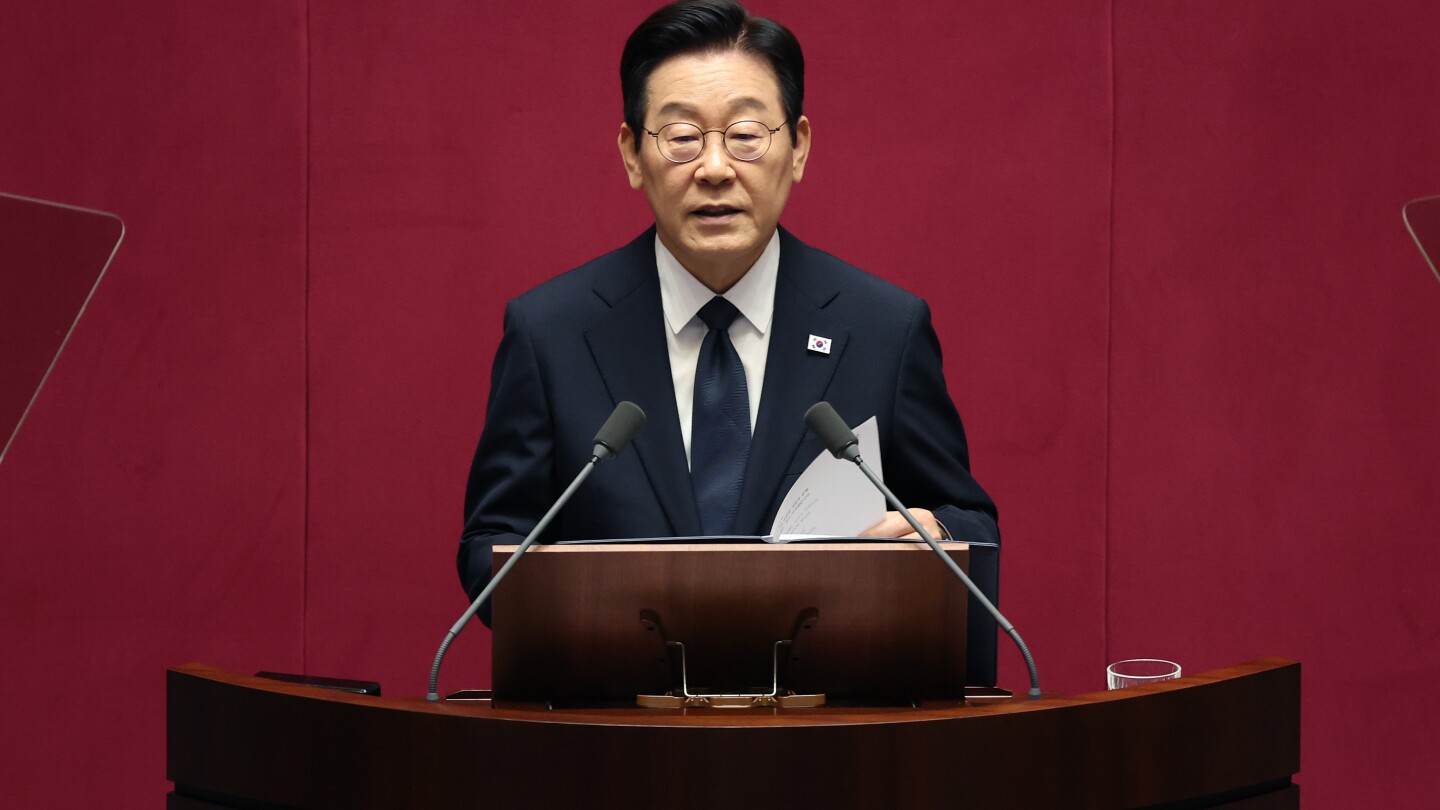
South Korean president calls for aggressive AI spending in budget speech
In a landmark budget speech delivered at the National Assembly, South Korean President Lee Jae Myung outlined an ambitious vision to propel the nation into the forefront of artificial intelligence (AI) innovation and bolster its defense capabilities. Lee called for a tripling of government spending on AI infrastructure and technology, proposing a budget of 728 trillion won ($506 billion), the highest in the country’s history. He emphasized the need for South Korea to construct the “highway for the AI era,” drawing parallels to past transformative initiatives under former presidents Park Chung-hee and Kim Dae-jung. The proposed 10.1 trillion won ($6.9 billion) allocation for AI-related projects aims to enhance computing and manufacturing capabilities, particularly in industries such as semiconductors, automobiles, shipbuilding, and robotics. Lee also highlighted a recent agreement with Nvidia to supply 260,000 GPUs for AI infrastructure projects, though uncertainties remain regarding the delivery timeline due to U.S. President Donald Trump’s remarks restricting access to Nvidia’s latest AI chips. On the defense front, Lee proposed an 8.2% increase in military spending to 66.3 trillion won ($46 billion), focusing on modernizing weapons systems and reducing reliance on the United States. He also reaffirmed South Korea’s commitment to acquiring nuclear-powered submarines, a move supported by Trump during their bilateral meeting. The speech coincided with annual security talks between U.S. and South Korean defense officials, addressing key alliance issues, including the transfer of wartime operational control to a South Korean-led command. However, Lee’s address was boycotted by most conservative opposition lawmakers amid ongoing tensions over a criminal investigation into former President Yoon Suk Yeol’s brief imposition of martial law in December.
-
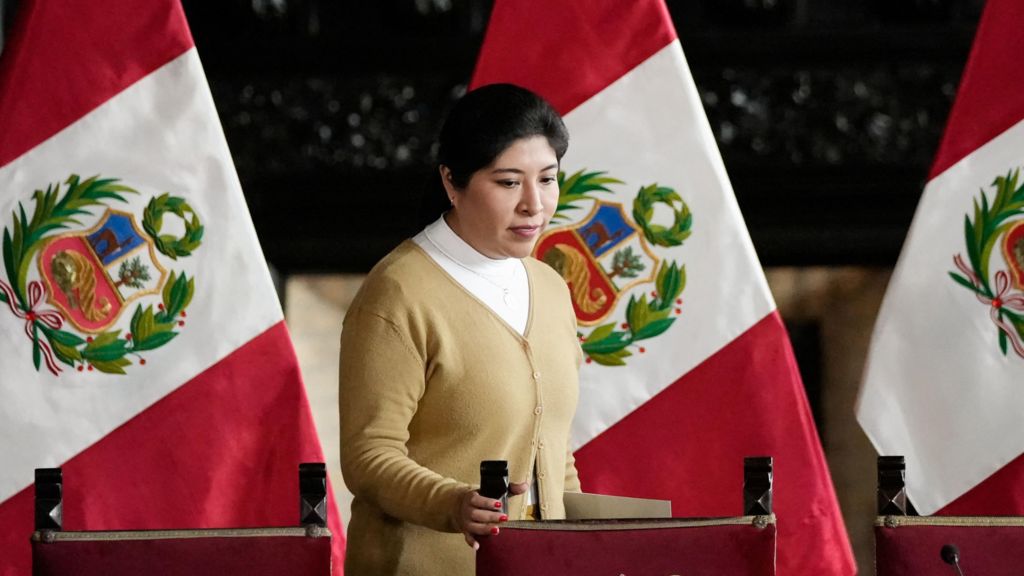
Peru cuts diplomatic ties with Mexico over ex-PM’s asylum claim
In a dramatic escalation of diplomatic tensions, Peru has announced the severance of its diplomatic relations with Mexico. The decision comes after Mexico granted asylum to Betssy Chávez, a former Peruvian prime minister accused of involvement in a 2022 coup attempt. Peruvian Foreign Minister Hugo de Zela expressed profound disappointment, labeling Mexico’s action as an “unfriendly act.” Chávez, who was imprisoned in June 2023 for her alleged role in ousted President Pedro Castillo’s plan to dissolve Congress, was released on bail in September and has consistently denied the charges. Peru has accused Mexico of repeatedly interfering in its internal affairs, particularly by portraying coup leaders as victims. Prosecutors are seeking a 25-year sentence for Chávez and a 34-year term for Castillo, who was arrested in December 2022 after his failed attempt to dissolve Congress and establish an emergency government. This latest development exacerbates the strained relations between the two nations, which began when Mexico granted asylum to Castillo’s family in 2022 and intensified with former Mexican President Andrés Manuel López Obrador’s vocal support for Castillo. Castillo, a former teacher and union activist, was Peru’s first president from a humble background but was ousted after his unconstitutional power grab. His successor, Dina Boluarte, was recently removed by Congress amid widespread protests, leading to the appointment of interim President José Jeri.
-
North Korea’s former ceremonial head of state dies
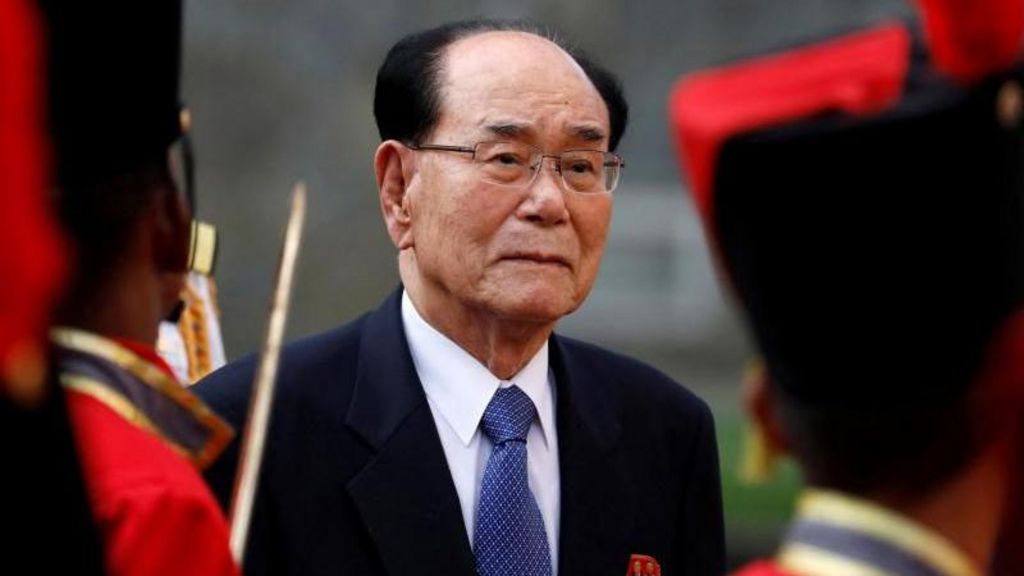
Kim Yong Nam, a prominent figure in North Korea’s political landscape and a lifelong supporter of the ruling Kim dynasty, has passed away at the age of 97, as reported by state media. Serving as the ceremonial head of state and president of the Supreme People’s Assembly from 1998 to 2019, Kim Yong Nam was a key diplomat under the regimes of Kim Il Sung, Kim Jong Il, and Kim Jong Un. Although not related to the Kim family, he played a significant role in representing North Korea on the international stage. According to the Korean Central News Agency (KCNA), he died of multiple organ failure on November 3. KCNA praised him as an “old-generation revolutionary” who contributed immensely to the nation’s development. A state funeral was held in his honor. Born during Japan’s colonial rule of the Korean peninsula, Kim Yong Nam hailed from a family of “anti-Japanese patriots.” He studied at Kim Il Sung University and later in Moscow, beginning his political career in the 1950s. Rising from a low-ranking official to foreign minister and eventually chairman of the Supreme People’s Assembly, he maintained a clean reputation, avoiding the purges that befell many other high-ranking officials. In 2018, he led a North Korean delegation to South Korea during the Winter Olympics, meeting then-President Moon Jae-in. He also participated in inter-Korean summits in 2000 and 2007. South Korea’s Unification Minister Chung Dong-young expressed condolences, recalling meaningful discussions about peace on the Korean peninsula. Former North Korean diplomat Thae Yong Ho described Kim Yong Nam as a model of survival in North Korea’s political system, emphasizing his ability to avoid controversy and maintain loyalty to the regime. Unlike many officials who faced demotion or execution, Kim Yong Nam retired peacefully in 2019, marking a rare end to a long and stable career in North Korea’s volatile political environment.
-
Anti-Muslim posts on X about Zohran Mamdani have increased by more than 450 percent
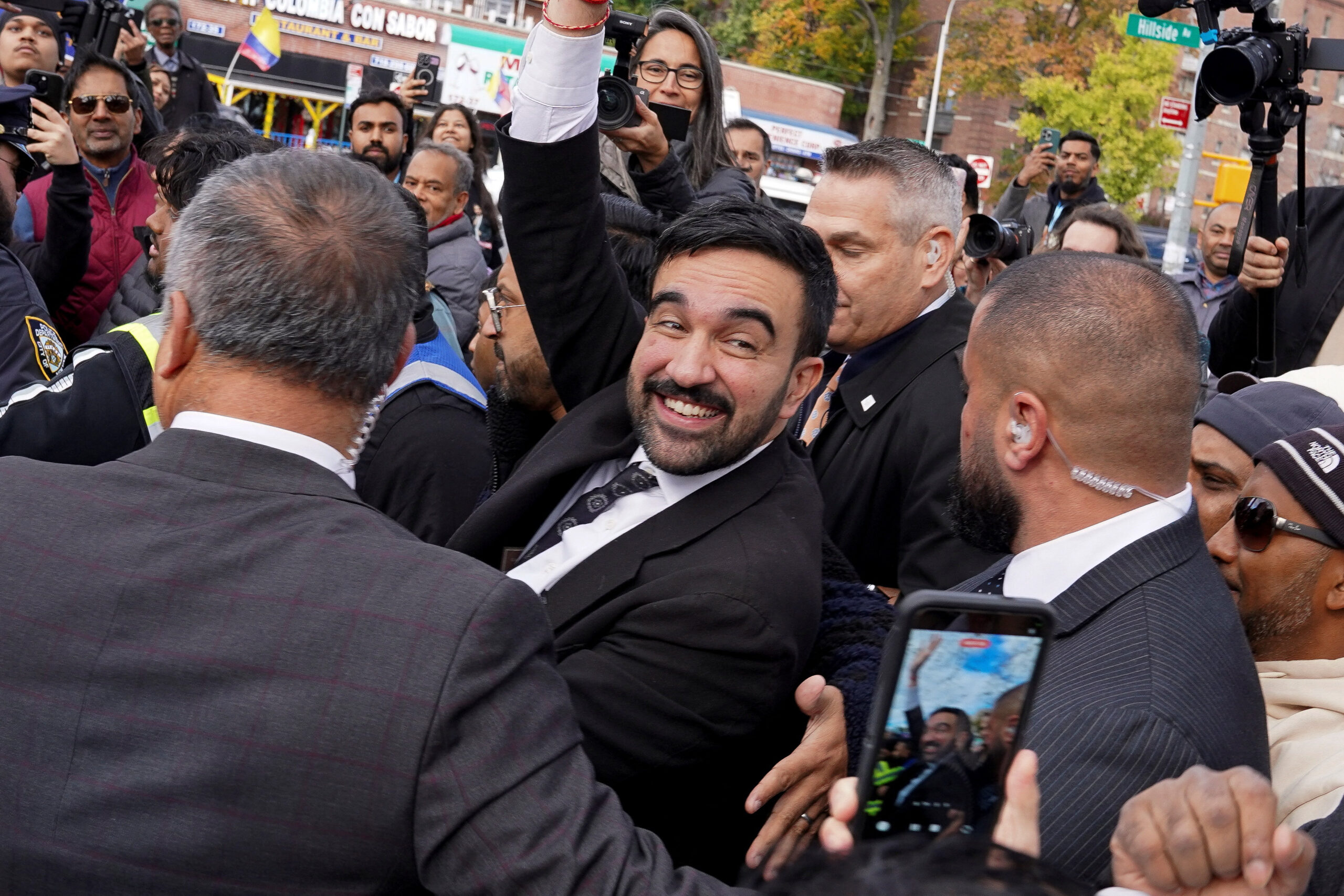
A recent report by the Center for the Study of Organized Hate (CSOH) has unveiled a concerning surge in Islamophobic and xenophobic discourse targeting New York City mayoral frontrunner Zohran Mamdani. The study, spanning from Mamdani’s Democratic primary victory in June to the end of October, revealed that such content reached an estimated 1.5 billion users on X (formerly Twitter). This spike in hateful rhetoric coincided with the narrowing gap between Mamdani and his chief opponent, Andrew Cuomo, in the mayoral race. The analysis identified 35,522 original posts from 17,752 unique accounts, with 45% authored by verified users, raising questions about the platform’s moderation practices. The report highlights four dominant Islamophobic narratives: terrorist labeling (72% of posts), calls for deportation and citizenship revocation (11%), questioning loyalty to the country (9%), and conspiracy theories about Sharia law and Muslim takeover (8%). CSOH warns that such online hate could escalate into offline violence, citing recent acts of political violence in the U.S. The organization has urged X to enforce stricter moderation, enhance transparency for verified users, and amplify corrective counterarguments in its algorithm to combat misinformation and hate speech.
-
Mamdani earns endorsement from influential Orthodox-Jewish community leader in NYC
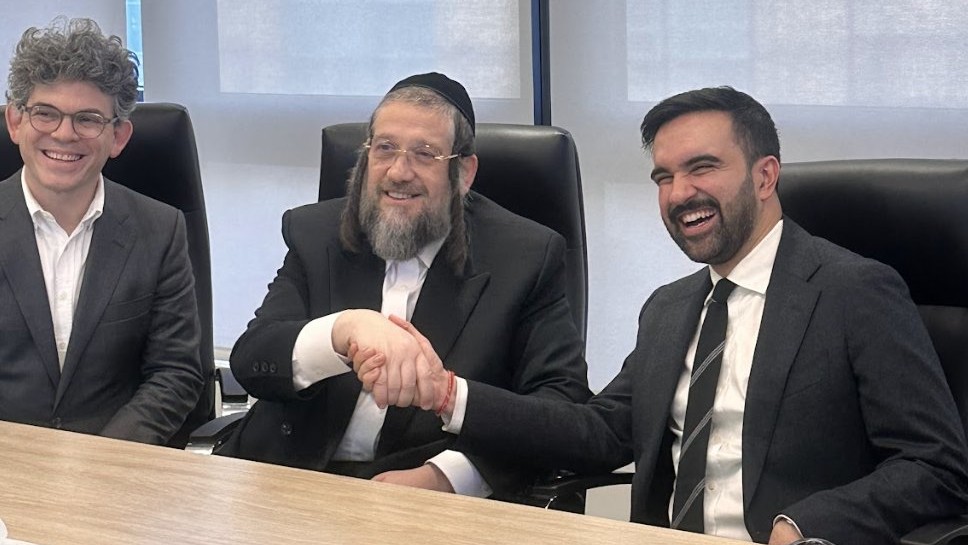
In a significant political development, Rabbi Moshe Indig, a prominent leader of the Ahronim faction within the Satmar Hasidic community, publicly endorsed Democratic mayoral candidate Zohran Mamdani on Sunday. The endorsement, announced at a gathering in Williamsburg, Brooklyn, comes just two days before the mayoral election and has sparked both support and controversy within the Haredi community. Rabbi Indig, who previously backed former Governor Andrew Cuomo in the primaries, described Mamdani as “a very nice guy, very humble” and emphasized his commitment to working with all communities in New York City. However, Mamdani’s critical stance on Israel has alienated some Orthodox leaders, creating divisions within the Jewish electorate. A recent Quinnipiac poll revealed that 60% of Jewish voters favor Cuomo, while only 16% support Mamdani. The endorsement has also faced pushback from other leaders within the Ahronim faction, with three prominent figures declaring their support for Cuomo shortly after Rabbi Indig’s announcement. The Satmar Hasidic community, with over 57,000 members in Williamsburg and 300,000 globally, wields significant political influence, often voting as a bloc. Historically, the Ahronim faction has demonstrated its political clout by endorsing winning candidates, including Bill de Blasio in 2013 and Eric Adams in 2021. Meanwhile, the Zalis faction, another major group within the Satmar community, has chosen not to endorse any candidate but has distanced itself from anti-Mamdani campaigns. The Satmar community’s anti-Zionist stance, rooted in religious beliefs, further complicates the political landscape, as they oppose the existence of Israel before the arrival of the messiah and its secular nature.
-

HK urged to advance nation’s strength, self-reliance
Hong Kong is being urged to harness its potential as a global hub for technology, innovation, and high-caliber talent to bolster China’s scientific and technological self-reliance. This call follows the fourth plenary session of the 20th Central Committee of the Communist Party of China, held in Beijing from October 20 to 23, which outlined the Recommendations for the 15th Five-Year Plan (2026-30). The plan emphasizes enhancing scientific and technological capabilities as a core principle for national development. Hong Kong’s unique position, supported by its integration with the mainland and global connections, is seen as pivotal in advancing its roles as a financial, shipping, trade, and innovation hub. The recommendations also stress the importance of governance by patriots and law-based administration in the Hong Kong and Macao Special Administrative Regions. Experts like Lau Siu-kai, a consultant and former vice-president of the Chinese Association of Hong Kong and Macao Studies, highlighted the need for proactive industrial transformation and improved governance in Hong Kong to align with national strategies. Additionally, Angus Ng Hok-ming, chairman of the Guangdong-Hong Kong-Macao Greater Bay Area Youth Association, emphasized the importance of upgrading youth capabilities and vision to support emerging fields like green finance and digital trade. The central government is expected to support Hong Kong’s development, particularly through initiatives like the Northern Metropolis project, to solidify its role in global innovation and technology.
-
Mamdani, Cuomo or Sliwa? New Yorkers on their choice for mayor
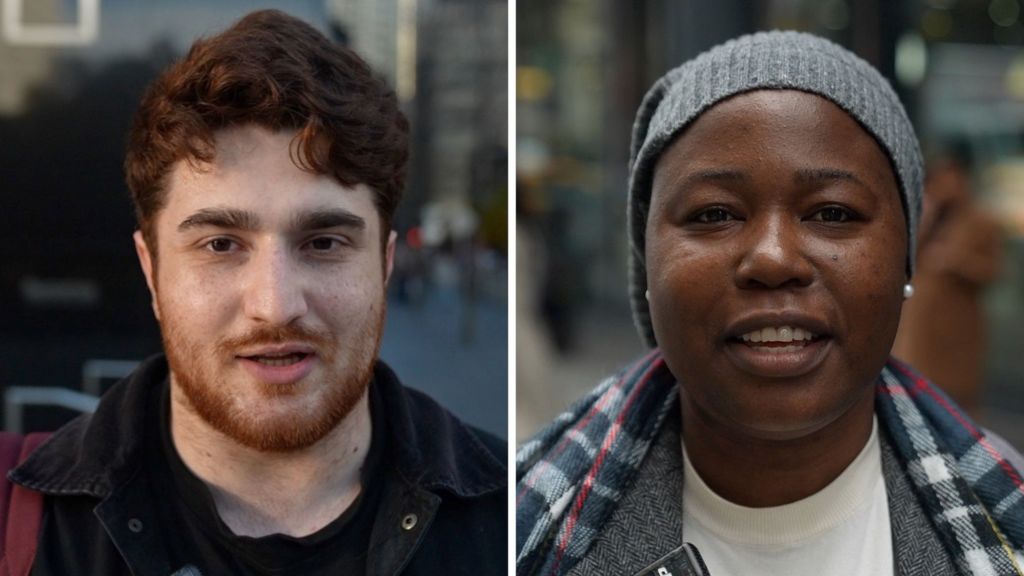
As New York City prepares for its mayoral election on Tuesday, the BBC conducted interviews with Manhattan voters to gauge their preferences and priorities. The spotlight is on three prominent candidates: Zohran Mamdani, Andrew Cuomo, and Curtis Sliwa. Voters shared their thoughts on who they believe can effectively address the city’s pressing issues, from public safety to economic recovery and housing affordability. Mamdani, a progressive advocate, is seen as a champion for social justice and systemic reform. Cuomo, a seasoned politician, is viewed by some as a steady hand with experience in crisis management. Sliwa, the founder of the Guardian Angels, is appealing to those prioritizing law and order. The diverse perspectives reflect the complexity of the race and the high stakes for New York’s future.
-
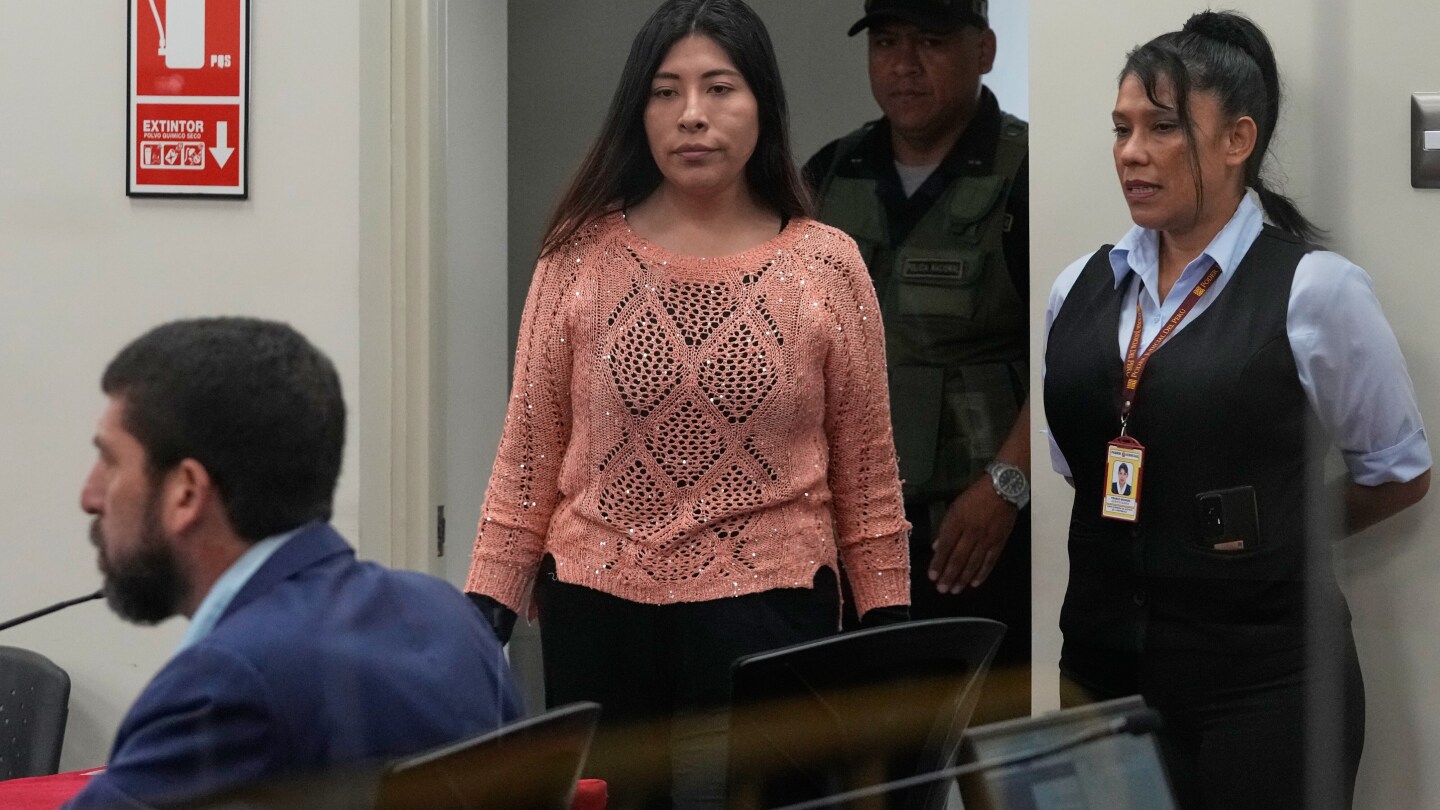
Peru breaks diplomatic relations with Mexico for granting asylum to former prime minister
LIMA, Peru — In a dramatic escalation of diplomatic tensions, Peru has officially severed its diplomatic relations with Mexico. The decision comes after Mexican authorities granted asylum to former Peruvian Prime Minister Betssy Chávez, who is implicated in charges related to a 2022 coup attempt. Peruvian Foreign Minister Hugo de Zela expressed his dismay during a press conference, stating, ‘Today we learned with surprise and deep regret that former Prime Minister Betssy Chávez, the alleged co-author of the coup d’état attempted by former President Pedro Castillo (2021-2022), is being granted asylum at the residence of the Mexican Embassy in Peru.’ This move underscores the deepening rift between the two Latin American nations, adding a new layer of complexity to their already strained relations.