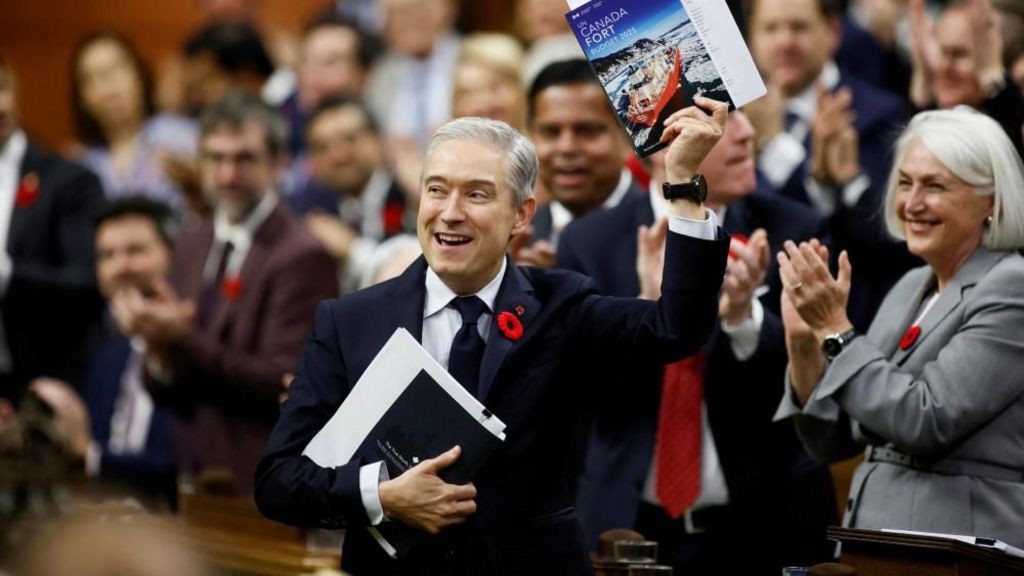
On Tuesday, Canada’s Finance Minister François-Philippe Champagne presented the nation’s federal budget, marking Prime Minister Mark Carney’s first major fiscal plan since taking office. The budget, described as both a political manifesto and a spending blueprint, outlines a comprehensive strategy to position Canada as the strongest economy in the G7. It comes at a time of significant global change, with Canada’s relationship with the US—its largest trading partner—undergoing rapid shifts. The budget warns of economic headwinds and emphasizes the need for a robust response to ensure Canada’s competitiveness on the global stage. The plan includes C$280 billion in spending, which could push the deficit to C$78.3 billion, the second-largest in Canadian history. Key investments target infrastructure, defense, housing, and digital corridors, while C$60 billion in spending cuts over five years will be achieved through public sector job reductions and AI adoption. The budget also introduces a Climate Competitiveness Strategy, aiming to make Canada a clean energy superpower by supporting low-emission projects and carbon capture technologies. Defense spending will see a significant boost, with C$81.8 billion allocated over five years to meet NATO targets and address Arctic security. Immigration targets are being reduced, and several Trudeau-era policies, including the consumer carbon tax and luxury vehicle tax, have been scrapped. The budget also addresses the impact of US tariffs, offering C$5 billion in support for affected industries and launching a C$10 billion loan facility to help businesses weather trade-related challenges.
分类: politics
-
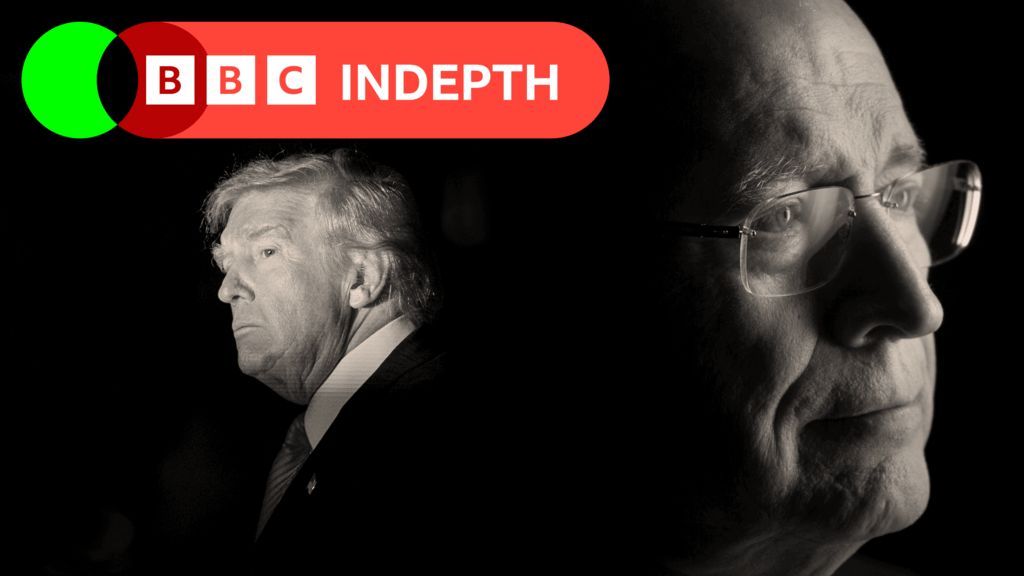
What Trump took from Dick Cheney’s political playbook
Dick Cheney, the former U.S. vice-president who passed away on Tuesday, played a pivotal role in reshaping the scope of presidential authority in the wake of the 9/11 terrorist attacks. His influence extended beyond his tenure, as Donald Trump now leverages the very mechanisms Cheney established to advance his own political objectives. Despite their personal and ideological differences, both leaders have significantly expanded the powers of the executive branch, often bypassing traditional checks and balances.
Cheney’s career in government spanned decades, beginning with his role in Richard Nixon’s administration and culminating in his influential position as vice-president under George W. Bush. The 9/11 attacks provided Cheney with a unique opportunity to redefine executive authority, enabling Bush to pursue the ‘war on terror’ with minimal constraints. This approach, as detailed in Barton Gellman’s 2008 book ‘Angler,’ was driven by a shared belief in the necessity of robust government action.
Today, Trump has inherited and further amplified these expanded powers, using them to justify actions such as military strikes and domestic surveillance. While Cheney’s policies were rooted in a post-9/11 sense of national unity, Trump’s agenda often lacks such consensus, leading to widespread public concern. Despite their differences, both leaders have demonstrated a willingness to deploy military force abroad and circumvent judicial oversight.
Cheney’s later years saw him become a vocal critic of Trump, particularly after the 2020 election. He warned of the dangers Trump posed to the republic, even endorsing Democrat Kamala Harris in 2024. Trump, in turn, dismissed Cheney as a proponent of ‘endless, nonsensical wars.’
The parallels between Cheney and Trump extend to their use of executive authority in areas such as military intervention, detention practices, and surveillance. Both leaders have pushed the boundaries of presidential power, often with controversial consequences. As the U.S. grapples with the legacy of Cheney’s policies and Trump’s ongoing actions, the debate over the limits of executive authority remains a central issue in American politics.
-
What happens if the Supreme Court rules Trump’s ‘reciprocal’ tariffs illegal?
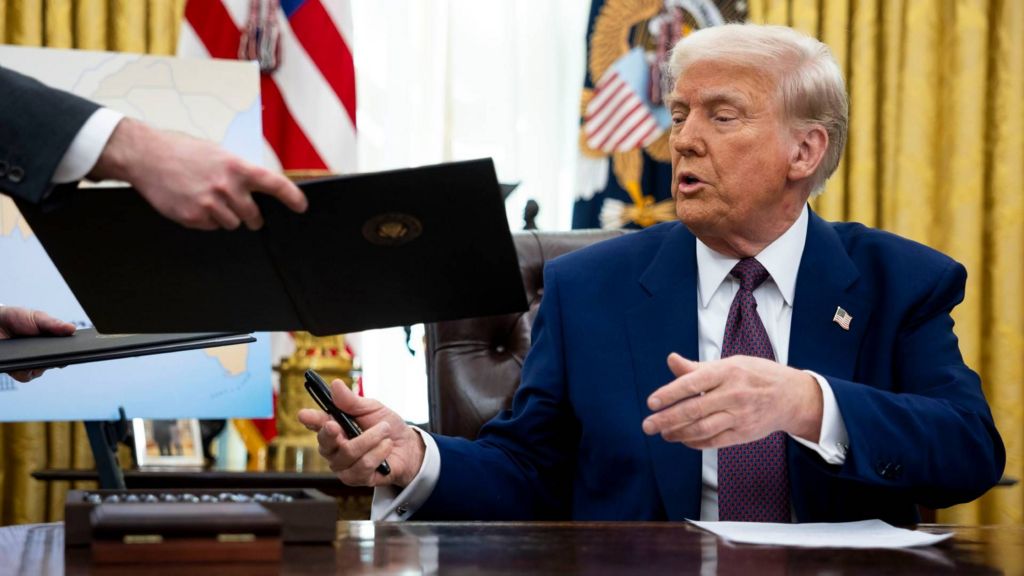
The legality of former President Donald Trump’s sweeping global tariffs is set to be determined by the US Supreme Court. The highest court in the nation will assess whether Trump’s use of emergency powers to impose these tariffs constitutes an overreach of presidential authority. A hearing is scheduled for November 5, following a federal appeals court ruling that declared the tariffs illegal. These tariffs, announced in April, imposed a flat 10% rate on imports from all countries, a move Trump argued was necessary to address ‘unfair’ trade relations with the US. The case reached the Supreme Court after two lower courts ruled that Trump lacked the authority to implement such broad tariffs. The appellate court’s 7-4 decision rejected Trump’s claim that the International Emergency Economic Powers Act (IEEPA) permitted these tariffs, stating that the law does not grant the president the power to impose tariffs or taxes. Trump criticized the ruling, calling it ‘highly partisan’ and a ‘disaster’ for the country. The case originated from legal challenges by small businesses and a group of 12 US states. The Supreme Court’s decision could have significant implications for Trump’s political legacy, the US economy, and global trade relations. If the court upholds the lower courts’ rulings, it could lead to uncertainty in financial markets and questions about the validity of existing trade deals. Conversely, a ruling in Trump’s favor could embolden future presidents to use the IEEPA more aggressively. The conservative majority on the Supreme Court has frequently sided with Trump, but the court has also been critical of presidential overreach. The ruling will specifically address Trump’s ‘reciprocal tariffs,’ which include various rates on imports from countries like China, Mexico, and Canada. Tariffs imposed under Section 232, aimed at protecting national security, remain unaffected by this case.
-
Carney seeks to fortify Canada against tariffs shocks in first budget
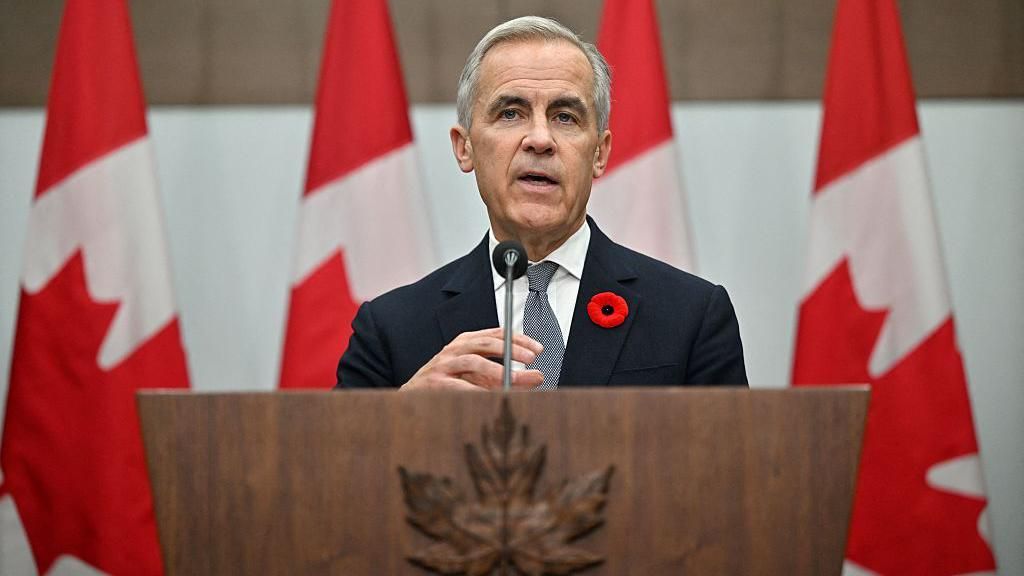
Prime Minister Mark Carney’s government has introduced its first federal budget, outlining a bold economic transformation plan to address the pressures of US tariffs and foster long-term growth. Dubbed an ‘investment budget,’ the fiscal blueprint increases Canada’s deficit to C$78 billion, up from C$51.7 billion, while aiming to attract C$1 trillion in investments over the next five years. Finance Minister François-Philippe Champagne presented the budget in the House of Commons, emphasizing the need for ‘bold and swift action’ during a period of profound change. The budget includes significant spending on infrastructure, defense, and artificial intelligence (AI), alongside cuts to the federal workforce and international aid. To counter US tariffs, which have already impacted sectors like steel, aluminum, and automobiles, the government plans to invest C$280 billion to enhance productivity, competitiveness, and resilience. This includes modernizing trade infrastructure and doubling exports to non-US markets. The budget also proposes C$30 billion in defense spending, aligning with NATO commitments, and nearly C$1 billion to advance AI integration. However, the plan faces political hurdles, as Carney’s Liberal government lacks a majority and requires support from other parties to pass the budget. Opposition leaders have expressed concerns over the deficit and austerity measures, raising the possibility of a federal election if the budget fails to gain approval.
-
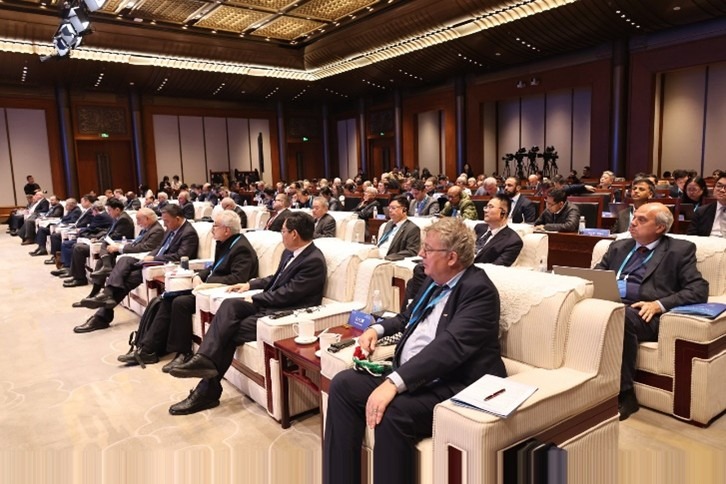
15th World Socialism Forum kicks off in Beijing
The 15th World Socialism Forum commenced in Beijing on November 3, 2025, gathering nearly 90 communist leaders, Marxist scholars, social activists, and diplomatic representatives from 35 countries. Under the theme ‘At the Crossroads of World History: The Choices of All Nations,’ the forum delved into critical topics such as Chinese-style modernization, the rise of the Global South, and reforms in global governance to promote fairness and justice. Gao Xiang, president and Party secretary of the Chinese Academy of Social Sciences (CASS), inaugurated the event by emphasizing the shifting global power dynamics and China’s role in addressing global challenges through its Global Development, Security, Civilization, and Governance Initiatives. He underscored China’s commitment to fostering solidarity among socialist forces worldwide and advancing a non-Western path to modernization. International participants echoed these sentiments, with Alberto Moreno, general secretary of the Communist Party of Peru – Red Fatherland, praising China’s multilateral approach as a beacon for a fair and democratic international order. José Luis Centella, president of the Communist Party of Spain, highlighted China’s leadership in global governance as a counter to hegemonic strategies, urging progressive forces to reform international institutions. Maurizio Acerbo, secretary of the Communist Refoundation Party, acknowledged China’s role in challenging neoliberalism, while Jorge Kreneyss, general secretary of the Communist Party of Argentina, lauded BRICS as a platform for Global South autonomy. Chinese scholars emphasized the unique contributions of Chinese-style modernization, rooted in historical and cultural contexts, as a transformative model for global socialism. The forum concluded with a consensus on the importance of adapting Marxist principles to contemporary realities and leveraging international cooperation to achieve equitable global development.
-
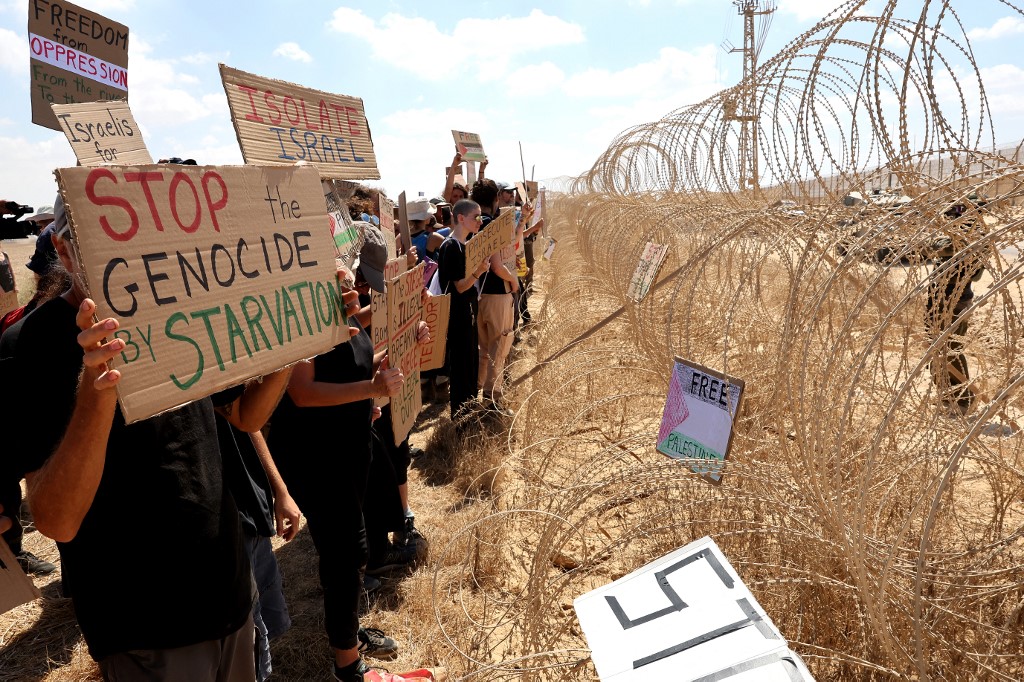
Architect of plan to starve Gaza invited to Israeli left-wing conference
Retired Israeli General Giora Eiland, the architect of the contentious ‘Generals’ Plan,’ is set to participate in a conference organized by the left-wing Israeli party, The Democrats. The event, marking the 30th anniversary of former Prime Minister Yitzhak Rabin’s assassination, will take place in Tel Aviv. The conference will feature speeches by The Democrats’ leader, Yair Golan, and a recorded message from President Isaac Herzog, followed by a panel discussion on ‘Responsibility and Leadership’ with Eiland, former Prime Minister Ehud Barak, and former Beit Shemesh Mayor Aliza Bloch.
Eiland’s involvement has drawn criticism, particularly from Uri Weltmann, an activist with the Jewish-Palestinian group Standing Together. Weltmann argues that Eiland’s participation suggests that some party leaders do not distance themselves from extreme military strategies, such as the ‘Generals’ Plan,’ which advocates for a total blockade on Gaza to induce starvation and mass evacuation.
The ‘Generals’ Plan,’ proposed in September 2024, calls for preventing food, water, aid, and fuel from entering northern Gaza, forcing the evacuation of hundreds of thousands of Palestinians. Eiland has publicly defended the plan, stating that creating a humanitarian crisis in Gaza is necessary to secure the release of hostages and achieve military objectives. His statements have been condemned by Hamas and international observers as inhumane and reminiscent of Nazi tactics.
Weltmann emphasized the moral and legal implications of Eiland’s stance, noting that starvation as a war tactic violates international law and is central to the International Criminal Court’s case against Israeli leaders. He criticized The Democrats for allowing Eiland to speak at a conference ostensibly committed to peace and human rights.
The Democrats, led by Golan, have been described as part of the ‘Zionist left,’ but their stance on Gaza has shifted during the conflict. Golan has made contradictory statements, at times supporting harsh measures against Gaza while advocating for peace. Weltmann urged Golan to withdraw from the conference if Eiland participates, arguing that supporting both peace and starvation is incompatible.
Eiland’s inclusion in the conference highlights the ideological divisions within Israel’s left-wing, with some factions willing to adopt right-wing positions to advance their agenda. Weltmann warned that Israel stands at a historic crossroads, with one path leading to continued conflict and the other toward peace and an end to the occupation. He expressed hope that The Democrats would choose the latter.
-
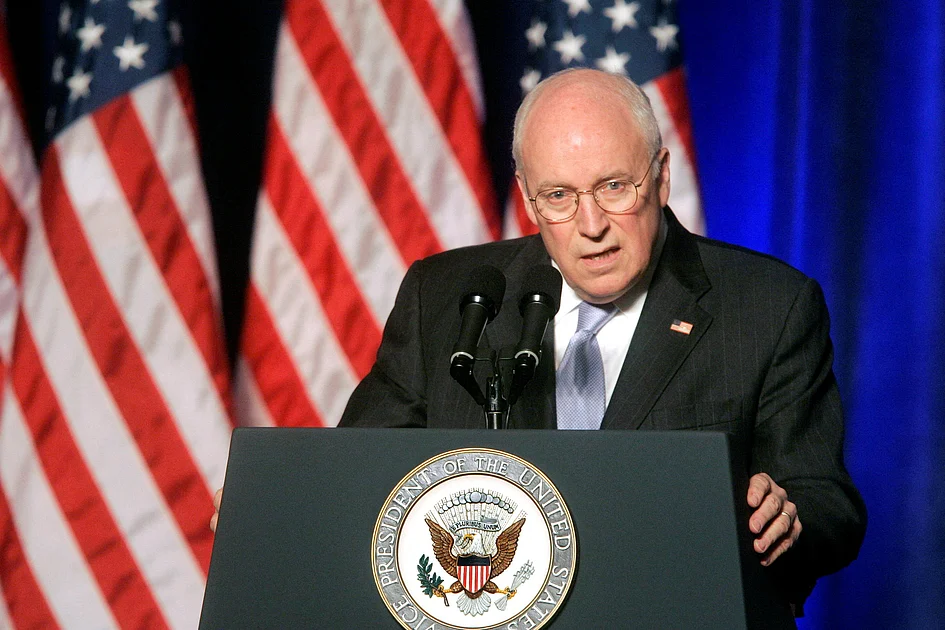
Former US VP Dick Cheney dead at 84, family confirms
Dick Cheney, a pivotal figure in U.S. politics and one of the most powerful vice presidents in American history, has passed away at the age of 84. His family confirmed his death on Tuesday, attributing it to complications from pneumonia and cardiac and vascular disease. Cheney, who served as vice president under George W. Bush from 2001 to 2009, was a driving force behind the 2003 U.S. invasion of Iraq, a decision that remains highly controversial.
-
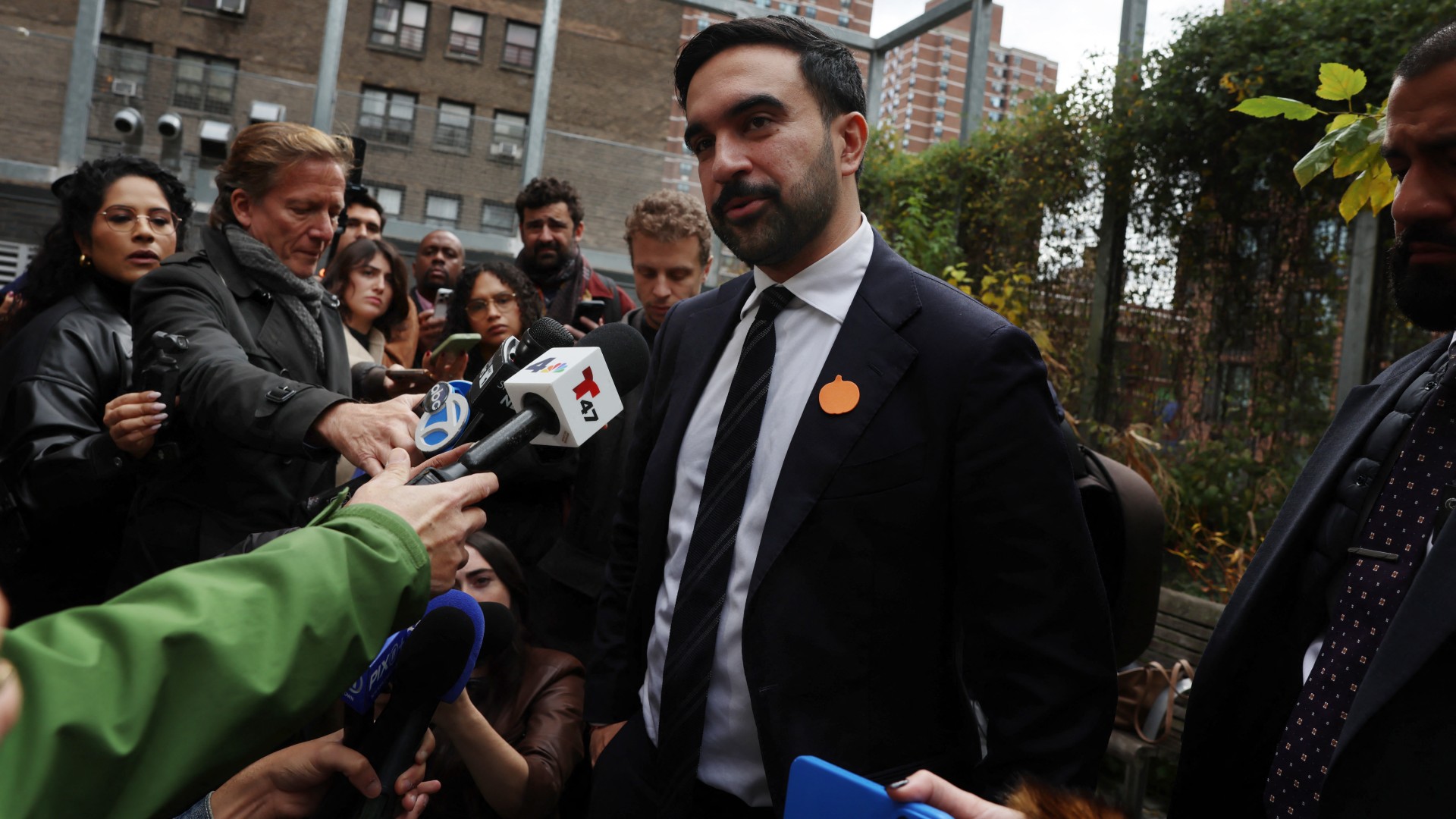
Voting opens in New York as Mamdani seeks to become first Muslim mayor
The New York City mayoral elections have commenced with unprecedented voter engagement, as the city stands on the brink of electing its first Muslim mayor. Early voting saw a record-breaking 735,000 ballots cast, quadrupling the numbers from the 2021 election. Leading the race is Zohran Mamdani, a 34-year-old democratic socialist and assembly member, who has consistently topped opinion polls for months. Mamdani secured a decisive victory in the Democratic primary in June, defeating former New York governor Andrew Cuomo by nearly 13 percentage points. Cuomo, now running as an independent, faces competition from veteran Republican Curtis Sliwa. Outgoing mayor Eric Adams initially planned to run as an independent but withdrew in September, though his name remains on the ballot. Mamdani’s campaign focuses on affordability, advocating for higher corporate taxes, increased taxes on the wealthy, rent stabilization, and expanded subsidized housing. Polls close at 9pm ET, with results anticipated shortly thereafter. Former President Donald Trump has endorsed Cuomo, warning that a Mamdani victory would jeopardize federal funding for New York. Despite being a Republican, Trump urged voters to support Cuomo over Sliwa. Meanwhile, a recent report by the Center for the Study of Organized Hate highlighted a surge in Islamophobic and xenophobic discourse on social media, with over 1.5 billion views of such content targeting Mamdani since his primary win.
-
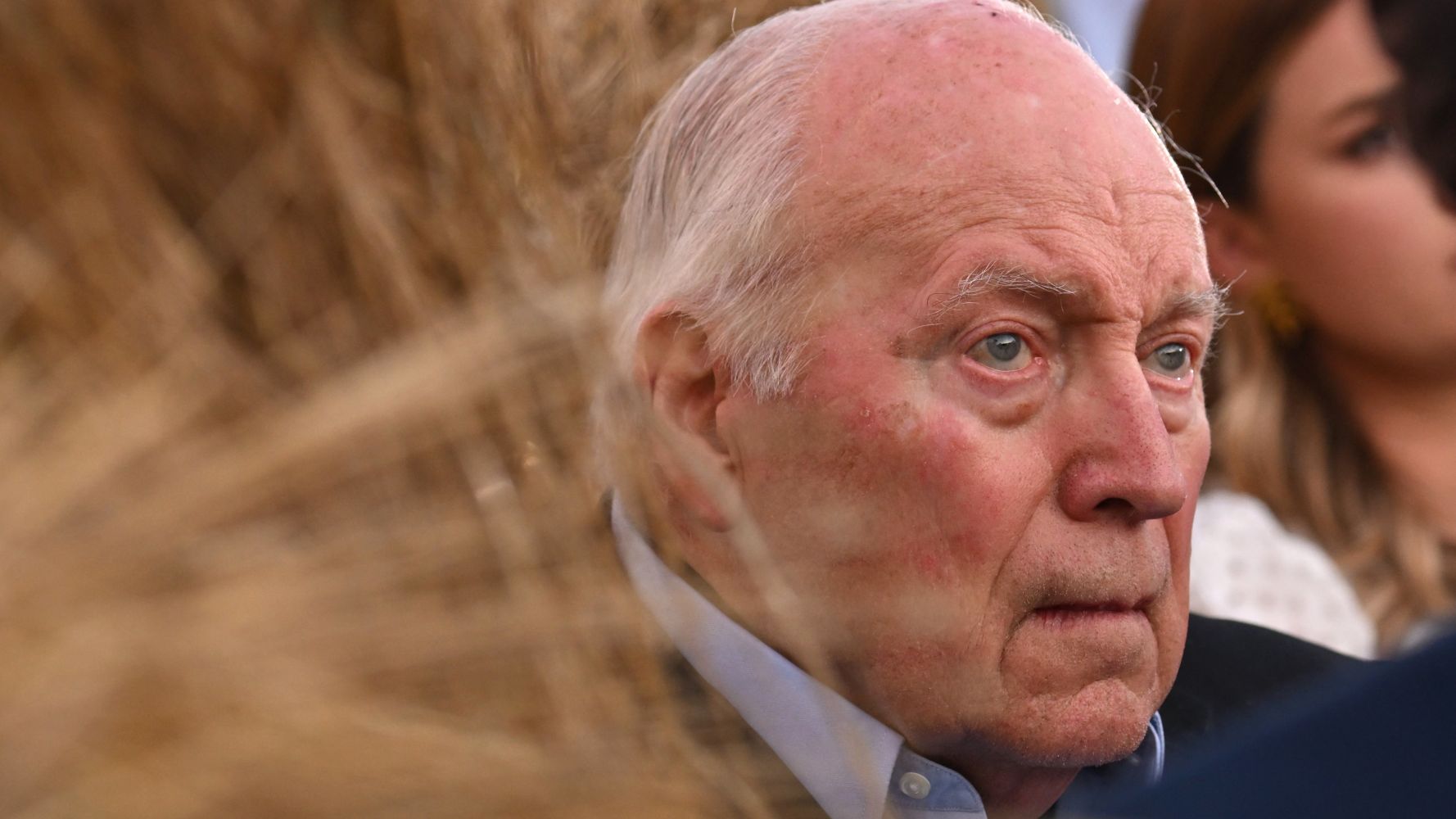
Dick Cheney, architect of the US invasion of Iraq, dies aged 84
Dick Cheney, the former US vice president who played a pivotal role in shaping American foreign policy and orchestrating the invasions of Afghanistan and Iraq, passed away on Tuesday at the age of 84. Cheney’s family confirmed that his death was due to complications from pneumonia, cardiac, and vascular diseases.
-
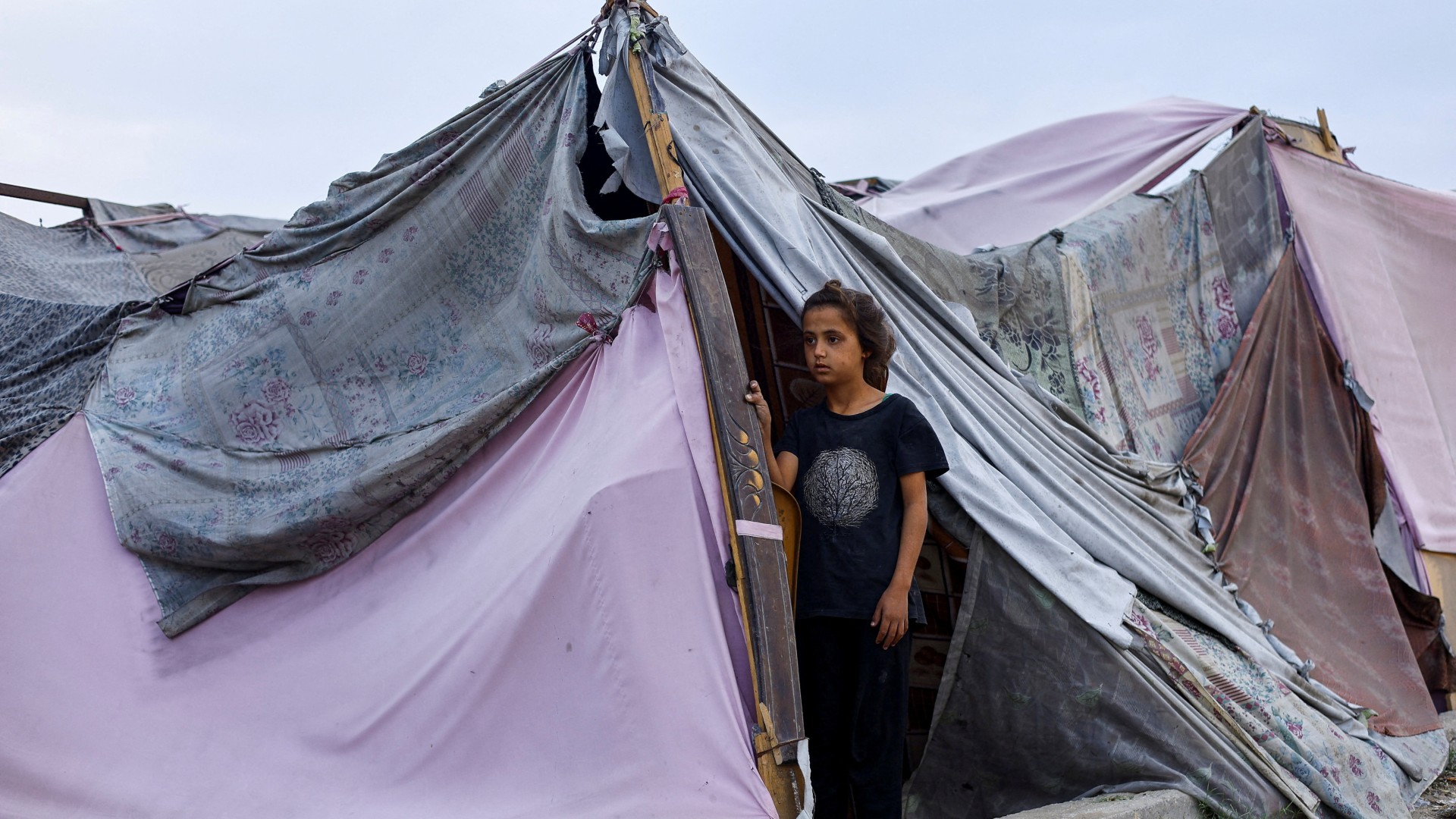
Palestinian-Israeli opinion polls expose hollowness of Trump’s ‘Peace Plan’
The Israeli-Palestinian conflict, often perceived as a series of new developments, is in reality a repetition of unresolved historical patterns. This is the central theme of Robert Malley and Hussein Agha’s book, “Tomorrow is Yesterday.” The recent actions of Benjamin Netanyahu and Donald Trump’s “Peace Plan for Gaza” have only exacerbated the situation, turning what was once termed “conflict management” into a more devastating and unresolved crisis. Both Israeli and Palestinian political systems have failed to heal their societies, instead intensifying fear, grievance, and denial. The Palestinian political landscape remains fragmented, while Israel grapples with internal legitimacy struggles and a drift towards authoritarianism. Public opinion on both sides has hardened, with Israelis increasingly rejecting Palestinian statehood and Palestinians showing rising support for Hamas. The war has not opened avenues for compromise but has deepened existential threats, resulting in a military, psychological, and political stalemate. Israeli society’s dehumanization of Palestinians, evident in surveys and actions, contrasts sharply with Palestinian attitudes, which reflect anger towards both Hamas and Israel but prioritize survival and reconstruction. The ceasefire has not alleviated the distress in the West Bank, where settler and army violence continues unabated. The political imagination of Israelis and European diplomats remains limited, unable to conceive of a moderated Hamas or a two-state solution. The Palestinian Authority’s poor performance and corruption have led to widespread demands for Mahmoud Abbas’s resignation. The majority of Palestinians prefer general elections and political unification of the West Bank and Gaza, despite their criticism of Hamas. The gap between Gaza and West Bank attitudes may prompt Israel to act more aggressively in the West Bank, perpetuating the cycle of violence and division.