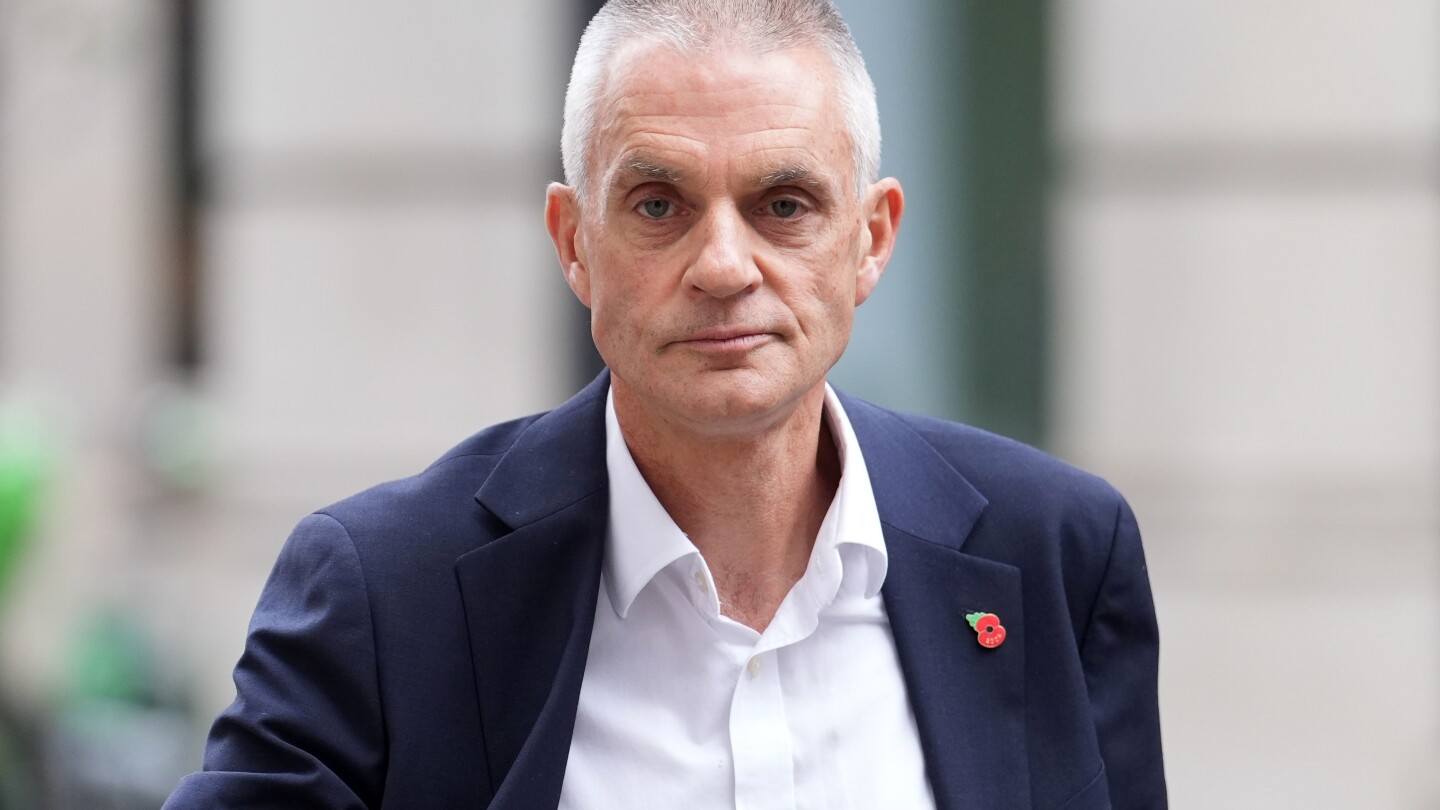
The British Broadcasting Corporation (BBC) is embroiled in its most severe crisis in years, following a series of controversies that have culminated in the resignation of its Director-General, Tim Davie, and head of news, Deborah Turness. The turmoil was sparked by accusations of biased editing in a documentary featuring former U.S. President Donald Trump’s speech on January 6, 2021. Trump has threatened legal action, demanding $1 billion in damages for what he termed “false, defamatory, and inflammatory statements.” The BBC’s chair, Samir Shah, has issued an apology for an “error of judgment” in the editing process. This incident is the latest in a string of scandals that have plagued the BBC under Davie’s leadership. These include the Martin Bashir scandal, where a journalist used fake documents to secure an interview with Princess Diana, and the suspension of high-profile presenter Huw Edwards over allegations of inappropriate conduct. The BBC has also faced criticism for its coverage of sensitive topics, including the Gaza conflict and transgender issues. The institution’s credibility is now under intense scrutiny, with concerns raised about institutional bias and editorial standards.
分类: politics
-
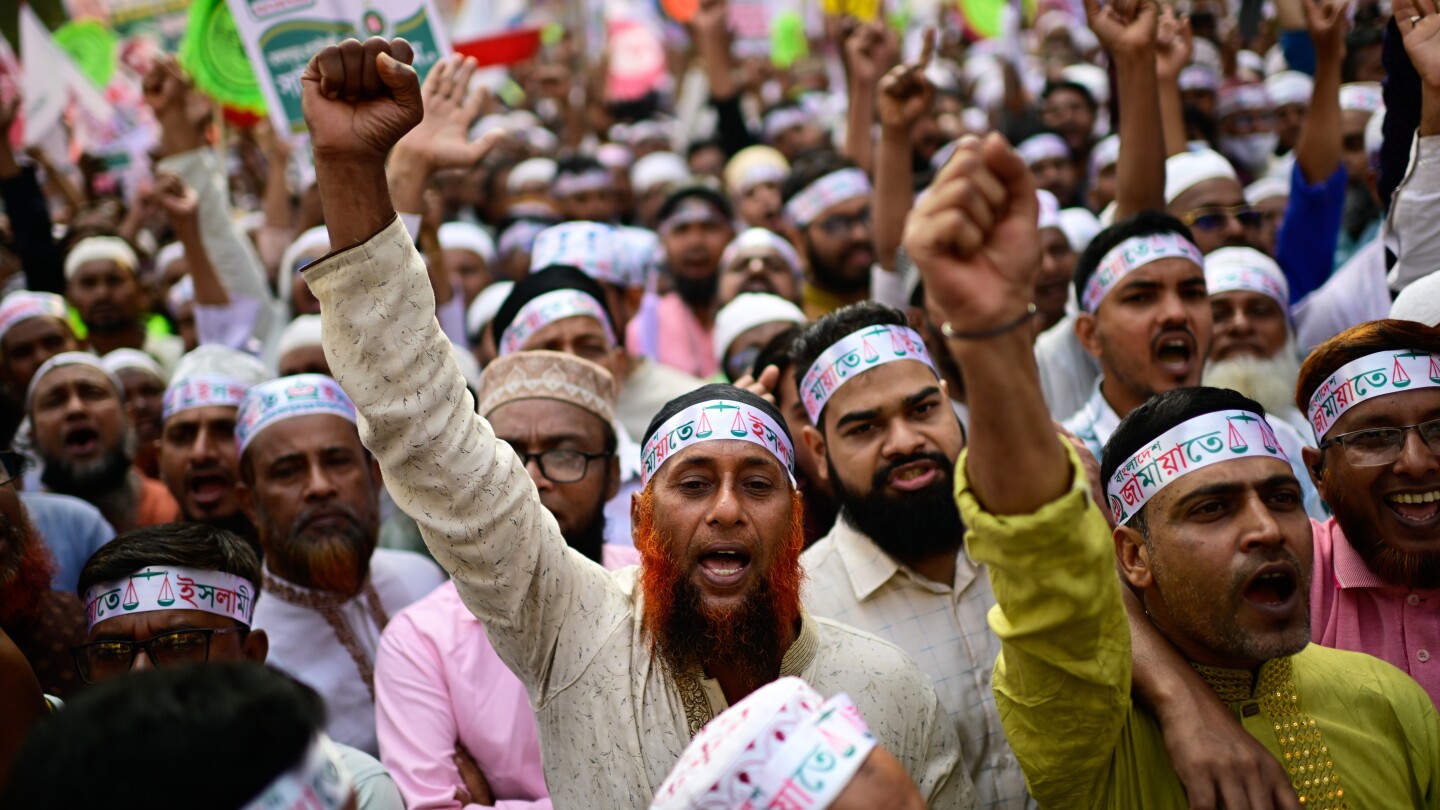
Islamists in Bangladesh demand a referendum on the national charter ahead of a general election
In Dhaka, Bangladesh, thousands of Islamist supporters gathered on Tuesday to demand the interim government legalize the ‘July National Charter,’ a proposed framework for political reforms. The rally, organized by the Jamaat-e-Islami party and seven other political groups, emphasized that the upcoming general election, slated for early 2026, cannot proceed without a legally binding roadmap for constitutional changes. The charter, named after the July 2024 uprising that led to the ouster of former Prime Minister Sheikh Hasina, aims to introduce checks and balances to prevent authoritarianism, including term limits for legislators and measures to combat corruption. Currently nonbinding, the charter requires a referendum to become part of the constitution, a process only Parliament can initiate in Bangladesh’s parliamentary democracy. The interim government, led by Nobel Peace Prize laureate Muhammad Yunus, proposed the roadmap following Hasina’s removal in August 2023. The Bangladesh Nationalist Party, headed by former Prime Minister Khaleda Zia, has endorsed the charter, while Hasina’s Awami League remains banned, and she faces trial for alleged crimes during last year’s uprising. Supporters at the rally insisted that the 2026 election must be conducted under a proportional representation system and that the charter must be legally binding. Meanwhile, a special tribunal is set to announce a verdict date for Hasina’s trial on Thursday, as Bangladesh’s political future remains uncertain under Yunus’s leadership.
-
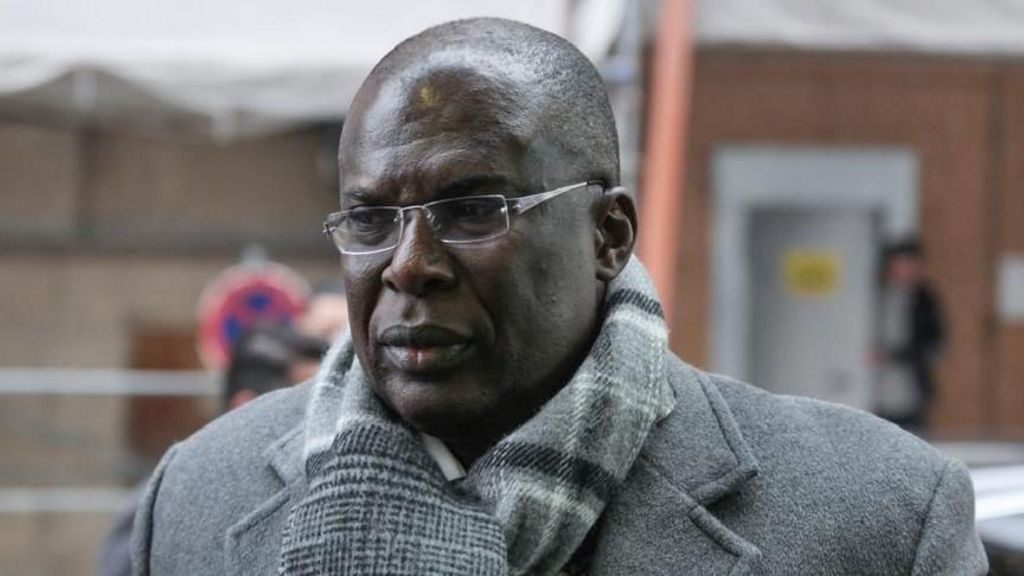
Anger over ‘wanted notice’ for Nigeria’s ex-oil minister Timipre Sylva
Nigeria’s former oil minister, Timipre Sylva, has been issued an arrest warrant by the country’s anti-corruption agency, the Economic and Financial Crimes Commission (EFCC), over allegations of diverting $15 million in public funds intended for an oil refinery project. Sylva’s spokesperson, Julius Bokoru, has dismissed the charges as politically motivated, asserting that the refinery project was legitimate and fully documented. Bokoru revealed that Sylva is currently in the UK for a medical check-up and plans to engage with the EFCC upon his return. He criticized the agency for not contacting Sylva directly and accused them of using social media to ‘inflame public sentiment’ by issuing a ‘wanted notice.’ The EFCC’s notice follows a warrant issued by a High Court in Lagos last Thursday. Sylva, who served as petroleum minister from 2019 to 2023 under former President Muhammadu Buhari, has a long political history, including a term as governor of Bayelsa state, a key oil-producing region. The case has sparked debate over the transparency of Nigeria’s anti-corruption efforts and the potential politicization of such investigations.
-
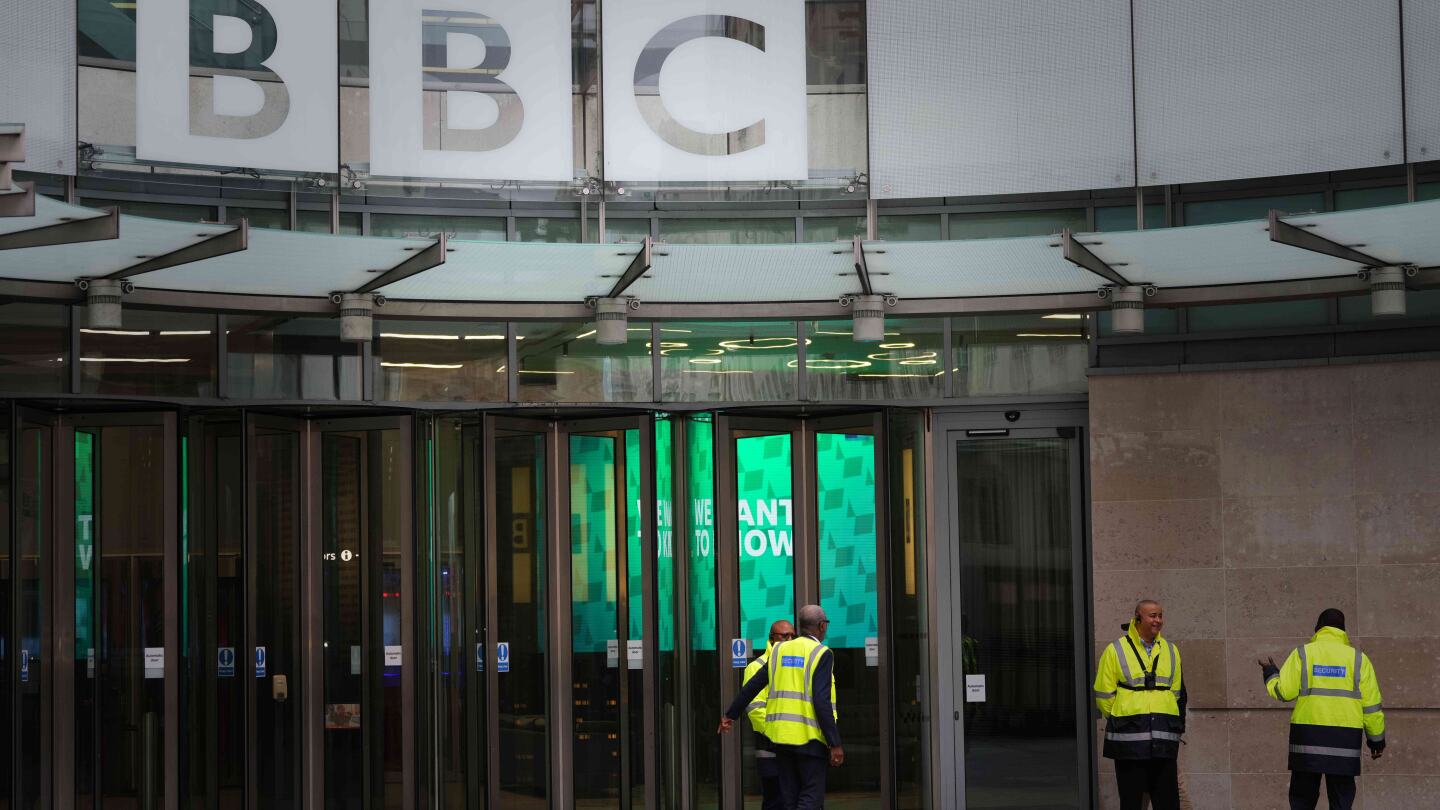
UK government is caught up in a feud between Trump and the BBC
The UK government has stepped into the escalating dispute between the BBC and former U.S. President Donald Trump, who is threatening legal action over the broadcaster’s editing of his post-2020 election speech. Culture Secretary Lisa Nandy is set to address the issue in the House of Commons, as critics demand significant reforms to the BBC while supporters urge the government to shield the public broadcaster from political interference. The controversy has already led to the resignation of BBC Director-General Tim Davie, who acknowledged the organization’s mistakes but emphasized the need to defend its journalism. Trump’s lawyer has demanded a retraction, apology, and compensation for what he claims is a defamatory portrayal in a documentary aired last year. The BBC has admitted to misleading editing in the documentary, which spliced together quotes from Trump’s speech, creating the impression of a direct call for violence. The broadcaster, funded by an annual license fee, faces mounting pressure in an era of polarized politics and shifting media consumption. While the Labour Party government has supported the BBC, it has also stressed the importance of correcting errors to maintain public trust.
-

Thailand demands apology from Cambodia for land mine explosion that injured soldiers
Thailand has announced an indefinite suspension of a U.S.-brokered ceasefire with Cambodia, demanding an apology for a land mine explosion that injured four Thai soldiers on Monday. The incident occurred along the contentious border in Sisaket province, where one soldier lost his right foot and three others sustained minor injuries. Thai Prime Minister Anutin Charnvirakul visited the injured troops on Tuesday, while the Thai army accused Cambodia of violating the truce by allegedly laying new mines. Cambodia has denied responsibility, attributing the explosion to remnants of past conflicts and urging Thai troops to avoid patrolling in known minefield areas. The ceasefire, mediated by Malaysia and signed during the Association of Southeast Asian Nations summit in October, aimed to de-escalate tensions following five days of deadly combat in July. However, territorial disputes and nationalist sentiments have hindered progress. Thailand has also postponed the return of 18 Cambodian soldiers detained since the July conflict. Analysts, including Matthew Wheeler of the International Crisis Group, argue that the ceasefire was primarily a diplomatic gesture to appease U.S. President Donald Trump, who threatened to withhold trade privileges from both nations. Wheeler noted that the agreement’s breakdown was predictable, given its superficial focus on trade and Trump’s desire to be seen as a peacemaker. Despite the setback, Cambodia has reaffirmed its commitment to peace and stability, emphasizing the need to ensure civilian safety.
-
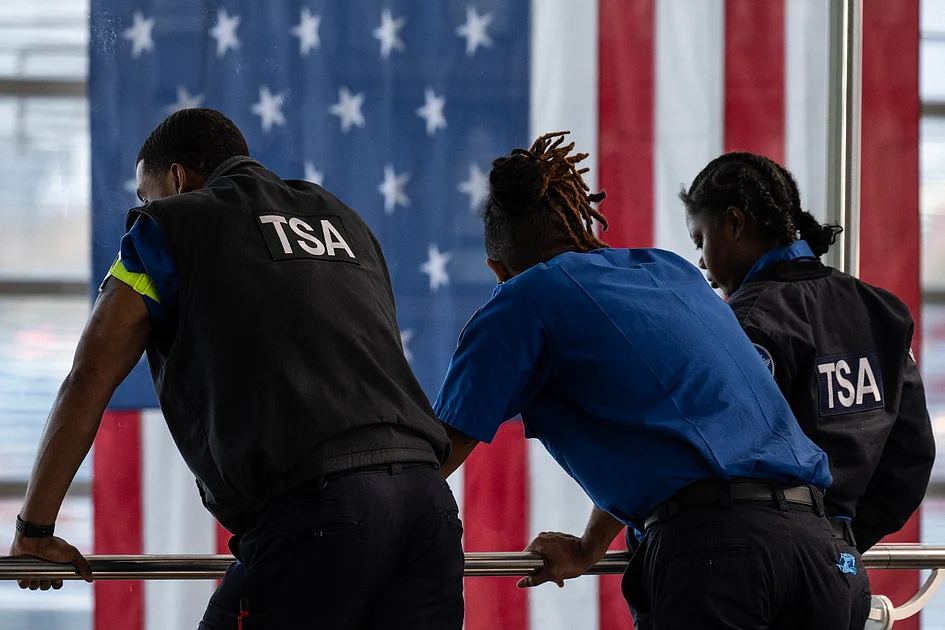
US Senate passes bill to end longest government shutdown in country’s history
The US Senate has passed a pivotal bill to conclude the longest government shutdown in the nation’s history, marking a significant breakthrough after weeks of political gridlock. The legislation, approved with a 60-40 vote, garnered support from nearly all Senate Republicans and eight Democrats. The shutdown had severely impacted millions of Americans, disrupting food benefits, leaving hundreds of thousands of federal workers unpaid, and causing widespread air traffic delays. The bill restores funding for federal agencies, which expired on October 1, and temporarily halts President Donald Trump’s efforts to reduce the federal workforce, preventing layoffs until January 30. However, the agreement does not guarantee the continuation of health subsidies benefiting 24 million Americans, which are set to expire at year’s end. The bill now moves to the Republican-controlled House of Representatives, where Speaker Mike Johnson aims to pass it swiftly and send it to Trump for enactment. While Trump has praised the deal as ‘very good,’ many Democrats remain frustrated, citing the lack of assurances for extending health insurance subsidies. The shutdown has fueled partisan tensions, with a recent poll showing 50% of Americans blaming Republicans and 43% blaming Democrats. Despite the controversy, US stocks rallied on Monday following news of the progress.
-

Ukraine’s nuclear energy company says operations unaffected by $100M graft probe
In the midst of a high-profile corruption investigation targeting Ukraine’s power sector, state-owned nuclear energy company Energoatom has confirmed that its operations remain unaffected. The National Anti-Corruption Bureau (NABU) is probing alleged kickbacks worth approximately $100 million, with suspicions of bribery and embezzlement involving suppliers and high-ranking officials. Energoatom, responsible for generating over half of Ukraine’s energy supply, emphasized that the investigation has not disrupted production or compromised safety. The probe comes as Ukraine’s energy infrastructure faces relentless Russian aerial attacks, with recent strikes reported in the Kharkiv, Odesa, and Donetsk regions, prompting scheduled power outages across the country. Ukrainian President Volodymyr Zelenskyy has welcomed the investigation, stressing the urgency of combating corruption, a significant barrier to Ukraine’s EU membership aspirations. Meanwhile, Russia’s Federal Security Service (FSB) claimed to have thwarted a Ukrainian intelligence plot to hijack a MiG-31 fighter jet carrying a hypersonic missile, though no evidence was provided. Ukraine’s military also reported strikes on Russian oil infrastructure, including the Saratov refinery and an oil terminal in Crimea.
-
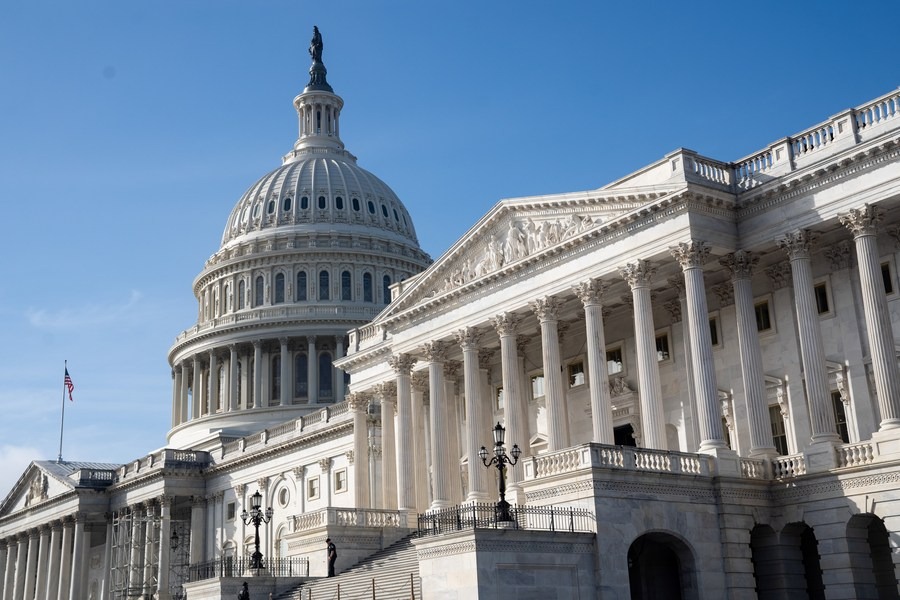
US Senate passes bipartisan spending package in a bid to end longest govt shutdown
In a significant move to address the ongoing crisis, the US Senate passed a bipartisan spending package late Monday night, aiming to conclude the longest government shutdown in the nation’s history. The shutdown, now in its 41st day, has inflicted widespread disruptions and hardships across the country. The newly approved legislation seeks to restore government operations and alleviate the mounting consequences faced by millions of Americans. The bipartisan effort underscores a rare moment of cooperation in a deeply divided political landscape, as lawmakers from both sides of the aisle came together to resolve the impasse. The bill’s passage marks a critical step toward reopening federal agencies and resuming essential services, though its implementation and long-term impact remain to be seen. The shutdown, triggered by disagreements over budget allocations and policy priorities, has highlighted the fragility of governance in the face of partisan gridlock. As the nation watches closely, the focus now shifts to the House of Representatives, where the bill must also gain approval before reaching the President’s desk.
-

Calls grow for US to rein in Lai
Amid escalating cross-Strait tensions, Taiwan’s leader Lai Ching-te has come under increasing scrutiny for his radical militarist and separatist agenda. Experts suggest that Lai’s actions have placed him in an ‘all-or-nothing’ situation, with a growing chorus of voices in the United States urging Washington to rein in his provocations. Since assuming office last year, Lai has repeatedly asserted that Taiwan and the Chinese mainland are not ‘subordinate to one another’ and has pledged to increase the island’s defense budget to 5% of its GDP. This stance has drawn criticism from various quarters, including prominent US commentators. Thomas Friedman, a New York Times columnist, recently emphasized that the era of unconditional US support for Taiwan is over, urging the island to adopt a more cooperative and peaceful approach. His remarks, made during a seminar in Taipei, have reignited debates over the Democratic Progressive Party’s (DPP) strategy. Earlier, Time magazine labeled Lai as ‘reckless and brash,’ a characterization seen as a warning to the DPP leadership. Su Chi, a veteran Taiwanese politician, highlighted that the long-held belief in Taiwan that the US would ‘surely come to the rescue’ has been fundamentally shaken. He advocated for dialogue with the mainland to avoid conflict. A RAND Corporation report further suggested that the US should incentivize Beijing to pursue gradual approaches to its goals while stabilizing the region. Peng Qing’en, a spokesperson for China’s Taiwan Affairs Office, described Lai as a ‘troublemaker’ and a ‘peace disruptor,’ emphasizing the need to curb his provocations. Experts believe these developments reflect a more rational trend in US policy, driven by China’s growing national strength. Huang Ching-hsien of Nankai University noted that while major US policy shifts may take time, the discourse indicates the end of unconditional support for Taiwan. Zhu Guilan of Tsinghua University added that these voices reflect a pragmatic approach to risk management in light of China’s rising influence.
-
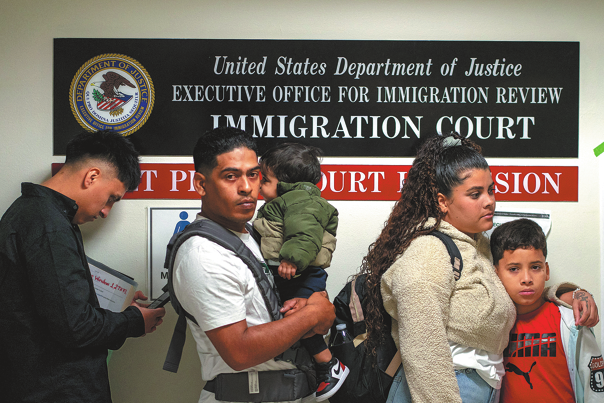
ICE in hot water
The U.S. Immigration and Customs Enforcement (ICE) is under intense scrutiny following reports of migrants being detained for days, far exceeding the 12-hour limit typically enforced. This development comes amid President Donald Trump’s aggressive push for mass deportations since his return to the White House in January. The situation has sparked widespread concern, particularly after a heart-wrenching scene at the U.S. immigration court in Manhattan, where a child was seen weeping and calling for his detained father. Critics argue that such extended detentions violate human rights and raise questions about the treatment of migrants under the current administration. The controversy has drawn attention to the broader implications of Trump’s immigration policies, which have been a cornerstone of his presidency. As debates over immigration reform continue, the plight of these detained migrants highlights the urgent need for a more humane and transparent approach to immigration enforcement.