分类: politics

  • NPC Standing Committee enhances oversight to foster development and public welfare in China

    NPC Standing Committee enhances oversight to foster development and public welfare in China

    China’s National People’s Congress Standing Committee has significantly amplified its supervisory functions throughout the past year, implementing comprehensive monitoring systems to advance national development priorities and public welfare initiatives. Lou Qinjian, spokesperson for the 14th NPC’s fourth session, detailed these enhanced oversight mechanisms during a Wednesday press briefing, emphasizing their critical role in promoting high-quality growth and environmental sustainability.

    The legislative body employed a multi-faceted approach to supervision, incorporating rigorous review processes, specialized investigations, and systematic evaluations of law enforcement. The committee examined 22 supervisory reports, conducted five separate law enforcement inspections, held two special inquiry sessions, and completed 11 thematic research projects alongside issuing one formal resolution. This comprehensive strategy enabled thorough assessment of governmental compliance with constitutional mandates and policy implementations.

    Key focus areas included the development of new productive forces, with the committee reviewing progress reports and advocating for practical implementation measures. The oversight extended to state-owned asset management, where the committee established robust accountability frameworks and rectification mechanisms to ensure proper fiduciary stewardship. Environmental governance received particular attention through reviews of climate change mitigation efforts and carbon neutrality initiatives, complemented by inspections of Forest Law enforcement practices.

    Food safety regulations underwent meticulous examination to verify comprehensive regulatory compliance, while the committee simultaneously advanced whole-process people’s democracy through enhanced deputy engagement. Over 1,000 legislative representatives participated in 67 distinct research topics related to the forthcoming 15th Five-Year Plan (2026-2030), creating substantial public consultation mechanisms.

    The committee implemented a novel supervision identification system through its chairperson’s meeting, which prioritized 23 key recommendations addressing widespread public concerns. Looking forward, the NPC Standing Committee remains committed to strengthening its supervisory capabilities through full implementation of the Supervision Law, ensuring continuous improvement in governmental accountability and policy effectiveness.

  • Men on trial accused of ‘shadow policing’ for China on British soil

    Men on trial accused of ‘shadow policing’ for China on British soil

    A landmark trial at a British court has unveiled startling allegations of foreign intelligence operations on UK soil, centering on two dual-passport holders with extensive security backgrounds. Chung Biu ‘Bill’ Yuen, 65, and Chi Leung ‘Peter’ Wai, 38, stand accused of conducting unauthorized surveillance and intelligence gathering against Hong Kong pro-democracy activists residing in Britain, operating under what prosecutors termed ‘shadow policing’ for Chinese interests.

    Prosecutor Duncan Atkinson KC presented a meticulously documented case alleging systematic abuse of official positions. Yuen, a retired Hong Kong police officer serving as third-ranking official at London’s Hong Kong Economic and Trade Office, and Wai, a UK Border Force employee and special constable, allegedly collaborated to monitor dissidents targeted by Hong Kong authorities. The prosecution detailed how Wai reportedly misused police and Home Office computer systems dating back to 2018, conducting unauthorized database searches while receiving monthly retainers allegedly connected to intelligence provision.

    The operation’s scope allegedly included surveillance of multiple activists with bounties on their heads, including Monica Kwong, Finn Lau, Christopher Mung, and former legislator Nathan Law—all subjects of HK$1 million bounties offered by Hong Kong authorities. The court heard how defendants allegedly attempted to forcibly enter Kwong’s residence under false police pretenses before being intercepted by actual UK officers.

    Evidence presented revealed extensive communication networks, including WhatsApp groups where Wai reportedly shared information about protesters while receiving messages praising his service ‘on behalf of the country.’ The prosecution highlighted Wai’s alleged connections with Eddie Ma, former Hong Kong police chief superintendent, who referred to dissidents as ‘cockroaches’ and arranged monthly payments for intelligence.

    The case took a tragic turn with the death of co-accused Matthew Trickett, a former Royal Marine and Border Force officer who was found dead after being released on bail. Trickett had allegedly conducted database searches and organized surveillance operations targeting the activists.

    Both defendants plead not guilty to charges of assisting a foreign intelligence service and foreign interference, with Wai additionally denying misconduct in public office. The trial, expected to continue for six to seven weeks, represents a significant test of Britain’s National Security Act amid escalating tensions between the UK and China over extraterritorial enforcement activities.

  • China says no country should dictate others’ destiny

    China says no country should dictate others’ destiny

    China has emphatically declared that no nation possesses the authority to dominate international affairs or determine the destinies of other countries. The statement came from Lou Qinjian, spokesperson for the fourth session of the 14th National People’s Congress, during a press conference preceding the annual legislative gathering.

    Addressing growing international concerns about the erosion of global governance systems and the diminishing role of the United Nations, Lou articulated China’s firm position against unilateralism and the increasing use of force in international relations. The spokesman specifically referenced the situation in Iran, emphasizing that the nation’s sovereignty, security, and territorial integrity must be fully respected.

    China urgently called for the immediate cessation of military operations against Iran, advocating instead for diplomatic dialogue and negotiations to prevent further escalation of tensions in the Middle East. Lou affirmed China’s commitment to functioning as a responsible global power in facilitating peaceful resolutions.

    The spokesperson outlined China’s Global Governance Initiative, which champions sovereign equality, adherence to international rule of law, genuine multilateralism, people-centered approaches, and concrete actions. This framework represents China’s proposed solution for creating a more just and equitable global governance system.

    As a permanent member of the UN Security Council and a major world power, China pledged to collaborate with all nations to uphold the authority and status of the United Nations, maintain the principles of the UN Charter, practice authentic multilateralism, and contribute significantly to global governance reform efforts aimed at building a shared future for humanity.

  • Trump’s war on Iran: Shifting stories and unanswered questions

    Trump’s war on Iran: Shifting stories and unanswered questions

    The Trump administration’s conflicting communications regarding military engagements with Iran have drawn intense scrutiny from analysts examining the precision of governmental messaging during international crises. BBC Analysis editor Ros Atkins has dissected the divergent statements emerging from various officials within the administration, creating a mosaic of contradictory narratives that has complicated the understanding of U.S. actions and intentions toward Iran.

    This examination reveals a pattern of shifting justifications and evolving explanations that have left both allies and adversaries struggling to interpret American foreign policy objectives. The administration’s initial characterization of operations as ‘imminent threat’ responses subsequently faced modifications and qualifications from different government spokespersons, creating confusion about the factual basis for military decisions.

    This phenomenon represents a case study in how modern governments communicate during tense geopolitical situations, where traditional diplomatic clarity appears to have been supplanted by competing narratives from different power centers within the same administration. The resulting information vacuum has been filled with speculation and uncertainty about the true nature of events and the strategic thinking behind American actions in the volatile Middle East region.

    The analysis further explores how such mixed messaging affects international relations, alliance structures, and global perceptions of American leadership, raising fundamental questions about accountability and transparency in governmental communications during times of potential conflict.

  • China won’t allow external interference in its affairs: NPC spokesman

    China won’t allow external interference in its affairs: NPC spokesman

    Beijing has issued a firm declaration against external involvement in its domestic matters, emphasizing its unwavering commitment to protect national sovereignty, unity, and territorial integrity. The statement came from National People’s Congress spokesman Lou Qinjian during a Wednesday press conference preceding the fourth session of the 14th NPC.

    Lou articulated that protecting China’s sovereign rights, security, and development interests constitutes the fundamental principle guiding the nation’s foreign engagements. His comments addressed inquiries regarding China’s diplomatic strategy toward neighboring nations amid evolving regional dynamics and specific challenges in Sino-Japanese relations.

    Regarding Taiwan, Lou characterized the matter as exclusively China’s internal affair, representing a core national interest. He explicitly condemned recent statements by Japanese leadership concerning Taiwan, labeling them as inappropriate and counterproductive to bilateral relations.

    The spokesman emphasized China’s enduring diplomatic priority toward neighboring countries, noting their geographical permanence as adjacent nations. He detailed China’s dedication to fostering regional peace, stability, and mutual prosperity through enhanced strategic cooperation and multifaceted exchanges, facilitated by head-of-state diplomatic leadership.

    Lou further confirmed the NPC’s intention to strengthen legislative cooperation with neighboring nations through both bilateral and multilateral frameworks. This collaborative approach aims to support China’s modernization objectives while promoting synergistic development across the region.

  • Partner of Labour MP arrested on suspicion of spying for China, BBC told

    Partner of Labour MP arrested on suspicion of spying for China, BBC told

    British authorities have detained three individuals, including the partner of a sitting Labour MP, on allegations of espionage activities benefiting China. The suspects, aged 39, 43 and 68, were apprehended in coordinated operations across London and Wales under the National Security Act of 2023.

    The Metropolitan Police confirmed the arrests were conducted by counter-terrorism units investigating suspected foreign intelligence operations. While emphasizing there was no “imminent or direct threat to the public,” authorities maintained all three individuals remain in custody pending further investigation.

    Security Minister Dan Jarvis addressed Parliament following the operations, declaring the UK would not compromise national security for economic considerations. “This government stands resolute in our resolve to counter foreign interference activity targeting the UK from any state actor,” Jarvis stated, warning of “severe consequences” should Chinese interference in UK sovereign affairs be substantiated.

    The investigation involved simultaneous searches at multiple locations in London, East Kilbride and Cardiff. Suspects face charges under Section 3 of the National Security Act, which criminalizes providing material assistance to foreign intelligence services operating against UK interests.

    Commander Helen Flanagan, head of Counter Terrorism Policing London, noted a “significant increase” in national security cases in recent years, emphasizing ongoing efforts to “disrupt malign activity where we suspect it.

    The arrests occur amidst delicate diplomatic relations, following Sir Keir Starmer’s recent Beijing visit and government efforts to cautiously reset UK-China economic ties. Jarvis acknowledged the complexity, stating it would be “naive” to suggest the UK shouldn’t maintain “a functional working relationship with China.”

    Opposition response came from shadow cabinet office minister Alex Burghart, who warned unless the UK stands firm against such threats, the country “will continue to be treated with disdain.” Burghart referenced previous collapsed spy cases involving China and concerns over Beijing’s newly approved mega-embassy in central London, which opponents fear could serve as an espionage base.

    British officials have formally notified Chinese counterparts in both London and Beijing regarding the allegations.

  • Annual session of China’s national legislature to review key legislative items

    Annual session of China’s national legislature to review key legislative items

    Beijing prepares to host the annual conclave of China’s paramount legislative authority, the National People’s Congress (NPC), commencing March 5th through March 12th. Official spokesperson Lou Qinjian confirmed the schedule during Wednesday’s press briefing, outlining an ambitious agenda for the fourth session of the 14th NPC.

    The eight-day parliamentary gathering will prioritize deliberation of three foundational legislative drafts: a comprehensive environmental code, legislation promoting ethnic unity and progress, and a framework law governing national development planning. The most anticipated discussion centers on formulating China’s 15th Five-Year Plan (2026-2030), the blueprint guiding national economic and social development strategies.

    Beyond these landmark items, the assembly will conduct mandatory reviews of annual work reports from key government branches including the State Council, NPC Standing Committee, Supreme People’s Court, and Supreme People’s Procuratorate. Legislators will examine implementation reports for the 2025 economic plan alongside draft proposals for 2026 national development and budgetary frameworks covering both central and local administrations.

    The session will further address the NPC Standing Committee’s report on legislative overhaul progress and proposed handling of existing laws. To enhance transparency, three thematic press conferences will illuminate economic policies, public welfare initiatives, and foreign affairs perspectives. Ministers will elaborate on sectoral advancements while NPC deputies share insights from their governance experiences.

  • Chinese people never allow external interference in China’s internal affairs: spokesman

    Chinese people never allow external interference in China’s internal affairs: spokesman

    In a definitive statement ahead of China’s pivotal legislative gathering, official spokesperson Lou Qinjian articulated the nation’s uncompromising position against external intervention in domestic matters. Speaking at a press conference preceding the Fourth Session of the 14th National People’s Congress, Lou emphasized that safeguarding national sovereignty, unity, and territorial integrity remains the fundamental principle guiding China’s foreign engagements.

    The spokesperson specifically addressed growing international concerns regarding cross-strait relations, identifying the Taiwan question as central to China’s core interests. Lou condemned recent remarks by Japanese leadership on Taiwan as fundamentally erroneous, reinforcing China’s position that the matter exclusively represents an internal affair. The declaration comes amid increasing geopolitical tensions in the Asia-Pacific region, where multiple nations have attempted to influence China’s policy directions.

    This strong reaffirmation of sovereignty principles signals China’s continued commitment to autonomous governance without external pressure. The statement aligns with historical precedents where China has consistently resisted foreign intervention, particularly regarding matters of territorial integrity and national security. The timing of this declaration, just before the National People’s Congress session, underscores the importance of unity and sovereignty in China’s policy framework during a period of complex international relations.

  • Greek court upholds criminal organisation verdict on neo-Nazi Golden Dawn

    Greek court upholds criminal organisation verdict on neo-Nazi Golden Dawn

    In a landmark judicial decision, an Athens appellate court has affirmed the 2020 criminal convictions against 42 individuals associated with the extremist Golden Dawn party, delivering a powerful verdict against one of Europe’s most notorious neo-Nazi organizations. The ruling solidifies the legal classification of Golden Dawn as a criminal enterprise operating under the guise of political activity.

    Founding leader Nikos Mihaloliakos and six senior officials faced upheld convictions for directing a criminal organization, while an additional 24 defendants, including 11 former parliamentarians, were confirmed as participants in the illicit group. The court maintained convictions for the 2013 murder of left-wing musician Pavlos Fyssas and the brutal assault on Egyptian fishermen in Athens, cases that exposed the violent underpinnings of the organization.

    Despite the gravity of the sentences—which extend to 15 years imprisonment—only two defendants were present for the verdict delivery. Outside the courthouse, over 200 demonstrators gathered in support of the judicial outcome, reflecting public endorsement of the court’s decision.

    The appellate process, initiated in 2022, culminated with prosecutor Kyriaki Stefanatou’s December arguments emphasizing that Golden Dawn represented a ‘genuine child of Nazi ideology,’ with actions motivated by hatred toward political opponents and immigrants. The organization initially gained political traction during Greece’s severe economic crisis, securing parliamentary representation in 2012 by capitalizing on public disillusionment with mainstream politics, austerity measures, and immigration concerns.

    The murder of Fyssas in 2013 proved a turning point in the group’s popularity, leading to numerous arrests and eventual electoral collapse. While perpetrator Giorgos Roupakias remains incarcerated for the murder, Mihaloliakos—a known Holocaust denier—was controversially released on health grounds in September 2025, having served less than half of his 13-year sentence.

    The verdict arrives as Greece’s far-right political landscape undergoes transformation. Golden Dawn has failed to secure parliamentary representation since 2019, while the newly emerged Spartans party—endorsed by imprisoned former Golden Dawn spokesman Ilias Kasidiaris—has gained two legislative seats, signaling the persistent appeal of nationalist politics in contemporary Greece.

  • How Trump’s anger with Starmer over Iran may rattle the US-UK ‘special relationship’

    How Trump’s anger with Starmer over Iran may rattle the US-UK ‘special relationship’

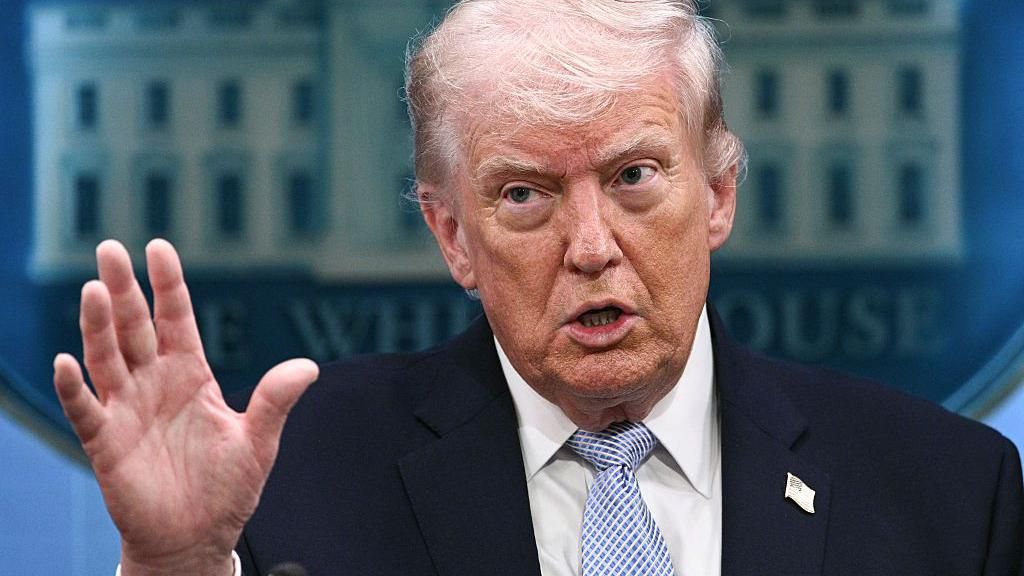
    LONDON — British Prime Minister Keir Starmer faces mounting criticism from opposition lawmakers over his handling of the crucial trans-Atlantic alliance with the United States, following public disagreements with President Donald Trump regarding military strategy toward Iran.

    The diplomatic friction emerged when President Trump openly criticized Britain as “uncooperative” and dismissed Starmer’s leadership credentials by comparing him unfavorably to Winston Churchill. This rebuke came after initial hesitation from the British government regarding U.S. requests to utilize UK military installations—including the strategic Diego Garcia base in the Indian Ocean—for conducting strikes against Iranian missile systems targeting British allies in the Middle East.

    Despite eventually granting operational access to American forces, the Prime Minister’s cautious approach has drawn sustained criticism from Conservative opponents. Cabinet Minister James Murray defended Starmer’s measured response, characterizing it as demonstrating “a cool head” while emphasizing the enduring strength of the UK-US partnership.

    The current tensions recall historical strains in the special relationship, notably during the 1956 Suez Crisis when American opposition forced British withdrawal, and during the Vietnam War era when Prime Minister Harold Wilson resisted U.S. pressure to commit troops. More recently, Tony Blair’s alignment with George W. Bush on the Iraq invasion remains a controversial chapter in bilateral relations.

    Beyond immediate military concerns, the disagreement threatens broader implications. A recently signed trade agreement between the two nations remains in limbo, potentially jeopardized by Trump’s tariff announcements. Additionally, the settlement regarding the future status of the Chagos Islands, crucial for maintaining the Diego Garcia base, awaits American support.

    Former National Security Adviser Peter Ricketts suggested that Trump appears to demand “completely blind loyalty” from allies, while advising British leadership to “keep calm and carry on” through the current diplomatic challenges.