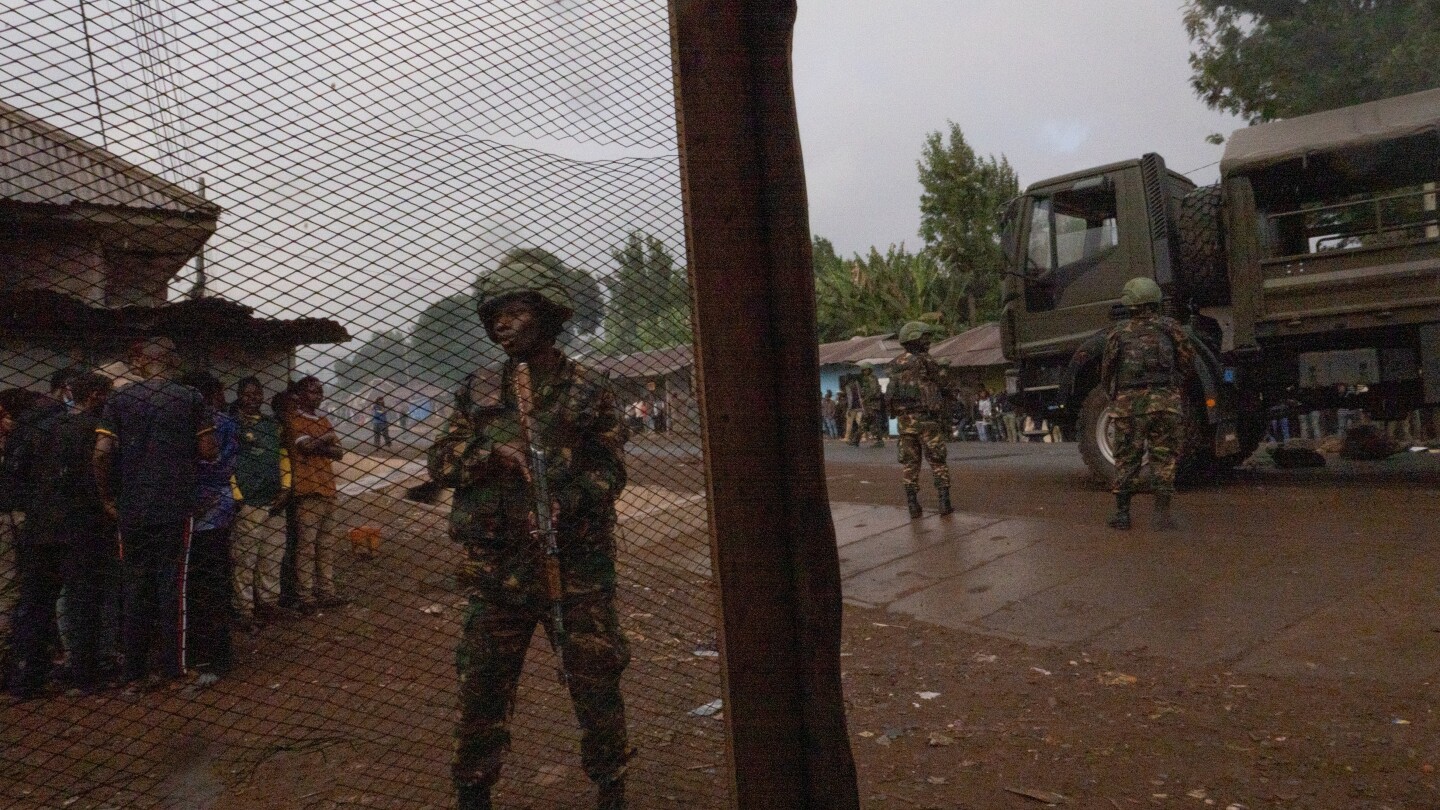
The United Nations has issued a call for a thorough investigation into the reported deaths of hundreds of individuals during protests against the disputed Tanzanian presidential election. The election, held on October 29, saw the exclusion of candidates from the two main opposition parties, sparking widespread unrest. Volker Türk, the UN High Commissioner for Human Rights, expressed concerns over what he described as ‘an apparent attempt to conceal evidence,’ citing reports that police removed bodies from mortuaries to undisclosed locations. Türk urged Tanzanian authorities to release the bodies to families for proper burial. The primary opposition party, Chadema, claims that approximately 2,000 people were killed over three days of protests, though the government has not provided an official death toll. The UN statement referenced ‘hundreds’ of fatalities but noted the difficulty in verifying exact numbers due to Tanzania’s volatile security situation and a six-day internet blackout following the election. Videos purportedly showing security forces shooting protesters circulated online once internet access was restored, prompting the government to warn citizens against sharing such content, threatening arrests and treason charges. Additionally, hundreds of individuals have been charged with treason in connection with the protests. The UN has called for the unconditional release of all detained opposition officials, including Chadema leader Tundu Lissu, whose treason trial was postponed due to security concerns. Meanwhile, newly elected members of parliament were sworn in on Tuesday, with the ruling Chama Cha Mapinduzi party maintaining its dominant majority. Mussa Zungu, a member of the ruling party, was elected as the new speaker of parliament. Tensions remain high in Tanzania as the ruling party continues to suppress opposition voices and consolidate its long-standing grip on power.
分类: politics
-
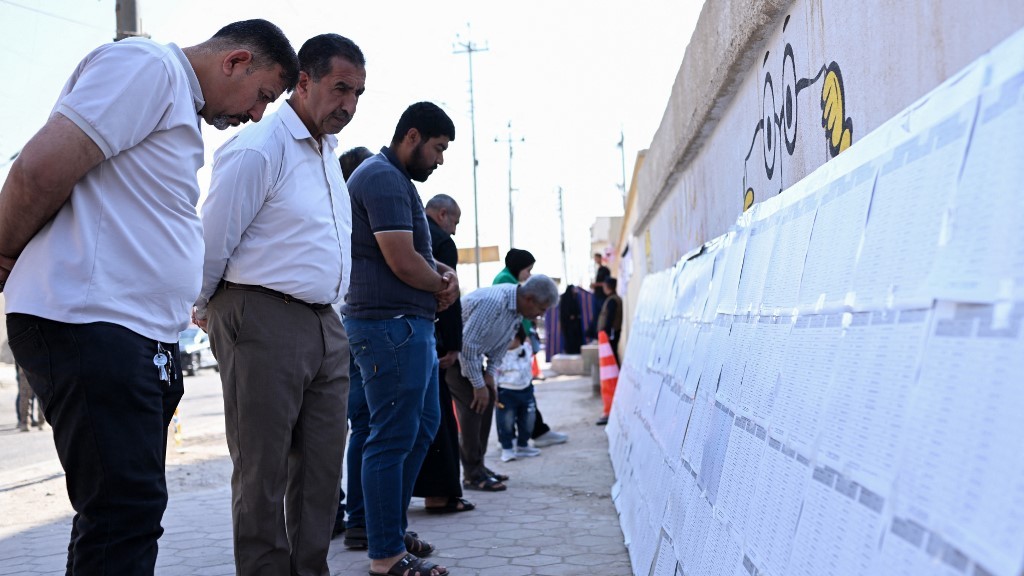
Iraq: Muqtada al-Sadr urges boycott of ‘corrupt’ elections as low turnout expected
Iraq’s parliamentary elections commenced on Tuesday, marked by a subdued voter turnout and widespread calls for a boycott, notably from influential Shia cleric Muqtada al-Sadr. Over 7,740 candidates, including a significant proportion of women, are vying for 329 seats. Preliminary results are anticipated by Wednesday, though final confirmation may extend over several weeks, as seen in previous elections. Reports from AFP correspondents indicate a notably low voter presence at midday, likely influenced by Sadr’s appeal to abstain from voting. In a recent social media statement, Sadr criticized the electoral system for perpetuating the dominance of corrupt politicians, urging Iraqis to reject the status quo. Despite relative stability since the fall of Saddam Hussein in 2003, persistent issues like corruption, inadequate public services, and infrastructure decay have eroded public trust in the electoral process. Sadr’s supporters dominated the 2021 elections, which recorded the lowest turnout since 2003, but withdrew from parliament in June 2022 following a government formation deadlock. Sadr and others advocate for a comprehensive overhaul of the parliamentary system, which is widely perceived as sectarian and clientelist. Prime Minister Mohammed Shia al-Sudani aims to retain his position, with his success hinging on the Coordination Framework, a dominant Shia alliance. Sudani has navigated Iraq through regional tensions, including the fallout from the Gaza conflict and the strained relations between the US and Iran. Armed groups linked to the Coordination Framework have targeted Israeli and US interests, demanding the withdrawal of American forces. A recent Reuters report highlighted a US-Iraq agreement to reduce the American military presence by September 2025. Former Prime Minister Nouri al-Maliki, a key figure in the elections, opposes Sudani’s re-election and emphasizes resisting foreign interference. Maliki criticized Sadr’s boycott calls, underscoring the challenges in conducting the elections amidst various obstacles.
-
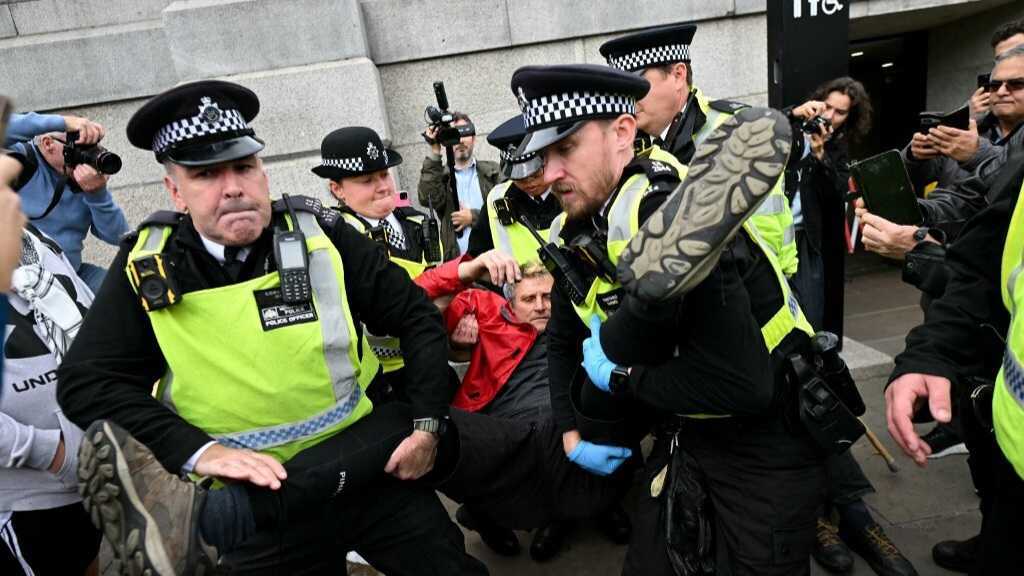
Sweeping UK terror laws risk labelling harmful behaviour as terrorism, says major report
A comprehensive review conducted by the Independent Commission on UK Counter-Terrorism Law, Policy and Practice has raised significant concerns about the broad application of British counterterror laws, particularly in light of the recent ban on Palestine Action. The three-year review, led by former judge Sir Declan Morgan and 14 commissioners, has called for a tightening of the UK’s definition of terrorism and a major overhaul of the Prevent counter-extremism programme. The report, released on Tuesday, emphasizes that without precise calibration, counterterrorism powers risk being applied too broadly, capturing behavior that is harmful but not necessarily terrorist. This follows the controversial proscription of Palestine Action as a terror group, which has led to the arrest of nearly 2,000 protesters under the Terrorism Act. The report argues that proscriptions should only be used to protect the public from terrorism and should expire after five years unless renewed by the government. It also highlights the confusion and strain on community relations caused by existing counterterror laws, particularly when banned groups pursue political objectives. Palestine Action is noted as the first organization to be proscribed primarily for property damage and the first direct action group to face such measures. The report further criticizes the lack of parliamentary oversight in the proscription process, noting that the order banning Palestine Action included two other groups, limiting parliamentarians’ ability to oppose it selectively. The commission has also called for a significant overhaul of the Prevent programme, which it deems unfit for purpose. Data reveals that 90% of the 58,000 individuals referred to Prevent since 2015 were not considered counterterrorism concerns, with 9% of recent referrals being suicide risks. The report criticizes Prevent’s radicalization model, arguing that it relies on assumptions not consistently supported by empirical evidence. It suggests that Prevent should be integrated into a broader, locally led safeguarding framework to address diverse vulnerabilities and violence, rather than focusing narrowly on terrorism. The report also highlights concerns about the potential harm caused by Prevent referrals, particularly among young people with complex needs. The case of Axel Rudakubana, who was referred to Prevent multiple times before committing a triple murder, underscores the programme’s limitations. The report concludes that Prevent is picking up many individuals who need support but are not terrorism-related, straining the system and potentially missing genuine threats.
-
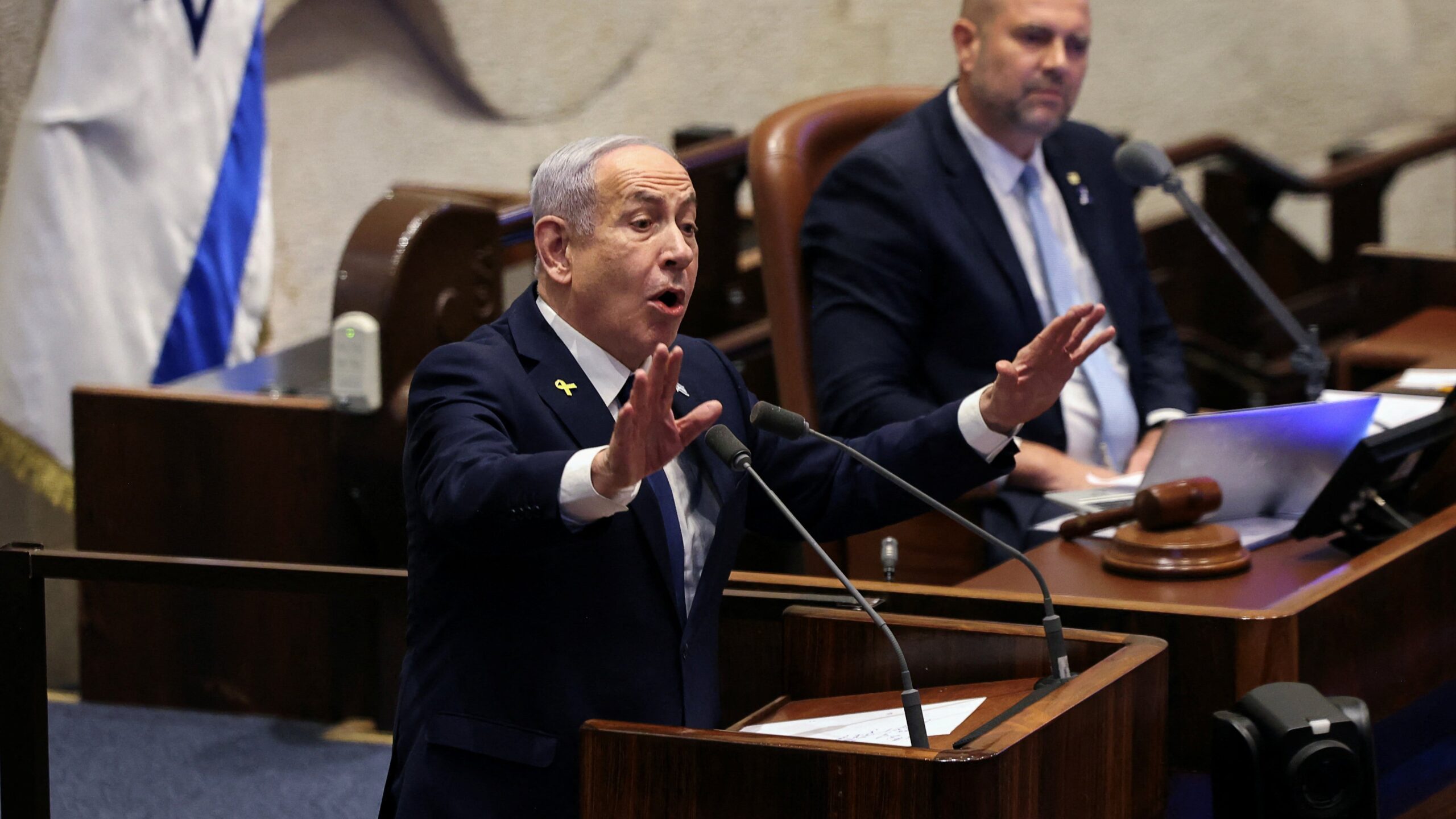
Israel: Bill to shut ‘harmful’ foreign media passes first reading
Israel’s parliament has taken a significant step toward granting the government sweeping powers to shut down foreign media outlets deemed a threat to national security. On Monday, the Knesset passed the first reading of a bill that would allow authorities to close foreign media without requiring a court order. The proposal, introduced by Likud MP Ariel Kallner, was approved by a narrow margin of 50 to 41 votes. It still requires two more readings before becoming law. The bill, formally titled the Law to Prevent Harm to State Security by a Foreign Broadcasting Authority, would empower the communications minister to block or shut down foreign channels, seize their equipment, and raid their offices without judicial oversight. Additionally, new amendments would enable the minister to instruct internet and satellite providers to restrict online content or disrupt broadcasts. Critics argue that the bill could lead to broad government control over foreign media, regardless of the security situation or international objections. The legislation comes amid growing concerns over Israel’s crackdown on press freedom, particularly during its ongoing war in Gaza. Earlier this year, Israel banned Al Jazeera and other outlets from reporting in Israel and the occupied Palestinian territories, citing national security concerns. The move has been widely condemned by rights organizations, journalists, and the United Nations, who view it as a violation of press freedom and human rights.
-
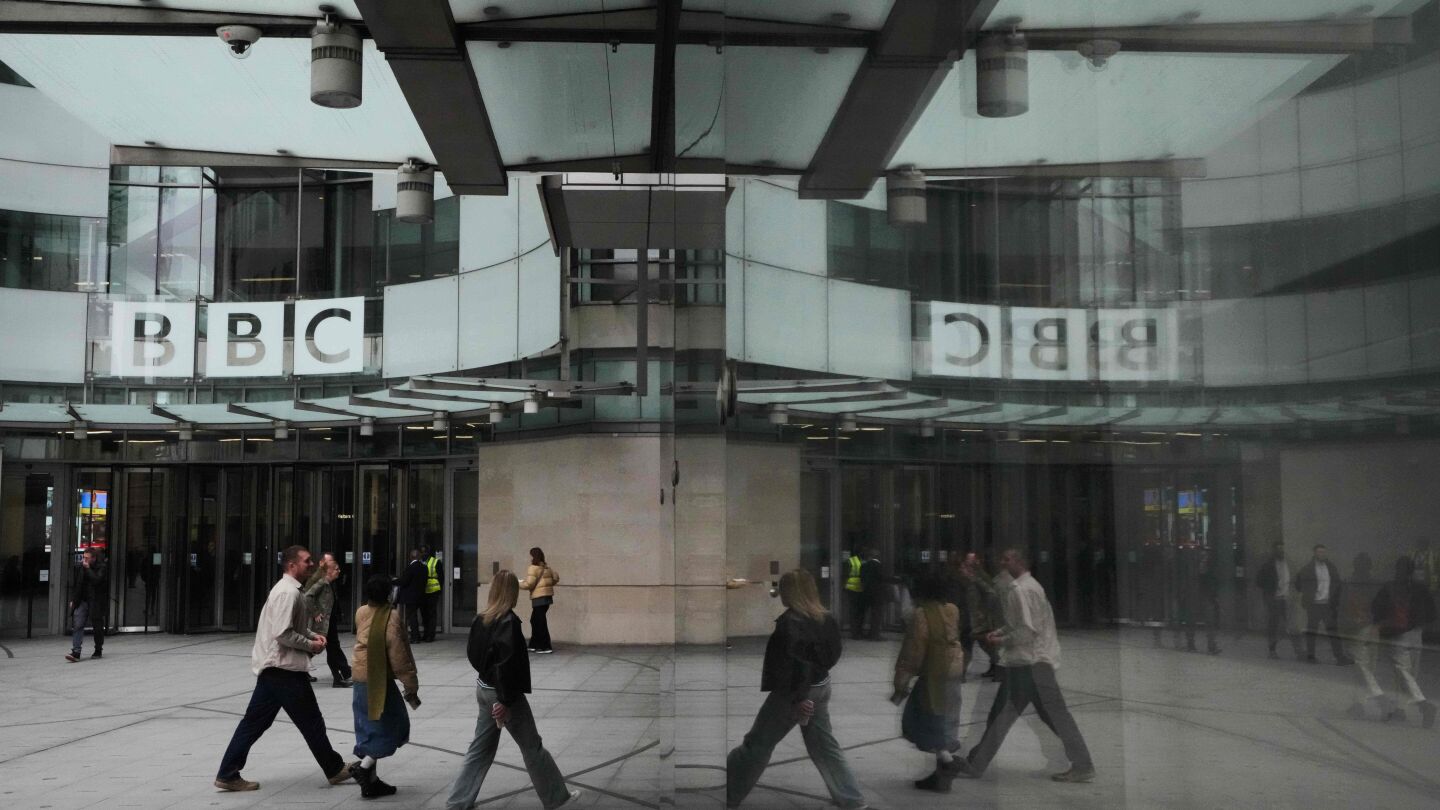
Trump’s $1B lawsuit threat casts shadow over the BBC, but it could also be a bluff
Former U.S. President Donald Trump’s threat to file a billion-dollar lawsuit against the BBC has ignited a heated debate over the broadcaster’s journalistic integrity and the legal merits of Trump’s claims. The controversy stems from a BBC documentary titled “Trump: A Second Chance?” which aired ahead of the 2024 U.S. presidential election. The documentary allegedly misrepresented Trump’s January 6, 2021, speech by editing quotes to suggest he incited violence, omitting his call for peaceful protest. BBC Chairman Samir Shah apologized for the misleading edit, while senior executives resigned amid accusations of bias. Trump’s lawyer, Alejandro Brito, demanded a $1 billion settlement, citing defamation under Florida law. However, legal experts argue that Trump faces significant hurdles, including the fact that the documentary was not broadcast in the U.S. and his already tarnished reputation post-January 6. While Trump has a history of suing media outlets, many view this threat as a tactic to intimidate rather than a credible legal challenge. The BBC, funded by U.K. television fees, remains steadfast, with experts advising it to stand its ground.
-
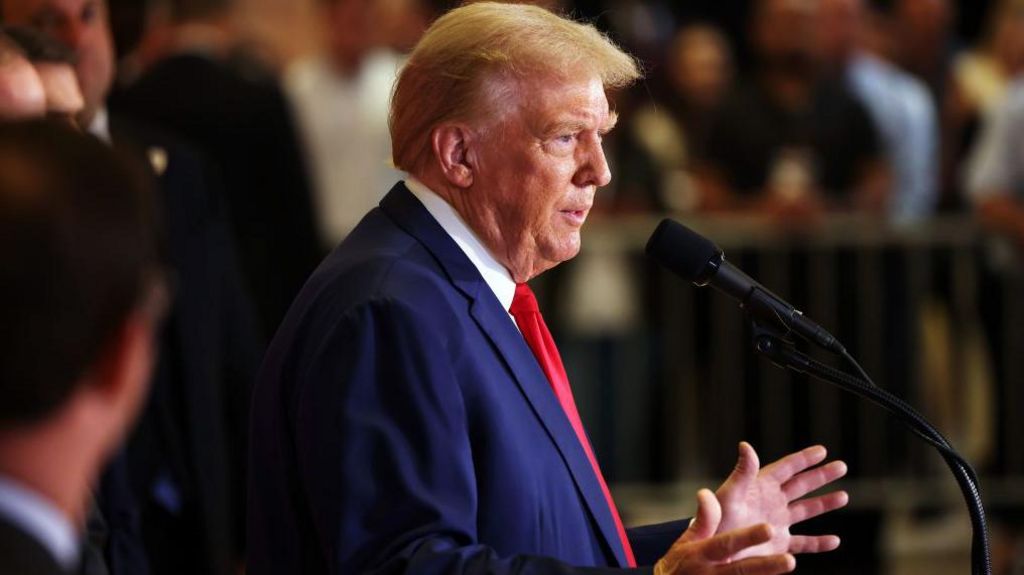
Trump asks Supreme Court to overturn E Jean Carroll verdict
Former U.S. President Donald Trump has petitioned the Supreme Court to review a $5 million civil case in which he was found liable for defaming and sexually abusing writer E. Jean Carroll. Trump has consistently argued that Judge Lewis Kaplan, who presided over the trial, improperly allowed evidence that biased the jury against him. A federal appeals court upheld the jury’s verdict last year, stating that Kaplan committed no errors warranting a retrial. The case stems from Carroll’s allegations that Trump sexually assaulted her in the 1990s and later dismissed the incident as a hoax on social media. Trump has denied all accusations. The Supreme Court represents Trump’s final opportunity to overturn the unanimous verdict, though it remains uncertain whether the court will take up the case. In June, a federal appeals court rejected Trump’s request to rehear his challenge. Additionally, Trump was ordered to pay Carroll $83 million in a separate defamation case after he publicly criticized the jury’s findings. His appeal of that decision was denied in September, prompting him to seek a review by the full bench of a federal appeals court. In his Supreme Court petition, Trump’s legal team contended that the 2005 Access Hollywood tape, in which Trump boasted about groping women, should not have been presented to jurors. They argued that Carroll’s allegations lacked eyewitnesses, video evidence, or police reports, and accused her of fabricating the claims for political and financial gain. Roberta Kaplan, Carroll’s attorney, declined to comment on the Supreme Court appeal. While the jury found Trump guilty of defamation and sexual abuse, they rejected Carroll’s claim of rape under New York law. Carroll, now 81, sued Trump for the alleged assault in a Manhattan department store dressing room in the mid-1990s. The defamation case arose from Trump’s 2022 denial of her claims on his Truth Social platform. Trump has repeatedly dismissed Carroll’s allegations, stating she was ‘not my type’ and accusing her of lying.
-
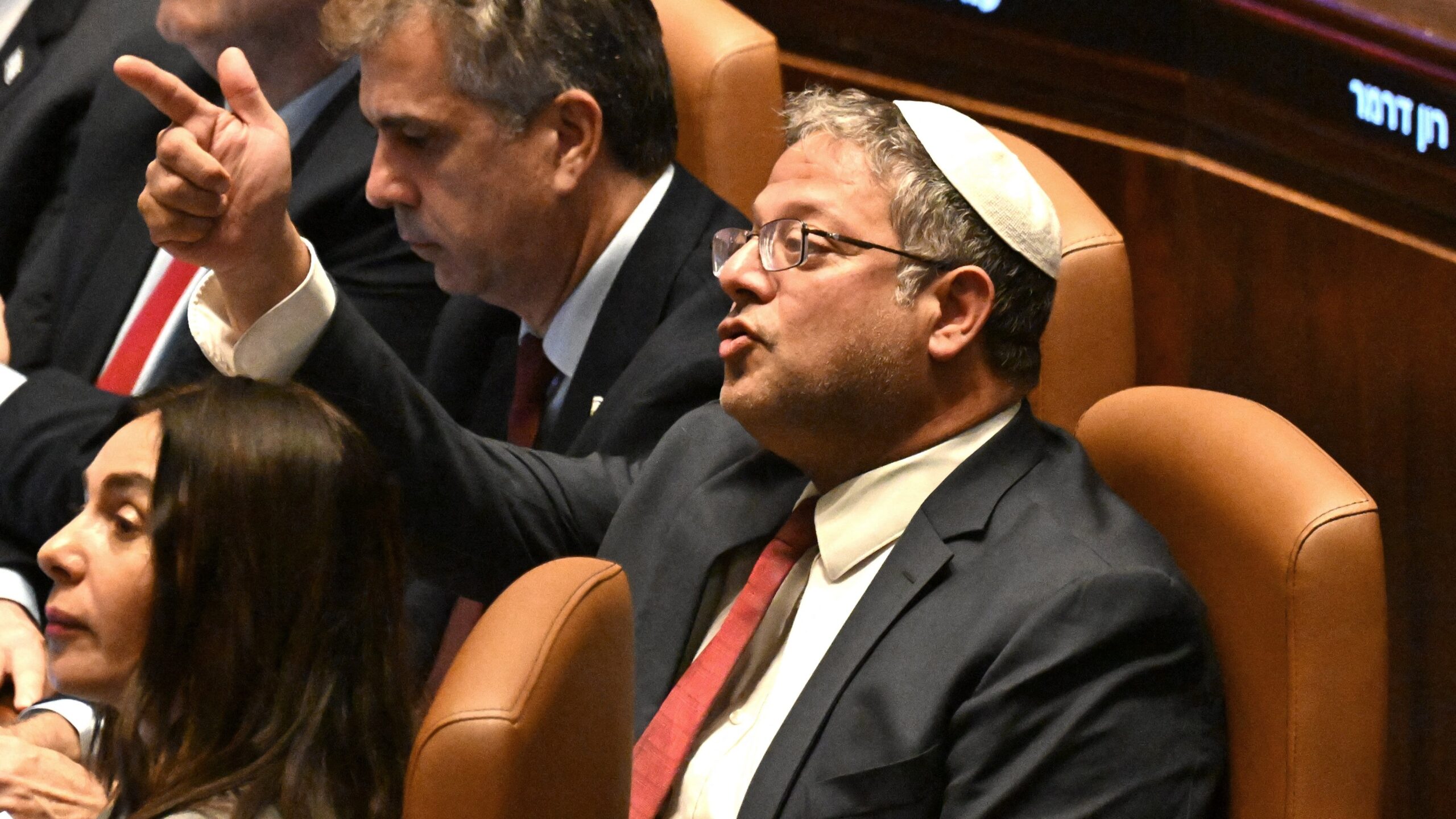
Israel’s Ben Gvir hands out sweets after death penalty bill for Palestinians advances
A contentious bill proposing the death penalty for Palestinian prisoners convicted of killing Israelis on nationalistic grounds has cleared its first reading in Israel’s Knesset. The legislation, which passed with 39 votes in favor and 16 against, was celebrated by Israeli Minister of National Security Itamar Ben Gvir, who distributed sweets in parliament. The bill, however, excludes Israelis who kill Palestinians under similar circumstances, sparking accusations of discriminatory practices. To become law, the bill must undergo two additional readings in the Knesset. The move has drawn sharp criticism from Palestinian factions, with Hamas labeling the legislation as ‘fascist and sadistic’ and calling for international sanctions against Israel. Islamic Jihad described the bill’s advancement as a ‘dangerous criminal escalation.’ Israeli security officials had initially opposed the measure, fearing it could endanger Israeli captives held by Palestinian groups. However, following the release of surviving hostages by Hamas last month, Prime Minister Benjamin Netanyahu approved the bill’s progression. Critics argue that the legislation exacerbates Israel’s systemic human rights abuses against Palestinian detainees, with reports of torture, medical neglect, and starvation in Israeli prisons. Human rights organizations have condemned the bill as a ‘grave escalation’ in Israel’s apartheid regime, emphasizing its exclusive application to Palestinians. Currently, an estimated 9,250 Palestinian prisoners are held across 23 Israeli detention facilities, with additional unaccounted-for detainees in military camps.
-
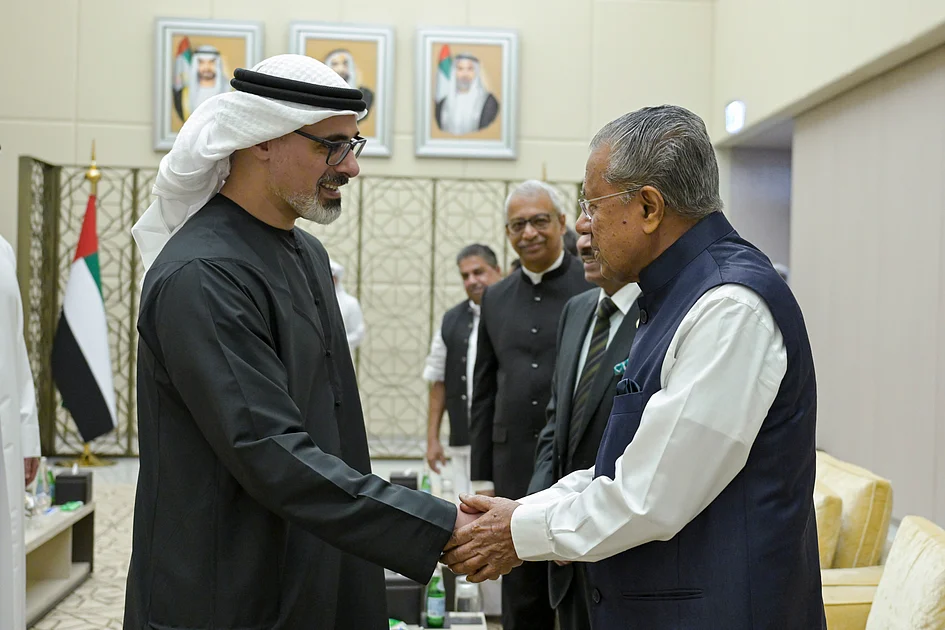
Watch: Sheikh Khaled meets Kerala CM Pinarayi Vijayan in Abu Dhabi
In a significant diplomatic engagement, Sheikh Khaled bin Mohamed bin Zayed Al Nahyan, Crown Prince of Abu Dhabi and Chairman of the Abu Dhabi Executive Council, met with Pinarayi Vijayan, Chief Minister of Kerala, India, in Abu Dhabi on November 8, 2025. The meeting, attended by a high-level delegation, focused on enhancing bilateral cooperation across key sectors, aligning with the strategic visions of both the UAE and India to bolster economic and developmental partnerships. Pinarayi Vijayan’s visit to the UAE Capital was marked by a warm reception from the Malayalee diaspora, including prominent figures such as MA Yusuff Ali, Chairman and Managing Director of Lulu Group International. The discussions also touched upon the role of the Loka Kerala Sabha, a platform dedicated to the cultural, socio-political, and economic integration of non-resident Keralites. With Indian expats constituting the largest population group in the UAE, reaching 4.36 million as of August 2025, the meeting underscored the importance of fostering stronger ties between the UAE and Kerala, a state in southern India. Pinarayi Vijayan’s visit also included engagements with the Keralite community in the UAE, further solidifying the deep-rooted connections between the two regions.
-

New development philosophy charts China’s path to modernization
As the world grapples with unprecedented challenges, China is steadfastly advancing its modernization agenda under a transformative development philosophy. Introduced in 2015, this philosophy emphasizes innovation, coordination, green development, openness, and shared benefits, guiding the nation through both domestic and global turbulence. Over the past decade, it has been instrumental in driving high-quality growth and creating new opportunities for the global community. During the 14th Five-Year Plan period (2021-25), China’s economy achieved remarkable milestones, with its total output surpassing 130 trillion yuan ($15.5 trillion) and projected to reach 140 trillion yuan by 2025. Contributing approximately 30% to global growth annually, China has emerged as a beacon of stability in an uncertain world. The Communist Party of China (CPC) Central Committee has recently unveiled recommendations for the 15th Five-Year Plan (2026-30), underscoring the continued application of this philosophy to steer the nation’s next phase of development. Innovation remains a cornerstone of China’s progress. The Seres smart factory in Chongqing, where two new energy vehicles (NEVs) are produced every minute, exemplifies the nation’s technological advancements. China has led the world in NEV production and sales for a decade, holding over 40% of global patents in new-energy technologies. This innovation-driven growth has propelled China from a follower to a global leader in strategic industries. The country’s Global Innovation Index ranking has surged from 34th in 2012 to 10th in 2025, with research and development spending reaching 3.6 trillion yuan in 2024, the second highest globally. Looking ahead, China aims to enhance self-reliance in science and technology, deepen industrial innovation, and accelerate the application of major technological breakthroughs. Green development is another pillar of China’s strategy. The Kubuqi Desert in Inner Mongolia, home to millions of solar panels, symbolizes the nation’s commitment to renewable energy. China’s installed capacity for wind and solar power accounts for nearly half of the global total, and its exports of related products are expected to help other countries reduce carbon emissions by 4.1 billion tonnes. The country has built the world’s largest renewable energy system, with energy consumption per unit of GDP dropping by 11.6% during the 14th Five-Year Plan period. Over the next five years, China will accelerate its green transition, aiming for carbon peaking and neutrality while fostering a green, low-carbon economy. China’s openness to the world remains unwavering. The offshore duty-free policy in Hainan, for instance, has transformed the province into a hub for global luxury brands, reflecting the nation’s commitment to shared benefits. Despite global protectionism, China has eliminated all foreign investment restrictions in manufacturing and steadily opened its services sector. By June 2025, it had utilized $708.73 billion in foreign investment and established 22 pilot free trade zones. The 15th Five-Year Plan recommendations emphasize high-standard opening up, innovative trade development, and two-way investment cooperation, signaling China’s dedication to mutual benefit. The philosophy also prioritizes shared development, aiming for common prosperity through measures such as improving employment, income distribution, social security, and access to public services. As China continues its modernization journey, the new development philosophy will remain the driving force behind its economic resilience and vitality, enabling the nation to seize new opportunities and sustain high-quality growth.
-
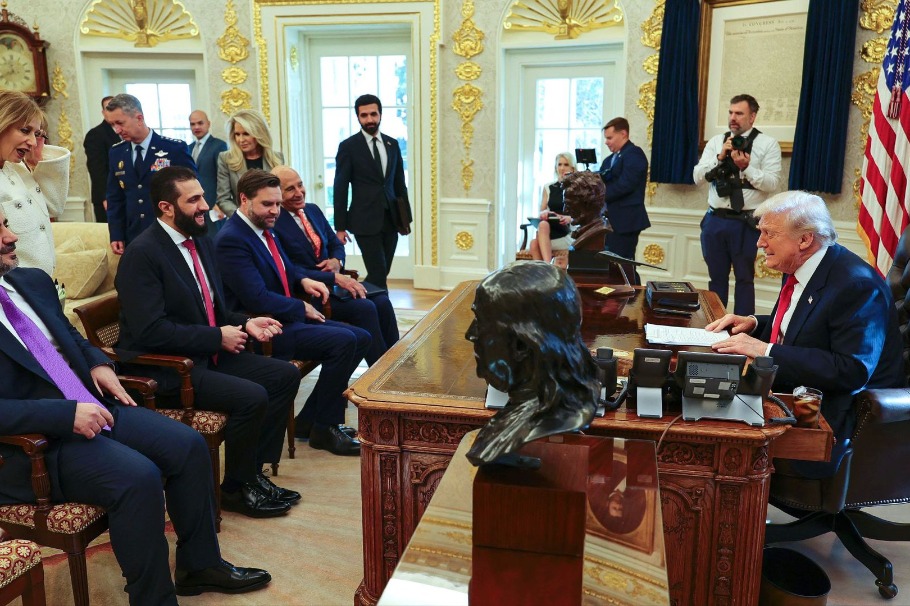
US, Syria move toward resetting ties as Trump meets al-Sharaa to discuss sanctions, security
In a landmark meeting at the White House on November 10, 2025, US President Donald Trump and Syrian interim leader Ahmad al-Sharaa engaged in discussions aimed at resetting bilateral relations. This marked the first visit by a Syrian leader to the White House since Syria’s independence in 1946. Unlike traditional state visits, al-Sharaa entered through a side gate, signaling a low-profile yet significant encounter. The closed-door meeting in the Oval Office focused on two critical issues: the lifting of US sanctions on Syria and Syria’s potential entry into the US-led global coalition against the Islamic State (IS) group. US Secretary of State Marco Rubio announced the suspension of the Caesar Act sanctions, a set of stringent measures imposed during Syria’s civil war. Rubio emphasized that this move would support Syria’s economic recovery and foster peace. The Syrian side, however, seeks a permanent repeal of these sanctions, which would require congressional action. Additionally, al-Sharaa agreed to join the US-led coalition against IS, which remains active in Syria. The US also plans to allow Syria to resume operations at its embassy in Washington, focusing on counterterrorism and economic cooperation. This meeting follows a series of diplomatic efforts, including the removal of al-Sharaa from the UN Security Council’s sanctions list. Analysts caution that while these steps are promising, Syria’s path to stability remains fraught with challenges, including sectarian violence and a massive reconstruction bill estimated at over $200 billion.