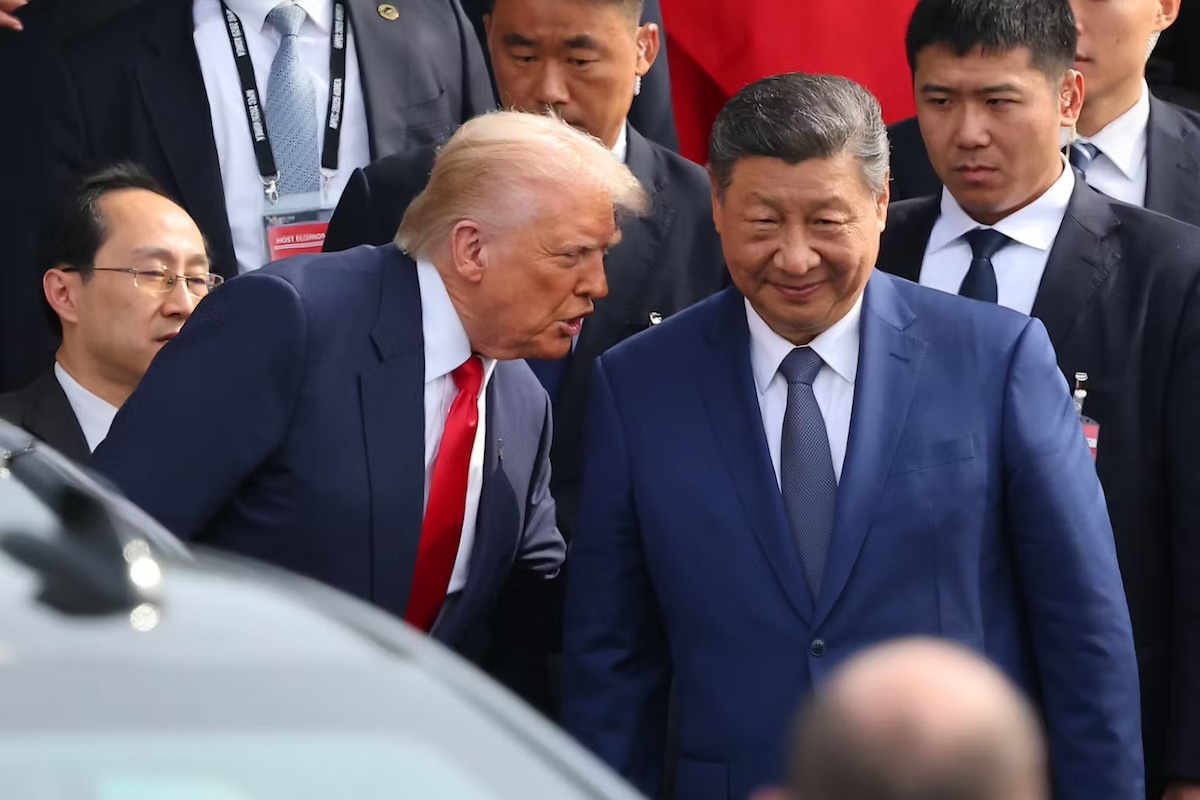
The recent Xi–Trump summit in South Korea has underscored China’s unprecedented rise on the global stage. Once a nation caught between the Cold War superpowers of the United States and the Soviet Union, China has now emerged as a pivotal player, wielding significant influence over both Washington and Moscow. This shift marks a dramatic transformation from the past, where China relied heavily on Soviet support and later on Russian military imports. Today, with Russia’s economy faltering under Western sanctions and its military weakened by the Ukraine conflict, Moscow has become increasingly dependent on Beijing. Bilateral trade between China and Russia reached a record $237 billion in 2024, with China serving as Russia’s largest trading partner and a critical supplier of dual-use goods essential for its defense industry. Meanwhile, China’s strategic leverage over the United States has also grown, particularly through its dominance in rare earth materials and global supply chains. During the recent trade turbulence, Beijing’s targeted countermeasures forced Washington back to the negotiating table, highlighting a shift from unilateral U.S. sanctions to a more balanced power dynamic. The Xi–Trump summit further revealed China’s ability to assert its interests on the global stage, with both Russia and the United States increasingly constrained by Beijing’s influence. As economic and security frictions intensify, China’s strategic use of its rare earth monopoly and its growing role in global politics signal a new era of power dynamics, where Beijing stands at the forefront of international affairs.
分类: politics
-
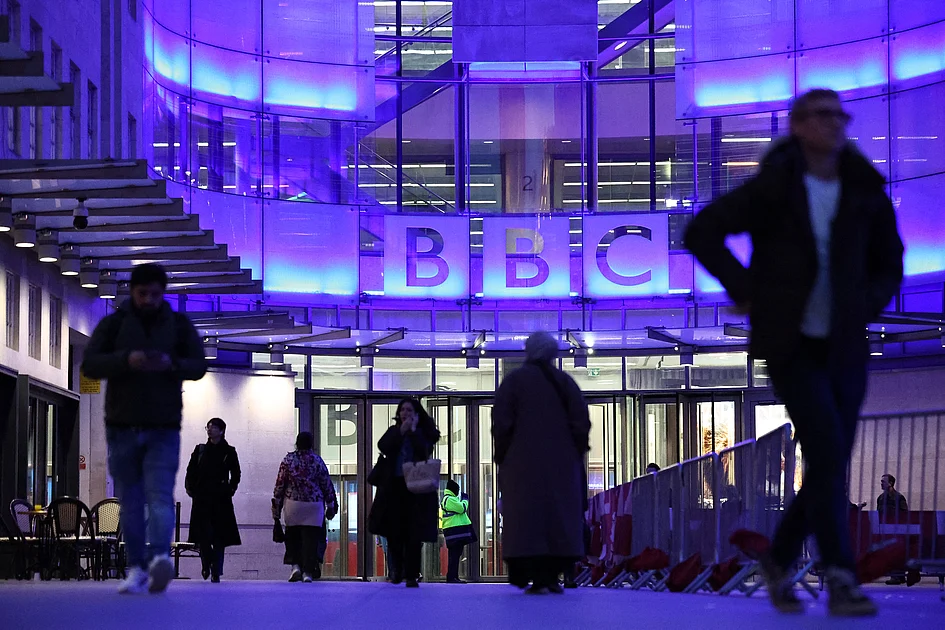
Trump claims ‘obligation’ to sue BBC over speech edit
US President Donald Trump has declared an ‘obligation’ to pursue legal action against the BBC, accusing the British broadcaster of misleading the public through a controversial edit of his speech. In a Fox News interview aired on Tuesday, Trump hinted at a potential defamation lawsuit, though he stopped short of confirming formal proceedings. This follows a letter from Trump’s legal team, seen by AFP, which threatened the BBC with a billion-dollar lawsuit. The BBC has since apologized for the edit, which allegedly gave the impression that Trump incited ‘violent action’ ahead of the 2021 Capitol assault. The broadcaster also announced a review of the letter and the resignation of its director general and top news executive over the controversy. Trump criticized the BBC, stating that it ‘defrauded the public’ and emphasized that Britain, ‘supposedly one of our great allies,’ has a stake in the broadcaster. The incident occurs during a politically sensitive period for the BBC, as it prepares to renegotiate its Royal Charter, set to expire in 2027. Trump has faced accusations of using lawsuits to suppress criticism in US media since his return to power in January. The BBC documentary featuring the edited speech aired last year, sparking widespread debate.
-
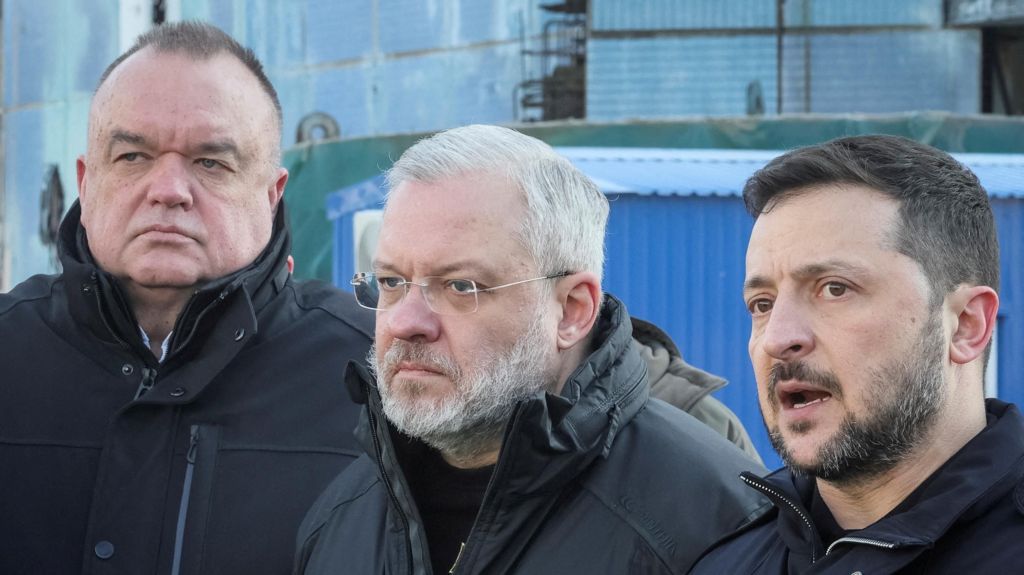
Major corruption scandal engulfs top Zelensky allies
In a significant development, Ukraine’s Energy Minister Svitlana Grynchuk and Justice Minister Herman Halushchenko have resigned following a major corruption investigation in the country’s energy sector. President Volodymyr Zelensky called for their removal on Wednesday, just days after anti-corruption bodies accused several individuals of orchestrating a massive embezzlement scheme, including at the national nuclear operator Enerhoatom. The scandal has implicated close associates of Zelensky, raising questions about his administration’s commitment to anti-corruption reforms. The National Anti-Corruption Bureau of Ukraine (Nabu) and the Specialised Anti-Corruption Prosecutor’s Office (Sap) revealed that the 15-month investigation uncovered the involvement of four government members, with approximately $100 million laundered and transferred abroad, including to Russia. The funds were allegedly funneled through an office in Kyiv linked to the family of former Ukrainian lawmaker and current Russian senator Andriy Derkach. The scandal has erupted amidst escalating Russian attacks on Ukrainian energy infrastructure, further complicating the nation’s efforts to secure its energy supply. This incident also highlights the persistent issue of corruption in Ukraine, despite the efforts of Nabu and Sap over the past decade. Earlier this year, nationwide protests erupted over changes that threatened the independence of these anti-corruption bodies, leading to concerns about Ukraine’s EU candidacy status. While Zelensky eventually reinstated their independence, the latest scandal has reignited doubts about his dedication to combating corruption.
-
Fifty-year mortgages and $2,000 cheques: What’s behind Trump’s affordability drive?
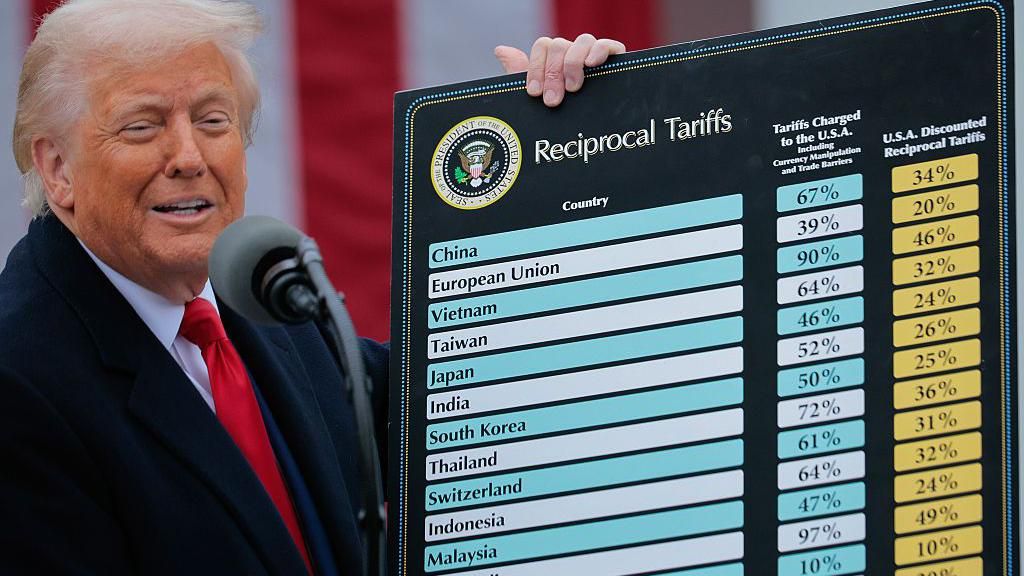
In response to growing public dissatisfaction with his economic policies, US President Donald Trump has proposed a $2,000 payment to most Americans, funded by tariff revenues. This idea, which Trump describes as a ‘subsidy,’ aims to address consumer concerns following the Republican Party’s poor performance in recent state elections. However, economists argue that the tariff revenue is insufficient to cover the cost of such payments, potentially requiring deficit financing. Treasury Secretary Scott Bessent has downplayed the likelihood of these payments, suggesting that tariff gains would instead lower tax rates under Trump’s 2025 spending package. Trump has also floated other ideas, including 50-year mortgages and redirecting expiring health insurance subsidies into direct cash payments. These proposals face significant challenges in Congress, where Republicans hold narrow majorities. Meanwhile, Trump’s administration continues to face criticism for its handling of rising costs in key sectors like beef and electricity. Despite these challenges, Trump’s political instincts remain sharp, as he seeks to recalibrate his policies to reflect public sentiment. His ability to connect with voters, however, is constrained by his position in the Oval Office, prompting discussions about potential nationwide speeches on the economy.
-
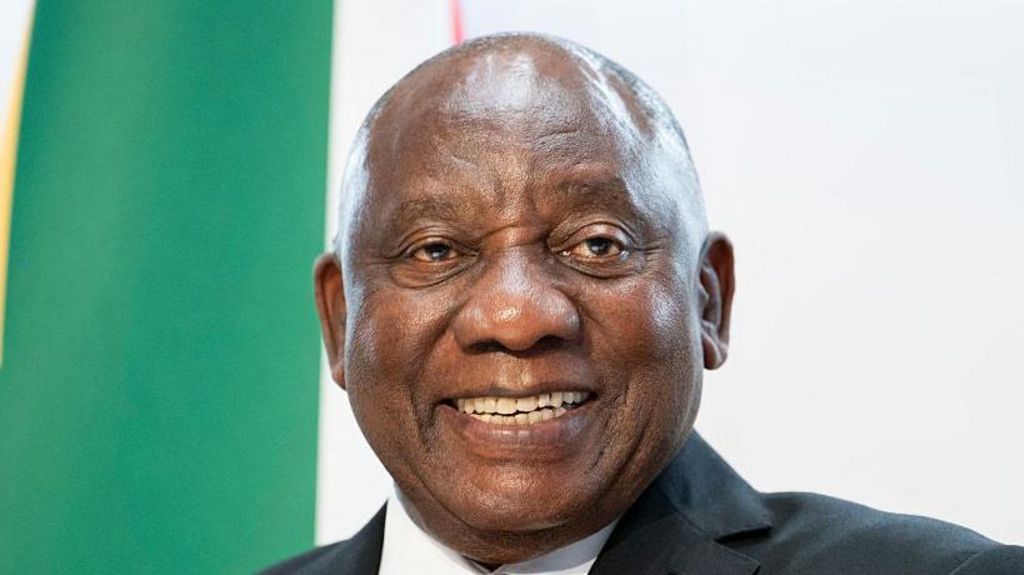
Ramaphosa says ‘boycott politics doesn’t work’ over Trump’s decision to skip G20 summit
South African President Cyril Ramaphosa has strongly criticized the United States’ decision to boycott the upcoming G20 summit in Johannesburg, labeling it as a significant loss for the US. The decision, announced by US President Donald Trump, stems from unsubstantiated claims of white persecution in South Africa. Ramaphosa, speaking outside parliament, emphasized that the US’s absence would not hinder the summit’s proceedings, stating, ‘Boycott politics doesn’t work.’ He further highlighted that the US is relinquishing its crucial role as the world’s largest economy by opting out of the event. The G20 summit, scheduled for November 22-23, has been marred by controversy following Trump’s social media post calling South Africa’s hosting a ‘total disgrace.’ Trump initially planned to send Vice-President JD Vance in his stead but later retracted, reiterating his unfounded allegations of human rights abuses against Afrikaners. South Africa has firmly denied these claims, asserting that there is no evidence supporting the notion of white genocide or land confiscation without compensation. The government has labeled these accusations as baseless and lacking credible support. As the summit approaches, Ramaphosa remains steadfast in his commitment to ensuring its success, despite the US’s withdrawal.
-
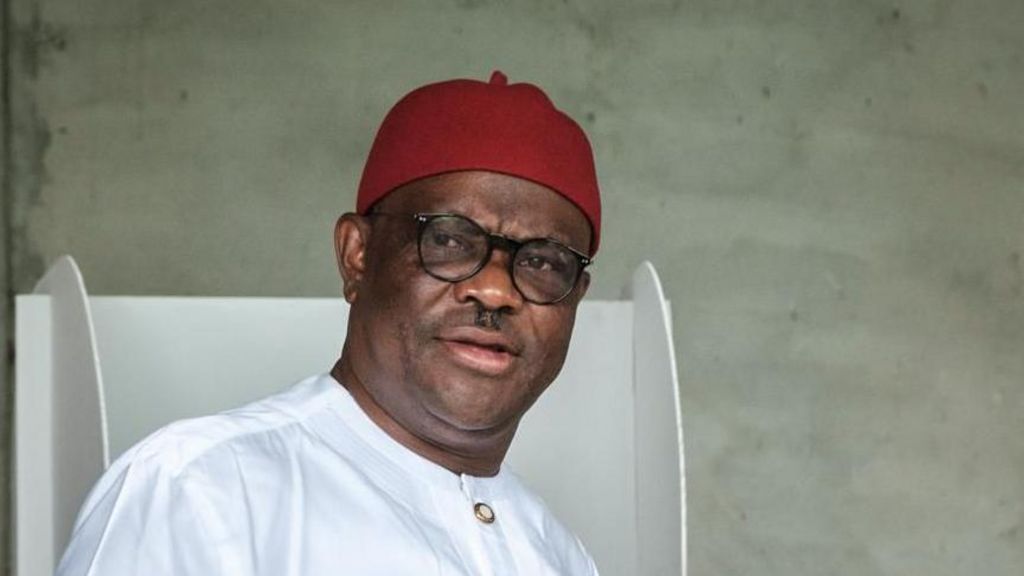
Nigerians praise young soldier for standing up to powerful minister
A young Nigerian soldier, Lieutenant A.M. Yerima, has become a symbol of courage and professionalism after a video of him standing his ground against Federal Capital Territory (FCT) Minister Nyesom Wike went viral. The incident occurred on Tuesday when Lt. Yerima, acting on orders from his superiors, prevented Minister Wike from accessing a disputed plot of land in Abuja. The video, which has garnered millions of views, shows Wike growing increasingly agitated as Lt. Yerima calmly refuses him entry, citing his orders. Social media users have widely praised the soldier’s composure, with many describing him as ‘brave’ and ‘courageous.’ Some have even shared his photo on their WhatsApp statuses as a mark of respect. The confrontation is particularly notable because Wike, a former governor of oil-rich Rivers State, is considered one of the most influential figures in President Bola Tinubu’s administration. Known for his assertive demeanor, Wike rarely faces resistance from lower-ranking officials. In the video, Wike is heard insulting the soldier, saying, ‘You are a very big fool. At the time I graduated, you were still in primary school.’ Lt. Yerima responds calmly, stating, ‘I am not a fool, sir.’ The reason for the soldiers’ presence on the land remains unclear, and the Nigerian military has yet to comment on the incident. Wike later told journalists that he visited the site after officials from the Abuja Metropolitan Management Council reported being chased away by soldiers. He claimed the land falls under his jurisdiction and that his administration is investigating reports of illegal construction and land encroachment. ‘This is what prevents us from progressing,’ Wike said, adding that the soldiers failed to produce the documents he requested. The incident has sparked widespread discussion about accountability, professionalism, and the rule of law in Nigeria.
-
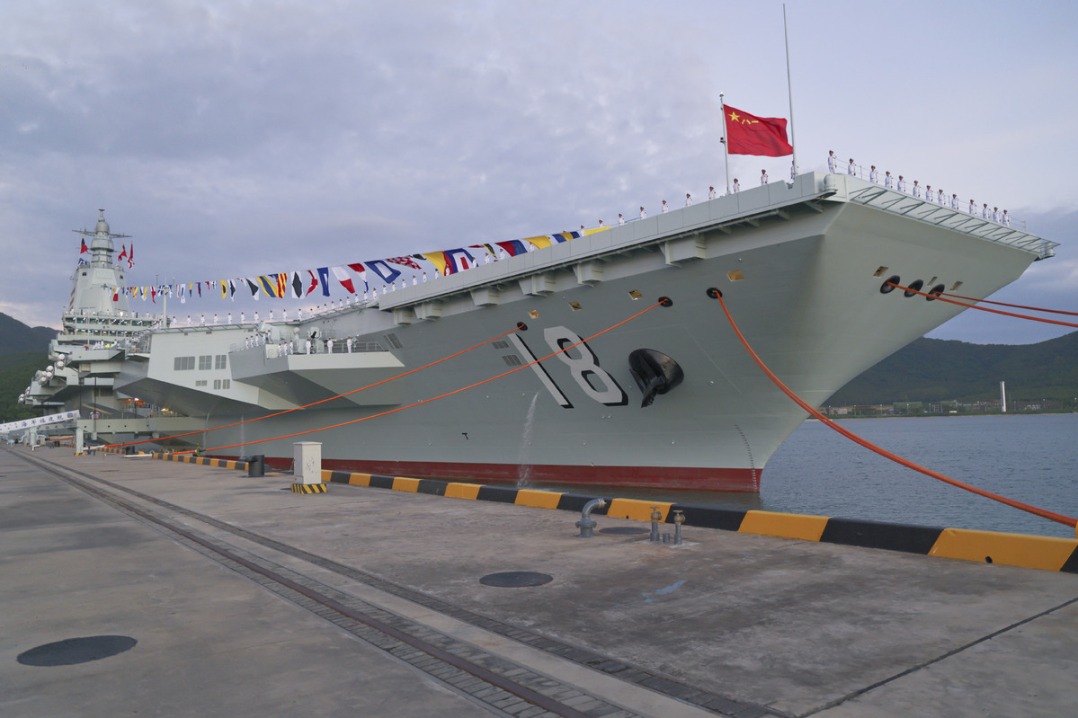
Chinese Navy’s increasing strength to enhance protection of national sovereignty: spokesperson
China’s Navy has entered a transformative ‘three-carrier era,’ significantly enhancing its capacity to protect national sovereignty and territorial integrity, according to a spokesperson from the State Council’s Taiwan Affairs Office. Chen Binhua, addressing a press conference on Wednesday, highlighted the commissioning of the Liaoning, Shandong, and Fujian aircraft carriers as a monumental achievement in China’s defense and military modernization. The Fujian, China’s first carrier equipped with electromagnetic catapults, has drawn considerable attention, particularly in Taiwan, for its advanced capabilities. Chen emphasized that this development underscores China’s commitment to thwarting any attempts to undermine its territorial integrity. The spokesperson’s remarks come amid growing regional tensions and reflect China’s strategic focus on bolstering its naval prowess to safeguard its interests.
-
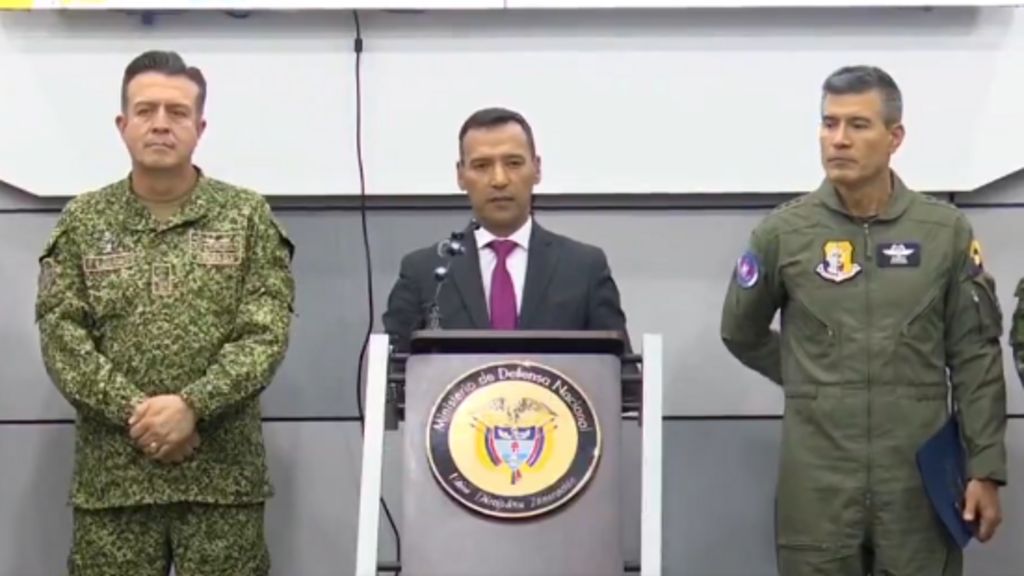
Colombian military bombs suspected rebel camp, killing 19
In a significant military operation, Colombia’s armed forces conducted an air strike on a suspected rebel camp in the Guaviare province, resulting in the deaths of at least 19 individuals. The targeted camp belonged to a dissident faction of the Revolutionary Armed Forces of Colombia (Farc), a group notorious for its involvement in drug trafficking and other illicit activities. Colombian Defence Minister Pedro Sánchez hailed the operation as a decisive blow against ‘one of Colombia’s most dangerous criminals,’ referring to Iván Mordisco, the faction’s leader. Mordisco, a former Farc member who rejected the 2016 peace deal, has since emerged as a powerful figure in Colombia’s criminal underworld, engaging in illegal mining, extortion, and drug trafficking. The air strike marks a shift in strategy for Colombia’s left-wing President Gustavo Petro, who had previously been hesitant to authorize such operations. However, the breakdown of peace talks with several armed groups, including Mordisco’s faction, prompted Petro to greenlight the military offensive. The operation also led to the rescue of three children forcibly recruited by the group, highlighting the ongoing issue of child exploitation by armed factions. The strike comes amid escalating tensions between Colombia and the United States, with the Trump administration accusing Petro of failing to curb drug trafficking. In response, Petro has criticized U.S. military actions in the Caribbean and Pacific, which he claims violate human rights. The Colombian president has also suspended intelligence sharing with U.S. security agencies, further straining bilateral relations. This operation underscores the complex challenges facing Colombia as it seeks to balance peace negotiations with the need to combat organized crime and drug trafficking.
-
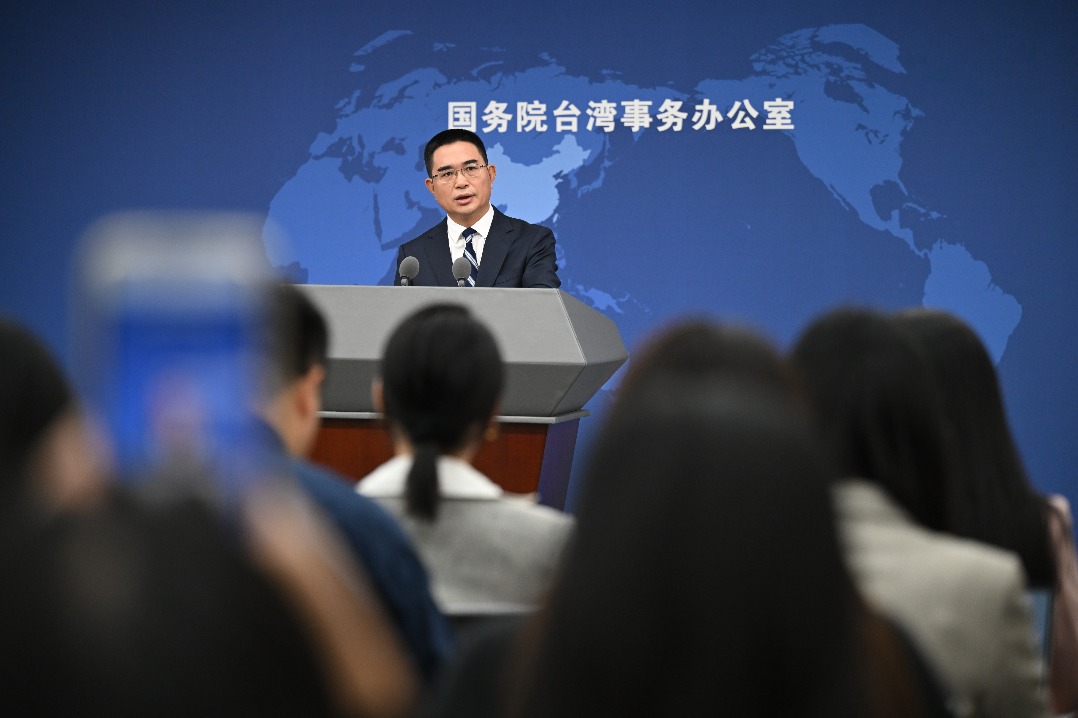
China slams Japan leader’s egregious comments about Taiwan
China has vehemently criticized recent comments made by Japan’s leader regarding Taiwan, labeling them as a severe violation of the one-China principle and an unwarranted interference in China’s internal affairs. The remarks, delivered during a parliamentary session in Japan, have sparked significant diplomatic tension between the two nations. Chen Binhua, spokesperson for China’s State Council Taiwan Affairs Office, reiterated China’s stance during a press conference, emphasizing that ‘there is only one China, and Taiwan is an inalienable part of it.’ The Chinese government has expressed ‘strong dissatisfaction and resolute opposition’ to the statements, which it views as a challenge to its sovereignty and territorial integrity. This incident underscores the ongoing geopolitical sensitivities surrounding Taiwan, which China considers a core national interest. The situation has drawn international attention, with observers noting the potential implications for regional stability and Sino-Japanese relations.
-
UN watchdog hasn’t been able to verify Iran’s stockpile of near-weapons grade uranium in months
The International Atomic Energy Agency (IAEA) has expressed grave concerns over its inability to verify the status of Iran’s near weapons-grade uranium stockpile following Israel’s strikes on Iranian nuclear sites during the 12-day conflict in June. According to a confidential report circulated to member states and reviewed by The Associated Press, the IAEA emphasized the urgent need to address the situation. Iran’s stockpile, as of September, stands at 440.9 kilograms of uranium enriched to 60% purity—just a technical step away from weapons-grade levels of 90%. IAEA Director General Rafael Grossi warned that this stockpile could potentially enable Iran to produce up to 10 nuclear bombs, though he clarified that there is no evidence Iran has weaponized its program. Iran has consistently maintained that its nuclear activities are peaceful, but the IAEA and Western nations contend that Tehran had an organized nuclear weapons program until 2003. Under its safeguards agreement with the IAEA, Iran is required to submit a ‘special report’ detailing the status and location of its nuclear materials, particularly after events like attacks or natural disasters. However, Iran suspended cooperation with the IAEA following the June conflict, though it later permitted inspections of undamaged facilities after a September agreement between Grossi and Iranian Foreign Minister Abbas Araghchi. This cooperation was short-lived, as the reimposition of UN sanctions later that month prompted Iran to halt the implementation of the agreement. European powers justified the sanctions by invoking the snapback mechanism, citing Iran’s failure to engage in direct talks with the U.S., fully cooperate with the IAEA, and clarify the status of its near weapons-grade uranium stockpile.