分类: politics

  • Global order is ‘breaking down’, Carney tells Australian parliament

    Global order is ‘breaking down’, Carney tells Australian parliament

    In a historic address to Australia’s Parliament in Canberra—the first by a Canadian leader in nearly two decades—Prime Minister Mark Carney emphasized the urgent need for middle powers to collaborate as “strategic cousins” in response to the collapse of the post-war global order. Speaking before lawmakers, Carney warned that consecutive international crises have eroded existing frameworks, creating a vacuum where either middle nations collectively shape new rules or risk having outcomes dictated by hegemons.

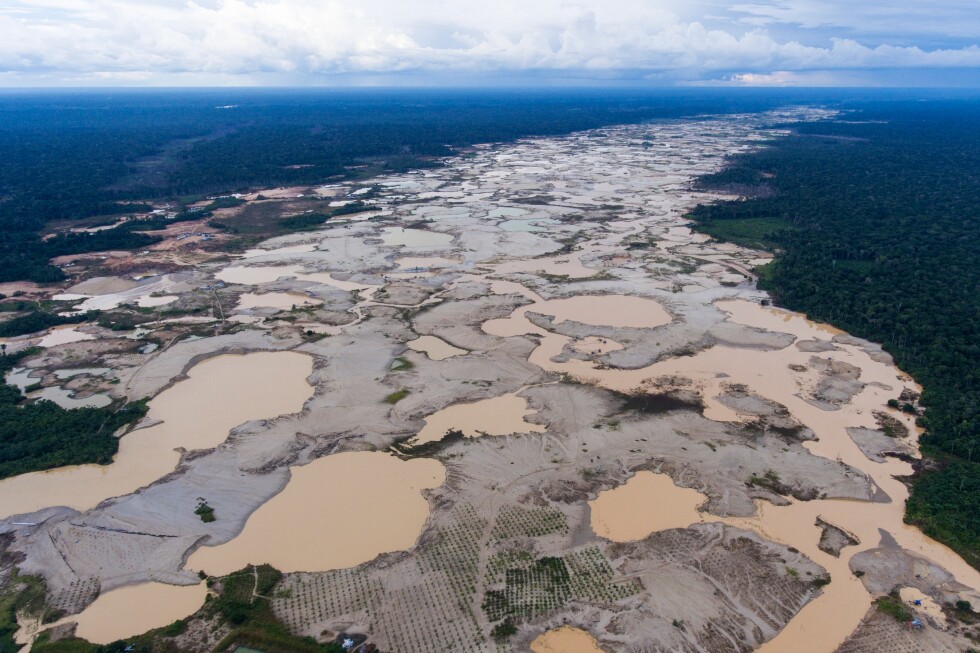
    The two leaders, Carney and Australian Prime Minister Anthony Albanese, announced a series of agreements aimed at deepening cooperation in defense, artificial intelligence, and critical minerals. Australia formally joined the G7 Critical Minerals Alliance, which Carney hailed as the world’s largest coalition of trusted democratic mineral reserves. Together, the two nations supply one-third of global uranium and lithium and over 40% of iron ore.

    Albanese underscored the shared values and convictions binding the countries, stating, “Australia and Canada must seek and create new ways to stand with—and for—each other.”

    On Middle Eastern tensions, both leaders expressed support for recent strikes on Iran while calling for regional de-escalation. They insisted, however, that any ceasefire must be contingent on Iran no longer possessing nuclear weapon capabilities. Albanese cited Iran’s influence as a factor in antisemitic attacks in Australia last year.

    Carney’s visit follows a four-day diplomatic trip to India, where he signed multibillion-dollar agreements, marking a thaw in relations previously strained by allegations linking India to an assassination on Canadian soil. The tour will conclude with meetings in Japan with Prime Minister Sanae Takaichi.

  • Canada and Australia leaders urge war de-escalation, but agree Iran can’t get nuclear weapons

    Canada and Australia leaders urge war de-escalation, but agree Iran can’t get nuclear weapons

    CANBERRA, Australia – In a significant bilateral meeting held in Australia’s capital, Canadian Prime Minister Mark Carney and Australian Prime Minister Anthony Albanese presented a unified front on the escalating Iranian conflict, advocating for immediate de-escalation while maintaining an unequivocal stance against Iranian nuclear proliferation.

    The high-level discussions occurred amidst heightened global tensions following recent military developments, including the sinking of an Iranian warship by a U.S. submarine in the Indian Ocean and NATO’s interception of an Iranian ballistic missile near Turkish airspace.

    Prime Minister Carney emphasized the necessity of broadening diplomatic efforts beyond direct combatants. “We seek a comprehensive de-escalation involving a wider coalition of nations,” Carney stated during a joint press conference. “However, this cannot be achieved without permanently eliminating Iran’s capacity to develop nuclear weapons and export terrorism. These outcomes must be fundamental to any resolution.”

    Carney specifically highlighted the potential role of the six-nation Gulf Cooperation Council, praising their “remarkable restraint” amid regional instability and suggesting their inclusion in peace-building initiatives.

    Prime Minister Albanese echoed these sentiments, condemning Iran’s expanding military operations. “The international community demands immediate de-escalation and cessation of Iran’s cross-border attacks,” Albanese asserted. “We’ve witnessed unacceptable aggression toward Gulf states not involved in hostilities, including targeting of civilian and tourist areas. The permanent prevention of Iranian nuclear weapons capability remains paramount.”

    When questioned about potential Canadian military involvement, Carney declined to categorically exclude such possibilities, noting the conflict’s potential for rapid expansion. “This addresses a fundamental hypothetical in a rapidly evolving situation,” he responded. “While we cannot absolutely rule out participation, any engagement would align with our strategic alliances and national interests.”

    The Canberra meeting formed part of Carney’s three-nation trade-focused tour, commencing in India and proceeding to Japan following his address to the Australian Parliament.

  • Canada PM Carney says can’t rule out military participation in Iran war

    Canada PM Carney says can’t rule out military participation in Iran war

    During an official visit to Canberra, Canadian Prime Minister Mark Carney addressed escalating tensions in the Middle East, acknowledging that Canadian military involvement, while not currently planned, could not be entirely ruled out under specific circumstances. The comments came alongside Australian Prime Minister Anthony Albanese, with their bilateral discussions largely dominated by the fallout from a recent massive US-Israeli strike that killed Iranian Supreme Leader Ayatollah Ali Khamenei.

    Prime Minister Carney characterized questions about direct engagement as ‘hypothetical’ but firmly stated, ‘We will stand by our allies,’ and emphasized that Canada ‘will always defend Canadians.’ This stance exists alongside his previous criticism that the strikes on Iran were ‘inconsistent with international law.’ He expressed regret over the situation, describing it as a manifestation of a failing international order, even as he reaffirmed support for non-proliferation efforts to prevent a nuclear-armed Iran.

    The core of Carney’s visit, however, focused on a strategic pivot away from traditional alliances. His tour of the Asia-Pacific is explicitly designed to reduce Canadian reliance on the United States, hedging against what he termed a ‘fading US-led global order.’ In a major address to Australia’s parliament, Carney issued a rallying cry for ‘middle powers’ like Canada and Australia to collaboratively shape emerging global rules rather than submit to the compulsion of great powers or ‘hyperscalers.’

    To this end, he announced deepened cooperation with Australia, branding the two nations as ‘strategic collaborators.’ This partnership will involve pooling their vast rare earth mineral resources and enhancing collaboration in defense and artificial intelligence. Carney argued that such middle-power alliances, built on shared values and a reputation for matching words with actions, hold unique ‘convening power’ in a increasingly hegemonic world. This posture stands in sharp contrast to his frequently adversarial relationship with US President Donald Trump, who has previously threatened annexation and imposed severe tariffs on Canada.

  • Fight over Trump’s Iran war powers comes after a long stretch of Congress yielding to presidents

    Fight over Trump’s Iran war powers comes after a long stretch of Congress yielding to presidents

    The ongoing tension between presidential authority and congressional oversight over military operations has reached a critical juncture during Donald Trump’s second term. The Republican-controlled House prepares for a pivotal vote Thursday following the Senate’s rejection of Democratic-led measures to curtail presidential war powers in the ongoing U.S.-Israeli campaign against Iran.

    President Trump has consistently asserted broad, arguably unlimited authority over military deployments, approving naval strikes near Venezuela, establishing a maritime blockade, and authorizing operations to depose Venezuelan leader Nicolás Maduro—actions that many legal scholars consider acts of war under international law. These maneuvers follow earlier considerations of military action in Greenland and Latin America before escalating into comprehensive bombing operations in Iran.

    While the Constitution designates the president as commander-in-chief of armed forces, it simultaneously grants significant war powers to Congress. Trump’s refusal to accept limitations on his military options demonstrates, according to constitutional experts, a fundamental shift in the balance of power away from the framers’ original vision of civilian-controlled military authority.

    Military historian Peter Mansoor, an Ohio State University professor and retired Army colonel, emphasizes that ‘the Constitution gives war powers to two different branches of government.’ He notes with concern that ‘the pendulum has swung towards the executive,’ contrary to the framers’ intention that Congress should remain the most powerful branch.

    The historical context reveals a persistent erosion of congressional war authority. Despite Article I granting Congress the power to declare war, no formal declaration has occurred since World War II, even as American troops engaged in major conflicts in Korea, Vietnam, Iraq, and Afghanistan. The Trump administration’s recognition of military actions against Venezuela through Medal of Honor awards—typically reserved for combat against foreign enemies—further blurs legal distinctions between authorized conflicts and presidential military initiatives.

    The 1973 War Powers Resolution, designed to reassert congressional oversight, has proven largely ineffective in practice. Recent failed attempts to limit presidential authority through legislative measures demonstrate the ongoing struggle between executive action and legislative constraint—a tension that has characterized military operations from Truman’s Korean ‘police action’ to Biden’s withdrawal from Afghanistan, the nation’s longest undeclared war.

  • ‘Coloniser’: Lidia Thorpe slams Canada PM visit as First Nations racism probe established

    ‘Coloniser’: Lidia Thorpe slams Canada PM visit as First Nations racism probe established

    A significant diplomatic visit by Canadian Prime Minister Mark Carney to Australia’s Parliament has drawn fierce criticism from independent Senator Lidia Thorpe, who characterized the event as a ‘coloniser convention’ occurring at ‘coloniser headquarters.’ The condemnation emerged simultaneously with the Albanese government’s announcement of a parliamentary inquiry into systemic racism targeting First Nations communities.

    During his address to a joint parliamentary session in Canberra, Prime Minister Anthony Albanese welcomed his Canadian counterpart, emphasizing how both nations are ‘enriched by indigenous cultures.’ This diplomatic exchange occurred as part of Carney’s multi-day official visit to Australia.

    Senator Thorpe, however, delivered a scathing assessment of the proceedings, drawing parallels between Canada and Australia’s treatment of Indigenous populations. She highlighted concerning patterns including disproportionate incarceration rates, land destruction, and child removal policies that she described as consistent across ‘colonised countries.’ Thorpe specifically noted that these nations operate as a ‘protection racket’ to avoid accountability for what she termed ‘ongoing genocide against First Nations people.’

    The timing of Thorpe’s criticism coincided with the establishment of a formal parliamentary examination by the Joint Standing Committee on Aboriginal and Torres Strait Islander Affairs. This inquiry will investigate racism, hate speech, and violence directed at Indigenous groups, with particular focus on digital platforms and ideologically motivated extremism.

    Despite her instrumental role in pressuring the government to launch the investigation, Senator Thorpe expressed skepticism about its potential impact. She referenced historical precedents where extensive inquiries produced recommendations that were never implemented, questioning whether meaningful change would result from the current initiative. Thorpe emphasized the necessity of maintaining public pressure to ensure proposed solutions translate into tangible policy actions.

  • Iran says US to pay ‘heavy price’ for killing supreme leader

    Iran says US to pay ‘heavy price’ for killing supreme leader

    Iran has issued a stark warning to the United States, threatening severe consequences for the alleged killing of Supreme Leader Ali Khamenei. Ali Larijani, Secretary of Iran’s Supreme National Security Council, declared on Wednesday that America would face a “heavy price” for its actions, which he characterized as an escalation of hostilities.

    In a statement published on social media platform X, Larijani accused US President Donald Trump of plunging American citizens into what he described as an “unjust” military confrontation with Iran. The Iranian official posed a provocative question regarding the strategic calculus behind the operation: “Now he must calculate: with over 500 American soldiers killed in just the past few days, does America still come first — or Israel?”

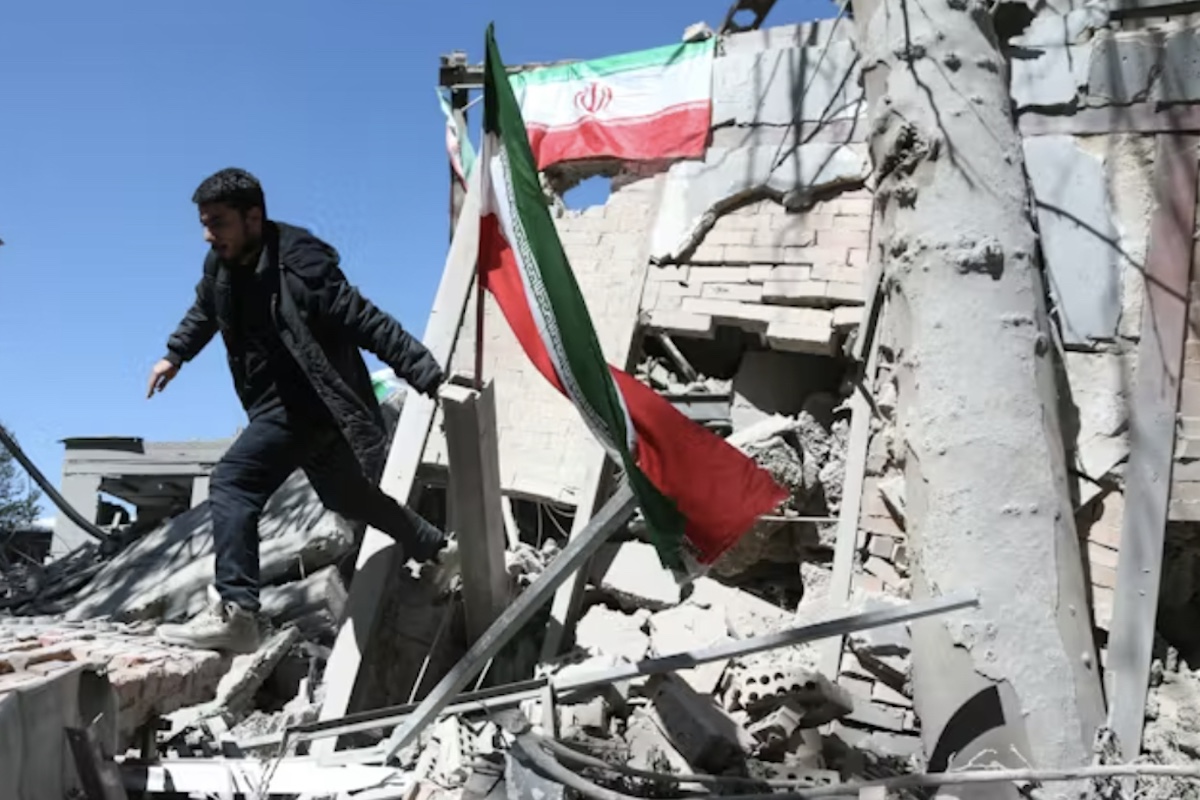
    The incident triggering this escalation occurred on Saturday when joint American-Israeli strikes reportedly resulted in the deaths of Khamenei, several family members, and multiple high-ranking Iranian military commanders. In response to these attacks, Iran launched comprehensive retaliatory measures involving coordinated missile and drone assaults targeting Israeli territory and American military installations throughout the Middle Eastern region.

    This development marks a significant deterioration in Iran-US relations, with potential implications for regional stability and global security frameworks. The exchange of military actions represents one of the most direct confrontations between the two nations in recent history, raising concerns about further escalation and the potential for broader regional conflict.

  • Honduras weighs shift in China-Taiwan ties as Trump pushes for US dominance in Latin America

    Honduras weighs shift in China-Taiwan ties as Trump pushes for US dominance in Latin America

    Three years after Honduras severed diplomatic relations with Taiwan in favor of China, the Central American nation faces severe economic repercussions and potential diplomatic reversal. The shrimp farming industry, once thriving with over $100 million in annual exports to Taiwan, has witnessed catastrophic decline, with sales plummeting to just $16 million in 2025 without promised Chinese market access replacing the loss.

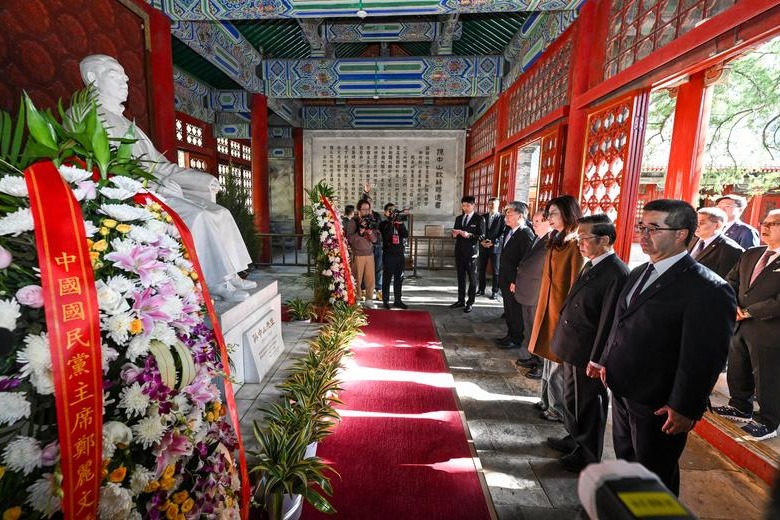
    President Nasry Asfura, who assumed office in January with backing from former U.S. President Donald Trump, has initiated a comprehensive review of Honduras-China agreements. This move signals potential realignment toward Taiwan amid growing U.S. efforts to counter Chinese influence in Latin America. The development occurs as Asfura prepares to attend a regional security summit hosted by Trump near Miami.

    Academic experts indicate Honduras represents the most likely candidate globally to restore diplomatic recognition to Taiwan. Professor Francisco Urdinez of Chile’s Pontifical Catholic University noted that while President Asfura campaigned on this reversal and has Trump’s support, untangling numerous agreements signed with China since 2023 presents significant complications.

    The diplomatic maneuvering reflects broader geopolitical tensions. China maintains that Taiwan constitutes inseparable Chinese territory, while the United States, despite lacking formal ties, remains Taiwan’s strongest international supporter. Currently, only twelve governments recognize Taiwanese statehood, with seven located in Latin America and the Caribbean.

    The human cost of Honduras’s diplomatic shift has been substantial. Industry reports confirm the closure of at least 95 shrimp farms and one processing plant, resulting in over 25,000 job losses and millions in vanished foreign exchange earnings. Javier Amador, Executive Director of Honduras’s National Aquaculture Association, stated plainly: ‘We were deceived,’ referencing unfulfilled promises of Chinese market access.

    With 330 shrimp farming companies still operational but struggling, industry representatives urge diplomatic restoration with Taiwan to revive economic prospects. The situation presents President Asfura with a complex dilemma: fulfilling campaign promises while managing substantial Chinese investments in Honduras and potential repercussions from abandoning Beijing’s Belt and Road Initiative.

  • Exclusive: Iranian officials say Israel carried out some of the drone strikes on Gulf energy sites

    Exclusive: Iranian officials say Israel carried out some of the drone strikes on Gulf energy sites

    Iranian authorities have formally accused Israel of orchestrating a series of drone strikes targeting energy installations and civilian infrastructure across the Arabian Gulf, characterizing the assaults as a deliberate strategy to provoke regional hostilities and coerce Arab nations into joining the military offensive against Tehran.

    According to an anonymous high-ranking official within Iran’s foreign ministry who spoke with Middle East Eye, Israeli operatives were responsible for multiple attacks on Saudi Arabian territory and at least one incident in Oman. The source stated categorically that Iranian forces were not involved in these specific operations, though they declined to specify which incidents were attributed to Israel.

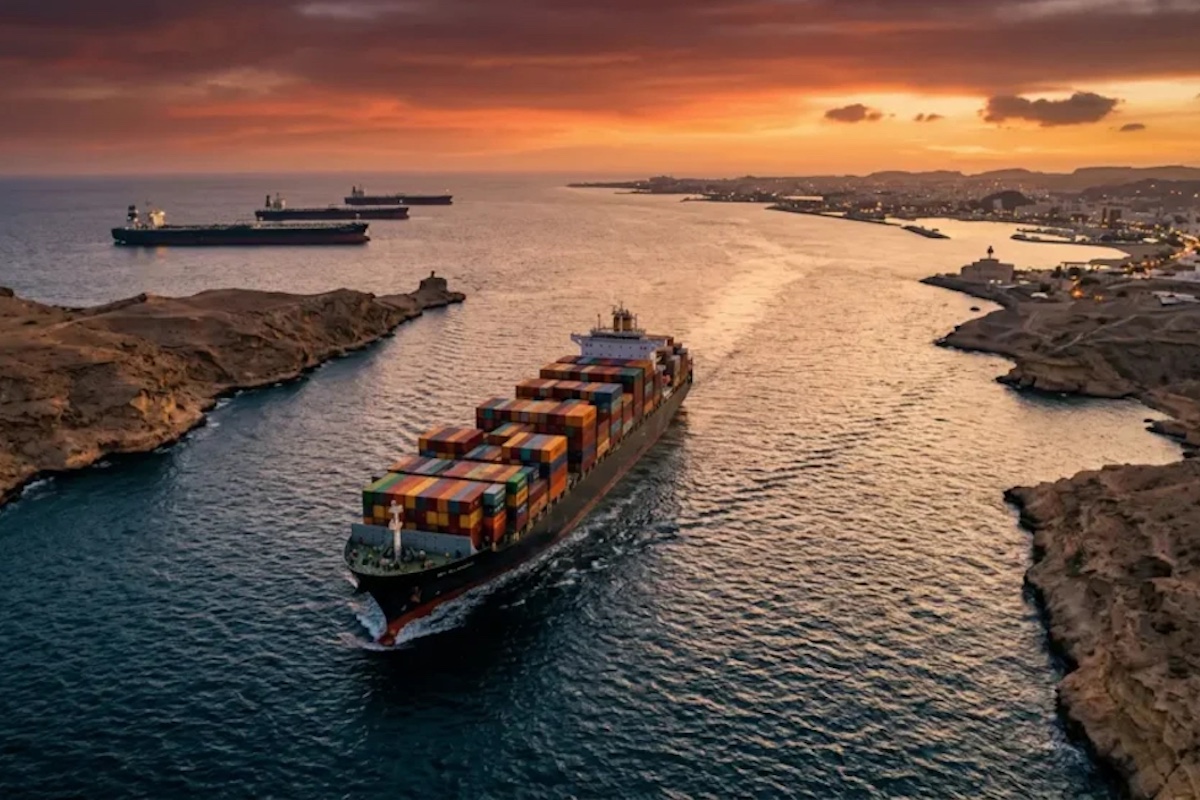
    The targeted sites include strategically significant locations such as Saudi Arabia’s Prince Sultan Air Base, the critical Ras Tanura oil refinery complex, the US embassy compound in Riyadh, and Oman’s Duqm Port—a facility regularly accessed by the US Navy since 2019. These attacks have substantially impaired regional oil and gas export capabilities and undermined Dubai’s reputation as a secure hub for international expatriates.

    Multiple Iranian intelligence sources indicated that Mossad, Israel’s foreign intelligence service, executed several drone attacks using pre-established operational networks within Iran. Iranian security forces are reportedly actively working to identify and neutralize Mossad weapons storage facilities and command centers, some of which may be located in neighboring countries.

    This development emerges amid increasing pressure from the United States and United Arab Emirates for Gulf Cooperation Council members to formally enter the conflict against Iran. Tehran maintains that its military responses have been exclusively directed at US and Israeli assets, with any strikes on civilian infrastructure resulting either from Israeli false flag operations or rare technical errors.

    Academic and political figures across the Gulf have expressed skepticism about the origins of the attacks. Seyed Emamian of Tehran Polytechnic University noted that Israel stands to benefit from undermining Iran’s recently improved diplomatic relations with Gulf Arab states. Similarly, Saudi political veteran Abdulaziz Altuwaijri and Qatar’s former Prime Minister Hamad bin Jassim al-Thani have warned against being drawn into direct confrontation with Iran, suggesting external forces seek to exploit regional divisions for strategic gain.

    Analyst Sina Toosi of the National Iranian American Council observed that while Israel seeks to regionalize the conflict by drawing in Gulf states, Iran has compelling reasons to avoid broader confrontation that would jeopardize its diplomatic achievements with neighboring nations.

  • Not all attacks on Gulf states coming from Iran, prominent Saudi Arabian editor suggests

    Not all attacks on Gulf states coming from Iran, prominent Saudi Arabian editor suggests

    In a televised discussion on Tuesday, Adhwan al-Ahmari, a prominent Saudi journalist and political analyst, presented a provocative assessment of the escalating tensions in the Middle East. During his appearance on Riyadh-based Asharq News, Ahmari articulated growing suspicions that the United States and Israel might be orchestrating a strategic trap aimed at drawing Gulf Cooperation Council (GCC) nations into direct military confrontation with Iran.

    The analyst pointed to numerous unverified claims of false-flag attacks in the region, suggesting these incidents may be part of a broader geopolitical maneuver. ‘Some perceive this conflict as an American-Israeli trap designed to implicate Gulf countries and pull them into a confrontation with Iran,’ Ahmari stated, noting that ‘this hypothesis gains credibility daily’ as trust between Washington and its GCC allies continues to deteriorate.

    Ahmari raised alarming questions about American commitment to the region: ‘What if the US announces after a week, ten days, or two weeks that it has achieved all its objectives and declares the war over, subsequently leaving Gulf states in an open-ended confrontation with Iran?’

    The Saudi analyst emphasized that military actions targeting Iranian leadership or nuclear facilities would prove futile without the complete dismantlement of the Islamic Revolutionary Guard Corps (IRGC). He described the IRGC as an elite military institution specifically structured to protect Iran’s ruling system, distinct from the nation’s conventional armed forces.

    ‘Eliminating the Iranian supreme leader without neutralizing the IRGC achieves nothing. Dismantling the nuclear program without eradicating the IRGC accomplishes nothing. The IRGC would inevitably return with strengthened capabilities,’ Ahmari warned.

    He called for greater transparency from the Trump administration, demanding clear explanations regarding US motives and anticipated timeline for the conflict. President Trump initially projected a four-to-five-day engagement, which has since expanded to four-to-five weeks, with Secretary of War Pete Hegseth recently suggesting an open-ended commitment—a development Ahmari characterized as ‘the strangest military campaign in history.’

    The analyst further described Iran’s attacks on Gulf nations hosting US military facilities as ‘suicidal behavior,’ noting that contemporary Iran appears significantly weaker than a decade ago due to the 2022 Women, Life, Freedom protests and severe economic crises exacerbated by intensified US sanctions and a US-backed bank collapse.

  • Polls open in Nepal’s first election after last year’s youth-led protests toppled the government

    Polls open in Nepal’s first election after last year’s youth-led protests toppled the government

    KATHMANDU, Nepal — Nepal commenced a landmark national election on Thursday, marking the first nationwide polling since last year’s violent youth-led uprising that toppled the previous government. This pivotal democratic exercise unfolds amid heightened security measures and widespread public anticipation for transformative leadership.

    Approximately 19 million eligible voters across the Himalayan nation are participating in this electoral process, with security forces maintaining vigilant patrols and safeguarding polling stations. Authorities have implemented comprehensive restrictions, including vehicle bans on streets and prohibitions on political rallies and public gatherings, ensuring a secure environment for the democratic process.

    The electoral system combines direct representation and proportional allocation: voters directly elect 165 members to the House of Representatives (the lower parliamentary chamber), while the remaining 110 seats in the 275-member legislature will be distributed through proportional representation based on party vote shares.

    This election has evolved into a compelling three-way contest, reflecting profound voter dissatisfaction with systemic corruption and demands for enhanced governmental accountability. The newly established National Independent Party, founded in 2022, has emerged as the front-runner, challenging the longstanding dominance of the Nepali Congress and the Communist Party of Nepal (Unified Marxist–Leninist).

    Leading this insurgent movement is 35-year-old rapper-turned-politician Balendra Shah, the party’s prime ministerial candidate. Shah, who previously secured the Kathmandu mayoral race in 2022, became a central figure in the 2025 uprising that ousted former Prime Minister Khadga Prasad Oli. His campaign has resonated particularly with younger demographics, focusing on healthcare and educational reforms for impoverished Nepalis.

    The 2025 protests originated from opposition to a social media ban before escalating into a broad rebellion against governmental corruption and mismanagement. The demonstrations turned deadly when security forces opened fire on protesters attacking government buildings, resulting in dozens killed and hundreds injured.

    While traditional parties maintain dedicated voter bases, Shah’s movement has demonstrated superior mobilization capabilities during campaign events, signaling shifting political allegiances among youth seeking alternatives. The incoming administration will confront significant challenges, including addressing protestors’ demands for reform, combating entrenched corruption, and navigating delicate diplomatic relations with neighboring powers India and China.

    Vote counting begins later Thursday, with preliminary results anticipated over the weekend.