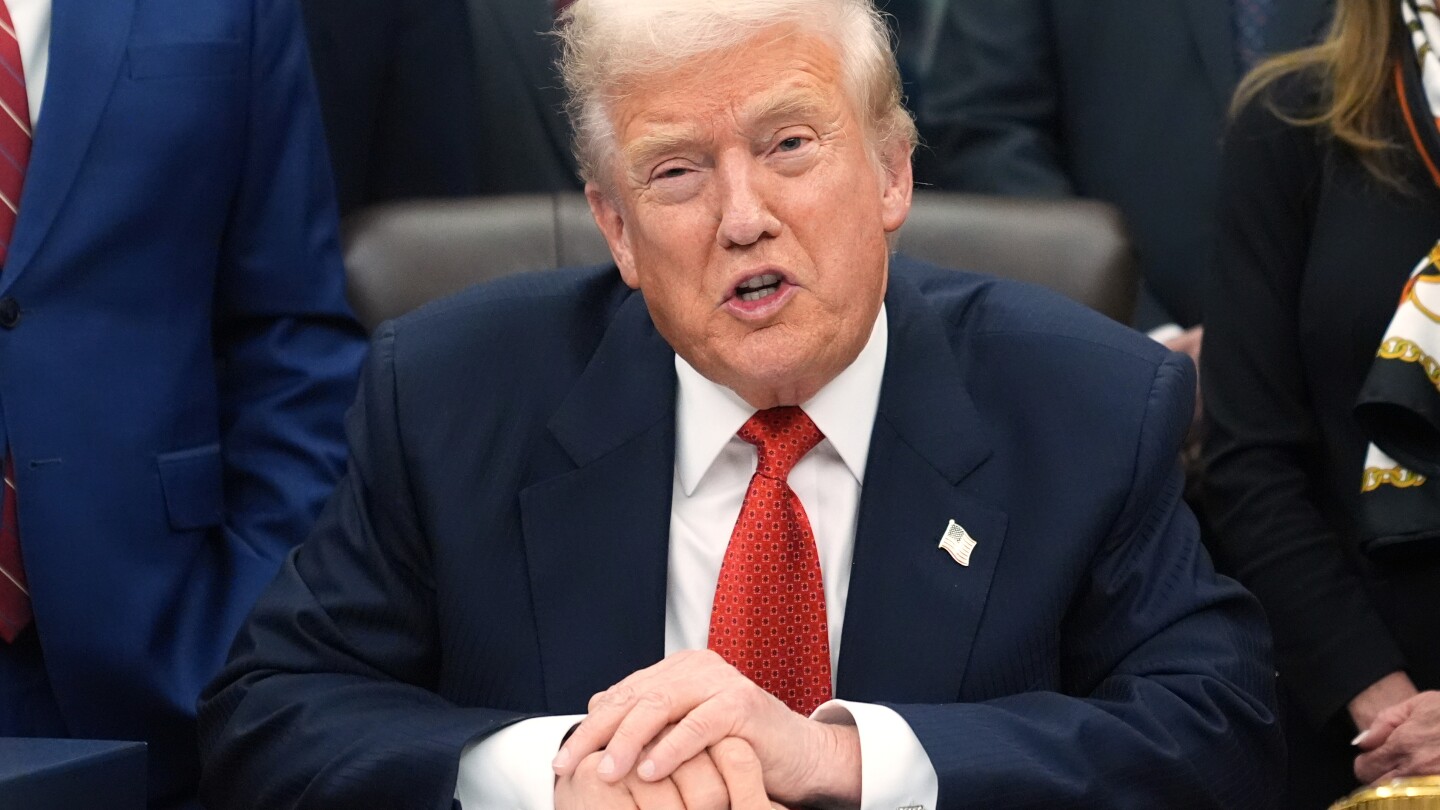
In a significant move, the Trump administration has officially designated four European left-wing groups as terrorist organizations. This decision, announced on Thursday, aligns with President Donald Trump’s pledge to intensify efforts against leftist extremism following the assassination of conservative activist Charlie Kirk. The targeted groups, all based in Europe, include an Italian anarchist front, two Greek networks, and a German anti-fascist group. These organizations have been implicated in various violent activities, ranging from bombings to physical assaults on neo-Nazis. The designation allows the U.S. government to sever any financial support these groups may receive from American sources. This action underscores the administration’s broader strategy to combat what it perceives as threats to Western civilization. The announcement has sparked discussions on the implications for international relations and the ongoing battle against political extremism.
分类: politics
-
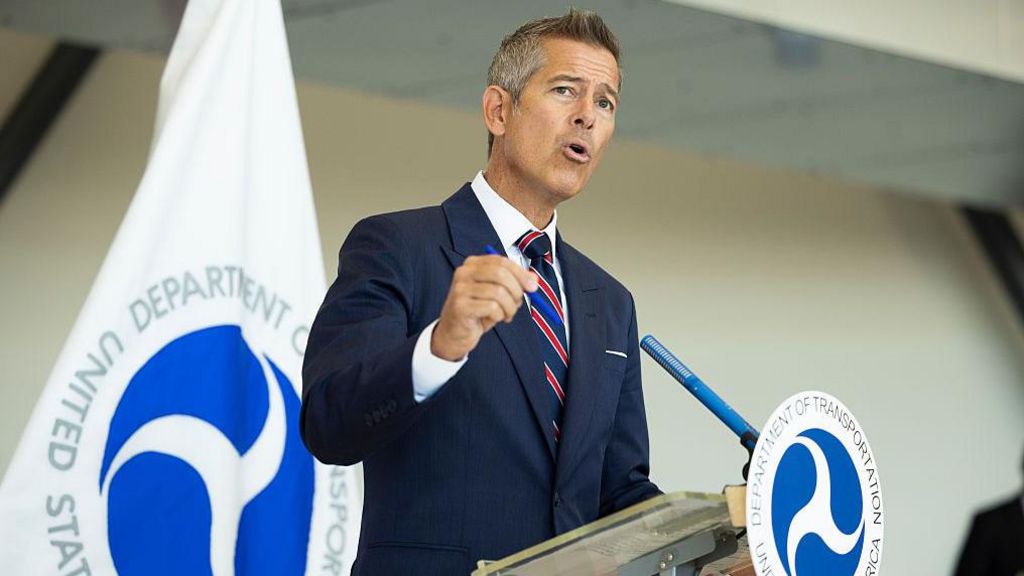
California revoking 17,000 commercial driver’s licences given to immigrants
California has initiated the revocation of 17,000 commercial driver’s licenses following an audit that revealed these licenses were issued to immigrants no longer legally permitted to reside in the United States. The Department of Transportation disclosed that California officials had unlawfully granted these licenses to individuals deemed ‘dangerous foreign drivers.’ License holders have been notified that their permits will expire within 60 days. This action comes in the wake of a tragic incident in August, where a truck driver without legal status caused a fatal crash in Florida, prompting the Trump administration to intensify efforts to exclude undocumented immigrants from commercial driving roles. California Governor Gavin Newsom dismissed the administration’s move as politically motivated, emphasizing that the affected drivers had valid federal work authorizations. However, media reports indicate that the licenses contained incorrect expiration dates, violating state law requiring them to expire concurrently with the holder’s legal status in the U.S. Transportation Secretary Sean Duffy, who has been vocal in criticizing California’s policies, described the situation as ‘the tip of the iceberg,’ vowing to ensure the removal of all undocumented immigrants from commercial driving positions. In September, Duffy introduced stringent new rules complicating the process for immigrants to obtain commercial driver’s licenses, including mandatory verification of immigration status and a maximum one-year validity period. While the transportation department estimated that 97% of non-domiciled drivers would exit the freight market, it downplayed the economic impact given the nation’s 3.8 million commercial drivers. A federal appeals court has temporarily halted these rules pending a lawsuit. California, home to over 130,000 truck drivers and the country’s largest ports, remains the only state to have completed a commercial driver’s license audit, with other states expected to follow suit soon.
-

Francesca Albanese says Starmer helped ‘manufacture’ consensus for Israeli genocide
The UN Special Rapporteur on the occupied Palestinian territories, Francesca Albanese, has accused British Prime Minister Keir Starmer of facilitating Israel’s actions in Gaza, which she describes as genocide. In a recent interview with Middle East Eye’s Expert Witness podcast, Albanese highlighted the findings of her report, ‘Gaza Genocide: A Collective Crime,’ presented to the UN General Assembly last month. The report implicates 63 states, including the UK, in enabling Israeli violations of international law. It specifically criticizes the UK for conducting over 600 surveillance missions over Gaza, sharing intelligence with Israel, and aligning these operations with major Israeli military actions. Albanese also pointed to the UK’s historical threats to defund the International Criminal Court (ICC) under the previous Conservative government, as revealed by Middle East Eye in June 2024. She argued that Starmer, a former human rights lawyer, has used his legal expertise to dismiss allegations of genocide in Gaza, contradicting the ICJ’s recognition of potential irreparable harm to Palestinians. Albanese further condemned the Labour government’s crackdown on civil society and activists opposing the genocide, including the recent designation of Palestine Action as a terrorist organization. She called for domestic and international judicial proceedings against UK officials, emphasizing the need for accountability.
-
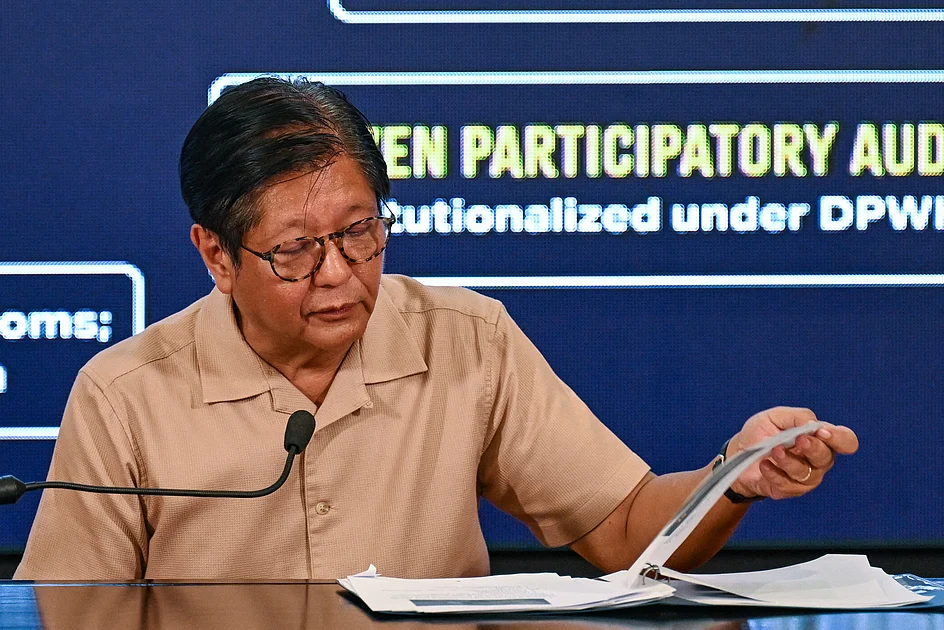
Philippine president vows arrests over bogus flood control projects
Philippine President Ferdinand Marcos has vowed to arrest individuals involved in fraudulent flood control projects before Christmas, following devastating typhoons that left parts of the country submerged. The announcement comes amid allegations that construction firm owners, government officials, and lawmakers, including Marcos’ cousin Congressman Martin Romualdez, have embezzled funds intended for infrastructure projects, many of which were either substandard or non-existent. The Department of Finance estimates that corruption in these projects has cost the Philippine economy up to 118.5 billion pesos (approximately $2 billion) from 2023 to 2025. Marcos emphasized that criminal cases against the implicated individuals are nearly complete, stating, “We don’t file cases for optics. We file cases to put people in jail.” He added, “They won’t have a merry Christmas… happy days are over.” The issue of ‘ghost’ infrastructure projects was highlighted in Marcos’ July national address, sparking widespread public outrage. When questioned about his cousin’s involvement, Marcos noted that there is currently insufficient evidence but stressed that “no one is exempted in this investigation.” The Philippines is still recovering from the destruction caused by Super Typhoon Fung-wong, which struck on Sunday, flooding hundreds of villages and claiming at least 27 lives. This disaster followed Typhoon Kalmaegi, which hit the central Philippines days earlier, resulting in at least 232 fatalities.
-

Pakistan grants lifetime immunity to president, current army chief
In a landmark decision, Pakistan’s parliament ratified the 27th constitutional amendment on Thursday, bestowing lifetime immunity upon the president and the current army chief. The amendment, passed with a two-thirds majority, has sparked widespread criticism for its potential to undermine democratic principles and judicial independence. Army Chief Asim Munir, recently elevated to the rank of field marshal following Pakistan’s tense standoff with India in May, will now wield command over the army, air force, and navy. The amendment also introduces the role of Chief of Defence Forces, consolidating military authority under a single command. Additionally, it establishes a Federal Constitutional Court, further reshaping the nation’s legal and governance framework. The new provisions ensure that any officer promoted to the highest military ranks—field marshal, marshal of the air force, or admiral of the fleet—will retain their rank, privileges, and immunity from criminal proceedings for life. Critics argue that this move erodes civilian oversight of the military and disrupts the traditional hierarchy of equal service chiefs under the joint chief system. President Asif Ali Zardari, who has faced multiple corruption allegations, is also shielded from prosecution unless he assumes another public office. The amendment further prohibits courts from challenging any constitutional changes, raising concerns about unchecked executive power. The bill is now awaiting the president’s signature to become law.
-
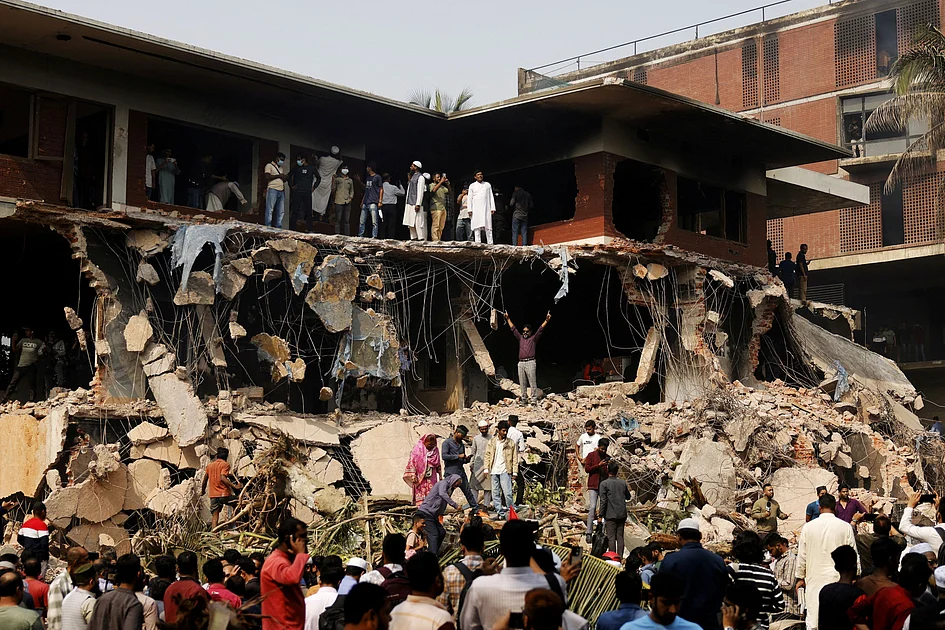
Bangladesh verdict in ex-PM Hasina trial on November 17
Bangladesh is set to announce the verdict in the high-profile crimes against humanity trial of former Prime Minister Sheikh Hasina on November 17, as confirmed by Chief Prosecutor Tajul Islam on Thursday. The trial, conducted in absentia since June 1, has centered on allegations that Hasina ordered mass killings during a failed attempt to suppress a student-led uprising in 2024, which ultimately led to her removal from power. The United Nations estimates that up to 1,400 people were killed during the crackdown between July and August 2024. Hasina, now 78 and residing in India, has refused to return to Bangladesh to face the charges, dismissing the trial as a ‘jurisprudential joke.’ Prosecutors have filed five charges against her, including failure to prevent murder, which they argue constitute crimes against humanity under Bangladeshi law. They are seeking the death penalty if she is found guilty. The trial has also implicated former Interior Minister Asaduzzaman Khan Kamal, who remains a fugitive, and former Police Chief Chowdhury Abdullah Al-Mamun, who is in custody and has pleaded guilty. The verdict comes amid heightened political tensions as Bangladesh prepares for elections in February. Hasina’s outlawed Awami League called for a nationwide ‘lockdown’ on Thursday, and security forces have been heavily deployed around the court, with armored vehicles stationed at checkpoints. Recent weeks have seen a surge in violence, including crude bomb attacks targeting government-linked buildings, buses, and Christian sites. On November 11, a man was burned to death when his parked bus was set on fire. Meanwhile, Bangladesh’s foreign ministry has summoned India’s envoy to Dhaka, urging New Delhi to prevent Hasina from engaging with journalists, citing concerns over bilateral relations.
-
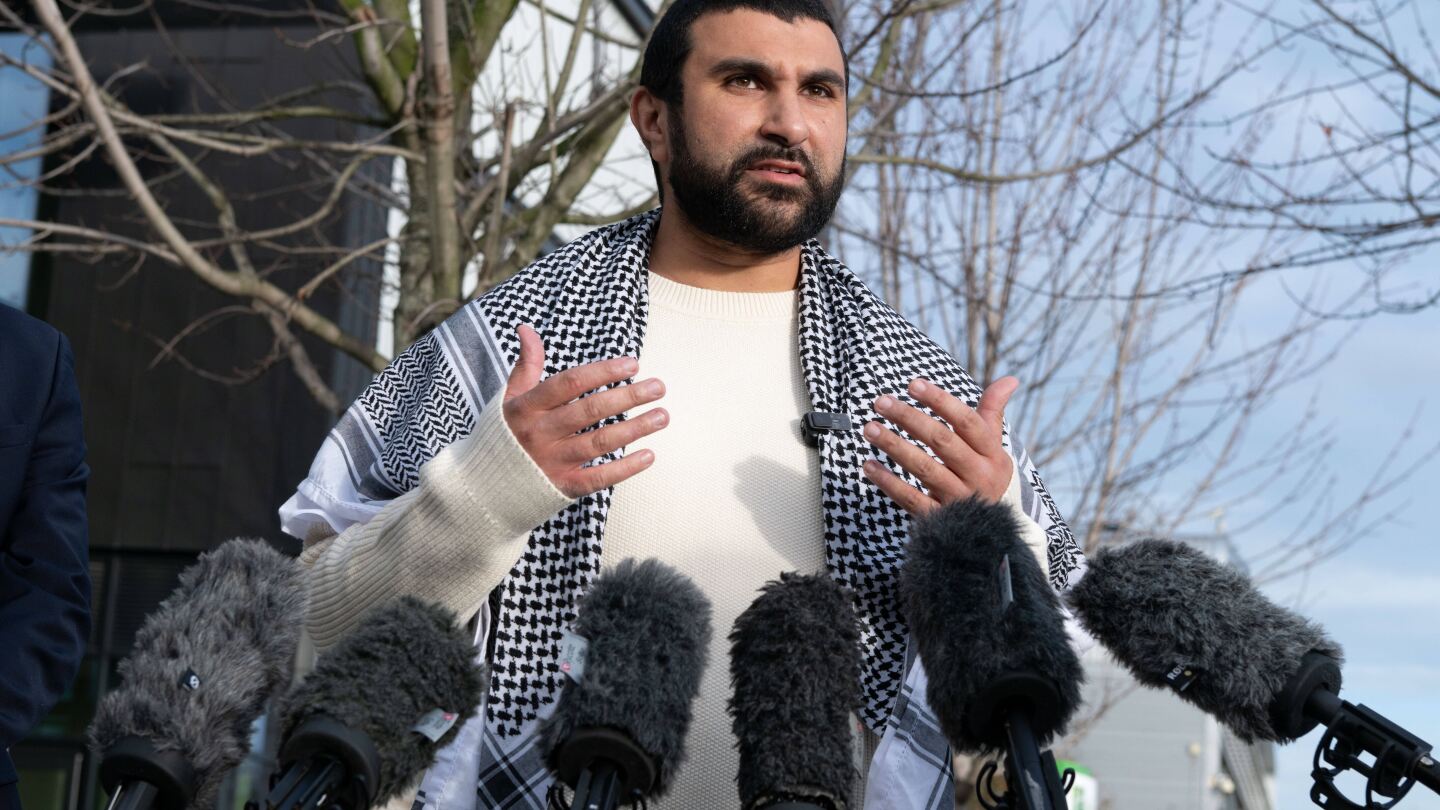
British commentator Sami Hamdi mulling possibility of taking legal action against US over detention
LONDON — British political analyst Sami Hamdi announced on Thursday that he is contemplating legal action against U.S. authorities following his detention in an immigration center, which he attributes to his outspoken views on the Gaza-Israel conflict. Hamdi, who recently returned to the U.K., described his detention as a “botched” operation by “extremists” within the U.S. government, though he praised federal judges for ultimately exonerating him. Speaking to reporters and supporters near London’s Heathrow Airport, Hamdi emphasized that his ordeal was not just a personal attack but a broader assault on global freedoms. Hamdi, a Muslim commentator, was arrested by U.S. Immigration and Customs Enforcement (ICE) on October 26 during a speaking tour in the U.S., shortly after addressing a Council on American-Islamic Relations (CAIR) event in Sacramento, California. The U.S. Department of Homeland Security stated that his visa had been revoked, and he was placed in immigration proceedings, with accusations of supporting Hamas-led attacks on Israel on October 7, 2023. Hamdi denied these claims, asserting that his comments were misinterpreted and aimed at highlighting the consequences of Palestinian oppression. He maintained that his actions were legal and within the scope of his visa, which he believes was revoked due to his advocacy for Palestine. Hamdi’s detention is part of a broader U.S. effort to address foreign nationals accused of supporting protests against Israel’s military actions in Gaza, a policy criticized by civil rights groups as infringing on free speech protections. While Hamdi is considering legal action, he expressed gratitude for the “cooler minds” in the U.S. State Department and judiciary that ultimately supported his case. He confirmed that his voluntary departure from the U.S. carries no restrictions, leaving the door open for future visa applications.
-
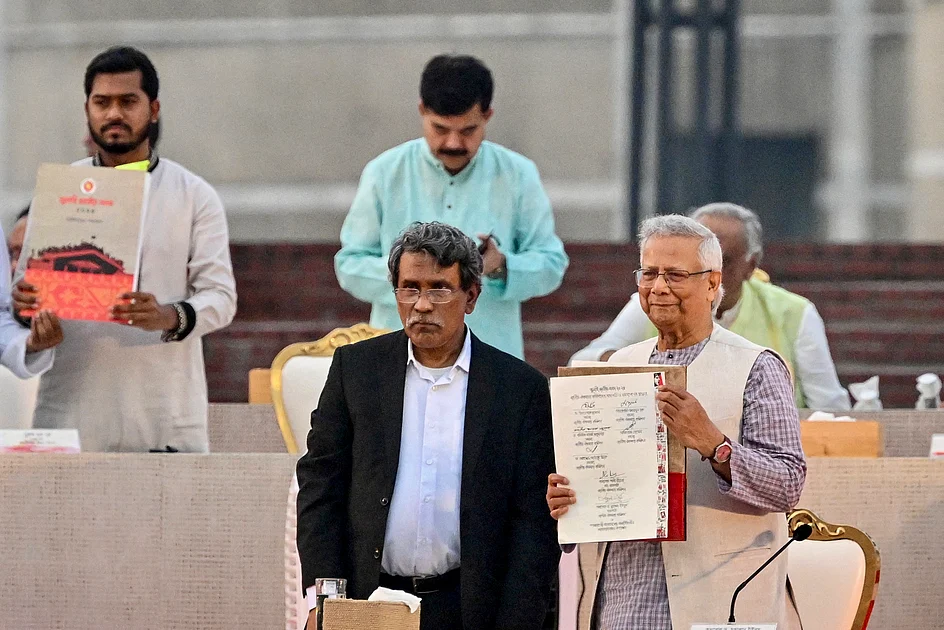
Bangladesh to hold referendum on reform charter proposals, Yunus says
Bangladesh is set to hold a national referendum on the implementation of the ‘July Charter,’ a comprehensive reform proposal aimed at reshaping the country’s political and institutional landscape. Muhammad Yunus, the head of the interim government, made the announcement on Thursday, emphasizing that the referendum will address the charter’s proposals, which include constitutional recognition of the 2024 student-led uprising that forced former Prime Minister Sheikh Hasina to flee to India. Yunus also confirmed that parliamentary elections will proceed in February, promising they will be conducted freely and fairly. The July Charter, drafted in response to last year’s uprising, has garnered support from a majority of political parties, though the National Citizens Party (NCP) and four left-leaning parties boycotted the agreement, citing the absence of a legal framework or binding guarantees for its implementation. While proponents view the charter as a cornerstone for institutional reform, skeptics argue its impact may remain largely symbolic without broader parliamentary consensus or enforceable mechanisms.
-
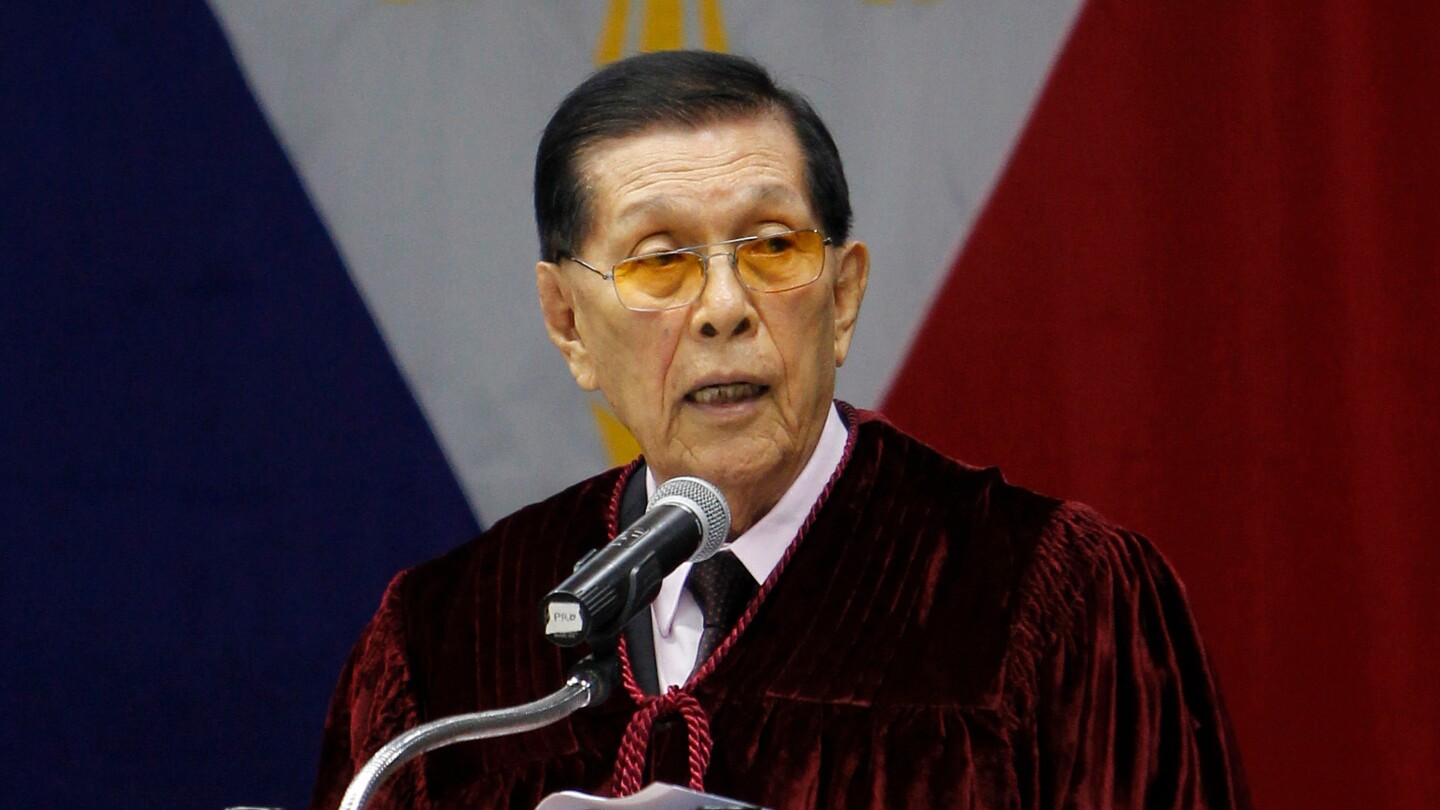
Juan Ponce Enrile, architect of Philippine martial law era who helped oust Marcos, dies at 101
Juan Ponce Enrile, a pivotal yet controversial figure in Philippine history, passed away on Thursday at the age of 101. His daughter, Katrina Ponce Enrile, confirmed his death at home, surrounded by family, as he had wished. Enrile had recently been treated for pneumonia in a medical intensive care unit. President Ferdinand Marcos Jr., whose father Enrile helped overthrow during the 1986 ‘people power’ uprising, paid tribute to him, stating that his death ‘marks the close of a chapter in our nation’s history.’ Enrile’s career spanned over five decades, during which he held numerous high-profile positions, including Defense Secretary, Senate President, and Chief Presidential Legal Counsel. Born on February 14, 1924, in Cagayan, Enrile was one of the longest-serving officials in Philippine history. His tenure as Defense Secretary during the martial law era under Ferdinand Marcos Sr. was marked by allegations of human rights abuses and authoritarian rule. However, Enrile later broke away from Marcos, playing a crucial role in the 1986 uprising that ousted the dictator. Despite his contributions, Enrile’s legacy remains complex. In 2014, he was indicted for allegedly receiving kickbacks from a scam involving anti-poverty funds, though he was eventually acquitted due to insufficient evidence. His life was a tapestry of triumphs and controversies, reflecting the tumultuous political landscape of the Philippines. The Department of National Defense, where he served the longest, honored him by flying the Philippine flag at half-staff, acknowledging his profound impact on the nation’s history.
-
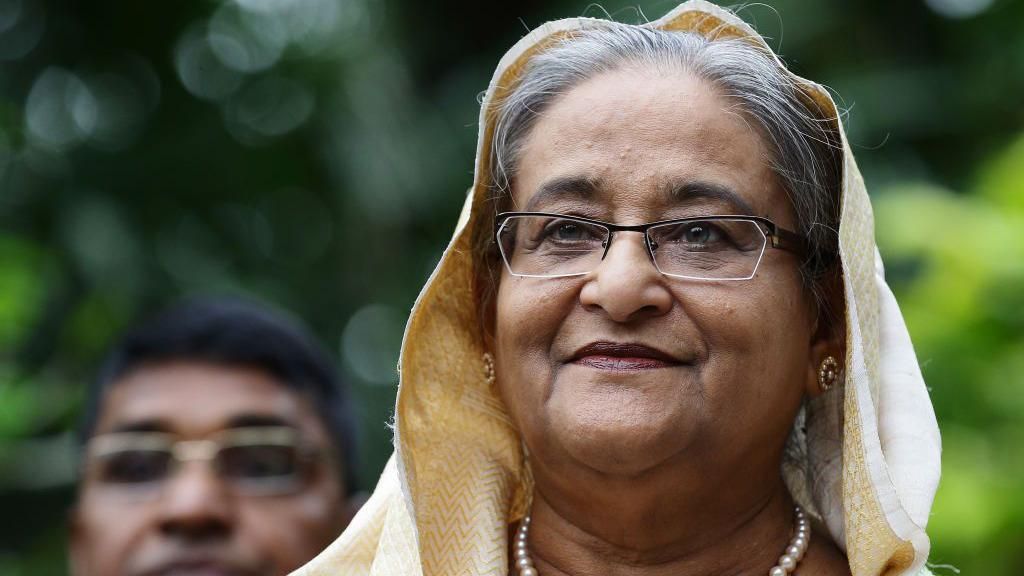
Sheikh Hasina: The pro-democracy icon who became an autocrat
Sheikh Hasina Wazed, Bangladesh’s longest-serving prime minister, once symbolized the nation’s democratic aspirations but now faces grave accusations of authoritarianism and human rights violations. Currently in exile in India, Hasina fled Bangladesh in August 2024 following a student-led uprising that escalated into nationwide unrest. A tribunal in Bangladesh is set to deliver a verdict on whether she ordered a deadly crackdown on protesters, a charge she vehemently denies. Prosecutors have demanded the death penalty if she is found guilty. The protests, which led to her ousting, claimed up to 1,400 lives, according to UN investigators. Hasina’s political career began as a pro-democracy leader, but her rule has been marred by allegations of autocratic behavior, politically motivated arrests, and extra-judicial killings. In January 2024, she secured an unprecedented fourth term in an election widely criticized as fraudulent. The subsequent protests, initially focused on civil service quotas, evolved into a broader anti-government movement. Hasina’s government responded with violent crackdowns, including a leaked audio clip suggesting she ordered the use of lethal force against protesters. On August 5, 2024, one of the bloodiest days in Bangladesh’s history, police killed at least 52 people as crowds stormed her residence. Hasina, tried in absentia, has dismissed the tribunal as a ‘kangaroo court’ orchestrated by her political opponents. She also faces separate charges of crimes against humanity and corruption. Born into a political dynasty, Hasina’s father, Sheikh Mujibur Rahman, was Bangladesh’s founding leader. After surviving a military coup that killed most of her family, Hasina returned from exile in 1981 to lead the Awami League. Her tenure saw significant economic growth, with Bangladesh’s per capita income tripling and millions lifted out of poverty. However, her government has been accused of repressive measures, including enforced disappearances and media suppression. The US sanctioned Bangladesh’s Rapid Action Battalion in 2021 for human rights abuses. As Bangladesh grapples with economic challenges, Hasina’s legacy remains deeply contested, with her supporters praising her economic achievements and critics condemning her authoritarian tendencies.