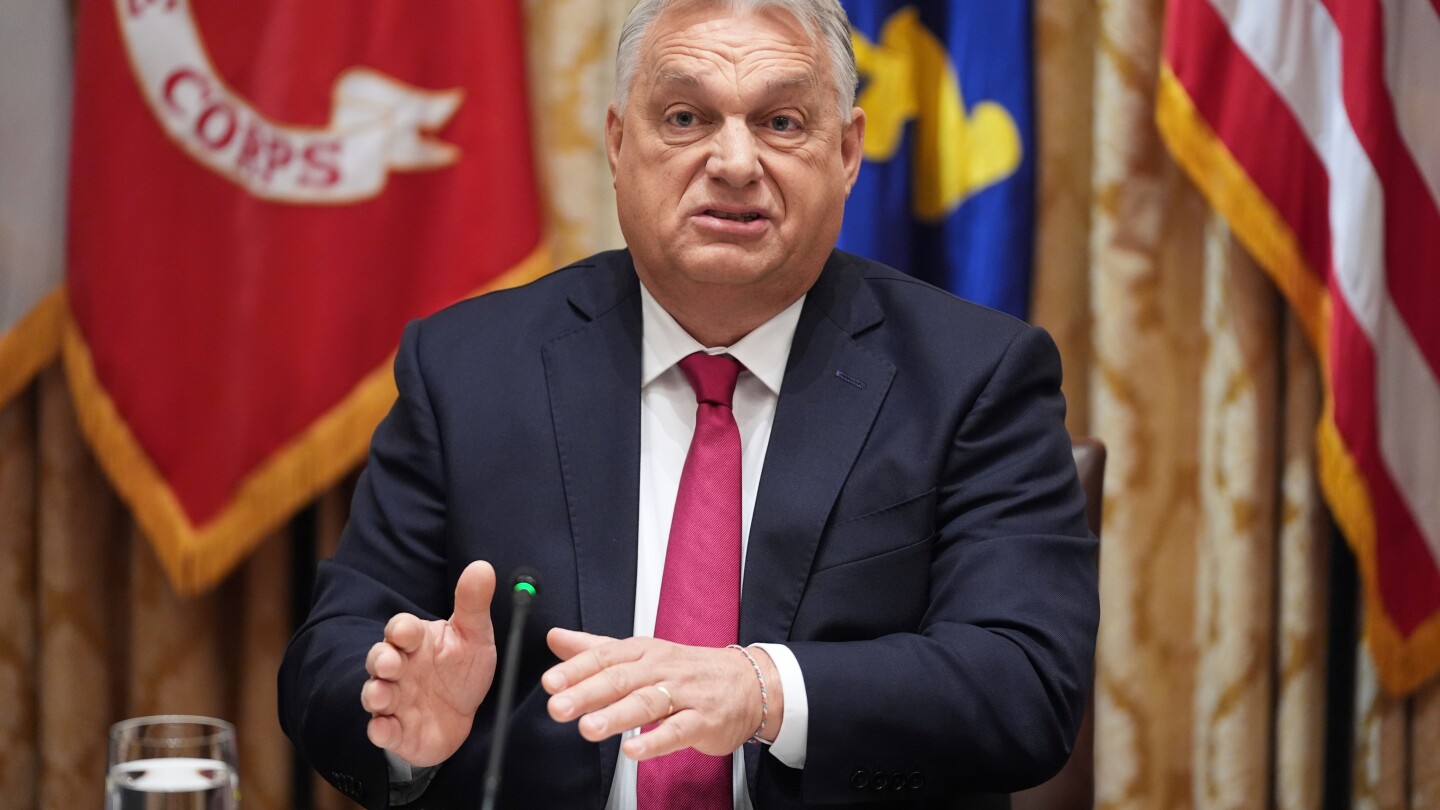
Hungary has declared its intention to legally contest the European Union’s strategy to eliminate Russian energy imports by 2027, with Prime Minister Viktor Orbán announcing plans to bring the case before the European Court of Justice. In a Friday broadcast on state radio, Orbán criticized the EU for allegedly bypassing Hungary’s veto power on sanctions by leveraging trade regulations. He described the move as a blatant violation of European law and cooperation, warning that the bloc would face significant consequences for its actions.
分类: politics
-

Trump’s Venezuela war threat a gift to China
Former US President Donald Trump, who once vowed to end America’s ‘endless wars,’ is now contemplating military intervention in Venezuela. Proposed justifications include combating ‘narco-terrorism,’ promoting democracy, and countering China’s growing influence in Latin America. However, such actions could inadvertently strengthen China’s foothold in the region. A 2024 Economist survey highlighted the dramatic expansion of China-Latin America trade, which surged from $18 billion in 2002 to $450 billion in 2022. Chinese diplomats have also deepened ties, with ambassadors proficient in Spanish and Portuguese and expanded diplomatic missions. Marco Rubio, now serving as both secretary of state and national security adviser, has expressed concerns about China’s influence, yet regional leaders have largely remained indifferent. Recent developments, such as Latin American leaders gathering in Beijing and the inauguration of a Chinese-built ‘smart port’ in Peru, underscore China’s growing economic and diplomatic clout. Chinese officials have openly supported Venezuelan President Nicolas Maduro, condemning US pressure as ‘bullying.’ Meanwhile, Chinese analysts argue that US military action in Venezuela could backfire, fueling anti-American sentiment and benefiting Chinese enterprises. Some even speculate about China adopting a security role in Latin America, though this remains unlikely. The US must carefully weigh the risks of another prolonged conflict and the potential for China to further capitalize on regional discontent.
-
Modi’s coalition leads in a key Indian state election
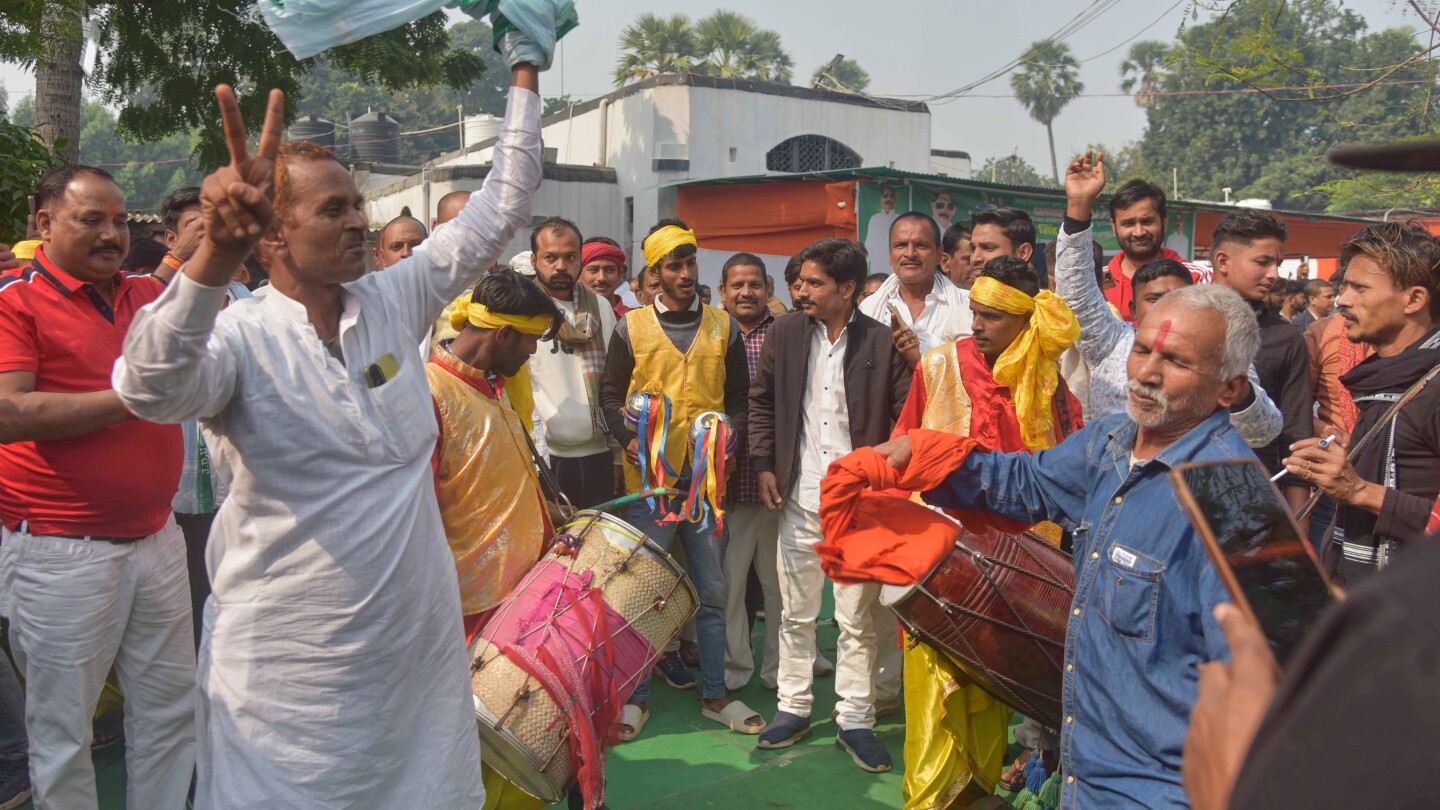
In a significant political development, Indian Prime Minister Narendra Modi’s ruling coalition, the National Democratic Alliance (NDA), is poised for a decisive victory in the Bihar state elections. Early trends from the Election Commission of India indicate that the NDA is expected to secure 200 out of the 243 seats in the state legislature, far surpassing the 122-seat threshold required to form a government. The Bharatiya Janata Party (BJP), Modi’s party, is projected to win 90 seats independently. Bihar, India’s third-most populous state with nearly 130 million residents, holds immense political significance due to its substantial representation in the lower house of parliament. The state’s political dynamics often set trends across India’s Hindi-speaking heartland, making this victory a critical indicator of the NDA’s national influence. The election, conducted in two phases, unfolded against a backdrop of widespread concerns over unemployment, law and order, and alleged irregularities in electoral roll revisions. Both Modi and his opponents engaged in intense campaigns, characterized by mass rallies, aggressive welfare messaging, and direct voter outreach. As the NDA’s lead became apparent, jubilant celebrations erupted in Patna, the state capital, with supporters waving party flags, dancing to drum beats, and lighting firecrackers.
-
Poland’s new president nods to the far right in his first 100 days
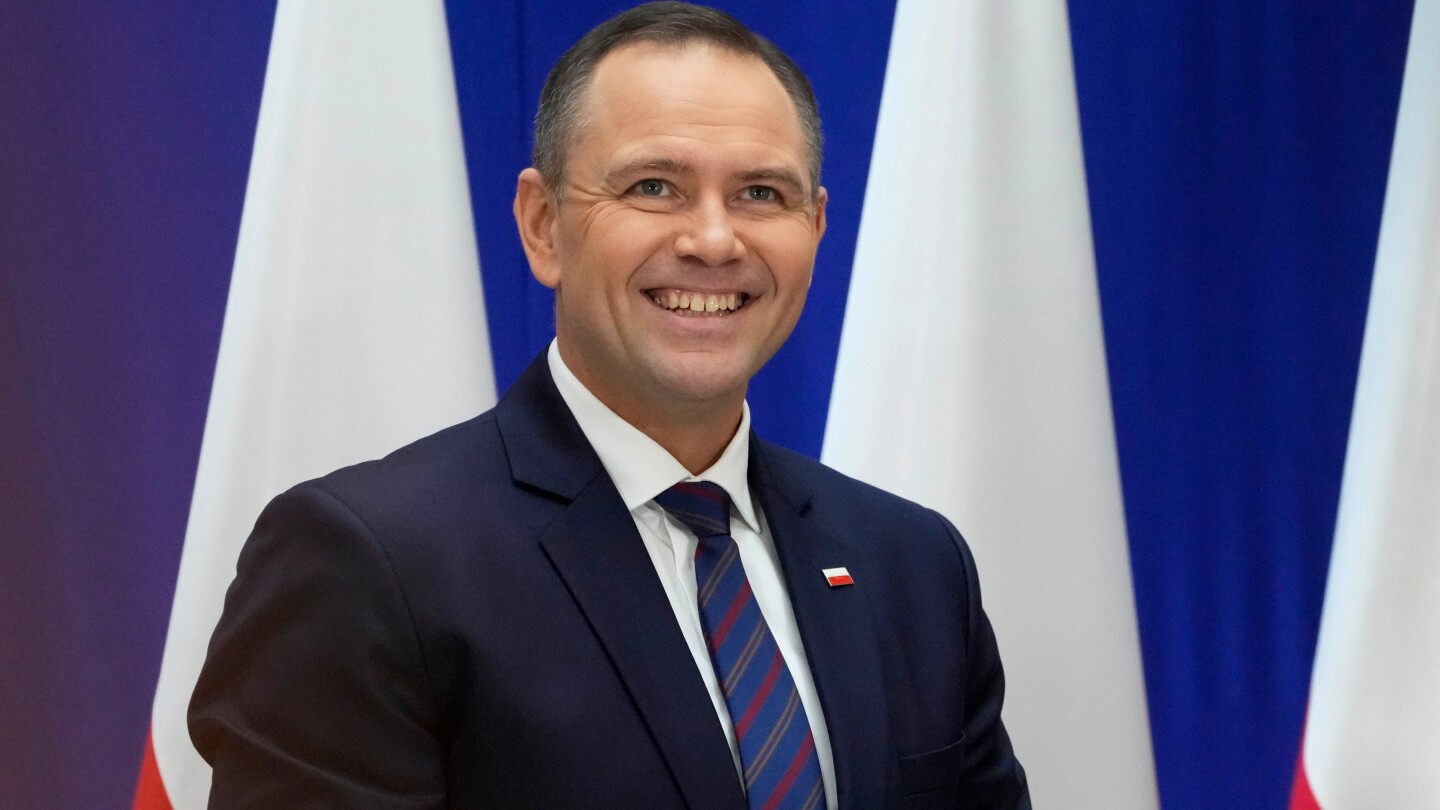
WARSAW, Poland — In his first 100 days as Poland’s president, Karol Nawrocki has emerged as a staunch defender of national identity, aligning himself with conservative and far-right ideologies. At 42, Nawrocki, with his athletic build and traditional demeanor, has cultivated an image of a protector, appealing to Poland’s conservative electorate. His presidency has been marked by a rejection of LGBTQ+ rights, opposition to NATO membership for Ukraine, and a confrontational stance against the centrist government led by Prime Minister Donald Tusk. Nawrocki’s rise to power, supported by an endorsement from former U.S. President Donald Trump, reflects a broader shift toward nationalist politics in Poland. His veto of seven draft laws proposed by the Tusk government, including measures supporting Ukrainian refugees and renewable energy, underscores his commitment to traditionalist values and resistance to liberal policies. Analysts suggest that Nawrocki’s leadership could reshape the Polish right, potentially positioning him as the successor to Jarosław Kaczyński, the influential leader of the Law and Justice party. Nawrocki’s participation in nationalist events, such as the Independence Day march, further solidifies his alignment with far-right groups advocating for anti-immigration and anti-Ukrainian sentiments. As Poland navigates its political future, Nawrocki’s presidency signals a decisive turn toward nationalism and a rejection of Western liberal influences.
-
Vote counting under way in Indian state election that is key test for Modi
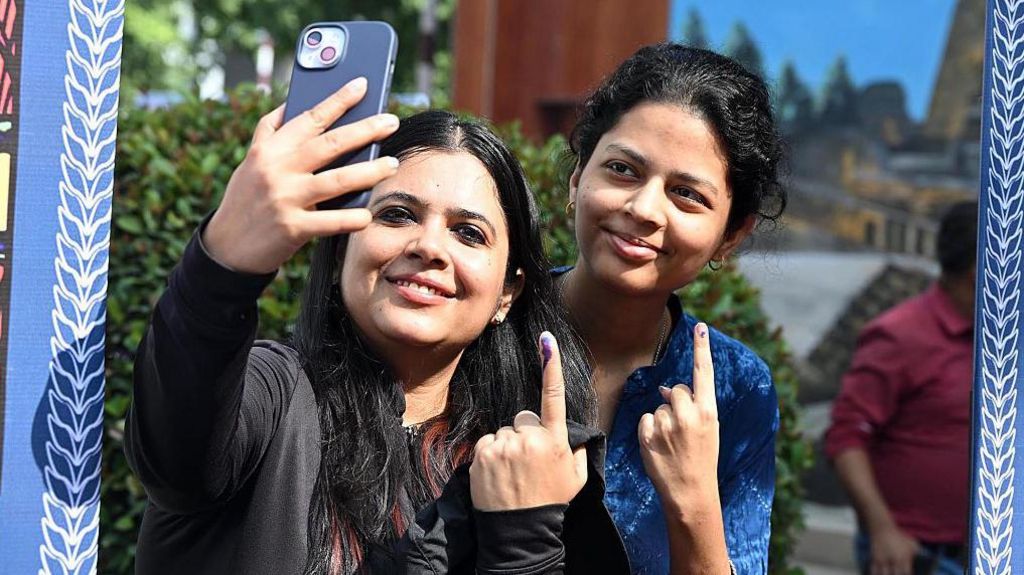
The eastern Indian state of Bihar is currently in the spotlight as votes are being counted in a closely contested election that could shape the political landscape of the region. Prime Minister Narendra Modi’s Bharatiya Janata Party (BJP), in alliance with the Janata Dal (United) (JD(U)), is vying to retain power in a state where it has never managed to form a government independently. The election, held in two phases on November 6 and 11, saw a record-breaking voter turnout of 66.91%, the highest since Bihar’s first elections in 1951, according to India’s Election Commission (EC).
Several exit polls suggest a victory for the BJP-led alliance, though such predictions have been unreliable in the past. The election was conducted following a contentious revision of electoral rolls, which the opposition claims was designed to exclude genuine voters and favor the BJP. Both the BJP and the EC have denied these allegations.
The counting of votes began at 08:00 local time on Friday, with trends expected to emerge by noon and final results anticipated by evening. The outcome of the Bihar polls is seen as a precursor to several other crucial state elections next year in West Bengal, Kerala, and Tamil Nadu, where the BJP has struggled to gain a foothold.
Bihar, India’s poorest state with over 74 million voters, has witnessed significant migration for employment opportunities. The outgoing government was a coalition between the BJP and JD(U), while the main opposition Congress party allied with the regional Rashtriya Janata Dal (RJD) and smaller parties. The election also marked the debut of a new political party led by Prashant Kishor, a former political strategist who has worked with both the BJP and Congress.
This election is particularly significant as it could be the last to feature two veteran leaders, JD(U)’s Nitish Kumar and RJD’s Lalu Prasad Yadav, who have dominated Bihar’s politics for nearly four decades. Both leaders, now in their 70s and reportedly in poor health, have occasionally joined forces to maintain power. Kumar, the incumbent chief minister, has been a central figure in Bihar’s governance for most of the past two decades, while Yadav, currently on bail following corruption convictions, has seen his son Tejashwi emerge as the opposition’s chief ministerial candidate.
Female voters played a pivotal role in this election, with women comprising nearly half of the electorate. The state recorded its highest-ever female voter turnout at 71.6%, prompting both alliances to introduce financial assistance schemes to attract their support.
The election was conducted after a controversial voter list revision by the EC, which removed 4.7 million names from the rolls. This process, now underway in 12 states and federally administered territories, has faced sharp criticism from the opposition, who accuse the EC of disproportionately targeting Muslim voters to benefit the BJP. Both the BJP and the EC have refuted these claims.
As the results unfold, the Bihar election is being closely watched for its implications on India’s political trajectory, particularly in the lead-up to next year’s key state elections.
-
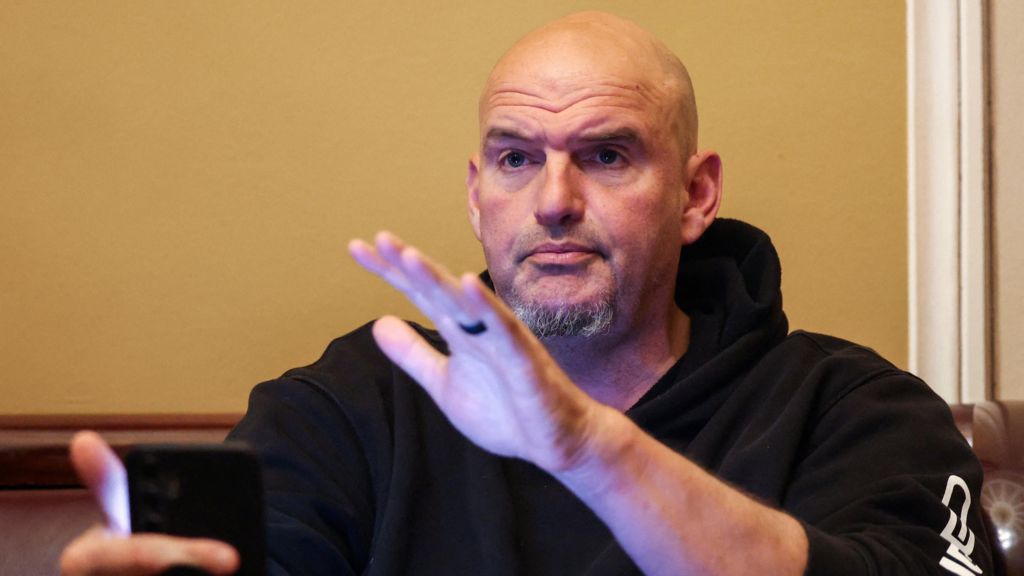
US senator John Fetterman jokes from hospital after fall caused by heartbeat flare-up
Democratic Senator John Fetterman, known for his distinctive hoodie and candid demeanor, is currently under medical observation after a fall that resulted in facial injuries. The incident occurred following a ventricular fibrillation episode, a serious heart rhythm disorder, near his home in Braddock, Pennsylvania. At 56, Fetterman has faced significant health challenges, including a stroke during his 2022 Senate campaign and a subsequent battle with severe depression. His team has reassured the public that he is ‘doing well’ and remains in the hospital for routine monitoring and medication adjustments. Fetterman humorously remarked on his condition, stating, ‘If you thought my face looked bad before, wait until you see it now!’ Ventricular fibrillation, as explained by the Cleveland Clinic, involves rapid and irregular heartbeats that disrupt normal blood flow, often linked to underlying heart conditions or electrolyte imbalances. Fetterman’s health struggles have not deterred his political engagement. Recently, he published a memoir titled ‘Unfettered,’ where he candidly discusses his mental health journey and its impact on his family. He emphasized the bipartisan nature of depression, stating, ‘It doesn’t check: ‘Hey, are you a Republican? Are you rural? Are you urban? Are you liberal?’ It happens to anybody.’ Fetterman has also been active in the Senate, notably voting to end the longest US government shutdown, expressing regret for the hardships faced by military personnel, SNAP recipients, government workers, and Capitol Police. His unique approach to politics, characterized by his hoodie and straightforward communication, has earned him the reputation of being ‘the consummate anti-politician.’
-
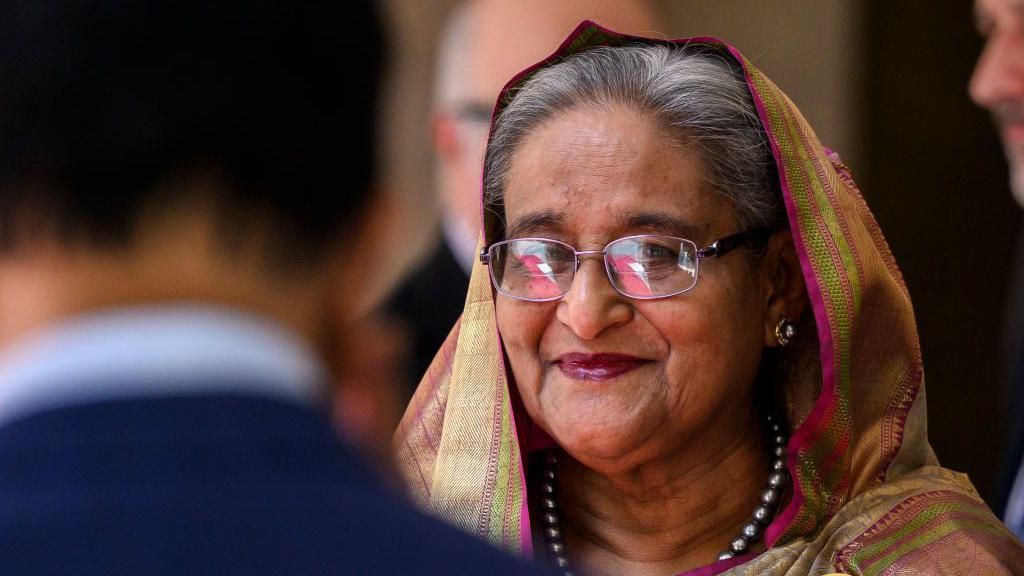
Ex-Bangladesh leader tells BBC she’s not guilty of crimes against humanity
Bangladesh’s former Prime Minister Sheikh Hasina is confronting the possibility of a death penalty as a special tribunal prepares to deliver its verdict on her alleged involvement in crimes against humanity. The charges stem from a violent crackdown on student-led protests in 2024, which resulted in her ousting from power. Hasina, who fled to India in August 2024, has vehemently denied the allegations, labeling her trial as a “farce” orchestrated by a “kangaroo court” controlled by her political adversaries. Prosecutors have accused her of being the primary architect behind the deaths of hundreds during the mass protests against her autocratic rule. In an interview with the BBC, Hasina categorically denied issuing orders to fire on unarmed civilians, though leaked audio verified by the BBC suggests she authorized the use of “lethal weapons” in July 2024. The tribunal, set to announce its verdict on Monday, has heightened security measures in Dhaka. Hasina’s legal team has raised concerns about fair trial violations, filing an urgent appeal with the UN. The case has drawn international attention, with UN investigators estimating up to 1,400 deaths during the protests. Separately, Hasina faces additional charges of corruption and human rights abuses, which she also denies. The outcome of this trial marks a pivotal moment for Bangladesh and the families of those who lost their lives during the protests.
-
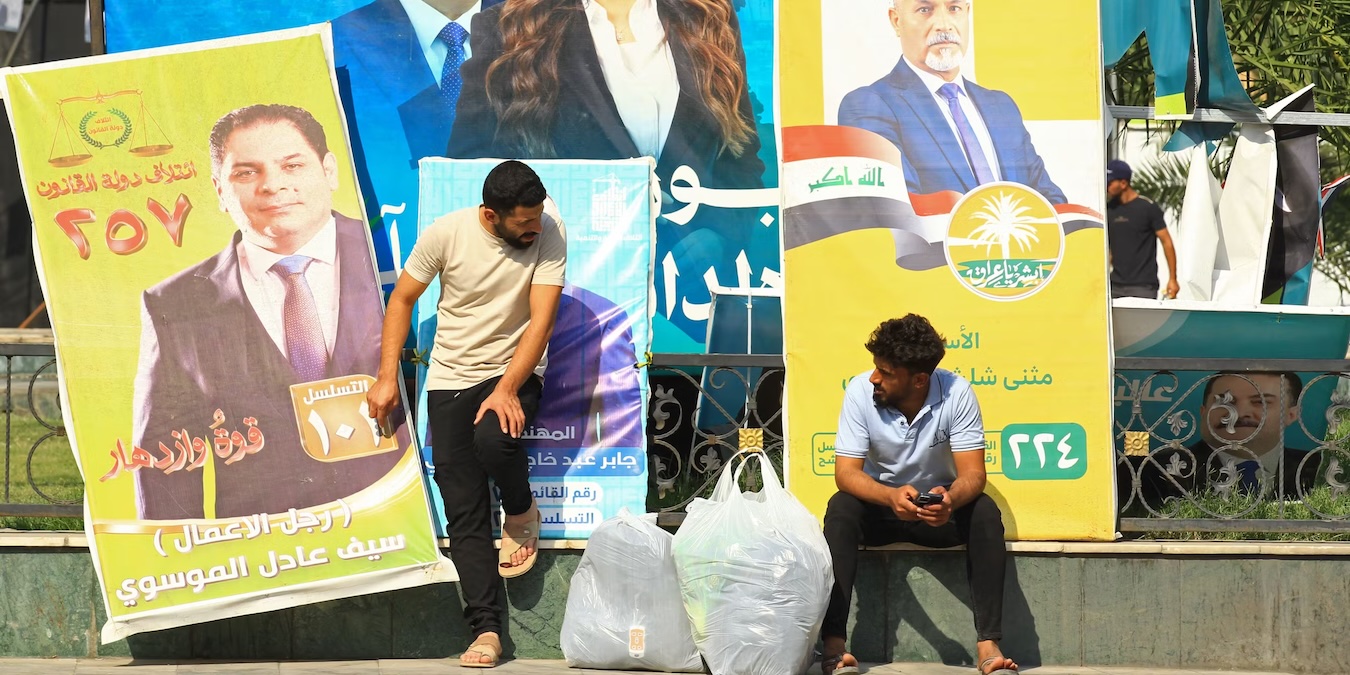
Iraq’s 2025 elections reveal a democracy without belief
Iraq held its parliamentary elections on November 11, 2025, with Prime Minister Mohammed Shia al-Sudani’s coalition emerging as the frontrunner. However, no political bloc secured a governing majority in the 329-seat parliament, setting the stage for months of elite negotiations to form the next government. This pattern of coalition-building has persisted since the fall of Saddam Hussein in 2003, turning elections into a ritual of continuity rather than a catalyst for change. While officials celebrated a rise in voter turnout to 55%, this figure masks a deeper issue: only 21.4 million of Iraq’s 32 million eligible voters registered, a decline from 24 million in 2021. Early voting, which saw an 82% turnout among soldiers, police, and displaced persons, further inflated the overall participation rate. Over the past two decades, voter turnout has steadily declined, from 79% in 2005 to 44% in 2018, reflecting growing disillusionment among citizens. Iraq’s oil-dependent economy fuels a vast public sector, with nearly 38% of the workforce employed by the state. This system blurs the line between voter and employee, making elections less about choice and more about compliance. Political parties often control ministries as private fiefdoms, distributing jobs and contracts to supporters. The 2019 protest movement, which demanded an end to sectarianism and corruption, was met with violent repression, further eroding public faith in the political process. The assassination of Sunni candidate Safaa al-Mashhadani ahead of the election underscored the dangers of dissent. For many Iraqis, especially the youth, politics is seen as a source of danger rather than opportunity, with 46% expressing a desire to emigrate. The 2025 election reveals a deeper crisis: a society trapped in a cycle of learned helplessness, where hope for change has been extinguished. Substantial economic and political reforms are needed to break this cycle and restore faith in Iraq’s democratic process.
-
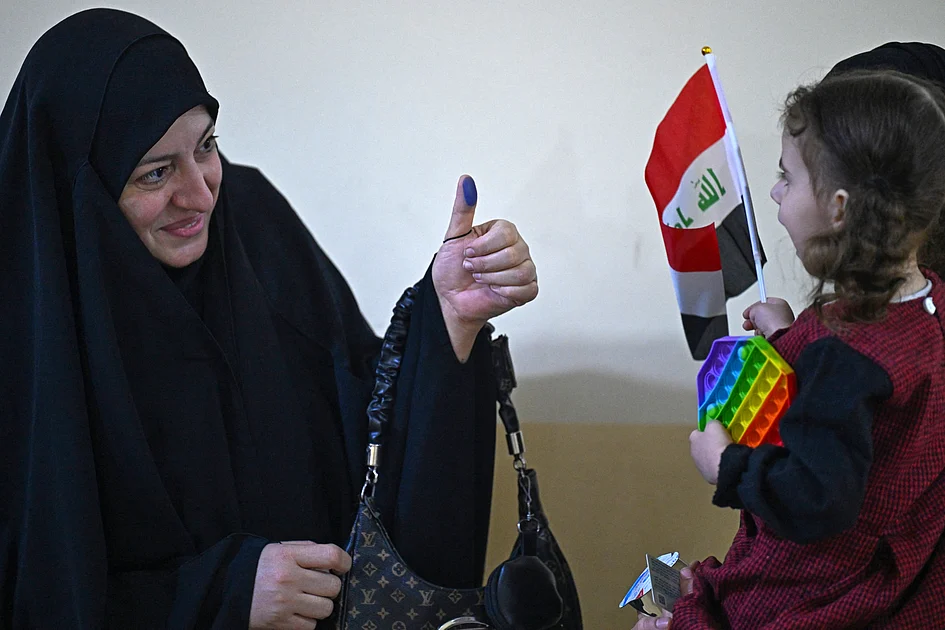
What lies ahead in Iraq: The hard task of forming a government
Following Iraq’s recent parliamentary elections, the nation braces for a complex and potentially protracted process of government formation. Incumbent Prime Minister Mohammed Shia Al Sudani, whose coalition emerged as the largest bloc, faces the formidable task of securing support from other parties, particularly within the Shia majority, to secure a second term. Preliminary results indicate that his coalition lacks the majority needed to form a government outright, setting the stage for weeks or even months of intense negotiations.
-
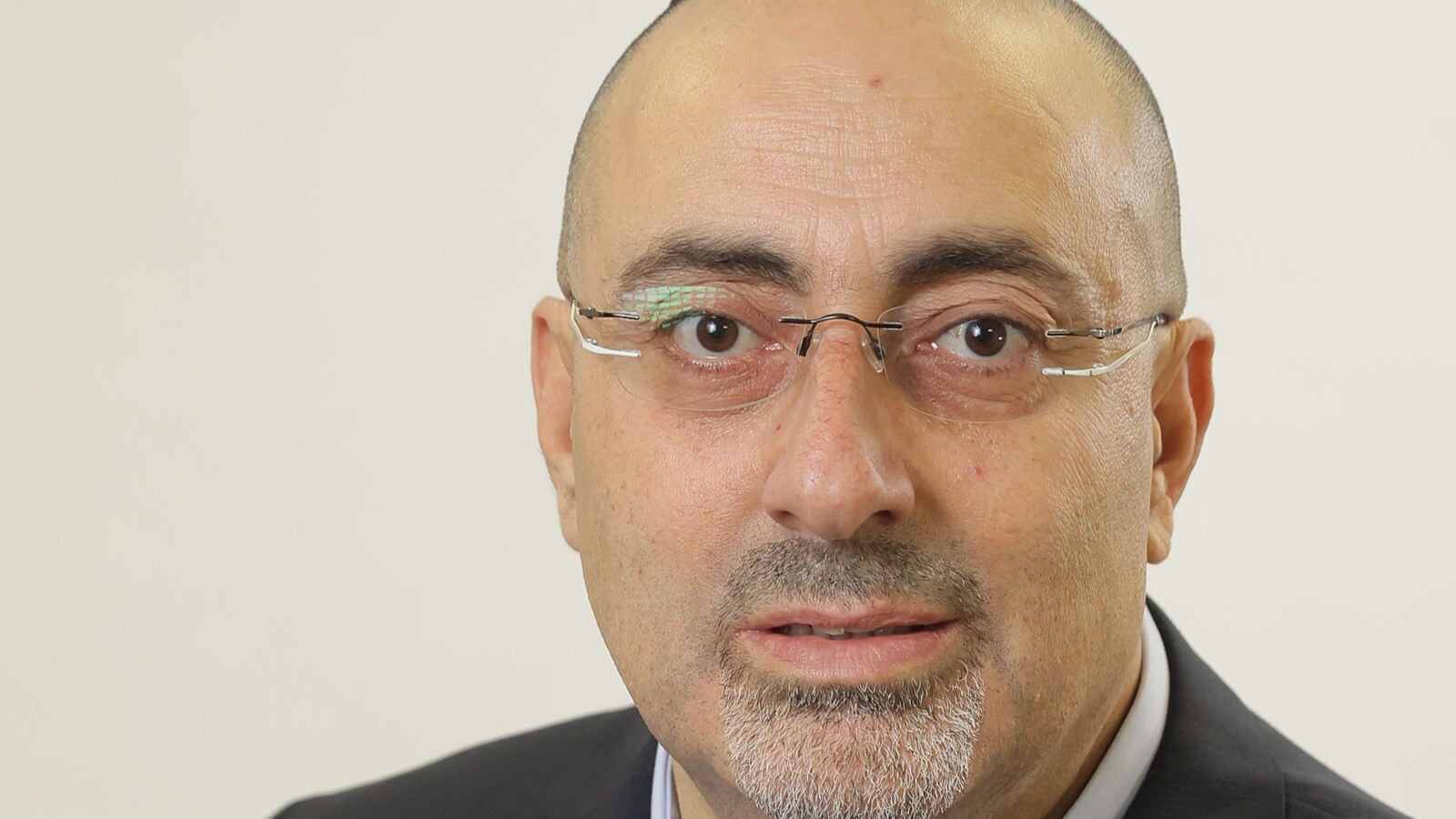
Likud MP says ultranationalist rabbi Meir Kahane was right
In a contentious parliamentary debate, Nissim Vaturi, the deputy speaker of the Knesset and a member of Prime Minister Benjamin Netanyahu’s Likud party, openly endorsed the late ultranationalist rabbi Meir Kahane. Kahane, whose Kach movement is banned as a terrorist organization, had advocated for the expulsion of Palestinians from Israel. Vaturi criticized former Likud leaders for ostracizing Kahane, stating, ‘Kahane was right in many ways where we were wrong.’ His remarks drew immediate backlash from fellow lawmakers, with some calling for a criminal investigation into his support for a terrorist organization. The controversy comes amid growing visibility of Kahanist ideology in Israeli politics, exemplified by the Jewish Power party, which is inspired by Kahane’s extremist views. Analysts warn that the normalization of such rhetoric reflects a broader shift toward the far right in Israeli society, with traditional political boundaries increasingly blurred.