分类: politics

  • The politician whose death leaves a vacuum in India’s richest state

    The politician whose death leaves a vacuum in India’s richest state

    Maharashtra’s political sphere faces profound uncertainty following the tragic demise of Deputy Chief Minister Ajit Pawar, who perished in a plane crash on Wednesday alongside four other individuals. The incident has created a significant power vacuum in India’s wealthiest state, where Pawar had established himself as a formidable political operator.

    For decades, Pawar navigated Maharashtra’s notoriously complex political environment—a constantly shifting landscape of alliances, regional loyalties, and intense rivalries. His approach combined pragmatic decision-making with shrewd political instincts, enabling his rapid ascent through the ranks of the Nationalist Congress Party (NCP), founded by his uncle Sharad Pawar.

    The relationship between uncle and nephew defined much of Ajit Pawar’s political journey. While Sharad Pawar embodied traditional, strategic authority with his measured tones and coalition-building expertise, Ajit developed a distinct political identity focused on regional governance and control of local networks. His blunt, practical style and mercurial personality garnered both devoted followers and vocal critics.

    Their political differences culminated in dramatic public ruptures, first in 2019 when Ajit briefly aligned with the rival Bharatiya Janata Party (BJP) to claim the deputy chief minister position—a move that collapsed within days due to his uncle’s intervention. The final break occurred in 2023 when Ajit formally split from his uncle’s NCP, joined a BJP-led coalition, and successfully claimed the party’s name and electoral symbol for his faction.

    This schism transformed Maharashtra’s political dynamics, dividing the once-unified Pawar political dynasty into competing camps. Recent speculation about possible reconciliation between the factions has been rendered moot by Ajit Pawar’s sudden death. Critical questions now emerge regarding the stability of the alliances he built and whether his political successors—potentially including his cousin Supriya Sule (Sharad Pawar’s daughter), his wife, or son—can maintain cohesion among his supporters.

    Pawar’s legacy remains deeply complex: to admirers, he represented political adaptability and courage; to critics, he exemplified opportunistic power maneuvering. His passing underscores how personal ambitions and familial relationships can dramatically shape political outcomes in unexpected ways.

  • Why China views the UK visit as part of something bigger

    Why China views the UK visit as part of something bigger

    Despite Beijing’s harsh winter conditions, the Chinese capital has become an unexpected hub of diplomatic activity, welcoming a succession of Western leaders seeking to reestablish ties with the world’s second-largest economy. The most notable among these visitors is British Prime Minister Sir Keir Starmer, marking the first UK leadership visit to China in eight years.

    This diplomatic flurry comes after China secured approval for a massive new embassy in London, a precondition Beijing officials explicitly tied to announcing Starmer’s visit. The UK delegation arrives with substantial economic ambitions, hoping to secure dozens of new trade agreements to bolster Britain’s economy amid ongoing domestic challenges.

    Dr. Yu Jie, Senior Research Fellow at Chatham House, notes that even establishing a reasonable trading relationship would constitute significant progress given current circumstances. The visit represents part of China’s broader charm offensive, positioning itself as a stable, predictable alternative to the United States in global partnerships.

    This strategy appeared successful with Canadian Prime Minister Mark Carney, who recently announced a “new strategic partnership with China” during his Beijing visit. However, such overtures risk provoking Washington’s ire, as demonstrated by President Trump’s threat to impose 100% tariffs on Canada should it proceed with Chinese trade deals.

    Starmer has attempted to navigate these geopolitical tensions by declaring Britain would not choose between the US and China. Analysts suggest Beijing remains realistic about its limited ability to fracture the special relationship between Washington and London.

    The current diplomatic engagement marks a notable shift from what Prime Minister Starmer himself termed an “ice age” in UK-China relations. While a return to the “golden era” symbolized by the 2015 meeting between Xi Jinping and David Cameron remains improbable, experts view these developments as the beginning of a cautious thaw.

    Beyond high-level politics, people-to-people connections endure. The story of Bowei Wang exemplifies lasting cultural ties—after studying in Scotland during warmer diplomatic times, he now imports Glasgow-brewed ale to his Beijing pub near Tiananmen Square, creating a cross-cultural experience complete with British historical imagery.

    China’s economic leverage provides substantial negotiating power, controlling approximately one-third of global goods manufacturing, over 90% of rare earth mineral processing, and 60-80% of renewable energy components. This dominance has enabled Beijing to employ trade measures against countries that displeased it, as experienced by Australia, Canada, Japan, and South Korea in recent years.

    Business leaders like Tom Simpson of the China Britain Business Council emphasize the visit’s importance, noting China’s position as Britain’s third-largest trading partner with £45 billion in annual exports. However, Chinese analysts express concerns about Starmer’s inconsistent follow-through on engagement promises and Britain’s domestic political stability.

    The diplomatic movement has practical implications for ordinary citizens. British tour operators in China hope successful negotiations might lead to visa-free travel for UK passport holders, mirroring arrangements Beijing has already extended to 70 other countries.

    As Western leaders brave Beijing’s winter chill, they calculate that reengagement with China—despite its complexities and risks—represents a necessary strategic calculation in an increasingly multipolar world.

  • Trump aide Miller says Minneapolis agents may have breached ‘protocol’

    Trump aide Miller says Minneapolis agents may have breached ‘protocol’

    The White House has initiated an internal review into potential protocol violations by federal agents during the Minneapolis protest incident that resulted in the fatal shooting of 37-year-old nurse Alex Pretti. Senior Presidential Advisor Stephen Miller confirmed the investigation Tuesday, marking a significant shift from previous administration statements that falsely characterized the victim as a would-be assassin.

    Miller, who serves as Deputy Chief of Staff and architects the administration’s immigration policies, disclosed that Customs and Border Protection personnel might have deviated from established operational guidelines during Saturday’s protest against immigration enforcement measures. The admission follows President Trump’s expressed desire to de-escalate tensions in Minneapolis amid growing national scrutiny.

    According to Miller’s statement, the White House had issued explicit directives for additional personnel to establish physical separation between arrest teams and demonstrators. “We are evaluating why the CBP team may not have been following that protocol,” Miller acknowledged, while simultaneously attributing his earlier inflammatory remarks to preliminary information provided by Homeland Security Secretary Kristi Noem.

    Video evidence subsequently contradicted initial claims that Pretti was brandishing a weapon when approached by federal agents. Footage confirmed that although the nurse legally carried a sidearm, agents had already secured the firearm before firing multiple shots at close range. This visual evidence directly contradicts Noem’s initial assertion that Pretti threatened agents with a weapon.

    Miller’s statement represents the administration’s first public concession regarding potential procedural failures in the incident, which has sparked nationwide protests and intensified scrutiny of federal immigration enforcement tactics.

  • Ecuador says ICE agent attempted to enter its Minneapolis consulate

    Ecuador says ICE agent attempted to enter its Minneapolis consulate

    A significant diplomatic incident has unfolded between Ecuador and the United States following an attempted entry by a U.S. Immigration and Customs Enforcement (ICE) agent into Ecuador’s consular facility in Minneapolis. Ecuador’s foreign ministry issued a formal condemnation, stating that consular officials prevented the agent from accessing the premises to ensure the protection of Ecuadorian citizens inside the building.

    The confrontation occurred at approximately 11:00 local time on Tuesday, with Ecuadorian officials citing the 1963 Vienna Convention on Consular Relations which designates consular premises as ‘inviolable.’ The convention explicitly prohibits host country authorities from entering consular working areas without consent from the consular post’s head—consent that Ecuador maintains was neither given nor assumed in this instance.

    Unverified video footage circulating in Ecuadorian media appears to show a tense exchange where a consular official blocks the ICE agent’s access, repeatedly stating ‘this is the consulate, you’re not allowed in here.’ The agent responds with a warning that physical contact would result in detention attempts.

    This incident creates unexpected diplomatic friction between the Trump administration and Ecuadorian President Daniel Noboa, who has generally maintained strong bilateral relations. Just two months prior, both leaders had agreed to strengthen commercial ties, and Noboa had previously expressed gratitude for the U.S. designation of Ecuadorian criminal gangs as Foreign Terrorist Organizations.

    The consular confrontation occurs amid heightened tensions in Minneapolis following the fatal shootings of two individuals, including intensive care nurse Alex Pretti, by border agents during immigration protests. President Trump recently announced he would ‘de-escalate immigration and border operations a little bit’ in Minnesota, where approximately 3,000 immigration agents are currently deployed.

    The Ecuadorian government has delivered an official letter of protest to the U.S. embassy in Quito, marking a rare diplomatic challenge between the two nations as the Trump administration continues its prioritized enforcement of strict immigration policies that have resulted in over 675,000 removals according to recent Homeland Security statements.

  • Budapest’s liberal mayor charged for organizing banned Pride event

    Budapest’s liberal mayor charged for organizing banned Pride event

    Hungarian prosecutors have formally charged Budapest Mayor Gergely Karácsony for organizing last year’s prohibited LGBTQ+ Pride march, marking a significant escalation in the government’s campaign against sexual minority events. The Budapest Chief Prosecutor’s Office announced Wednesday that Karácsony, who has led the capital since 2019, violated prohibition orders by publicly promoting and leading the June 28 demonstration despite an official ban imposed by Hungary’s right-wing nationalist government.

    The event, which organizers claim attracted approximately 300,000 participants—making it the largest Pride gathering in Hungarian history—proceeded in defiance of police restrictions. Prosecutors have recommended financial penalties without trial proceedings, alleging the mayor repeatedly encouraged public participation before personally leading the unlawful assembly.

    In a defiant response, Karácsony declared himself a ‘proud defendant,’ asserting that defending fundamental freedoms should not constitute criminal behavior. ‘If anyone thinks they can ban me, deter me, or prevent me and my city from doing so, they are gravely mistaken,’ the mayor stated, framing the charges as political retaliation for supporting LGBTQ+ rights.

    The legal action follows controversial legislation enacted in March 2025 by Prime Minister Viktor Orbán’s ruling party that prohibited Pride events nationwide. The government has justified these measures by claiming such celebrations violate children’s rights to moral development, prioritizing these protections over constitutional guarantees of peaceful assembly. This approach mirrors earlier restrictive policies, including a 2021 law banning homosexual content from minors—legislation widely criticized by European institutions and human rights organizations as repressive and comparable to Russian-style restrictions on sexual minorities.

  • Iran rejects talks with US amid military ‘threats’

    Iran rejects talks with US amid military ‘threats’

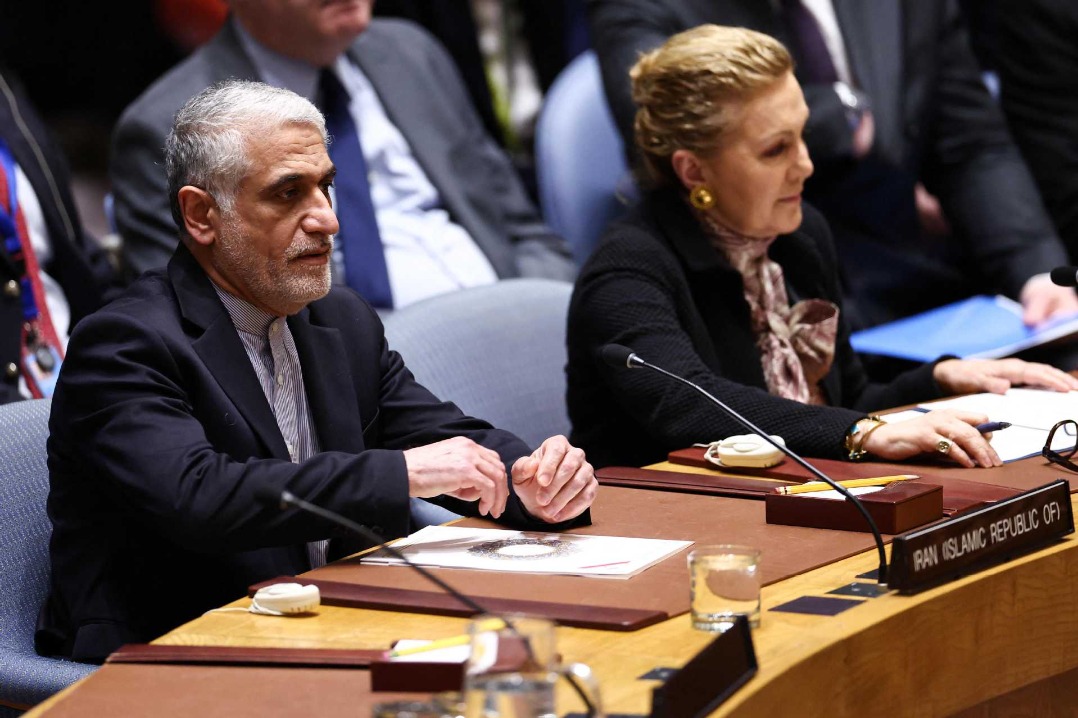
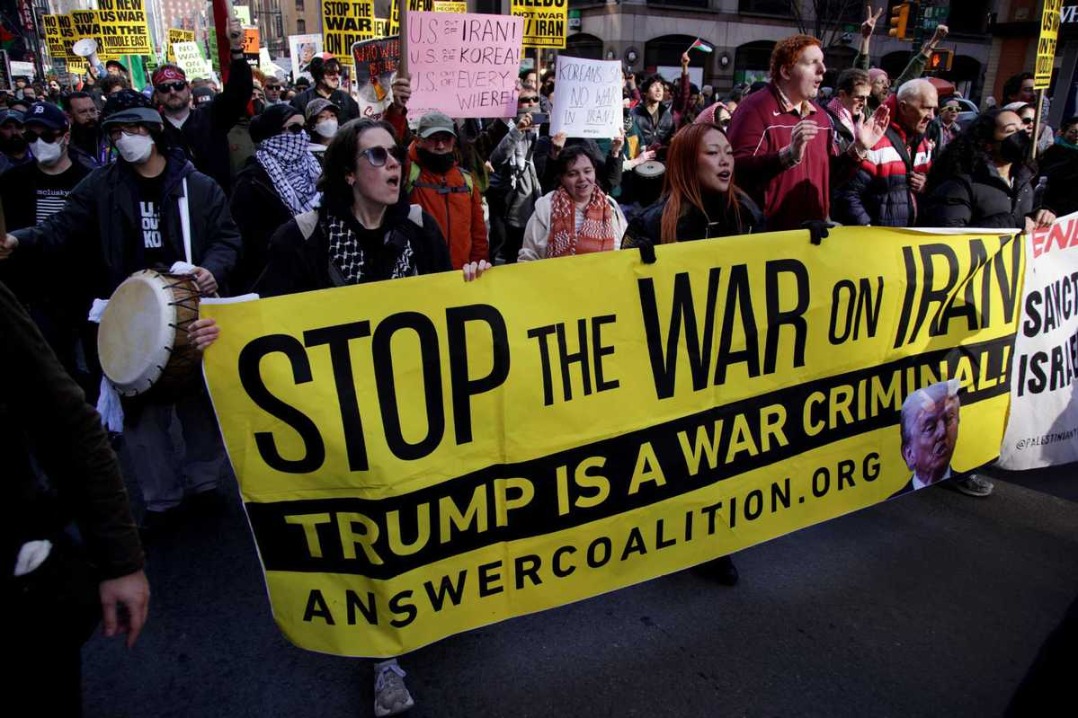
    Iran has formally declared negotiations with the United States impossible while facing military threats, escalating regional tensions following President Donald Trump’s refusal to dismiss potential armed intervention. This stance emerged amidst a significant U.S. naval presence, led by the USS Abraham Lincoln strike group, deployed to Middle Eastern waters.

    Foreign Minister Abbas Araghchi emphasized that diplomacy cannot coexist with intimidation, stating Tehran would only consider talks if Washington abandons threats and ‘illogical demands.’ Concurrently, Iranian officials engaged in covert diplomatic outreach to key Arab allies of the U.S., including Saudi Arabia, Qatar, and Egypt, seeking regional support and emphasizing de-escalation.

    The humanitarian situation remains dire. The U.S.-based Human Rights Activists News Agency (HRANA) verified at least 6,221 fatalities during recent protests, predominantly protesters killed by security forces. With internet restrictions persisting, the actual death toll is feared significantly higher. Over 42,000 individuals have been arrested, and reports indicate security forces are searching hospitals for wounded demonstrators and arresting medical personnel.

    Analysts suggest potential U.S. military options range from targeted strikes on facilities to full-scale regime change operations. Meanwhile, Iran’s judiciary announced the execution of an individual convicted of espionage for Israel’s Mossad, raising concerns from rights groups that arrested protesters might face similar capital charges.

  • Lawmakers in German state elect new governor to counter far-right rise

    Lawmakers in German state elect new governor to counter far-right rise

    In a strategic political maneuver, lawmakers in Germany’s eastern state of Saxony-Anhalt have orchestrated a midterm gubernatorial transition to fortify defenses against the surging far-right Alternative for Germany (AfD) party. On Wednesday, the state legislature elected 46-year-old Sven Schulze of Chancellor Friedrich Merz’s Christian Democratic Union (CDU) to replace veteran Governor Reiner Haseloff, who has led the region of 2.2 million people since 2011.

    This leadership change, while technically following established German political conventions for succession planning, carries exceptional strategic significance given the scheduled September 6 regional election. The 71-year-old Haseloff initially intended to complete his term but reversed course this month amid concerning polling data showing substantial AfD gains.

    The AfD, which secured its position as Germany’s second-largest parliamentary party in last year’s federal elections, demonstrates particularly strong support in the less prosperous eastern regions that formerly comprised communist East Germany. While immigration opposition remains the party’s signature issue, it has effectively capitalized on broader public discontent regarding economic stagnation and other societal concerns.

    Historical precedent suggests incumbency advantage could prove crucial—Haseloff himself successfully fended off an AfD challenge in the 2021 state election. Schulze, previously Saxony-Anhalt’s Economy Minister, would have lacked this advantage without the early transition. Despite achieving first-place finishes in neighboring Thuringia’s 2024 election, AfD has yet to secure governing power at the state level, as mainstream parties maintain a unified front in refusing coalition partnerships with the far-right movement.

  • Chinese premier urges integrity, anti-corruption efforts in government work

    Chinese premier urges integrity, anti-corruption efforts in government work

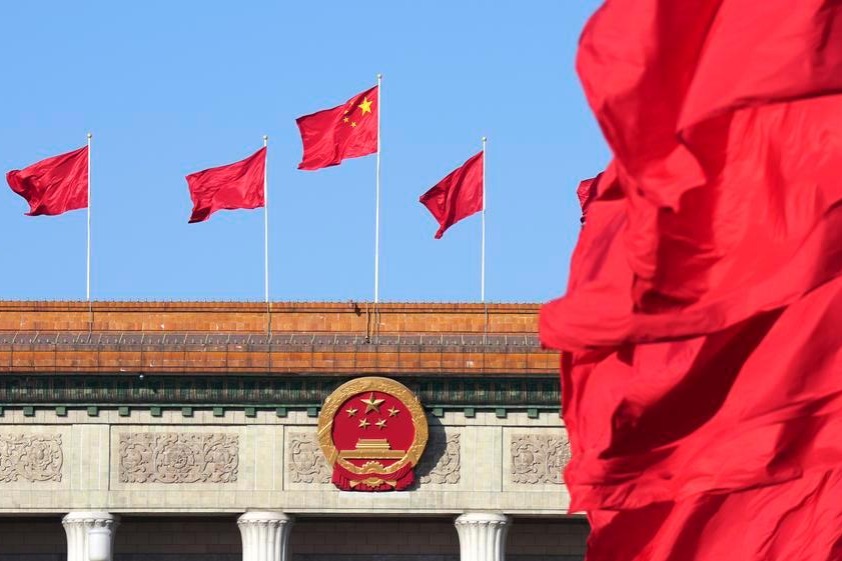
    In a significant address at the State Council meeting on clean governance, Chinese Premier Li Qiang has issued a powerful directive reinforcing the nation’s commitment to governmental integrity and anti-corruption measures. The high-level gathering, held on January 27, 2026, brought together top leadership including Vice-Premier Ding Xuexiang who presided over the meeting, and discipline chief Li Xi from the CPC Central Commission for Discipline Inspection.

    Premier Li, who also serves on the Standing Committee of the Political Bureau of the CPC Central Committee, emphasized that robust anti-corruption mechanisms and ethical governance would serve as fundamental pillars for achieving China’s developmental objectives throughout the 15th Five-Year Plan period (2026-2030). The comprehensive strategy outlined during the meeting focuses on multiple dimensions of governance reform.

    The Premier called for enhanced standards and more practical implementation of full and rigorous Party self-governance, ensuring these efforts permeate all aspects of governmental operations. He stressed the necessity of resolutely executing the CPC Central Committee’s decisions while fostering appropriate performance metrics for officials.

    Additional measures include combating bureaucratic formalism and alleviating administrative burdens on grassroots-level officials. The Premier specifically highlighted the critical need for strengthened audit oversight and accounting controls to guarantee the secure and efficient management of public funds and assets.

    Notably, Li Qiang directed attention toward addressing corruption in high-risk sectors and resolving misconduct that directly impacts citizens’ daily lives. This dual approach targets both systemic vulnerabilities and community-level grievances, reflecting a comprehensive understanding of corruption’s multifaceted nature.

    The high-level participation in this meeting signals the coordinated commitment across China’s leadership structure to advance transparency and accountability within governance systems.

  • Palantir: Why is the Israel-linked surveillance firm embedded in Britain’s NHS?

    Palantir: Why is the Israel-linked surveillance firm embedded in Britain’s NHS?

    The British government confronts intensifying criticism regarding its substantial contractual agreements with Palantir Technologies, a U.S.-based artificial intelligence and data analytics firm. Recent revelations indicate the company secured a £330 million NHS England contract in 2023, scheduled for renewal in 2027, alongside a £240 million Ministry of Defence agreement finalized in December—tripling the value of its previous 2022 defense contract.

    This strategic partnership, formalized in September, includes a £1.5 billion investment pledge to advance military artificial intelligence capabilities. The collaboration focuses on developing sophisticated combat systems, including an AI-enhanced ‘kill chain’ targeting mechanism designed to improve battlefield precision.

    Controversy surrounds Palantir’s expanding role within UK public services due to its involvement in multiple international controversies. Campaigners highlight the company’s provision of targeting software to Israeli military operations in Gaza and its collaboration with U.S. Immigration and Customs Enforcement (ICE) during controversial immigration enforcement actions under the Trump administration.

    British parliamentarians have expressed apprehension following reports that Swiss military authorities rejected Palantir over concerns regarding potential U.S. intelligence access to sensitive data. Rachael Maskell, Labour MP for York Central, emphasized the necessity for ‘transparent due diligence’ in government contract reviews.

    Medical associations including the British Medical Association (BMA) and Doctors’ Association UK (DAUK) strongly oppose Palantir’s NHS Federated Data Platform initiative. The BMA declared Palantir an ‘unacceptable partner’ in June 2025, citing ethical incompatibility with healthcare values. DAUK’s polling indicates 48% of patients would opt out of data sharing if Palantir manages their information.

    Privacy advocates warn of systemic risks, noting Palantir’s software interoperability between its Foundry healthcare platform and Gotham military application. Health data experts caution against creating technological dependency that might prove irreversible, comparing the situation to subscription models where initial free access leads to indispensable integration.

    Legal challenges led by DAUK and The Good Law Project seek to halt further implementation, while several NHS trusts explore alternative data management solutions. With the contract review approaching in 2027, opposition groups aim to mobilize broader resistance against Palantir’s deepening integration into UK public infrastructure.

  • ASEAN top diplomats under pressure to end Myanmar war and finalize South China Sea pact

    ASEAN top diplomats under pressure to end Myanmar war and finalize South China Sea pact

    Foreign ministers from the Association of Southeast Asian Nations convened in Cebu, Philippines, on Wednesday facing mounting challenges to regional stability. The two-day gathering confronted the bloc’s persistent difficulties in mediating Myanmar’s protracted civil conflict while racing against time to finalize a maritime conduct agreement with China.

    The 11-member regional organization, long criticized for its consensus-based approach, finds its unity tested by multiple crises. Myanmar remains suspended from leadership roles following the 2021 military coup that ousted Aung San Suu Kyi’s government, with ASEAN continuing to bar junta leaders from high-level meetings while permitting lower-level diplomatic participation.

    Philippine Foreign Secretary Theresa Lazaro, serving as ASEAN’s special envoy to Myanmar, presented findings from her recent mission to the conflict-ridden nation. Her report included observations from meetings with military leadership and outcomes from a Philippines-hosted conference of anti-junta political and ethnic factions. Participants examined implementation mechanisms for ASEAN’s five-point peace framework, originally adopted in 2021, which has thus far failed to curb violence that has claimed tens of thousands of lives and displaced millions.

    Parallel negotiations demand attention as ASEAN works toward a self-imposed December deadline for concluding a South China Sea code of conduct with China. The proposed agreement aims to manage territorial disputes involving four ASEAN members whose maritime claims overlap with Beijing’s expansive assertions. While Washington maintains no territorial claims, it has reaffirmed its defense commitment to treaty ally Philippines should confrontations escalate.

    Analysts remain skeptical about both initiatives. Australia-based researcher Lupita Wijaya noted fundamental disagreements persist regarding the code’s legal binding nature and interpretations of international law, suggesting conclusion remains ‘an uphill climb’ despite political declarations.