
Larry Summers, former US Treasury Secretary and Harvard University professor, announced his decision to withdraw from public engagements following the release of emails linking him to the late financier Jeffrey Epstein. In a statement, Summers expressed deep remorse, acknowledging the harm caused by his continued communication with Epstein from 2013 to 2019. Both Democratic and Republican lawmakers have called for organizations to sever ties with Summers in light of the revelations. The House Oversight Committee recently disclosed Epstein-related documents, prompting bipartisan scrutiny. Meanwhile, the House of Representatives is poised to pass a motion compelling the Department of Justice to release its Epstein investigation records. President Donald Trump, who initially opposed the release, reversed his stance, claiming transparency would dispel Democratic allegations. Epstein, who died in prison in 2019 while awaiting trial on sex trafficking charges, remains a focal point of conspiracy theories. His associate, Ghislaine Maxwell, is serving a 20-year sentence for similar charges. The Epstein Files Transparency Act mandates the release of unclassified documents within 30 days, excluding sensitive information that could endanger victims or ongoing investigations.
分类: politics
-
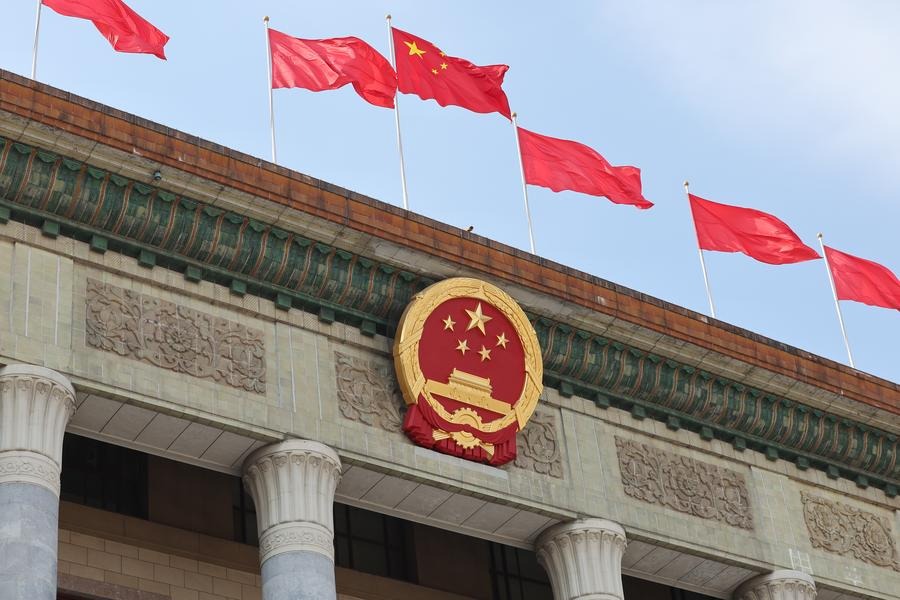
Xi Focus: Leading China’s drive to enhance law-based governance
China has achieved a significant milestone in its commitment to law-based governance with the enactment of a new law on November 1, 2025, aimed at enhancing public awareness of the rule of law. This legislation, which emphasizes lifelong legal education for citizens, seeks to solidify the social foundation for advancing comprehensive law-based governance and elevate the construction of a socialist country under the rule of law. For the first time, ‘Xi Jinping Thought on the Rule of Law’ has been integrated into national legal texts, marking a pivotal step in strengthening the legal framework.
Since the 18th National Congress of the Communist Party of China (CPC), President Xi Jinping has introduced a series of innovative concepts and strategies that have shaped China’s approach to law-based governance. His thought provides critical answers to why and how law-based governance should be pursued in the new era, offering fundamental guidance for the steady progression of this initiative.
Xi’s leadership has been instrumental in driving the rule of law forward, laying a robust foundation for sustaining rapid economic growth and long-term social stability. His extensive experience in local governance, from Hebei to Shanghai, has consistently demonstrated his commitment to upholding the rule of law. In March 2018, Xi became the first Chinese president to take the oath of office in front of the Constitution, symbolizing his dedication to governing the country in accordance with the law.
Under Xi’s guidance, China has implemented a series of national plans, including the 2020-25 plan to build the rule of law and guidelines for constructing a law-based government and society. These initiatives provide a comprehensive blueprint for advancing law-based governance. The fourth plenary session of the 20th CPC Central Committee in October 2025 further emphasized the role of the rule of law in China’s modernization and national rejuvenation, calling for stronger mechanisms for resolving administrative disputes and accelerating the development of foreign-related legal systems.
Xi views the rule of law as essential for sustaining high-quality development. Recent efforts have yielded visible impacts across various sectors, including the private sector, where a landmark case under the private sector promotion law resulted in a government department compensating a private enterprise over 8 million yuan. This ruling was widely welcomed as a sign of stronger legal protection.
In the face of global changes, Xi has stressed the importance of leveraging the rule of law to consolidate foundations, stabilize expectations, and serve long-term development. His emphasis on legal safeguards in economic affairs has led to the introduction and revision of laws supporting rural revitalization, fair competition, and emerging industries. Xi has also underscored the need to define government power boundaries through law, standardize administrative procedures, and protect the rights of all market entities equally.
Reform and the rule of law have synergized to lead comprehensive reform and promote law-based governance. Xi’s personal involvement in the establishment of the Hainan Free Trade Port, set for island-wide special customs operations on December 18, 2025, exemplifies this synergy. The port’s development process, from foundational legislation to the implementation of streamlined approval and foreign investment regulations, reflects the practice of the rule of law.
China’s foreign-related legal work has advanced in tandem with its opening-up, with the formulation and revision of key laws such as the Foreign Investment Law, Law on Arbitration, and Maritime Law. By the end of 2024, Chinese law firms had established 207 overseas branches in 37 countries and regions, and Chinese courts were handling tens of thousands of maritime cases annually, with increasing numbers of foreign parties choosing to litigate in China.
Xi’s commitment to sound governance is evident in his engagement with citizens during a 2019 visit to a legislative outreach office in Shanghai, where he emphasized the importance of whole-process democracy. As of August 2025, the Legislative Affairs Commission of the NPC Standing Committee had established 54 such outreach offices nationwide, with over 7,800 offices at provincial or municipal levels.
China’s legal system continues to expand and mature, with 310 laws, over 600 administrative regulations, and more than 14,000 local regulations currently in force. The improvement of China’s governance system is closely tied to progress in the legal field, as seen in the drafting of China’s first-ever environmental code in April 2025. The judiciary plays a crucial role in safeguarding fairness and social stability, combating crimes such as gang-related offenses, and expanding public legal services to ensure accessibility in both urban and rural areas.
-

New growth opportunities seen in Sino-Thai relations
The recent state visit of Thailand’s King Maha Vajiralongkorn Phra Vajiraklaochaoyuhua to China has been hailed as a significant milestone in strengthening the bilateral ties between the two nations. Analysts believe this visit will catalyze enhanced cooperation in emerging sectors such as green energy and digital technologies, while also reinforcing traditional areas of collaboration. Accompanied by Queen Suthida Bajrasudhabimalalakshana, the King’s visit concluded on Monday, with both sides expressing a commitment to expanding their partnership across various domains. Chayodom Sabhasri, an associate professor at Chulalongkorn University, emphasized that this visit marks a new chapter in Thailand-China relations, highlighting their deep-rooted cultural, investment, and trade connections. He noted that future collaboration in innovation and technology is poised for significant growth. Thailand’s alignment with China’s green development goals further underscores the potential for joint initiatives in sustainable growth. China’s recently unveiled 15th Five-Year Plan (2026-30), which focuses on high-quality development, technological self-reliance, and comprehensive reforms, presents numerous opportunities for Sino-Thai cooperation. Thai Commerce Minister Suphajee Suthumpun has directed trade offices in China to align their strategies with this plan, aiming to boost exports in eco-friendly goods, digital products, and other innovative sectors. Pipit Aneaknithi, chairman of global sustainability at Kasikornbank, highlighted the mutual benefits of collaboration in cutting-edge technologies, such as artificial intelligence and digital industries. He stressed that Thailand can modernize its infrastructure and adopt advanced technologies, such as solar power and battery storage, through this partnership. The Thai royal couple’s visit to various institutions in Beijing showcased China’s advancements in science, technology, innovation, and education, further solidifying the foundation for future joint development. Chat Luangarpa, executive vice-president of Kasikornbank, emphasized Thailand’s strategic position in Southeast Asia as a geographic advantage for regional connectivity with China. He expressed optimism about the potential for collaboration in clean energy, AI, and electric vehicles, aiming to create a sustainable and prosperous regional ecosystem.
-
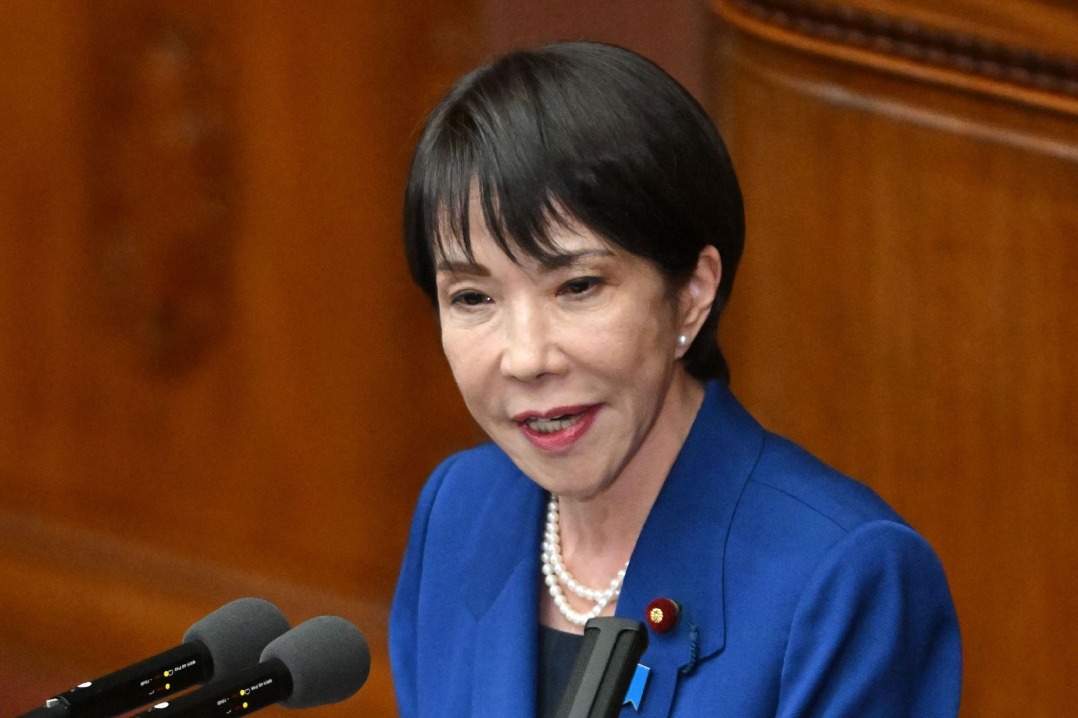
Japanese PM’s remarks on Taiwan misguided, defy logic
In a recent development that has stirred significant diplomatic tension, Japanese Prime Minister Sanae Takaichi’s comments on Taiwan have been met with sharp criticism. Takaichi suggested that any Chinese military action around Taiwan could pose a ‘survival-threatening situation’ for Japan, a statement that has been widely condemned as both historically inaccurate and logically flawed. The remarks not only misrepresent the historical context of Taiwan’s relationship with China but also violate the foundational principles of post-war East Asian diplomacy. Historically, Taiwan was part of China until it was ceded to Japan following the First Sino-Japanese War in 1895. It was returned to China in 1945 after Japan’s defeat in World War II. Takaichi’s assertion that events around Taiwan could threaten Japan’s survival is seen as a false cause fallacy, implying a non-existent causal link between Taiwan’s fate and Japan’s security. Furthermore, her comments are viewed as a misinterpretation of the 1972 China-Japan Joint Statement, which unequivocally recognizes Taiwan as an inalienable part of China. The prime minister’s remarks have been criticized for reopening old wounds and undermining the credibility of Japan’s pacifist Constitution. The incident highlights the need for Japan to approach its foreign policy with historical humility and a commitment to peace, rather than resorting to speculative threats that could destabilize the region.
-

UN chief hails vote allowing stabilization force in Gaza
The United Nations Security Council has passed Resolution 2803, authorizing the establishment of an International Stabilization Force in the Gaza Strip. The resolution, adopted with 13 votes in favor and abstentions from China and Russia, aims to support a transitional administration known as the Board of Peace, which will oversee reconstruction efforts in the region. UN Secretary-General Antonio Guterres hailed the decision, urging all parties to transform the ceasefire into lasting peace. However, the resolution has sparked mixed reactions. While the Palestinian Authority welcomed the move, Hamas rejected it, labeling it as a replacement of Israeli occupation with ‘foreign guardianship.’ China and Russia expressed concerns over the resolution’s lack of clarity on key issues, such as the structure and mandate of the stabilization force and the absence of explicit support for the two-state solution. Russian envoy Vassily Nebenzia criticized the resolution for resembling ‘colonial practices,’ while Chinese representative Fu Cong highlighted its vagueness on crucial matters. The resolution also references the US-led Comprehensive Plan, which facilitated a ceasefire between Hamas and Israel. Israeli Prime Minister Benjamin Netanyahu praised the resolution, emphasizing its focus on Gaza’s demilitarization. However, internal Israeli political divisions were evident, with Minister of National Security Itamar Ben-Gvir advocating for aggressive measures against Palestinian authorities. Experts like Ayman Yousef argue that the resolution primarily serves Israeli interests, reflecting US efforts to ease pressure on Israel. The international community now watches as the resolution’s implementation unfolds, with hopes for stability and peace in the region.
-
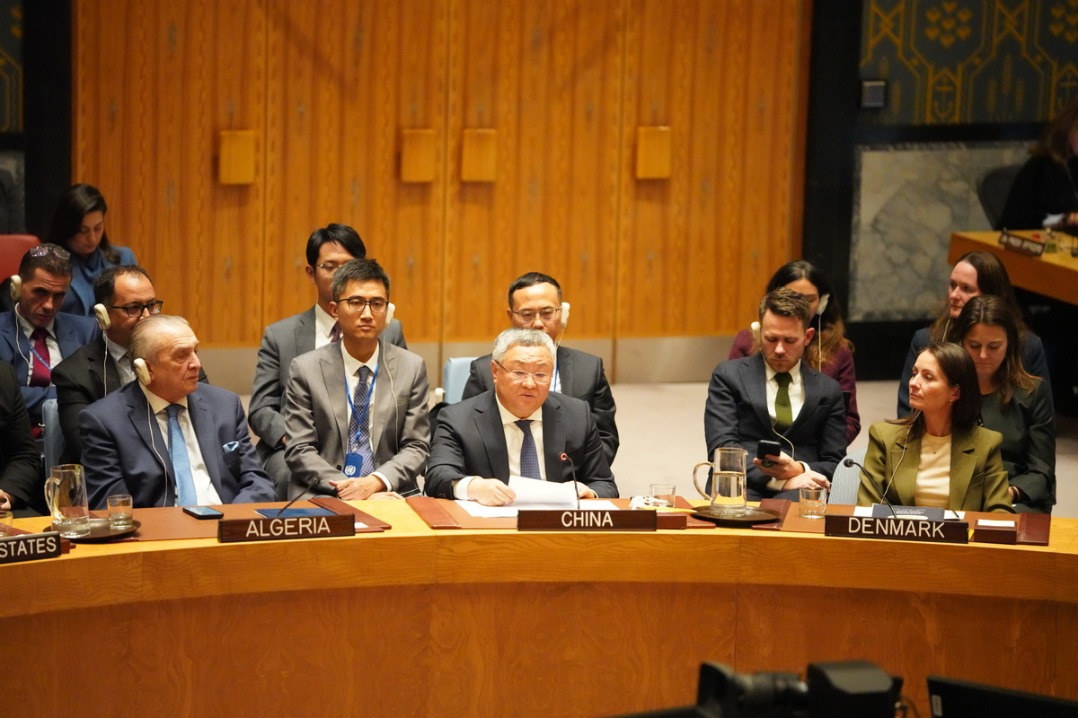
Chinese envoy: Japan ‘totally unqualified’ to seek permanent seat on UN Security Council
China has strongly condemned Japan’s aspirations to secure a permanent seat on the United Nations Security Council, labeling the nation as ‘totally unqualified’ for such a role. The remarks were made by Fu Cong, China’s permanent representative to the UN, during the annual debate on Security Council reform at the UN General Assembly on Tuesday. Fu’s criticism stems from recent comments by Japanese Prime Minister Sanae Takaichi, who described a potential Taiwan contingency as a ‘survival-threatening situation’ for Japan, hinting at possible military intervention in the Taiwan Strait under the guise of collective self-defense. Fu argued that Takaichi’s statements were ‘extremely erroneous and dangerous,’ constituting a blatant interference in China’s internal affairs and a violation of the one-China principle and the spirit of key bilateral agreements. He further emphasized that such actions undermine international justice, disrupt the post-war international order, and contradict Japan’s commitment to peaceful development. Fu concluded that Japan’s behavior disqualifies it from seeking a permanent seat on the Security Council, a position that carries significant global influence and responsibility.
-
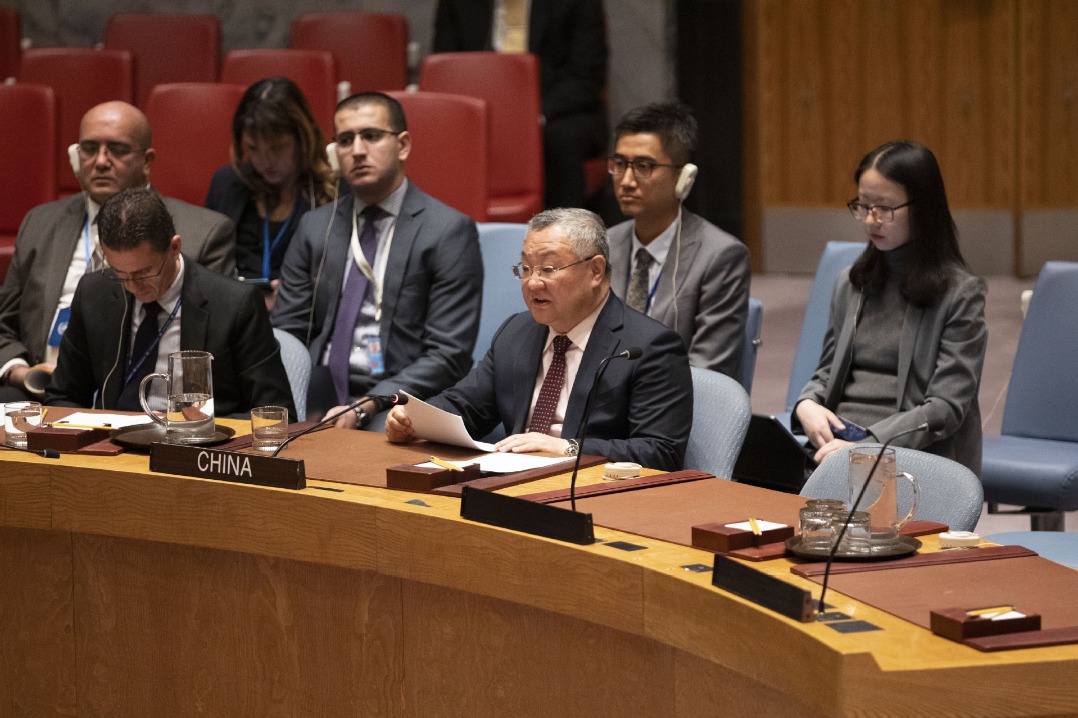
Japan totally unqualified to seek permanent seat on UN Security Council: Chinese envoy
In a strongly worded statement at the United Nations General Assembly, China’s Permanent Representative to the UN, Fu Cong, condemned Japan’s recent remarks on Taiwan as “extremely erroneous and dangerous.” Speaking during the annual debate on Security Council reform, Fu asserted that such comments constitute a blatant interference in China’s internal affairs and a severe violation of the one-China principle, as well as the spirit of the four political documents between China and Japan. Fu emphasized that Japan’s actions undermine international justice, the post-war international order, and the fundamental norms of international relations. He further argued that Japan’s departure from its commitment to peaceful development renders it entirely unqualified to pursue a permanent seat on the UN Security Council. The remarks highlight the ongoing tensions between the two nations, particularly over sensitive geopolitical issues such as Taiwan and Japan’s aspirations for a greater role in global governance.
-

US Senate approves bill to release Epstein files
In a significant legislative move, the US Senate has unanimously passed a bill mandating the release of documents tied to the late financier Jeffrey Epstein. The bill, which had previously cleared the House of Representatives, now awaits the signature of President Donald Trump to become law. This development marks a pivotal step in the ongoing efforts to shed light on Epstein’s controversial activities and the broader implications of his case. The Justice Department will be required to disclose these files, potentially revealing new insights into the high-profile scandal that has captivated public attention. The unanimous approval underscores the bipartisan support for transparency and accountability in addressing the Epstein saga. The release of these documents could have far-reaching consequences, impacting various sectors and individuals linked to the case.
-
Japan slammed for troublemaking
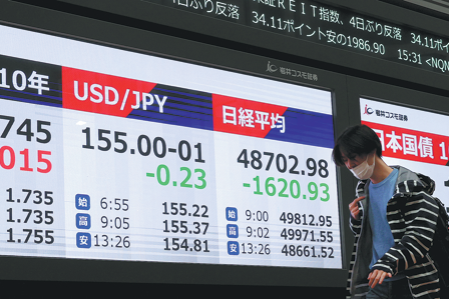
In a high-level diplomatic meeting held in Beijing on Tuesday, China strongly criticized Japan for its recent provocative actions and statements regarding Taiwan, urging Tokyo to cease its interference in China’s internal affairs. The meeting, attended by Liu Jinsong, Director-General of the Chinese Foreign Ministry’s Department of Asian Affairs, and Masaaki Kanai, head of the Japanese Foreign Ministry’s Asian and Oceanian Affairs Bureau, highlighted growing tensions between the two nations. China demanded that Japan retract the controversial remarks made by Prime Minister Sanae Takaichi, who recently suggested the possibility of Japanese military intervention in Taiwan. This statement, made in Japan’s parliament on November 7, marked the first time an incumbent Japanese leader publicly broached such a sensitive topic. Chinese Foreign Ministry spokeswoman Mao Ning emphasized that Takaichi’s comments violate international law, undermine the one-China principle, and damage the political foundation of Sino-Japanese relations. She called on Japan to take concrete actions to rectify its mistakes and provide a satisfactory response to the Chinese people. Observers noted that Japan’s refusal to retract the remarks reflects a broader strategy of balancing economic ties with China while pursuing political provocations. Additionally, Japan’s plan to revert the ranks of its Self-Defense Forces to pre-World War II names has drawn widespread criticism from Asian neighbors, who view it as a revival of militarism. Mao Ning condemned Japan’s recent security policy revisions, including lifting restrictions on weapons exports and reconsidering its Three Non-Nuclear Principles, warning against any attempts to challenge the post-WWII international order.
-

Is this what spying by China can look like?
The UK Parliament is grappling with heightened concerns over Chinese espionage activities, following a series of warnings and incidents that have raised alarms among MPs and members of the House of Lords. The latest episode involves Simon Whelband, a Conservative councillor and staffer for MP Neil O’Brien, who was sanctioned by China in 2021. Whelband recently discovered an unsolicited LinkedIn message from an account named Shirly Shen, offering a job opportunity. Although the message appeared innocuous, Whelband reported it to Parliament’s security services, who advised him to block the account. This incident underscores a broader trend of Chinese operatives targeting parliamentary staff to gain insider insights. MI5 has identified two LinkedIn profiles allegedly used by Chinese security services as ‘civilian recruitment headhunters,’ aiming to solicit information from individuals in British politics. The security minister, Dan Jarvis, has acknowledged these concerns, emphasizing China’s low threshold for valuable information. The debate in the Commons has revealed widespread worries, including fears about Chinese-made buses equipped with ‘kill switches,’ military vehicles potentially acting as listening devices, and the construction of a new Chinese embassy in central London, which critics argue could serve as a spying hub. Despite these concerns, the UK government maintains a ‘pragmatic’ approach to China, recognizing the necessity of collaboration while being ‘clear-eyed’ about the risks. However, a growing number of MPs are advocating for a more skeptical stance, reflecting the complex and often conflicting dynamics of dealing with a superpower that is both essential and dangerous.