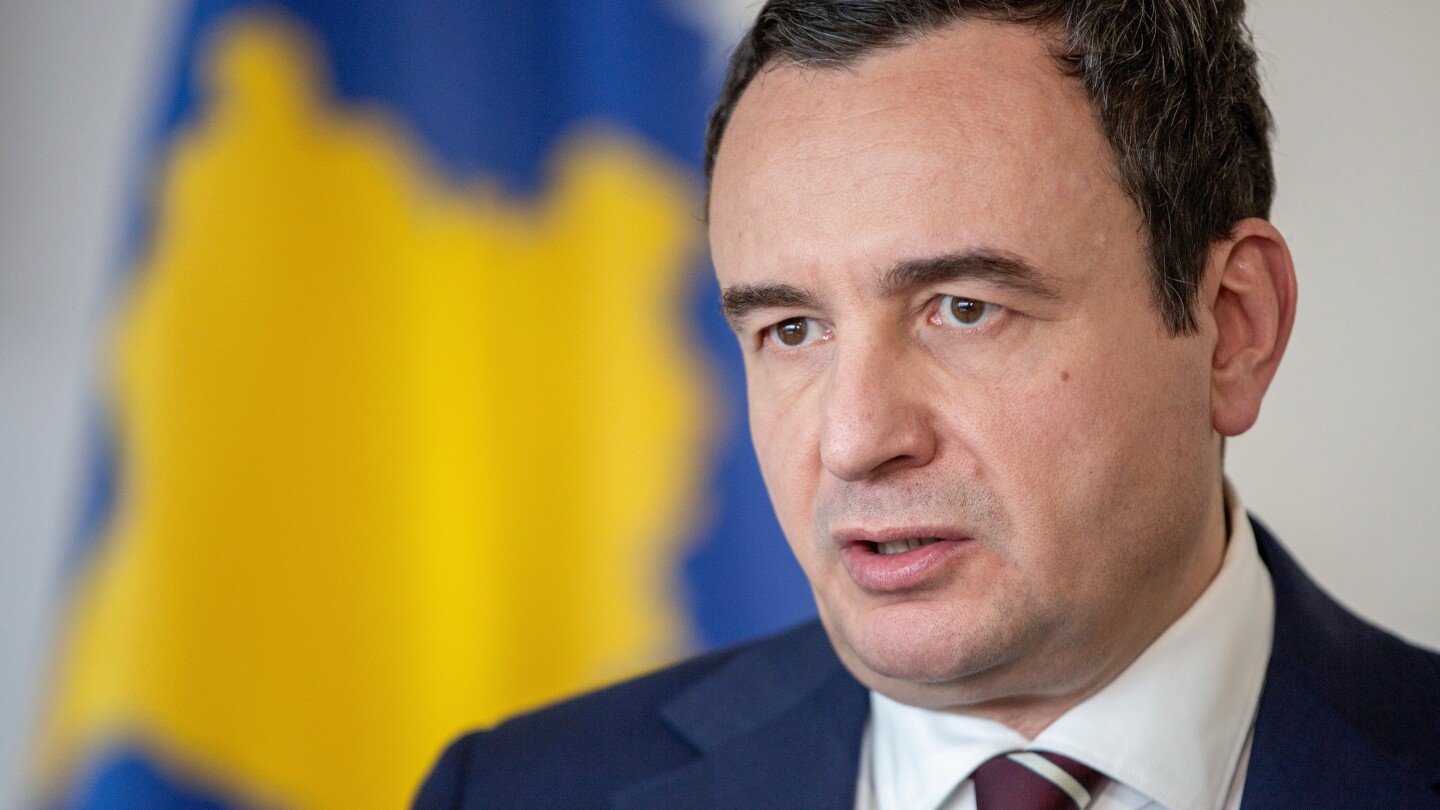
In a significant political setback, Kosovo’s lawmakers were unable to elect a new government on Wednesday, triggering the likelihood of early elections amid an ongoing political crisis in the Balkan nation. Prime Minister-designate Glauk Konjufca, representing the ruling Self-Determination Movement party, secured 56 votes in the 120-member assembly, falling short of the majority required for confirmation. This outcome deals a blow to the party of acting Prime Minister Albin Kurti, which emerged as the largest faction in February’s election but failed to establish a coalition to secure parliamentary control. President Vlosa Osmani is now mandated to dissolve parliament and call for fresh elections within 10 days. This marks the first instance since Kosovo’s 2008 declaration of independence from Serbia that the country has been unable to form a government. The political impasse has also delayed the approval of next year’s budget, raising concerns about the economic stability of the nation, which is already grappling with financial challenges. Additionally, unresolved tensions with Serbia, which refuses to recognize Kosovo’s independence, continue to hinder Kosovo’s aspirations for European Union membership. Konjufca, seen as a potential compromise candidate, has warned against the risks of repeated elections, emphasizing the need for political stability. The crisis underscores broader issues of governance and diplomacy in the region, with implications for Kosovo’s domestic and international standing.
分类: politics
-
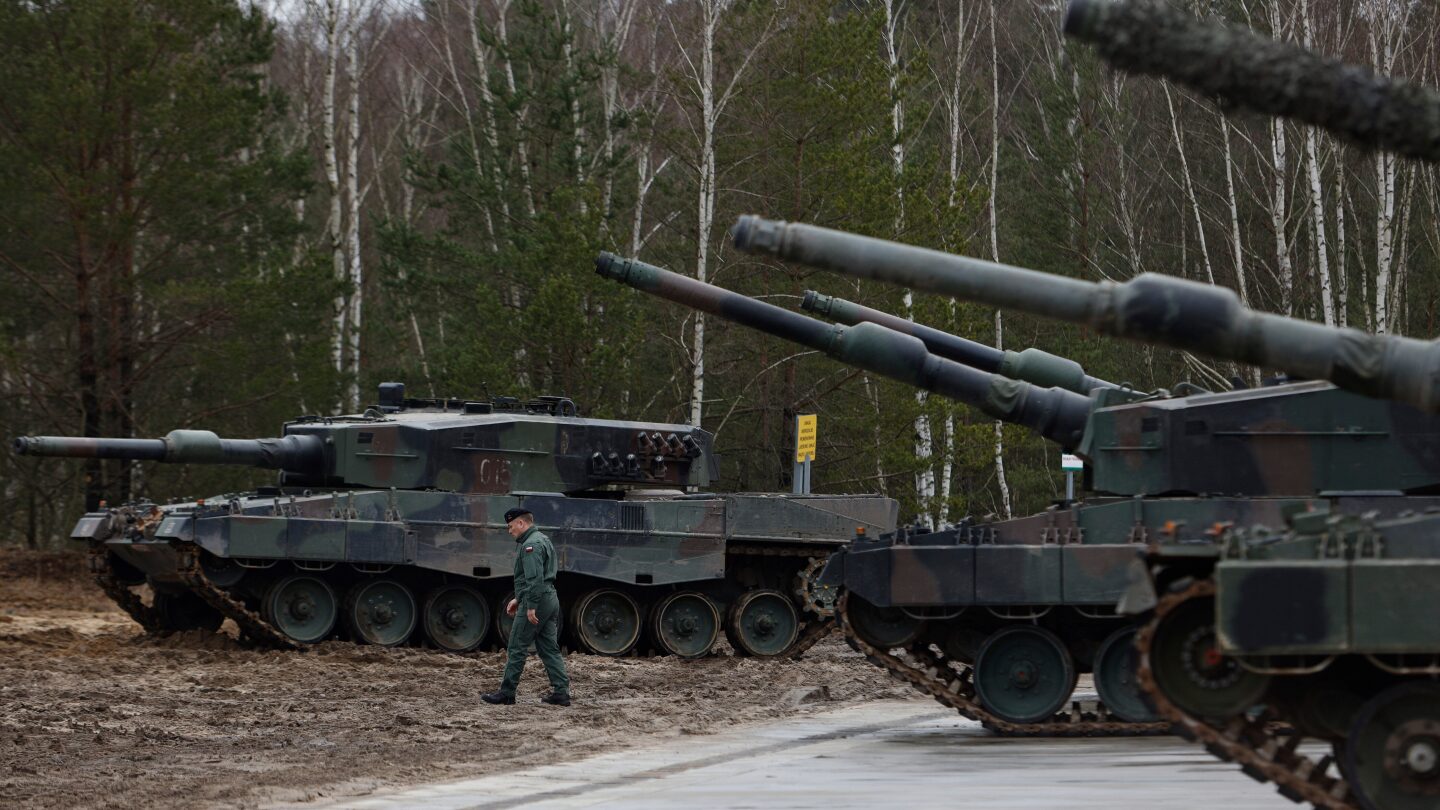
With an eye on Russia, EU wants to make it easier to deploy tanks and troops at short notice
In a significant move to bolster its defense capabilities, the European Union (EU) announced a comprehensive military mobility package on Wednesday. The initiative, spearheaded by the European Commission, aims to enhance the rapid deployment of troops and equipment across the 27-nation bloc. With mounting concerns over Russia’s potential aggression, the package allocates €17.65 billion ($20.4 billion) to upgrade 500 critical infrastructure points, including bridges, ports, and tunnels, which currently hinder the movement of heavy military vehicles. Additionally, armed forces will be granted priority access to airports, roads, and railways during emergencies, while regulations on transporting hazardous materials will be relaxed for military and defense contractors. EU Foreign Policy Chief Kaja Kallas emphasized the importance of increased defense spending, stating, ‘Weakness invites them to make their move. If we are strong, Russia will not attack.’ The announcement comes amid reports of Russian drone incursions and intelligence warnings of a potential attack on the EU within the next three to four years. The EU’s Defense Industry Transformation Roadmap, also unveiled, seeks to streamline regulations and boost domestic production of military equipment, with a projected defense spending of €3.4 trillion ($4 trillion) over the next decade. The initiative underscores the bloc’s shift towards greater self-reliance in defense, particularly as the U.S. signals a focus on its own security priorities.
-
Merz spokesperson defends German leader over remarks criticized in Brazil
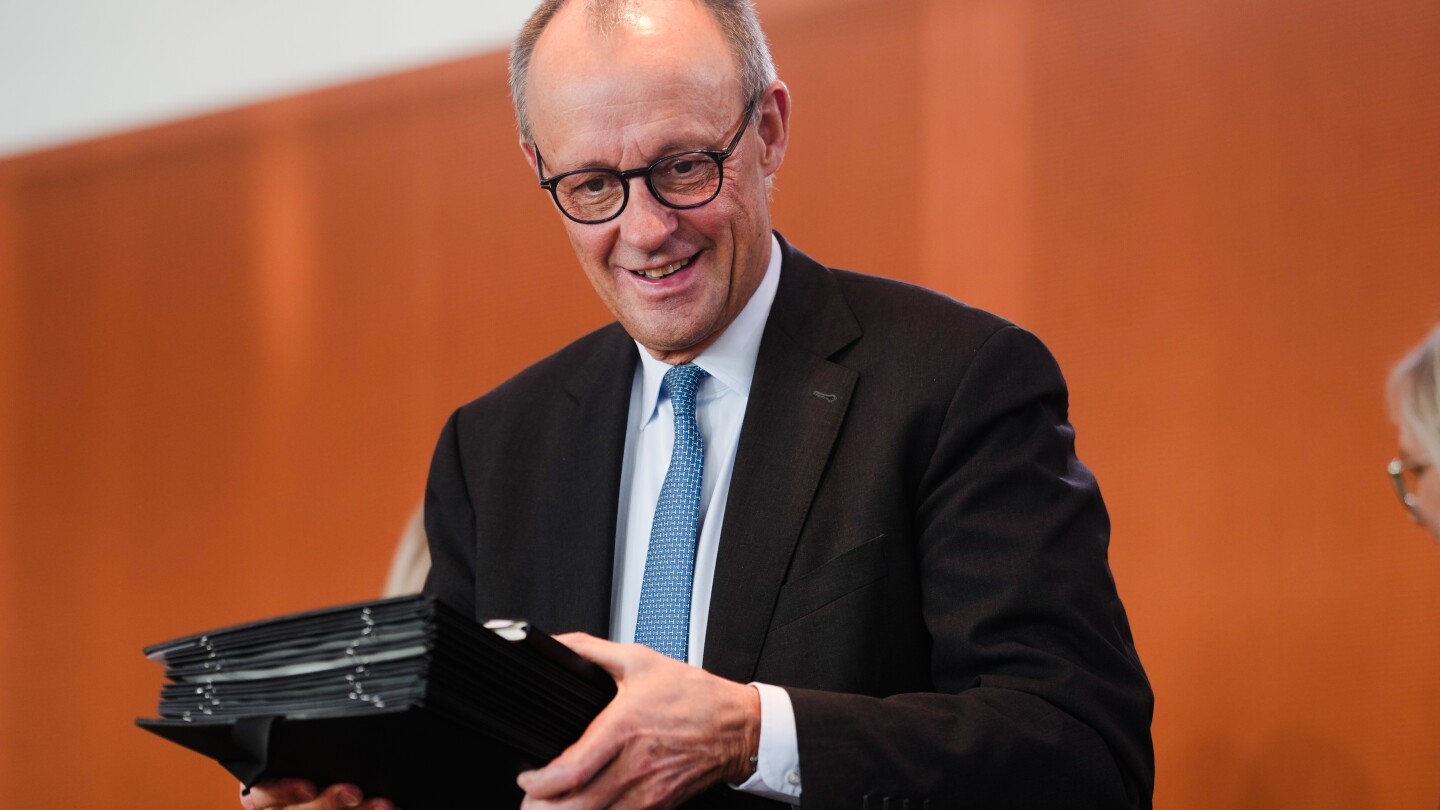
BERLIN (AP) — The spokesperson for German Chancellor Friedrich Merz has firmly denied allegations that the leader intended to belittle Brazil during his recent visit to the city hosting the U.N. climate summit. The controversy arose following remarks made by Merz that sparked significant backlash from Brazilian officials, including President Luiz Inácio Lula da Silva, the mayor of Belem, the governor of Para state, and several lawmakers. Merz’s comments, delivered during a trade conference in Berlin, were interpreted as an attempt to contrast Germany’s economic struggles with the perceived conditions in Brazil. In his speech, Merz remarked, ‘We live in one of the most beautiful countries in the world. Last week I asked some journalists who were with me in Brazil: Which of you would like to stay here? No one raised their hand. They were all happy that, above all, we returned from this place to Germany in the night from Friday to Saturday.’ On Wednesday, Merz’s spokesperson, Stefan Kornelius, addressed the issue at a government news conference, stating, ‘It is far from the chancellor to comment in a derogatory way about Brazil.’ Kornelius emphasized that Merz had utilized his brief visit to Brazil to ‘deepen the excellent relations Germany has with Brazil.’ He further clarified that Merz’s impression of the trip had been ‘very positive’ and reiterated Brazil’s importance as Germany’s ‘most important partner geostrategically and economically in South America.’ Kornelius explained that the disputed remark ‘essentially concerned the wish of the delegation to return home after a very tiring night flight and a long day in Belem.’ He added, ‘When the chancellor says that we live in one of the most beautiful countries in the world, that doesn’t mean other countries aren’t also very beautiful.’ When questioned about the possibility of an apology or any damage to bilateral relations, Kornelius responded with a definitive ‘No, twice.’
-
Mainland spokesperson rebukes Japanese PM’s provocative Taiwan-related remarks
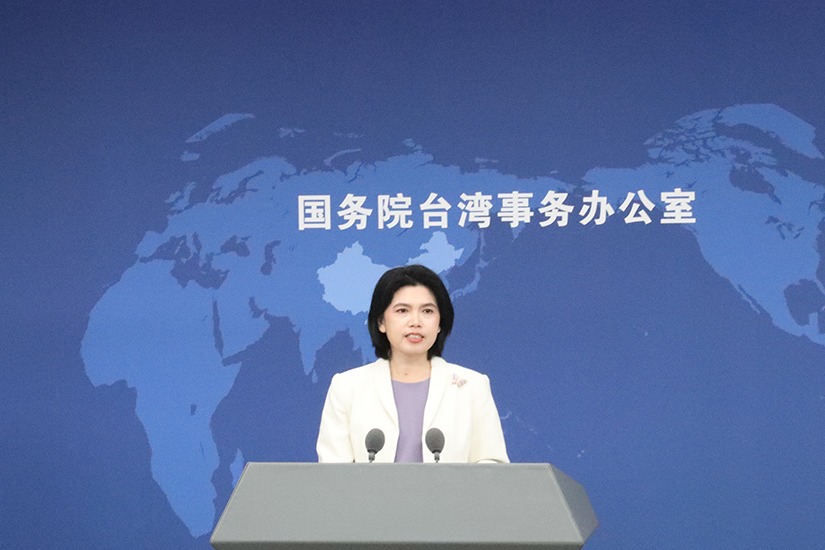
In a strong rebuke, a spokesperson for the Chinese mainland has condemned recent remarks by Japanese Prime Minister Sanae Takaichi regarding Taiwan, labeling them as a blatant violation of international justice and a threat to the post-war global order. The comments, made during a regular press conference by Zhu Fenglian of the State Council Taiwan Affairs Office, accused Takaichi of attempting to meddle in the Taiwan Strait situation, undermining the historical outcomes of the Chinese People’s War of Resistance Against Japanese Aggression, and reviving militaristic tendencies. Zhu emphasized that such statements severely damage the already fragile relations between China and Japan. The spokesperson reiterated China’s unwavering stance on Taiwan, asserting that any foreign interference in the region is unacceptable and will be met with resolute opposition. The remarks come amid escalating tensions in the region, with China consistently advocating for peaceful reunification while maintaining a firm position against any form of separatist activities.
-
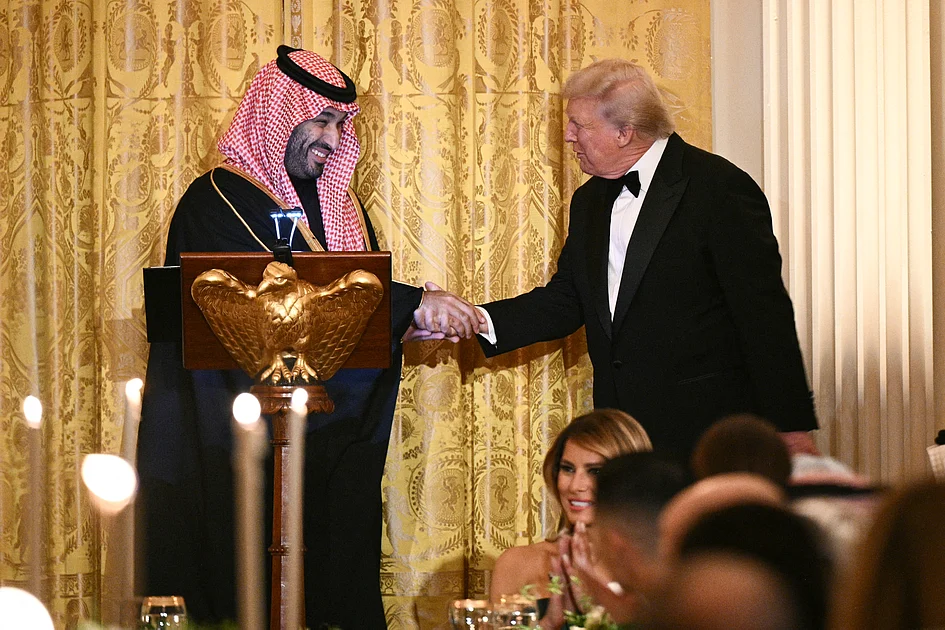
Watch: Trump designates Saudi Arabia major non-NATO ally during Crown Prince visit
In a significant diplomatic move, U.S. President Donald Trump announced on Tuesday that Saudi Arabia has been designated as a major non-NATO ally. The announcement came during a gala dinner at the White House, where Crown Prince Mohammed bin Salman was hosted with grandeur, marking his first visit in over seven years. The event featured a military honor guard, a cannon salute, and a flyover by U.S. warplanes, underscoring the importance of the occasion. Trump emphasized that this designation would elevate military cooperation between the two nations to unprecedented levels. Saudi Arabia is now among the exclusive group of 19 countries to receive this status. The visit also saw discussions on advancing security ties, civil nuclear cooperation, and multibillion-dollar business deals. Notably, Trump revealed that Saudi Arabia has committed to investing $600 billion in the U.S., with plans to increase this to $1 trillion. Additionally, the two leaders reached a defense agreement, and Saudi Arabia is set to purchase advanced U.S.-made F-35 fighter jets. This development marks a significant step in strengthening the strategic partnership between the United States and Saudi Arabia.
-
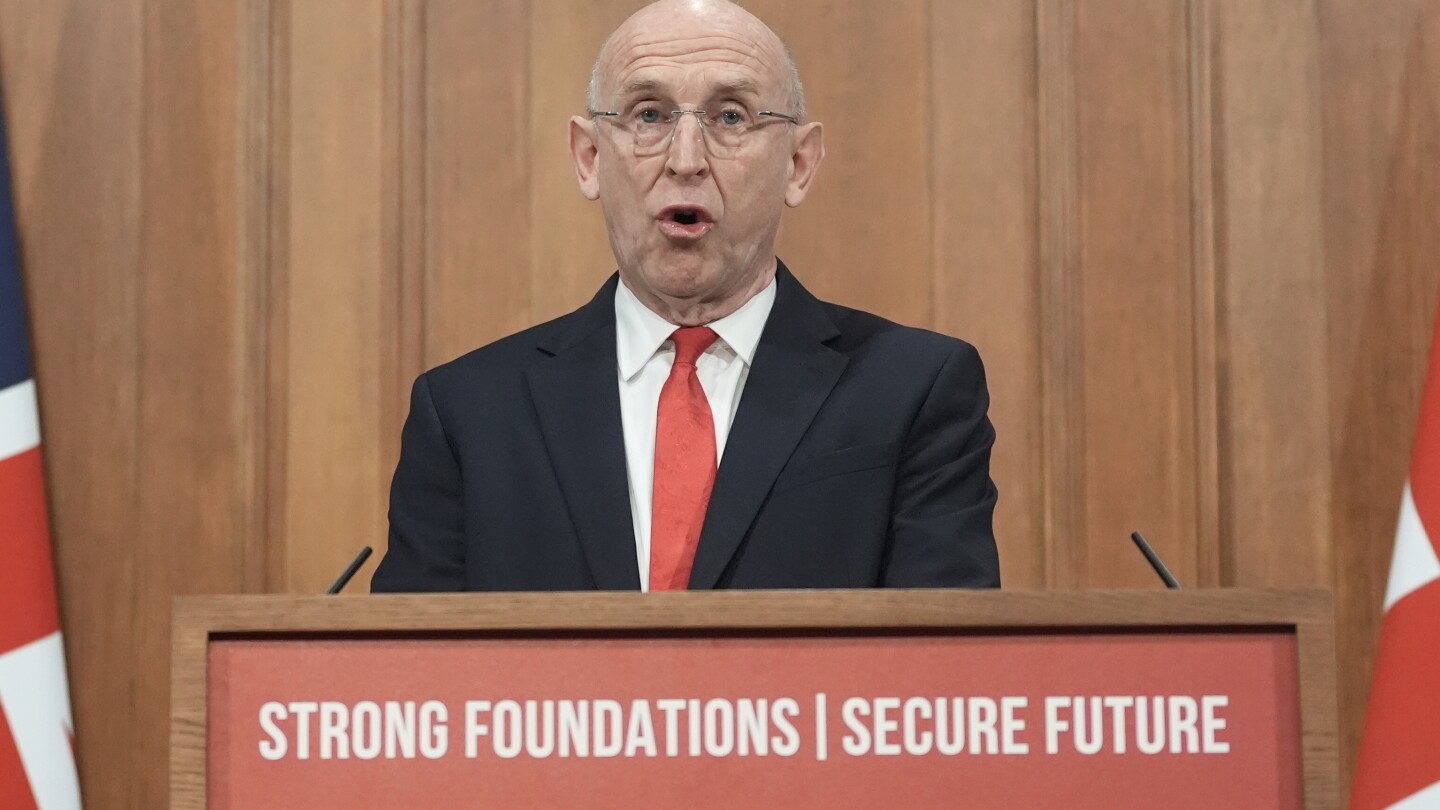
UK defense secretary warns Russia it is ready to deal with any incursions after spy ship spotted
The United Kingdom has issued a stern warning to Russia following the detection of the Russian spy ship Yantar near British waters north of Scotland. Defense Secretary John Healey emphasized that the vessel had directed lasers at surveillance aircraft monitoring its activities. “We see you. We know what you’re doing. And if the Yantar travels south this week, we are ready,” Healey declared during a speech in London. This warning comes as the UK government prepares to unveil its new budget, with Prime Minister Keir Starmer advocating for significant increases in military spending to counter threats from Russia, China, and Iran. However, the government faces financial challenges, including potential tax hikes and spending cuts to address a multi-billion-pound deficit. Healey also announced plans to construct at least six new munitions factories across the UK, a move expected to create 1,000 jobs and bolster the military’s supply of explosives and propellants. The Yantar, part of the Russian navy, is known for its surveillance capabilities and potential for sabotage, prompting the UK and its allies to closely monitor its movements. Healey highlighted the need for a robust defense strategy in response to global threats, including conflicts in the Middle East, tensions between India and Pakistan, and espionage activities by China. The UK has pledged to increase defense spending to 5% of GDP by 2035, aligning with NATO standards, to ensure national security in an era of heightened geopolitical risks.
-
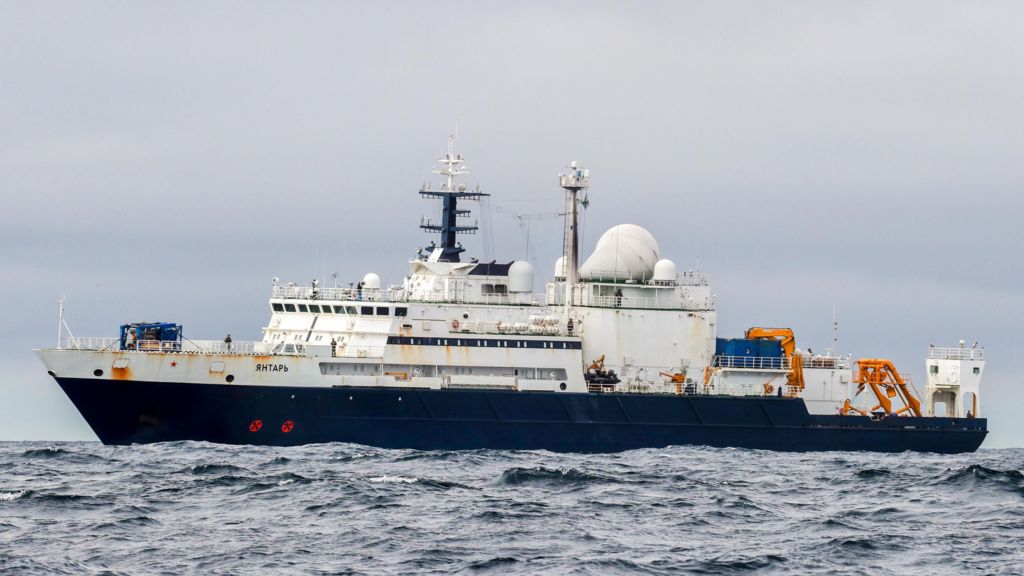
Russian spy ship on edge of UK waters, defence secretary says
A Russian spy ship, the Yantar, has been detected operating near UK waters north of Scotland, according to UK Defence Secretary John Healey. The vessel, known for its intelligence-gathering capabilities, has reportedly used lasers to distract pilots of surveillance aircraft monitoring its movements. Speaking at a press conference in Downing Street, Healey emphasized that this marks the second instance in a year that the Yantar has entered UK waters. The ship is specifically designed to map undersea cables and gather intelligence, posing a potential threat to the UK’s undersea infrastructure and that of its allies. Healey issued a stern warning to Russia, stating, ‘We see you. We know what you’re doing. And if the Yantar travels south this week, we are ready.’ The Yantar is part of a Russian fleet associated with the Main Directorate of Deep-Sea Research (GUGI), a program aimed at conducting surveillance during peacetime and sabotage in conflict scenarios. Healey highlighted the UK’s determination to track and deter such activities, working in coordination with allies to ensure readiness and capability. This incident follows a similar warning issued by the Defence Secretary in January when the Yantar was previously spotted in UK waters.
-
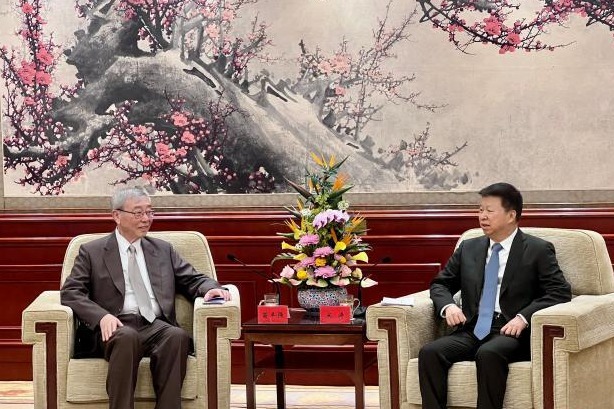
Mainland official highlights greater opportunities for Taiwan businesses on mainland
BEIJING — In a significant meeting held on Tuesday, Song Tao, the Chinese mainland’s leading official on Taiwan affairs, underscored the vast opportunities available for Taiwanese businesses on the mainland. Speaking to a delegation from the Taiwan Federation of Industries (TFI), Song, who heads both the Taiwan Work Office of the Communist Party of China Central Committee and the Taiwan Affairs Office of the State Council, highlighted the potential for enhanced economic collaboration between the two sides of the Taiwan Strait. He pointed to the upcoming 15th Five-Year Plan (2026-30) as a pivotal framework for deepening integration and fostering mutual growth. Song urged Taiwanese business leaders to adhere to the one-China principle and the 1992 Consensus, reject any moves toward ‘Taiwan independence,’ and resist external interference. He emphasized the shared responsibility of safeguarding the Chinese nation’s unity and prosperity. Miau Feng-chiang, honorary chairman of the TFI, echoed these sentiments, stressing that the 1992 Consensus remains the cornerstone for peaceful cross-Strait relations. He affirmed the federation’s commitment to promoting industrial cooperation and supporting Taiwanese enterprises in expanding their presence on the mainland.
-
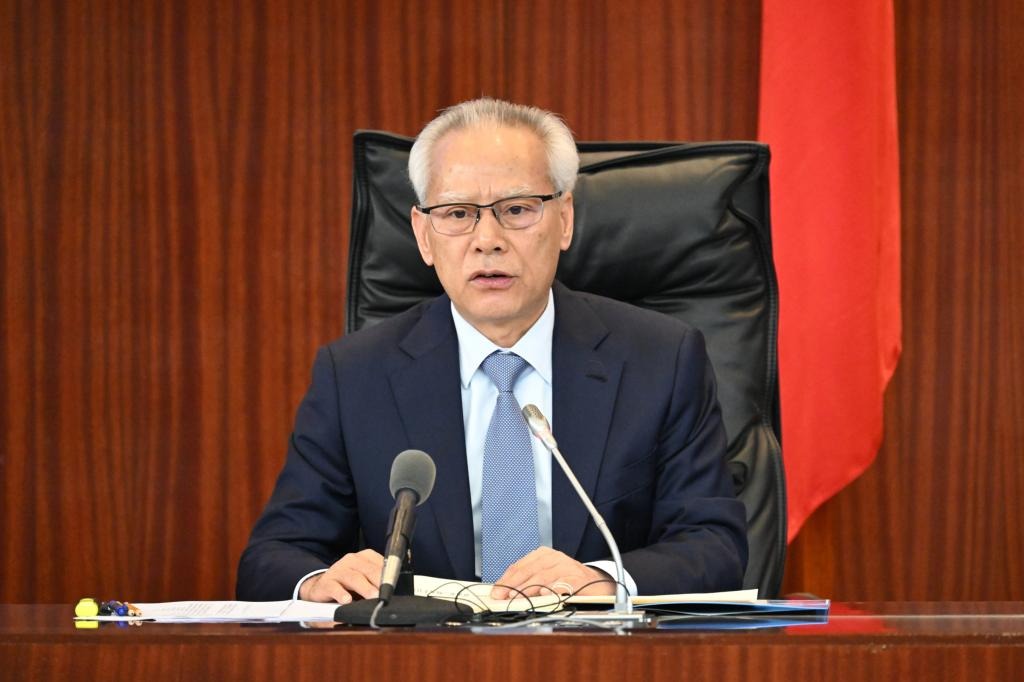
Macao SAR chief executive delivers policy address on reform, economic diversification
In a pivotal address to the Legislative Assembly on November 18, 2025, Sam Hou-fai, Chief Executive of the Macao Special Administrative Region (SAR), unveiled the government’s strategic priorities for 2026. Emphasizing administrative reform, economic diversification, and deeper integration into national development, Sam outlined a comprehensive roadmap for Macao’s future. The policy address highlighted the SAR’s commitment to addressing systemic inefficiencies, fostering economic resilience, and enhancing regional and international cooperation. Sam stressed the urgency of tackling interdepartmental communication gaps, improving coordination, and streamlining workflows to create a more collaborative and efficient government. Economic diversification was identified as a critical objective, with plans to bolster policy support, increase investment, and cultivate internationally competitive industries. Macao’s integration into the Guangdong-Hong Kong-Macao Greater Bay Area and its role in the Belt and Road Initiative were also underscored as key priorities. Additionally, Sam pledged to accelerate the development of the Guangdong-Macao In-Depth Cooperation Zone in Hengqin, aiming for seamless integration between Macao and Hengqin. The address reaffirmed Macao’s commitment to leveraging its unique position to drive sustainable growth and strengthen ties with mainland China and global partners.
-
Envoy: Japan ‘totally unqualified’ to seek permanent seat on UN Security Council
China’s Permanent Representative to the United Nations, Fu Cong, has strongly condemned recent remarks by Japanese Prime Minister Sanae Takaichi regarding Taiwan, labeling them as ‘extremely erroneous and dangerous.’ Speaking at a UN General Assembly plenary session on Tuesday, Fu asserted that a nation making such statements is ‘completely unfit’ to pursue a permanent seat on the UN Security Council. The comments come amid ongoing tensions between China and Japan over Taiwan, which China views as an inalienable part of its territory. Fu’s remarks underscore Beijing’s firm stance on safeguarding its sovereignty and territorial integrity, while also challenging Japan’s aspirations for a more prominent role in global governance. The incident highlights the broader geopolitical rivalry between the two Asian powers and raises questions about Japan’s diplomatic credibility on the international stage.