
China has urged Japan to take concrete actions to uphold its commitments to bilateral relations, emphasizing the importance of mutual trust and strategic cooperation. The call came after Japanese Prime Minister Sanae Takaichi reaffirmed her commitment to advancing China-Japan relations in a recent interview. However, her earlier remarks on Taiwan, which suggested potential intervention in the Taiwan Strait, sparked widespread condemnation in China. Foreign Ministry spokeswoman Mao Ning stressed that Japan must retract these erroneous statements and adhere to the spirit of the four political documents between the two nations to foster a stable and constructive relationship. Mao also criticized Japan’s recent moves to abandon its defense-oriented principles and accelerate rearmament, warning that a return to militarism would lead to failure. Reports indicate that Japan has eased restrictions on arms exports, including the first-ever export of domestically produced Patriot missile interceptors to the United States. Additionally, discussions within Japan’s Liberal Democratic Party about revising the country’s three non-nuclear principles and increasing defense spending have raised concerns. Mao questioned Japan’s intentions, particularly its contradictory stance on nuclear disarmament while pursuing extended deterrence and nuclear-sharing arrangements. She reiterated that any deviation from peaceful development and the postwar international order would be unacceptable to both the Chinese people and the global community.
分类: politics
-
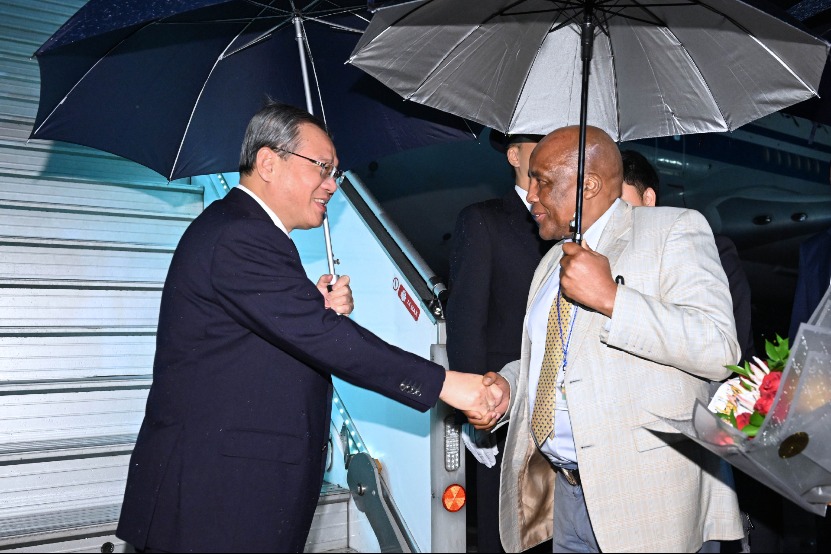
Premier in South Africa for G20 Summit
Premier Li Qiang of China arrived in Johannesburg, South Africa, on Thursday, November 21, 2025, to participate in the 20th G20 Summit. This marks a historic occasion as it is the first time the G20 Summit is being held on the African continent. The summit, scheduled for November 23-24, is themed ‘Solidarity, Equality, Sustainability,’ reflecting South Africa’s presidency focus on inclusive growth, reducing inequalities, and prioritizing African-driven agendas. Key topics on the agenda include climate financing, global economic recovery, food security, artificial intelligence governance, and bridging the digital divide, alongside advancing sustainable development goals. The summit convenes amidst a rapidly evolving international landscape, sluggish global economic growth, and widening development disparities. China, through its Foreign Ministry, has expressed its commitment to enhancing international solidarity and cooperation, advocating for multilateralism, and fostering an open world economy. Foreign Ministry spokesman Lin Jian emphasized China’s support for South Africa’s G20 presidency and its readiness to collaborate with other nations to build consensus on these critical issues. The G20, established in 1999, includes 19 countries and two regional bodies—the European Union and the African Union—representing approximately 85% of the global GDP, over 75% of global trade, and about two-thirds of the world’s population. Ma Hanzhi, an assistant research fellow at the China Institute of International Studies, highlighted that China aims to leverage the summit to promote the Global Governance Initiative, particularly advocating for increased representation and voice of the Global South in global financial and economic governance. This initiative seeks to foster an equal and orderly multipolar world and promote universally beneficial and inclusive economic globalization.
-
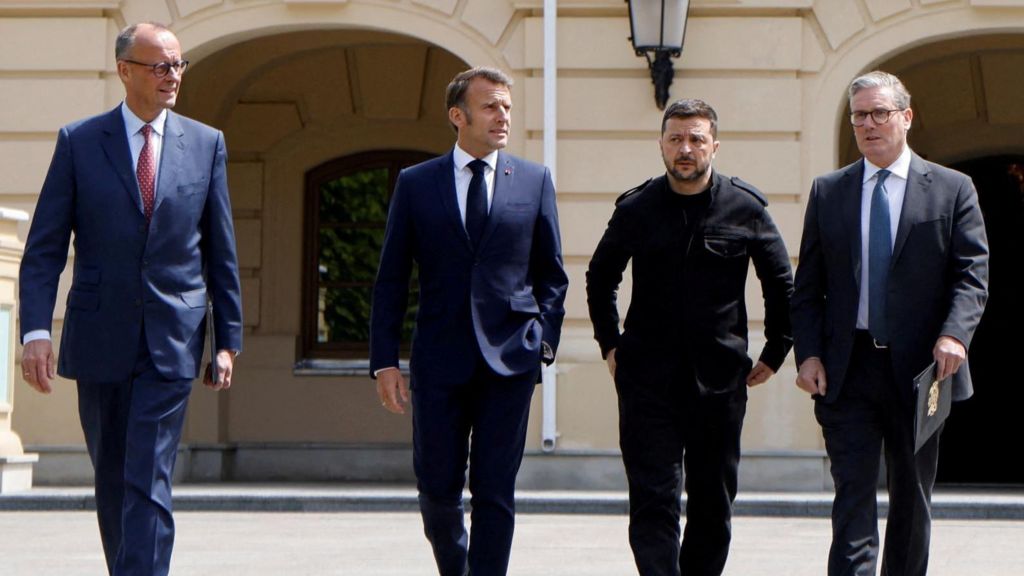
Ukraine allies to hold talks at G20 on White House peace plan
As the G20 summit convenes in South Africa, Ukraine’s allies are set to bolster a US-proposed peace plan aimed at ending the ongoing conflict with Russia. UK Prime Minister Sir Keir Starmer emphasized the commitment of Ukraine’s ‘friends and partners’ to achieving a lasting peace. This comes after Ukrainian President Volodymyr Zelensky warned of one of the most challenging periods in Ukraine’s history, as pressure mounts to accept a plan perceived as favorable to Moscow. The leaked draft includes contentious provisions such as ceding control of eastern regions, reducing Ukraine’s military size, and pledging not to join NATO. European leaders, including EU foreign policy chief Kaja Kallas, have expressed concerns over the plan’s bias towards Russia, stressing that any agreement must respect Ukraine’s sovereignty. Meanwhile, US President Donald Trump has urged Kyiv to accept the proposal, warning of further territorial losses if the plan is not adopted. The White House has defended the plan, asserting that Ukraine was involved in its drafting. Amid these developments, Russian President Vladimir Putin indicated openness to the proposal but reiterated Russia’s commitment to its military objectives. The summit will also address the broader implications of the conflict, including the potential reintegration of Russia into the global economy and the lifting of sanctions.
-
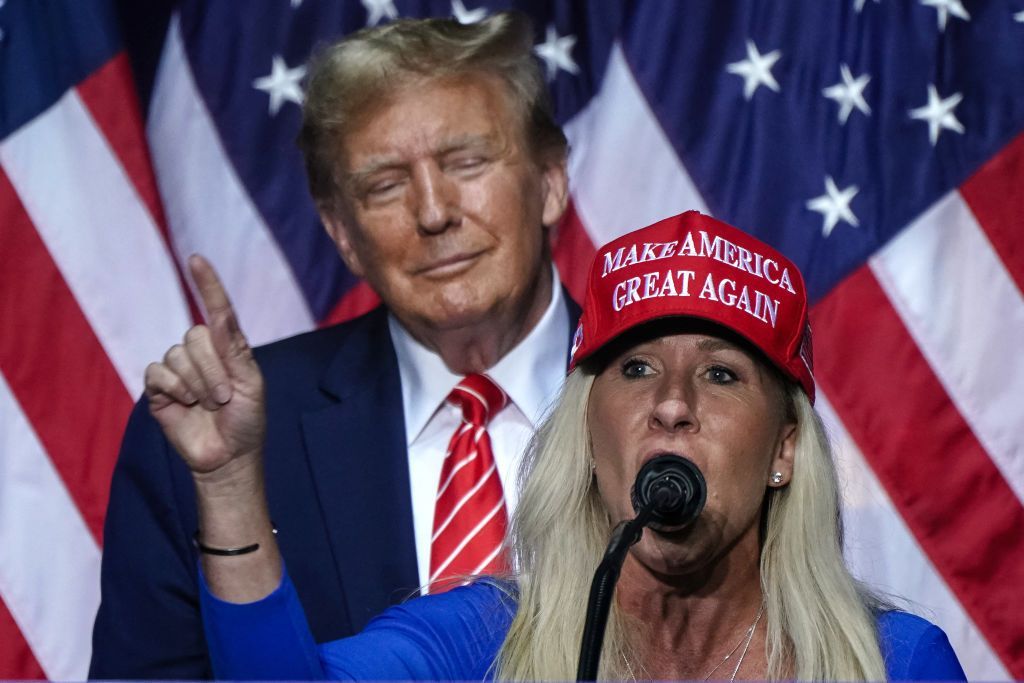
High-profile Republican Marjorie Taylor Greene to quit Congress after Trump feud
In a surprising turn of events, Georgia Congresswoman Marjorie Taylor Greene has announced her resignation from office, effective January 5, 2026. This decision comes just days after a highly publicized feud with former President Donald Trump, marking a significant shift in their once-close political alliance. Greene, a prominent figure in Trump’s ‘MAGA’ movement, revealed her decision in a video statement posted on social media, citing her refusal to endure further political strife as a primary reason for her departure. The rift between Greene and Trump escalated over her persistent demands for the release of documents related to the late financier and convicted sex offender Jeffrey Epstein. Trump, who had previously labeled Greene a ‘traitor,’ responded to her resignation by calling it ‘great news for the country’ in an interview with ABC News. Greene, who has been a staunch defender of Trump in Congress, expressed her disappointment in the president’s response to her advocacy for justice for Epstein’s victims. She emphasized that her efforts to stand up for American women who were victims of trafficking and abuse should not have resulted in such harsh criticism from the president. Despite her resignation, Greene has hinted at potential future political ambitions, with reports suggesting she may consider running for state office in Georgia. Her departure from Congress could have significant implications for the Republican Party, which holds a narrow majority in the House of Representatives. The 2026 midterm elections will be crucial in determining the balance of power in the chamber.
-
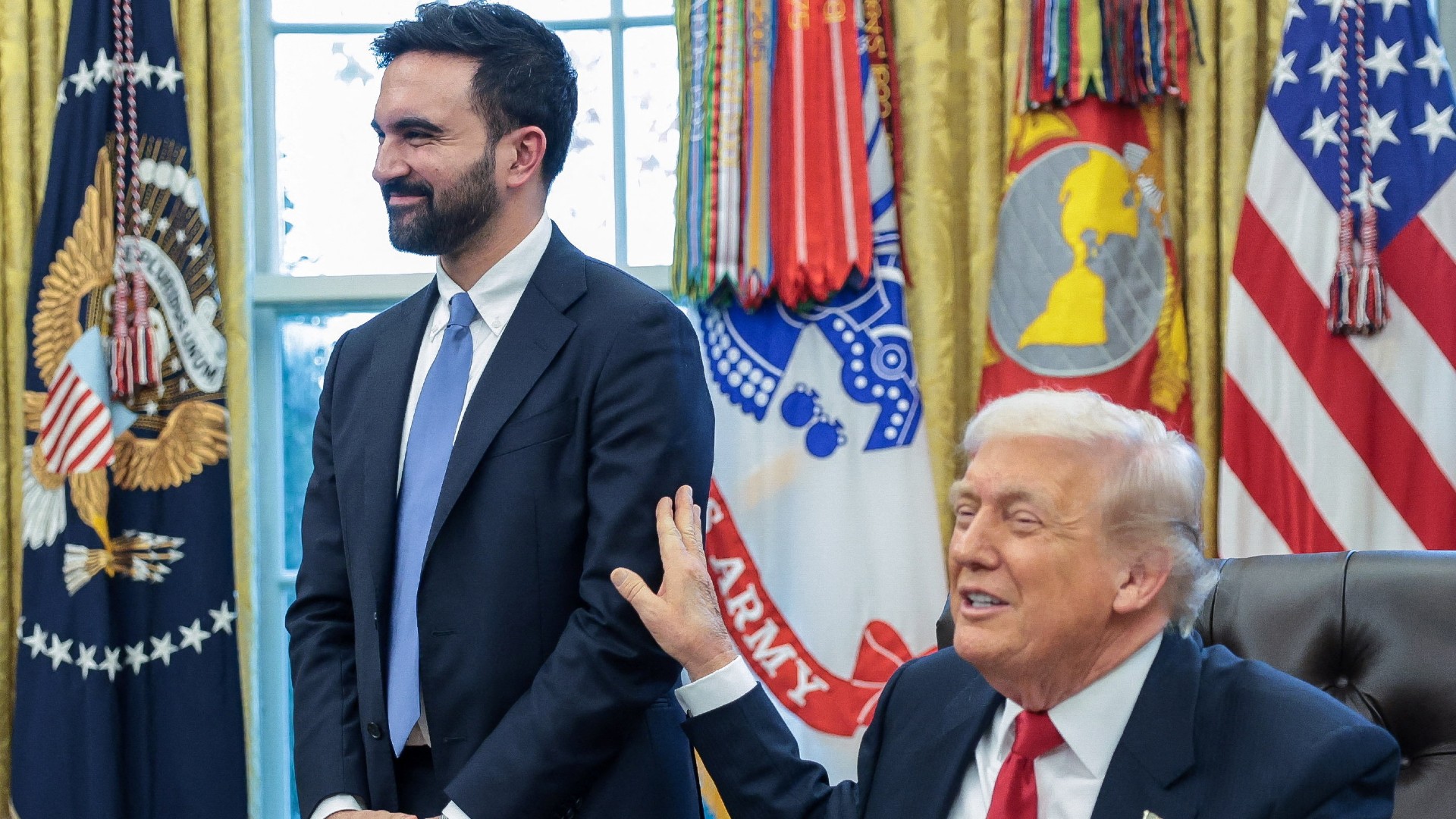
‘I’ll be cheering for him’: Trump has ‘great’ meeting with NYC mayor-elect Mamdani
In a surprising turn of events, former U.S. President Donald Trump and New York City Mayor-elect Zohran Mamdani, who have previously exchanged harsh criticisms, shared a cordial and unexpectedly amicable meeting at the White House. Trump, who once labeled Mamdani as a ‘communist,’ ‘jihadist,’ and ‘Jew-hater,’ praised the incoming mayor after a 40-minute discussion, stating, ‘I’ll be cheering for him.’ Mamdani, who has called Trump a ‘despot’ and ‘fascist,’ reciprocated the conciliatory tone, focusing on their shared commitment to serving New Yorkers. The meeting highlighted their overlapping populist appeal, with both leaders emphasizing affordability and addressing the cost-of-living crisis. Despite their ideological differences, Trump expressed confidence in Mamdani’s ability to lead, even hinting at a shift in his own views. The encounter underscored a rare moment of political bridge-building, as Trump acknowledged Mamdani’s rapid rise from a virtual unknown to the mayor-elect of the nation’s largest city. The meeting also touched on contentious issues such as Gaza, with Mamdani reiterating his stance on human rights violations. Trump’s willingness to engage with Mamdani signals a potential shift in his approach to political adversaries, as both leaders seek to harness their populist appeal to address pressing urban challenges.
-
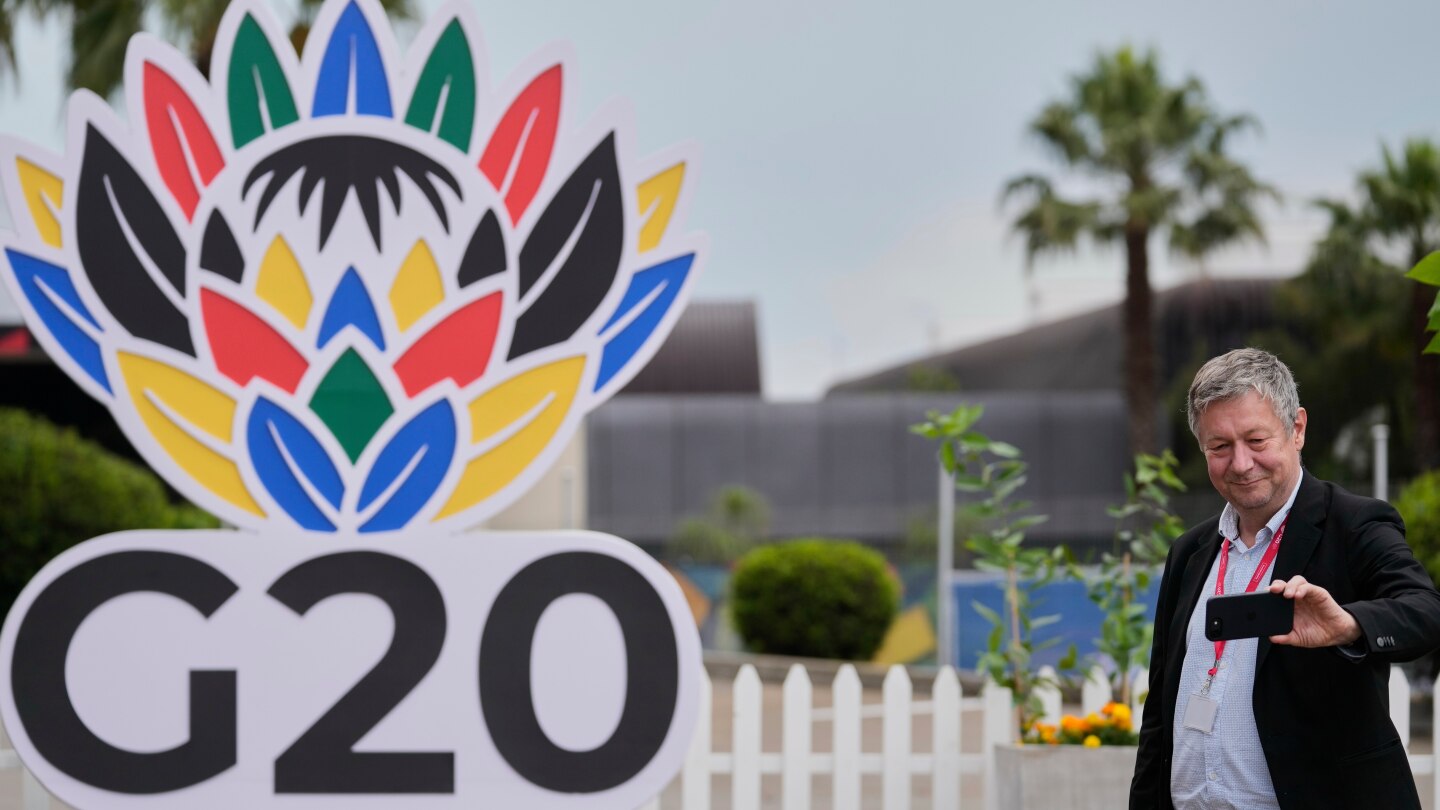
Africa’s first G20 summit opens with an ambitious agenda and tries to move on from Trump’s boycott
The inaugural Group of 20 (G20) summit hosted in Africa commenced on Saturday in Johannesburg, South Africa, with a bold agenda aimed at addressing persistent challenges faced by the world’s poorest nations. Leaders and top officials from the world’s wealthiest and emerging economies gathered near Soweto, a historic township once home to Nelson Mandela, to seek consensus on key priorities outlined by the host country. These include aiding poor nations in recovering from climate-related disasters, reducing foreign debt burdens, transitioning to green energy, and leveraging critical mineral resources to combat global inequality. United Nations Secretary-General António Guterres expressed cautious optimism, acknowledging South Africa’s efforts in spotlighting these issues. However, the summit faced a significant setback as U.S. President Donald Trump ordered a boycott, citing claims of South Africa’s anti-white policies. This diplomatic rift threatened to overshadow the event, though leaders like French President Emmanuel Macron emphasized the need to move forward despite the absence. The G20, comprising 19 nations, the European Union, and the African Union, was established in 1999 to bridge the gap between rich and poor nations during global financial crises. Despite its influence—representing 85% of the global economy and over half the world’s population—the G20 operates on consensus, often hindered by conflicting member interests. Guterres warned that wealthy nations have historically failed to make necessary concessions for effective global reforms. The summit’s traditional leaders’ declaration faced uncertainty, with South Africa resisting U.S. pressure to issue a unilateral statement. President Cyril Ramaphosa vowed not to be intimidated, promising a collective declaration. As the U.S. prepares to assume the G20 presidency, the bloc’s focus on climate change and inequality may shift sharply under the Trump administration. The U.S. will only participate in the formal handover ceremony, a move South Africa deemed insulting.
-
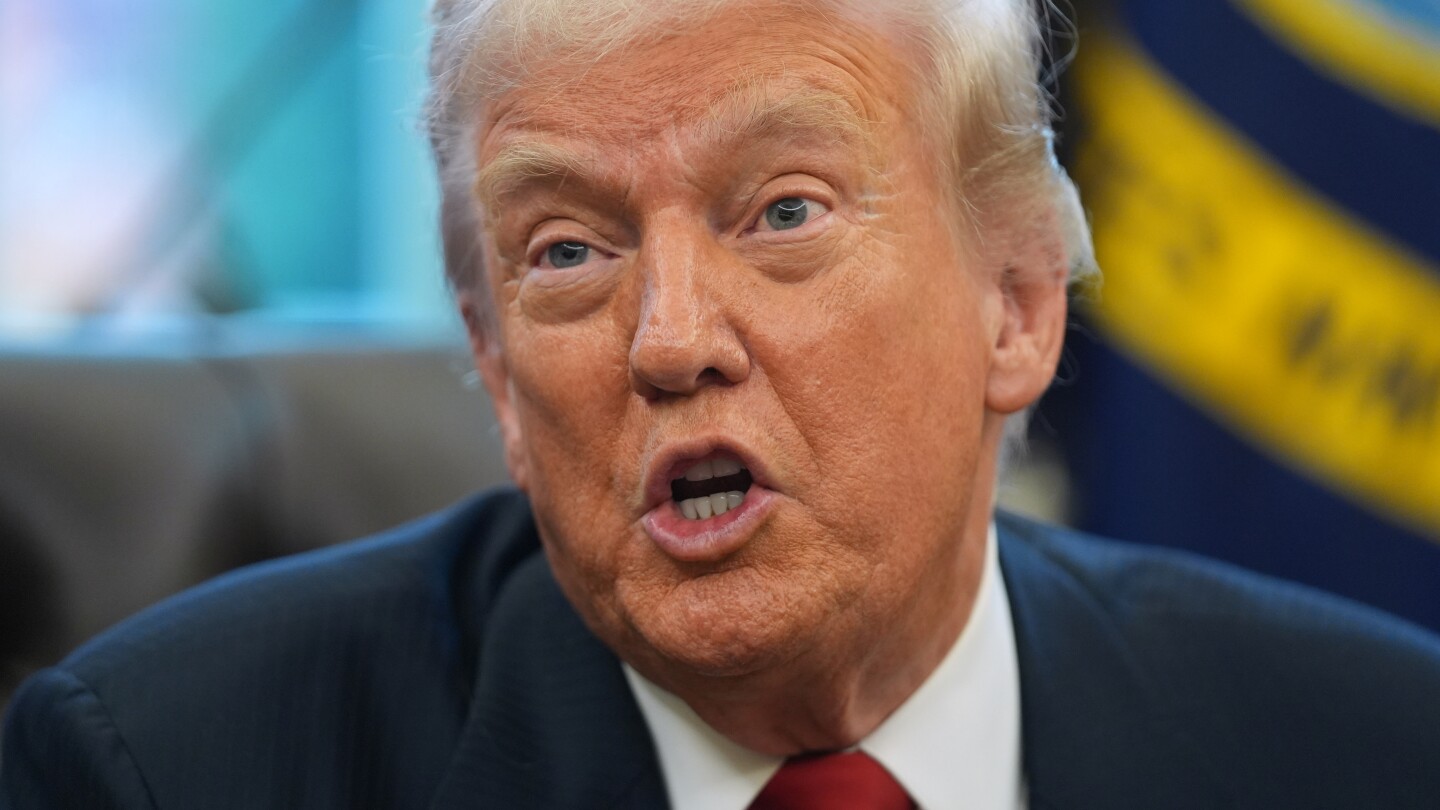
Trump says he’s terminating legal protections for Somali migrants in Minnesota
In a significant policy shift, former President Donald Trump declared on Friday night that he is ‘immediately’ ending Temporary Protective Status (TPS) for Somali migrants residing in Minnesota. This move is part of a broader effort to dismantle immigration protections that his administration has consistently targeted. Minnesota, home to the largest Somali community in the United States, has long been a refuge for individuals fleeing the prolonged civil war in Somalia, attracted by the state’s supportive social programs. However, the actual number of migrants affected by this decision may be minimal. A congressional report from August revealed that only 705 Somalis nationwide are currently covered by TPS. Established in 1990, the TPS program was designed to prevent the deportation of individuals to countries experiencing natural disasters, civil unrest, or other hazardous conditions. The Homeland Security Secretary has the authority to grant TPS in 18-month increments. Trump announced his decision on social media, alleging that Minnesota is ‘a hub of fraudulent money laundering activity’ and accusing Somali gangs of terrorizing the state. He vowed to send them back to their country of origin, stating, ‘It’s OVER!’ This announcement aligns with Trump’s campaign promise to deport millions of people and his administration’s broader agenda to implement stringent immigration policies. Previously, the Trump administration had revoked TPS for hundreds of thousands of Venezuelans and Haitians, and sought to limit protections for migrants from Cuba, Syria, and other nations.
-
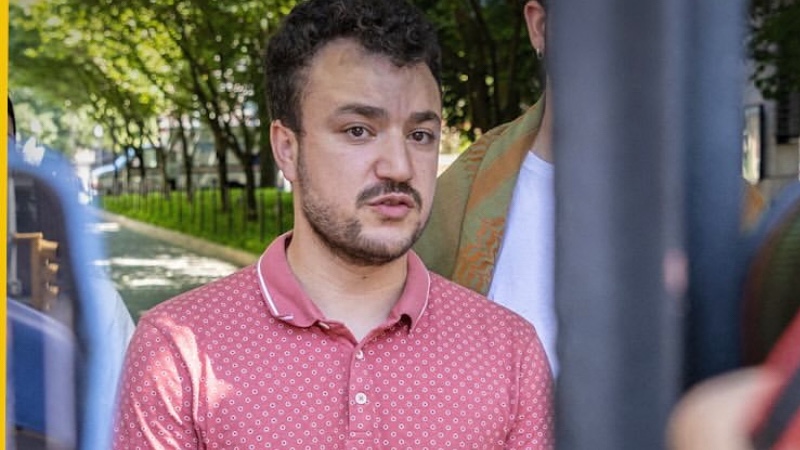
Mahmoud Khalil sues Trump administration to release communication with anti-Palestinian groups
Palestinian activist Mahmoud Khalil has initiated a lawsuit against the Trump administration, demanding the release of communications between federal agencies and anti-Palestinian organizations that allegedly led to his arrest in March 2025. Khalil, a green-card holder married to a U.S. citizen, was detained by Immigration and Customs Enforcement (ICE) during a government crackdown on alleged antisemitism across U.S. campuses. His arrest followed claims by groups like Canary Mission and Betar USA, which boasted of sharing information on pro-Palestinian activists with U.S. Secretary of State Marco Rubio. Khalil accused these organizations of orchestrating a smear campaign to silence his advocacy against Israel’s actions in Gaza. The lawsuit was filed after the Trump administration ignored Khalil’s Freedom of Information Act request for related documents. During a trial, an ICE official revealed that the agency reviewed over 5,000 names provided by Canary Mission, a site accused of blacklisting pro-Palestinian voices. Khalil, who was detained in Louisiana for three months, was denied the chance to attend the birth of his child. A federal judge later ruled his detention unconstitutional, but the Trump administration attempted to deport him, alleging omissions on his green card application. Khalil is now seeking $20 million in damages and full transparency regarding the alleged collusion between federal agencies and anti-Palestinian groups.
-
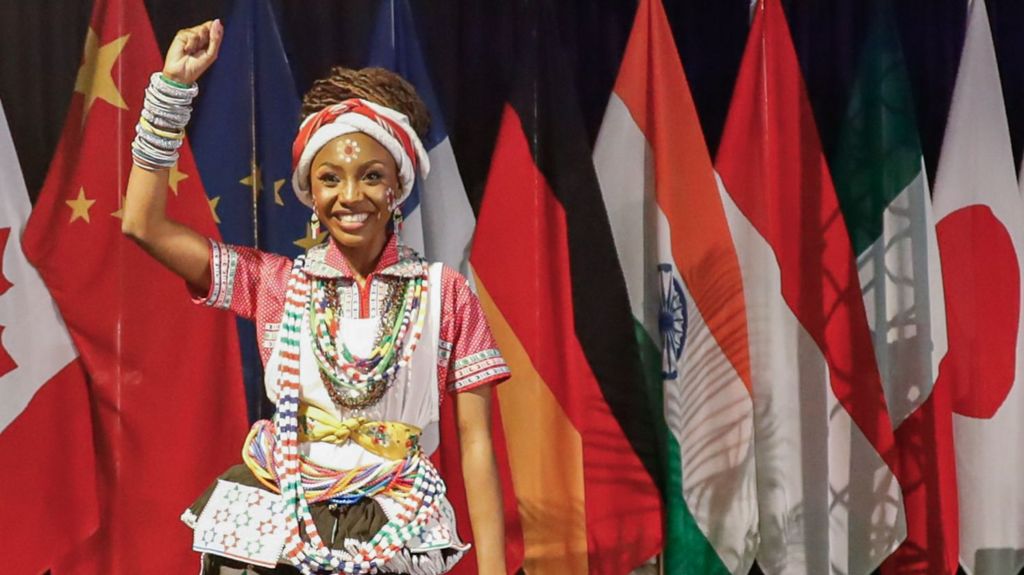
Will Trump’s no-show eclipse South Africa’s G20 moment?
As South Africa assumed the presidency of the G20 last year, it aimed to leverage its position as the first African host to amplify the voices of developing nations. Key issues on the agenda included advocating for reduced borrowing costs for poorer countries, securing climate change financing, and enhancing African participation in global forums. However, the summit has been overshadowed by the absence of the United States, following President Donald Trump’s controversial decision not to attend, citing unfounded claims of white minority persecution in South Africa. This move has further strained US-South Africa relations, which have been tense over the past year due to diplomatic expulsions, aid cuts, and trade tariffs. Despite these challenges, South Africa has maintained a diplomatic stance, denying the allegations and proceeding with the summit. In a last-minute shift, the US announced it would send a small diplomatic team to the handover ceremony but would not participate in discussions. Experts, such as Professor Richard Calland from the Cambridge Institute for Sustainability Leadership, suggest that the US absence might create space for other nations to forge consensus and push for reforms. South African officials, including Finance Minister Enoch Godongwana and Foreign Minister Ronald Lamola, have emphasized the country’s commitment to the G20 process, regardless of US participation. The summit also saw the absence of other leaders, including China’s Xi Jinping and Russia’s Vladimir Putin, but their countries sent senior delegations. South Africa’s presidency aims to bridge the developmental divide between the global north and south, focusing on equity, sustainability, and shared prosperity. The summit’s success will be measured by its ability to issue a joint declaration, demonstrating that global consensus can be achieved even without the participation of the world’s most powerful nation.
-
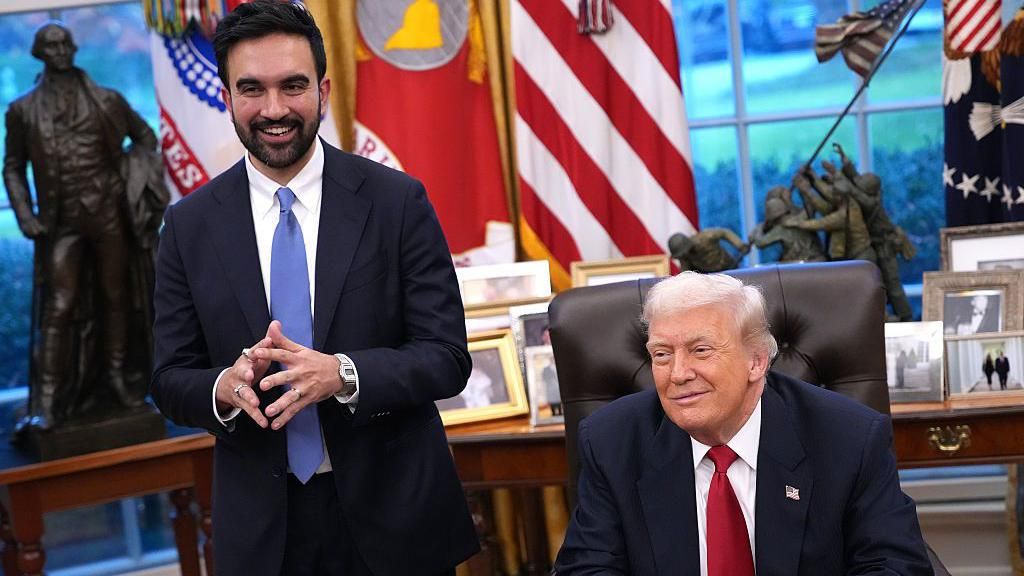
‘I’ll be cheering for him’: Takeaways from Trump and Mamdani’s surprisingly cordial meeting
In an unexpected turn of events, former U.S. President Donald Trump and New York City’s newly elected Mayor Zohran Mamdani shared a surprisingly amicable meeting at the White House. Despite their previous political clashes, the two leaders emphasized their shared commitment to addressing New York City’s affordability crisis. Trump, who had previously labeled Mamdani a ‘communist,’ praised the mayor-elect, expressing confidence in his ability to lead effectively. Mamdani, a self-described Democratic socialist who had called Trump a ‘despot,’ reciprocated the conciliatory tone, focusing on their mutual goal of tackling the city’s cost-of-living issues. The meeting, which took place in the Oval Office, showcased relaxed body language and frequent smiles, signaling a potential truce between the two New Yorkers. However, political observers remain skeptical about the longevity of this newfound harmony, especially given their differing views on key issues such as immigration and federal enforcement. As both leaders navigate their respective political landscapes, the meeting serves as a reminder of the complexities and unpredictability of political alliances.