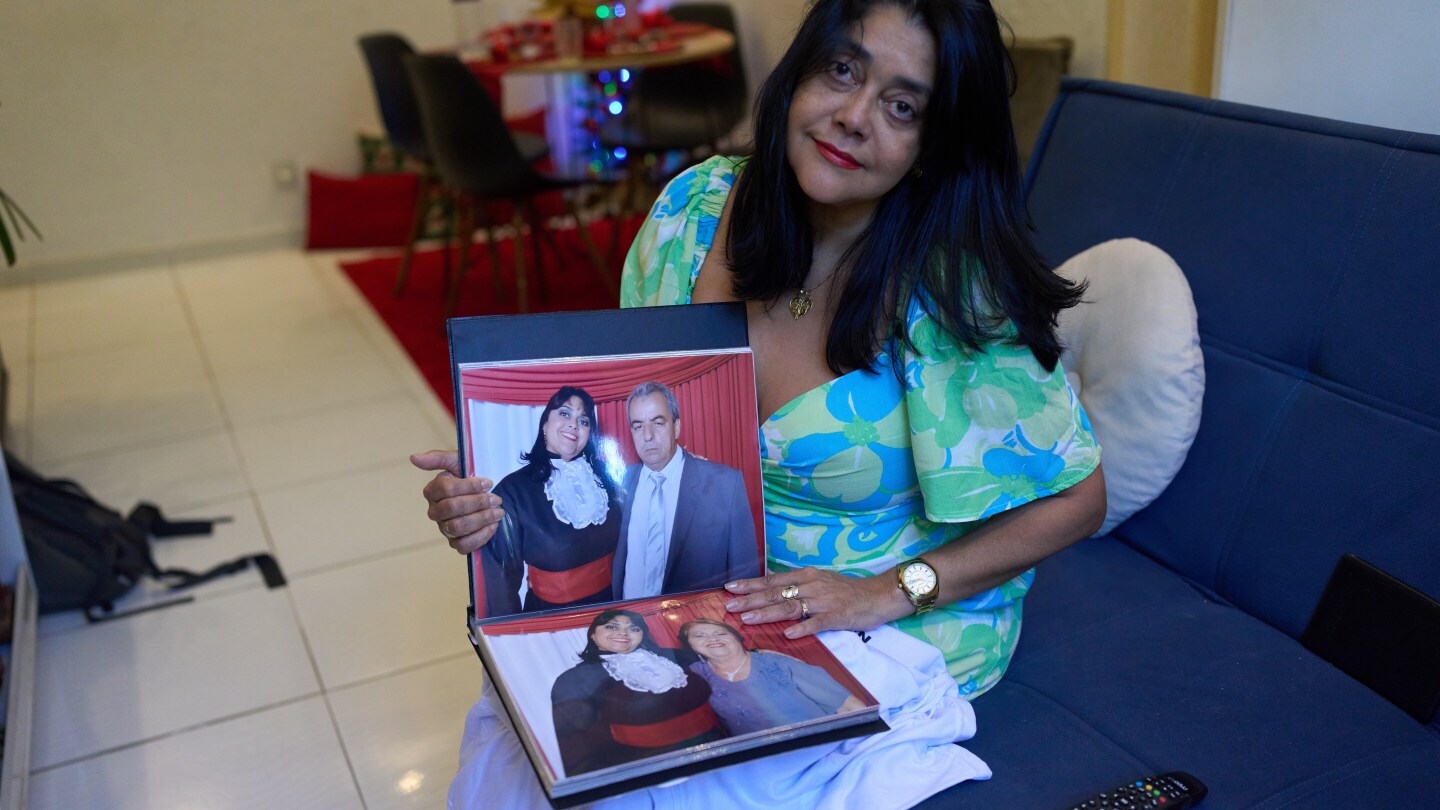
In a dramatic turn of events, Brazil’s Supreme Court has ordered the preemptive arrest of former President Jair Bolsonaro, who faces a 27-year prison sentence for attempting a coup following his 2022 election loss to Luiz Inácio Lula da Silva. The arrest has sparked mixed reactions across the nation, particularly among families who lost loved ones to COVID-19, a crisis many blame on Bolsonaro’s handling of the pandemic. Simone Guimarães, a retired teacher from Rio de Janeiro, lost five relatives to the virus, including her husband and sister. She views Bolsonaro’s arrest as a small step toward justice, though it does little to address the grief of those who suffered under his administration. Social media was flooded with tributes to COVID-19 victims, echoing similar sentiments expressed when Bolsonaro was convicted in September. Critics argue that while his conviction for coup-related crimes offers some vindication, it fails to hold him accountable for the pandemic’s devastating toll. Diego Orsi, a translator from São Paulo, likened the situation to the Nuremberg trials, where Nazis were convicted for invasion rather than genocide. Bolsonaro’s denialist stance during the pandemic, including mocking patients and delaying vaccine rollouts, alienated many Brazilians and contributed to his electoral defeat. Epidemiologists estimate that 80% of Brazil’s 700,000 COVID-19 deaths could have been prevented with better leadership. As Bolsonaro’s legal battles continue, the nation remains deeply divided, with his arrest marking a pivotal moment in Brazil’s political landscape.
分类: politics
-
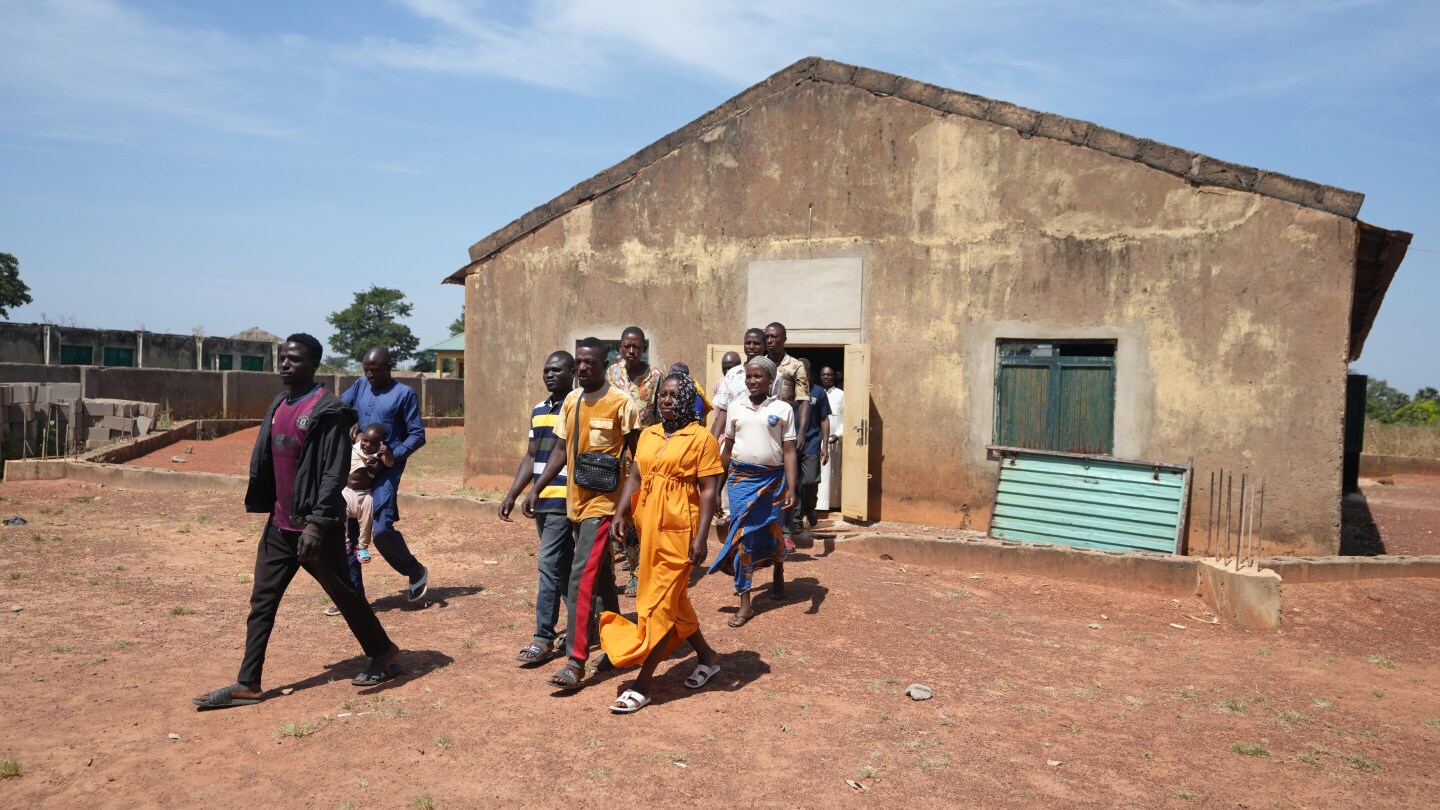
US signals broader efforts to protect Nigeria’s Christians following Trump’s military threat
The Trump administration is intensifying its efforts to collaborate with Nigeria’s government to address violence against Christians, signaling a multifaceted approach that goes beyond potential military intervention. This strategy includes diplomatic measures, intelligence sharing, and assistance programs, as highlighted by a State Department official. Defense Secretary Pete Hegseth recently met with Nigeria’s national security adviser to discuss solutions, emphasizing cooperation over unilateral action. This contrasts with President Trump’s earlier threats to halt all U.S. assistance if Nigeria fails to curb the violence. The administration’s approach aligns with Trump’s broader pledge to reduce foreign military engagements, even as the U.S. security presence in Africa has diminished. However, experts caution that Nigeria’s complex security challenges, involving militant groups like Boko Haram, farmer-herder conflicts, and armed banditry, require long-term solutions beyond military strikes. The Nigerian government has rejected unilateral intervention but welcomes collaborative efforts. Analysts stress that addressing the root causes of violence, such as economic disparities and interfaith tensions, is crucial for sustainable peace. The U.S. faces logistical challenges in mobilizing resources for potential intervention, given the reduced military footprint in the region. While the administration explores options, including sanctions and economic partnerships, the effectiveness of military action remains uncertain. The situation underscores the need for a comprehensive, coordinated strategy to address Nigeria’s multifaceted security crisis.
-
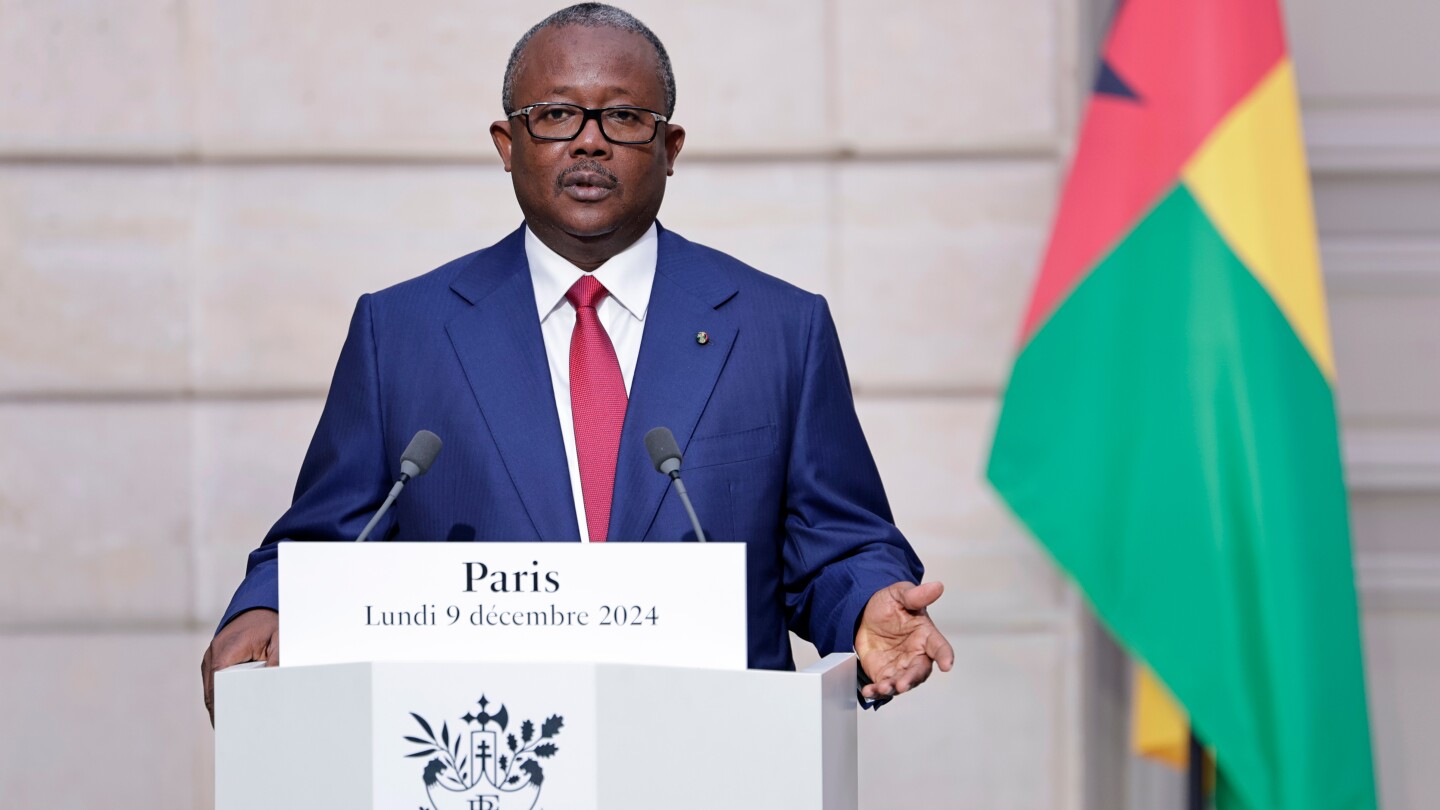
Guinea-Bissau’s president seeks second term in close race marked by tensions
Guinea-Bissau is set to hold a pivotal presidential election on Sunday, with incumbent President Umaro Sissoco Embalo vying for a second term. If successful, Embalo would become the first leader in the nation’s history to secure consecutive terms. The election unfolds against a backdrop of heightened political and ethnic tensions, compounded by the exclusion of the main opposition party, the African Party for the Independence of Guinea and Cape Verde (PAIGC), led by former Prime Minister Domingos Simoes Pereira. Pereira was barred from the race after authorities claimed his party failed to submit its application on time. The election is widely regarded as one of the most contentious in recent history, with analysts warning of potential instability. Nearly half of the country’s 2.2 million population is registered to vote, and a runoff will be held if no candidate secures more than 50% of the votes. Embalo, a 53-year-old former army general backed by a coalition of over 20 political groups, faces stiff competition from 11 other candidates, including Fernando Dias da Costa, a 47-year-old relatively unknown figure supported by Pereira. The election comes at a critical juncture for Guinea-Bissau, one of the world’s poorest nations, which has struggled with coups, drug trafficking, and economic hardship since gaining independence from Portugal over five decades ago. Embalo’s campaign has focused on infrastructure development, while Dias has pledged to prioritize stability, freedoms, and security. The opposition has accused Embalo of authoritarianism and human rights violations, further fueling the political divide. The vote also follows a recent coup attempt in October and a prolonged legitimacy crisis surrounding Embalo’s tenure. Political analyst Augusto Nansambe lamented the erosion of democratic norms, stating, ‘The democracy we knew … is no longer the model we are experiencing; we are experiencing a model defined by a single person.’ Despite the challenges, some residents remain hopeful that the election will bring peace and prosperity to the nation. ‘I hope that these elections will bring peace and tranquility so that there is no more hunger,’ said Marinho Insoldé, a resident of the capital, Bissau.
-
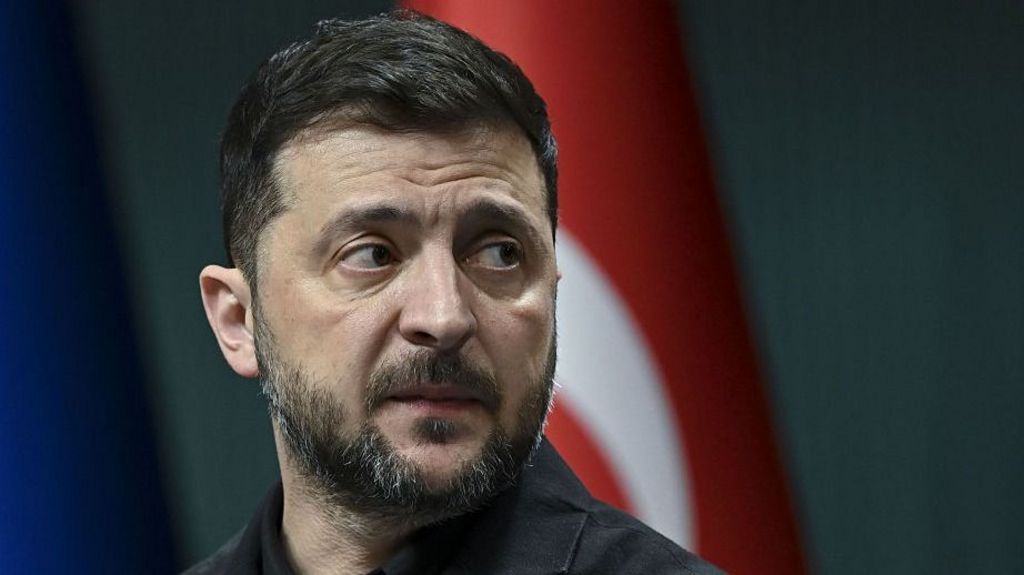
US insists it authored Ukraine peace plan ahead of talks on ending war
A proposed peace plan to end the Ukraine war, allegedly authored by the United States, has ignited significant debate and resistance from Ukraine’s allies. US Secretary of State Marco Rubio emphasized that the draft, which includes provisions favorable to Russia, was developed with input from both Russia and Ukraine. However, Republican Senator Mike Rounds contradicted this, stating that Rubio had informed lawmakers the plan was not US policy but rather a Russian proposal. The State Department swiftly denied Rounds’ claims, asserting that the proposal was indeed crafted by the US. The plan, which remains undisclosed but has been widely leaked, includes controversial measures such as Ukraine withdrawing troops from eastern regions and limiting its armed forces. Ukrainian President Volodymyr Zelensky has warned of the plan’s potential to leave Ukraine vulnerable, while Russian President Vladimir Putin suggested it could form the basis of an agreement. The proposal has faced strong opposition from European leaders, including France and Germany, who argue it undermines Ukraine’s security. US President Donald Trump, who has prioritized ending the conflict, clarified that the plan is not a final offer and extended the deadline for Ukraine’s approval. As negotiations continue in Geneva, the international community remains divided over the plan’s feasibility and implications for lasting peace.
-
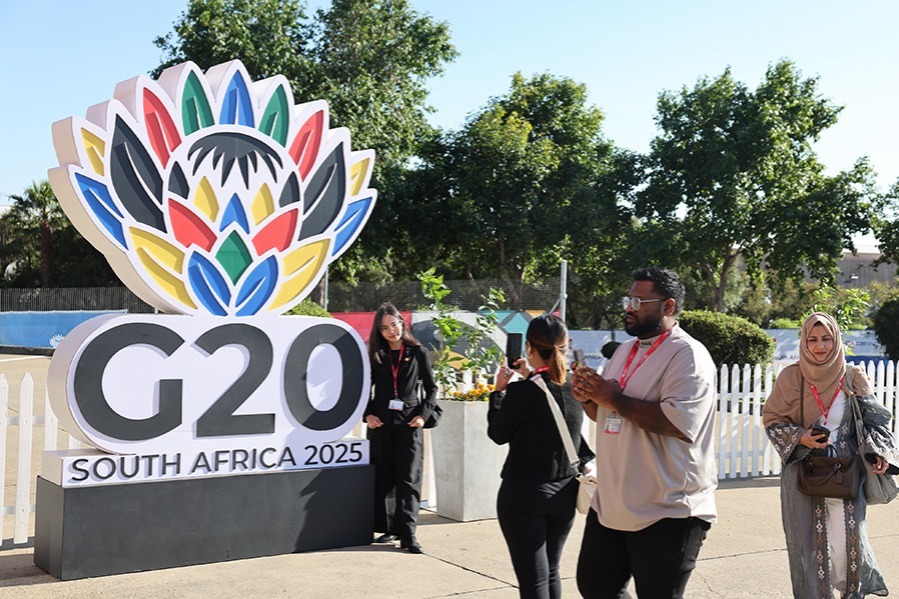
G20 Johannesburg summit calls for improving global governance
The 20th Group of 20 (G20) Summit commenced in Johannesburg on Saturday, marking a historic moment as the first G20 summit held on African soil. Under the theme ‘Solidarity, Equality, and Sustainability,’ the two-day event underscored Africa’s growing influence in global governance and its alignment with the development priorities of the Global South. The summit concluded with the adoption of the ‘G20 South Africa Summit: Leaders’ Declaration,’ which emphasized the need for more equitable global governance and reinforced the commitment to multilateralism, with the United Nations at its core. The declaration highlighted peace as a cornerstone for sustainable economic development and stressed the importance of international cooperation in addressing pressing global challenges, including economic inequality and instability. G20 leaders also acknowledged the urgent need to ramp up global investments to meet the climate goals outlined in the Paris Agreement, calling for a significant increase in climate finance from billions to trillions of dollars. The declaration further emphasized the alignment of financial flows with climate objectives, alongside scaling up finance, capacity building, and technology transfer, particularly for developing countries. Additionally, the leaders reaffirmed their commitment to the swift implementation of the Kunming-Montreal Global Biodiversity Framework and celebrated the 30th anniversary of the Beijing Declaration and Platform for Action, pledging to accelerate its full implementation. South Africa, which assumed the G20 presidency on December 1, 2024, became the first African nation to hold this prestigious role, with the United States set to take over on December 1, 2025.
-
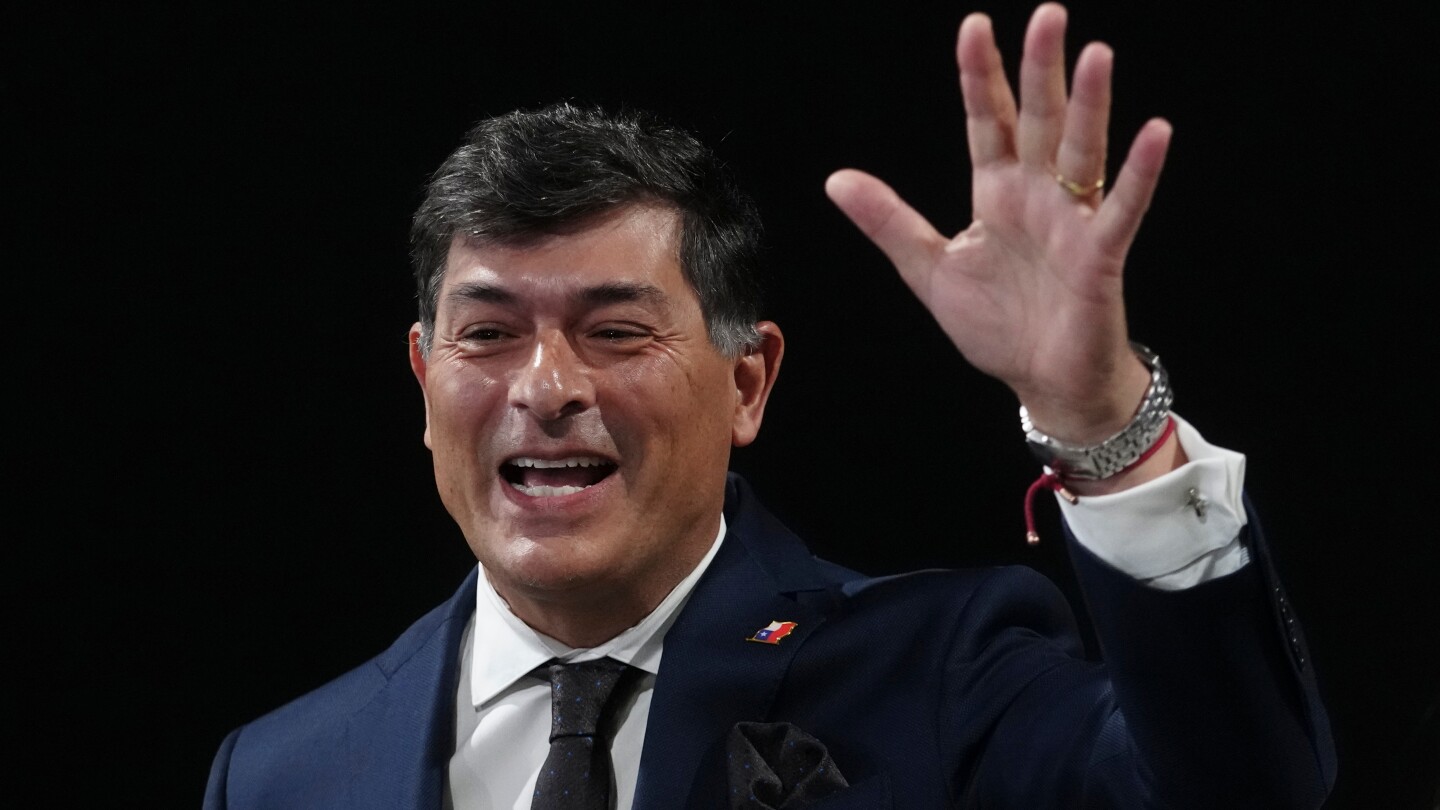
Chile’s power broker says he won’t endorse communist or far-right rival for president
SANTIAGO, Chile — Franco Parisi, the populist economist who secured a surprising third place in Chile’s recent presidential election, has become the focal point of intense political maneuvering. With the December 14 runoff election approaching, both left-wing government officials and right-wing opposition leaders are vying for his support to sway the crucial 20% of voters who backed him. However, Parisi remains resolute in his refusal to endorse either Communist candidate Jeannette Jara or hard-right contender José Antonio Kast, citing a lack of trust in their ideological approaches.
-

North Dakota court upholds near-total abortion ban
In a landmark decision, North Dakota’s state Supreme Court has upheld a stringent law that criminalizes abortion, classifying it as a felony offense. This ruling overturns a previous lower court decision that had temporarily halted the implementation of the law. The court’s decision, issued on Friday, saw three out of five justices deem the law invalid, but it required the support of four justices to nullify it entirely. Consequently, the law remains in effect, imposing severe penalties, including up to five years in prison and a $10,000 fine for violators. This development aligns North Dakota with 12 other states that have enacted total abortion bans following the US Supreme Court’s 2022 decision to overturn the federal right to abortion, thereby delegating regulatory authority to individual states. The law was challenged by an abortion clinic in the state, which argued against its enforcement during ongoing legal proceedings. While the law includes exceptions for cases where the mother’s life is at risk, it restricts abortions for rape and incest victims to the first six weeks of pregnancy—a timeframe critics argue is often before many women realize they are pregnant. The court’s ruling emphasized that the state constitution does not guarantee a right to abortion and that the law provides sufficient notice to those seeking to comply. North Dakota Republican Attorney Drew Wrigley lauded the decision, stating that the high court has upheld crucial pro-life legislation enacted by the state’s legislature. The Red River Women’s Clinic, North Dakota’s last abortion provider before relocating to Minnesota in 2022, has yet to respond to the ruling. This decision underscores the ongoing and deeply polarized national debate over abortion rights in the United States.
-
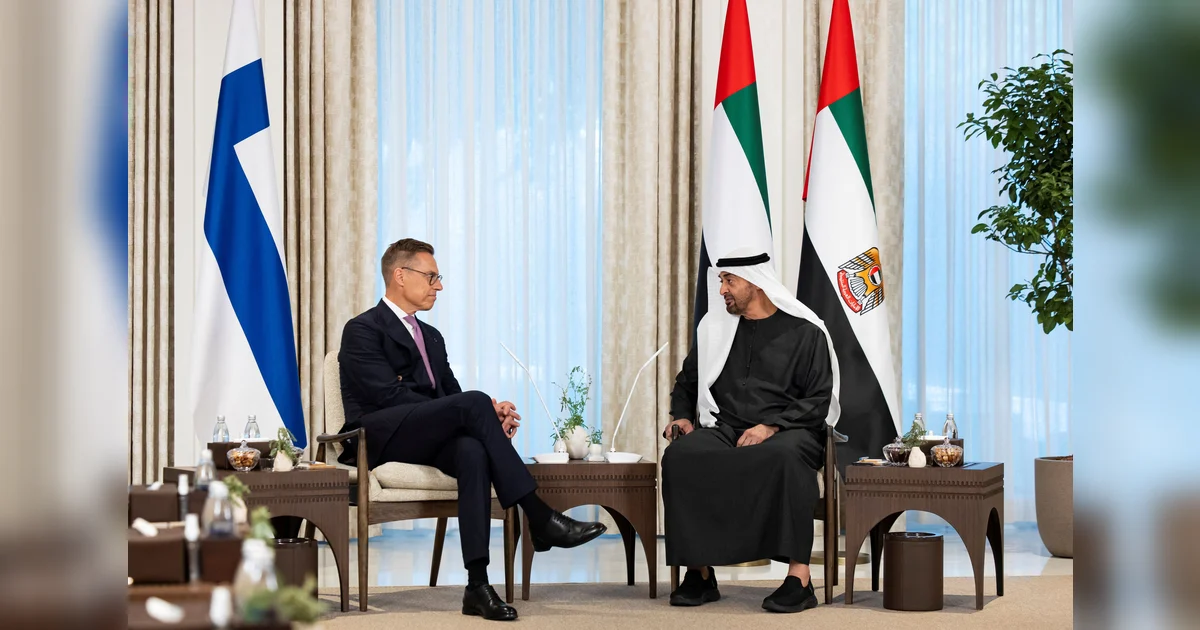
UAE President welcomes Finnish counterpart in Abu Dhabi; joint statement issued
In a landmark meeting in Abu Dhabi, UAE President Sheikh Mohamed bin Zayed welcomed Finnish President Sauli Niinistö, marking a significant step in bolstering bilateral relations between the two nations. The visit, which coincided with the 50th anniversary of diplomatic ties established in February 2025, underscored a shared commitment to advancing cooperation across multiple sectors, including renewable energy, artificial intelligence, digital transformation, and space exploration. Both leaders emphasized the importance of sustainable development and the green transition, highlighting Finland’s expertise in microsatellites and the UAE’s growing capabilities in space technology. They also discussed expanding trade and investment flows, with a focus on clean energy, sustainable finance, and the circular economy. The meeting also addressed global challenges, including climate action, women’s rights, and international peace. The leaders reaffirmed their commitment to addressing extremism, promoting tolerance, and supporting peace initiatives in regions such as Ukraine, Sudan, and Gaza. The visit concluded with a joint statement outlining a forward-looking agenda for the UAE-Finland partnership, aimed at fostering peace, stability, and sustainable prosperity.
-
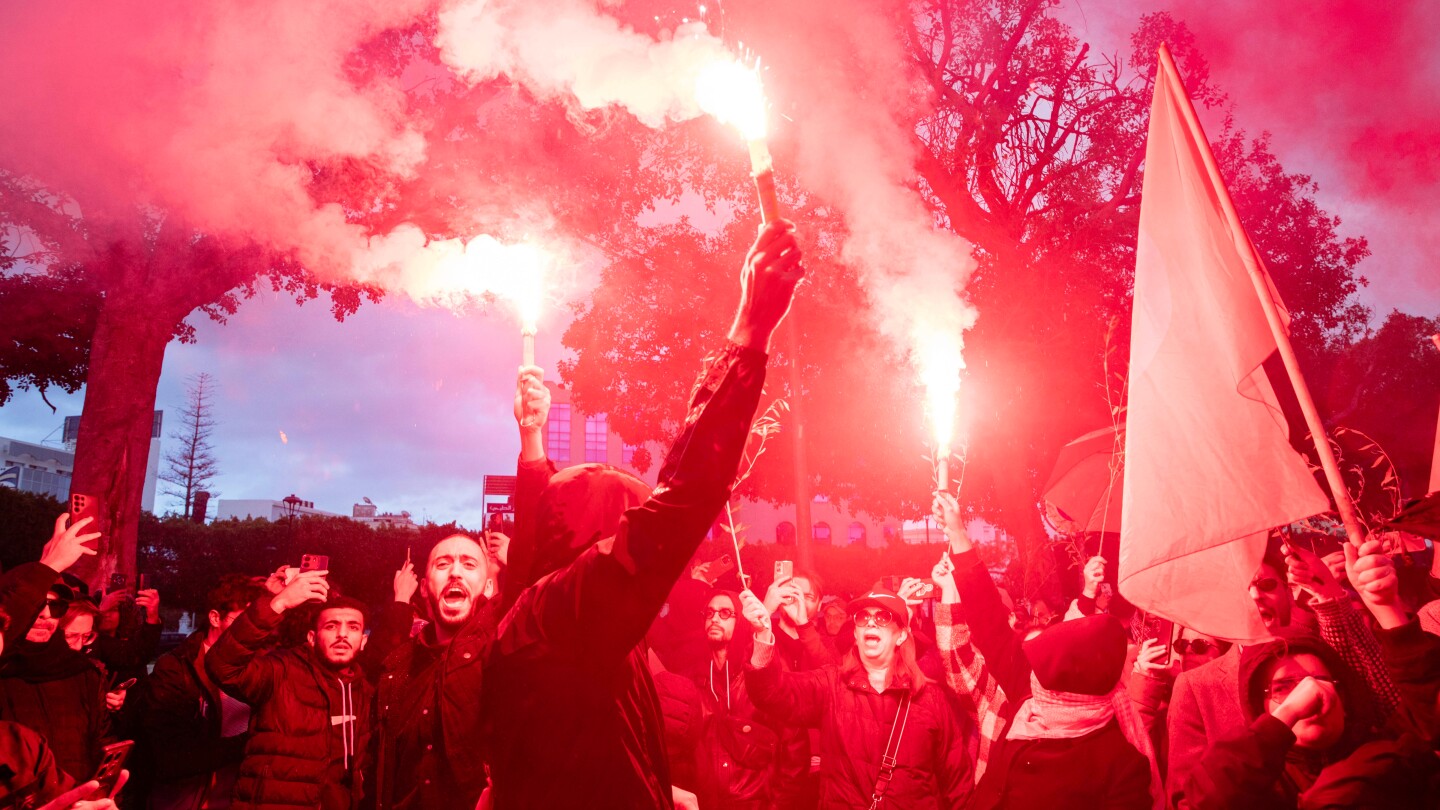
Hundreds protest in Tunisia over president’s escalating crackdown on freedoms
In a powerful display of dissent, thousands of Tunisians flooded the streets of downtown Tunis on Saturday to protest against President Kais Saied’s increasingly authoritarian governance. The rally, organized under the slogan “Against Injustice,” united families of political detainees, activists, and citizens from diverse ideological backgrounds. Over 1,000 demonstrators, some clad in black, chanted slogans such as “The people want to overthrow the regime,” “What a great country! Oppression and tyranny!” and “No fear no terror, the street belongs to the people.” The protest reflects a broader wave of unrest across Tunisia, fueled by political repression and economic instability under Saied’s rule. Earlier in the week, journalists staged demonstrations against the government’s crackdown on press freedom and the suspension of prominent civil society organizations. Protesters also condemned Saied’s interference in the judiciary and accused him of using law enforcement to target political opponents. Ayoub Amara, one of the protest organizers, emphasized the rally’s dual focus: highlighting the plight of political prisoners and addressing broader grievances, including environmental protests in Gabes and arbitrary arrests under anti-terrorism laws. Monia Brahim, the wife of jailed opposition figure Abdelhamid Jlassi, joined the march, stating, “Many Tunisians are facing deep injustice.” She asserted that political prisoners are being held hostage for their principles and activism. Among the detainees is constitutional law professor Jawher Ben Mbarek, who has been on a hunger strike for over 20 days. Human Rights Watch has raised alarms over the escalating repression, noting that over 50 individuals, including politicians, lawyers, journalists, and activists, have been arbitrarily arrested or prosecuted since late 2022. The rights group criticized the misuse of anti-terrorism and cybercrime laws to suppress dissent. Saied, who suspended parliament and centralized power in July 2021, claims his actions are necessary to combat corruption and restore state institutions. However, critics argue that his measures have undermined Tunisia’s democratic progress since the 2011 revolution.
-
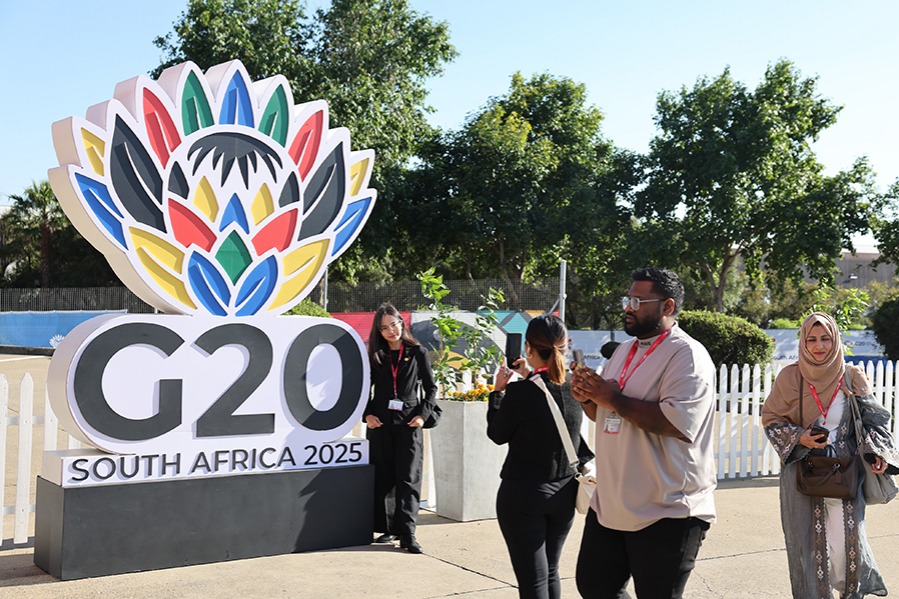
G20 summit shows signs of consensus
The inaugural G20 Leaders’ Summit in Africa commenced in Johannesburg on November 22, 2025, under the theme ‘Solidarity, Equality, Sustainability.’ Hosted by South Africa, the summit brought together over 40 heads of state to address pressing global issues, including inclusive growth, debt relief for developing nations, and equitable energy transitions. South African President Cyril Ramaphosa emphasized the urgency of bridging economic, gender, racial, and geographic divides, stating that such disparities are unsustainable and hinder global progress. He highlighted the adoption of a joint declaration as a testament to the efficacy of multilateralism, calling it a ‘message of hope and solidarity.’ Ramaphosa also underscored the need for reforms in the global financial architecture to tackle emerging challenges, such as climate-driven disasters and debt sustainability for low-income countries. The summit prioritized mobilizing finance for a just energy transition, leveraging critical minerals for inclusive growth, and advancing the United Nations Sustainable Development Goals by 2030. Ramaphosa warned that escalating geopolitical tensions, global warming, pandemics, and inequality threaten humanity’s shared future, particularly for nations unable to recover from climate-induced disasters. He urged the global community to scale up post-disaster reconstruction efforts and protect the G20’s integrity, emphasizing that the Johannesburg summit must strengthen the forum’s credibility.