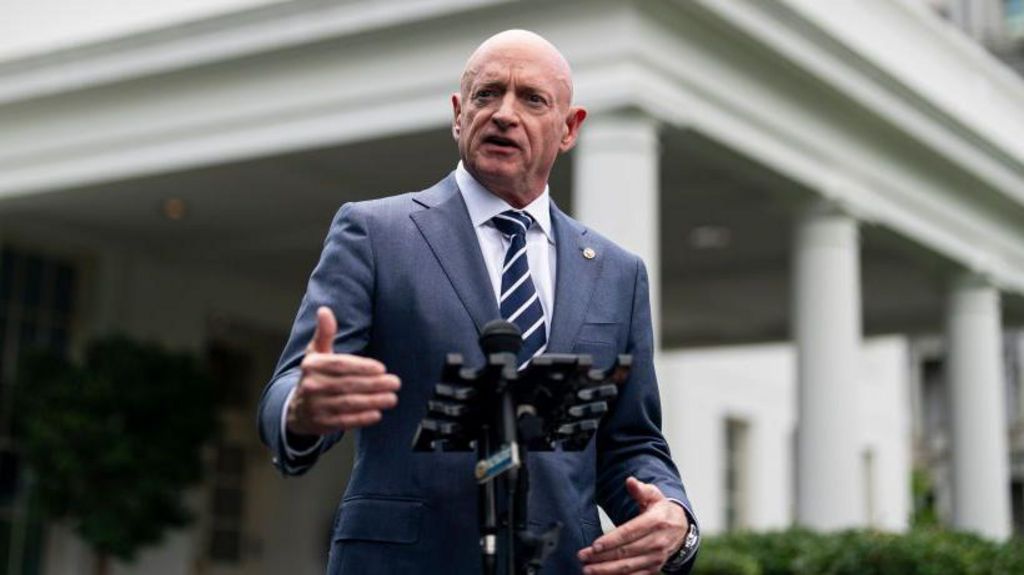
The Pentagon has initiated an investigation into Democratic Senator Mark Kelly, citing ‘serious allegations of misconduct.’ The announcement, made via the Department of War’s social media account, did not specify the nature of the allegations but emphasized the legal obligations of service members under the Uniform Code of Military Justice (UCMJ). Kelly, a retired US Navy captain and former NASA astronaut, recently joined five other Democratic lawmakers in urging service members to refuse unlawful orders. The Pentagon’s statement underscored that orders are presumed lawful unless proven otherwise. Kelly responded defiantly on social media, asserting that the investigation would not deter him from fulfilling his congressional duties. He highlighted his extensive service to the nation, including his combat experience during the Gulf War and his NASA missions, and accused the administration of prioritizing power over constitutional principles. Despite his retirement, Kelly remains subject to the UCMJ, which allows the military to recall retirees for offenses that undermine military discipline. The Pentagon hinted at potential further actions, including a recall to active duty for court-martial or administrative measures.
分类: politics
-
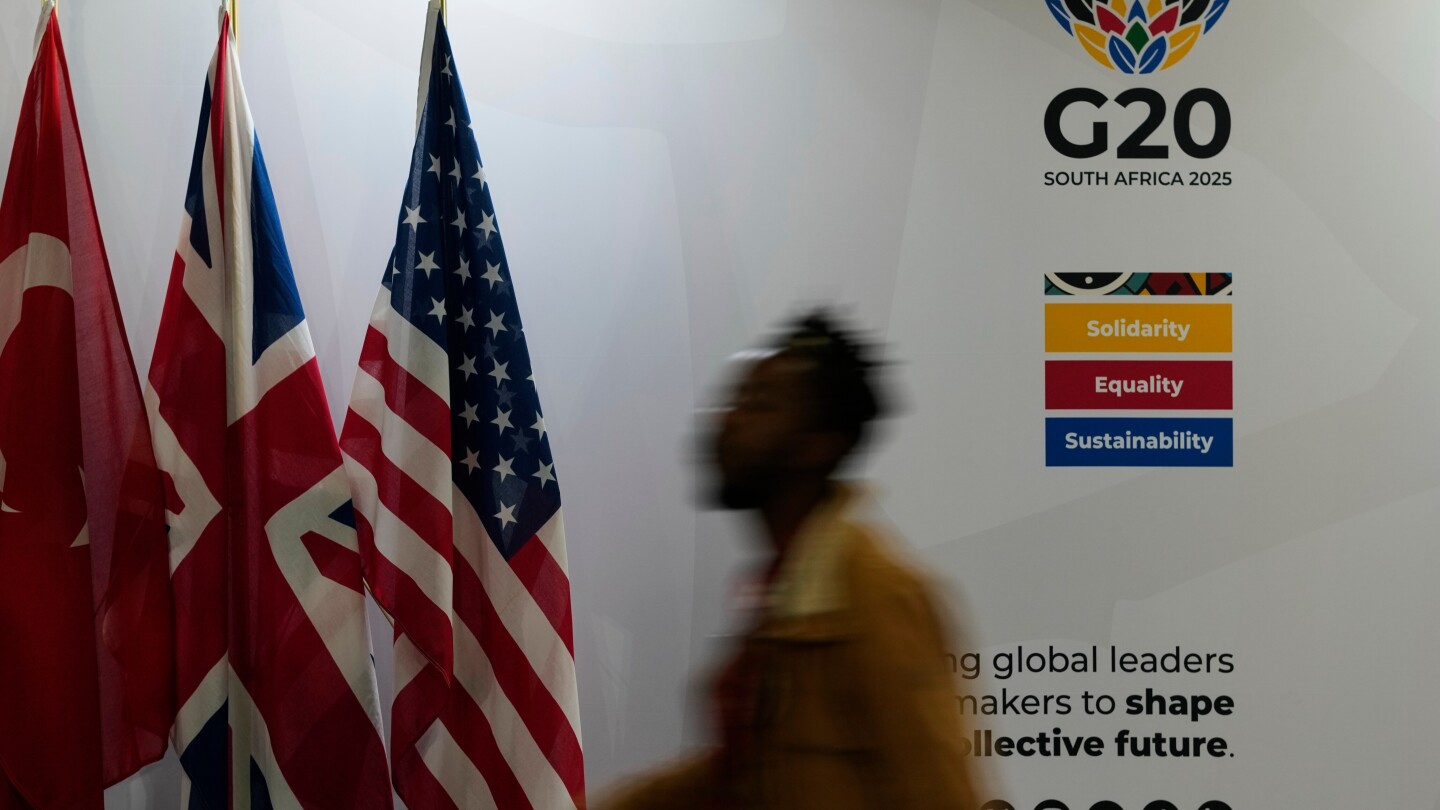
Takeaways from the first G20 summit in Africa and a look ahead to the next one at Trump’s golf club
The inaugural Group of 20 (G20) summit held in Africa concluded on Sunday, marking a historic shift by placing the concerns of developing nations at the forefront of the bloc’s agenda. Hosted by South Africa, the summit culminated in a declaration signed by some of the world’s wealthiest and emerging economies, committing to address critical issues affecting poorer countries. These include the disproportionate impact of climate change, escalating debt burdens, and the urgent need for equitable access to green energy transitions. However, the United States, a founding G20 member and the world’s largest economy, notably boycotted the event, refusing to endorse the declaration. The Trump administration has openly criticized South Africa’s agenda, particularly its focus on climate change. With the U.S. assuming the G20 presidency immediately after the summit, the long-term implications of the Johannesburg declaration remain uncertain. The 122-point declaration, while non-binding, signals a consensus among participating nations to mobilize public and private financing to aid developing countries in recovering from climate-related disasters. Africa, which contributes only 2-3% of global emissions, faces some of the most severe consequences of climate change, as evidenced by recent devastating cyclones in Mozambique, Malawi, and Zimbabwe. Leaders from developing nations, including Sierra Leone’s President Julius Maada Bio, highlighted the unfair borrowing conditions they face, with interest rates up to eight times higher than those for wealthier countries. Despite the summit’s achievements, questions linger about the G20’s effectiveness in addressing global crises, such as the war in Ukraine and the Sudanese civil war, which received minimal attention in the declaration. The summit concluded with an awkward moment as South African President Cyril Ramaphosa handed over the symbolic G20 gavel to Brazil’s President Luiz Inácio Lula da Silva, as no U.S. representative was present due to the boycott. The U.S. had proposed sending a junior embassy official, which South Africa deemed disrespectful. Looking ahead, the G20’s trajectory under U.S. leadership appears starkly different, with the Trump administration criticizing South Africa’s inclusive approach and suggesting a return to a more streamlined G20 framework. The summit’s outcomes underscore the growing divide between developed and developing nations, as well as the challenges of fostering global cooperation in an increasingly polarized world.
-
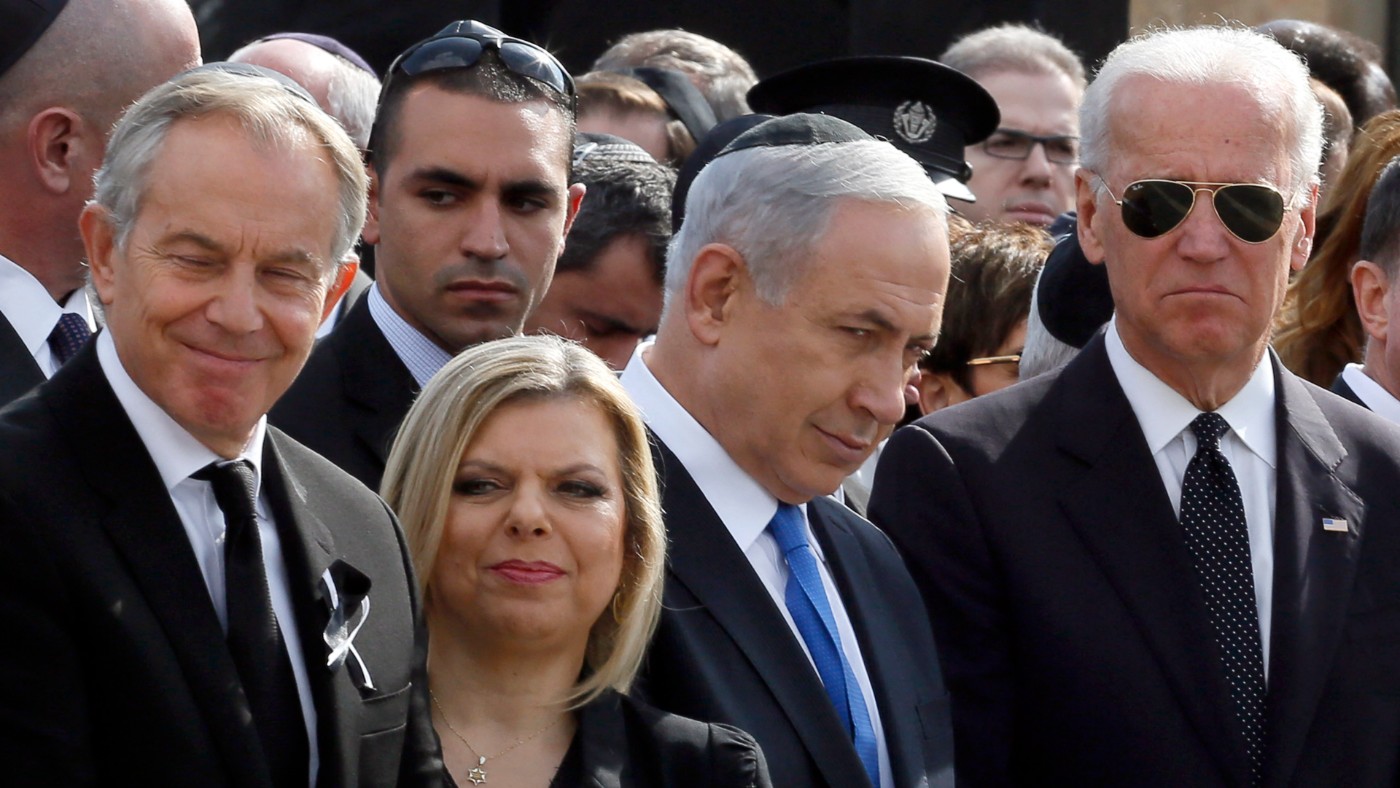
Netanyahu diary reveals close contact with Tony Blair and US senators
Israeli Prime Minister Benjamin Netanyahu’s 2024 diary, recently disclosed by the non-profit organization Hatzlaha, has shed light on his extensive interactions with prominent international figures, including US Republican Senator Lindsay Graham and former British Prime Minister Tony Blair. The diary, partially redacted for national security reasons, reveals seven in-person meetings and nine phone calls with Senator Graham, alongside seven meetings with Blair. Notably, on October 29, 2024, Netanyahu engaged in an unreported conversation with UAE President Mohammed Bin Zayed. These interactions occurred during a period of heightened tensions between Israel and the Biden administration over Israel’s military actions in Gaza, which have been widely condemned as genocide. According to Haaretz, Graham actively sought to secure additional weaponry for Israel and undermine an International Criminal Court (ICC) arrest warrant against Netanyahu. In May 2024, following a phone call with Netanyahu, Graham criticized the US government’s decision to delay arms sales to Israel, labeling it “obscene” and urging unconditional support. He also advocated for sanctions against the ICC, accusing it of bias against Israel. Meanwhile, the UN Security Council’s Resolution 2803, approved in late 2024, granted former US President Donald Trump supreme control over Gaza, with Blair playing a key role in its implementation. International law expert Ralph Wilde criticized the resolution as a colonial-style trusteeship that violates Palestinian self-determination rights.
-
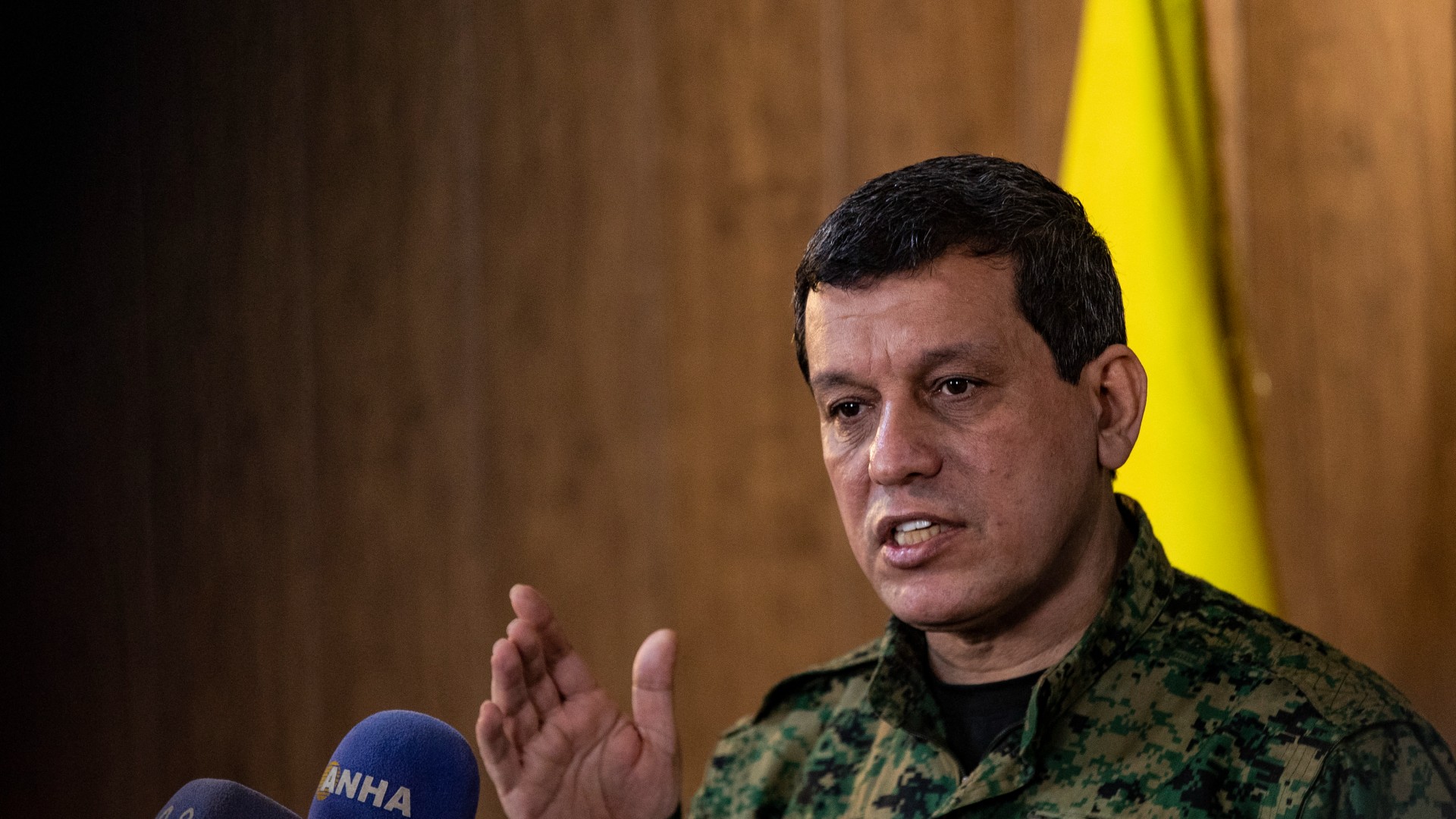
Syrian Kurdish commander wants to visit Turkey and meet Ocalan
Mazloum Abdi, the commander of the Kurdish-led Syrian Democratic Forces (SDF), has expressed his desire to visit Turkey and meet Abdullah Ocalan, the imprisoned founder of the Kurdistan Workers’ Party (PKK). In an interview with a Turkish news agency, Abdi emphasized the SDF’s support for ongoing peace talks between Turkey and the PKK, which announced its dissolution earlier this year to facilitate peace efforts. Turkey, however, views the US-backed SDF as a Syrian branch of the PKK and has designated Abdi and other SDF leaders as terrorists. Despite this, Turkey has been engaging in talks with Ocalan since last year, aiming to resolve the decades-long conflict through political amnesty and reforms to strengthen Kurdish cultural rights. Abdi stated that a meeting with Ocalan would positively contribute to resolving issues in northeastern Syria and advancing the peace process. He also acknowledged the direct impact of Turkey’s peace efforts on northeastern Syria, where Kurdish authorities have maintained control for the past decade. Abdi highlighted the current ceasefire with the Turkish army, attributing it to the ongoing peace process. He revealed that he received a message from Ocalan last year and stressed that certain issues, such as the presence of PKK fighters within the SDF, require Ocalan’s personal involvement. Abdi also discussed his meetings with the Syrian government and US officials, noting tentative agreements on military matters but emphasizing that Kurdish rights and governance structures must be clearly defined in Syria’s new constitution for a comprehensive agreement to be achieved. He reiterated the SDF’s preference for a federal system in Syria, focusing on realistic and acceptable solutions for both Damascus and the international community.
-
Carney says trade talks with Trump to resume ‘when it matters’
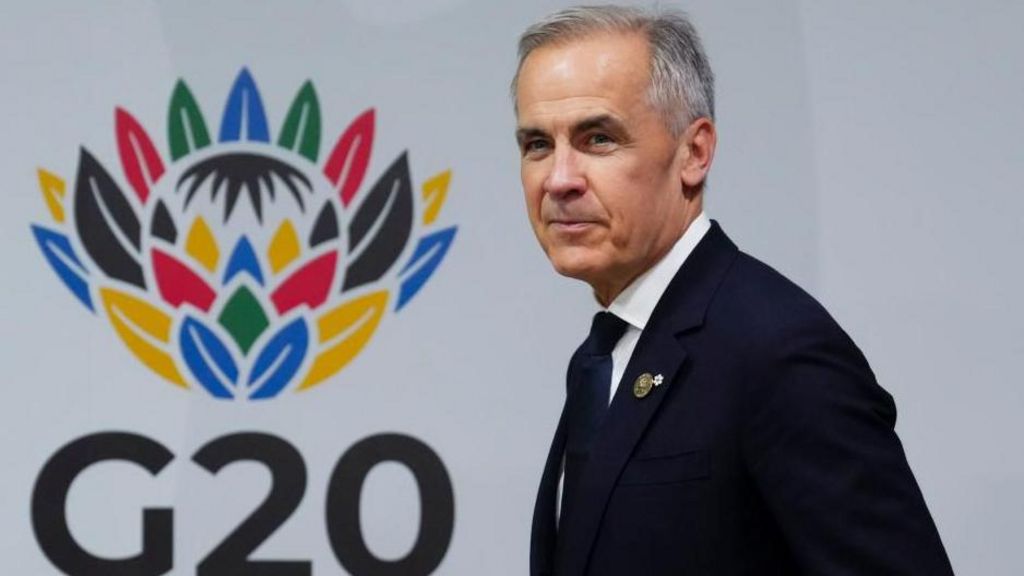
Canadian Prime Minister Mark Carney has downplayed the urgency of resuming trade negotiations with the United States, stating that discussions with President Donald Trump will resume “when it’s appropriate.” Carney dismissed questions about his recent communication with Trump, remarking, “Who cares? It’s a detail. I’ll speak to him again when it matters.” His comments follow a breakdown in trade talks last month, triggered by Trump’s reaction to an anti-tariff advertisement aired by Ontario featuring former U.S. President Ronald Reagan. The ad, which included Reagan’s 1987 radio address criticizing tariffs, was perceived by Trump as a direct challenge to his policies. Despite the tensions, Trump has yet to impose an additional 10% tariff on Canadian imports, as previously threatened. The U.S. has already levied a 35% tariff on most Canadian goods, with sector-specific tariffs reaching 50% on metals and 25% on automobiles. Ottawa is actively seeking to reduce these tariffs. Conservative leader Pierre Poilievre criticized Carney’s approach, arguing that it neglects the urgency for sectors heavily impacted by the levies. With three-quarters of Canada’s exports destined for the U.S., the Canadian economy remains highly vulnerable. In response, Carney has prioritized diversifying Canada’s trade partnerships. Over the weekend, he announced a new agreement with Indian Prime Minister Narendra Modi to begin negotiations on a long-awaited trade deal, signaling a shift in focus. Carney also met with UAE President Sheikh Mohamed bin Zayed Al Nahyan, announcing progress on a critical minerals deal. Both sides expressed optimism about expanding trade in the coming years. However, Carney’s efforts to strengthen ties with countries like India and the UAE have drawn criticism, particularly given allegations of Indian interference in Canadian affairs and the UAE’s alleged involvement in Sudan’s civil war. Carney acknowledged potential friction with India but emphasized its reliability as a trading partner. He also highlighted the UAE’s role in delivering aid to Gaza, though the Sudan conflict remains a point of discussion.
-
Top US military adviser visits Caribbean as Trump ramps up pressure on Venezuela
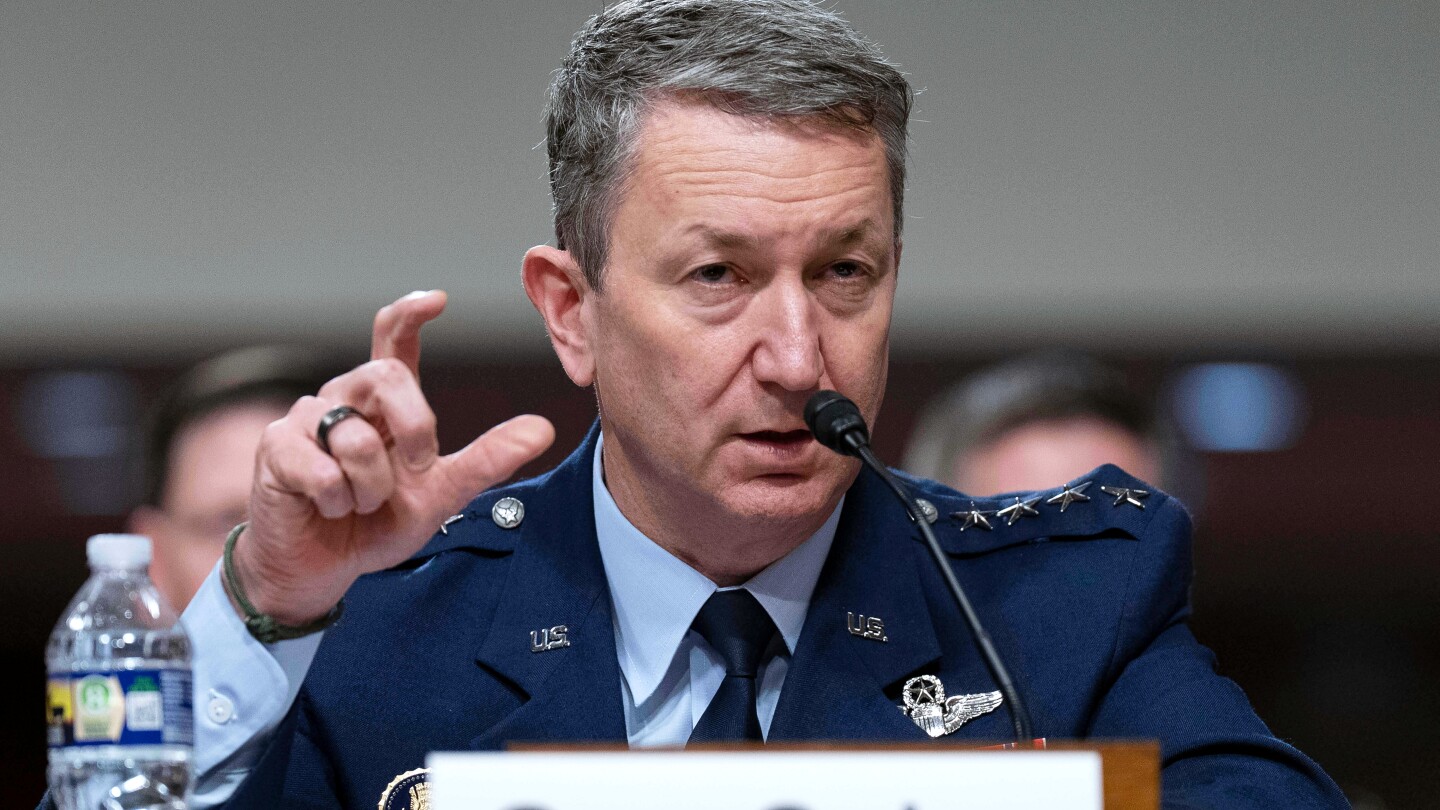
General Dan Caine, the Chairman of the Joint Chiefs of Staff and President Donald Trump’s top military advisor, is visiting U.S. troops in Puerto Rico and aboard a Navy warship in the region. This visit comes as the U.S. has significantly increased its naval presence, deploying an advanced aircraft carrier and conducting operations against alleged drug-smuggling vessels. Caine, accompanied by Senior Enlisted Adviser David L. Isom, aims to engage with service members and commend their contributions to regional missions. This marks Caine’s second visit since the military buildup began, following a September trip with Defense Secretary Pete Hegseth when U.S. Marines arrived for training exercises. The heightened military activity is widely perceived as a strategy to pressure Venezuelan President Nicolás Maduro, whom the Trump administration accuses of facilitating drug trafficking into the U.S. The U.S. has designated the Cartel de los Soles, allegedly led by Maduro, as a foreign terrorist organization, expanding its toolkit for addressing the crisis. However, Hegseth has remained vague about potential military actions, stating that while no options are off the table, none are automatically on it.
-
What you need to know about Venezuela’s Cartel de los Soles
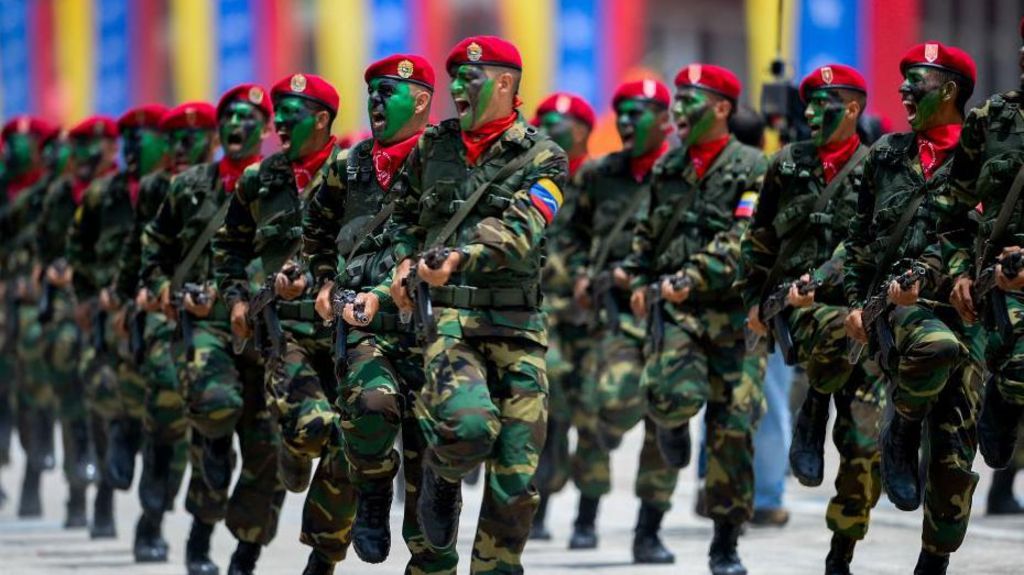
The United States has officially designated the ‘Cartel de los Soles’ (Cartel of the Suns) as a foreign terrorist organization, alleging that it is led by Venezuelan President Nicolás Maduro and senior government officials. This designation grants U.S. law enforcement and military agencies expanded powers to target and dismantle the group. The move is part of escalating U.S. pressure on Maduro, whose government has been deemed illegitimate following last year’s widely disputed election. Venezuela’s foreign ministry has vehemently denied the allegations, calling them a ‘ridiculous lie,’ while Interior Minister Diosdado Cabello dismissed the cartel as an ‘invention.’ The term ‘Cartel de los Soles’ originated in the early 1990s, referring to Venezuelan military officials allegedly involved in drug trafficking, symbolized by the sun-shaped insignia on their uniforms. Experts suggest the cartel lacks a formal structure, instead representing a widespread system of corruption fueled by Venezuela’s economic crisis. The U.S. has accused Maduro and other high-ranking officials of conspiring with Colombian armed groups to traffic cocaine, offering substantial rewards for information leading to their capture. Venezuela has consistently rejected these claims, framing them as a pretext for U.S. intervention.
-
Poland’s foreign minister summons Israeli ambassador over Yad Vashem post
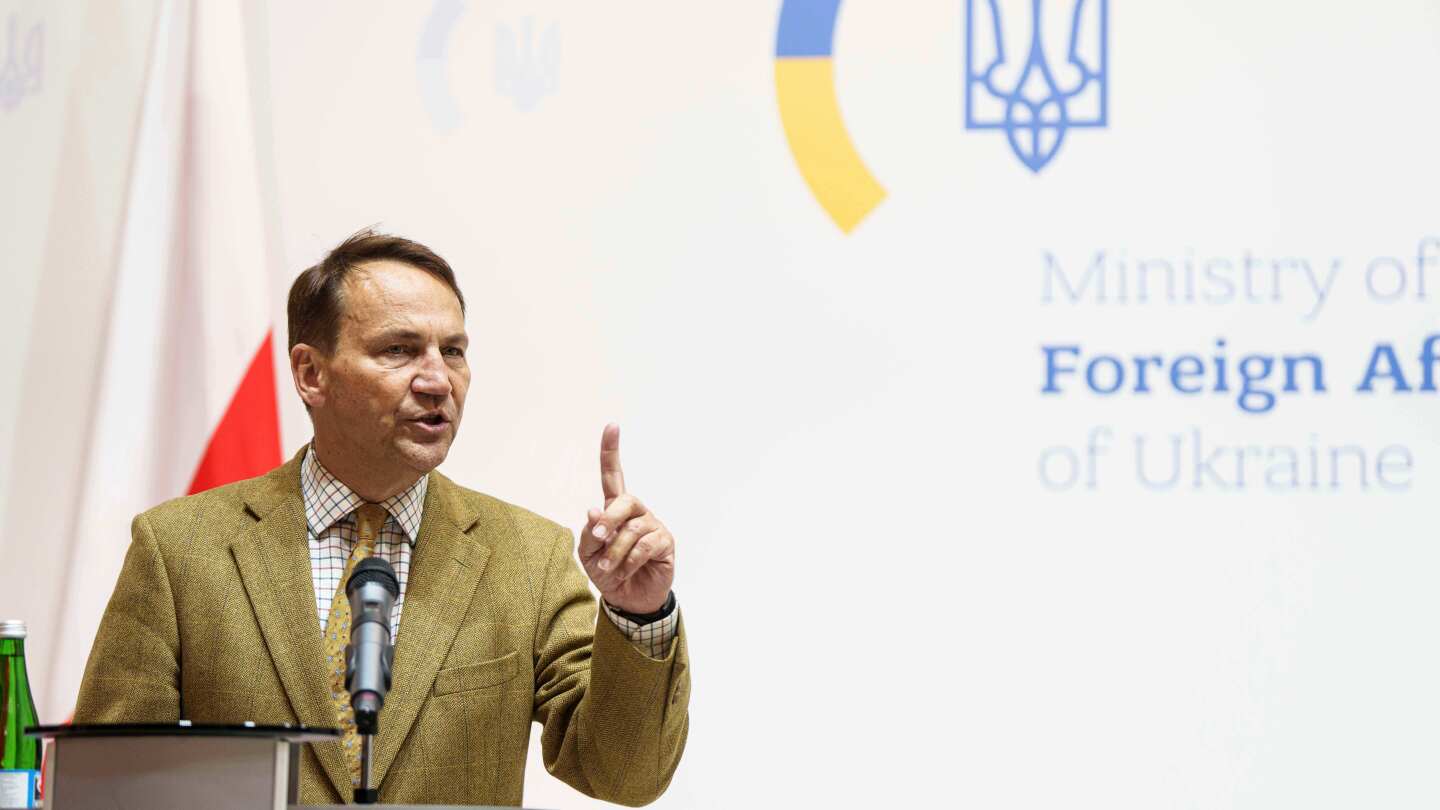
Poland’s Foreign Minister Radek Sikorski announced on Monday that he was summoning the Israeli ambassador following a contentious post by Yad Vashem, Israel’s Holocaust memorial institution. The post, published on X (formerly Twitter) on Sunday, stated that ‘Poland was the first country where Jews were forced to wear a distinctive yellow badge to isolate them from the surrounding population.’ Sikorski urged Yad Vashem to revise the post to clarify that the order was issued in ‘German-occupied’ Poland, emphasizing that Poland itself was not responsible for the Nazi-imposed measures. Polish officials have long opposed language that could inaccurately attribute Nazi crimes to Poland. The previous nationalist government even considered criminal penalties for those suggesting Polish complicity in Nazi atrocities. Yad Vashem’s post detailed how Hans Frank, the governor of the Generalgouvernement, ordered Jews aged 10 and above to wear armbands marked with a blue Star of David on November 23, 1939. Poland was occupied by Nazi Germany in September 1939, marking the start of World War II. During the Holocaust, six million Jews and others were killed, many in Nazi death camps located on occupied Polish soil. Beyond Sikorski, Polish Prime Minister Donald Tusk and others criticized Yad Vashem’s wording. Yad Vashem responded on social media, clarifying that the order was issued by German authorities but did not amend the original post. Sikorski’s decision to summon the Israeli ambassador underscores the sensitivity of historical narratives in Polish-Israeli relations.
-
Daughter of ex-South African leader Zuma is accused of luring men to fight in Russia-Ukraine war
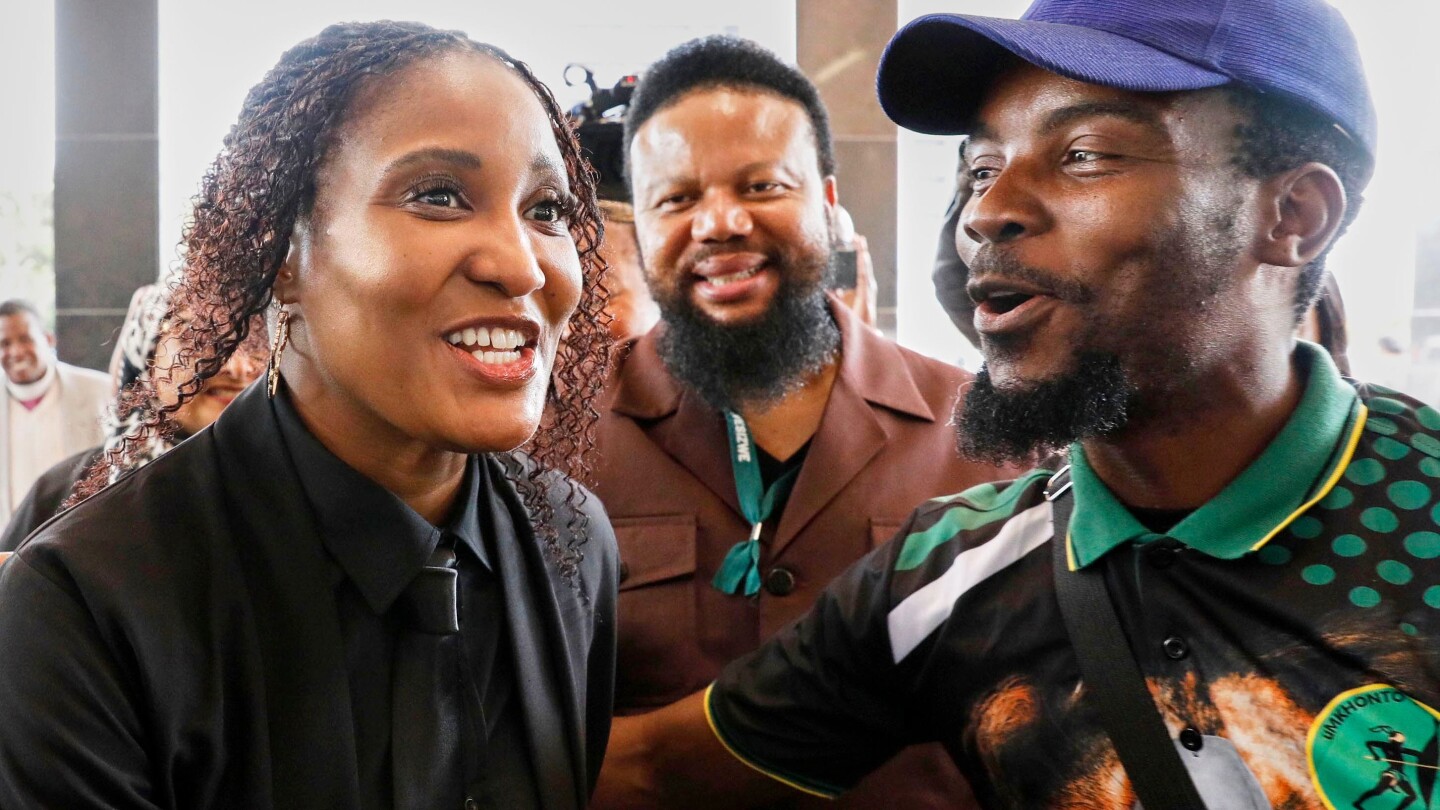
South African authorities are investigating serious allegations against Duduzile Zuma-Sambudla, daughter of former President Jacob Zuma, for allegedly deceiving 17 men into fighting in Russia’s war with Ukraine. According to a police affidavit filed by her sister, Nkosazana Bonganini Zuma-Mncube, Zuma-Sambudla and two others allegedly lured the men under the false pretense of providing security training in Russia. The affidavit claims the men were handed over to a Russian mercenary group and forced into combat, with eight of the victims reportedly being family members of the sisters. Police spokesperson Athlenda Mathe stated that charges are pending a thorough investigation. South Africa’s Foreign Minister, Ronald Lamola, confirmed diplomatic efforts are underway to repatriate the men, who are reportedly trapped in Ukraine’s Donbas region. The government earlier revealed it had received distress calls from the men, aged 20 to 39, who were allegedly recruited under the guise of lucrative employment contracts. This case highlights broader accusations against Russia for recruiting foreign nationals, including women from South Africa and other African countries, through deceptive job offers. Under South African law, it is illegal for citizens to provide military assistance to foreign governments without authorization. Zuma-Sambudla, a member of parliament for the MK Party founded by her father, is already on trial for unrelated charges linked to the 2021 riots in South Africa. Neither she nor the MK Party responded to requests for comment.
-
Zelensky warns against giving away territory as latest Ukraine talks end
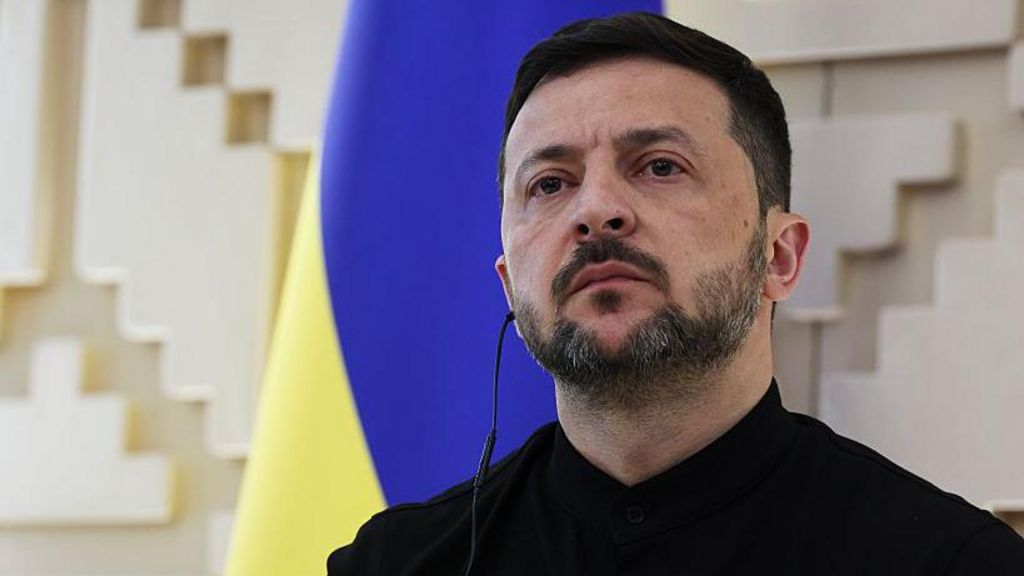
Recent negotiations in Geneva between the United States and Ukraine, aimed at ending the ongoing conflict with Russia, have concluded with both sides reporting “progress” and a commitment to continue discussions. However, significant challenges remain, particularly regarding territorial disputes and security guarantees for Ukraine. Ukrainian President Volodymyr Zelensky acknowledged the “important steps” taken but emphasized that the primary obstacle to peace talks is Russian President Vladimir Putin’s demand for legal recognition of Russian-occupied territories in eastern Ukraine. Zelensky warned that such recognition would undermine the principles of territorial integrity and sovereignty, potentially rewarding Russia for its aggression. Meanwhile, former US President Donald Trump expressed cautious optimism on social media, stating, “Something good just may be happening,” while advising skepticism until concrete results are seen. The Geneva talks did not include Russian representatives, and the Kremlin stated it had not received any information on the outcomes. Kremlin spokesman Dmitri Peskov noted that Moscow was aware of “adjustments” to a peace plan previously welcomed by Putin. The 28-point peace plan, drafted by US and Russian officials and presented to Ukraine last week, appeared to favor Moscow’s demands, causing concern in Kyiv and among European allies. Trump’s comments suggesting Ukraine had a deadline to accept the deal or face reduced US support added urgency to the discussions. US Secretary of State Marco Rubio described the talks as making “tremendous” progress, expressing confidence in reaching a resolution. However, European leaders, including Polish Prime Minister Donald Tusk and German Chancellor Friedrich Merz, remained cautious, with Merz describing the process as “lengthy” and unlikely to yield immediate breakthroughs. European nations, caught off guard by the US draft peace plan, proposed a counter-proposal excluding recognition of Russian-held territories, increasing Ukraine’s allowed army size, and leaving open the possibility of Ukraine joining NATO. Rubio claimed unawareness of this plan, while Kremlin foreign policy aide Yuri Ushakov dismissed it as “completely unconstructive.” Since Russia’s full-scale invasion of Ukraine in 2022, Moscow has demanded Ukrainian withdrawal from the Donbas region, a condition Kyiv and its European partners reject due to concerns over territorial integrity and sovereignty. Despite recent diplomatic efforts, the next steps remain unclear. Zelensky is expected to speak with Trump soon, after which a revised peace plan may be presented to Moscow. British Prime Minister Sir Keir Starmer emphasized the need for further work to achieve a “just and lasting peace” in Ukraine, with a virtual “coalition of the willing” meeting scheduled to discuss developments.