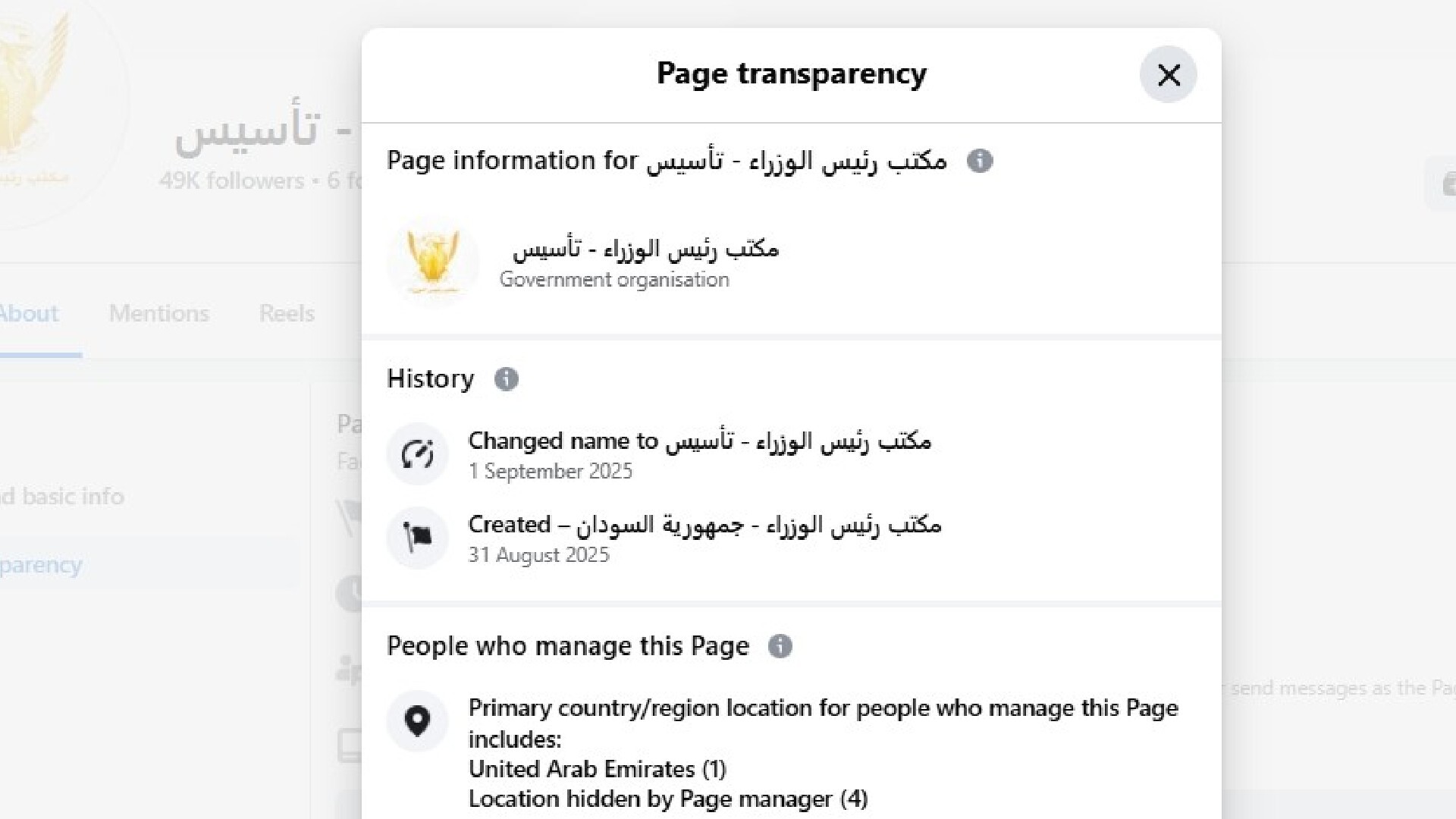
A recent investigation by Middle East Eye has uncovered that several social media accounts associated with Sudan’s Rapid Support Forces (RSF) appear to be operating from the United Arab Emirates (UAE). The discovery comes as X, formerly known as Twitter, introduced a new feature allowing users to identify the location and region from which accounts connect to the platform. This feature revealed that numerous accounts linked to the RSF and its affiliated institutions, including the interior ministry of the Government of Peace and Unity—a parallel administration backed by the RSF—are based in the UAE. Notably, Gony Mustafa Abubakr Sharif, the RSF’s representative at the United Nations, also operates his account from the Emirates. Additionally, accounts for the foreign affairs ministry and the prime minister’s office of the parallel government are connected from ‘West Asia,’ a region encompassing the Middle East but excluding Sudan. While some users claim these accounts previously displayed UAE as their location before switching to ‘West Asia,’ this remains unverified. The investigation also highlighted that Faris El-Nur, an RSF adviser, and Ibrahim El-Mirghani, a Sudanese politician supporting the RSF, operate their accounts from the UAE, despite listing their locations as the UK and Sudan, respectively. The UAE’s involvement extends beyond social media, with reports indicating the country has been supplying the RSF with weapons through a complex network spanning Libya, Chad, Uganda, and Somalia. US intelligence agencies have also noted an increase in UAE’s provision of Chinese drones and other weapon systems to the RSF. Despite these allegations, the UAE denies any involvement in supporting the RSF. The ongoing conflict in Sudan, which began in April 2023, has seen both the RSF and the Sudanese Armed Forces accused of widespread atrocities, including war crimes and genocide in Darfur.
分类: politics
-
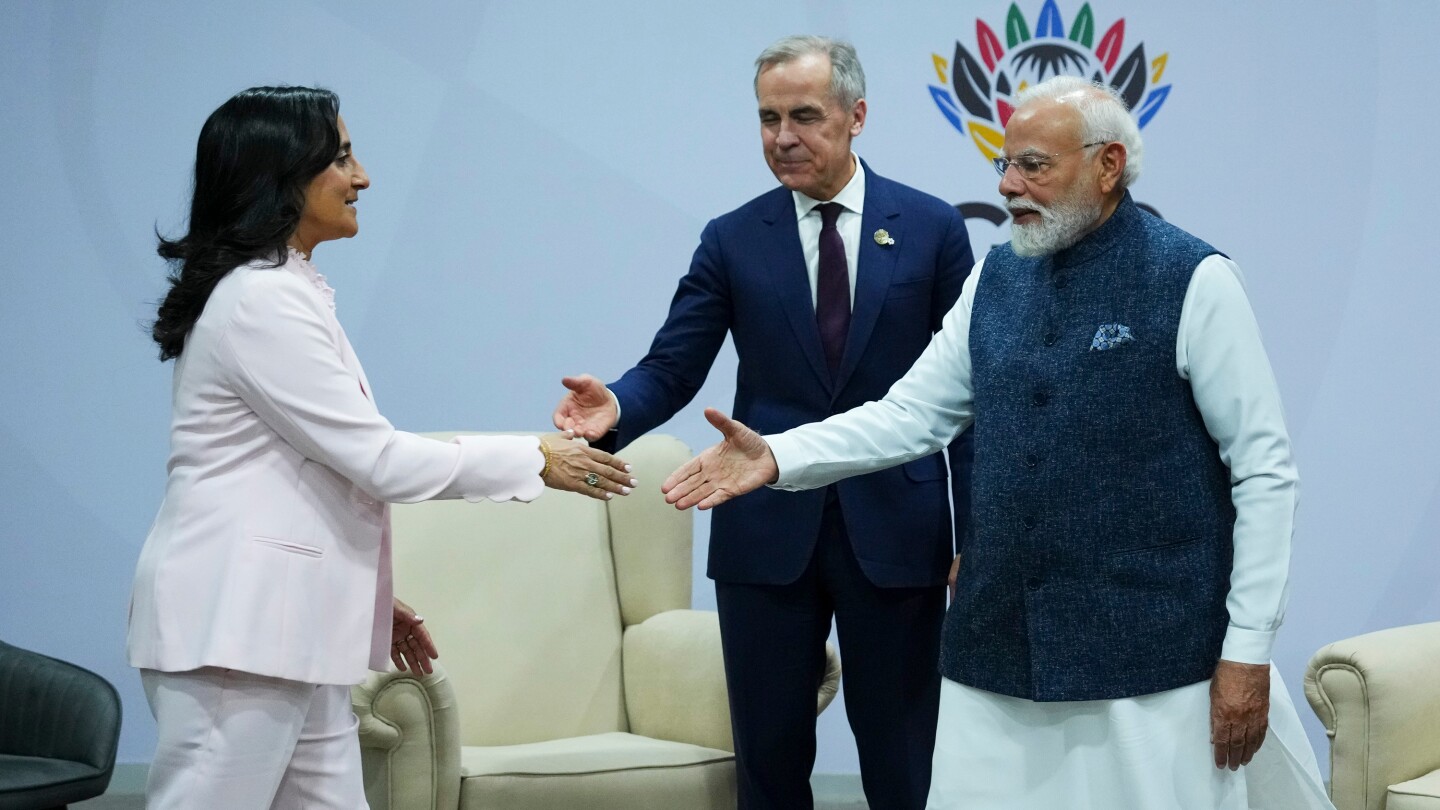
Canada’s top diplomat says Ottawa is working fast to advance India trade deal
In a significant diplomatic development, Canadian Foreign Minister Anita Anand announced on Monday that Canada and India are set to expedite negotiations for a comprehensive trade agreement. This move comes after two years of strained relations, marked by allegations of Indian involvement in the assassination of a Canadian Sikh activist in June 2023. The decision to revive trade talks was solidified during a meeting between Canadian Prime Minister Mark Carney and Indian Prime Minister Narendra Modi at the recent Group of 20 summit in South Africa. Anand emphasized the urgency of the process, stating, ‘The leaders were adamant that this work proceed as quickly as possible.’ Carney is scheduled to visit India early next year to further discussions. Canada, one of the world’s most trade-dependent nations, is also seeking to diversify its trade partnerships, with a goal to double non-U.S. trade over the next decade. Anand highlighted the broader context of Canada’s new foreign policy, which responds to the increasingly protectionist global economic environment. The renewed focus on India aligns with Canada’s strategy to strengthen ties with key global players, including China, with whom Carney has also taken steps to mend relations. Despite past tensions, both Canada and India are optimistic about doubling bilateral trade to $50 billion by 2030. Anand also expressed Canada’s readiness to resume trade talks with the United States, acknowledging the shifting dynamics in international trade relationships.
-
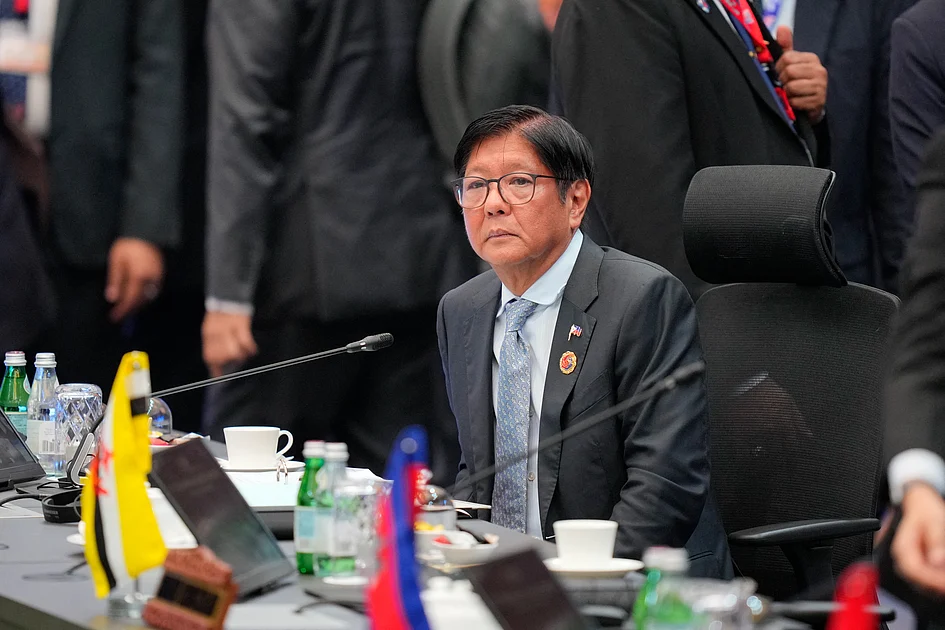
Philippine President Marcos breaks silence after drug allegations by sister Senator Imee
The escalating tension between Philippine President Ferdinand ‘Bongbong’ Marcos Jr. and his sister, Senator Imee Marcos, has taken a dramatic turn following public accusations of drug use within the First Family. Senator Imee’s claims have sparked widespread concern, prompting President Marcos to address the matter publicly. Speaking to the press on November 24, 2025, Marcos expressed his disbelief, stating that the person making the accusations on television was not the sister he knew. He emphasized that this sentiment was shared by their family and friends, adding that they were deeply worried about her well-being. The president also highlighted his discomfort with discussing family matters publicly, a stance echoed by his son, House Majority Leader Sandro Marcos, who criticized his aunt’s actions as unbecoming of a true sibling. Senator Imee swiftly responded on social media, challenging the First Family to undergo a hair follicle drug test in exchange for her taking a DNA test to confirm her parentage. Malacañang has firmly denied the allegations, citing President Marcos’s clean drug test records and confirmation from the Philippine Drug Enforcement Agency that he is not on any drug watchlist. This public feud underscores the deepening rift within the Marcos family, raising questions about its impact on Philippine politics.
-
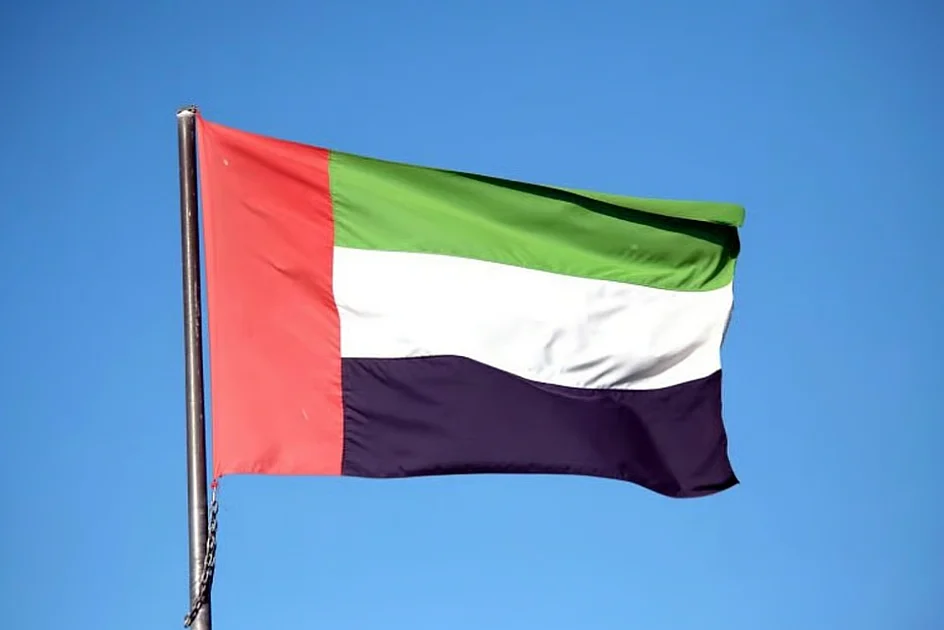
UAE slams Sudan’s General Burhan’s repeated ceasefire refusal
The United Arab Emirates (UAE) has strongly criticized Sudan’s General Abdel Fattah al-Burhan for his persistent refusal to agree to a ceasefire, labeling his actions as ‘consistently obstructive behavior.’ Reem bint Ebrahim Al Hashimy, UAE’s Minister of State for International Cooperation, emphasized that the Sudanese people are paying the highest price for this ongoing conflict. ‘The Sudanese people bear the heaviest cost as General Burhan refuses peace overtures once more,’ she stated. The UAE has called for an ‘unconditional and immediate ceasefire’ to halt the civil war, expressing grave concern over the escalating military actions and the obstruction of humanitarian aid by both warring factions. Al Hashimy warned that these actions are pushing Sudan closer to collapse. The UAE also commended US President Donald Trump’s initiatives to prevent Sudan from descending further into extremism and humanitarian disaster. The minister urged for a unified regional and international effort to establish a credible path toward a united Sudan, emphasizing the need to end atrocities against civilians. The United Nations has described the situation in Sudan as ‘one of the worst humanitarian tragedies in modern history,’ with aid access being weaponized and civilians deliberately starved.
-
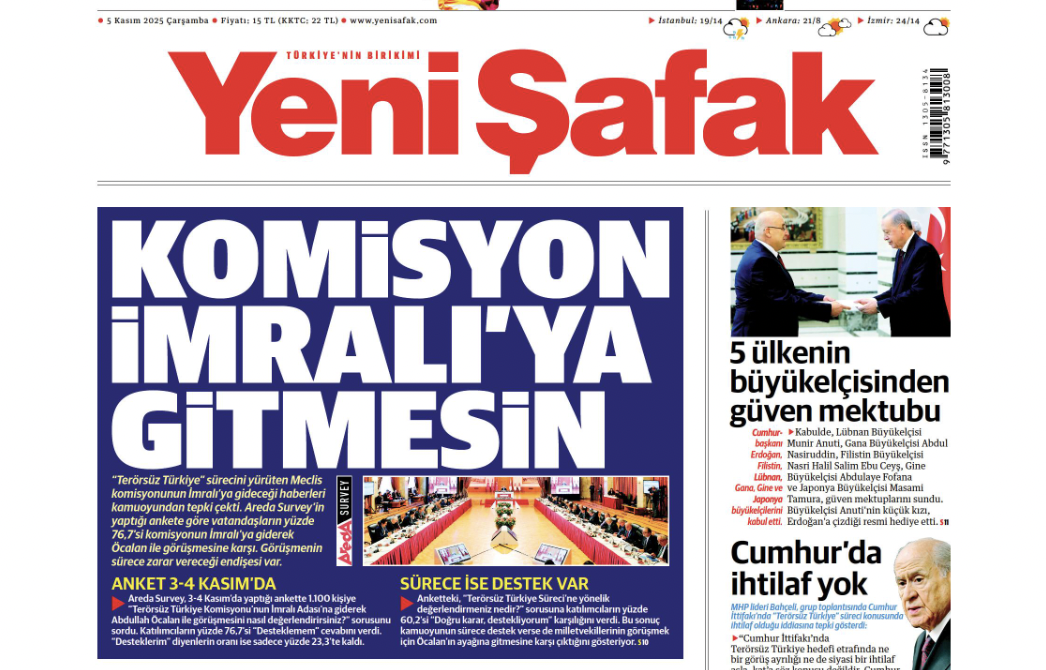
Turkey’s latest opposition media? It’s Yeni Safak, sort of
As Turkey’s Yeni Safak newspaper marked its 30th anniversary last year, President Recep Tayyip Erdogan lauded its role in defending Turkish democracy. Founded in 1994 as a voice for pious right-wing voters, Yeni Safak initially served as a haven for liberal voices marginalized by the military in the late 1990s. However, its relationship with Erdogan’s Justice and Development Party (AKP) has been complex, with the newspaper often aligning closely with the government. Recently, Yeni Safak’s editorial stance has shifted, drawing attention for its critical coverage of specific government policies, particularly those related to economic management and judicial reforms. The newspaper has been vocal in its opposition to high interest rates, a stance that has put it at odds with Finance Minister Mehmet Simsek. Yeni Safak’s recent headlines have directly challenged Simsek’s policies, claiming they have led to economic stagnation and low industrial output. The newspaper’s criticism extends to judicial reforms, with front-page articles warning of threats to private property rights. This shift has sparked speculation about internal divisions within the AKP, particularly regarding the handling of Kurdish peace talks. Yeni Safak’s stance on these issues has led to tensions within the ruling coalition, with some suggesting the newspaper has become an unofficial opposition voice. Despite this, Yeni Safak maintains its alignment with Erdogan on broader national issues, highlighting the nuanced dynamics of media-government relations in Turkey.
-
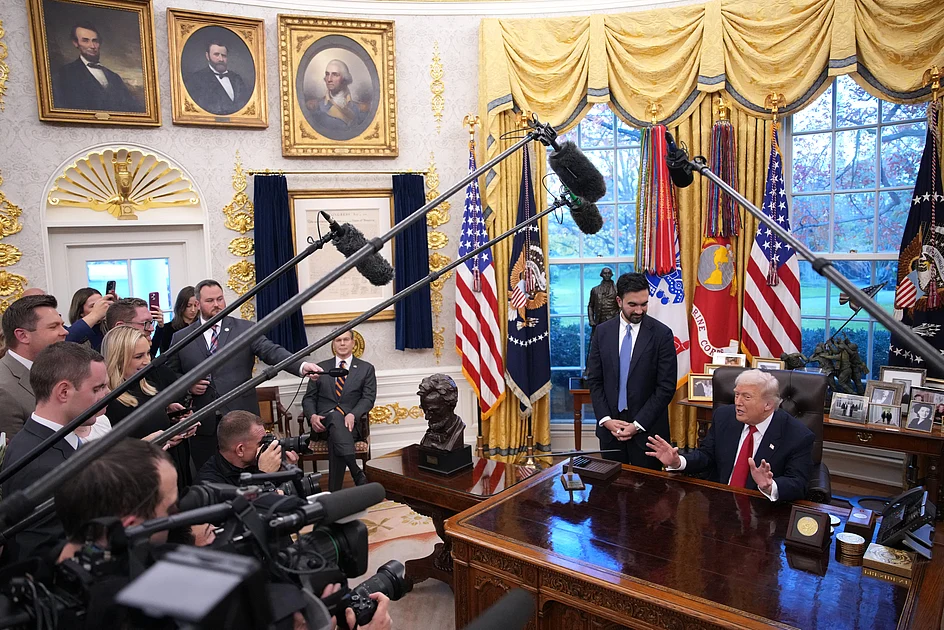
US court to rule if Trump can ban AP from Oval Office in major press freedom case
A pivotal legal battle over press freedom is set to unfold in the US Court of Appeals for the D.C. Circuit as it hears oral arguments on Monday regarding President Donald Trump’s decision to bar the Associated Press (AP) from covering presidential events. The case stems from an April ruling by US District Judge Trevor McFadden, who granted a preliminary injunction in favor of the AP, ordering the White House to reinstate the news agency’s access to the Oval Office and other key spaces. The Trump administration appealed the decision, leading to a temporary pause on the injunction in June. The dispute originated in February when Trump signed an executive order renaming the Gulf of Mexico as the Gulf of America. The AP, adhering to its editorial standards, continued to use the traditional name, prompting the White House to limit its access to press gatherings, labeling the decision as divisive and misleading. The AP subsequently sued three senior Trump aides, alleging that the restrictions violated constitutional protections for free speech and due process. The administration countered by arguing that the AP is not entitled to special access to non-public areas. This case highlights the ongoing tension between the Trump administration and the press, with significant implications for media freedom and government transparency.
-
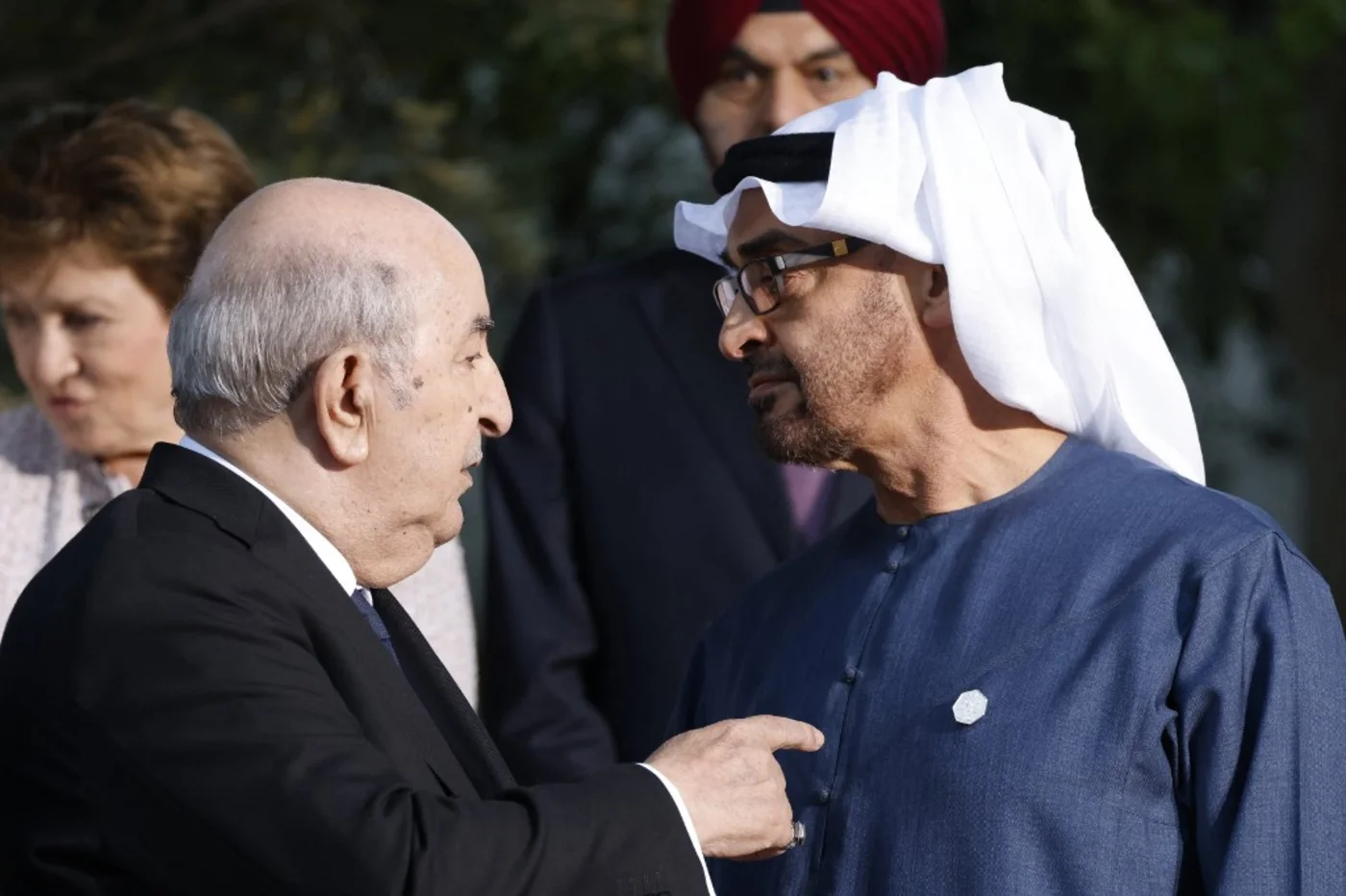
As the UAE expands military footprint in Africa, Algeria draws line in the sand
The simmering tensions between Algeria and the United Arab Emirates (UAE) have resurfaced following pointed remarks by Algerian President Abdelmadjid Tebboune. In a recent address to the nation’s top military leaders, Tebboune criticized an unnamed Gulf state for meddling in Algeria’s internal affairs, a thinly veiled reference to the UAE. This latest flare-up underscores the deepening rift between the two nations, rooted in regional rivalries, geopolitical strategies, and ideological differences.
-
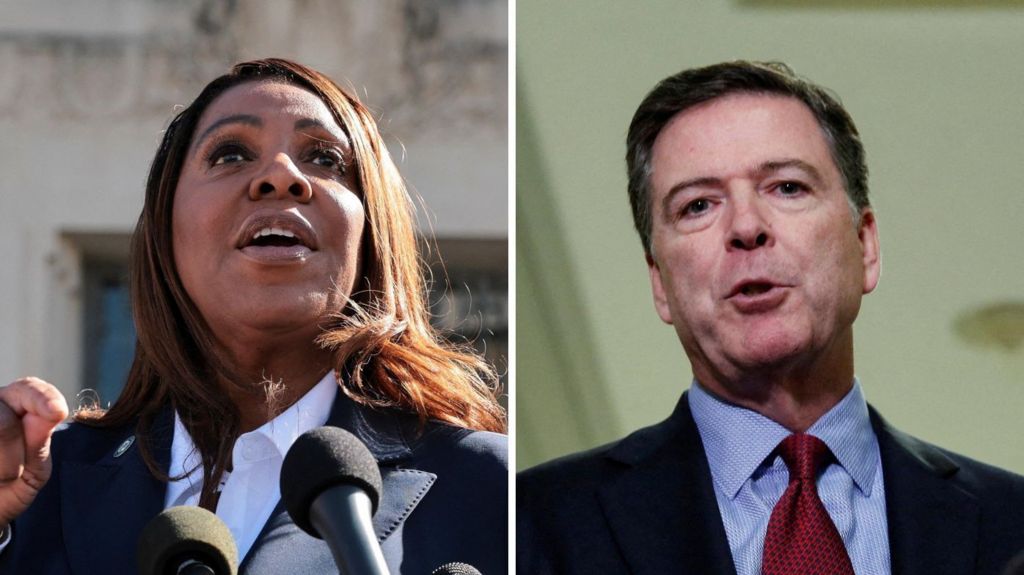
Judge dismisses cases against ex-FBI director Comey and NY attorney general James
A U.S. judge has dismissed criminal charges against former FBI Director James Comey and New York Attorney General Letitia James, ruling that the prosecutor who brought the charges was unlawfully appointed. Judge Cameron Currie determined that Lindsey Halligan, handpicked by former President Donald Trump to prosecute his political adversaries, was ineligible for the role. Halligan, a former White House aide with no prior prosecutorial experience, was appointed in violation of the statute governing interim U.S. attorneys. Judge Currie stated that all actions stemming from Halligan’s appointment, including the indictment of Comey, were unlawful exercises of executive power and were therefore nullified. Both Comey and James have consistently maintained their innocence, describing the charges as politically motivated. The White House has indicated that the Justice Department will appeal the dismissal, asserting that Halligan’s appointment was legal. Comey expressed relief that the prosecution, which he characterized as ‘based on malevolence and incompetence,’ had ended but warned that Trump would likely target him again. James, who faced federal charges of bank fraud and false statements, hailed the ruling as a victory and reaffirmed her commitment to fighting for New Yorkers. The cases were dismissed ‘without prejudice,’ leaving open the possibility of future legal action.
-
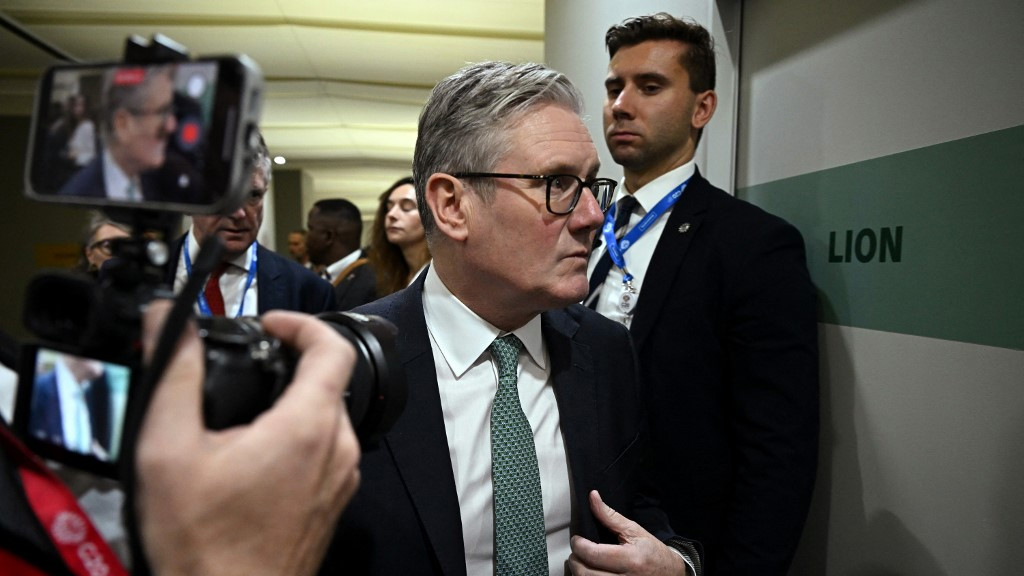
UK allowed arms exports to UAE after being told weapons given to RSF
The British government has come under scrutiny for approving weapons exports to the United Arab Emirates (UAE) despite evidence suggesting that UK-manufactured military equipment was diverted to Sudanese paramilitaries accused of genocide. Reports from last month revealed that British-made small-arms target systems and armored vehicle engines were found in the hands of the Rapid Support Forces (RSF), a militia group implicated in widespread atrocities in Sudan. Middle East Eye (MEE) had previously exposed the UAE’s extensive logistical and military support to the RSF. In March, the UN Security Council, of which the UK is a member, received allegations that the UAE supplied British-made arms to the RSF. Despite this, the UK continued to authorize military exports to the UAE. Official data released last week shows that Britain licensed £172 million ($225 million) in military equipment exports to the UAE between April and June 2024, including £1.9 million in military vehicles and components. Emily Apple of the Campaign Against Arms Trade (CAAT) condemned the exports, stating that the UK government is prioritizing arms dealers’ profits over accountability, despite clear evidence of war crimes in Gaza and Sudan. The Sudanese Armed Forces (SAF) compiled dossiers presented to the UN Security Council, containing images of British-made small-arms target devices recovered from RSF sites in Khartoum and Omdurman. These devices were reportedly manufactured by Militec, a Welsh-based company that has received numerous export licenses since 2013. Political parties and MPs across the UK have called for a suspension of arms sales to the UAE, citing international legal obligations. The RSF’s recent seizure of el-Fasher in Darfur has further highlighted the group’s brutal tactics, with reports of widespread civilian killings, sexual violence, and expulsions. The conflict in Sudan, which began in 2023, has seen the RSF accused of war crimes and genocide by international bodies and human rights groups.
-
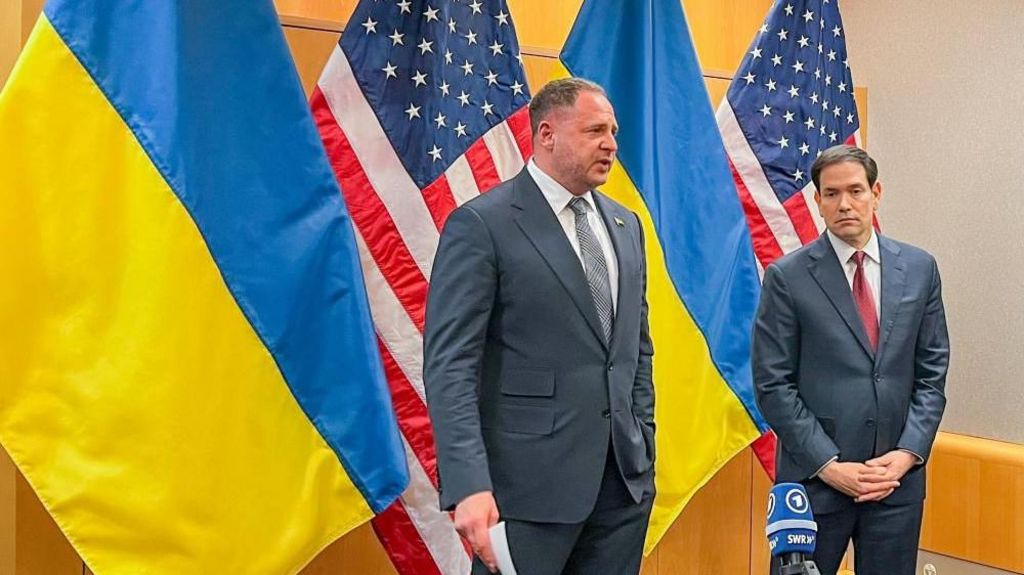
Updated peace plan could be a deal Ukraine will take – eventually
In a high-stakes diplomatic effort to broker peace in Ukraine, senior officials from the United States and Ukraine engaged in intense negotiations in Geneva over the weekend. The talks, which included national security advisers from Germany, France, and the UK, aimed to address a proposed peace deal that initially appeared heavily skewed in favor of Russia’s demands. The initial proposal, reportedly influenced by US President Donald Trump’s envoy Steve Witkoff, faced strong resistance from Kyiv, which refused to accept terms resembling surrender. Ukraine’s lead negotiator, Andriy Yermak, appeared visibly tense as discussions began, with US Secretary of State Marco Rubio forced to deny allegations that the draft was authored by the Kremlin. By Sunday night, Rubio announced ‘tremendous progress,’ though details remained vague. A joint Ukraine-US statement revealed an ‘updated and revised framework document,’ which reportedly incorporates significant amendments proposed by European allies. Key changes include the removal of an automatic veto on Ukraine’s future NATO membership, no permanent deployment of Western troops, and a commitment to recover occupied territories through diplomatic means. The revised plan also eliminates a full amnesty for war crimes and introduces security guarantees akin to NATO’s Article 5, a non-negotiable priority for Ukraine. German Chancellor Friedrich Merz described the deal as ‘significantly modified’ in a positive direction. However, skepticism remains, as Russia’s President Vladimir Putin shows no signs of conceding unless forced. Analysts suggest that while Trump’s push for a deal has injected momentum into peace efforts, the outcome may still fall short of Ukraine’s aspirations. The negotiations highlight the delicate balance between diplomatic progress and the enduring realities of the conflict.