分类: politics

  • Trump says ‘massive armada’ will strike Iran with ‘speed and violence’ unless deal made

    Trump says ‘massive armada’ will strike Iran with ‘speed and violence’ unless deal made

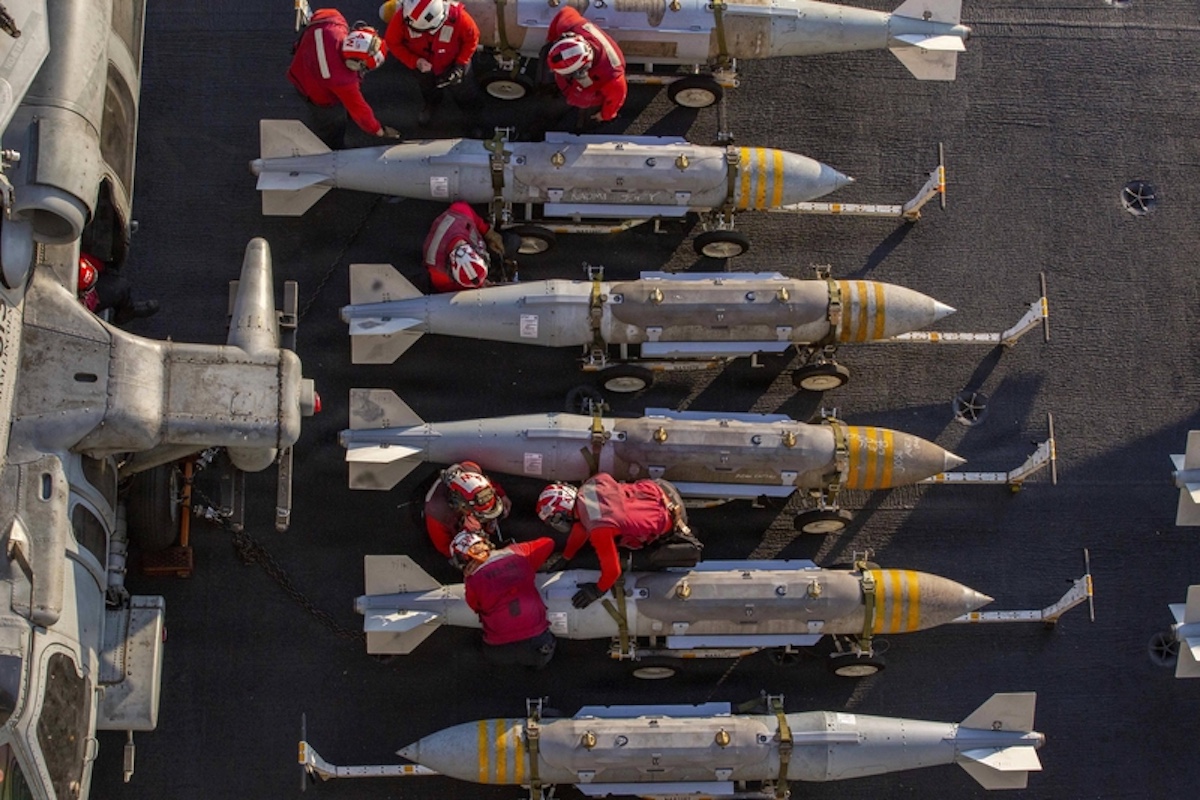
    Former US President Donald Trump has issued a direct military threat against Iran through his Truth Social platform, declaring that a substantial naval fleet is currently en route to the region. Trump emphasized the armada’s readiness to execute operations with maximum force unless Tehran agrees to negotiate a nuclear non-proliferation agreement.

    Drawing parallels to previous military operations in Venezuela that ultimately resulted in the capture of President Nicolas Maduro, Trump characterized the current deployment as significantly larger and more capable. He explicitly warned that the military force stands prepared to fulfill its mission with unprecedented speed and violence if diplomatic efforts fail.

    The former president referenced previous airstrikes against Iranian nuclear facilities in June 2025, known as ‘Operation Midnight Hammer,’ as precedent for potential military action. Trump asserted that any future offensive would substantially exceed previous operations in scale and destruction.

    This escalation occurs amid reports that the Trump administration is considering precision strikes targeting high-ranking Iranian officials allegedly connected to recent protester fatalities. While Israel media outlets suggest Britain, Jordan, and the United Arab Emirates might provide logistical support for potential operations, the UAE foreign ministry has explicitly denied permitting use of its territory or airspace for military actions against Iran.

    Iranian Foreign Minister Abbas Araghchi responded by rejecting negotiations under current threat conditions, stating that productive diplomacy cannot coexist with military ultimatums. Despite acknowledging communication channels with Washington, Araghchi clarified that Tehran has not actively sought negotiations and maintains its position that the United States must cease threats and excessive demands before meaningful dialogue can occur.

  • Former senior political adviser sentenced to 12 years for bribery

    Former senior political adviser sentenced to 12 years for bribery

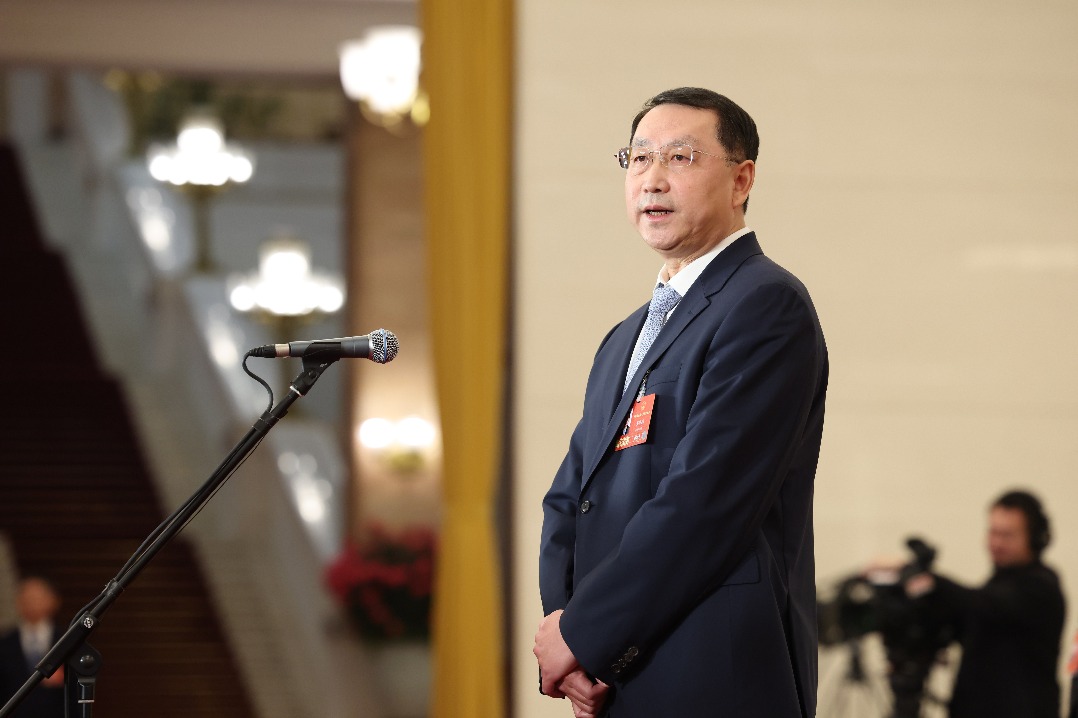
    In a significant demonstration of China’s ongoing anti-corruption campaign, Zhang Xiaolian, a former high-ranking political adviser, has been sentenced to 12 years imprisonment for bribery offenses. The Shijiazhuang Intermediate People’s Court in Hebei province delivered the verdict on Wednesday, additionally imposing a substantial fine of 2 million yuan ($287,920) and ordering the confiscation of all illicit gains to be transferred to the State treasury.

    The judicial investigation revealed that between 2007 and 2023, Zhang systematically exploited his influential positions, including his tenure as mayor of Harbin—the provincial capital of Heilongjiang—and later as deputy head of the Committee on Economic Affairs of the 13th National Committee of the Chinese People’s Political Consultative Conference (CPPCC). During this sixteen-year period, he provided improper assistance to various individuals and organizations in matters ranging from legal case interventions to business operations and administrative management, accepting bribes totaling over 30.68 million yuan in exchange.

    The court characterized the amount involved as ‘extremely large,’ which typically warrants severe punishment under Chinese law. However, the sentencing reflected some leniency due to Zhang’s cooperation with authorities, including his voluntary confession, disclosure of previously unknown bribery incidents, and active restitution of illegal proceeds.

    Zhang’s professional trajectory, which ultimately culminated in his downfall, began with his Communist Party membership in 1985. Following his initial career at Beijing Forestry University, he ascended through various governmental roles, including leadership of Beijing’s Fangshan district in 2002. His transfer to Heilongjiang province in 2005 marked a significant step in his political career, leading to his appointment as Harbin mayor in 2007. His election to the CPPCC National Committee in 2018 represented the peak of his political influence before his investigation commenced in October 2024 for serious violations of Party discipline and national laws. His subsequent expulsion from the Party in April 2025 preceded formal indictment and trial proceedings.

  • Rubio details how the Trump administration will control Venezuela’s oil money

    Rubio details how the Trump administration will control Venezuela’s oil money

    The United States government has unveiled a groundbreaking framework for managing Venezuela’s oil revenue under stringent American oversight. Secretary of State Marco Rubio disclosed before the Senate Foreign Relations Committee that previously sanctioned Venezuelan oil would now be permitted for international sale, with all proceeds channeled into a specially designed account subject to U.S. Treasury supervision.

    This financial mechanism, initially established in Qatar to circumvent legal complications with American creditors, will serve as the central repository for Venezuela’s oil earnings. Rubio emphasized that the arrangement represents an interim measure to prevent complete economic collapse during Venezuela’s political transition. The funds will be exclusively allocated for essential public services including healthcare, law enforcement, and critical infrastructure maintenance.

    The development follows the recent capture of former President Nicolás Maduro, whose administration allegedly diverted oil profits to benefit corrupt officials and privileged international partners like China through discounted arrangements. Under the new system, Venezuela’s interim leadership will receive specific instructions on permissible expenditures, with regular audits conducted to ensure compliance.

    Democratic lawmakers, including Senator Chris Murphy of Connecticut, expressed serious concerns about the potential for favoritism toward oil companies with Trump administration connections. Murphy characterized the arrangement as effectively seizing a sovereign nation’s resources ‘at gunpoint’ while determining financial allocations for 30 million citizens.

    Despite these concerns, the State Department maintains that the mechanism provides necessary stability during Venezuela’s recovery period. Approximately $3 billion in anticipated oil revenue is expected to flow through the oversight account, which functions as Venezuelan property with U.S. sanctions acting as a blocking mechanism against misuse.

  • Historic UAE presidential visit marks new chapter in Cyprus–UAE relations

    Historic UAE presidential visit marks new chapter in Cyprus–UAE relations

    A landmark diplomatic event unfolded on December 14, 2025, as United Arab Emirates President His Highness Sheikh Mohamed bin Zayed Al Nahyan conducted the first-ever state visit by a UAE head of state to Cyprus. Hosted by Cypriot President Nikos Christodoulides, this historic engagement signaled a transformative phase in bilateral relations between the Mediterranean nation and the Gulf powerhouse.

    The visit culminated in a comprehensive joint declaration that formally elevated the Cyprus-UAE relationship to an implemented strategic partnership. This framework establishes concrete mechanisms for enhanced cooperation across multiple sectors including energy security, defense coordination, technological innovation, trade facilitation, and humanitarian initiatives.

    Central to the new partnership is the development of a detailed Joint Action Plan, to be administered by both nations’ foreign ministries, designed to identify and execute specific collaborative projects. The agreement emphasizes economic diversification through renewable energy development, digital infrastructure modernization, and cross-border investment opportunities.

    Both leaders reaffirmed their commitment to regional stability, particularly supporting United Nations efforts toward a bizonal, bicommunal resolution of the Cyprus issue. The timing proved strategically significant with Cyprus preparing to assume the Presidency of the Council of the European Union in 2026, positioning the nation as a bridge for enhanced EU-UAE dialogue.

    George Partasides, Commercial Counsellor of the Cyprus Trade Centre in the GCC Region, characterized the visit as a pivotal moment that transforms political alignment into practical cooperation. He emphasized the visit’s role in establishing sustainable economic partnerships that would generate long-term value for both nations, particularly in energy, trade, and digitalization sectors.

    The UAE reinforced its view of Cyprus as a strategic gateway to European markets, while Cyprus affirmed its position as a stable partner in the Eastern Mediterranean. This visit built upon previous diplomatic foundations established in 2022, marking a decisive shift from theoretical alignment to actionable implementation.

  • Exclusive: UK didn’t disclose second Tory peer on Cameron-Karim Khan ‘threat’ call

    Exclusive: UK didn’t disclose second Tory peer on Cameron-Karim Khan ‘threat’ call

    The British government faces escalating scrutiny over its handling of allegations that former Foreign Secretary David Cameron threatened to withdraw funding from the International Criminal Court should it pursue arrest warrants against Israeli leaders. New evidence reveals contradictory information regarding the participants of the crucial April 2024 phone call between Cameron and ICC Chief Prosecutor Karim Khan.

    The Foreign, Commonwealth and Development Office (FCDO) initially claimed Cameron was the sole participant in the discussion with Khan. However, multiple sources, including former staff from the prosecutor’s office, confirm that Baroness Liz Sugg, Cameron’s special assistant, also participated in the conversation. This discrepancy has raised serious questions about the government’s transparency regarding the sensitive diplomatic exchange.

    Despite mounting political pressure from across party lines, both the previous Conservative administration and current Labour government have maintained silence on the allegations. The FCDO has repeatedly declined to comment, referring inquiries to Cameron himself, who has not responded to requests for clarification.

    According to informed sources, during the April 2024 call made while Khan was visiting Venezuela, Cameron allegedly warned that the UK would “defund the court and withdraw from the Rome Statute” if the ICC proceeded with warrants for Israeli officials. While a source close to Cameron characterized the conversation as “robust” rather than threatening, the incident has drawn condemnation from international law experts who suggest such behavior could constitute a criminal offense under Article 70 of the Rome Statute.

    The controversy has intensified with the recent approval of arrest warrants for Israeli Prime Minister Benjamin Netanyahu, Defense Minister Yoav Gallant, and Hamas leaders in November 2024. Cross-party politicians, including Labour MPs and former Scottish First Minister Humza Yousaf, are demanding full transparency, including release of all correspondence related to the call and an independent investigation into the allegations of judicial interference.

  • Rubio says technical talks with Denmark, Greenland officials over Arctic security have begun

    Rubio says technical talks with Denmark, Greenland officials over Arctic security have begun

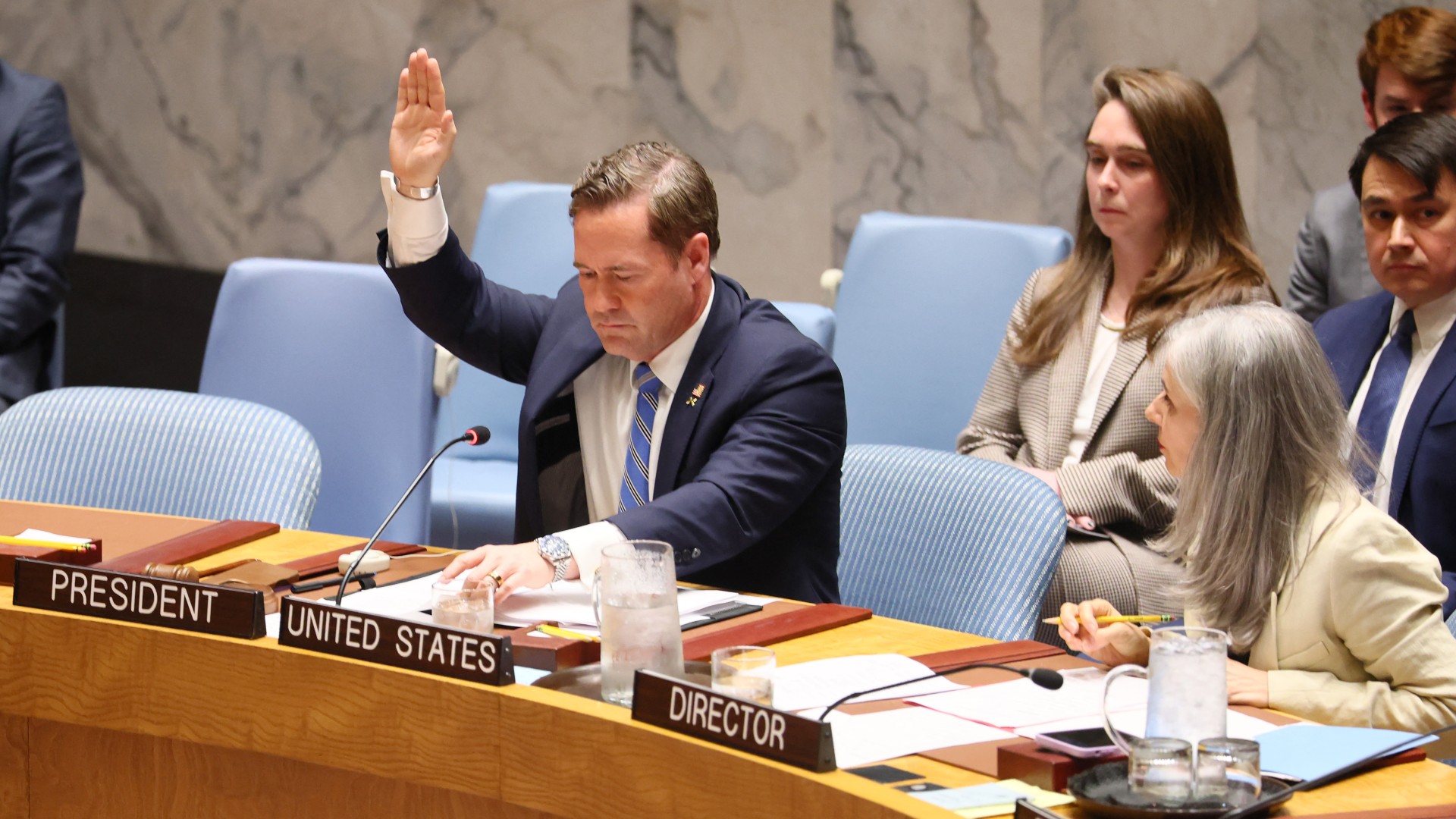
    WASHINGTON — The United States has initiated formal technical discussions with Denmark and Greenland concerning a potential Arctic security arrangement, Secretary of State Marco Rubio confirmed Wednesday. This development follows a Washington meeting earlier this month between US officials and the foreign ministers of Denmark and Greenland, which resulted in the establishment of a dedicated working group to resolve diplomatic differences.

    The working group represents a diplomatic response to previous calls by President Donald Trump for the United States to acquire Greenland—a semi-autonomous Danish territory—as a strategic measure against growing Russian and Chinese influence in the Arctic. These earlier proposals faced strong opposition from Greenland, Denmark, and European allies.

    Secretary Rubio, testifying before the Senate Foreign Relations Committee, emphasized the confidential nature of the talks, stating, “The process begins today and will continue regularly. We intend to conduct these discussions away from media scrutiny to create greater flexibility for both sides in achieving positive outcomes.”

    The Danish Embassy in Washington declined to comment on the commencement of negotiations.

    Recent weeks have seen renewed tensions in US-European relations following Trump’s revived suggestions about annexing Greenland, which prompted the president to threaten tariffs against Denmark and several other European nations. These economic threats were subsequently withdrawn after NATO Secretary-General Mark Rutte helped broker a preliminary framework agreement regarding US access to Greenland’s mineral resources, though specific details remain undisclosed.

    Following significant pushback from European allies and concern from financial markets, Trump further de-escalated tensions by publicly removing the option of military force to acquire Greenland during the World Economic Forum in Davos, Switzerland. The president’s softened stance came after Wall Street experienced substantial losses driven by concerns that his Arctic ambitions could trigger a trade war and damage NATO cohesion.

    During Wednesday’s hearing, Rubio addressed an exchange with Senator Tim Kaine (D-Va.) regarding Trump’s verbal confusion between Greenland and Iceland at Davos, noting that presidents throughout history have experienced similar verbal missteps.

  • Rwanda sues the UK over controversial migrant deal

    Rwanda sues the UK over controversial migrant deal

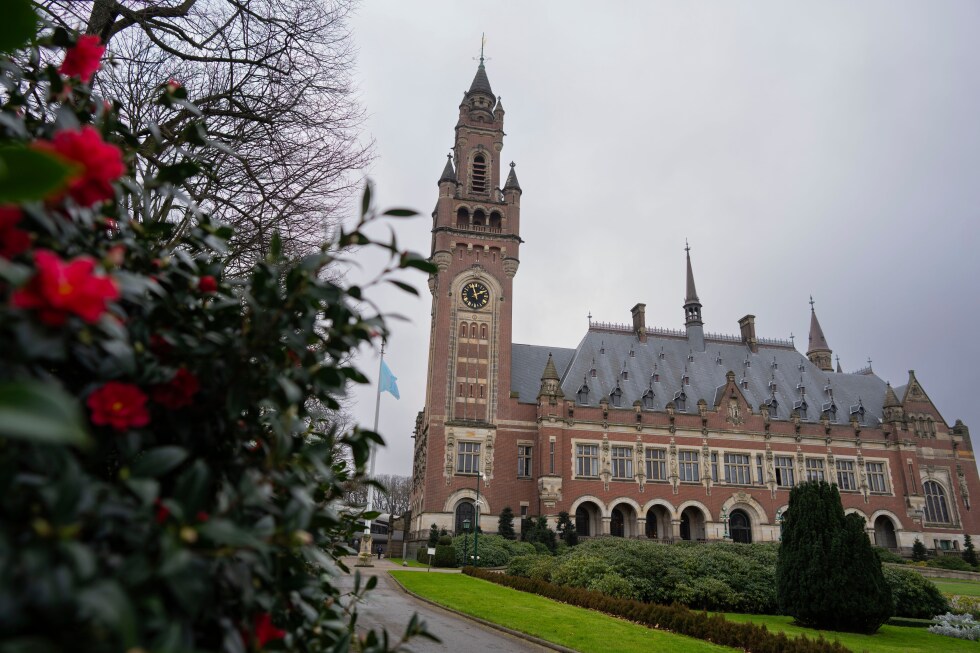
    Rwanda has commenced formal legal proceedings against the United Kingdom through the Permanent Court of Arbitration in The Hague, seeking financial compensation following the abrupt termination of a controversial migration agreement. The East African nation alleges that the UK government violated the terms of the bilateral treaty when Prime Minister Keir Starmer declared the arrangement “dead and buried” in July 2024 without prior consultation.

    The agreement, initially established under former Prime Minister Rishi Sunak on April 25, 2024, stipulated that Britain would financially compensate Rwanda for accepting asylum seekers who had arrived illegally in the UK. However, the scheme faced immediate legal challenges, with the UK Supreme Court ruling it unlawful in 2023 due to violations of both domestic and international law. Only four individuals ultimately relocated to Rwanda voluntarily before the policy’s collapse.

    Rwandan authorities contend that the UK’s unilateral withdrawal breached Article 18 of the treaty regarding financial arrangements and Article 19 concerning the resettlement of vulnerable refugees. The dispute centers around outstanding payments totaling £100 million, scheduled for April 2025 and 2026, which the UK requested Rwanda waive in anticipation of formal termination. While Rwanda indicated willingness to negotiate new financial terms upon proper treaty termination, discussions between the two nations ultimately failed to materialize.

    International law expert Jonathan Musangwa argues that domestic court rulings do not automatically invalidate international treaty obligations. The arbitration tribunal must determine whether the UK lawfully terminated the agreement according to the Vienna Convention on the Law of Treaties. Previous estimates indicated the failed scheme had already cost British taxpayers £290 million in payments to Rwanda, with the current government maintaining it will not make further payments under the defunct agreement.

  • Ex-Nigerian minister in bribery trial went on spending sprees, court hears

    Ex-Nigerian minister in bribery trial went on spending sprees, court hears

    A London court has heard detailed allegations of how Nigeria’s former petroleum minister Diezani Alison-Madueke allegedly funded an extravagant lifestyle through bribes from industry executives during her tenure from 2010 to 2015.

    Southwark Crown Court prosecutors presented evidence showing how business figures with interests in Nigerian oil contracts allegedly bankrolled Alison-Madueke’s luxury shopping sprees across London’s most exclusive stores. The 65-year-old former minister, who denies five counts of bribery and one count of conspiracy to commit bribery, was described as living ‘a life of luxury in the United Kingdom’ at the expense of Nigerian businessmen.

    The court heard remarkable details of her spending patterns, including a single visit to Harrods in November 2013 where she allegedly purchased thousands of pounds worth of luxury rugs, including items from designer Alexander McQueen. Store executives testified that she appeared ‘extremely glamorous’ and wore ‘very expensive clothing’ during these shopping excursions.

    Evidence presented revealed Alison-Madueke was a regular customer at high-end London establishments including Vincenzo Cafferella decorative arts store, where she used the pseudonym ‘Sharon D,’ and Thomas Goode china and silverware shop in Mayfair. According to testimony, she once remarked during a shopping session: ‘I don’t even know why I’m buying this, I haven’t got the room for it.’

    Prosecutors allege Nigerian businessman Kolawole Aluko, who accompanied her on shopping trips, purchased over £370,000 worth of items for the minister between October 2012 and November 2013 alone. The court heard that Alison-Madueke never personally paid for these purchases, with bills instead settled by businessmen whose companies held lucrative contracts with Nigeria’s state-owned petroleum corporation.

    The alleged corruption extended beyond retail therapy. Evidence included a £89,410 private jet charter from Luton to Lagos in January 2012, luxury furniture shipments from Houston, Texas to London properties, and a documented instance where £100,000 in cash was delivered to Alison-Madueke at a flat maintained at Aluko’s expense.

    Recorded conversations from Alison-Madueke’s seized phone revealed tense exchanges with Aluko as their relationship deteriorated. In one May 2014 conversation, she allegedly threatened: ‘I will be happy to escort all of you to jail along with myself… I will come out and tell the Nigerian people this is what happened.’

    Also on trial are industry executive Olatimbo Ayinde, charged with bribery related to Alison-Madueke, and her brother, former bishop Doye Agama, charged with conspiracy to commit bribery. Both deny the charges as the trial continues.

  • Rubio upbeat on Venezuela cooperation but wields stick

    Rubio upbeat on Venezuela cooperation but wields stick

    In a nuanced presentation before the Senate Foreign Relations Committee, Secretary of State Marco Rubio outlined the United States’ strategic approach towards Venezuela, blending diplomatic optimism with a clear warning of potential military force. Rubio expressed confidence in rapidly reestablishing a U.S. diplomatic presence in Caracas, emphasizing that embassy operations would facilitate real-time intelligence and enhanced engagement with Venezuelan authorities and civil society. This diplomatic initiative follows the recent deployment of senior diplomat Laura Dogu to oversee Venezuelan affairs and the assessment of embassy facilities.

    The Secretary’s prepared testimony contained significantly stronger language than his oral remarks, explicitly stating readiness to “use force to ensure maximum cooperation” if necessary, while verbally assuring senators that military action was neither anticipated nor planned. This apparent contradiction reflects the administration’s calibrated strategy of combining diplomatic channels with credible deterrence.

    President Trump’s demands for Venezuelan cooperation with U.S. oil companies underscore the economic dimensions of this geopolitical shift, particularly significant given Venezuela’s position as holder of the world’s largest proven oil reserves. Recent developments indicate some progress, with Acting President Delcy Rodriguez announcing the unblocking of sanctioned Venezuelan funds and encouraging U.S. oil investment, despite her simultaneous insistence on independence from Washington’s directives.

    The political landscape remains complex following the January 3rd operation that deposed Nicolás Maduro, who now faces drug trafficking charges in New York alongside his wife. Democratic senators raised substantial concerns about the operation’s costs—reportedly hundreds of millions of dollars—and its outcomes. Senator Jeanne Shaheen characterized the situation as replacing “one dictator for another,” questioning whether Rodriguez’s cooperation represents genuine alignment change or temporary tactical maneuvering.

    Further scrutiny emerged regarding potential personal motivations, with Senator Chris Van Hollen referencing Trump’s meetings with oil executives and suggesting possible corrupt intentions behind the Venezuela operation. The human cost of the intervention also drew attention, with Venezuelan officials reporting over 100 fatalities during the operation to extract Maduro.

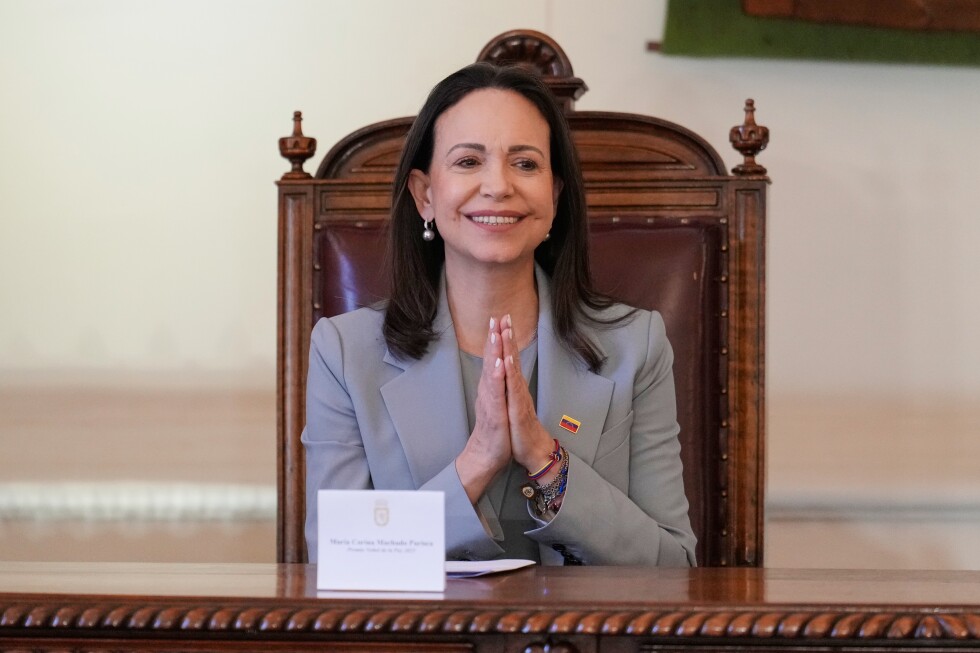
    Amid these developments, opposition leader María Corina Machado emerges as a significant figure, having recently engaged with both Trump and Rubio. Her White House visit, during which she presented her Nobel Peace Prize to the president, appears to have positively influenced Trump’s previously dismissive assessment of her leadership capabilities. Rubio, a longstanding supporter of Machado’s opposition movement, scheduled a private meeting with her following the congressional hearing.

  • Chaos erupts in Somalia’s parliament over proposed constitutional amendments

    Chaos erupts in Somalia’s parliament over proposed constitutional amendments

    MOGADISHU, Somalia — Somalia’s parliamentary proceedings descended into unprecedented turmoil on Wednesday as physical altercations and vocal protests forced the abrupt suspension of a joint legislative session. The disruption occurred when Speaker Adan Madobe unexpectedly introduced proposals to amend five chapters of the nation’s provisional constitution, triggering immediate opposition from lawmakers who alleged the changes would illegally extend parliamentary mandates.

    The contentious session witnessed extraordinary scenes of disorder as opposition parliamentarians tore up agenda documents, shouted slogans, and blew whistles to drown out proceedings. Social media footage captured Internal Security Minister Abdullahi Sheikh Ismail, a supporter of the amendments, physically confronting opposition lawmaker Hassan Yare, though the exact catalyst for the altercation remained unclear.

    Opposition legislator Abdirahman Abdishakur Warsameh accused Speaker Madobe of attempting to bypass established parliamentary procedures to rush through the amendments, which critics claim would grant a two-year extension to the current parliament’s term set to expire in April, with the presidential term concluding the following month.

    Faced with mounting chaos, Madobe adjourned the session indefinitely while threatening disciplinary action against those responsible for the disruptions. The speaker did not immediately respond to requests for clarification regarding the proposed amendments or when deliberations might resume.

    This political crisis echoes similar constitutional tensions from 2021 under former president Mohamed Abdullahi Mohamed, whose attempt to extend political mandates sparked armed confrontations in Mogadishu and pushed the nation toward widespread unrest. Somalia has operated under a provisional constitution since 2012, with repeated efforts to finalize the document exposing profound divisions between the federal government and regional states over power-sharing and governance structures.