分类: politics

  • Trump administration will re-examine green card holders from 19 countries

    Trump administration will re-examine green card holders from 19 countries

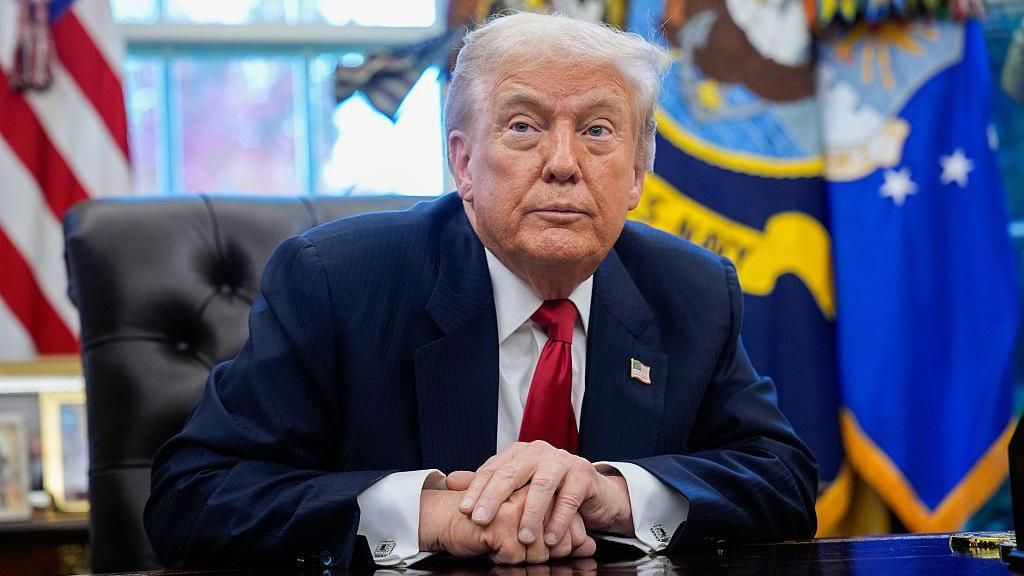
    The Trump administration has initiated a comprehensive re-examination of green cards issued to immigrants from 19 nations deemed security risks, following a recent shooting incident involving an Afghan national in Washington DC. U.S. Citizenship and Immigration Services (USCIS) Director Joseph Edlow announced the policy shift, stating President Trump had directed “a full scale, rigorous re-examination of every green card for every alien from every country of concern.”

    The review targets countries previously identified in a June White House proclamation, including Afghanistan, Cuba, Haiti, Iran, Somalia, Venezuela, Burma, Chad, Republic of Congo and Libya. The administration cited security concerns and high visa overstay rates as primary factors for inclusion on the list.

    The policy announcement comes days after Rahmanullah Lakanwal, an Afghan national who entered the U.S. in 2021 through special immigration programs following America’s withdrawal from Afghanistan, allegedly shot and gravely injured two National Guard troops. While Edlow’s social media announcement did not explicitly reference the attack, he emphasized that “the protection of this country and of the American people remains paramount.”

    President Trump characterized the shooting as underscoring “the greatest national security threat facing our nation,” criticizing previous administration policies that he claimed admitted “20 million unknown and unvetted foreigners from all over the world.”

    The June proclamation highlighted by USCIS to the BBC specifically noted Afghanistan’s Taliban control, lack of competent central authority for document issuance, and inadequate screening measures as justification for enhanced scrutiny. This move follows last week’s announcement of a review of all refugees admitted under former President Biden, signaling a broader immigration policy reassessment.
  • Carney’s new Alberta oil pipeline deal already faces opposition

    Carney’s new Alberta oil pipeline deal already faces opposition

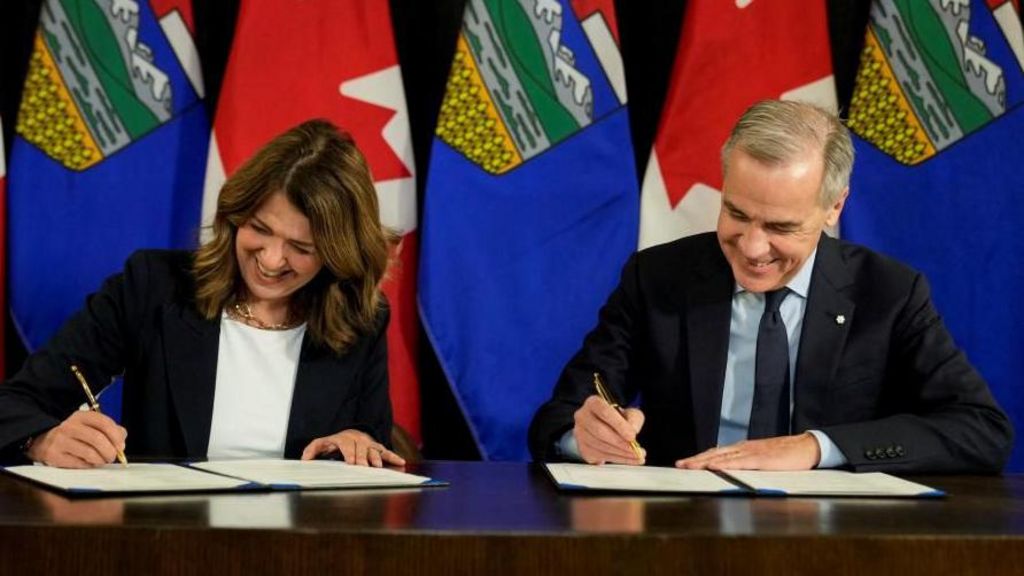
    In a landmark political development, Canadian Prime Minister Mark Carney and Alberta Premier Danielle Smith have finalized a comprehensive energy agreement that establishes the framework for a proposed oil pipeline to the Pacific coast. The Thursday signing in Calgary represents a significant policy shift from previous federal administrations, granting the prospective project exemptions from select federal environmental regulations, including the coastal tanker ban off British Columbia’s shoreline and the federal oil and gas emissions cap.

    The accord establishes a reciprocal arrangement where Alberta must intensify its environmental commitments by accelerating carbon pricing mechanisms and expanding carbon capture initiatives to counterbalance emissions. The agreement explicitly mandates that the pipeline must secure Indigenous co-ownership and private sector financing, prohibiting the use of public tax dollars for its development.

    This arrangement marks a substantial departure from the policies of former Prime Minister Justin Trudeau and addresses Alberta’s longstanding grievances about federal impediments to resource development. Premier Smith characterized the agreement as signaling the end of “dark times” for her province’s energy sector.

    Despite this bilateral progress, the project faces formidable opposition. British Columbia Premier David Eby expressed vehement opposition, labeling the pipeline “fictional” and criticizing the exclusion of his province from preliminary negotiations. The project currently lacks both private financial backing and support from First Nations communities whose territories would be traversed by the pipeline.

    Prime Minister Carney defended the initiative as crucial for Canada’s economic diversification, noting that over 90% of Canadian crude exports currently go to the United States—a vulnerability highlighted by recent protectionist trade policies. The administration aims to double non-U.S. exports within the next decade, with Asian markets representing a key strategic objective.

    The agreement commits both federal and Alberta governments to immediately engage British Columbia in subsequent discussions, though the project remains in preliminary stages without a defined route to BC’s northern coast.

  • China, US militaries maintain working-level contact

    China, US militaries maintain working-level contact

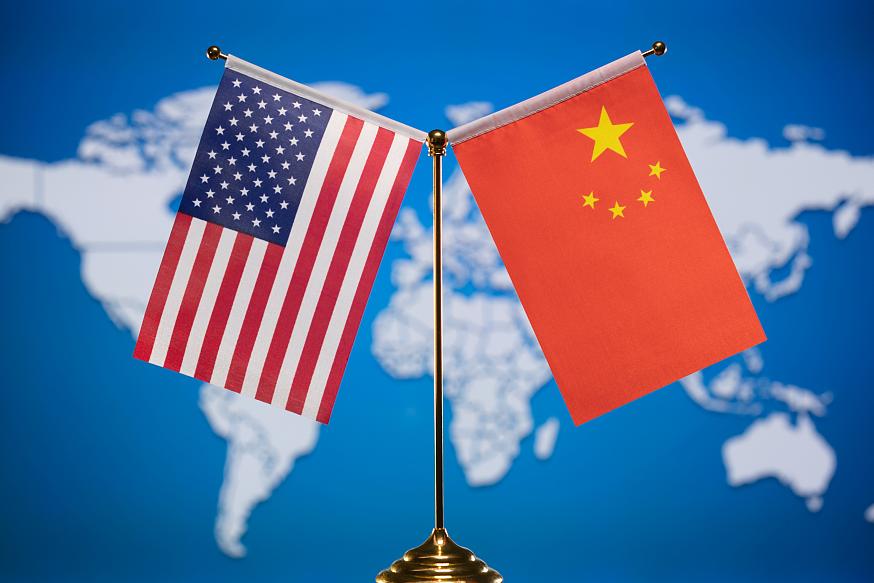
    The Chinese and US militaries are actively maintaining working-level communications to foster future exchanges, as confirmed by a Chinese defense spokesperson on Thursday. Jiang Bin, spokesperson for China’s Ministry of National Defense, addressed this during a routine press briefing in Beijing, highlighting recent military engagements between the two nations.

  • France to restore voluntary military service of 10 months from 2026

    France to restore voluntary military service of 10 months from 2026

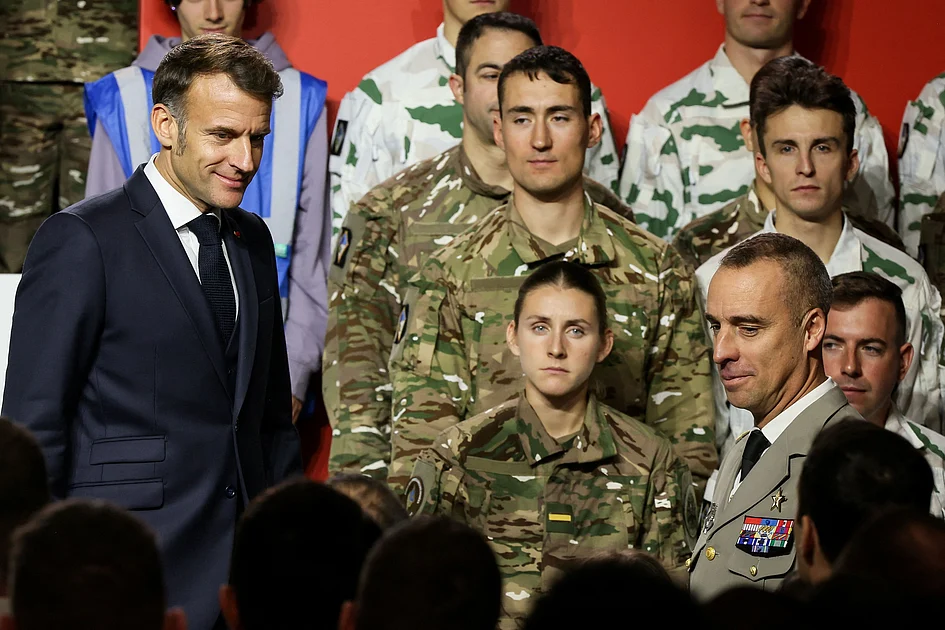
    In a significant shift in national defense policy, French President Emmanuel Macron announced on Thursday the establishment of a voluntary 10-month military service program set to commence in 2026. This strategic initiative marks France’s response to evolving security dynamics in Europe, particularly influenced by Russia’s ongoing conflict in Ukraine.

    Addressing troops at Varces-Allieres-et-Risset in southeastern France, Macron detailed that the program would initially deploy approximately 3,000 volunteers during its pilot phase next summer, with ambitious expansion targets of 10,000 participants by 2030 and 50,000 by 2035. The program primarily targets citizens aged 18-19, though it will accommodate individuals with specialized skills up to age 25.

    The President emphasized the voluntary nature of the service while acknowledging parliamentary authority to mandate participation during exceptional national crises. ‘This national service will operate primarily with volunteers selected to meet our armed forces’ requirements,’ Macron stated, adding that deployments would be restricted to French territory exclusively.

    This defense modernization effort emerges against the backdrop of heightened alerts from French military leadership. Armed Forces Chief of Staff Fabien Mandon recently cautioned that Russia appears to be ‘preparing for a confrontation by 2030 with our countries,’ prompting serious national security evaluations.

    The administration has actively addressed concerns about potential combat deployment, with Macron explicitly clarifying that ‘we are not going to send our young people to Ukraine.’ The initiative aligns with similar measures adopted by European neighbors including Latvia, Lithuania, and Denmark, reflecting a continental trend toward strengthened defense preparedness.

    France’s military currently maintains 200,000 active personnel and 47,000 reservists, with projections indicating growth to 210,000 and 80,000 respectively by 2030. The voluntary service program aims to enhance these numbers while creating a substantial reservoir of trained reservists capable of mobilization during emergencies.

  • British soldiers trained in Israel during Gaza genocide

    British soldiers trained in Israel during Gaza genocide

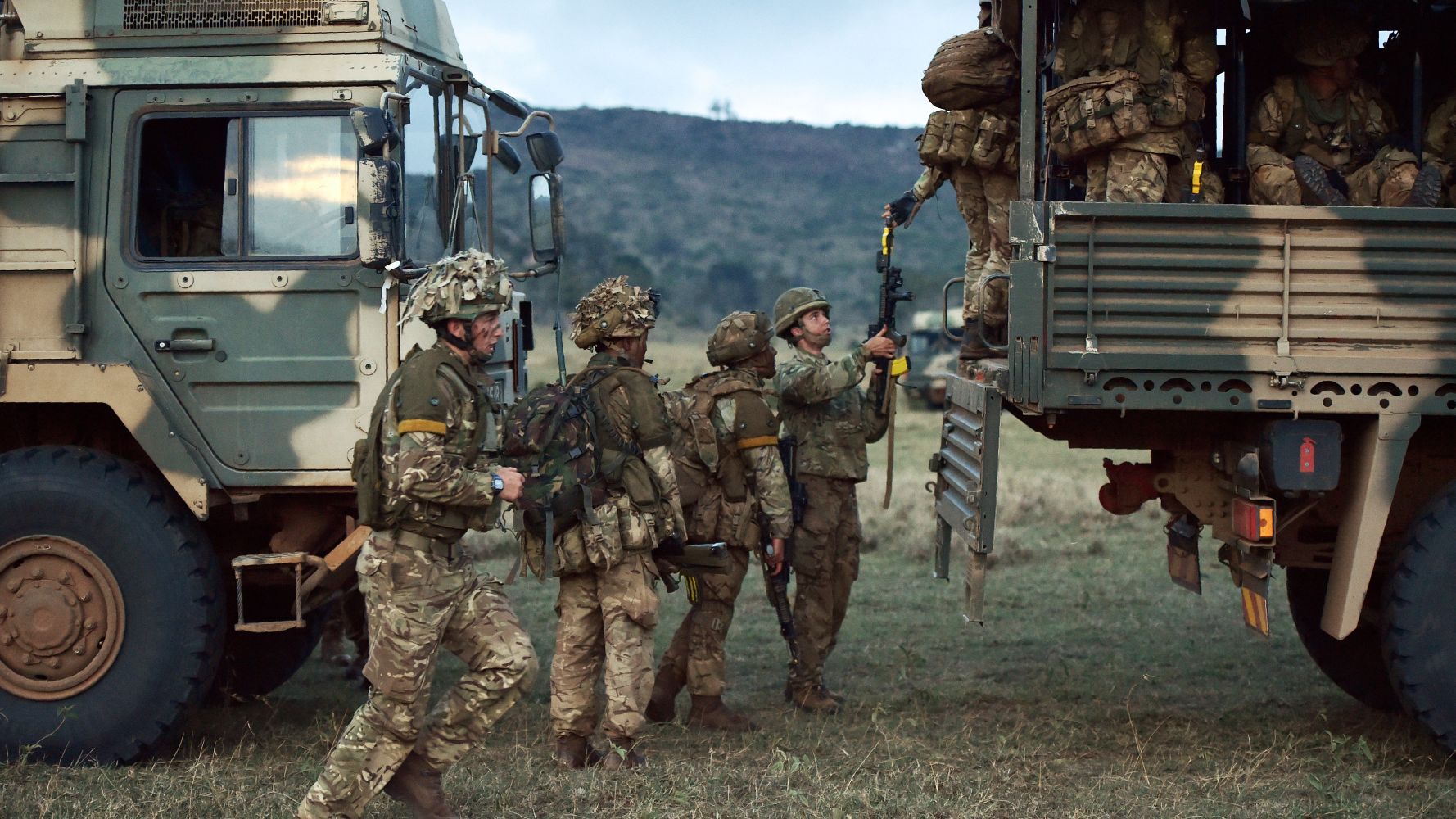
    The British government has formally acknowledged that members of its armed forces received training in Israel during the ongoing military operations in Gaza that commenced in October 2023. This revelation came through an official statement from Parliamentary Under-Secretary for Veterans Al Carns, who disclosed that “fewer than five British Armed Forces personnel have studied on educational staff courses in Israel since October 2023.

    This admission represents the first official confirmation of UK military presence within Israeli military academies following the October 7th attack by Hamas-led fighters on southern Israel. The disclosure emerges against a backdrop of serious international legal challenges facing Israel, including the International Court of Justice’s finding of a “plausible” case for genocide in Gaza and the International Criminal Court’s issuance of arrest warrants against Israeli Prime Minister Benjamin Netanyahu and former Defense Minister Yoav Gallant for alleged war crimes and crimes against humanity.

    The training revelation has drawn sharp criticism from military experts and politicians alike. Retired British General Charlie Herbert characterized the disclosure as “absolutely extraordinary,” stating that “all such exchanges should have immediately ceased given the credible allegations of war crimes against the political and military leadership of the IDF.” He further expressed concern that this association “does our armed forces a huge disservice” and “adds to the accusations of UK complicity in this genocide.”

    According to a study by Germany’s Max Planck Institute for Demographic Research, the conflict has likely resulted in at least 100,000 Palestinian fatalities. Despite growing criticism of Israel’s conduct in Gaza, the UK maintains its staunch alliance with Israel, continuing both military and commercial collaboration.

    This ongoing partnership includes significant arms contracts, with the British arm of Israeli weapons manufacturer Elbit Systems reportedly close to securing a £2 billion contract to become a “strategic partner” of Britain’s Ministry of Defence. The agreement would position Israel’s largest arms manufacturer to train approximately 60,000 British soldiers annually. Elbit Systems provides approximately 85% of Israel’s drones and land-based military equipment, playing a major role in supplying weaponry used in Gaza.

    In September 2024, the British government suspended 30 of 350 arms export licenses to Israel following a review that identified a clear risk of British-made weapons being used in violation of international humanitarian law. Notably, licenses for components for F-35 fighter jets, which are actively deployed in Gaza, were exempted from this embargo.

  • Pakistan ex-PM Khan’s party demands meeting amid health worries

    Pakistan ex-PM Khan’s party demands meeting amid health worries

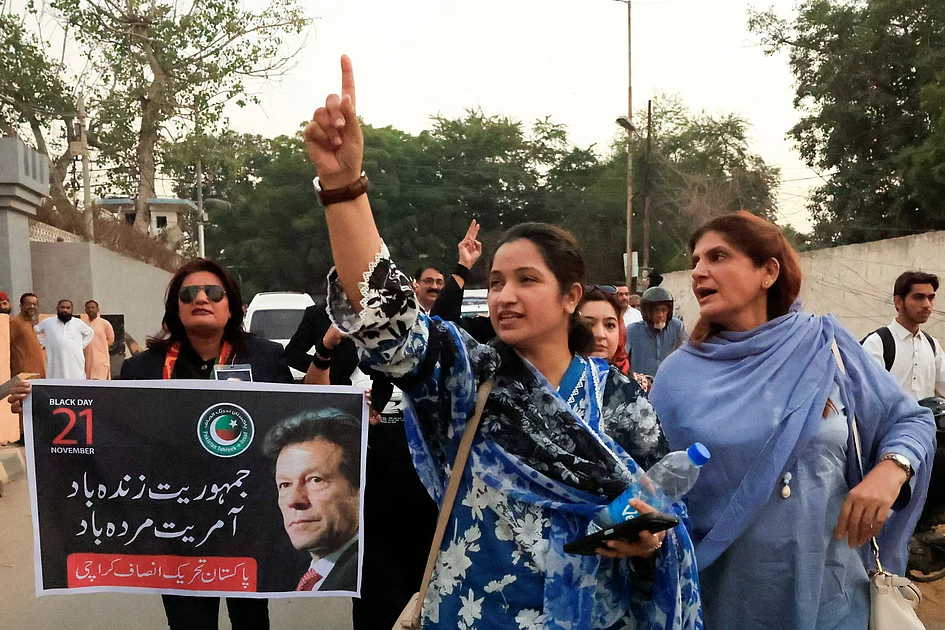
    The Pakistan Tehreek-e-Insaf (PTI) party, led by jailed former Prime Minister Imran Khan, has raised alarms over his health and isolation, demanding immediate access to him. Khan, who has been incarcerated since August 2023 on corruption charges, has been barred from meeting his family and lawyers for over three weeks, sparking widespread concern and protests. PTI spokesperson Zulfikar Bukhari emphasized that Khan’s health is a significant worry, given his prolonged isolation and lack of medical support. Despite being a former head of state, Khan has been denied basic visitation rights, raising questions about the legality of his treatment. Protests have erupted outside the Rawalpindi jail, with Khan’s family and supporters demanding transparency and access. Social media has also amplified the issue, with the hashtag #WHEREISIMRANKHAN trending on X. While a jail official anonymously confirmed Khan’s good health and denied any plans to transfer him to a high-security facility, the PTI remains skeptical. Khan’s political journey has been tumultuous since his ousting in 2022 after a fallout with military leaders, who wield significant influence in Pakistan’s governance. His arrest in 2023 triggered nationwide protests and a crackdown on his party, which emerged as the largest in the 2024 elections but alleges electoral rigging prevented it from forming a government. Prime Minister Shehbaz Sharif and his allies have denied these claims, further fueling political tensions.

  • Former Peruvian President Pedro Castillo sentenced for conspiracy

    Former Peruvian President Pedro Castillo sentenced for conspiracy

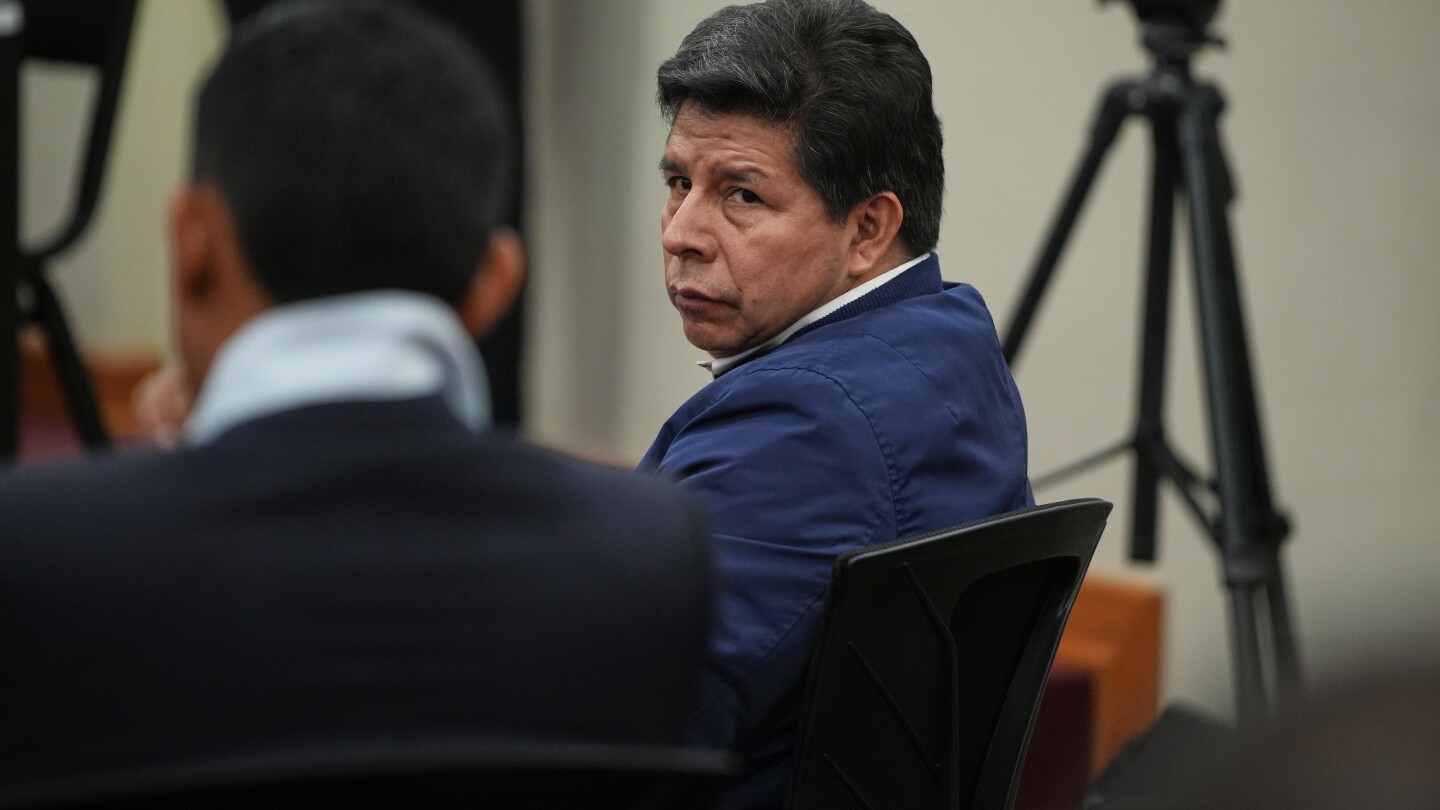
    Peru’s Supreme Court has delivered a landmark verdict against former President Pedro Castillo, sentencing him to 11.5 years imprisonment for orchestrating a conspiracy to commit rebellion in December 2022. The court’s special panel found Castillo guilty of attempting to dissolve Congress illegally as legislators moved forward with impeachment proceedings against him.

    The 56-year-old leader, who has remained in custody since his dramatic arrest in December 2022, received an additional two-year ban from holding public office. The ruling extends to two of Castillo’s former ministers, including ex-Prime Minister Betssy Chávez, who received identical prison terms for their involvement in the same conspiracy.

    Chávez’s case has triggered international diplomatic tensions, with Mexico granting her asylum and providing sanctuary within its embassy compound in Lima. The Peruvian government responded by severing diplomatic relations with Mexico, creating a significant regional diplomatic rift.

    The verdict marks the second major conviction of a former Peruvian president within a single week. On Wednesday, a separate court sentenced ex-leader Martín Vizcarra to 14 years imprisonment after convicting him of accepting bribes during his tenure as governor of a southern state.

    Castillo’s dramatic fall from power represents a stunning reversal for the political outsider who made history in 2021 by becoming Peru’s first president from an impoverished farming background. His administration, marked by political inexperience and escalating tensions with Congress, culminated in his attempted dissolution of the legislative body.

    Vice President Dina Boluarte succeeded Castillo but faced her own political challenges, ultimately being removed from office in October following widespread public dissatisfaction with her government’s performance and mounting crime rates. Current President José Jerí, previously the Congress leader, now leads the nation amid ongoing political turbulence.

  • Quebec expands secularism law and limits public prayer

    Quebec expands secularism law and limits public prayer

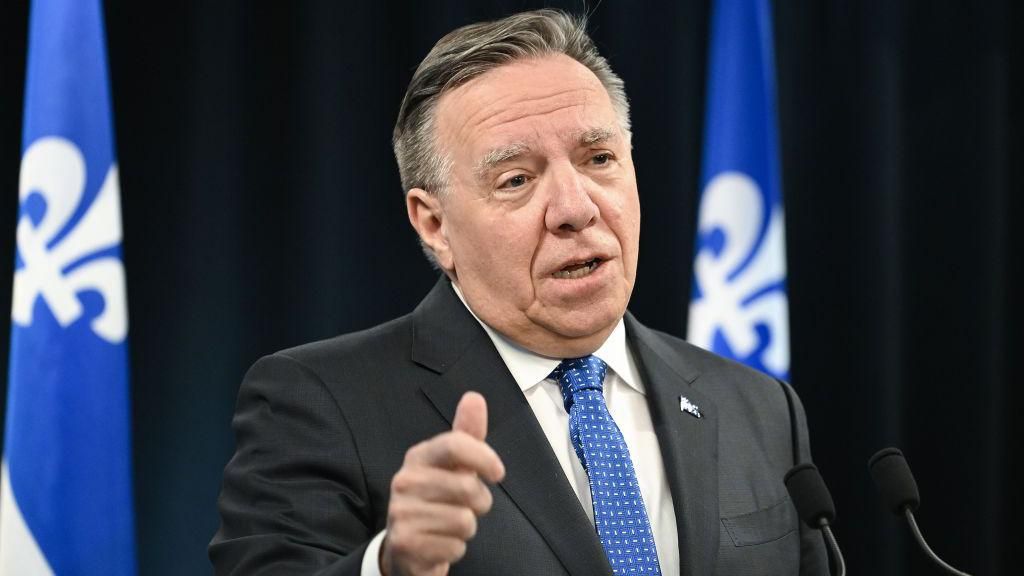
    The Quebec government has unveiled sweeping new secularism legislation that significantly expands restrictions on religious expression in public spaces. The Coalition Avenir Québec government introduced Bill 9 on Thursday, marking what officials term ‘secularism 2.0’ – a substantial enhancement of the controversial 2019 religious symbols law that has sparked national debate.

    The comprehensive legislation extends religious symbol prohibitions to staff in subsidized daycares and bans unauthorized collective religious practices, including prayer, in public areas such as parks. It further mandates that students and staff from daycare through post-secondary education cannot wear face coverings, while also limiting exclusively religion-based menus like kosher and halal meals in public institutions.

    Jean-François Roberge, Minister Responsible for Secularism, defended the measures as balancing individual and collective rights. The government cites recent protests where public spaces were used for prayer gatherings as partial motivation for the new restrictions. ‘It’s shocking to see people blocking traffic, taking possession of public space without permits, and turning our streets, parks, and squares into places of worship,’ Roberge stated.

    The legislation builds upon Bill 21, which previously prohibited judges, police officers, teachers and public servants from wearing religious symbols including kippahs, turbans, and hijabs while working. That law invoked Canada’s notwithstanding clause to override certain constitutional freedoms, a move currently facing Supreme Court review scheduled for early next year.

    Opposition parties and advocacy groups have strongly criticized the expanded measures. The Parti Québecois accuses the governing coalition of creating social division to bolster support ahead of provincial elections, while the National Council of Canadian Muslims condemned the legislation as ‘doubling down on identity politics and division.’

    Secularism (laïcité) has remained a persistent issue in Quebec since the 1960s decline of Catholic Church influence. Recent polling indicates 68% of Quebec residents consider secularism an important value, aligning the province with similar legislation in several European Union nations including France, which implemented religious symbol bans in 2004 and face covering restrictions in 2010.

  • National Guard shooting suspect worked with CIA in Afghanistan

    National Guard shooting suspect worked with CIA in Afghanistan

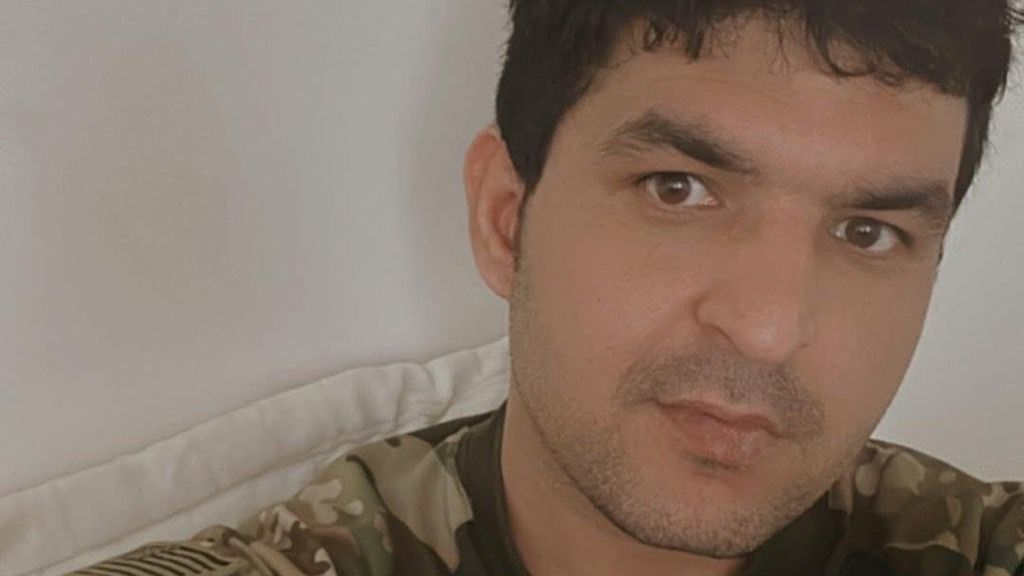
    A former Afghan security contractor with documented ties to U.S. intelligence agencies stands accused of executing a targeted shooting against two National Guard members in Washington D.C. this week. Rahmanullah Lakanwal, 29, allegedly traveled cross-country from Washington state to carry out what authorities describe as an ‘ambush-style’ attack just blocks from the White House.

    The victims, identified as 20-year-old Sarah Beckstrom and 24-year-old Andrew Wolfe, both remain hospitalized in critical condition after being shot at close range Wednesday afternoon. Lakanwal was subsequently shot and detained by other Guard members present at the scene.

    According to official statements and background investigations, Lakanwal entered the United States in 2021 through Operation Allies Welcome—a special immigration program established following the U.S. withdrawal from Afghanistan. His admission was based on previous service with Unit 03 of the Kandahar Strike Force (locally known as Scorpion Forces), which initially operated under CIA direction before transitioning to Afghan intelligence control.

    A former military commander who served with Lakanwal described him to BBC Afghan Service as a GPS tracking specialist and ‘sporty, jolly character’ who helped secure Kabul airport during the chaotic evacuation. His entire unit was airlifted to the U.S. days after the Taliban entered Kabul.

    The incident has triggered significant policy repercussions. President Donald Trump, who characterized the shooting as an ‘act of terror,’ immediately suspended all Afghan immigration applications and ordered a comprehensive review of all special immigration programs. USCIS Chief Joseph Edlow confirmed the administration would conduct ‘a full scale, rigorous re-examination of every Green Card for every alien from every country of concern.’

    Additionally, the president announced deployment of 500 additional National Guard members to Washington D.C., augmenting the existing force of 2,000 troops deployed since August to address urban crime concerns.

    Lakanwal currently faces multiple felony charges including three counts of assault with intent to kill while armed, potentially carrying more than a decade imprisonment if convicted. He remains under guard while receiving medical treatment for injuries sustained during his apprehension.

  • PLA will do everything to safeguard Hong Kong, Defense Ministry says

    PLA will do everything to safeguard Hong Kong, Defense Ministry says

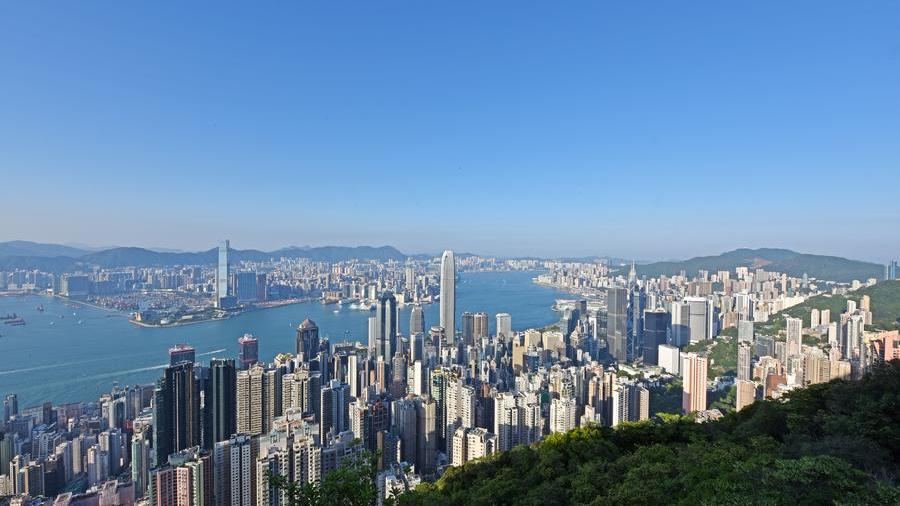
    The People’s Liberation Army (PLA) Hong Kong Garrison has reaffirmed its dedication to protecting Hong Kong, emphasizing its readiness to execute orders and fulfill its responsibilities in accordance with the law. This declaration came during a routine press briefing held by Jiang Bin, spokesperson for the Ministry of National Defense, on Thursday. The statement was prompted by inquiries regarding the PLA’s potential involvement in relief efforts following a devastating fire in Hong Kong on Wednesday. The blaze, which erupted in the Wang Fuk Court residential area in Tai Po, claimed 55 lives by Thursday afternoon, according to reports from Xinhua News Agency. Jiang Bin expressed profound sorrow for the victims, including a firefighter who perished while on duty, and extended heartfelt condolences to the bereaved families and those impacted by the tragedy. The PLA’s commitment underscores its role as a steadfast guardian of Hong Kong’s safety and stability, particularly in times of crisis.