分类: politics

  • Labor minister Anne Aly refuses to answer whether Israel President welcome on Australia visit

    Labor minister Anne Aly refuses to answer whether Israel President welcome on Australia visit

    A significant diplomatic controversy has emerged in Australia as Multiculturalism Minister Dr. Anne Aly, the Labor Party’s highest-ranking Muslim MP, repeatedly declined to express support for Israeli President Isaac Herzog’s upcoming state visit. The five-day official visit, scheduled to begin February 8, was extended by Prime Minister Anthony Albanese following the December 14 Bondi Beach terrorist attack that targeted Israeli nationals.

    During an interview with ABC Radio National on Thursday, Dr. Aly characterized the invitation as standard “protocol” for attacks involving foreign victims rather than offering personal endorsement. When pressed directly on whether she welcomed the visit, the minister deflected by reiterating the procedural nature of the invitation, stating it was intended “to commemorate and to remember the victims of the Bondi terror attack.”

    The visit has sparked substantial opposition within Australia’s political landscape. Labor Friends of Palestine has formally requested Home Affairs Minister Tony Burke investigate whether President Herzog would pass the character test under the Migration Act, citing allegations from a United Nations Human Rights High Commissioner report that both Herzog and Israeli Prime Minister Benjamin Netanyahu have incited genocide in Gaza. Herzog has denied these claims, asserting his remarks were taken out of context.

    Criticism extends beyond Labor ranks, with Independent MP Sophie Scamps warning that hosting a foreign leader accused of inciting genocide “risks deeply dividing the Australian community” and could heighten tensions following the Bondi attack. Meanwhile, the visit has received support from Jewish community organizations, including the Executive Council of Australian Jewry, creating a complex diplomatic balancing act for the Albanese government as it attempts to maintain social cohesion amid heightened community tensions.

  • Trump gives Netanyahu a month for Syria security deal, say sources

    Trump gives Netanyahu a month for Syria security deal, say sources

    The United States is intensifying diplomatic efforts to broker a landmark security agreement between Israel and Syria, with multiple sources indicating a potential announcement could emerge within weeks. President Donald Trump has reportedly established a one-month deadline for Israeli Prime Minister Benjamin Netanyahu to conclude negotiations with Damascus, according to officials briefed on recent diplomatic exchanges.

    The central obstacle preventing a comprehensive agreement remains Israel’s continued military presence on Mount Hermon, the highest peak in the region, which Israeli officials have declared a “red line” national security issue. The mountain was occupied following the collapse of Bashar al-Assad’s government in late 2024, extending beyond Israel’s longstanding control of the Golan Heights seized in 1967.

    President Trump’s telephone conversation with Syrian President Ahmed al-Sharaa on Tuesday highlighted the administration’s commitment to Syrian unification without “separatism or federalism.” The Syrian government characterized the discussion as having proceeded “very well,” though declined to provide specific details regarding content.

    Diplomatic progress has been significantly facilitated by US Special Envoy Thomas Barrack, whose advocacy for the agreement has faced opposition from within the administration, including US Central Command and Republican Senator Lindsey Graham. Barrack previously played a pivotal role in managing the transition of northeastern Syria following recent military operations by Sharaa’s forces.

    According to sources familiar with the negotiations, the emerging framework includes provisions for Sweida province, currently under the control of Syrian Druze leader Sheikh Hikmat al-Hijri with Israeli support. The proposed agreement would prevent Syrian government military entry into the region while establishing negotiation processes for eventual integration.

    The potential agreement builds upon the 1974 US-backed security arrangement between the nations, enhanced by recent Paris talks that established a joint communication mechanism for intelligence sharing and military de-escalation coordination. This mechanism aims to promptly address disputes and prevent misunderstandings between the historically adversarial nations.

    Western officials note that Israel perceives the current US administration as divided on Syrian policy, potentially affecting negotiation dynamics. Despite American pressure, Israeli officials maintain their position on Mount Hermon remains non-negotiable, suggesting the four-week timeline might prove insufficient for resolution of this particular issue.

  • Watch: How Alex Pretti shooting led Trump to shift course in Minneapolis

    Watch: How Alex Pretti shooting led Trump to shift course in Minneapolis

    A detailed BBC analysis by editor Ros Atkins has revealed the complex chain of events connecting the police-involved shooting of Alex Pretti to a significant shift in former President Donald Trump’s approach to Minneapolis. The incident, which occurred against the backdrop of already heightened racial tensions and police reform debates, triggered a new wave of civil unrest throughout the city.

    The analysis demonstrates how the Pretti shooting served as a critical inflection point in the Trump administration’s engagement with Minneapolis leadership and community activists. Rather than maintaining his previously established stance, Trump’s team executed a notable strategic recalibration in their public communications and policy positioning.

    Atkins’ investigation traces the timeline from the initial incident through the subsequent protests, examining how federal and local authorities responded to the escalating situation. The reporting highlights the intersection of law enforcement protocols, political calculations, and community activism that ultimately compelled the administration to alter its course in addressing the volatile environment in Minneapolis.

    The comprehensive assessment provides insight into how singular events can precipitate substantial policy reevaluations at the highest levels of government, particularly when they occur in communities already grappling with complex social justice issues and historical tensions between law enforcement and civilian populations.

  • Maryam Nawaz in Punjab: A governance model built on delivery, visibility, and reform

    Maryam Nawaz in Punjab: A governance model built on delivery, visibility, and reform

    In Pakistan’s most populous and politically significant province of Punjab, Chief Minister Maryam Nawaz Sharif has initiated a distinctive governance approach centered on tangible service delivery rather than rhetorical announcements. This administrative philosophy operates on the principle that effective governance must be experientially felt by citizens in their daily lives rather than merely proclaimed through political channels.

    The strategic focus encompasses critical public sectors including sanitation, transportation, healthcare, education, housing, and agricultural support. The Suthra Punjab initiative exemplifies this systemic approach, treating waste management not as a temporary campaign but as a permanent operational system requiring coordinated logistics, contractor discipline, and continuous monitoring. This visible service delivery functions as both administrative mechanism and political statement—demonstrating state competence through consistent execution.

    Transportation modernization represents another pillar of this governance model, with electric bus integration and transit infrastructure upgrades addressing both urban mobility and environmental concerns. The administration recognizes efficient transport as fundamental economic policy that expands access to employment and education while mitigating Punjab’s severe air pollution challenges.

    Healthcare accessibility receives innovative attention through the Clinics on Wheels program, which delivers primary medical services directly to underserved communities, reversing the traditional expectation that citizens must navigate distant facilities. This mobile healthcare approach complements the upgraded Maryam Nawaz Health Clinics featuring improved staffing and digital record-keeping systems.

    The administration demonstrates notable technological ambition through comprehensive AI integration, including mandatory AI training for cabinet members—a first in Pakistan’s governance history—and AI education implementation across provincial government schools. This digital transformation initiative reflects a data-driven approach to policy decisions and modern governance.

    Educational investments target human capital development through the Honhaar Scholarship Programme and laptop distribution, reducing financial barriers to higher education while expanding digital access. Housing policy addresses urban growth through the Apni Chhat, Apna Ghar initiative, providing structured home ownership opportunities for low-income families rather than temporary shelter solutions.

    Agricultural support mechanisms include the Kisan Card system, offering registered farmers structured access to inputs and financial resources, thereby reducing dependence on informal credit markets and stabilizing rural incomes.

    A defining characteristic of this governance model is its emphasis on performance metrics and monitoring dashboards across all sectors, representing a shift toward evidence-based administration that prioritizes measurable outcomes over political announcements. While still in its early implementation phase, this service-oriented approach carries both promise and risk—visible failures in delivery could quickly undermine public trust, but successful execution may establish new standards for provincial governance throughout Pakistan.

  • Reform candidate Matt Goodwin: From ‘liberal left’ to Islamophobia sceptic

    Reform candidate Matt Goodwin: From ‘liberal left’ to Islamophobia sceptic

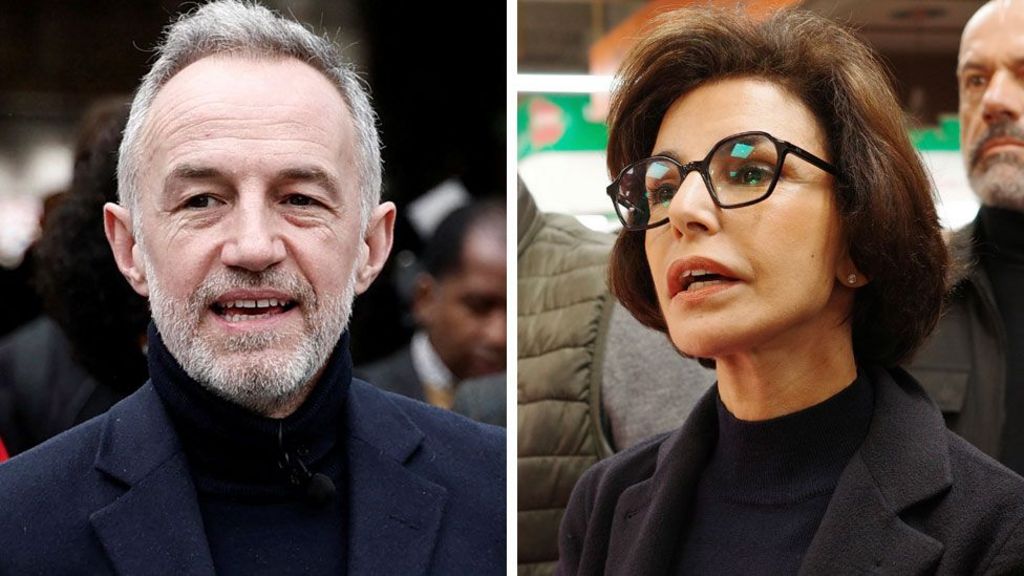
    The upcoming Gorton and Denton by-election in Greater Manchester has emerged as a critical test for Prime Minister Keir Starmer’s leadership, with the selection of controversial right-wing commentator Matt Goodwin as Reform UK’s candidate adding fuel to the political fire.

    The electoral contest gained national significance after Labour’s national executive committee blocked Mayor Andy Burnham—considered a potential leadership challenger to Starmer—from contesting the seat. This move positioned the February 26th vote as a referendum on Starmer’s premiership.

    Reform UK’s candidate selection has drawn particular attention due to Goodwin’s extensive history of provocative statements regarding ethnicity and Islam. The GB News presenter has repeatedly asserted that British-born individuals with immigrant parents cannot automatically claim British identity, comments that Liberal Democrats have labeled as overtly racist—a characterization Goodwin vehemently denies.

    The constituency’s demographic composition, where over 25% of voters identify as Muslim and 44% belong to ethnic minorities, sets the stage for heightened scrutiny of Goodwin’s past statements. His controversial claims include describing demographic changes as a ‘crisis,’ asserting connections between ethnicity and criminal behavior, and challenging the concept of Islamophobia as ‘highly politicized.’

    Goodwin’s background presents contradictions: a former academic who studied far-right movements and served as a government advisor on anti-Muslim hatred between 2013-2015, he has transformed into a prominent right-wing media figure. He claims to have abandoned his former ‘liberal left’ affiliations, now advocating for stricter immigration controls and cultural assimilation.

    The by-election occurs against a backdrop of Labour’s declining poll numbers and Reform UK’s surging popularity. With ethnic and religious identity poised to become central campaign issues, Goodwin’s candidacy represents both an opportunity for Reform to gain parliamentary footing and a potential liability given the constituency’s diverse electorate.

  • Iran rejects talks with US amid military ‘threats’

    Iran rejects talks with US amid military ‘threats’

    In a significant escalation of Middle East tensions, Iran has formally rejected any possibility of negotiations with the United States, citing the presence of a U.S. naval strike group in regional waters as an unacceptable military threat. The USS Abraham Lincoln-led carrier group has been deployed to the Middle East, though U.S. Central Command has not disclosed its exact positioning.

    Iranian Foreign Minister Abbas Araghchi declared that ‘conducting diplomacy through military threat cannot be effective or useful,’ emphasizing that Tehran would not engage in talks while facing what it perceives as coercion. This diplomatic stalemate unfolds alongside revelations of a devastating human rights crisis within Iran, where a verified death toll from recent protests has surpassed 6,200, according to the U.S.-based Human Rights Activists News Agency (HRANA).

    Simultaneously, Iran is pursuing a diplomatic offensive across the Arab world. President Masoud Pezeshkian has engaged with Saudi Crown Prince Mohammed bin Salman, while top security official Ali Larijani has consulted with Qatari leadership. These efforts appear aimed at rallying regional support and isolating American positions. Egyptian officials have separately communicated with both Iranian and American diplomats, advocating for de-escalation and the creation of conditions conducive to resumed dialogue.

    The domestic situation remains dire, with HRANA reporting over 42,000 arrests and warning of ‘new dimensions’ in the security crackdown, including hospital searches for wounded protesters and arrests of medical personnel. Concerns are mounting that protesters may face execution, following Iran’s recent execution of an alleged Mossad agent and judicial indications that some detainees could face capital charges.

  • ‘Time is running out’: Trump urges Iran to make nuclear deal or risk ‘far worse’ attack

    ‘Time is running out’: Trump urges Iran to make nuclear deal or risk ‘far worse’ attack

    President Donald Trump has intensified diplomatic pressure on Tehran through a stark public ultimatum, warning that Iranian leadership must immediately engage in nuclear negotiations or face devastating military consequences. The warning came via social media on Wednesday, January 28, 2026, with the President emphasizing that “time is running out” for diplomatic resolution.

    Trump referenced previous military operations against Iran, specifically mentioning ‘Operation Midnight Hammer’ as precedent for the seriousness of his threats. His statement highlighted that a “massive armada” is currently positioned near Iranian waters, with the USS Abraham Lincoln strike group confirmed to have entered Middle Eastern territories by U.S. Central Command.

    The escalation follows Iran’s firm rejection of negotiations under military intimidation. Iranian Foreign Minister Abbas Araghchi stated unequivocally that “conducting diplomacy through military threat cannot be effective or useful,” demanding that the U.S. “set aside threats, excessive demands and raising illogical issues” for any productive dialogue to occur.

    This confrontation builds upon years of strained relations since Trump’s withdrawal from the 2015 multinational nuclear agreement during his first term. The administration has maintained military action as a persistent option, particularly following Washington’s support of Israel’s 12-day campaign against Iranian nuclear and missile programs in June.

    Despite earlier threats regarding Iran’s domestic protest suppression, the immediate likelihood of military engagement appeared to diminish recently as both nations expressed tentative openness to diplomatic channels. Behind the scenes, Iranian officials have engaged in diplomatic outreach to key Arab states seeking regional support against potential American aggression.

  • During heated hearing, Rubio insists US action in Venezuela will lead to prosperity and security

    During heated hearing, Rubio insists US action in Venezuela will lead to prosperity and security

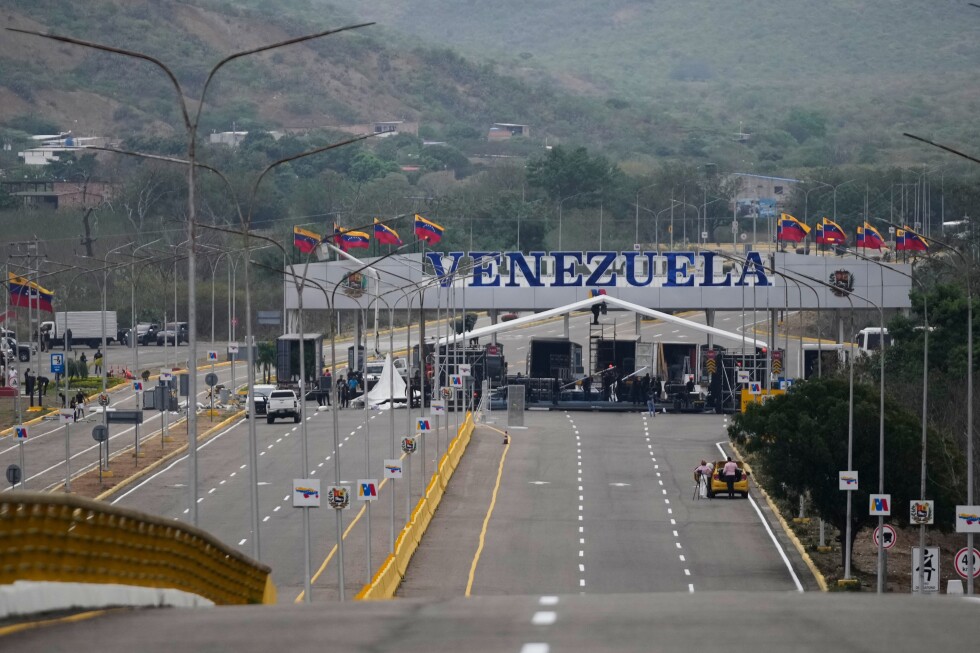
    WASHINGTON – Secretary of State Marco Rubio faced intense congressional scrutiny Wednesday during a long-awaited Senate Foreign Affairs Committee hearing on Venezuela, defending the Trump administration’s military operation that ousted Nicolás Maduro as a justified “law enforcement action” rather than an act of war.

    The hearing marked the first public congressional examination of the unprecedented January 3rd Delta Force operation that extracted Maduro from Caracas in his pajamas to face drug trafficking charges in New York. The session, which senators had requested since well before the military intervention, revealed sharp divisions over the legal and strategic foundations of the administration’s Venezuela policy.

    Rubio, a former senator who previously chaired this very committee, maintained a consistently robust defense throughout the proceedings. He characterized Maduro not as a legitimate head of state but as “an indicted drug criminal” with whom negotiation proved impossible. “The glue that held the regime together was corruption and graft,” Rubio stated. “His removal has created the conditions to begin to move away from that.”

    A central point of contention emerged around the administration’s circumvention of congressional war powers. Rubio carefully stressed that “we did not occupy a country” and that “there are no US troops on the ground,” framing the operation as a targeted drug enforcement action rather than military engagement. This distinction drew skepticism from several committee members, including Republican Senator Rand Paul, who retorted that the operation resembled a “drug bust” lacking proper legal justification.

    The secretary outlined a comprehensive plan for Venezuela’s political and economic restructuring under interim President Delcy Rodriguez. Most significantly, he detailed Washington’s intention to maintain full control over Venezuela’s oil industry, with oil revenues currently held in Qatari offshore accounts pending transfer to U.S. Treasury blocked accounts. These funds would be released only for narrowly defined needs upon Washington’s approval.

    Rubio framed this arrangement as beneficial for both nations, suggesting Venezuelan oil profits would increasingly purchase U.S. goods rather than service debts to Russia or China. He also revealed that Rodriguez had “pledged to end Venezuela’s oil lifeline to the Cuban regime” – a statement with significant implications for regional dynamics.

    While refusing to rule out additional military force, Rubio expressed confidence in the current trajectory, comparing Venezuela’s situation to a “critically ill patient” requiring immediate intervention. He cited Spain and Paraguay’s democratic transitions as historical parallels for the challenging path ahead.

    The hearing concluded without clear consensus, reflecting ongoing debates about executive power, international law, and the future of U.S. policy in Latin America. With Rodriguez’s cooperation described as essential but uncertain, and Cuban officials undoubtedly monitoring developments, the coming months will test whether the administration’s vision of transformative change can be realized.

  • Trump says ‘massive armada’ will strike Iran with ‘speed and violence’ unless deal made

    Trump says ‘massive armada’ will strike Iran with ‘speed and violence’ unless deal made

    Former US President Donald Trump has issued a direct military threat against Iran through his Truth Social platform, declaring that a substantial naval fleet is currently en route to the region. Trump emphasized the armada’s readiness to execute operations with maximum force unless Tehran agrees to negotiate a nuclear non-proliferation agreement.

    Drawing parallels to previous military operations in Venezuela that ultimately resulted in the capture of President Nicolas Maduro, Trump characterized the current deployment as significantly larger and more capable. He explicitly warned that the military force stands prepared to fulfill its mission with unprecedented speed and violence if diplomatic efforts fail.

    The former president referenced previous airstrikes against Iranian nuclear facilities in June 2025, known as ‘Operation Midnight Hammer,’ as precedent for potential military action. Trump asserted that any future offensive would substantially exceed previous operations in scale and destruction.

    This escalation occurs amid reports that the Trump administration is considering precision strikes targeting high-ranking Iranian officials allegedly connected to recent protester fatalities. While Israel media outlets suggest Britain, Jordan, and the United Arab Emirates might provide logistical support for potential operations, the UAE foreign ministry has explicitly denied permitting use of its territory or airspace for military actions against Iran.

    Iranian Foreign Minister Abbas Araghchi responded by rejecting negotiations under current threat conditions, stating that productive diplomacy cannot coexist with military ultimatums. Despite acknowledging communication channels with Washington, Araghchi clarified that Tehran has not actively sought negotiations and maintains its position that the United States must cease threats and excessive demands before meaningful dialogue can occur.

  • Former senior political adviser sentenced to 12 years for bribery

    Former senior political adviser sentenced to 12 years for bribery

    In a significant demonstration of China’s ongoing anti-corruption campaign, Zhang Xiaolian, a former high-ranking political adviser, has been sentenced to 12 years imprisonment for bribery offenses. The Shijiazhuang Intermediate People’s Court in Hebei province delivered the verdict on Wednesday, additionally imposing a substantial fine of 2 million yuan ($287,920) and ordering the confiscation of all illicit gains to be transferred to the State treasury.

    The judicial investigation revealed that between 2007 and 2023, Zhang systematically exploited his influential positions, including his tenure as mayor of Harbin—the provincial capital of Heilongjiang—and later as deputy head of the Committee on Economic Affairs of the 13th National Committee of the Chinese People’s Political Consultative Conference (CPPCC). During this sixteen-year period, he provided improper assistance to various individuals and organizations in matters ranging from legal case interventions to business operations and administrative management, accepting bribes totaling over 30.68 million yuan in exchange.

    The court characterized the amount involved as ‘extremely large,’ which typically warrants severe punishment under Chinese law. However, the sentencing reflected some leniency due to Zhang’s cooperation with authorities, including his voluntary confession, disclosure of previously unknown bribery incidents, and active restitution of illegal proceeds.

    Zhang’s professional trajectory, which ultimately culminated in his downfall, began with his Communist Party membership in 1985. Following his initial career at Beijing Forestry University, he ascended through various governmental roles, including leadership of Beijing’s Fangshan district in 2002. His transfer to Heilongjiang province in 2005 marked a significant step in his political career, leading to his appointment as Harbin mayor in 2007. His election to the CPPCC National Committee in 2018 represented the peak of his political influence before his investigation commenced in October 2024 for serious violations of Party discipline and national laws. His subsequent expulsion from the Party in April 2025 preceded formal indictment and trial proceedings.