分类: politics

  • Tunisian police detain leading human rights defender as crackdown on critics widens

    Tunisian police detain leading human rights defender as crackdown on critics widens

    Tunisian security forces detained distinguished human rights attorney Ayachi Hammami at his residence near the capital on Tuesday, executing a five-year prison sentence mandated last week in a highly controversial state security case. The arrest marks the latest escalation in President Kais Saied’s comprehensive campaign against political opposition in the North African nation.

    Hammami stands among approximately forty individuals—including prominent politicians and business leaders—who received prison terms ranging from two to forty-five years in the same alleged conspiracy case. International human rights organizations have universally condemned the judicial proceedings, with Human Rights Watch and Amnesty International characterizing them as politically motivated maneuvers designed to eliminate dissent.

    In a pre-recorded statement released following his detention, Hammami declared an indefinite hunger strike until his freedom is secured. “I will transform the confinement space into which Kais Saied intends to place me into an arena of continued resistance,” the veteran rights defender asserted. “We collectively endure the oppression of this regime—our imperative remains unification against tyranny.”

    Fida Hammami, the attorney’s daughter, provided firsthand testimony to The Associated Press, describing the judicial process as fundamentally compromised. “The court that issued this verdict has relinquished all pretense of independence,” she stated, noting the trial featured “baseless allegations and systematic violations of due process standards.”

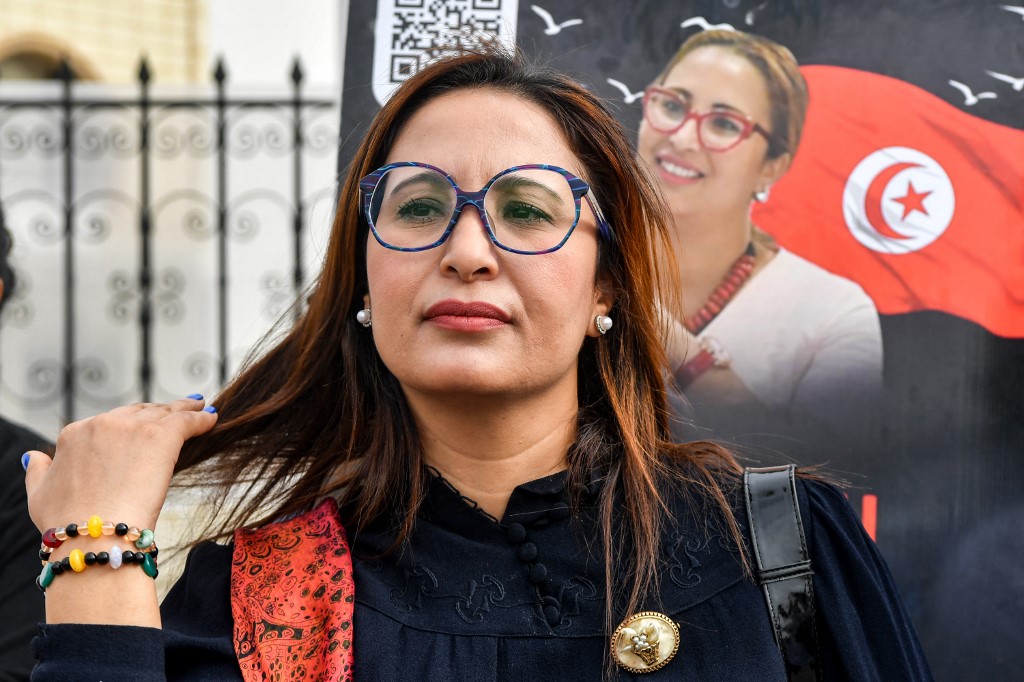
    Her assessment echoes broader concerns about Tunisia’s democratic backsliding since President Saied consolidated power in 2021. The Hammami case coincides with the arrest of Chaima Issa, opposition leader of the National Salvation Front, who received a twenty-year sentence and has similarly initiated a hunger strike protesting her detention by plainclothes officers in an unmarked vehicle.

    The Tunisian government maintains these prosecutions constitute essential national security measures against destabilization plots. Official statements repeatedly deny political motivations, framing the cases as necessary protections against threats to state stability.

    This developing situation underscores the continuing erosion of civil liberties in the nation that sparked the Arab Spring uprisings, drawing increased international scrutiny toward Saied’s administration and its treatment of government critics.
  • Tunisian opposition activist Chaima Issa starts hunger strike to protest violent arrest

    Tunisian opposition activist Chaima Issa starts hunger strike to protest violent arrest

    Prominent Tunisian opposition figure Chaima Issa has initiated a hunger strike in protest of alleged violent treatment during her arrest on Saturday, as reported by local media outlets. The human rights activist, according to her family, sustained a foot injury requiring medical attention during the detention process.

    Issa’s arrest came to enforce a 20-year prison sentence delivered last Friday through a controversial mass trial appeal verdict. This judicial proceeding resulted in sentences ranging up to 45 years for dozens of government critics accused of “conspiracy against state security” and “affiliation with terrorist organizations.” The trial has drawn sharp condemnation from human rights organizations who characterize it as politically motivated and emblematic of a systematic campaign to suppress dissent.

    The case involves 37 defendants, primarily detained since early 2023, who faced charges including meetings with foreign diplomats. The initial April trial concluded after merely three hearings without closing arguments, delivering severe sentences up to 66 years imprisonment. During Friday’s appeal, Issa’s sentence was increased from 18 to 20 years, mirroring similar enhancements for other notable opposition figures including Jawhar Ben Mbarek, Ghazi Chaouachi, Ridha Belhaj and Issam Chebbi.

    Issa was apprehended during a downtown Tunis demonstration protesting the escalating suppression of dissent under President Kais Saied’s administration. Her lawyer, Samir Dilou, described to AFP how “plainclothes officers grabbed her and pushed her inside a vehicle” during the protest, questioning the necessity of such forceful methods given her previous compliance with judicial proceedings.

    The current political climate traces back to President Saied’s 2021 constitutional coup that consolidated executive power. Since then, international and local NGOs have documented significant regression in rights and freedoms within the North African nation that sparked the Arab Spring. Numerous government critics have faced prosecution under terrorism charges and a 2022 presidential decree prohibiting “spreading false news.”

    Issa, a journalist and activist who participated in the 2011 revolution that ousted longtime ruler Zine El Abidine Ben Ali, co-founded the Citizens Against the Coup collective and serves with the National Salvation Front (NSF). This primary opposition coalition, established around the Ennahda party that previously dominated post-revolution politics, has faced severe repression with its leader Rached Ghannouchi currently serving a cumulative 37-year sentence.

    In a related development, co-defendant Jawhar Ben Mbarek suspended his 33-day hunger strike against what he termed “unjust” detention, citing encouragement from recent pro-democracy demonstrations. Mbarek’s health deteriorated severely during his strike, requiring eight hospitalizations and allegedly suffering violent force-feeding incidents that prompted formal torture complaints.

    Tunisian political prisoners have consistently denounced prison mistreatment alongside judicial unfairness, regularly reporting humiliation and harassment within the correctional system.

  • Revealed: Trump administration issued US visa for sanctioned ICC deputy prosecutor

    Revealed: Trump administration issued US visa for sanctioned ICC deputy prosecutor

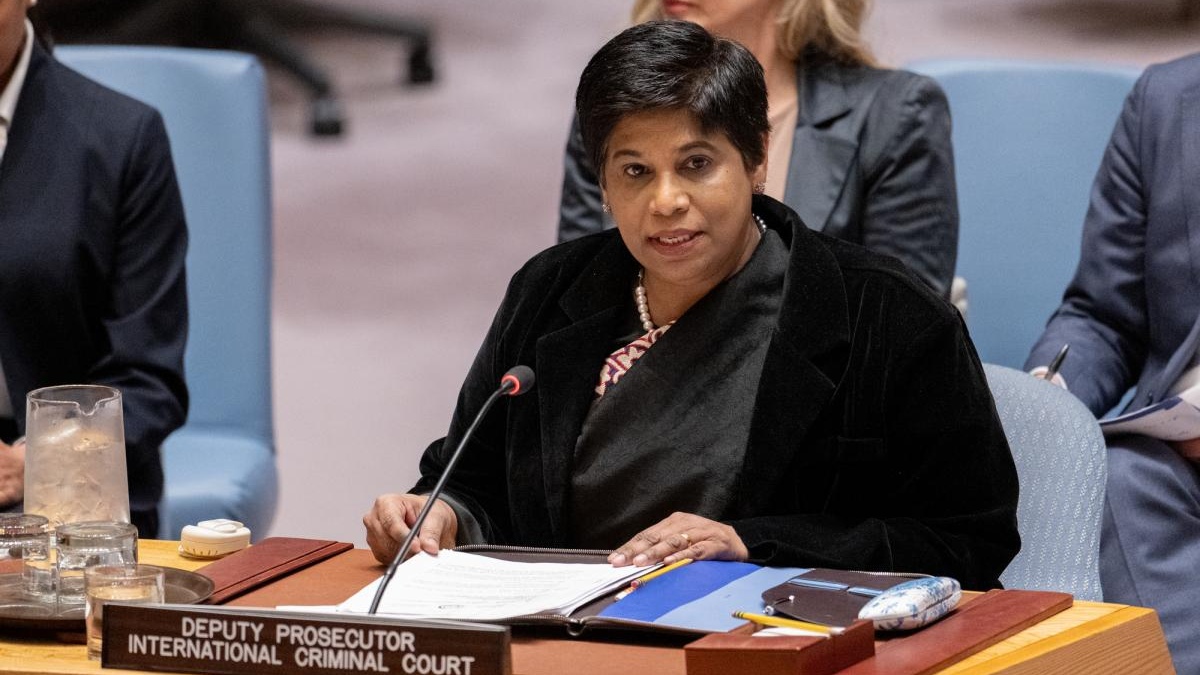
    In a significant diplomatic development, the Trump administration issued a special visa last month to Nazhat Shameem Khan, a sanctioned deputy prosecutor of the International Criminal Court (ICC), enabling her to brief the UN Security Council on Libya’s situation. This exception highlights the complex interplay between US foreign policy and international legal obligations.

    Ms. Khan, alongside fellow deputy prosecutor Mame Mandiaye Niang, faced US sanctions imposed in August 2020. These measures targeted ICC officials involved in investigations concerning American and Israeli personnel. The sanctions freeze assets, restrict global financial access, and limit travel capabilities for affected individuals.

    The visa authorization specifically permitted Khan’s entry solely for the November 25 Security Council session at UN headquarters, reflecting similar accommodations previously extended to former ICC prosecutor Fatouh Bensouda in 2019. This limited access operates under the UN-US host country agreement, which requires allowing sanctioned officials to fulfill UN-related duties.

    This development occurs amid escalating tensions between the US and ICC. The Trump administration has threatened further sanctions against the court itself, potentially jeopardizing its operational capacity. In February 2020, the US imposed financial and visa restrictions on Chief Prosecutor Karim Khan regarding arrest warrant pursuits against Israeli leadership.

    During her UN address, Khan reported progress in Libyan justice efforts, citing the recent transfer of alleged war criminal Khaled Mohamed Ali El Hishri to ICC custody. Simultaneously, at the Assembly of State Parties meeting in The Hague, Khan acknowledged the personal challenges posed by sanctions while affirming the ICC’s continued operations, including the Palestine investigation.

    The ICC is implementing countermeasures against sanctions, including pursuing technological sovereignty by seeking alternatives to US-based cloud services. Court President Tomoko Akane revealed that nine ICC officials now face sanctions alongside terrorists and drug traffickers, causing significant personal and operational difficulties.

    Deputy Prosecutor Niang emphasized that such pressure ultimately strengthens the court’s resolve, stating: ‘This pressure, personal or institutional, has strengthened instead of weakened our conviction in the noble mission of this court.’ The ongoing confrontation represents unprecedented challenges to international justice mechanisms while testing the boundaries of diplomatic engagements between global powers and international institutions.

  • National Guard shooting suspect charged with murder

    National Guard shooting suspect charged with murder

    Federal prosecutors have formally brought murder charges against Rahmanullah Lakanwal, an Afghan refugee accused of killing one National Guard soldier and critically wounding another in a shooting incident near the White House last Wednesday. The attack has triggered significant policy responses from the Trump administration regarding asylum procedures.

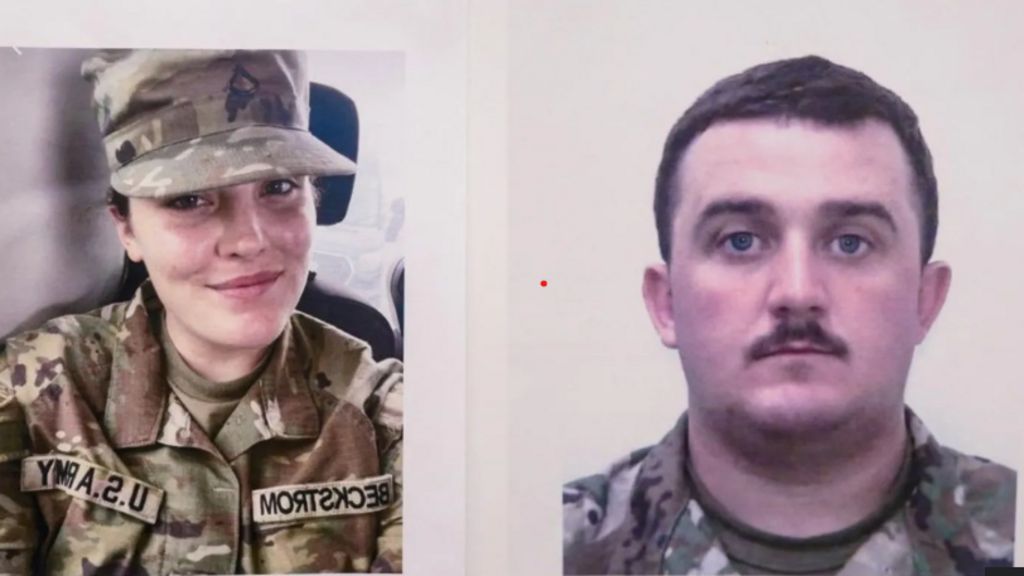
    According to detailed criminal complaints, the violent encounter occurred approximately 2:15 p.m. when Lakanwal allegedly opened fire on National Guard members Sarah Beckstrom, 20, and Andrew Wolfe, 24, who were on patrol duty blocks from the White House. Security camera footage and eyewitness accounts indicate Lakanwal shouted “Allahu Akbar” during the assault and was attempting to reload his weapon when a Guard supervisor intervened, engaging him in a gunfight that ultimately left the suspect wounded.

    Both victims sustained gunshot wounds to the head and were rushed to emergency medical facilities. Beckstrom succumbed to her injuries the following day, with an official autopsy confirming homicide as the manner of death. Wolfe remains hospitalized in critical condition, though West Virginia Governor Patrick Morrisey described his status as “positive” after the soldier showed responsiveness to medical prompts.

    Lakanwal, who appeared virtually from a hospital bed for arraignment, entered a plea of not guilty to charges including first-degree murder and assault with intent to kill. A judge deemed the prosecution’s case “exceedingly strong” and ordered the suspect held without bond.

    Background investigations reveal Lakanwal arrived in the United States in 2021 after collaborating with CIA operations in Afghanistan. His asylum request was granted earlier this year following concerns that Taliban forces would target individuals with U.S. affiliations. Officials confirmed he resided in Bellingham, Washington with his wife and five children.

    Recent documentation indicates concerning behavioral changes, with a social worker’s emails from last year noting Lakanwal had become increasingly withdrawn and isolated for weeks, suggesting potential mental health challenges.

    In response to the incident, the Trump administration has temporarily suspended all asylum decisions and initiated a comprehensive review of Afghan refugee vetting processes, highlighting national security implications and raising questions about refugee integration protocols.

  • US defence secretary says he did not see survivors before follow-up strike on drug boat

    US defence secretary says he did not see survivors before follow-up strike on drug boat

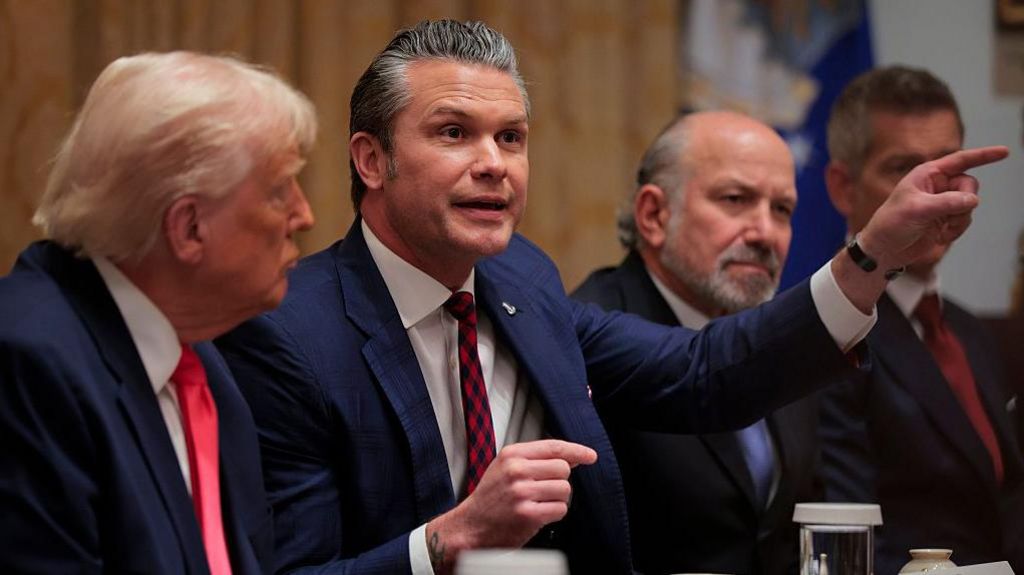
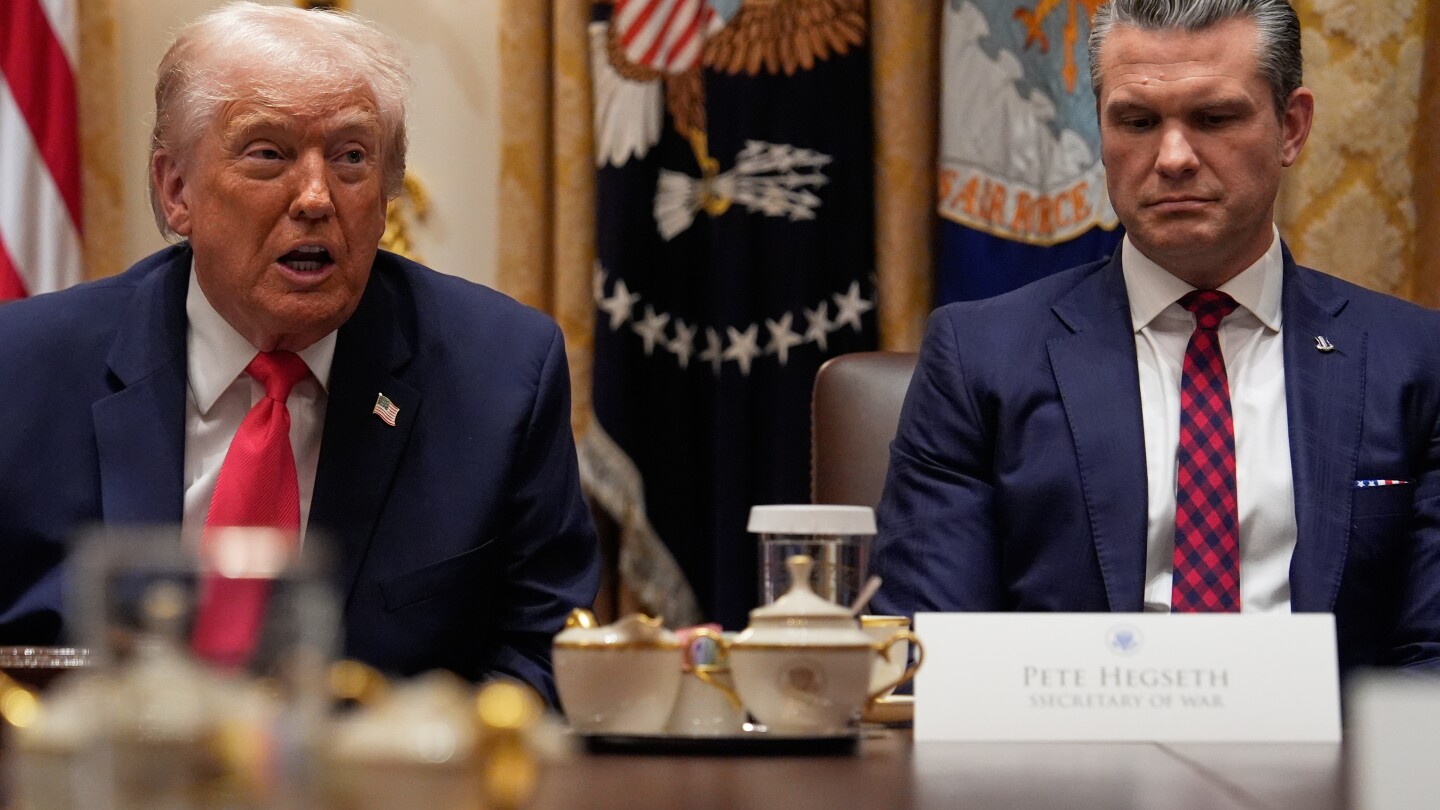
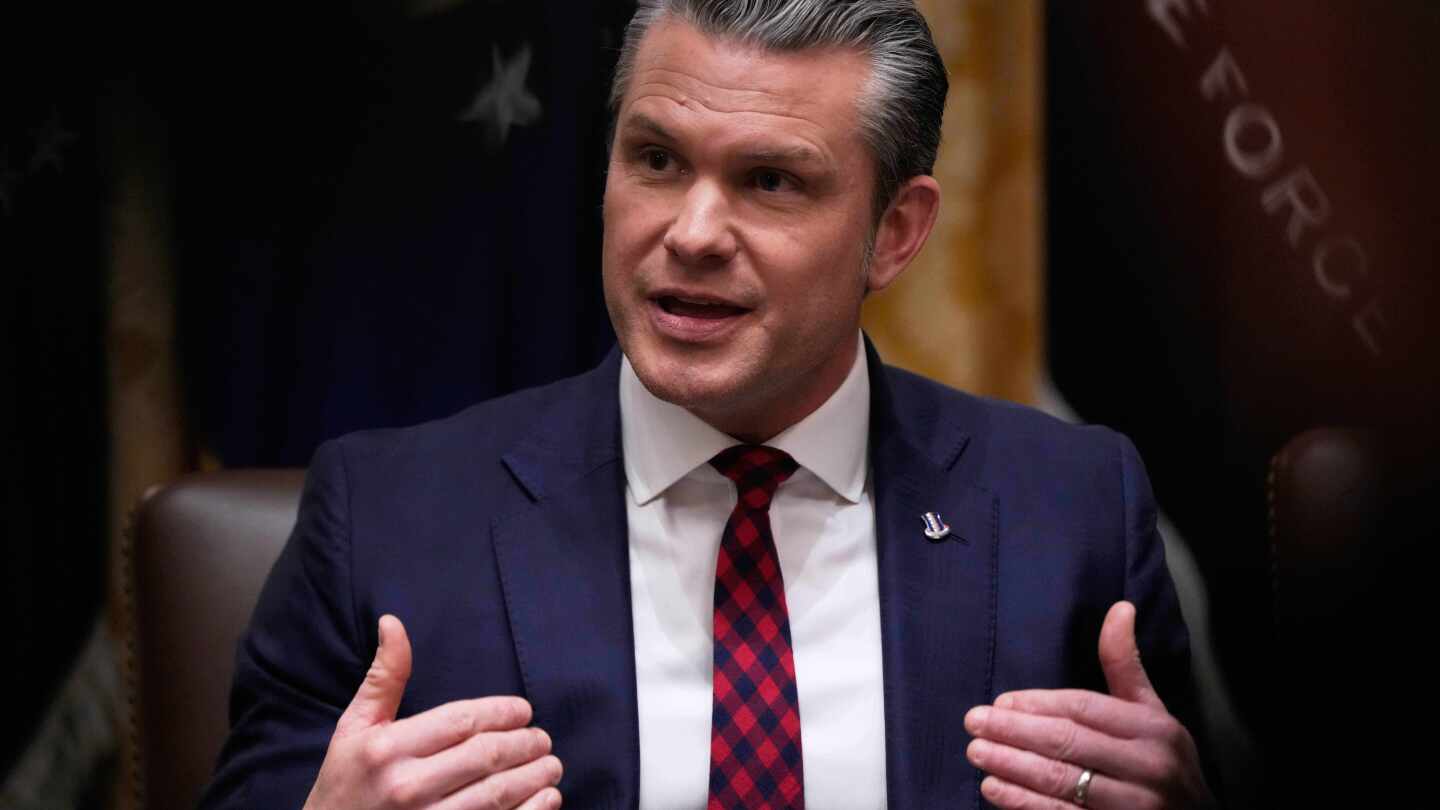
    US Defense Secretary Pete Hegseth has publicly addressed the controversial September 2nd maritime strike in the Caribbean that resulted in the deaths of two survivors from an initial attack on an alleged drug vessel. During a White House cabinet meeting, Hegseth stated he “did not personally see survivors” before the fatal follow-up strike was authorized.

    The incident began when US forces conducted an initial strike on a suspected narcotics trafficking boat, reportedly leaving two individuals alive but stranded on the burning wreckage. According to documents obtained by The Washington Post, a subsequent strike was then ordered that resulted in their deaths.

    Hegseth, who observed the first strike live, attributed the tragic outcome to the ‘fog of war,’ describing the chaotic scene: “That thing was on fire and it exploded… you can’t see anything. This is called the fog of war.” He revealed that he learned about Navy Admiral Frank Bradley’s decision to authorize the second strike hours after it occurred, which he characterized as “correct.”

    President Trump simultaneously defended Admiral Bradley while distancing himself from the specific decision, stating “we didn’t know about” the follow-up strike. Trump emphatically added: “I want those boats taken out” and claimed these strikes have significantly reduced drug trafficking, though he provided no substantiating evidence.

    The incident has raised serious legal concerns under the Geneva Convention, which prohibits intentionally targeting wounded combatants and requires their apprehension and medical treatment. Multiple international law experts have expressed doubts about the strike’s legality.

    Both Democratic and Republican lawmakers have expressed unease, with the Senate Armed Services committee pledging “vigorous oversight” of the incident. Admiral Bradley, who was promoted to overall commander of US Special Operations Command just one month after the strike, is expected to testify on Capitol Hill this week.

    This event is part of a broader campaign that has resulted in over 80 fatalities in similar strikes across the Caribbean and Eastern Pacific since early September. The Trump administration maintains these operations are necessary self-defense measures to protect American lives from illicit drugs. President Trump has further vowed to expand the campaign, stating readiness to “start doing those strikes on land.”

  • Netanyahu corruption trials: Prime minister’s request for pardon sparks debate in Israel

    Netanyahu corruption trials: Prime minister’s request for pardon sparks debate in Israel

    Israeli Prime Minister Benjamin Netanyahu has formally requested a presidential pardon from President Isaac Herzog, triggering intense nationwide debate amid his ongoing corruption trial. The 111-page legal submission, accompanied by a personal letter delivered Sunday, argues that clemency would serve the “public interest” by fostering national “reconciliation.”

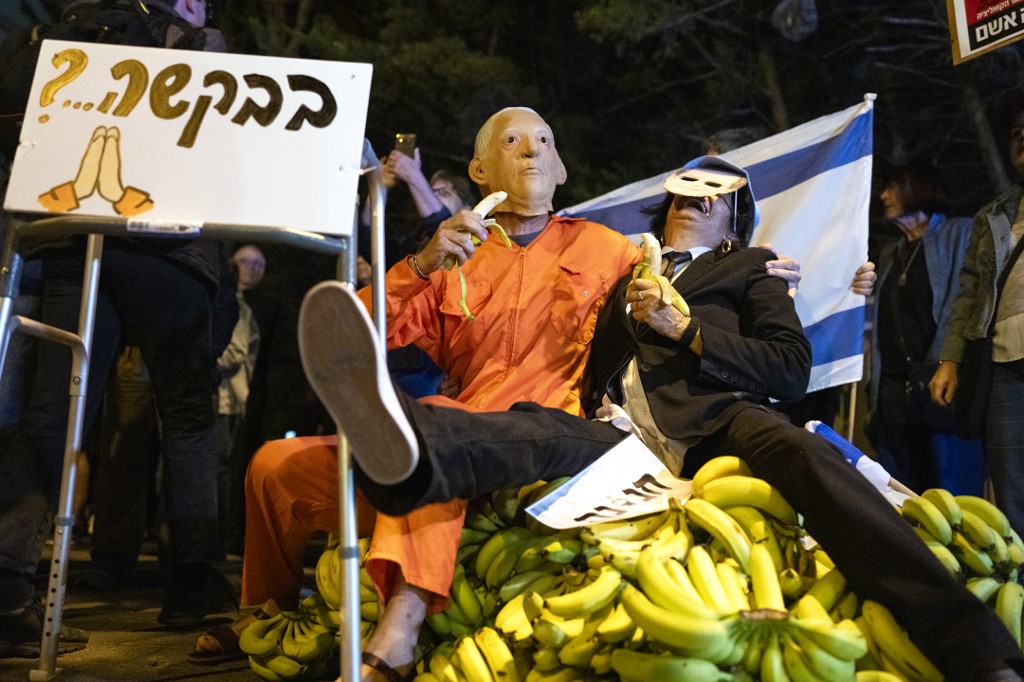
    Instead of unity, the move has exacerbated existing societal fractures. Protesters immediately gathered outside the presidential residence, while political figures across the spectrum voiced starkly contrasting views. President Herzog acknowledged the “controversy” surrounding the application, pledging to base his decision solely on Israel’s best interests while dismissing the impact of “violent discourse.”

    Critics highlighted the petition’s most contentious aspect: Netanyahu’s refusal to admit guilt for charges of fraud, bribery, and breach of trust. Opposition Leader Yair Lapid declared Herzog cannot grant pardon without “admission of guilt, expression of remorse, and immediate retirement from political life.” Haaretz commentator Yossi Verter characterized the letter as bordering on “extortion by threats,” noting that meaningful dialogue would require contrition and commitment to leave politics.

    Even within Netanyahu’s Likud party, dissent emerged. MP Tally Gotliv expressed feeling “pain and humiliation” over the submission, while far-right activist Arnon Segal lamented the right’s narrowed focus on acquittal rather than broader ideological goals.

    Supporters presented counterarguments. Energy Minister Eli Cohen asserted Netanyahu “is not a corrupt person” and that pardoning would benefit Israel by ending “this saga.” Environmental Protection Minister Idit Silman suggested, without evidence, that U.S. President Donald Trump might impose sanctions on Israeli judicial officials should Herzog refuse clemency.

    The controversy intersects with Israel’s security situation, with some social media users accusing Netanyahu of seeking to evade accountability for October 7 attacks. Enav Zangauker, mother of a recently released captive, condemned the move as prioritizing power retention over responsibility. Left-wing figures, including Hadash party leader Ayman Odeh, framed the pardon discussion as a distraction from Israel’s military actions in Gaza and the West Bank, asserting Netanyahu should face trial in The Hague for war crimes rather than receive domestic clemency.

  • Trump says he doesn’t want Somalis in the US, urges them to go back to their homeland and fix it

    Trump says he doesn’t want Somalis in the US, urges them to go back to their homeland and fix it

    During an extended Cabinet session on Tuesday, President Donald Trump voiced strong opposition to Somali immigration into the United States, characterizing individuals from the conflict-torn East African nation as excessive beneficiaries of American welfare systems with minimal societal contributions.

    The President’s statements emerged shortly after his administration declared a temporary suspension of all asylum adjudications. This policy shift followed a shooting incident in Washington that injured two National Guard soldiers. Although the primary suspect in the attack was reportedly of Afghan origin, Trump expanded his critique to include immigrant populations from multiple nations, with particular emphasis on Somalia.

    “Their contribution levels are virtually nonexistent,” Trump asserted during the meeting. “Welfare dependency approaches 88 percent or similar figures. They contribute nothing. We have no desire for their presence in our nation.” The President further commented on Somalia’s national conditions, stating “Their country’s troubled status exists for identifiable reasons. Your nation’s condition is unsatisfactory, and consequently we decline to accept them here.”

    The remarks represent the latest development in the administration’s ongoing examination of immigration protocols and refugee acceptance criteria. Political analysts suggest these comments may signal forthcoming policy adjustments regarding immigration from specific African and Middle Eastern regions, though no official announcements have been made regarding substantive policy changes.

  • Federal authorities plan operation in Minnesota focusing on Somali immigrants, AP source says

    Federal authorities plan operation in Minnesota focusing on Somali immigrants, AP source says

    Federal immigration authorities are finalizing preparations for a targeted enforcement operation in Minnesota specifically focusing on Somali immigrants residing unlawfully in the United States. According to sources familiar with the planning, the operation—potentially launching within days—will concentrate on individuals in the Minneapolis-St. Paul area who have received final deportation orders.

    The planned sweep emerges amid escalating rhetoric from former President Donald Trump regarding Minnesota’s Somali community. During a recent Cabinet meeting, Trump stated, “They contribute nothing. I don’t want them in our country,” adding that “Their country is no good for a reason.” These comments have intensified community tensions and raised concerns about racial profiling.

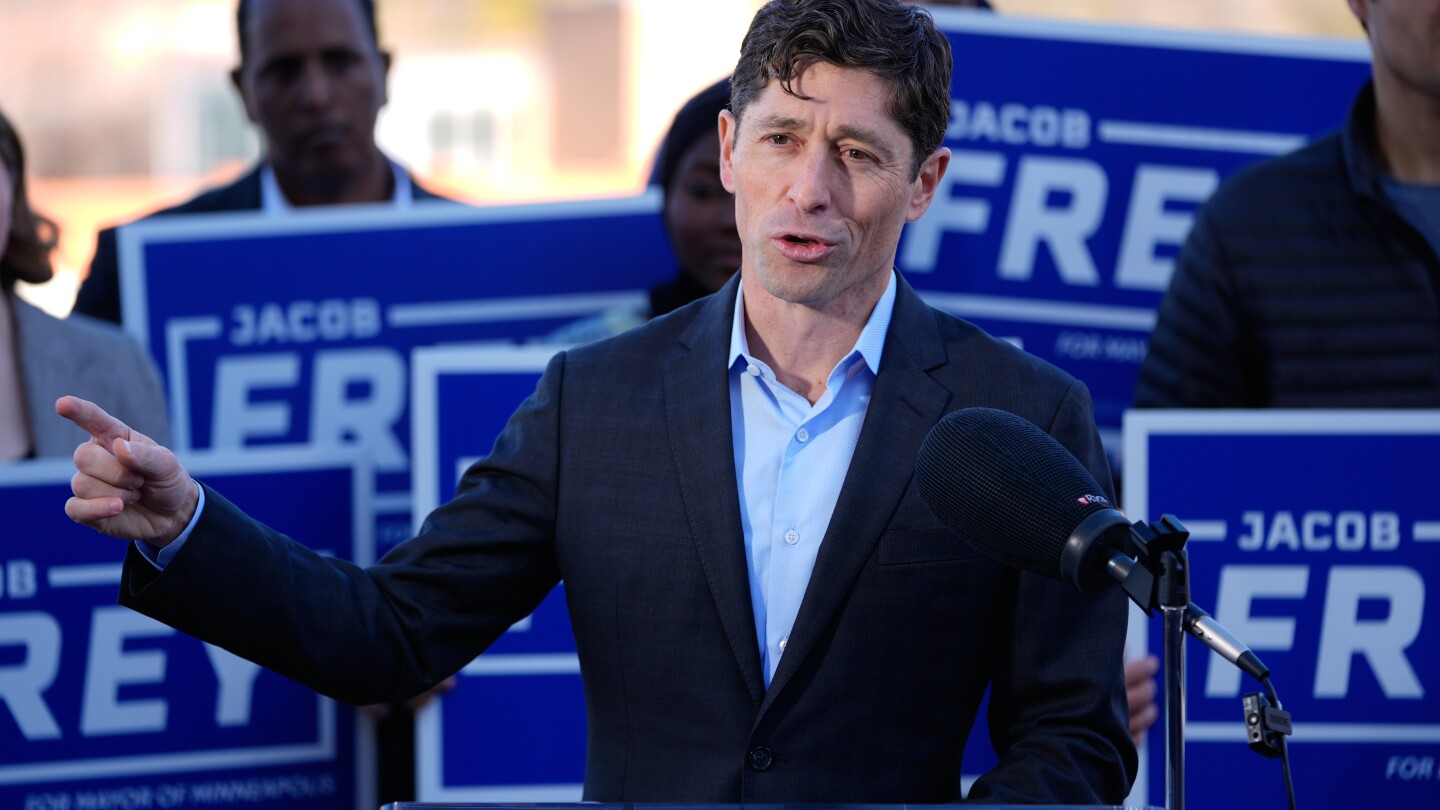
    Minneapolis Mayor Jacob Frey has declared that city police will not assist federal agents with immigration enforcement, stating that targeting Somalis would inevitably lead to due process violations and the detention of American citizens based solely on appearance. Homeland Security officials declined to comment on potential operations but emphasized that enforcement targets are based solely on immigration status, not ethnicity.

    The operation reportedly aims to apprehend hundreds of individuals, though officials acknowledge that “incidental arrests” of undocumented immigrants not specifically targeted may occur during the sweep. Community leaders note that approximately 95% of Somalis in Minnesota are U.S. citizens, with about half born in the United States, making the actual population vulnerable to deportation relatively small.

    The Trump administration’s increased focus on Somali immigrants follows allegations from conservative media that taxpayer dollars from defrauded government programs may have flowed to the Somali militant group al-Shabab. Treasury Secretary Scott Bessent has announced an investigation into these claims, blaming “feckless mismanagement” by the Biden administration and Minnesota Governor Tim Walz.

    Community representatives characterize the planned operation as political rhetoric and an attack against the Muslim community, warning that increased ICE presence will create additional pressure on all immigrant communities, including Hispanic and other African populations.

  • Hegseth cites ‘fog of war’ in defending follow-on strike in scrutinized attack on alleged drug boat

    Hegseth cites ‘fog of war’ in defending follow-on strike in scrutinized attack on alleged drug boat

    U.S. Defense Secretary Pete Hegseth has invoked the ‘fog of war’ doctrine to justify a controversial secondary military strike in the Caribbean Sea that resulted in casualties among survivors from an initial engagement. The incident, which targeted a vessel suspected of narcotics trafficking earlier this September, has prompted congressional scrutiny and raised questions about military protocol.

    During Tuesday’s White House cabinet meeting, Secretary Hegseth defended the decision-making process, stating he observed no survivors in the water before authorizing the follow-up attack. ‘The vessel was actively engulfed in flames at the time of the secondary engagement,’ Hegseth testified, emphasizing the chaotic nature of combat operations. The Defense Secretary acknowledged he departed the operational theater following the initial strike, delegating full authority to Navy Vice Admiral Frank ‘Mitch’ Bradley who executed the subsequent action.

    The Washington Post’s initial reporting revealed Hegseth issued verbal orders for the secondary strike that eliminated survivors from the first engagement. White House officials confirmed Monday that Admiral Bradley operated ‘within established legal parameters and his conferred authority’ when initiating the follow-up attack.

    Congressional committees have announced formal reviews into U.S. military protocols regarding drug interdiction operations. Admiral Bradley is scheduled to deliver a classified briefing to military oversight legislators this Thursday. When questioned about the controversial strike, President Donald Trump expressed limited familiarity with the incident, noting he ‘relies on Secretary Hegseth’s assessment’ and had not received comprehensive briefing materials.

  • Israel-Turkey rift dampens Gaza force plans as allies get cold feet

    Israel-Turkey rift dampens Gaza force plans as allies get cold feet

    Diplomatic efforts to establish a United Nations-mandated international stabilization force for Gaza have reached an impasse due to escalating tensions between Israel and Turkey, according to sources familiar with the negotiations. The United States, tasked with coordinating the multinational effort, faces significant challenges in bridging the divide between these key regional powers.

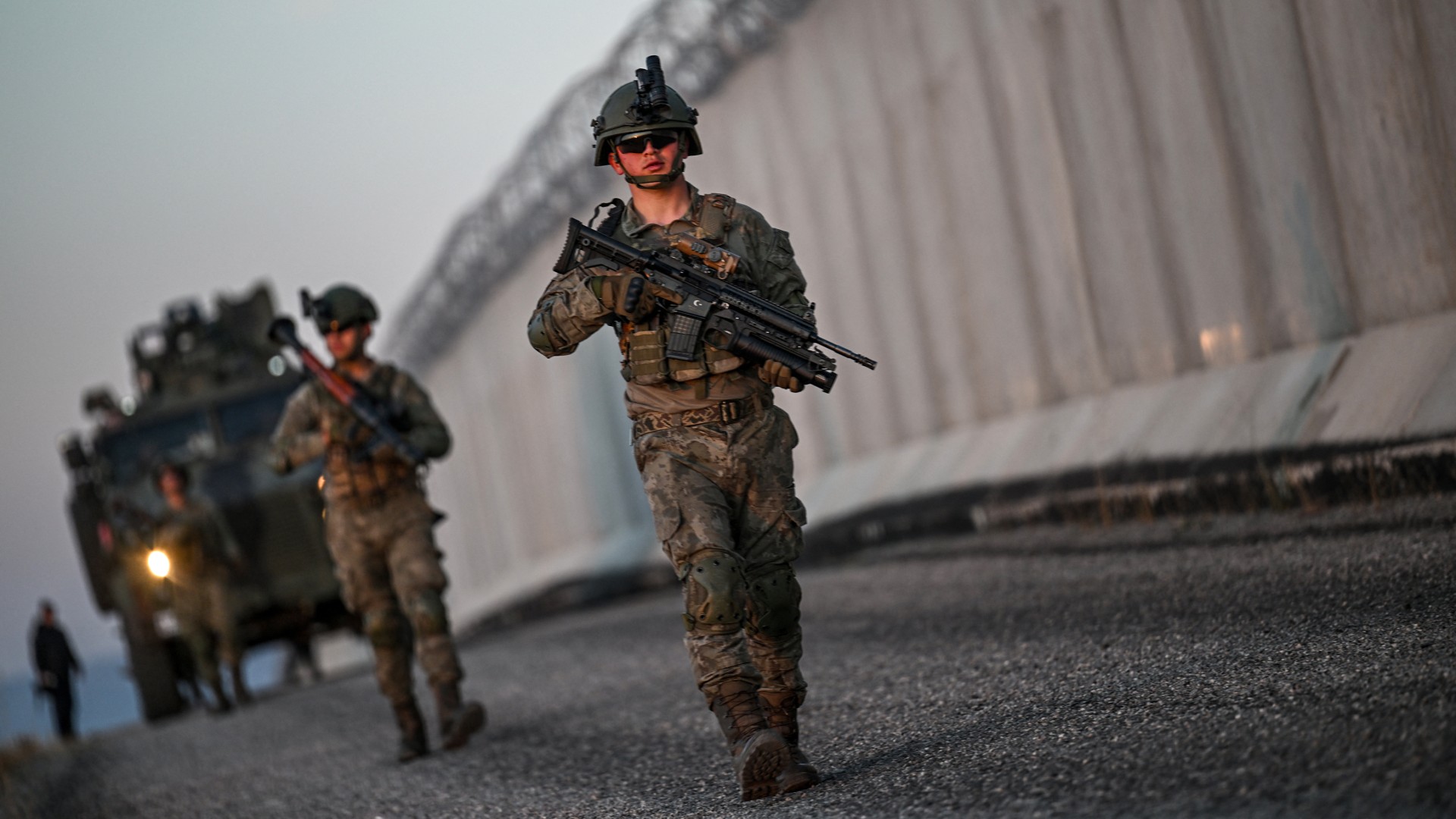
    The UN Security Council previously approved the creation of a peacekeeping contingent with preliminary support from several nations including Turkey, Qatar, Egypt, the UAE, Saudi Arabia, Indonesia, Pakistan and Jordan. However, implementation has stalled as Israel maintains its firm opposition to Turkish military presence in Gaza, despite Ankara’s readiness to deploy approximately 2,000 experienced peacekeeping personnel.

    The diplomatic deadlock has created a domino effect, with multiple nations reconsidering their participation. Saudi Arabia, Azerbaijan, Pakistan and Indonesia have indicated reluctance to contribute troops without Turkish involvement, while the UAE has formally declined participation citing insufficient operational framework. Emirati officials expressed concerns that Qatari and Turkish involvement could potentially empower groups affiliated with the Muslim Brotherhood and Hamas in reconstruction efforts.

    Complicating matters further, Turkey’s recent issuance of an arrest warrant for Israeli Prime Minister Benjamin Netanyahu on charges of crimes against humanity has exacerbated tensions during sensitive negotiations. This development follows Israel’s previous blockage of Turkish search and rescue teams from entering Gaza and ongoing trade restrictions imposed since spring 2024.

    The proposed stabilization force, envisioned to comprise between 15,000-20,000 troops organized into three brigades, now faces an uncertain timeline. While some US officials target deployment by early 2026, others suggest operations might commence as early as January, though participation arrangements remain highly fluid. The UAE has indicated it will instead focus on humanitarian aid and supporting local governance structures in Gaza.