分类: politics

  • Belgium urges Europe to drop plan for frozen Russian assets to aid Ukraine

    Belgium urges Europe to drop plan for frozen Russian assets to aid Ukraine

    Belgium has launched a forceful diplomatic offensive against the European Union’s controversial proposal to transform frozen Russian state assets into a reparations loan for Ukraine, warning the scheme could trigger national bankruptcy and decades of litigation. The escalating confrontation pits Belgian leadership against German Chancellor Friedrich Merz and EU institutional leaders who champion the €140 billion plan.

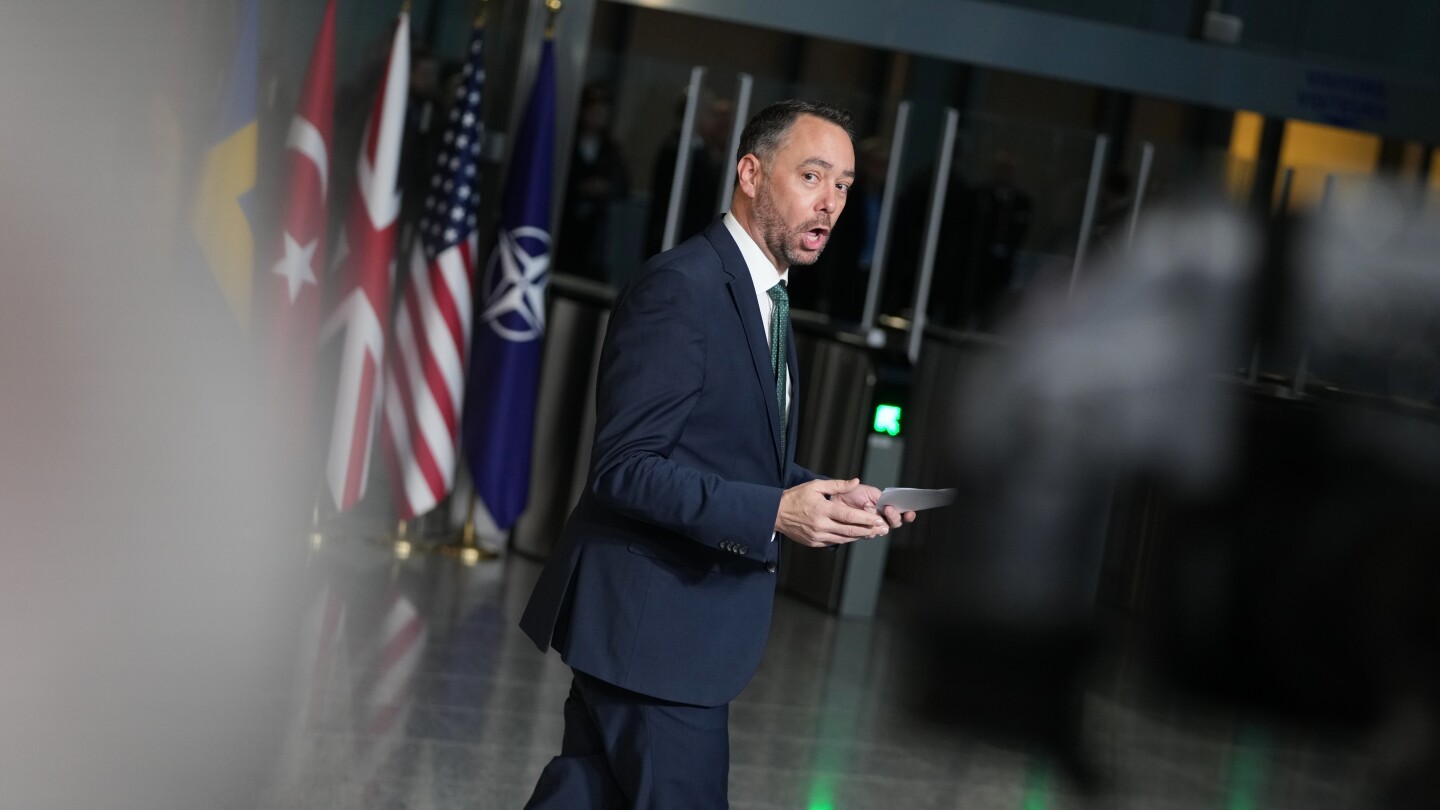
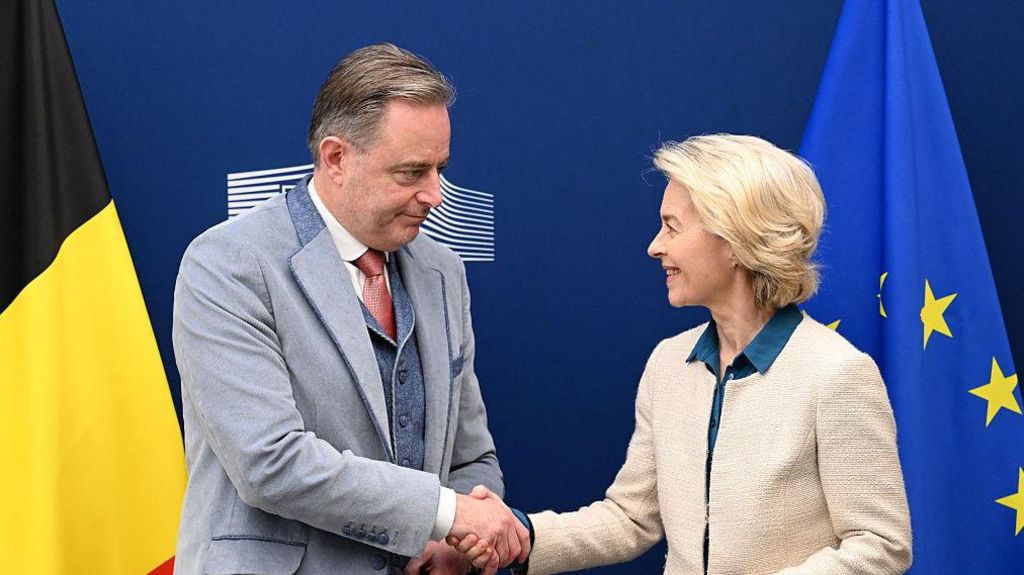
    Prime Minister Bart De Wever has formally written to European Commission President Ursula von der Leyen declaring the proposal “fundamentally wrong,” while Foreign Minister Maxime Prévot articulated specific legal and financial perils. Their central concern stems from Belgium hosting €185 billion of the €210 billion in frozen Russian assets at Euroclear, the Brussels-based securities depository, making the nation disproportionately vulnerable to Russian legal retaliation.

    “If Russia takes us to court, it will have every chance of winning,” Prévot stated bluntly. “We, Belgium, will not be able to repay those €200 billion because that represents the equivalent of an entire year of the federal budget. It would mean bankruptcy for Belgium.”

    The Belgian government proposes an alternative approach: the EU should borrow required funds on international markets using provisions within the existing shared budget of member states. This structure would distribute financial risk across the bloc rather than concentrating liability on Belgium.

    Legal experts substantiate Belgium’s concerns. Professor Veerle Colaert of KU Leuven University explained that Euroclear maintains contractual obligations to repay the Russian Central Bank upon demand, currently prevented only by sanctions. “If sanctions are lifted and Euroclear hasn’t got the money because it’s being lent to the EU,” Colaert noted, “Belgium would have to step in, but the amount involved is simply too large.”

    Russia has amplified pressure through Andrei Kostin, president-chairman of state-owned VTB Bank, who threatened “half a century of litigation” should the EU proceed. Moscow condemns the proposal as unacceptable seizure that would fund warfare rather than peace.

    The European Commission had intended to present a legal framework by late November, but public disagreements have delayed the process. With EU leaders scheduled to vote on the proposal at an upcoming Brussels summit, the deep divisions suggest a resolution remains uncertain as member states balance Ukraine’s urgent needs against financial stability and legal integrity.
  • China blasts UK for delaying decision again on massive London embassy

    China blasts UK for delaying decision again on massive London embassy

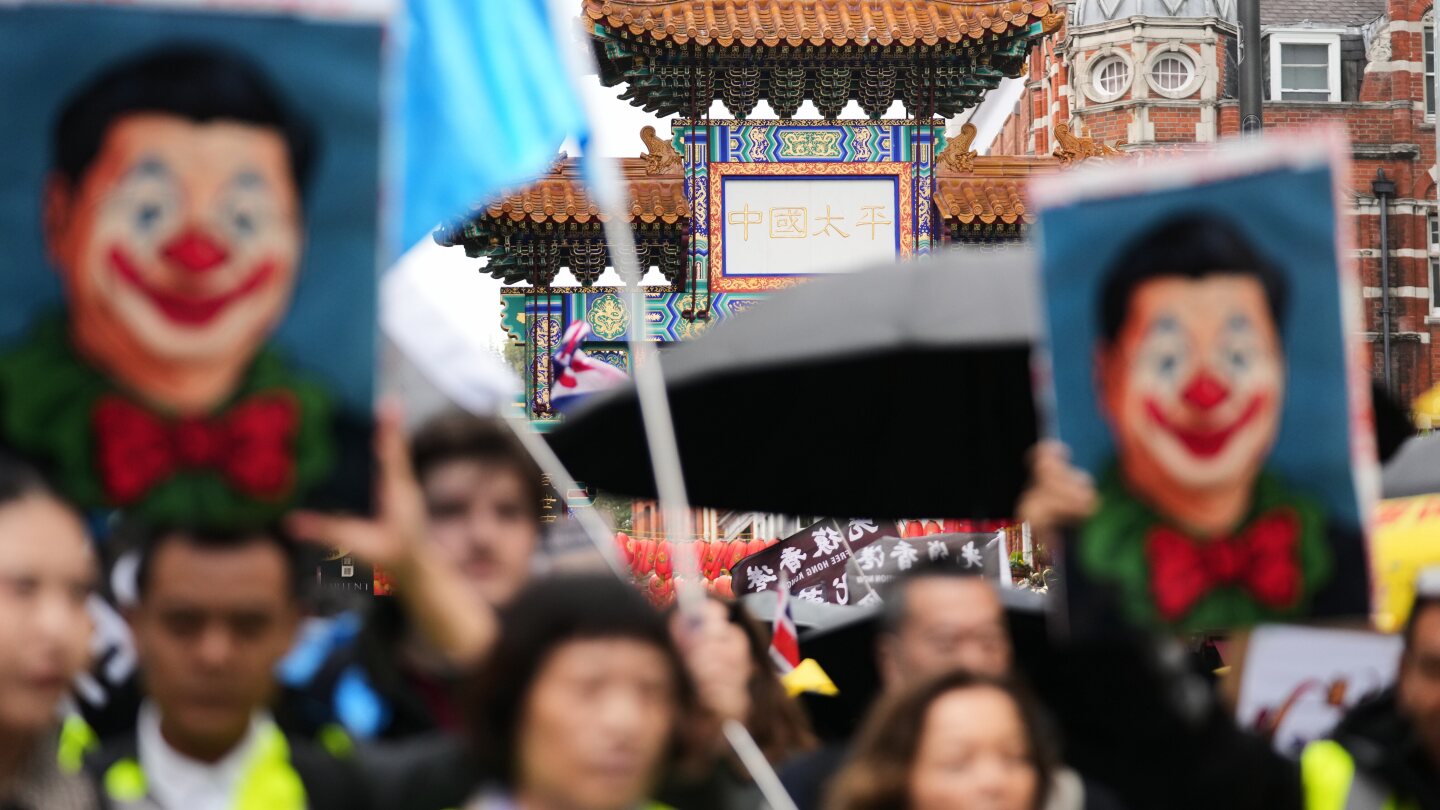
    China has expressed vehement disapproval following the United Kingdom’s decision to further postpone its verdict on the proposed construction of a massive Chinese embassy complex in London. The British government announced on Tuesday that its planning decision, originally anticipated by December 10, would now be deferred until January 20, citing unresolved security considerations.

    Chinese Foreign Ministry spokesperson Lin Jian denounced the move on Wednesday, characterizing the repeated delays as ‘completely unjustified’ and dismissing the UK’s stated reasons as ‘untenable.’ He further emphasized Beijing’s ‘strong dissatisfaction’ with the protracted approval process, which has stalled development plans for several years.

    The envisioned diplomatic compound, slated for Royal Mint Court near the Tower of London, would represent China’s largest embassy footprint in Europe. The proposed 20,000-square-meter facility would occupy strategically sensitive territory adjacent to London’s financial district and critical data infrastructure.

    This latest postponement occurs against mounting political pressure and security apprehensions within Britain. Cross-party legislators and security analysts have repeatedly warned that the expansive compound could potentially serve as an operational base for espionage activities. These concerns have been amplified by recent allegations regarding Chinese intelligence operations targeting UK institutions.

    Prime Minister Keir Starmer’s administration maintains the delay permits necessary evaluation of security implications. Official spokesperson Tom Wells confirmed that both the Home Office and Foreign Office required additional time to resolve substantive security considerations before rendering a final decision.

    Political observers suggest the timing may connect to preparations for Starmer’s anticipated diplomatic visit to Beijing early next year, though government officials have not acknowledged any linkage between the events.

  • Europeans accuse Putin of faking interest in peace after talks with US envoys

    Europeans accuse Putin of faking interest in peace after talks with US envoys

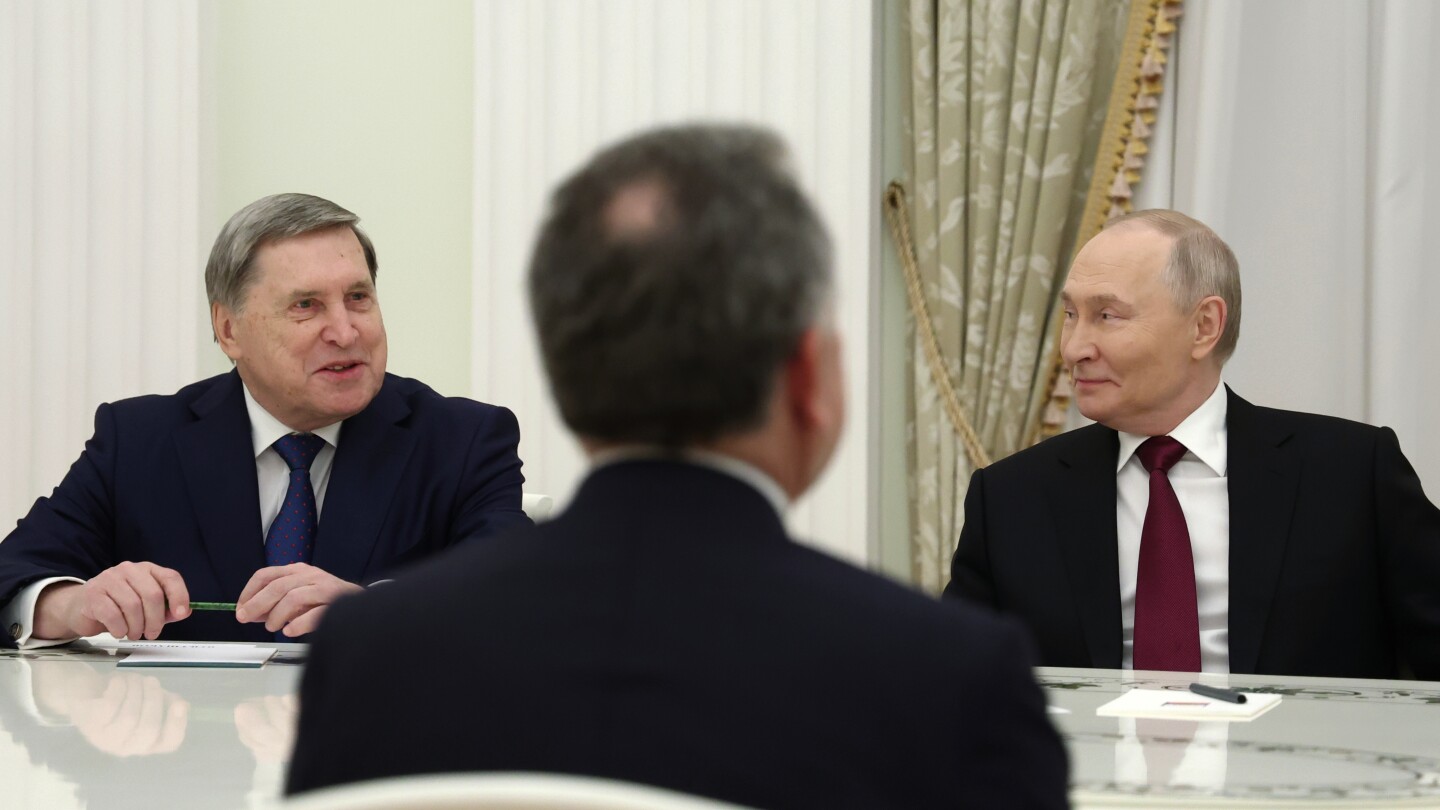
    Diplomatic efforts to resolve the Ukraine conflict reached an impasse Wednesday as European and Ukrainian officials accused Russian President Vladimir Putin of feigning interest in peace negotiations following inconclusive talks with U.S. envoys at the Kremlin.

    The five-hour meeting between Putin and U.S. President Donald Trump’s special envoy Steve Witkoff and senior adviser Jared Kushner produced no tangible breakthroughs, though both sides agreed to continue discussions. The negotiations represent the latest attempt by the renewed Trump administration to broker a settlement to the nearly four-year conflict that has defresolution since Russia’s February 2022 invasion.

    Ukrainian Foreign Minister Andrii Sybiha characterized the Russian leader’s engagement as disingenuous, stating Putin should ‘stop wasting the world’s time.’ This sentiment was echoed by U.K. Foreign Secretary Yvette Cooper, who urged the Russian president to ‘end the bluster and the bloodshed and be ready to come to the table and to support a just and lasting peace.’

    The core disagreement remains the status of occupied Ukrainian territories, with both Moscow and Kyiv refusing to compromise on territorial sovereignty. Yuri Ushakov, a senior Putin adviser, acknowledged that ‘so far, a compromise hasn’t been found’ on this fundamental issue, without which the Kremlin sees ‘no resolution to the crisis.’

    European officials expressed growing skepticism about Moscow’s intentions. Estonian Foreign Minister Margus Tsahkna noted that Putin ‘has not changed any course’ and is ‘pushing more aggressively on the battlefield,’ while Finnish counterpart Elina Valtonen called for immediate confidence-building measures including ‘a full ceasefire.’

    As diplomatic efforts faltered, military actions intensified. Russia launched 111 strike and decoy drones at Ukraine overnight, with attacks in the Dnipropetrovsk region killing two civilians and injuring three others. Ukraine’s air defenses reportedly destroyed 102 Russian drones in reciprocal operations.

    NATO allies simultaneously announced enhanced military support for Ukraine, with Canada, Germany, Poland, and the Netherlands committing hundreds of millions of dollars collectively to purchase U.S. weapons for Kyiv. NATO Secretary-General Mark Rutte emphasized the alliance’s dual approach: continuing peace talks while ensuring Ukraine maintains ‘the strongest possible position to keep the fight going.’

    The situation remains volatile both diplomatically and militarily, with no immediate path to resolution evident as casualties mount and destruction continues across the conflict zone.

  • Belgium rejects EU plan to use frozen Russian assets for Ukraine, saying the move is too risky

    Belgium rejects EU plan to use frozen Russian assets for Ukraine, saying the move is too risky

    BRUSSELS — In a significant development within European Union policymaking, Belgium has formally opposed a controversial proposal to utilize frozen Russian assets as collateral for financing Ukraine’s reconstruction and military needs. The plan, championed by the European Commission, sought to address Ukraine’s projected budget shortfall of approximately 130 billion euros ($150 billion) for 2026-2027 through an innovative “reparations loan” mechanism.

    Belgian Foreign Minister Maxime Prévot articulated his nation’s firm stance during remarks at NATO headquarters, characterizing the proposed scheme as “the worst of all options” due to its unprecedented nature and substantial risks. Prévot emphasized that Belgium considers the plan fraught with “consequential economic, financial and legal risks” that remain unaddressed in current proposals.

    The heart of Belgium’s concern lies with Euroclear, the Brussels-based financial clearing house currently holding approximately 194 billion euros in frozen Russian assets as of June. Belgian authorities fear potential legal repercussions should Moscow challenge the asset utilization, alongside possible damage to Euroclear’s international reputation and business operations. Prévot noted that Belgium has derived some tax revenue from these frozen assets, with accrued interest already contributing to a G7-organized loan program for Ukraine.

    Instead of the reparations loan framework, Belgium advocates for conventional international market borrowing to meet Ukraine’s financial requirements. Prévot described this alternative as “a well-known, robust and well-established option with predictable parameters” that would avoid potentially disastrous consequences for member states.

    The Belgian position highlights emerging tensions within EU solidarity mechanisms, with Prévot explicitly stating that Belgium seeks “to avoid potential disastrous consequences for a member state that is being asked to show solidarity without being offered the same solidarity in return.”

    This development occurs against the backdrop of broader concerns, including those raised by the European Central Bank regarding potential erosion of confidence in the euro should the reparations loan proceed. EU leaders are scheduled to deliberate further on Ukraine’s economic and military requirements during their upcoming summit in Brussels on December 18.

  • Russia’s reciprocal visa-free policy expected to promote tourism

    Russia’s reciprocal visa-free policy expected to promote tourism

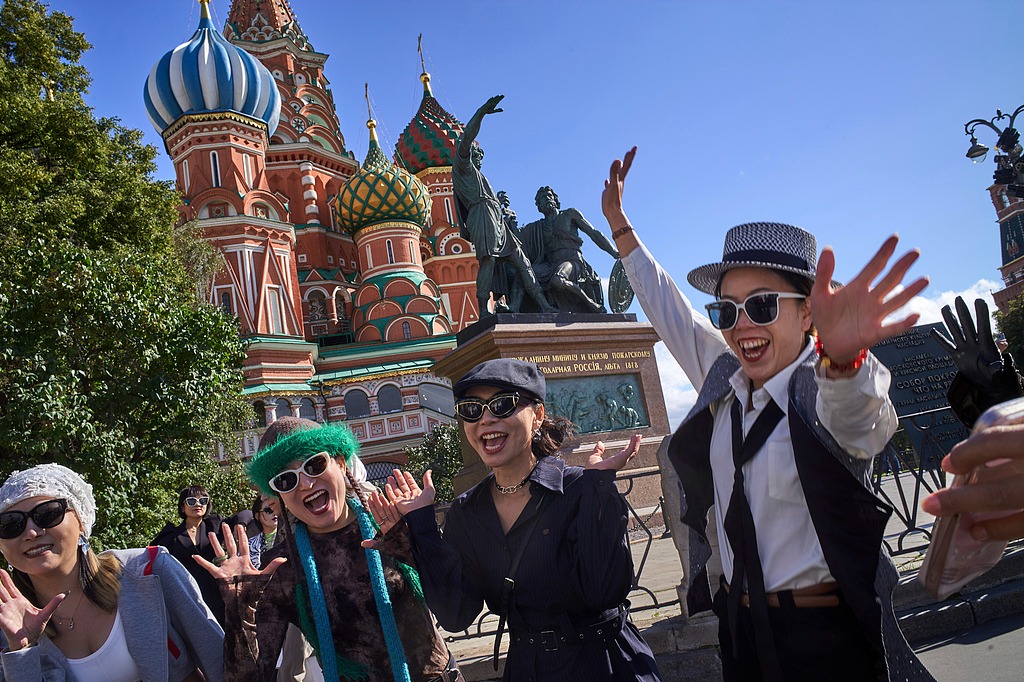
    In a significant diplomatic move strengthening Sino-Russian relations, President Vladimir Putin has signed an executive order establishing visa-free travel for Chinese citizens entering Russia. The policy, which took immediate effect on December 2, 2025, permits Chinese nationals to stay for up to 30 days for purposes including tourism, business activities, family visits, and participation in cultural and scientific events.

    This landmark decision represents a reciprocal arrangement following China’s implementation of a similar visa-waiver program for Russian passport holders in mid-September 2025. Both policies are set to expire simultaneously on September 14, 2026, creating a one-year trial period for enhanced bilateral movement.

    The announcement triggered an immediate surge in travel interest across Chinese digital platforms. Leading travel agency Qunar reported a remarkable threefold increase in flight searches from Hangzhou to St. Petersburg within the first hour of the news breaking, while Beijing-Moscow route inquiries jumped by 44%.

    Industry experts anticipate substantial benefits for both nations’ tourism sectors. Wei Changren, founder of tourism financial news platform btiii.com, identified two primary travel corridors likely to experience growth: the classic Moscow-St. Petersburg circuit and destinations in Russia’s Far East region.

    The policy’s impact is already evident in border regions. Harbin Trip of Garden International Tour Company reported a 30% year-on-year increase in Russian tourists over the past two months, with visitors typically extending their journeys to other Chinese cultural hotspots including Beijing, Shanghai, and Xi’an.

    Beyond tourism, researchers highlight broader economic implications. Zhang Jinshan, a tourism development expert at Beijing Union University, noted that the mutual visa-waiver arrangements will likely stimulate economic revitalization in neighboring industrial zones, particularly in Northeast China and Russia’s Far East territories, while further deepening strategic cooperation between the two nations.

  • Xi: Bolster cooperation with Laos

    Xi: Bolster cooperation with Laos

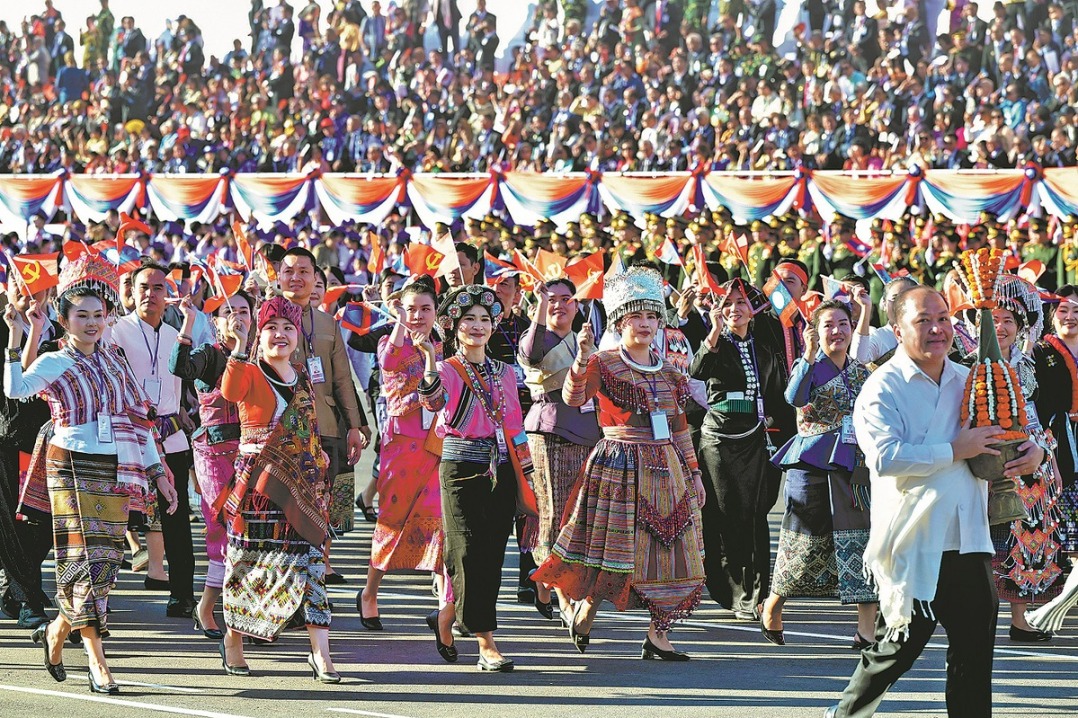
    President Xi Jinping has reaffirmed China’s commitment to strengthening bilateral ties with Laos during celebrations marking the 50th anniversary of the Lao People’s Democratic Republic. In a congratulatory message to Lao President Thongloun Sisoulith, Xi emphasized that China consistently prioritizes Laos within its neighborhood diplomacy framework, highlighting the exceptional political trust between the two socialist nations.

    The diplomatic exchange comes as both countries prepare to commemorate the 65th anniversary of established diplomatic relations next year. Xi proposed leveraging this milestone to deepen comprehensive strategic cooperation, enhance traditional friendship, and expand practical collaboration for mutual benefit. The Chinese leader expressed genuine appreciation for Laos’ developmental achievements under the Lao People’s Revolutionary Party’s leadership, noting significant improvements in livelihoods and growing regional influence.

    Observers point to substantial economic underpinnings strengthening the bilateral relationship. China has emerged as Laos’ primary foreign investor and major trading partner, with bilateral trade reaching a record $8.2 billion in 2024—a 15.9% year-on-year increase. Notably, over 80% of Laos’ agricultural exports are directed to Chinese markets.

    The China-Laos Railway, operational since 2021, stands as a flagship infrastructure project within the Belt and Road Initiative. Spanning 1,035 kilometers from Kunming to Vientiane, the railway has transformed regional connectivity, handling over 62.5 million passenger journeys and 72.5 million metric tons of cargo. Traders report transportation cost reductions of nearly 20%, with particularly beneficial effects on perishable commodities like tea and durian.

    The partnership extends beyond economic cooperation, with both nations demonstrating aligned positions on international matters. Laos recently reaffirmed its commitment to the one-China principle, recognizing Taiwan as an inseparable part of China and opposing external interference in Chinese internal affairs. This diplomatic solidarity, combined with joint commitments to preserving the post-World War II international order, reflects the depth of strategic coordination between the two neighboring countries.

  • South Korean president weighs apology to North Korea over allegations of leafleting and drone use

    South Korean president weighs apology to North Korea over allegations of leafleting and drone use

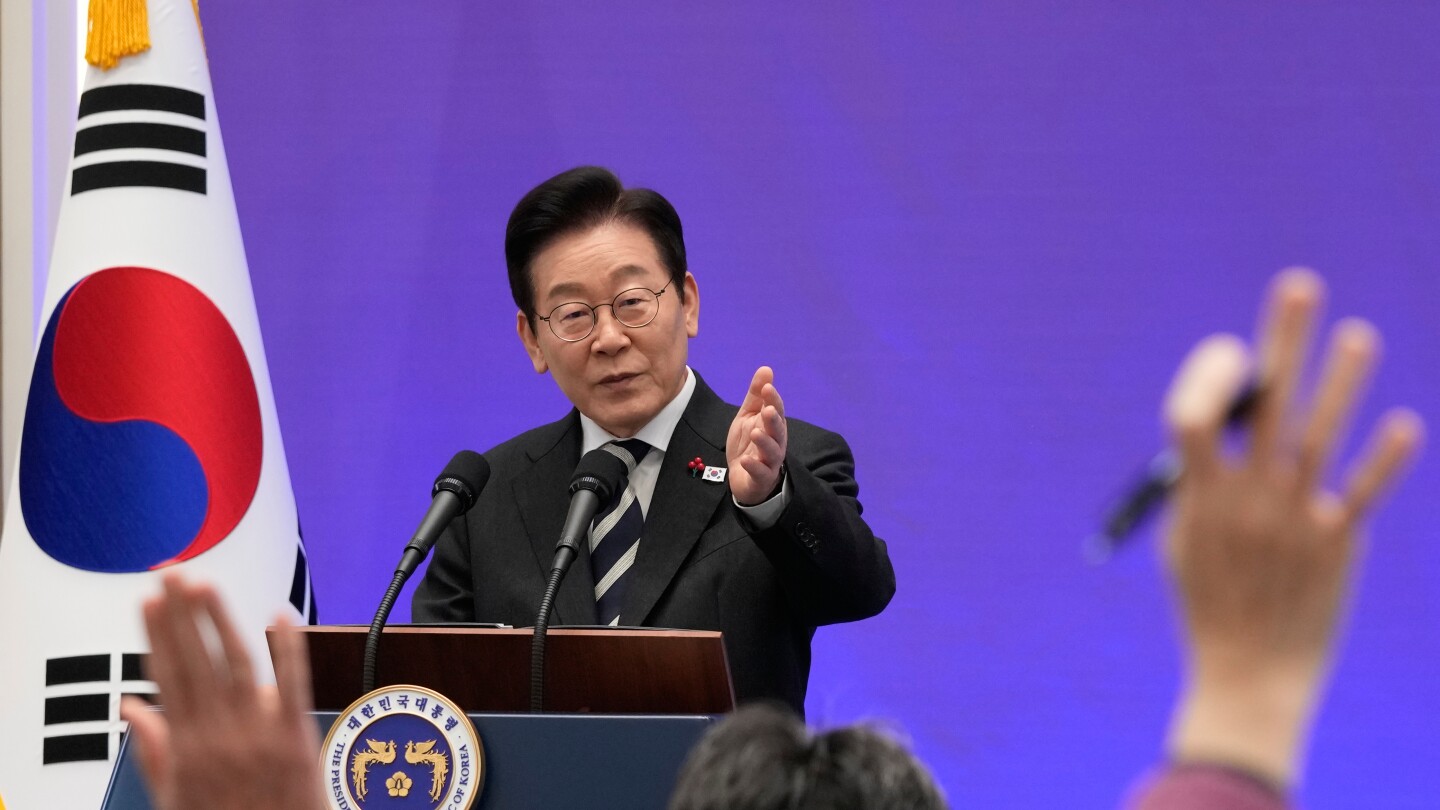
    SEOUL, South Korea — President Lee Jae Myung announced Wednesday he is considering issuing a formal apology to North Korea regarding allegations that his predecessor, ousted conservative leader Yoon Suk Yeol, deliberately escalated military tensions between the divided nations. The remarks came on the first anniversary of Yoon’s failed attempt to declare martial law in December 2024.

    Lee, a liberal who assumed office following Yoon’s removal in April, emphasized his administration’s commitment to rebuilding diplomatic channels with Pyongyang. However, he faced immediate criticism when questioned about North Korea’s detention of six South Korean nationals, admitting he lacked awareness of their cases—a statement that stunned relatives and human rights advocates.

    Recent investigations have revealed that Yoon’s administration allegedly authorized drone operations over North Korean territory and propaganda leaflet campaigns via balloons. While these claims remain unproven in court, Lee expressed personal willingness to apologize, though he acknowledged concerns about being labeled pro-North Korean in South Korea’s politically charged environment.

    Since June, President Lee has implemented several confidence-building measures, including deactivating border loudspeakers and prohibiting activist balloon launches. Despite these overtures, North Korean leader Kim Jong Un has consistently rejected dialogue offers. Lee suggested that suspending joint military exercises with the United States—long criticized by Pyongyang as invasion rehearsals—could be considered to encourage renewed talks.

    The press conference took an unexpected turn when Lee appeared unfamiliar with the cases of six South Koreans detained in North Korea, including Christian missionaries arrested between 2013-2014 on charges of espionage and subversion, and North Korean defectors. Family members expressed profound disappointment, with one relative stating they pray daily for their loved one’s return.

    Lee reflected on the December 2024 constitutional crisis, crediting public resistance with thwarting what he termed Yoon’s ‘self-coup.’ He described how thousands of citizens surrounded the National Assembly to support lawmakers in overturning the brief martial law declaration. Yoon currently faces trial on rebellion charges and allegations that he manufactured tensions with North Korea to justify domestic military action.

  • Witnessing ‘people-oriented’ development firsthand

    Witnessing ‘people-oriented’ development firsthand

    Australian Citizens Party National Chairman Robert Barwick’s inaugural visit to China has provided compelling firsthand insights that challenge prevailing Western narratives about the Asian nation. The 20-day goodwill tour, spanning nine major Chinese cities, offered Barwick and a diverse 20-member Australian delegation an unprecedented look at China’s developmental priorities and governance approach.

    Barwick emphasized the striking contrast between Western media portrayals and the actual conditions witnessed during the extensive journey. ‘We observed a very broad cross-section of the country… Wherever we went, the people demonstrated remarkable warmth and friendliness toward Australians,’ Barwick noted in an exclusive interview.

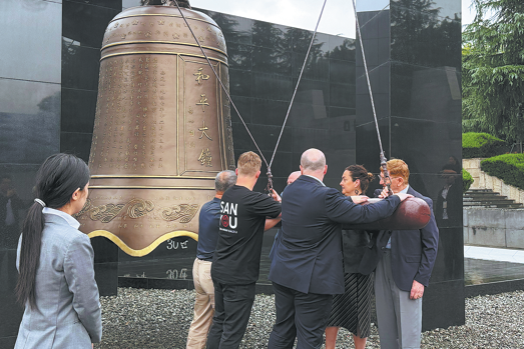
    The delegation’s itinerary included significant cultural sites such as the Memorial Hall of the Victims in Nanjing Massacre, where participants engaged in a solemn bell-ringing ceremony on October 18. However, the most profound revelation emerged from observing China’s governance model in action. Barwick expressed particular admiration for the consistent focus on people-oriented development demonstrated by officials at every administrative level.

    ‘Chinese officials appeared genuinely preoccupied with improving citizens’ livelihoods, which left a deep impression,’ Barwick stated. This developmental approach manifested visibly through advanced infrastructure, technological innovation, and measurable improvements in public welfare.

    The tour highlighted China’s strategic emphasis on high-quality, innovation-driven growth aligned with the recently released recommendations for the 15th Five-Year Plan (2026-2030). Barwick found Chinese officials’ humility particularly noteworthy despite the nation’s advanced technological standing. ‘They consistently expressed interest in learning from Australia’s experience, maintaining they remain a developing country—a perspective that reveals their continuous improvement mindset.’

    Shenzhen’s transformation from fishing village to global technology hub exemplified China’s progress, with emerging industries like electric vehicles and international university research collaborations demonstrating successful implementation of five-year planning mechanisms. Barwick emphasized the accountability embedded in China’s planning process, contrasting it with Western political systems where ‘election promises frequently remain unfulfilled.’

    The Australian politician specifically referenced China’s AI advancements, including the groundbreaking DeepSeek application that ‘shocked the world with its efficiency.’ Barwick advocates for enhanced Australia-China collaboration in clean energy and emerging sectors, noting China’s ‘amazing innovation and stunning infrastructure quality’ in renewable energy.

    With travel restrictions easing, Barwick now actively encourages more Australians to visit China personally, describing it as ‘a very safe travel destination’ that offers unique insights into China’s operational systems. He concludes that strengthened people-to-people exchanges will significantly enhance bilateral relations and mutual development opportunities between the two nations.

  • German president’s UK state visit will celebrate strategic ties and recall historic scars

    German president’s UK state visit will celebrate strategic ties and recall historic scars

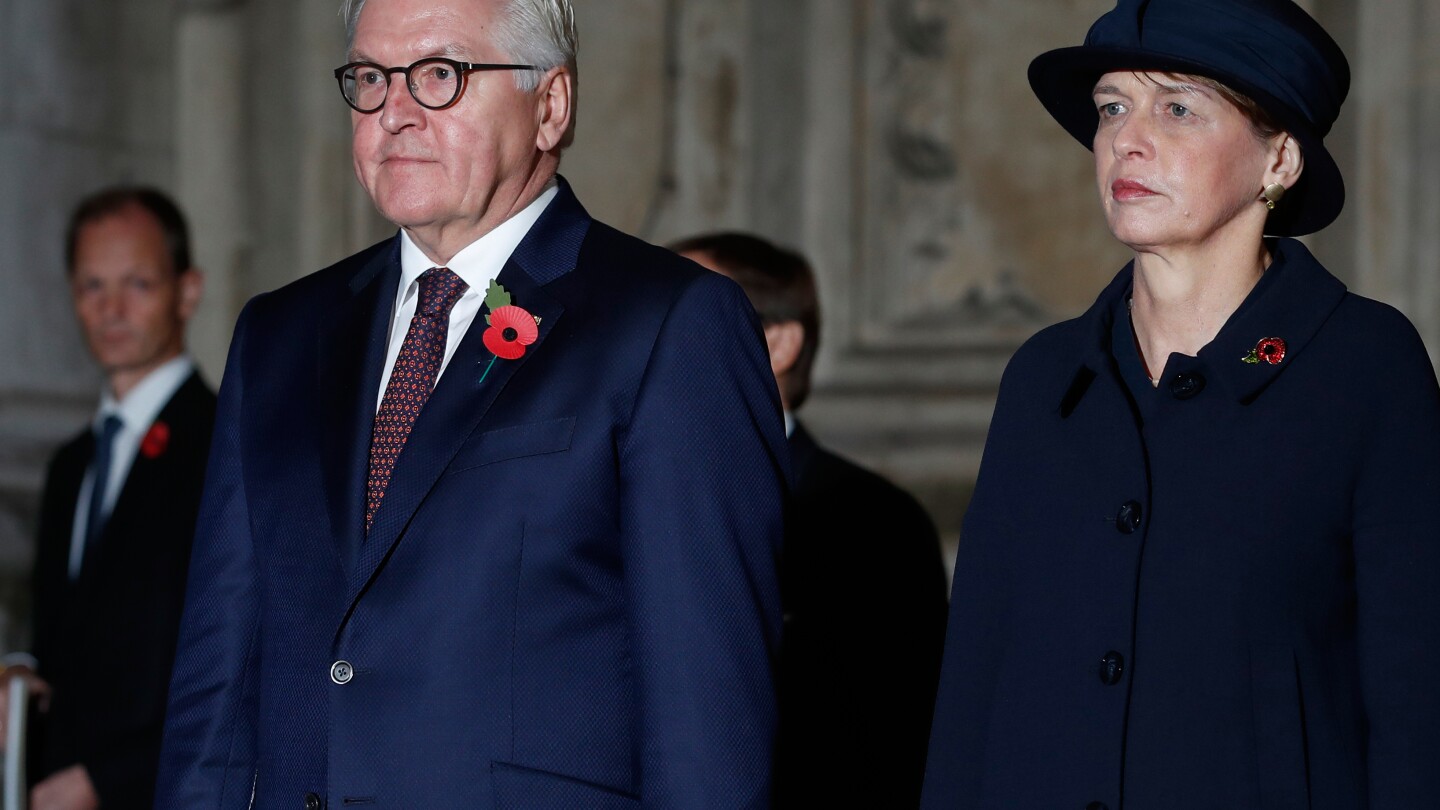
    LONDON — German President Frank-Walter Steinmeier embarked on a landmark three-day state visit to Britain on Wednesday, marking the first formal visit by a German head of state in over a quarter-century. The meticulously orchestrated occasion combines traditional British pageantry with profound historical reflection on the complex relationship between the two nations.

    King Charles III personally welcomed President Steinmeier and First Lady Elke Büdenbender at Windsor Castle, where the full spectacle of British royal protocol was displayed. The visit features the characteristic elements of British state hospitality: military precision demonstrations, glittering tiara events, and a lavish banquet served on centuries-old silverware against the backdrop of St. George’s Hall’s monumental Christmas decorations.

    Beyond the ceremonial splendor, the visit carries significant historical weight. On Friday, the German delegation will travel to Coventry Cathedral to commemorate the devastating November 1940 Luftwaffe bombing that killed 568 civilians and destroyed much of the city—the most concentrated aerial attack on Britain during World War II.

    This solemn gesture continues a pattern of mutual reconciliation. During King Charles’s state visit to Germany in 2023, the monarch paid respects at Hamburg’s St. Nikolai Church memorial, acknowledging the approximately 30,000 casualties from Allied bombing raids in July 1943.

    Political analysts note the strategic timing of this diplomatic exercise. Both nations seek to reinforce their partnership amid contemporary challenges including the Ukraine conflict and concerns over potential shifts in U.S. foreign policy under Donald Trump’s ‘America First’ approach. The visit builds upon Charles’s successful 2023 Bundestag address, where he impressed German officials by seamlessly switching between English and German while emphasizing enduring bilateral ties.

    As Majesty Magazine’s Joe Little observed, ‘It’s a particularly poignant time in British and German history, so the fact that this is being factored into the state visit clearly is important to both sides.’ The visit represents carefully choreographed soft diplomacy, using royal spectacle to strengthen international bonds while acknowledging the complex historical legacy between these European partners.

  • India’s oil imports and other issues will be on the agenda for Putin meeting with Modi

    India’s oil imports and other issues will be on the agenda for Putin meeting with Modi

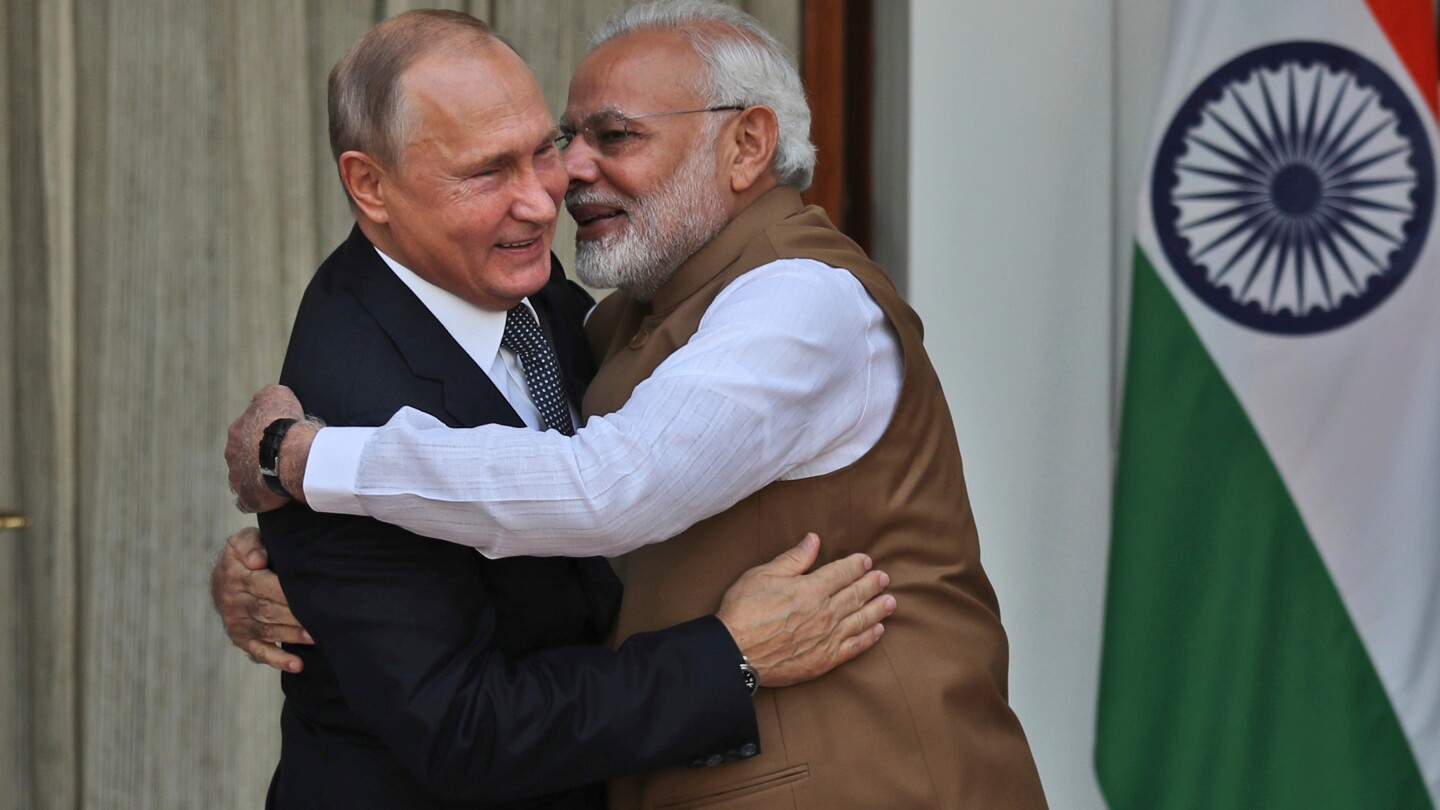
    Russian President Vladimir Putin’s upcoming state visit to India presents a critical test for New Delhi’s delicate diplomatic positioning between Moscow and Washington. The two-day summit beginning Thursday will see Putin and Indian Prime Minister Narendra Modi reviewing bilateral relations while navigating complex international pressures stemming from the ongoing conflict in Ukraine.

    The visit occurs against the backdrop of intensified U.S. efforts to advance a Ukraine peace plan and secure broader international cooperation. India has maintained a nuanced position regarding the Ukraine conflict, refraining from direct condemnation of Russia while advocating for peaceful resolution. This balanced approach reflects New Delhi’s strategic calculations in preserving relationships with both global powers.

    Economic cooperation forms a central pillar of the discussions, with both nations preparing to sign agreements covering trade facilitation, maritime collaboration, healthcare, and media exchanges. India seeks expanded market access for its pharmaceuticals, agricultural products, and textiles while pursuing long-term fertilizer supplies from Russia. The negotiations will also address safe migration protocols for Indian skilled workers seeking employment in Russia.

    The energy sector remains particularly contentious as India continues purchasing discounted Russian oil despite U.S. pressure and retaliatory tariffs. New Delhi defends these imports as essential for meeting the energy demands of its 1.4 billion population. The summit will explore expanded civil nuclear cooperation and Indian investments in Russia’s Far East, building on existing partnerships like the Russian-assisted Kudankulam nuclear facility.

    Defense cooperation constitutes another critical dimension, with India expected to press for expedited delivery of S-400 surface-to-air missile systems under their 2018 agreement. Discussions will cover potential acquisitions of additional units, modernization of Russia-made Su-30MKI fighter jets, and improved coordination on joint military exercises. Despite India’s diversification of defense suppliers, Russia remains its primary military hardware provider.

    International relations experts suggest that while India avoids overt mediation roles, behind-the-scenes diplomacy by Modi could influence Putin to address Ukrainian and European concerns. The outcome of these high-stakes negotiations will significantly impact global geopolitical dynamics and energy markets amid ongoing conflict resolution efforts.