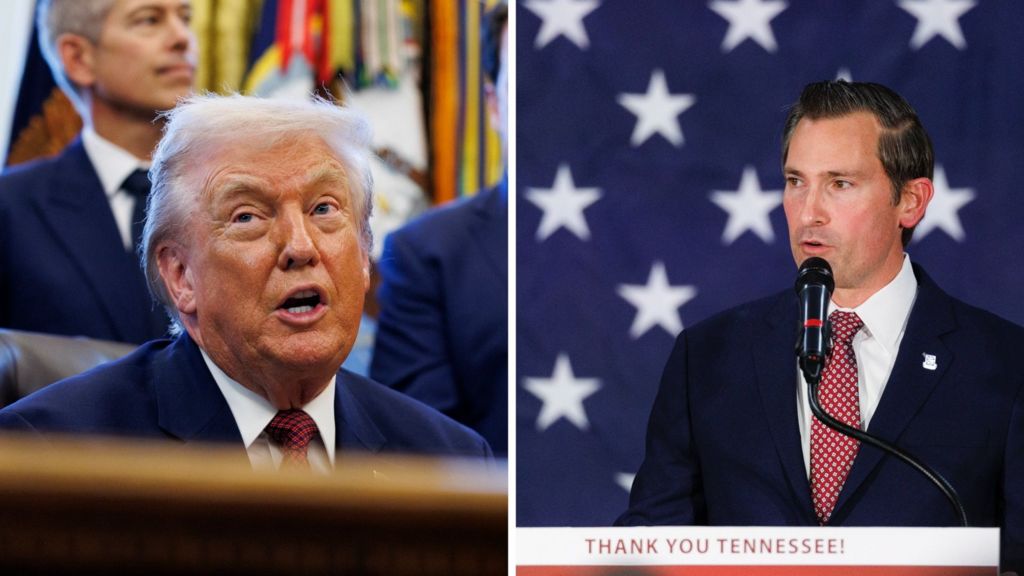
A recent special election in Tennessee has delivered a revealing snapshot of the Republican Party’s evolving political standing. While Republican candidate Matt Van Epps secured victory in the contest, his margin of triumph has sparked considerable analysis. Van Epps’ winning percentage was substantially reduced compared to the previous electoral performance in the same district. Notably, former President Donald Trump had captured this constituency by more than double Van Epps’ victory margin just over a year earlier. Political analysts are examining several factors that may have contributed to this narrowing advantage, including shifting voter demographics, changing political priorities among constituents, and potential recalibration of the Republican message. This electoral outcome serves as a crucial data point for party strategists assessing their position ahead of upcoming national elections. The results suggest that while Republican candidates continue to maintain electoral viability in traditionally strong districts, their support base may be undergoing significant transformation that could influence future campaign strategies and policy platforms.
分类: politics
-

Trump administration to roll back fuel economy rules set under Biden
The Trump administration has announced a significant rollback of stringent fuel economy regulations established during the Biden presidency, marking a substantial policy reversal that alters the trajectory of America’s automotive industry. President Donald Trump unveiled the proposal at the White House, characterizing the previous standards as economically burdensome and technically unachievable while asserting they compromised vehicle quality.
The revised regulations substantially moderate the ambitious targets set by the prior administration. Instead of mandating automakers achieve approximately 50 miles per gallon across their fleets by model year 2031, the new framework through the National Highway Traffic Safety Administration proposes a standard of roughly 34.5 miles per gallon. This represents a dramatic reduction from the previously mandated 2% annual efficiency improvements for passenger vehicles.
Industry leadership expressed strong support for the policy shift. Ford CEO Jim Farley, present at the announcement, praised the change as a ‘victory of common sense’ that aligns with consumer preferences. Conversely, environmental organizations condemned the move as regressive, warning of increased greenhouse gas emissions and public health consequences. Transportation remains the largest source of U.S. greenhouse emissions, accounting for over 28% of the national total.
The administration is additionally terminating a credit trading program that enabled manufacturers to purchase compliance credits from rivals with superior fuel efficiency, notably benefiting electric vehicle producers like Tesla. Officials criticized this mechanism as artificially supporting the EV market.
The policy revision has ignited intense debate regarding its economic and environmental implications. While the Trump administration projects approximately $1,000 in vehicle cost savings for consumers, environmental advocates counter that families will face substantially higher fuel expenses over time. The original Biden regulations were projected to prevent over 700 million metric tons of carbon dioxide emissions by 2050 while saving owners roughly $600 in fuel costs throughout their vehicle’s lifespan.
The proposal now enters a formal rule-making process, representing a pivotal moment for automotive manufacturing strategies and environmental policy.
-
Royals host glittering state banquet for German president
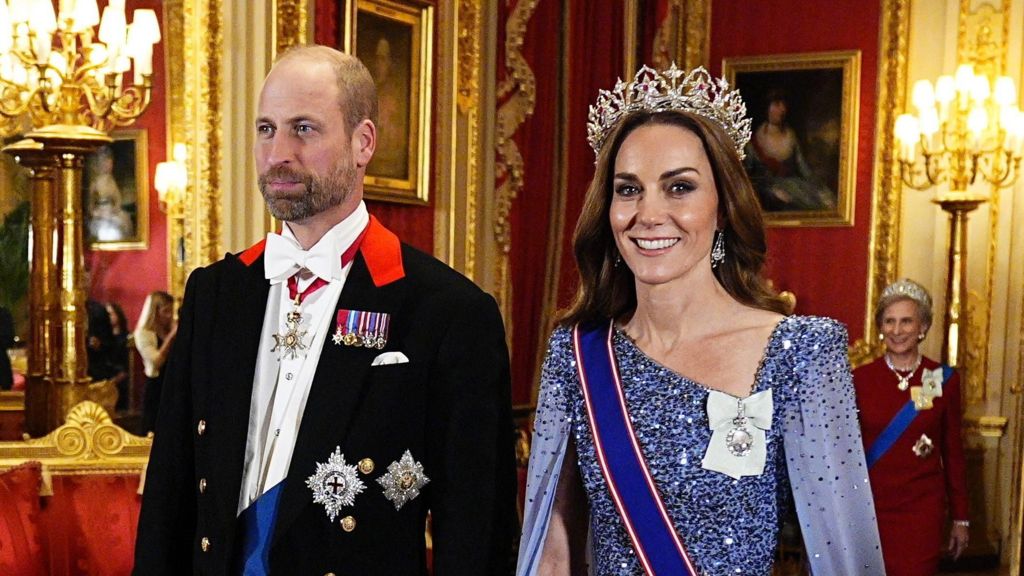
Windsor Castle hosted a momentous state banquet on Wednesday evening as King Charles III welcomed German President Frank-Walter Steinmeier, marking the first German state visit to the UK in 27 years. The glittering event, adorned with seasonal decorations including a 20-foot Christmas tree illuminated by thousands of lights, brought together 152 distinguished guests from political, business, and cultural spheres.
The royal family was prominently represented with Queen Camilla, the Prince and Princess of Wales, the Princess Royal, and the Duke and Duchess of Edinburgh in attendance. Catherine, Princess of Wales, made a notable sartorial statement wearing Queen Victoria’s diamond and ruby tiara, originally designed by her German-born husband Prince Albert.
Among the celebrity guests were model Claudia Schiffer—seated beside Prime Minister Sir Keir Starmer—renowned film composer Hans Zimmer, and virtuoso violinist Anne-Sophie Mutter. The banquet menu featured a fusion of British and German culinary traditions, including tartlet of hot smoked trout with langoustines, Windsor partridge supreme, and Black Forest gateau-inspired cocktails.
In his address delivered in both English and German, King Charles emphasized the critical need for Western allies to support Ukraine against Russian aggression, stating: “The United Kingdom and Germany together stand with Ukraine and bolster Europe against the threat of further Russian aggression.” President Steinmeier reciprocated this sentiment, affirming Germany’s unwavering support for Ukraine.
The King also reflected on the profound historical connections between the two nations, acknowledging both cultural exchanges and the “most terrible consequences of conflict.” He spoke thoughtfully about the social and political transformations following the fall of the Berlin Wall, noting how change can be “unsettling and even frightening” and emphasizing the necessity of defending democratic values.
Lighter moments included the King’s humorous reference to football rivalries: “One has to admit some element of truth in the famous description of football as a game where 11 people play 11 people and then, in the end, Germany win!” He also quipped about horse-drawn royal coaches being the “ultimate low-emissions vehicle.”
The banquet culminated a day of ceremonial activities that included a military parade featuring 850 service personnel and 150 horses. Gift exchanges held symbolic significance, with German presents including an umbrella, Bach’s Christmas Oratorio, and traditional nutcrackers, while the King offered a horn-handled walking stick and rare literary editions.
President Steinmeier later remarked on the improved UK-Germany relations following post-Brexit challenges, praising the recent bilateral treaty signed in July as instrumental in achieving closer cooperation. Meanwhile, First Lady Elke Budenbender visited Judith Kerr Primary School in London, honoring the German-born author of beloved children’s literature.
The visit will include gestures of reconciliation, with plans for President Steinmeier to visit Coventry Cathedral ruins, bombed during World War II. Minor protests by anti-monarchy groups occurred but were managed peacefully by Thames Valley Police without arrests.
-
Hillary Clinton says TikTok to blame for young Americans’ pro-Palestine views. They disagree
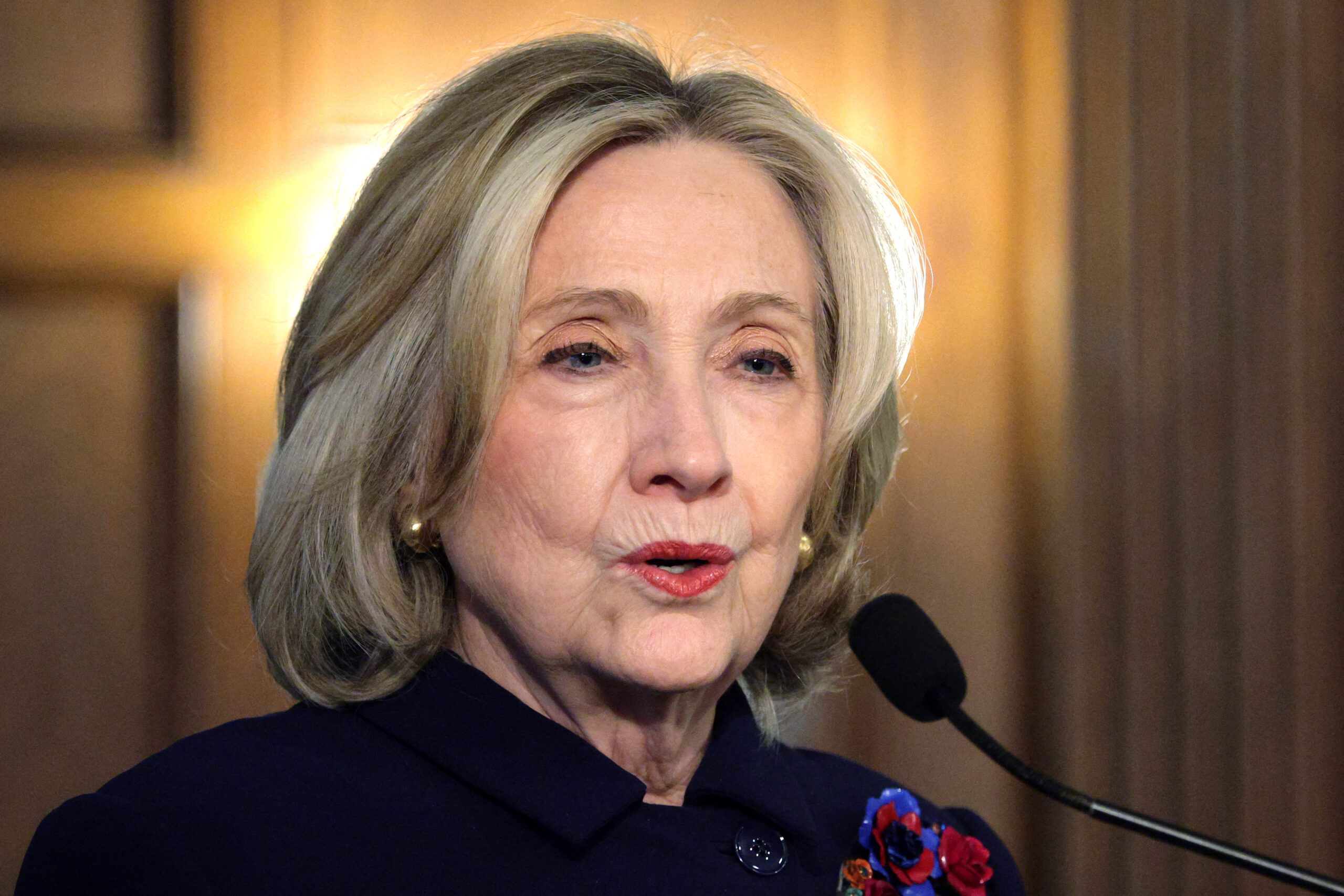
Former U.S. Secretary of State Hillary Clinton has ignited widespread criticism following her remarks at a New York summit hosted by right-wing Israeli publication Israel Hayom. Clinton asserted that growing pro-Palestinian sentiment among American youth—including young Jewish Americans—stems from exposure to “totally made-up” videos on TikTok and reflects a poor understanding of historical context regarding Israel’s military operations in Gaza.
Speaking on Tuesday, Clinton characterized social media’s influence as a “serious problem for democracy,” claiming that educated young people globally are consuming one-sided propaganda rather than balanced information. She expressed frustration that attempts at “reasonable discussions” frequently fail because young audiences “did not know history, they had very little context.”
The response across digital platforms was swift and condemnatory. Social media users denounced Clinton’s comments as condescending and disingenuous. Numerous respondents emphasized that their perspectives were shaped by firsthand documentation of violence rather than algorithmic manipulation. One Reddit user countered: “We saw through social media the horrors and war crimes filmed by IDF soldiers themselves… These weren’t misleading TikTok videos; we were watching the atrocities as they unfolded.”
Journalist Laila al-Arian posed a fundamental challenge to Clinton’s historical context argument: “What ‘context’ can possibly justify the mass slaughter of tens of thousands of civilians, 20,000 kids?” This sentiment was echoed by commentator Tommy Vietor, who noted that dismissing concerns as merely products of media consumption patterns patronizes those genuinely distressed by documented bloodshed.
Particular offense was taken at Clinton’s characterization of young Jewish Americans. Numerous Jewish respondents emphasized their deep familiarity with historical narratives while rejecting the implication that historical knowledge should lead to supporting military action in Gaza. Dr. Mia Brett responded sharply: “Jews know our own history. We are told it from the time we’re toddlers… Jewish academic experts are more likely to call what’s happening a genocide.”
The controversy emerges amid increasing political scrutiny of TikTok’s content distribution. Israeli Prime Minister Benjamin Netanyahu recently described social media as Israel’s “most important weapon” for shaping American public opinion, while former Obama administration official Sarah Hurwitz claimed the platform exposes young users to excessive “carnage in Gaza.”
-

Family of Colombian man killed in US strike in the Caribbean files human rights challenge
In an unprecedented legal challenge, the family of Colombian fisherman Alejandro Carranza has submitted the first formal petition against U.S. military drug interdiction operations to the Inter-American Commission on Human Rights. The filing alleges Carranza’s death during a September 15th maritime strike constitutes an extrajudicial killing that violated international human rights conventions.
The case emerges amid escalating U.S. military operations in the Caribbean basin, where over 80 individuals have been killed since early September under the Trump administration’s enhanced counter-narcotics campaign. While U.S. officials maintain targeted vessels were operated by terrorist organizations transporting narcotics, the administration has provided minimal details about casualties and no visual evidence supporting claims that Carranza’s boat contained drugs.
Legal representative Daniel Kovalik stated the family seeks compensation for their primary breadwinner’s death while acknowledging the non-binding nature of any commission recommendations. The attorney revealed the family has received threats from right-wing paramilitaries since publicly challenging the official narrative, creating security concerns that complicate pursuing justice through Colombian domestic channels.
The petition gains significance amid reports that Defense Secretary Pete Hegseth issued verbal orders to ‘kill everybody’ on targeted vessels, with subsequent strikes eliminating survivors of initial attacks. President Trump’s recent statements suggesting expanded land-based operations in multiple countries, including Colombia, have intensified regional apprehensions about the legal and humanitarian implications of these military actions.
Colombian President Gustavo Petro has condemned the maritime operations as ‘murders,’ highlighting diplomatic tensions between the traditional allies. The case represents a critical test of accountability mechanisms for U.S. military actions in the region, with potential implications for future counter-narcotics strategies and international human rights enforcement.
-

As NYC prepares for Mamdani, departing Mayor Eric Adams wanders the globe
NEW YORK — As his mayoral term approaches its conclusion, Eric Adams has intensified his international diplomatic engagements, embarking on multiple overseas journeys that have sparked both criticism and defense of his travel priorities. The outgoing mayor recently completed official visits to Albania, Israel, and Uzbekistan, with a subsequent trip to New Orleans to receive an award from the Combat Antisemitism Movement—marking his second recognition from the organization within a fortnight.
City taxpayers predominantly fund these diplomatic missions, covering expenses for mayoral security, staff accommodations, and travel logistics. While the administration’s spokesperson declined to disclose exact costs, Deputy Mayor for Communications Fabien Levy defended the trips as productive engagements that fostered discussions about innovation, job creation, and intergovernmental relations.
The travel pattern has drawn sharp criticism from political opponents who characterize it as mayoral ‘senioritis’—a perceived neglect of municipal responsibilities during the transition period. New York City Public Advocate Jumaane Williams accused Adams of prioritizing personal interests over civic duties, suggesting the mayor’s actions reinforce public perceptions of self-interest.
Adams, who has openly contemplated international career opportunities post-mayoralty, maintains his identity as a ‘global leader’ with longstanding diplomatic aspirations. His travel history predates his current position, having established sister city agreements as Brooklyn borough president that facilitated official visits to China, Senegal, and Turkey.
The federal investigation into Adams’ Turkish connections—specifically allegations of improperly discounted flights from Turkish officials—previously resulted in indictment proceedings that were ultimately discontinued. However, the scandal significantly damaged his political standing, contributing to his abandoned reelection campaign and poor performance in Democratic primaries.
Recent itineraries have included meetings with Albanian Prime Minister Edi Rama, Israeli President Isaac Herzog, Prime Minister Benjamin Netanyahu, and Uzbek officials discussing economic development opportunities. The timing of certain trips, particularly the Israel visit following the election of critic Zohran Mamdani, has been interpreted by observers as politically pointed messaging.
As the January 1st transition to Mamdani’s administration approaches, Adams continues to leverage his final weeks in office for international diplomacy, maintaining that these engagements serve New York’s economic and cultural interests despite mounting criticism about their timing and fiscal implications.
-
Previously unseen images of Epstein’s island released
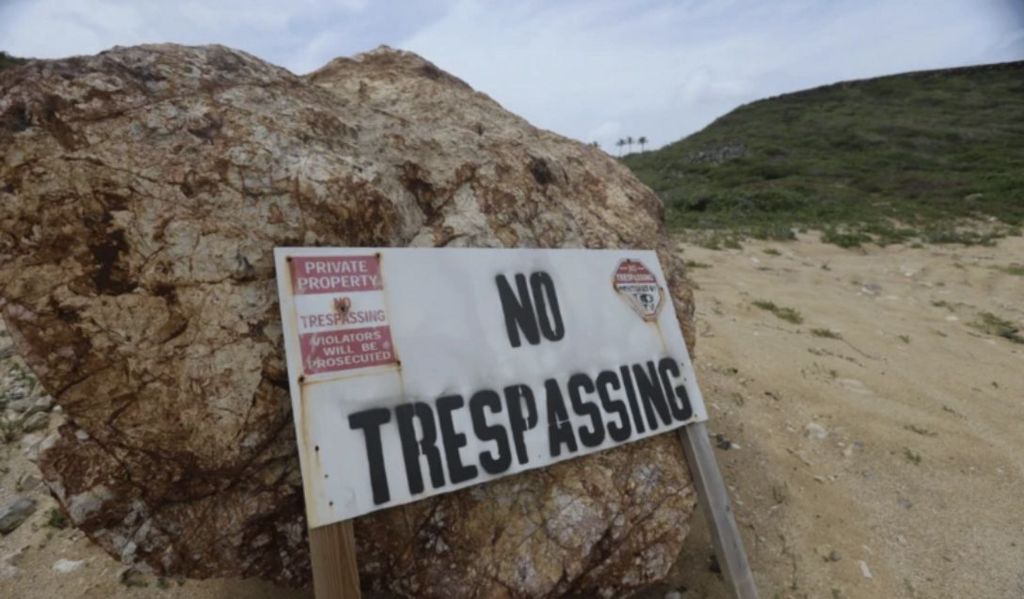
In a significant development in the ongoing Epstein investigation, Democratic members of the House Oversight Committee have publicly released previously unseen visual materials from Jeffrey Epstein’s private island compound. The evidence, comprising photographs and video footage, offers a chilling glimpse into the notorious Little St James property in the US Virgin Islands.
The released materials document several bedrooms within the residence, alongside particularly unsettling spaces including a room adorned with masks displayed on walls and a telephone unit featuring names inscribed on speed-dial buttons. Further peculiarities captured include what appears to be a dental chair and a chamber containing a white chalkboard. This board bears terms such as ‘truth,’ ‘deception,’ and ‘political,’ though portions have been deliberately obscured through redaction.
Committee Democrat Robert Garcia characterized the release as a ‘disturbing look’ into Epstein’s world, emphasizing its purpose is to ‘ensure public transparency’ within the congressional investigation. This action follows President Donald Trump’s signing of legislation on November 19th mandating the disclosure of government files pertaining to the convicted pedophile, marking a pivotal moment after protracted disputes over these documents.
The visual evidence originates from a formal request submitted to the US Virgin Islands Attorney General on November 18th, seeking information related to investigations into Epstein and his incarcerated associate, Ghislaine Maxwell. While providing a tangible connection to the location where multiple survivors allege they were trafficked and abused, the materials are noted to offer limited new factual insights, instead serving primarily to illustrate the opulent setting of the crimes.
This disclosure occurs alongside the committee’s acquisition of financial records from institutions including JP Morgan and Deutsche Bank, which are slated for public release in the coming days. It also coincides with mounting pressure on the Trump administration to facilitate the comprehensive release of Justice Department files, a process governed by a 30-day deadline concluding on December 19th.
However, potential obstacles to full transparency persist. The enacted legislation permits the Justice Department, under Attorney General Pam Bondi, to withhold documents that might compromise active federal investigations or prosecutions, provided such actions are ‘narrowly tailored and temporary.’ Furthermore, provisions allow for the redaction of victim identities, medical records, and other personally identifiable information to prevent unwarranted invasions of privacy. These safeguards introduce the possibility of delays or partial disclosures, particularly amid calls from Trump for investigations into Epstein’s connections with prominent Democratic figures.
-
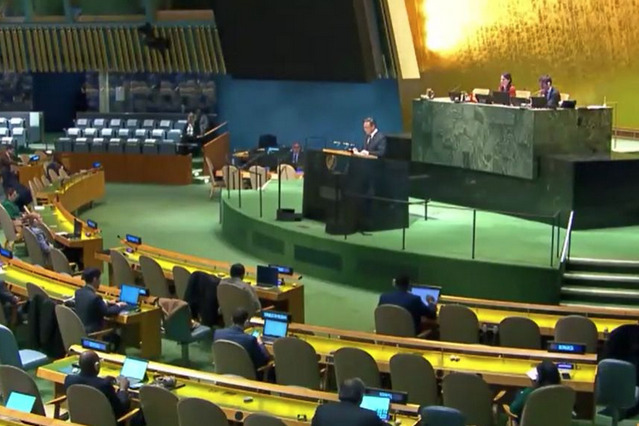
UN demands Israeli withdrawal from Palestinian, Syrian land
In a decisive display of international consensus, the United Nations General Assembly has adopted two significant resolutions addressing the Israeli-Palestinian conflict and the status of Syrian territory. The December 2nd vote saw overwhelming support for measures demanding Israel’s withdrawal from occupied Palestinian territories and Syria’s Golan Heights.
The first resolution, titled “Peaceful settlement of the question of Palestine,” received 151 votes in favor with only 11 opposed (including Israel and the United States) and 11 abstentions. This comprehensive document called for Israel’s immediate compliance with international law obligations, including terminating its unlawful presence in occupied territories, ceasing all settlement activities, and evacuating all settlers. The resolution further rejected any demographic or territorial changes in Gaza while emphasizing the urgent need to unify the Gaza Strip with the West Bank under Palestinian Authority governance.
A second resolution addressing “The Syrian Golan” declared Israel’s 1981 annexation of the territory “null and void” and demanded its rescission. This measure passed with 123 supporting votes against 7 rejections and 41 abstentions.
UNGA President Annalena Baerbock addressed the plenary meeting, urging decisive action to break the decades-long stalemate between Israel and Palestine. “For 78 years the Palestinian people have been denied their inalienable rights,” Baerbock stated, emphasizing that the conflict “cannot be resolved through illegal occupation, de jure or de facto annexation, forced displacement, recurrent terror or permanent war.” She reiterated that lasting peace would only be achieved through a two-state solution with mutually recognized borders.
The Palestinian Presidency hailed the vote as “a victory for the legitimate rights of the Palestinian people” and a reflection of international consensus on establishing a Palestinian state with East Jerusalem as its capital. Conversely, Israeli Ambassador to the UN Danny Danon dismissed the resolutions as demonstrating how “disconnected” the UN is from reality, asserting that Israel “will not return to the 1967 lines and will not abandon the Golan. Not now, not ever.”
Meanwhile, regional diplomatic efforts continue, with Egypt consulting with the US regarding an international conference for Gaza reconstruction, and Qatar maintaining intensive mediation efforts to ensure the current ceasefire holds.
-
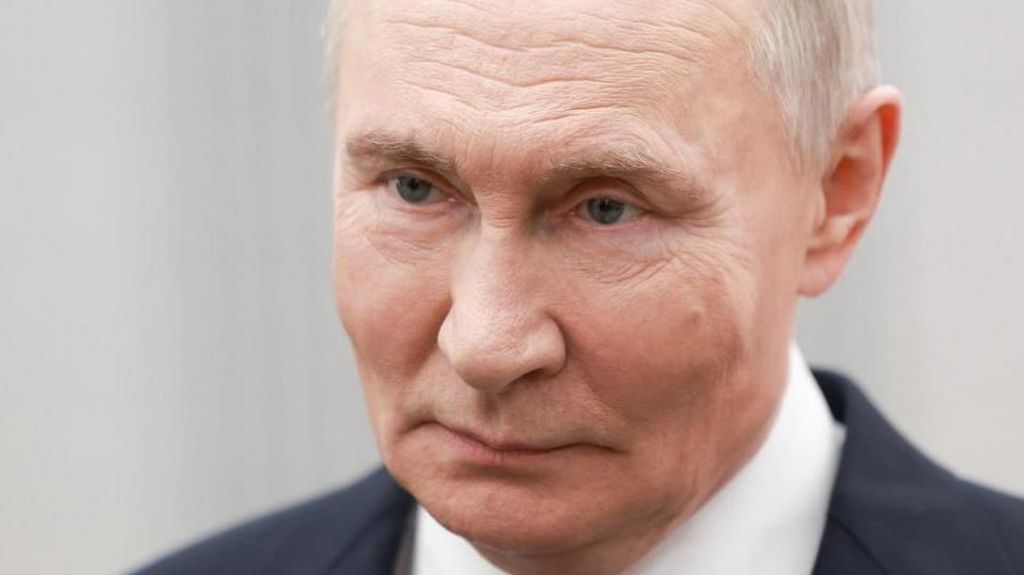
Stop wasting the world’s time, Ukraine tells Putin after US talks in Moscow
High-stakes diplomatic efforts to end the Ukraine conflict reached an impasse as US-Russia negotiations concluded without substantive progress. Ukrainian Foreign Minister Andrii Sybiha sharply criticized Vladimir Putin for “wasting the world’s time” following the unsuccessful talks, warning of consequences if Russia continues to “spit into the world’s face.”
The extensive five-hour meeting between Putin and US envoys Steve Witkoff and Jared Kushner at the Kremlin failed to bridge fundamental divides. Kremlin adviser Yuri Ushakov confirmed “no compromise” had been achieved, though he acknowledged some US proposals appeared “more or less acceptable” pending further discussion.
Core disagreements remain entrenched, particularly regarding the status of Russian-occupied Ukrainian territories and future security guarantees. Ukraine and European allies maintain that NATO membership represents the most effective deterrent against future Russian aggression—a proposition both Moscow and the Trump administration explicitly reject.
Russia’s negotiating position appears strengthened by recent battlefield gains. Putin’s military commanders reported capturing the strategic city of Pokrovsk in eastern Ukraine, with Russian forces seizing approximately 701 square kilometers of territory in November alone, bringing total controlled Ukrainian territory to 19.3%.
As US-Russia relations show tentative warming, European nations are moving decisively toward energy independence. EU member states finalized an agreement to completely eliminate Russian gas imports by 2027, with European Commission President Ursula von der Leyen heralding “the dawn of a new era.”
Simultaneously, the EU proposed a €90 billion financial package for Ukraine, potentially funded through frozen Russian assets—a plan facing resistance from Belgium and the European Central Bank over legal concerns. The proposal would cover two-thirds of Ukraine’s financing needs through 2027 amid ongoing conflict.
-

Lebanon and Israel to send civilian officials to truce talks
In a significant diplomatic development, Israel and Lebanon are preparing for their first official non-military engagement this Wednesday, marking a tentative step toward establishing economic relations between the historically adversarial nations.
The Israeli Prime Minister’s office confirmed that Benjamin Netanyahu has authorized the acting director of the National Security Council to dispatch a representative to meet with Lebanese economic officials. This groundbreaking initiative aims to create foundational elements for future economic cooperation between the two countries, which technically remain in a state of conflict.
Concurrently, Lebanon’s presidential office announced the appointment of Simon Karam, a prominent attorney and former ambassador to the United States, to lead a civilian delegation to the supervision committee overseeing implementation of the 2024 ceasefire agreement. This committee, which previously consisted exclusively of military representatives from Lebanon, the United States, France, Saudi Arabia, and Egypt, will now include Lebanese civilian participation for the first time.
The meeting in Naqoura, southern Lebanon, occurs against a complex backdrop of ongoing tensions. Despite the November 2024 ceasefire that ended over a year of hostilities between Israel and Hezbollah, violence has persisted with near-daily Israeli attacks on Lebanese territory. Israel maintains occupation of five strategic border areas, preventing thousands of displaced residents from returning to their destroyed villages due to continued military activity.
The humanitarian toll has been substantial, with more than 300 fatalities—including over 100 civilians—resulting from Israeli strikes since the ceasefire signing. Recent escalations have raised concerns in Beirut about potential Israeli military expansion, particularly following accusations from Israeli leadership that Lebanon has delayed efforts to disarm Hezbollah.
This diplomatic overture represents a delicate balancing act for both governments. Lebanon maintains its official non-recognition of Israel, previously insisting exclusively on military representation in ceasefire oversight. Lebanese military delegates have historically avoided direct contact with Israeli counterparts, making this economic dialogue particularly noteworthy despite the ongoing security challenges.