分类: politics

  • Trump orders increased vetting of resumes, LinkedIn profiles of H-1B visa applicants

    Trump orders increased vetting of resumes, LinkedIn profiles of H-1B visa applicants

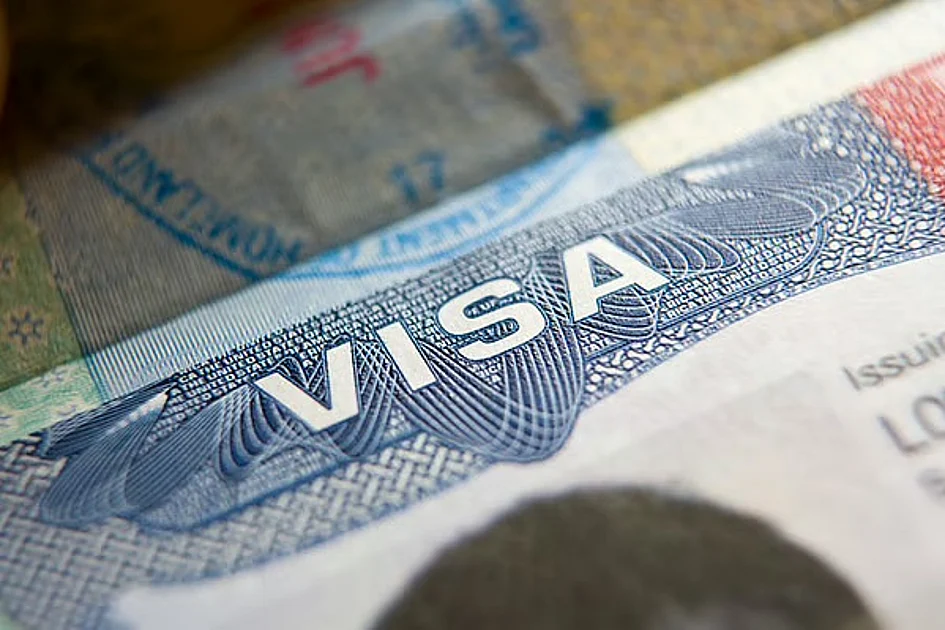
    In a significant policy shift impacting international tech recruitment, the Trump administration has instituted rigorous new screening protocols for H-1B visa applicants. A recently disclosed State Department directive mandates comprehensive review of professional backgrounds, including detailed examination of resumes and LinkedIn profiles, to identify individuals involved in content moderation activities.

    The diplomatic cable, circulated to all U.S. missions on December 2, 2025, instructs consular officers to scrutinize applicants’ employment histories for evidence of involvement in misinformation management, disinformation mitigation, fact-checking operations, or online safety enforcement. The policy specifically targets those who have participated in what the administration characterizes as ‘censorship of protected expression’ within the United States.

    Under the new guidelines, consular officials are directed to pursue visa ineligibility findings under the Immigration and Nationality Act for applicants deemed complicit in speech suppression practices. The enhanced vetting applies to both initial applicants and renewal cases, with particular emphasis on technology sector professionals employed by social media and financial services companies.

    A State Department spokesperson confirmed the administration’s position, stating: ‘We do not support aliens coming to the United States to work as censors muzzling Americans.’ The spokesperson referenced President Trump’s personal experiences with social media platform restrictions as motivation for the policy, adding that ‘allowing foreigners to lead this type of censorship would both insult and injure the American people.’

    This development represents the latest escalation in the administration’s broader campaign against perceived suppression of conservative voices online. The policy aligns with previous actions including heightened student visa screenings and new fee structures for H-1B visas, continuing Trump’s extensive immigration reform agenda. The administration has previously engaged with European governments regarding right-wing speech limitations, with officials like Marco Rubio having threatened visa bans for foreign nationals involved in regulating American tech companies.
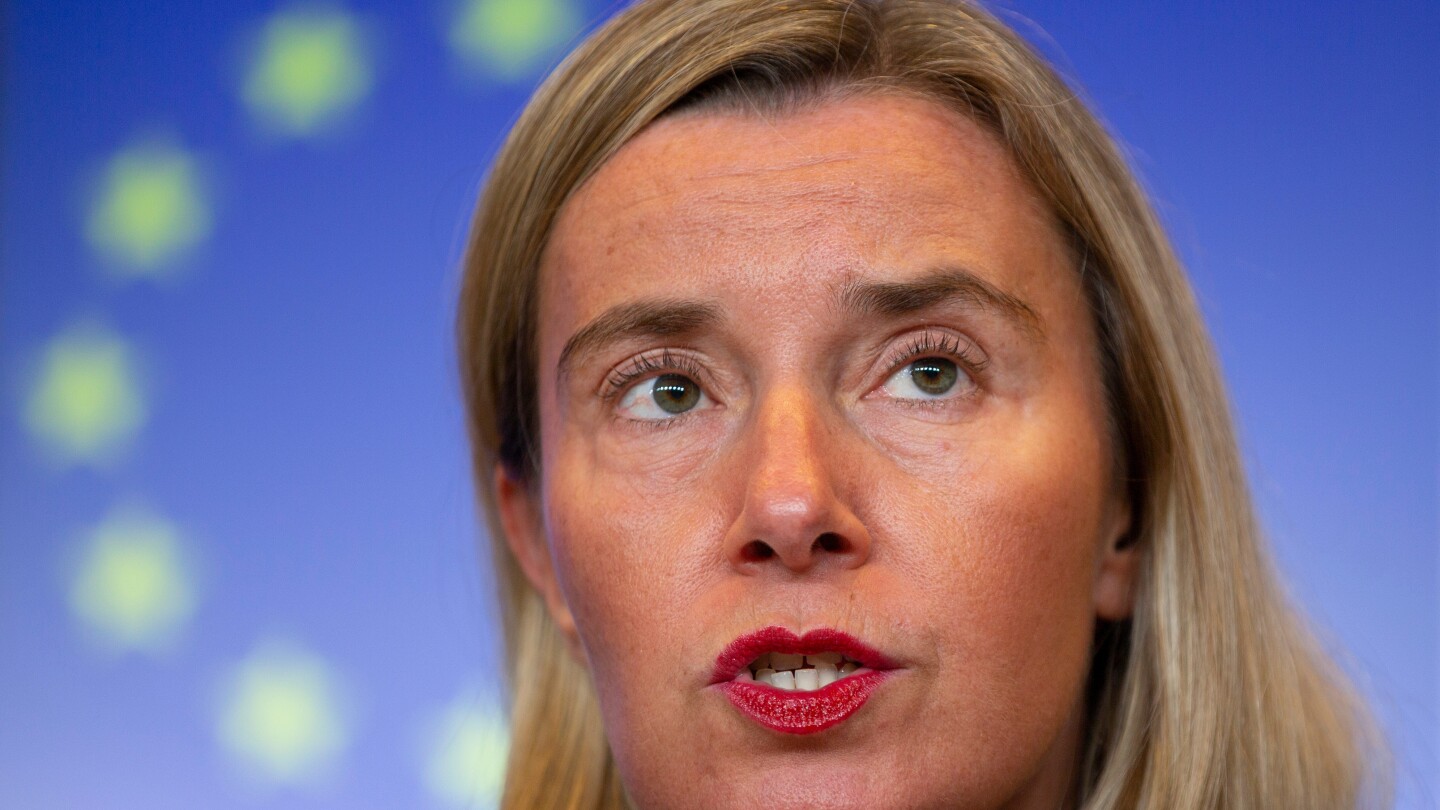

  • Former EU foreign policy chief facing fraud probe resigns as head of the College of Europe

    Former EU foreign policy chief facing fraud probe resigns as head of the College of Europe

    BRUSSELS — Federica Mogherini, the European Union’s former foreign policy chief, has resigned from her leadership role at the prestigious College of Europe following her involvement in a burgeoning fraud investigation. The announcement came Thursday as Belgian authorities continue their probe into alleged procurement irregularities at the institution.

    Mogherini stepped down from her dual positions as Rector of the Bruges-based College of Europe and Director of the European Union Diplomatic Academy. In her resignation statement, she emphasized her commitment to “utmost rigor and fairness” in fulfilling her duties but provided no specific explanation for her departure.

    The investigation escalated Tuesday when Belgian federal police conducted simultaneous raids at both the EU diplomatic service headquarters in Brussels and the College of Europe campus in Bruges. Mogherini was detained for questioning along with a senior college administrator and a European Commission official. All three were subsequently released after investigators determined they presented no flight risk.

    According to the European Public Prosecutor’s Office, the investigation centers on multiple allegations including procurement fraud, corruption, conflict of interest, and breaches of professional secrecy. The probe examines potential misconduct in the awarding of contracts and management of funds at the esteemed institution known for training Europe’s future diplomats.

    Despite the serious allegations, Mogherini expressed pride in her accomplishments during her tenure and gratitude for the support received from students, faculty, and alumni. The College of Europe, established in 1949, has long served as a premier educational institution for European affairs and international relations.

  • UK sanctions Russia’s GRU spy agency over 2018 nerve agent attack

    UK sanctions Russia’s GRU spy agency over 2018 nerve agent attack

    The British government has imposed comprehensive sanctions against Russia’s GRU intelligence agency and summoned Moscow’s ambassador following an official inquiry that established President Vladimir Putin’s direct responsibility for the 2018 nerve agent attack on British territory.

    An investigation led by former UK Supreme Court Justice Anthony Hughes concluded that the assassination attempt targeting former Soviet agent Sergei Skripal in Salisbury was “authorized at the highest level” by the Russian president. The attack severely injured Skripal and his daughter Yulia through exposure to the military-grade nerve agent Novichok.

    The inquiry further determined that Dawn Sturgess, a British civilian who subsequently died after encountering a discarded perfume container containing the chemical weapon, represented “an innocent victim of an attempt by officers of a Russian state organization.” Her partner and police officer Nick Bailey also suffered serious medical complications but survived the exposure.

    In addition to sanctioning the GRU in its entirety, the UK Foreign Office identified eight alleged cyber military intelligence officers accused of targeting Yulia Skripal with malware half a decade prior to the Novichok incident.

    Prime Minister Keir Starmer characterized the findings as “a grave reminder of the Kremlin’s disregard for innocent lives,” stating that Sturgess’ “needless death was a tragedy and will forever be a reminder of Russia’s reckless aggression.” Moscow continues to deny any involvement in the chemical weapons incident.

  • Honduras election on knife-edge as count delayed by technical glitch

    Honduras election on knife-edge as count delayed by technical glitch

    The Honduran presidential election remains exceptionally close as vote counting extends into its fourth day, marked by technical failures and heightened international attention. With approximately 84% of ballots processed, conservative candidate Nasry Asfura holds a razor-thin lead of just 0.3 percentage points over centrist challenger Salvador Nasralla.

    The electoral process has been plagued by repeated technical outages that electoral authorities have deemed ‘inexcusable.’ On Wednesday, counting operations halted for several hours when the private contractor responsible for tabulation conducted unscheduled maintenance without consulting the National Electoral Council (CNE). This followed Tuesday’s crash of the real-time results portal, further delaying the process and intensifying political tensions.

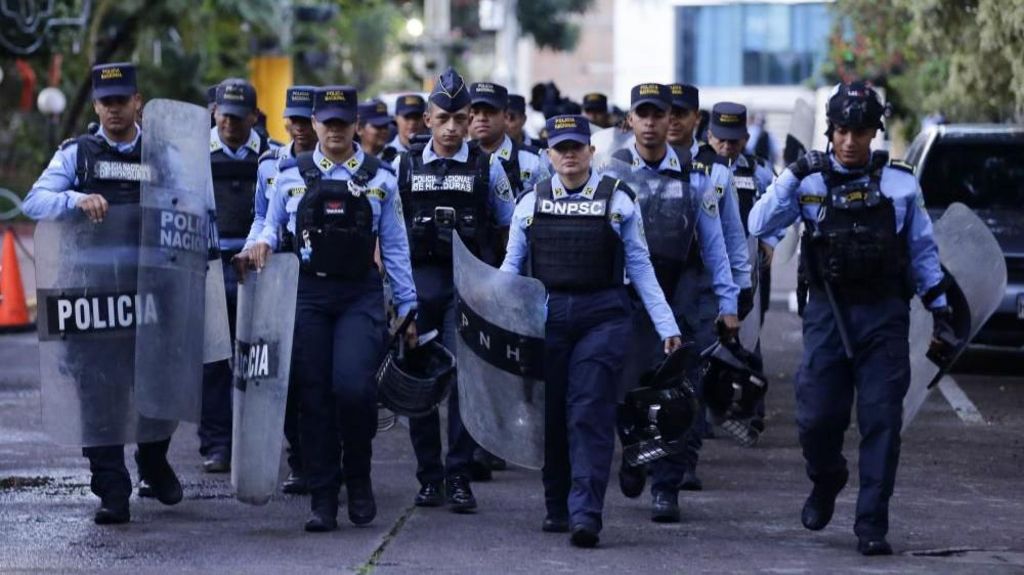
    CNE President Ana Paola Hall expressed frustration with the technical contractor’s performance while urging public patience. Security has been reinforced around the Tegucigalpa hotel serving as the vote-counting center, with police maintaining a visible presence.

    The election has drawn significant international attention, particularly from the United States. President Donald Trump has openly endorsed Asfura, threatening to cut off aid to Honduras if the conservative candidate isn’t elected. Trump has additionally alleged, without presenting evidence, that electoral authorities were ‘trying to change’ the outcome when preliminary results briefly showed Nasralla leading by approximately 500 votes on Monday.

    Both candidates maintain confidence in their eventual victory, citing internal party projections. The election’s outcome remains uncertain as technical challenges continue to slow the final count.

  • Lithuanian court convicts the leader of a governing party of inciting hatred against Jews

    Lithuanian court convicts the leader of a governing party of inciting hatred against Jews

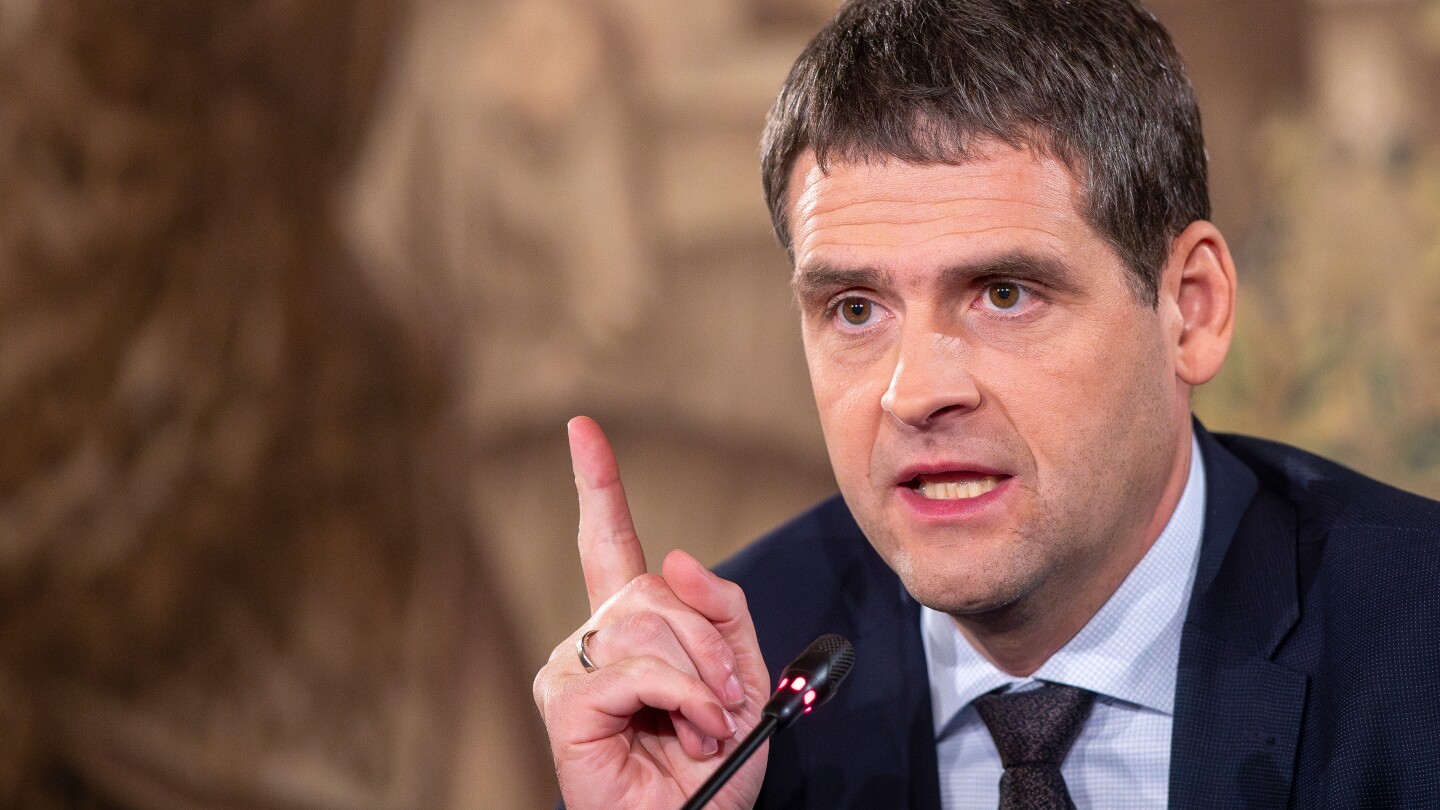
    A Vilnius district court has delivered a landmark verdict against Remigijus Žemaitaitis, leader of the coalition partner Nemuno Aušra party, convicting him Thursday for antisemitic hate speech and Holocaust minimization. The court imposed a €5,000 fine—significantly below prosecutors’ requested €51,000 penalty—for comments deemed to have “incited hatred against Jews” and “grossly downplayed Nazi Germany’s crimes.

    The case centered on inflammatory social media posts from May-June 2023, including one comparing the demolition of Palestinian schools to “pastime” activities for Lithuanian Jews, alongside antisemitic nursery rhymes and historically distorted World War II references. Judge Nida Vigelienė condemned Žemaitaitis’s language as “degrading, violating human dignity and demonstrating hatred.”

    Despite having resigned from parliament in 2024 following a constitutional court ruling that he violated his oath, Žemaitaitis returned to politics through elections last year. His populist party subsequently joined the center-left Social Democrats’ governing coalition, though he holds no cabinet position.

    The convicted leader, absent during proceedings, denounced the verdict as “politicized” and plans to appeal. Meanwhile, the Social Democrats issued a Facebook statement condemning antisemitism and Holocaust denial as incompatible with party values, while acknowledging the non-final status of the ruling.

  • Henry Zeffman: Less than meets the eye to Starmer’s words on Brexit

    Henry Zeffman: Less than meets the eye to Starmer’s words on Brexit

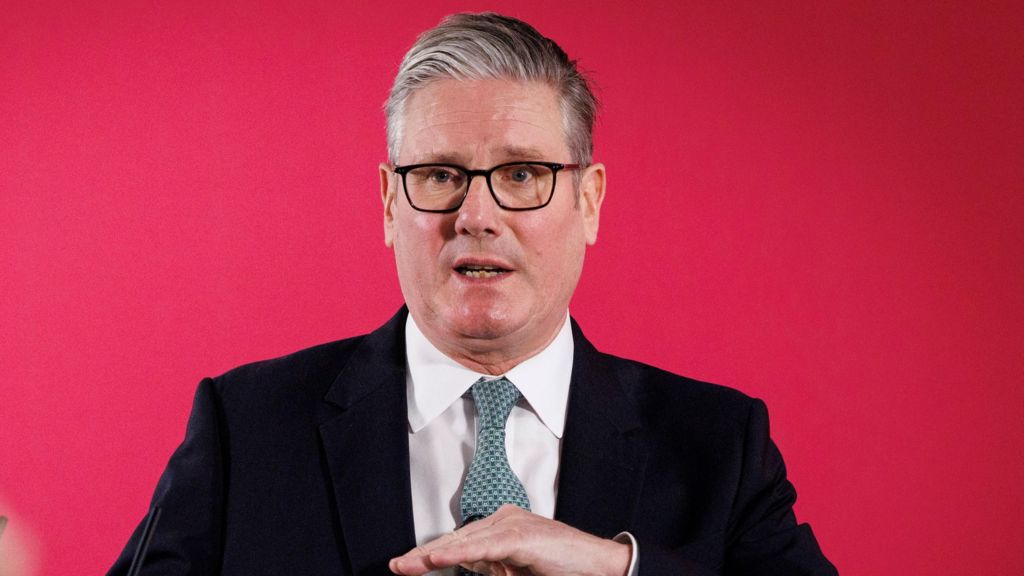
    In a notable rhetorical pivot, British Prime Minister Keir Starmer has initiated a deliberate campaign to advocate for enhanced economic collaboration with the European Union, while simultaneously affirming his commitment to the fundamental structure of the post-Brexit settlement. This nuanced positioning represents Starmer’s most explicit acknowledgment to date that the current Brexit agreement has adversely impacted Britain’s economic landscape.

    The Prime Minister articulated this stance across multiple high-profile platforms on Monday, including an op-ed in The Guardian and speeches to influential audiences. He characterized the implementation of Brexit as ‘botched’ and lamented the ‘wild promises’ made to the British public that remained unfulfilled. ‘One element of our economic renewal will be continuing to move towards a closer trading relationship with the EU,’ Starmer declared, marking a significant evolution from his previous cautious approach to EU relations.

    Despite this rhetorical shift, government sources emphasize that substantial policy changes remain unlikely. During Wednesday’s Prime Minister’s Questions, Starmer reaffirmed that remaining outside the single market and customs union constitute ‘clear red lines’ for his administration. The apparent contradiction between rhetoric and policy reflects a carefully calibrated strategy to prepare the ground for incremental improvements in specific sectors rather than wholesale renegotiation.

    Current negotiations focus on technical enhancements including streamlined food checks, carbon tariff agreements, and potential youth mobility schemes. The recent cabinet appointment of Nick Thomas-Symonds, who has overseen EU negotiations, has sparked speculation about more ambitious goals, though government insiders characterize this as organizational restructuring rather than policy shift.

    Within government circles, a quiet debate persists regarding the possibility of customs union reintegration. Some advisors, including Starmer’s chief economics adviser Baroness Shafik, reportedly advocate rejoining the customs union as the most straightforward method to stimulate economic growth. However, practical obstacles remain substantial, including potential EU demands for concessions and the sacrifice of Britain’s independent trade policy—a cornerstone of the government’s current international approach.

    Politically, Labour strategists detect shifting public attitudes toward Brexit. According to one ‘red wall’ MP representing a strongly pro-Leave constituency: ‘It’s much less visceral than it was. Even in constituencies like mine there’s space to go quite far. The single market is a non-starter because you reopen the immigration issue. But there’s space to rejoin the customs union. It’s about trade. No-one is going to object to better trade.’

    This assessment finds support in recent polling indicating majority public belief that leaving the EU was mistaken. A cabinet minister noted the changing political landscape: ‘Brexit is becoming like the Iraq War. Lots of people supported it at the time but now you can’t find anyone who admits to it.’

    The government’s calibrated approach reflects both economic pragmatism and political calculation, seeking to appeal to progressive voters desiring closer EU ties while avoiding alienation of traditional Brexit supporters. This balancing act will likely define Britain’s evolving relationship with Europe throughout Starmer’s premiership.

  • Mainland slams DPP for ‘selling out Taiwan’

    Mainland slams DPP for ‘selling out Taiwan’

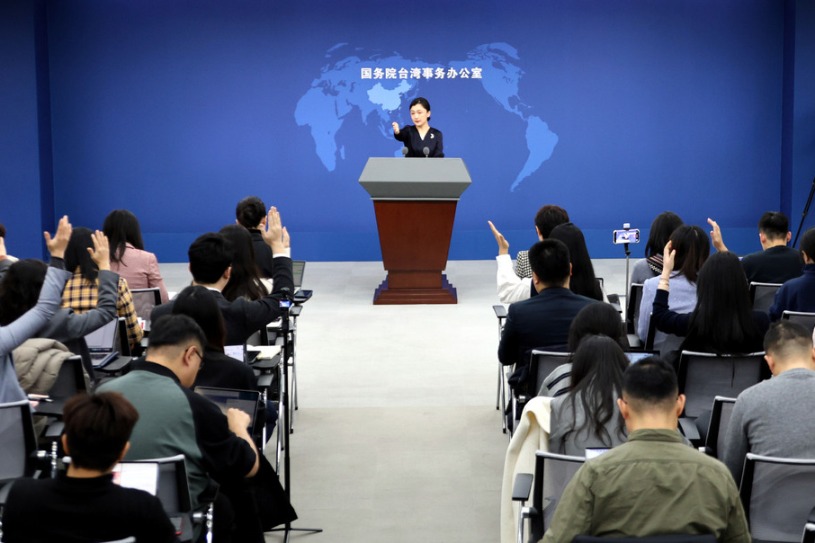
    Chinese officials have issued a stern condemnation of Taiwan’s Democratic Progressive Party (DPP) administration, accusing it of recklessly compromising the island’s economic and security interests to appease foreign powers. At a Wednesday press conference, State Council Taiwan Affairs Office spokeswoman Zhang Han characterized U.S.-Taiwan relations as fundamentally exploitative, stating Washington views Taiwan merely as “fat meat” and a “cash machine” to serve American strategic objectives.

    The criticism came in response to Taiwanese leader Lai Ching-te’s proposed $40 billion supplementary defense package aimed at purchasing American weaponry. Zhang denounced the expenditure as a catastrophic misallocation of resources that should instead benefit Taiwan’s economy and public welfare. “Buying weapons does not bring security; instead, it accelerates Taiwan’s slide into danger,” she asserted, emphasizing that subservience to external forces would “inevitably lead to self-destruction.”

    Domestic opposition to the defense budget has emerged within Taiwan, with protesters and lawmakers from the Kuomintang and Taiwan People’s Party blocking the bill from legislative agenda consideration. Simultaneously, reports indicate Taiwan is negotiating reduced U.S. tariff rates in exchange for expanded semiconductor investments, a move Zhang described as draining Taiwan’s industrial resources without regard for residents’ livelihoods.

    The spokeswoman also addressed concerning developments in U.S.-Taiwan relations, including the recently enacted Taiwan Assurance Implementation Act requiring regular review of engagement guidelines. Zhang reiterated China’s firm opposition to any U.S.-Taiwan military cooperation and urged Washington to adhere to the one-China principle, cautioning that provocative actions would undermine regional stability.

  • Chinese premier calls for implementation of new urbanization strategy to boost social, economic development

    Chinese premier calls for implementation of new urbanization strategy to boost social, economic development

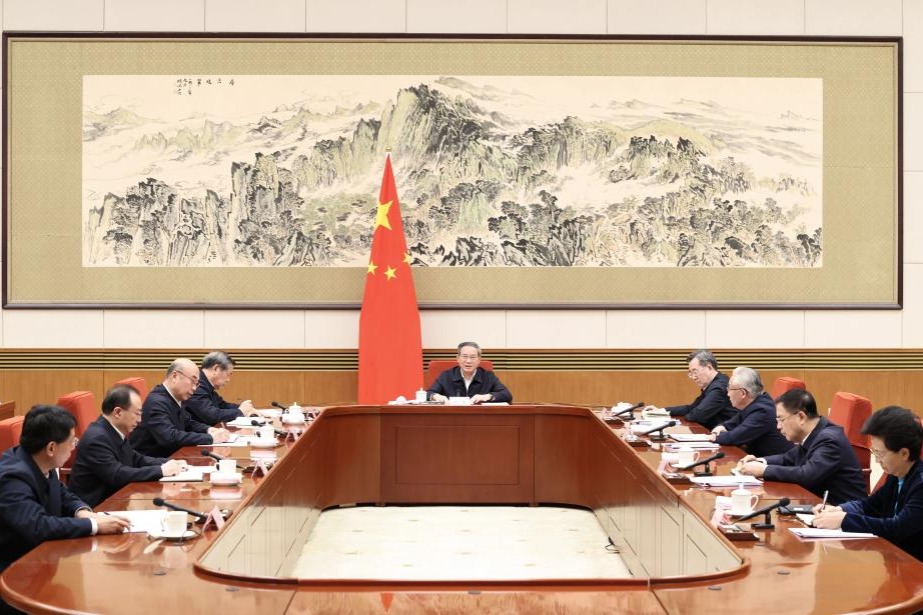
    In a pivotal State Council study session convened on December 3, 2025, Premier Li Qiang championed the accelerated implementation of China’s people-centered new urbanization strategy. He emphasized its critical role in unlocking domestic demand potential through urban-rural integration and driving comprehensive socioeconomic advancement.

    Presiding over the high-level meeting attended by Vice Premiers Ding Xuexiang, He Lifeng, and State Councilor Wang Xiaohong, Premier Li characterized urbanization as a fundamental engine for expanding domestic consumption, catalyzing industrial modernization, and strengthening China’s internal economic circulation. He noted that while significant progress has been achieved nationwide, the 15th Five-Year Plan period (2026-2030) presents substantial opportunities for further development.

    Premier Li observed that China’s urbanization is transitioning from rapid expansion to stable maturation, accompanied by profound transformations in demographic patterns, urban systems, and rural-urban dynamics. This evolution necessitates enhanced precision and effectiveness in policy implementation.

    The Premier outlined a multifaceted approach requiring localized adaptation of urbanization plans, optimized coordination between population distribution, industrial development, and urban planning. He specifically highlighted the urgency of addressing critical social challenges including employment security, social welfare provisions, housing accessibility, and educational opportunities for rural migrant populations.

    Further directives included advancing urban renewal initiatives, promoting construction of ‘quality homes,’ and fostering high-quality development within the real estate sector. Premier Li also stressed the importance of strengthening infrastructure connectivity and industrial alignment between urban and rural regions to achieve genuinely integrated development.

  • UK and Norway will mount joint naval patrols to protect undersea cables and hunt Russian submarines

    UK and Norway will mount joint naval patrols to protect undersea cables and hunt Russian submarines

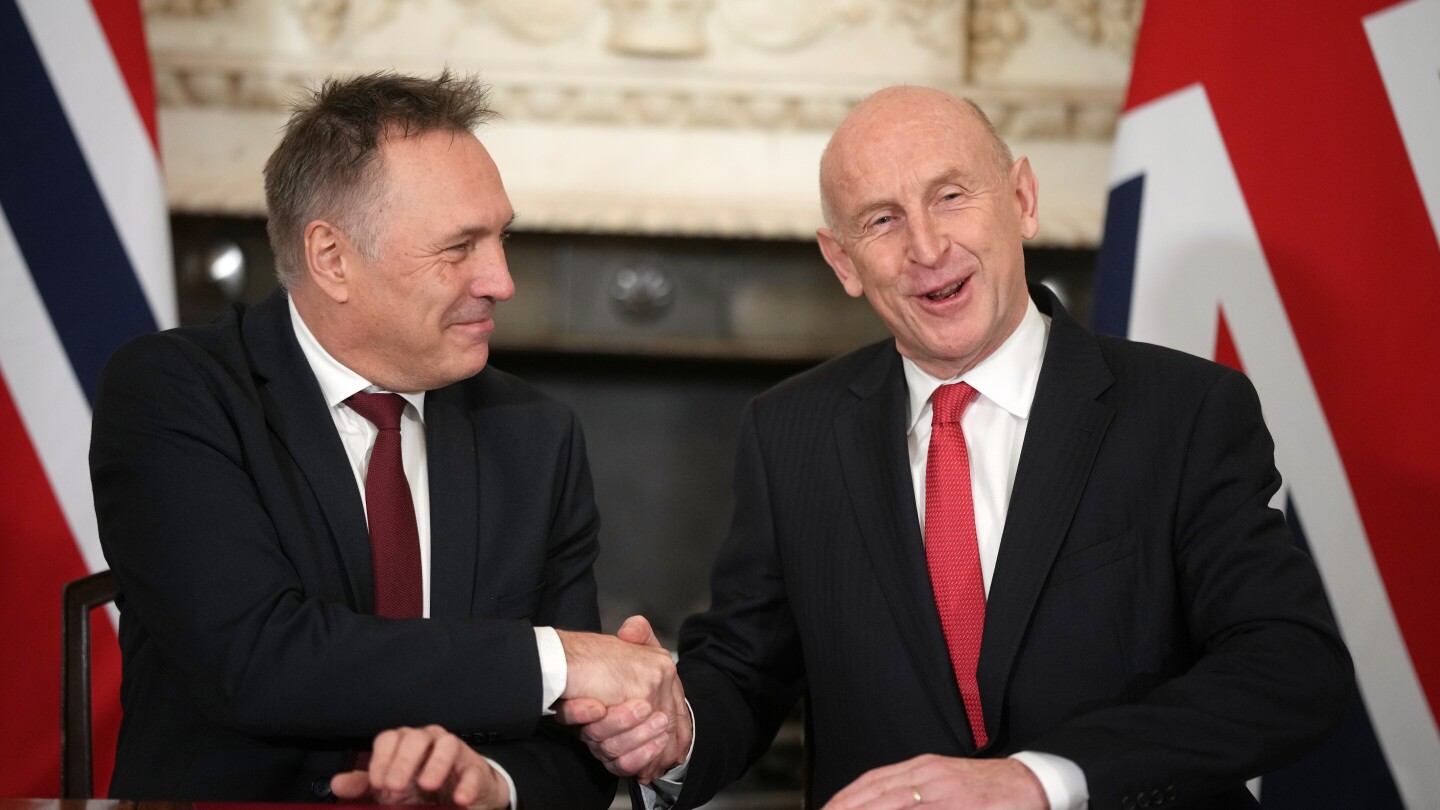
    In a significant escalation of NATO’s northern defense capabilities, the United Kingdom and Norway have formally established a joint naval task force dedicated to safeguarding subsea infrastructure from Russian threats. The landmark agreement, signed Thursday in London by defense ministers from both nations, creates a combined fleet of at least 13 warships that will conduct coordinated patrols across the North Atlantic.

    The strategic partnership, announced following high-level talks between British Prime Minister Keir Starmer and Norwegian Prime Minister Jonas Gahr Støre, represents a direct response to what both governments describe as increasingly aggressive Russian naval activity. Official statistics indicate a concerning 30% surge in Russian vessel operations around UK waters over the past two years, raising alarms about the vulnerability of critical communication and energy cables on the seabed.

    This enhanced military cooperation builds upon a previously established £10 billion ($13.4 billion) defense procurement agreement finalized in August, through which Norway committed to acquiring a minimum of five British-manufactured frigates. These Norwegian vessels will operate alongside eight Royal Navy ships, forming a specialized fleet tasked with detecting and deterring Russian submarine operations along NATO’s northern flank.

    In a reciprocal arrangement strengthening bilateral defense ties, the UK has agreed to integrate Norwegian missile systems into the Royal Navy’s surface fleet. The partnership extends beyond hardware integration to include joint operational planning and intelligence sharing between naval commands.

    The two leaders were scheduled to personally assess the strategic situation firsthand with a visit to RAF Lossiemouth in Scotland, where they met with British and Norwegian personnel responsible for monitoring Russian maritime movements. This base serves as a critical hub for NATO’s surveillance operations tracking Russian naval activity in the North Atlantic and Arctic regions.

  • Putin calls talks with US on ending the Ukraine war ‘useful’ but also ‘difficult work’

    Putin calls talks with US on ending the Ukraine war ‘useful’ but also ‘difficult work’

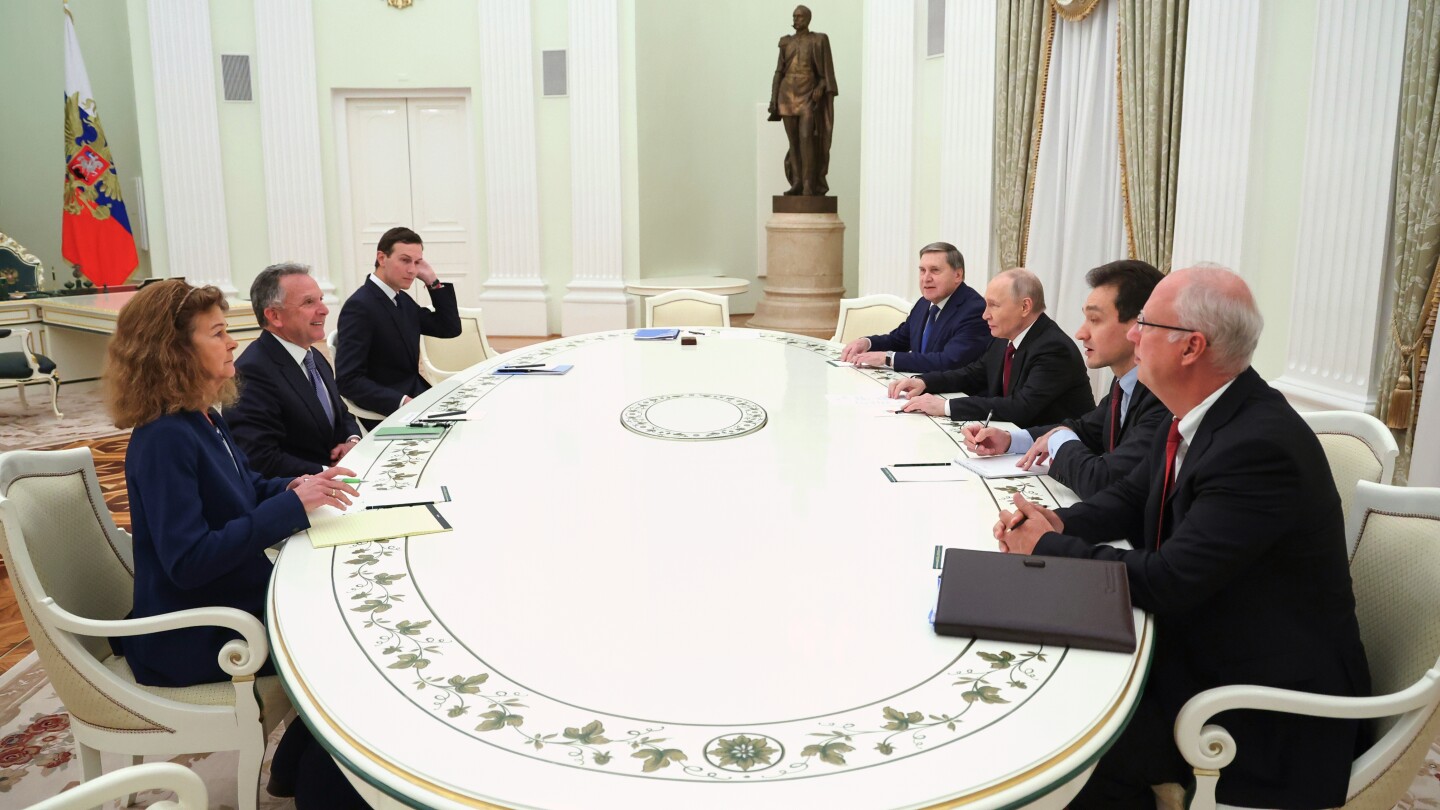
    Russian President Vladimir Putin has characterized his extensive five-hour diplomatic engagement with U.S. representatives as both “necessary” and “useful” while simultaneously acknowledging the challenging nature of negotiations aimed at resolving the ongoing Ukraine conflict. In pre-recorded comments for India Today TV channel, obtained by Russian state media outlets Tass and RIA Novosti, Putin revealed that certain American proposals presented during the Kremlin discussions remained unacceptable to Moscow’s strategic interests.

    The high-level talks occurred as U.S. President Donald Trump’s special envoy Steve Witkoff and senior advisor Jared Kushner prepared for subsequent negotiations with Ukrainian lead negotiator Rustem Umerov in Miami. According to an unnamed Trump administration official, these parallel diplomatic efforts represent a renewed American initiative to broker peace in the nearly four-year conflict, despite the significant challenges in reconciling the fundamental positions of both warring nations.

    President Trump expressed optimism following the Moscow meeting, stating that his emissaries departed the marathon session with strong confidence in Putin’s genuine desire to reach a negotiated settlement. “Their impression was very strongly that he’d like to make a deal,” Trump remarked on Wednesday.

    Putin provided additional context regarding the protracted nature of the discussions, explaining through Tass that both parties meticulously examined each component of the American peace proposal. The Russian leader described the exchange as a “very concrete” conversation that required thorough examination of all points. While indicating Moscow’s willingness to engage with certain aspects of the proposal, Putin unequivocally stated that other provisions remained beyond the Kremlin’s acceptable parameters, characterizing the overall process as “difficult work.”

    The diplomatic developments occur against the backdrop of continued violence in eastern Ukraine, where government forces and Russian-backed separatists have been engaged in conflict since 2014. The recent flurry of high-profile negotiations signals potentially the most serious effort to date to find a political solution to the crisis that has claimed over 13,000 lives and displaced millions.