分类: politics

  • US Navy admiral briefs lawmakers over controversial ‘double-tap’ strike

    US Navy admiral briefs lawmakers over controversial ‘double-tap’ strike

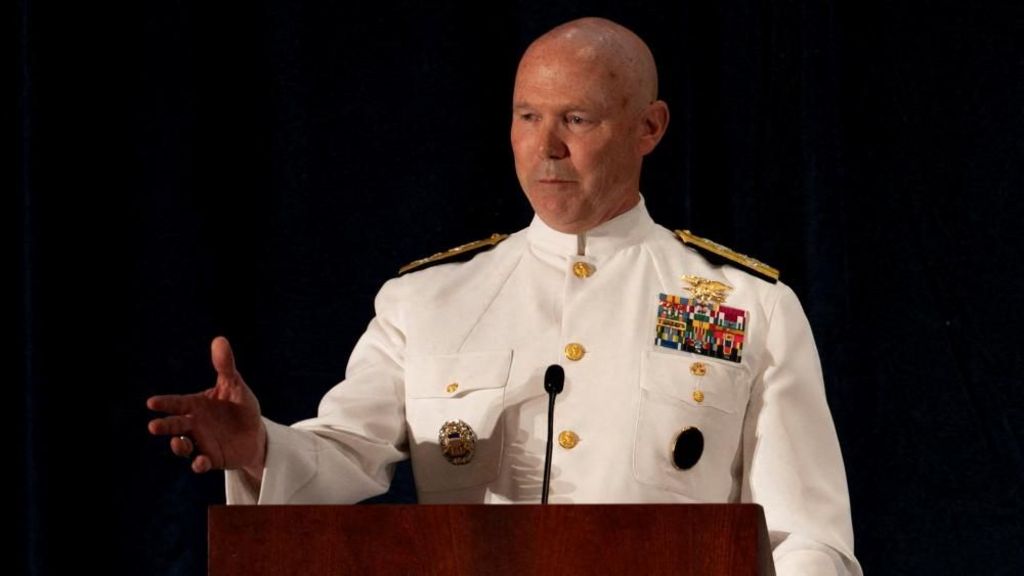
    US Navy Admiral Frank Bradley has commenced classified briefings with senior congressional leaders regarding a controversial September 2nd incident involving consecutive strikes on a suspected drug trafficking vessel in Caribbean waters. The operation, which resulted in multiple fatalities, has sparked intense legal and ethical debates within Washington’s political circles.

    Defense Secretary Pete Hegseth and Trump administration officials face mounting scrutiny over the tactical decision-making process. Congressional representatives who viewed classified footage during Thursday’s briefing expressed profound concern, with House Intelligence Committee member Jim Himes characterizing the recording as ‘among the most troubling material’ he had ever witnessed.

    The emergence of details surrounding the second strike has raised fundamental questions about compliance with international conflict regulations, particularly regarding the treatment of combatants rendered hors de combat. Media reports indicate two survivors attempted to reboard the damaged vessel before the secondary engagement, with officials claiming they appeared to be retrieving narcotics.

    According to administration sources, Admiral Bradley maintains the targeted individuals remained legitimate threats due to suspected drugs still aboard the vessel. The White House has publicly endorsed Bradley’s actions as legally justified, with Press Secretary Karoline Leavitt emphasizing the Admiral operated ‘well within his authority and the law.’

    This incident represents the initial engagement in an expanded maritime interdiction campaign that has reportedly claimed over 80 lives across Caribbean and Eastern Pacific regions. While President Trump asserts these operations have significantly disrupted drug trafficking networks, no concrete evidence supporting these claims has been publicly disclosed.

    International law experts consulted by the BBC have expressed serious reservations about the second strike’s legality, noting potential violations of Geneva Convention protocols protecting shipwrecked personnel and combatants unable to continue fighting. The administration has framed these operations as part of a non-international armed conflict against narcotics traffickers.

    The human toll continues to emerge through cases like Colombian national Alejandro Carranza, presumed killed in subsequent operations, whose family has petitioned the Inter-American Court of Human Rights for investigation. Venezuela has repeatedly condemned the strikes as provocations aimed at regional destabilization.

    Admiral Bradley and Joint Chiefs Chairman General Dan Caine are scheduled to provide further congressional testimony as lawmakers from both parties demand greater transparency regarding the legal frameworks and operational decisions governing these maritime engagements.

  • Bangladesh’s Gen-Z battles to gain political ground after ousting Hasina

    Bangladesh’s Gen-Z battles to gain political ground after ousting Hasina

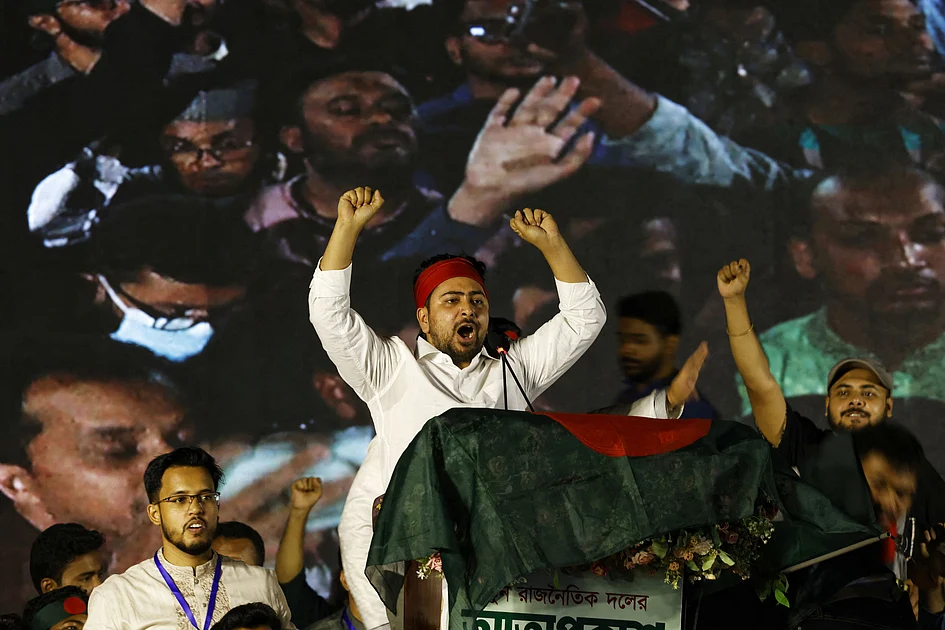
    Bangladesh’s nascent National Citizen Party (NCP), born from a massive student-led uprising that toppled long-serving Prime Minister Sheikh Hasina, now confronts the formidable challenge of transforming street activism into parliamentary representation. With February elections approaching, the party finds itself trailing established political forces despite initial widespread enthusiasm.

    Recent polling data from the U.S.-based International Republican Institute reveals the NCP securing merely 6% support, placing it behind both the Bangladesh Nationalist Party (BNP) at 30% and the hardline Jamaat-e-Islami at 26%. This disappointing standing highlights the difficulties faced by a movement attempting to break decades of two-party dominance despite its revolutionary origins.

    The party’s 27-year-old leader, Nahid Islam, acknowledges organizational deficiencies: ‘Our structure remains underdeveloped due to insufficient time for establishment.’ Operating from a graffiti-adorned office in Dhaka’s high-rise district, the NCP confronts well-entrenched rivals with extensive networks reaching deep into rural constituencies.

    Multiple challenges hamper the party’s progress: ambiguous positioning on critical issues including women’s and minority rights, limited financial resources dependent on crowdfunding and small donations, and allegations of corruption that contradict its proclaimed zero-tolerance policy. The party’s poor showing in September’s Dhaka University student elections—failing to secure any seats—further demonstrates waning support at the institution that originally fueled the anti-Hasina movement.

    In response to these obstacles, the NCP has initiated discussions with established parties including BNP and Jamaat-e-Islami regarding potential alliances. While such partnerships might improve electoral prospects, analysts warn they could undermine the party’s distinctive identity as an alternative to traditional politics.

    Despite these challenges, the party maintains innovative approaches to political engagement. Its unconventional candidate selection process interviewed over 1,000 ordinary citizens nationwide, including a rickshaw puller who took unpaid leave to participate and a student partially blinded by police during earlier protests.

    The movement continues to attract idealistic supporters like Dr. Tasnim Jara, who abandoned a promising medical career in Cambridge to contribute to building a more inclusive political system. As BNP leader Mirza Fakhrul Islam Alamgir noted: ‘Young people will dominate future politics, making their parliamentary inclusion beneficial.’

    The NCP’s journey represents a fundamental test of whether youth-driven movements can successfully transition from protest politics to sustainable governance in Bangladesh’s complex political landscape.

  • Suspect arrested in pipe bomb incident on eve of Jan 6, ending years-long manhunt

    Suspect arrested in pipe bomb incident on eve of Jan 6, ending years-long manhunt

    Federal authorities have apprehended a suspect in connection with the placement of two pipe bombs outside the headquarters of both major political parties on the eve of the January 6th Capitol riot, marking a significant breakthrough in a nearly five-year investigation. The arrest was confirmed by multiple sources to CBS News, with the individual expected to face federal charges in Washington D.C.

    The devices were strategically planted outside the Republican and Democratic National Committee buildings on January 5, 2021. While equipped with kitchen timers and homemade black powder, both bombs were successfully deactivated by authorities without detonation. The investigation, which included a $500,000 reward for information, culminated in this arrest after an extensive nationwide manhunt.

    The context of the bomb placement coincides with the certification process of the 2020 presidential election results. On January 6th, as lawmakers convened to formalize Joe Biden’s victory, then-President Donald Trump addressed supporters at the ‘Save America’ rally, where he repeated unsubstantiated claims of electoral fraud while encouraging a march to the Capitol.

    Subsequent riots involved thousands of participants, including members of far-right groups, who breached the Capitol building, overwhelming police forces for several hours. The pipe bombs were discovered by a passerby as these events unfolded, creating a compound security crisis that day.

    This arrest stands in contrast to recent developments in other January 6 cases. Earlier this year, during his second term, President Trump issued pardons or commutations for over 1,500 individuals convicted or charged in relation to the Capitol riot, referring to them as ‘hostages’ whose lives had been ‘destroyed.’ He additionally directed the Department of Justice to drop all pending cases against remaining suspects.

  • What to know about the long-running corruption case of former South African president Zuma

    What to know about the long-running corruption case of former South African president Zuma

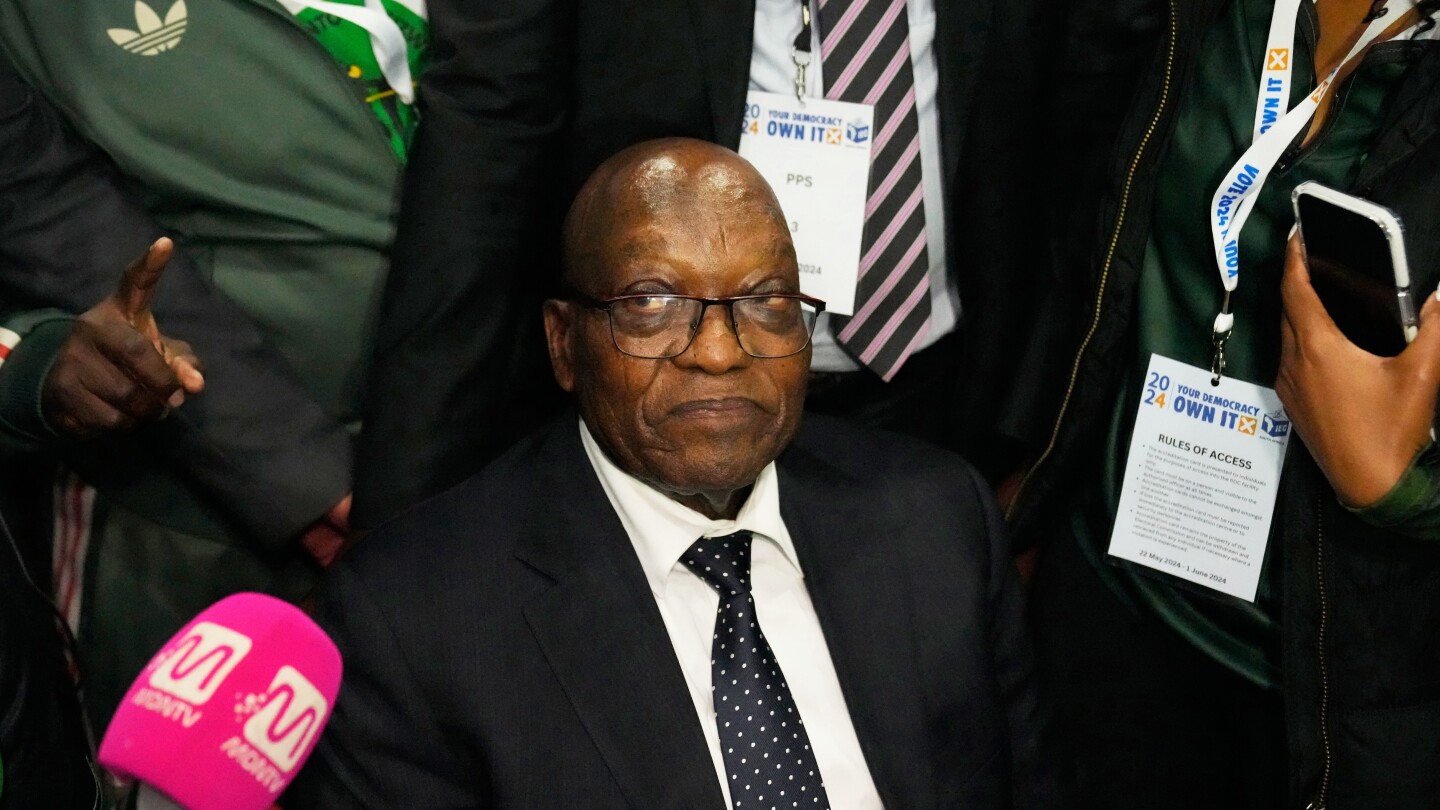
    JOHANNESBURG — In a pivotal courtroom confrontation, former South African President Jacob Zuma and French defense conglomerate Thales appeared before the Pietermaritzburg High Court on Thursday seeking dismissal of corruption charges that have spanned nearly two decades. The 81-year-old liberation struggle icon, who presided over South Africa from 2008 to 2018, faces 18 counts of corruption, fraud, and money laundering tied to a controversial 1999 arms transaction.

    Prosecution authorities presented a compelling argument before Judge Nkosinathi Emmanuel Chili, contending that Zuma and Thales have systematically exploited legal appeals to postpone trial proceedings for 18 years. Advocate Trengrove, representing the National Prosecuting Authority, revealed that the defense teams have collectively filed 12 separate interlocutory applications, all ultimately dismissed yet successfully delaying judicial resolution.

    Zuma maintains his innocence, characterizing the prosecution as a politically motivated “witch hunt.” His legal team has raised multiple objections, including challenges to lead prosecutor Advocate Billy Downer’s impartiality and claims that the deaths of two key Thales executives—former directors Pierre Moynot and Alain Thetard—have compromised their ability to mount an effective defense.

    The former president’s extensive legal troubles extend beyond this case. In 2021, he served a 15-month prison sentence for contempt of court after refusing to testify before the Zondo Commission investigating corruption allegations. Although released on medical parole, his freedom was temporarily jeopardized when the parole was declared unlawful. Most recently, Zuma was ordered to reimburse the state $1.6 million plus interest for illegally funded legal fees from his personal corruption defense—a judgment he continues to contest through appeals.

    This week’s proceedings represent a critical juncture in one of South Africa’s most protracted legal battles, with prosecutors now seeking to prevent further delays and compel the case to trial.

  • US Senator proposes ending dual citizenship, says Americans ‘have to choose’

    US Senator proposes ending dual citizenship, says Americans ‘have to choose’

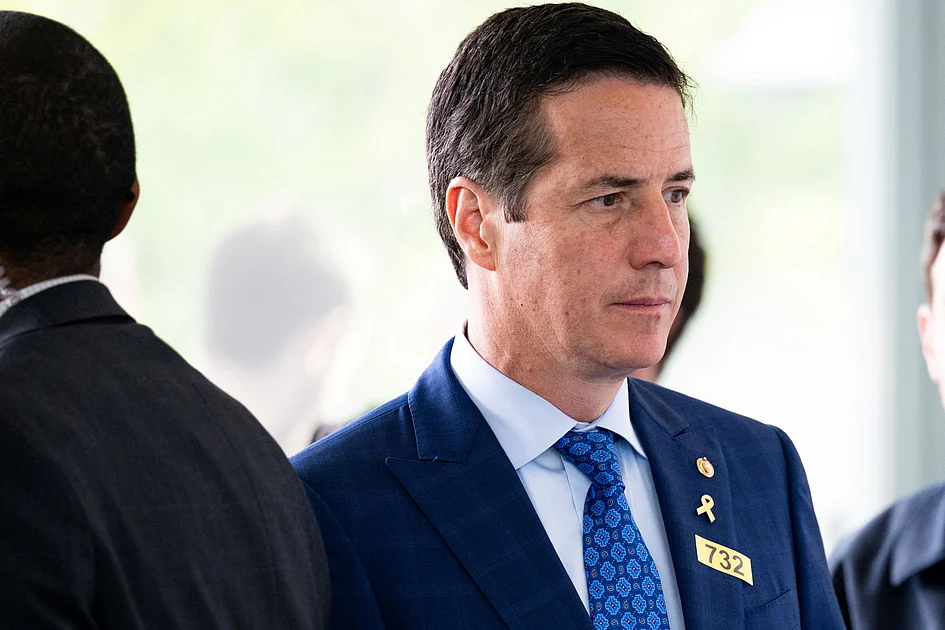
    In a significant legislative move, US Republican Senator Bernie Moreno of Ohio has announced plans to introduce the “Exclusive Citizenship Act of 2025,” which would fundamentally alter America’s approach to dual nationality. The proposed legislation would compel all US citizens currently holding foreign citizenship to make a definitive choice between retaining their American status or maintaining their alternative nationality.

    The bill, scheduled for introduction on Monday, represents one of the most comprehensive challenges to dual citizenship in recent American history. Under its provisions, current dual citizens would have exactly one year from enactment to formally renounce either their US citizenship or their foreign nationality. Those failing to comply within the designated timeframe would automatically be considered to have relinquished their American citizenship status.

    Senator Moreno, who himself renounced his Colombian citizenship upon naturalizing as an American at age 18, articulated his rationale in a statement to Fox News: “One of the greatest honors of my life was when I became an American citizen. It was an honor to pledge an Oath of Allegiance to the United States of America and only to the United States of America. Being an American citizen is an honor and a privilege—and if you want to be an American—it’s all or nothing.”

    The proposed legislation would mandate the State Department and Department of Homeland Security to establish comprehensive databases and enforcement mechanisms to implement these changes. Individuals who voluntarily or involuntarily relinquish their US citizenship would be systematically recorded in federal systems and thereafter treated as aliens under immigration laws.

    This initiative aligns with broader immigration policy shifts observed during the Trump administration, though the administration has not previously taken an official stance on dual citizenship specifically. The proposal faces significant legal hurdles, as Supreme Court precedents from the 1950s have consistently upheld the legality of dual citizenship. Previous attempts to eliminate dual citizenship, including recent moves in the House to restrict dual citizens from serving in Congress, have encountered substantial opposition and legal challenges.

  • US and Kenya sign first of what are expected to be dozens of ‘America First’ global health deals

    US and Kenya sign first of what are expected to be dozens of ‘America First’ global health deals

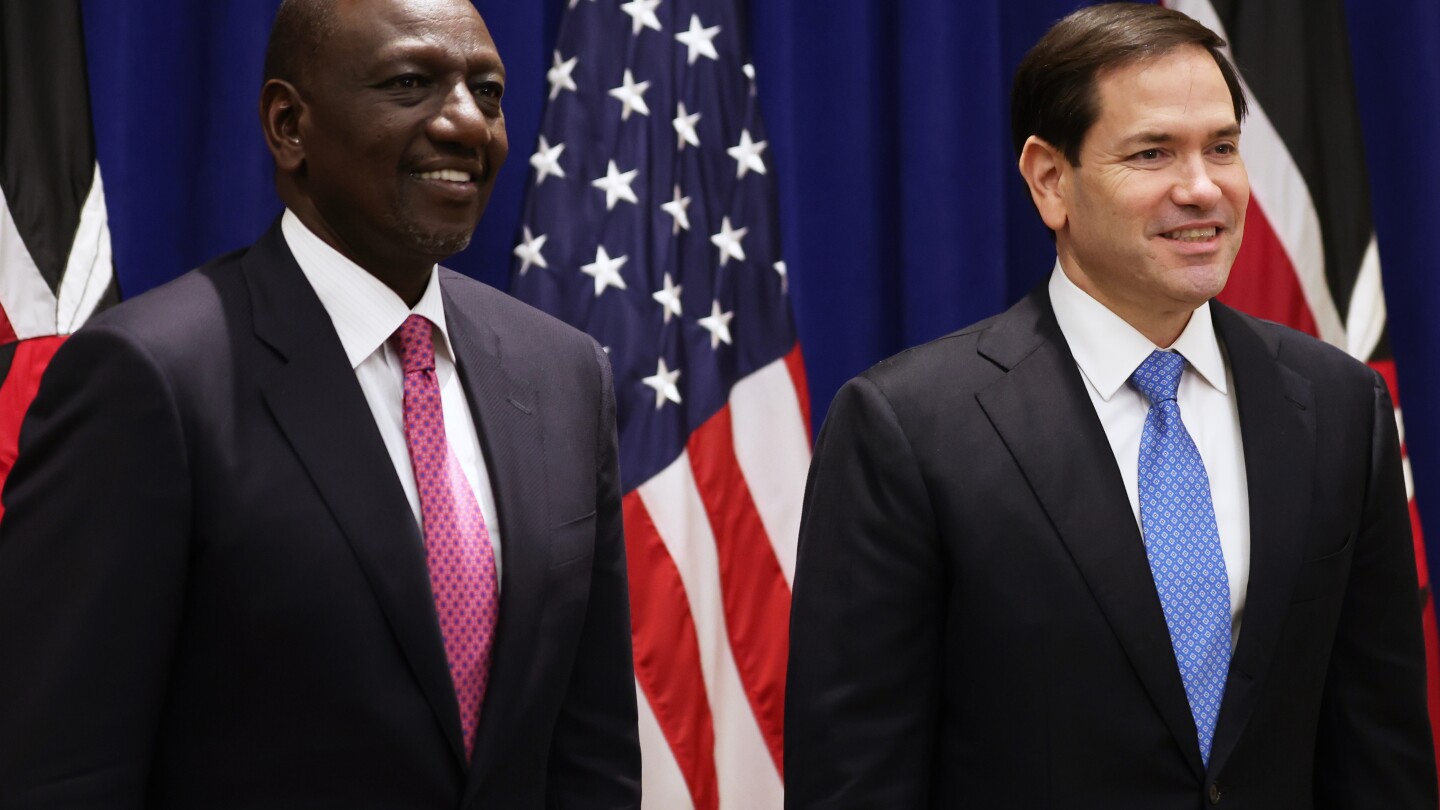
    The Trump administration has initiated its new ‘America First’ global health strategy by formalizing a major $2.5 billion, five-year health agreement with Kenya. Signed by Secretary of State Marco Rubio and Kenyan President William Ruto, this pact represents the first in an anticipated series of bilateral health funding agreements designed to align U.S. foreign assistance with the administration’s broader geopolitical objectives.

    This new cooperation framework replaces previous multi-lateral health programs traditionally administered by the U.S. Agency for International Development (USAID), which was dismantled earlier this year. The move has drawn significant criticism from the global health community, as the closure of USAID resulted in the termination of hundreds of programs across the developing world, including initiatives focused on maternal and child healthcare, nutrition, and HIV/AIDS prevention.

    The Kenya agreement allocates $1.7 billion from the U.S. government, with Kenya contributing the remaining $850 million. Funding will prioritize combating infectious diseases such as HIV/AIDS, malaria, and tuberculosis, with an emphasis on supporting faith-based medical providers. All clinics and hospitals within Kenya’s health insurance system will be eligible for funding, provided they comply with U.S. restrictions on abortion services. State Department officials Jeremy Lewin and Brad Smith confirmed the agreement includes protections against discrimination based on sexual orientation, gender identity, or profession.

    In parallel with the health agreement, U.S. officials praised Kenya’s leadership in international stabilization efforts, particularly its role in combating powerful gangs in Haiti. The administration plans to extend similar health agreements to other African nations aligned with its foreign policy stance, though political differences with the Trump administration may exclude major players like Nigeria and South Africa.

  • US-based Tanzanian activist blames government for Instagram ban

    US-based Tanzanian activist blames government for Instagram ban

    In a significant development highlighting digital activism and political repression, prominent Tanzanian critic Mange Kimambi has alleged government involvement in the removal of her Instagram accounts, which boasted nearly three million followers. The US-based former fashion model has been utilizing these platforms to organize opposition against President Samia Suluhu Hassan’s administration.

    Meta, Instagram’s parent company, stated the accounts were eliminated due to recidivism policy violations, specifically prohibiting the creation of new accounts resembling previously removed ones. However, Kimambi maintains this action represents governmental retaliation for her activism.

    Tanzanian authorities have dismissed these allegations, with government spokesman Gerson Msigwa demanding proof. This controversy emerges amidst ongoing political turmoil following the October 29 elections, which President Hassan won with approximately 98% of votes after key opponents were disqualified or detained.

    The situation has attracted international attention, with the US State Department announcing a comprehensive review of bilateral relations with Tanzania. Thursday’s statement cited concerning democratic backsliding, human rights violations, repression of religious freedom and speech, and failure to prevent electoral violence.

    Kimambi faces legal challenges in Tanzania, including charges of economic sabotage and money laundering involving $56,000. She contends these allegations are politically motivated attempts to silence her criticism. Despite her accounts’ removal, Kimambi continues advocating for peaceful protests through her remaining X platform, addressing an open letter to US President Donald Trump requesting Meta reinstate her pages.

    This case highlights growing tensions between digital activism and state control, with Tanzania’s political landscape becoming increasingly scrutinized by international observers concerned about democratic principles and human rights protections.

  • Cracking down on cross-border crooks

    Cracking down on cross-border crooks

    In a landmark demonstration of international judicial cooperation, Chinese authorities alongside their Thai and American counterparts have successfully intercepted a massive transnational drug trafficking operation, seizing approximately 5 metric tons of illicit substances. This operation marks a significant achievement within China’s ongoing efforts to strengthen its foreign-related legal framework over the past five years.

    The successful drug interception exemplifies the tangible outcomes of China’s enhanced international legal partnerships. Beijing has systematically expanded its global judicial network through the signing of more than 90 mutual legal assistance treaties with nations worldwide. These agreements have established formal channels for cross-border law enforcement collaboration, evidence sharing, and joint investigative operations.

    China’s judicial system has demonstrated remarkable capacity in handling international cases, processing approximately 16,000 cross-border legal matters during this five-year period. The robust foreign-related legal infrastructure has enabled Chinese authorities to effectively pursue criminal elements across national boundaries, proving that geographical distance no longer provides sanctuary for transnational criminal organizations.

    This development reflects China’s broader strategy of integrating its legal system with international standards while maintaining judicial sovereignty. The sophisticated network of judicial cooperation treaties facilitates smoother information exchange and coordinated action against increasingly complex global criminal networks that exploit jurisdictional boundaries.

    The successful multinational operation signals a new era of pragmatic law enforcement collaboration that transcends traditional diplomatic boundaries, creating a more formidable barrier against international criminal activities while promoting global justice and security.

  • Putin arrives in New Delhi on a state visit aimed at bolstering Russia-India ties

    Putin arrives in New Delhi on a state visit aimed at bolstering Russia-India ties

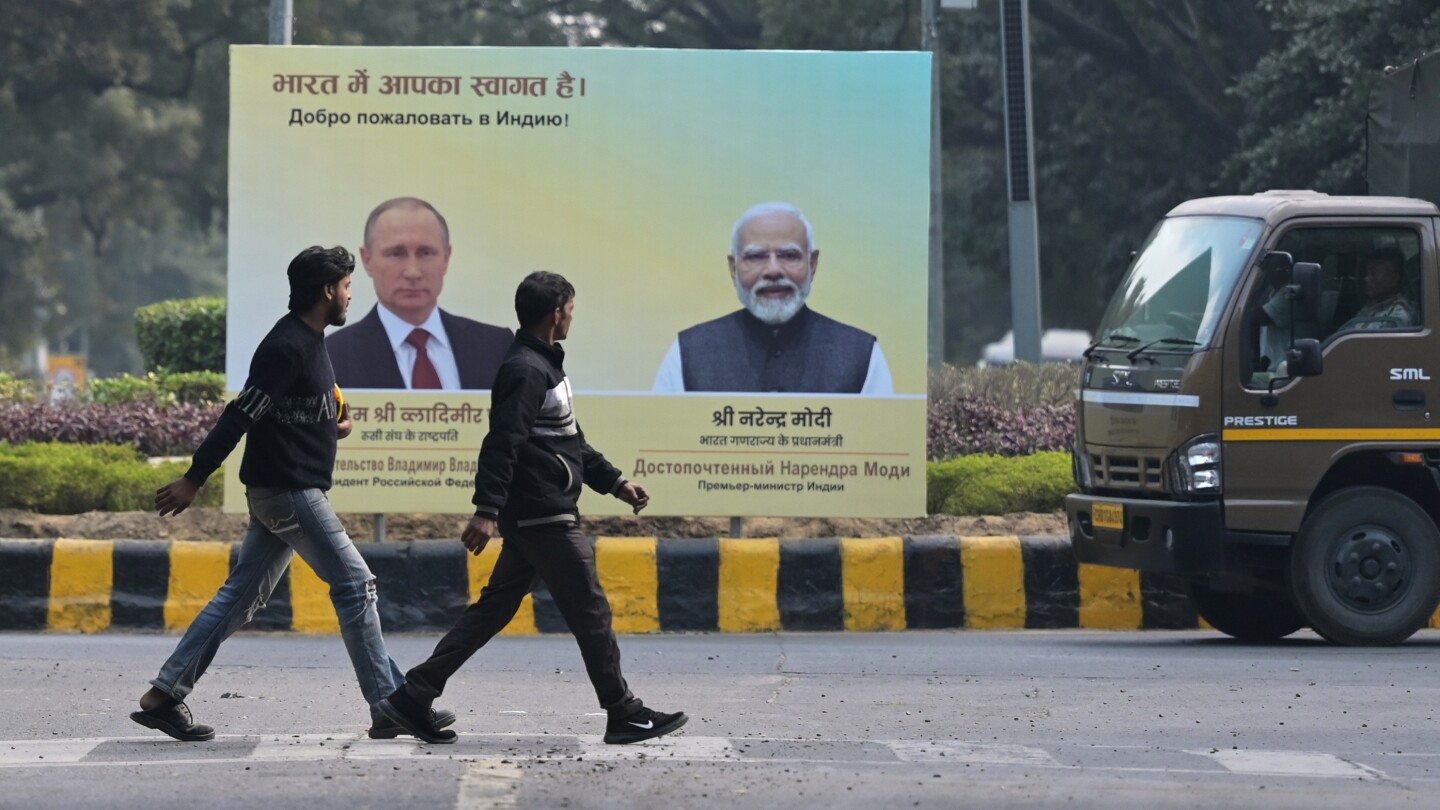
    Russian President Vladimir Putin arrived in New Delhi on Thursday for a highly anticipated state visit, signaling a reinforcement of the longstanding bilateral partnership between Russia and India. The diplomatic engagement, marked by visible warmth between the two leaders, underscores the complex geopolitical balancing act India maintains amid ongoing global tensions.

    Indian Prime Minister Narendra Modi personally welcomed Putin at the airport with an enthusiastic embrace and firm handshake, demonstrating the depth of their personal rapport. The Russian leader’s itinerary includes an intimate dinner at Modi’s officially decorated residence, followed by formal discussions on Friday during the 23rd India-Russia Summit.

    The summit agenda focuses on expanding economic collaboration across critical sectors, particularly defense systems, energy security, and facilitating the movement of skilled professionals between the nations. This meeting occurs against a backdrop of intensified U.S. diplomatic efforts to broker a peace agreement ending the Russia-Ukraine conflict, now approaching its fourth year.

    Putin’s first visit to India since 2021 and Modi’s recent trip to Moscow in 2023 highlight the continuity of diplomatic exchanges. The leaders previously convened briefly in September during the Shanghai Cooperation Organization summit in China, maintaining consistent high-level dialogue despite international pressures.

    The current visit represents a significant test of India’s foreign policy strategy, which seeks to maintain strong ties with both Moscow and Washington simultaneously. As global powers realign amid ongoing conflicts, India’s ability to navigate these complex relationships while advancing its national interests remains a subject of international scrutiny.

  • US Institute of Peace renamed after Trump

    US Institute of Peace renamed after Trump

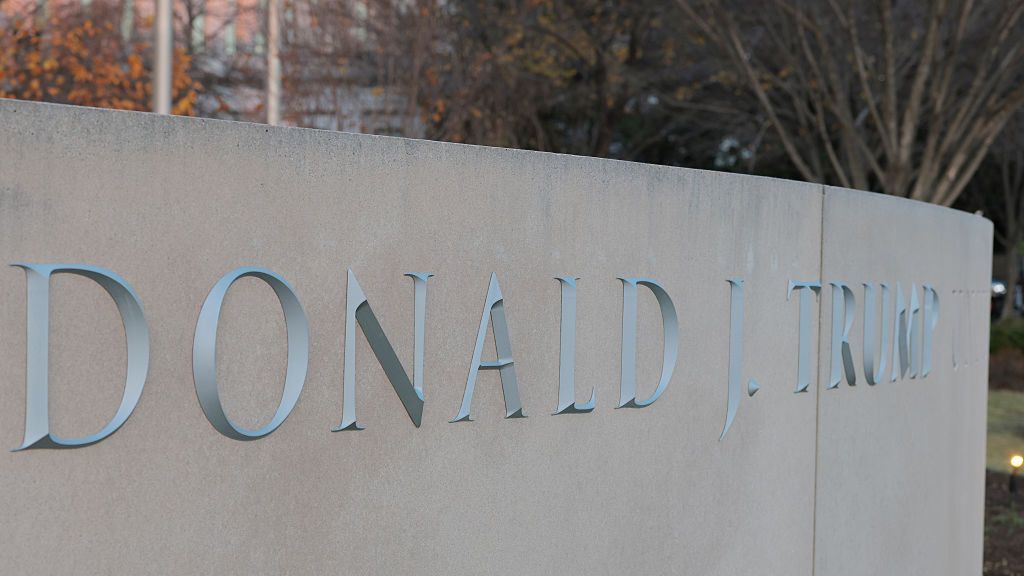
    The U.S. Institute of Peace building in Washington has been formally rebranded as the “Donald J. Trump Institute of Peace” following a directive from the Department of State. The renaming occurred on Wednesday, just ahead of a scheduled peace agreement signing ceremony between Rwanda and the Democratic Republic of Congo at the venue.

    Founded as an independent, Congressionally-funded nonprofit think tank, USIP has recently become embroiled in legal battles with the Trump administration over attempts to cut staff and budgets. The State Department announced the change on social media, stating the move was made “to reflect the greatest dealmaker in our nation’s history” and adding that “the best is yet to come.”

    White House deputy press secretary Anna Kelly shared the announcement with the comment “Congratulations, world,” while Secretary of State Marco Rubio endorsed the decision by calling Trump the “President of Peace” and noting it was time for the department to “display that.”

    The rebranding represents a significant shift in the administration’s approach to the institute, which earlier this year was at the center of controversy when the Trump administration removed staff and replaced leadership until judicial intervention halted the changes. The future of the organization remains uncertain as legal proceedings continue.

    This renaming is part of a broader pattern of high-profile rebrandings since Trump began his second term in January. Previous changes include redesignating the Department of Defense as the Department of War, renaming the Gulf of Mexico as the Gulf of America, and reverting Denali to Mount McKinley. Additionally, Republican lawmakers have proposed various tributes including a $500 bill featuring Trump’s portrait and renaming Dulles International Airport in his honor.

    The modern-day USIP website currently describes the institute as “the nation’s independent, nonpartisan institute that supports the Executive Branch in resolving violent conflict abroad,” though its future direction under the new name remains unclear.