分类: politics

  • Putin and Modi to discuss Russia-India trade and defense ties amid US pressure

    Putin and Modi to discuss Russia-India trade and defense ties amid US pressure

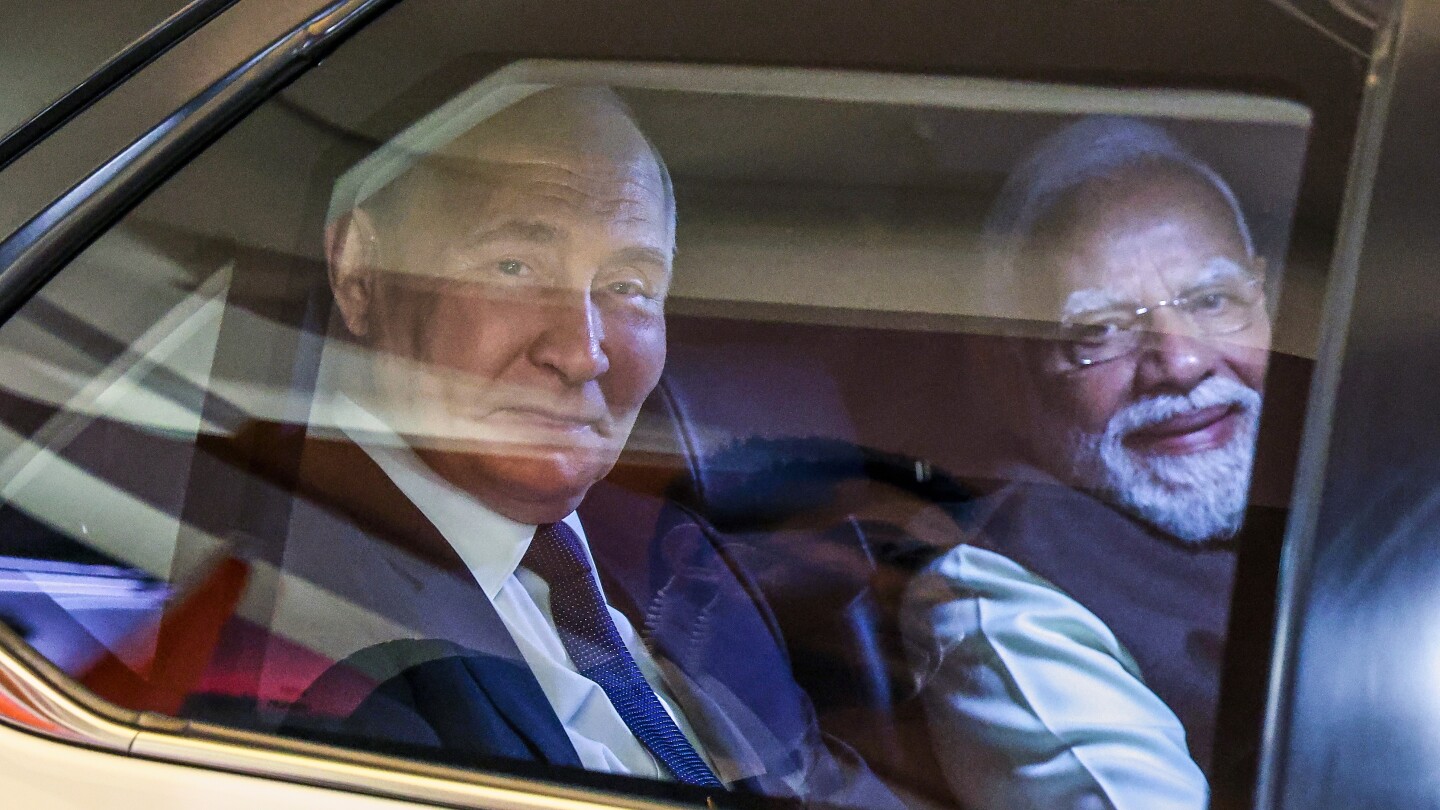
    Russian President Vladimir Putin commenced high-stakes negotiations with Indian Prime Minister Narendra Modi during the 23rd Russia-India Annual Summit in New Delhi on Friday, marking a critical juncture in bilateral relations amid ongoing geopolitical pressures. The meeting represents Putin’s first state visit to India since 2021, characterized by demonstrative camaraderie as Modi personally welcomed the Russian leader with an enthusiastic embrace at the airport.

    The summit agenda encompasses multifaceted discussions spanning defense cooperation, energy security, and labor mobility frameworks. Defense collaboration features prominently, with India advocating for expedited delivery of two additional S-400 missile systems under the 2018 $5.4 billion agreement, alongside modernization programs for Russia-supplied Su-30MKI fighter jets and accelerated military hardware transfers. February’s military cooperation pact, recently ratified by Moscow’s State Duma, further institutionalizes joint exercises, logistical support, and disaster response mechanisms.

    Economic dimensions reveal ambitious targets, with bilateral trade reaching $68.7 billion in the previous fiscal year and both nations aspiring to achieve $100 billion by 2030. India seeks to address its significant trade deficit through expanded pharmaceutical, agricultural, and textile exports while pursuing long-term fertilizer supply agreements and elimination of non-tariff barriers. The migration agreement for skilled Indian workers represents another breakthrough expected from the talks.

    This diplomatic engagement occurs against a complex backdrop where Western nations criticize India’s continued import of discounted Russian crude, which reached unprecedented levels making India Russia’s second-largest oil customer after China. The United States has implemented sanctions targeting Russian oil producers and elevated tariffs on Indian goods to 50%, directly linking these measures to India’s energy purchases. Simultaneously, negotiations for critical trade agreements with both the European Union and United States face potential complications due to India’s sustained engagement with Moscow.

    Indian officials maintain that their country adheres to all international sanctions regimes while pursuing national economic interests. The summit consequently embodies India’s delicate balancing act between historical Russo-Indian partnerships and contemporary Western alliances, all while the Ukraine conflict approaches its fourth year with ongoing international efforts to broker peace settlements.
  • Trump ventures deeper into anti-immigrant language by calling people from Somalia ‘garbage’

    Trump ventures deeper into anti-immigrant language by calling people from Somalia ‘garbage’

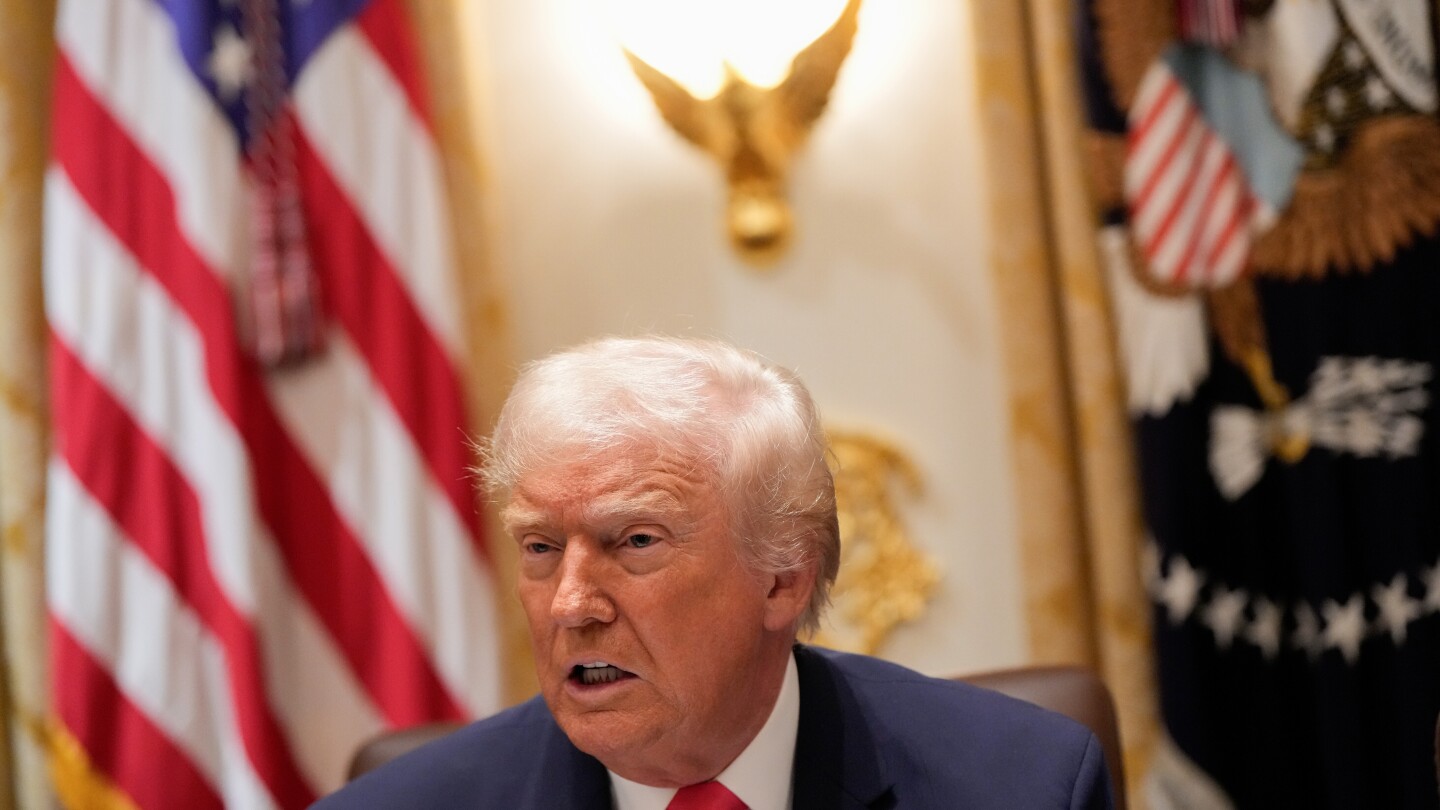
    President Donald Trump intensified his longstanding anti-immigrant rhetoric during Tuesday’s Cabinet meeting, repeatedly referring to Somali immigrants as “garbage” and demanding their removal from the United States. The president made these derogatory comments four times within seven seconds, subsequently stating five times that the nation’s 260,000 people of Somali descent were unwanted in America.

    The controversial remarks received enthusiastic approval from assembled Cabinet members, with Vice President JD Vance visibly pumping his fist and Defense Secretary Pete Hegseth offering on-camera praise. This incident represents the latest escalation in rhetoric that began during Trump’s 2015 presidential campaign announcement when he characterized Mexican immigrants as “rapists.”

    Historical context reveals that Trump’s language echoes previous periods of anti-immigrant sentiment in American history, including 19th century anti-Chinese fear-mongering and World War II-era Japanese American internment. A comprehensive study published in the Proceedings of the National Academy of Sciences analyzing 200,000 congressional speeches and 5,000 presidential communications on immigration from 1880-2020 identified Trump as the first modern president to express more negative sentiment toward immigration than the average member of his own party.

    The president’s comments drew immediate condemnation from Minneapolis to Mogadishu. Somali capital resident Ibrahim Hassan Hajji told AP that his view of the United States had “changed dramatically,” while Minnesota Representative Ilhan Omar, whom Trump specifically targeted, characterized his “obsession” with Somali-Americans as “creepy and unhealthy.”

    Internationally, experts expressed concern that Trump’s rhetoric from the “highest pulpit in the world’s biggest economy” could empower similar discourse globally. Paris lawyer Arié Alimi, who specializes in hate speech cases, noted that such comments from a world leader represent crossing “a very, very important threshold in terms of expressing racist comments.” Despite criticism, Trump remained unapologetic, stating: “I hear somebody say, ‘Oh, that’s not politically correct.’ I don’t care. I don’t want them.”

  • US unveils sprawling consulate in Erbil as troops shift to Kurdistan region

    US unveils sprawling consulate in Erbil as troops shift to Kurdistan region

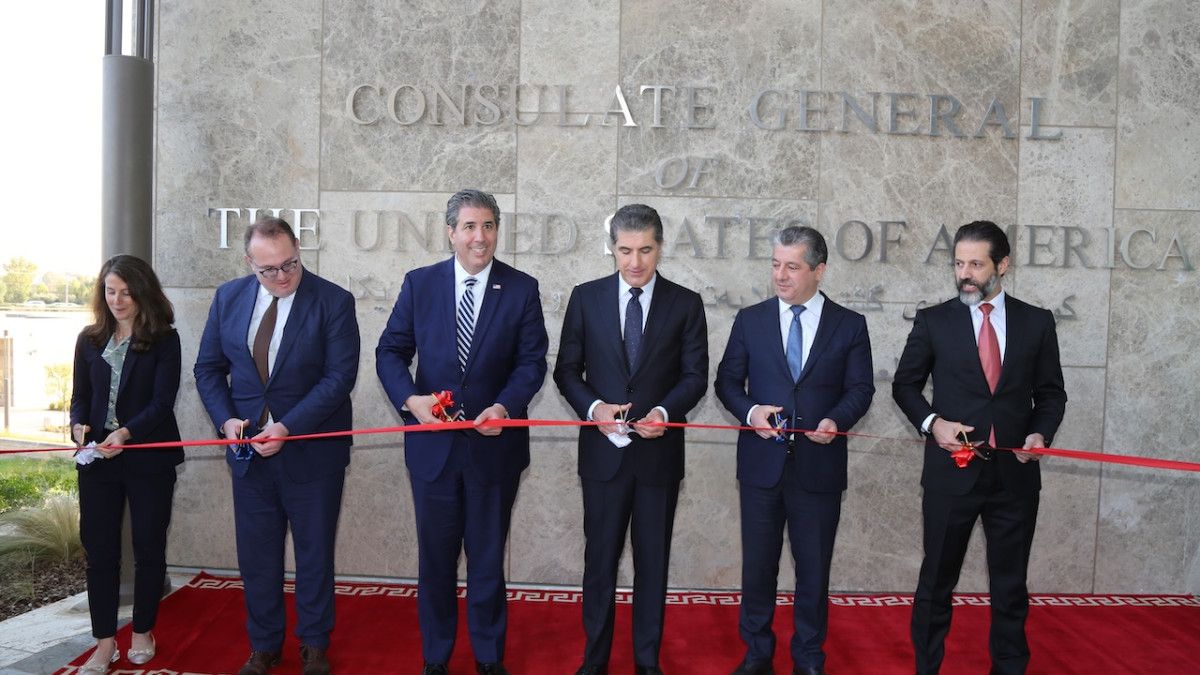
    In a significant diplomatic move, the United States inaugurated its largest global consulate complex in Erbil, capital of Iraq’s semi-autonomous Kurdish region, on Wednesday. The massive 206,000-square-meter facility, constructed at an estimated cost of $800 million since 2018, represents a substantial strategic investment in northern Iraq even as American forces draw down elsewhere in the country.

    The opening coincides with a fundamental shift in the US military mission in Iraq, transitioning from counter-Islamic State operations to a mutual defense partnership with Baghdad. This realignment has already seen hundreds of US troops withdrawn from key bases including Ain al-Asad in Anbar Province and the Victory Base Complex near Baghdad International Airport, with remaining forces increasingly consolidating in the Kurdish region.

    Erbil has served as a crucial hub for US anti-IS operations since 2014, though officials declared major combat operations complete earlier this year. The new consulate’s opening underscores Washington’s long-term commitment to the region despite complex political dynamics. Iraqi Prime Minister Mohammed Shia al-Sudani recently asserted that resolving Iran-backed militia issues would require US troop departures, highlighting ongoing tensions.

    While consulates traditionally focus on civilian functions—citizen services, cultural promotion, and economic diplomacy—this facility carries profound geopolitical significance. Michael Rigas, US deputy secretary of state for management and resources, stated the compound embodies “America’s long-term partnership with Iraq and the Iraqi Kurdistan Region.” Kurdish President Nechirvan Barzani welcomed it as “a clear political message regarding the importance of Erbil.”

    The economic dimension remains crucial, with Rigas noting the region serves as “a dynamic entry point to Iraq’s markets for American companies.” Energy interests feature prominently, as US firms including ExxonMobil maintain substantial investments in Kurdistan’s oil sector. Recent attacks on energy infrastructure, including a July drone strike and September rocket attack on the Khor Mor gas field, underscore ongoing security challenges.

    The Erbil government has persistently sought enhanced security cooperation, including independent air defense capabilities—a move opposed by both Baghdad and Iran. These dynamics unfold against backdrop of delicate negotiations over oil revenue sharing and pipeline operations between Erbil, Ankara, and Baghdad, ensuring the new consulate will operate at the nexus of complex diplomatic, security, and economic considerations.

  • Outgoing New York City mayor Eric Adams signs anti-BDS law

    Outgoing New York City mayor Eric Adams signs anti-BDS law

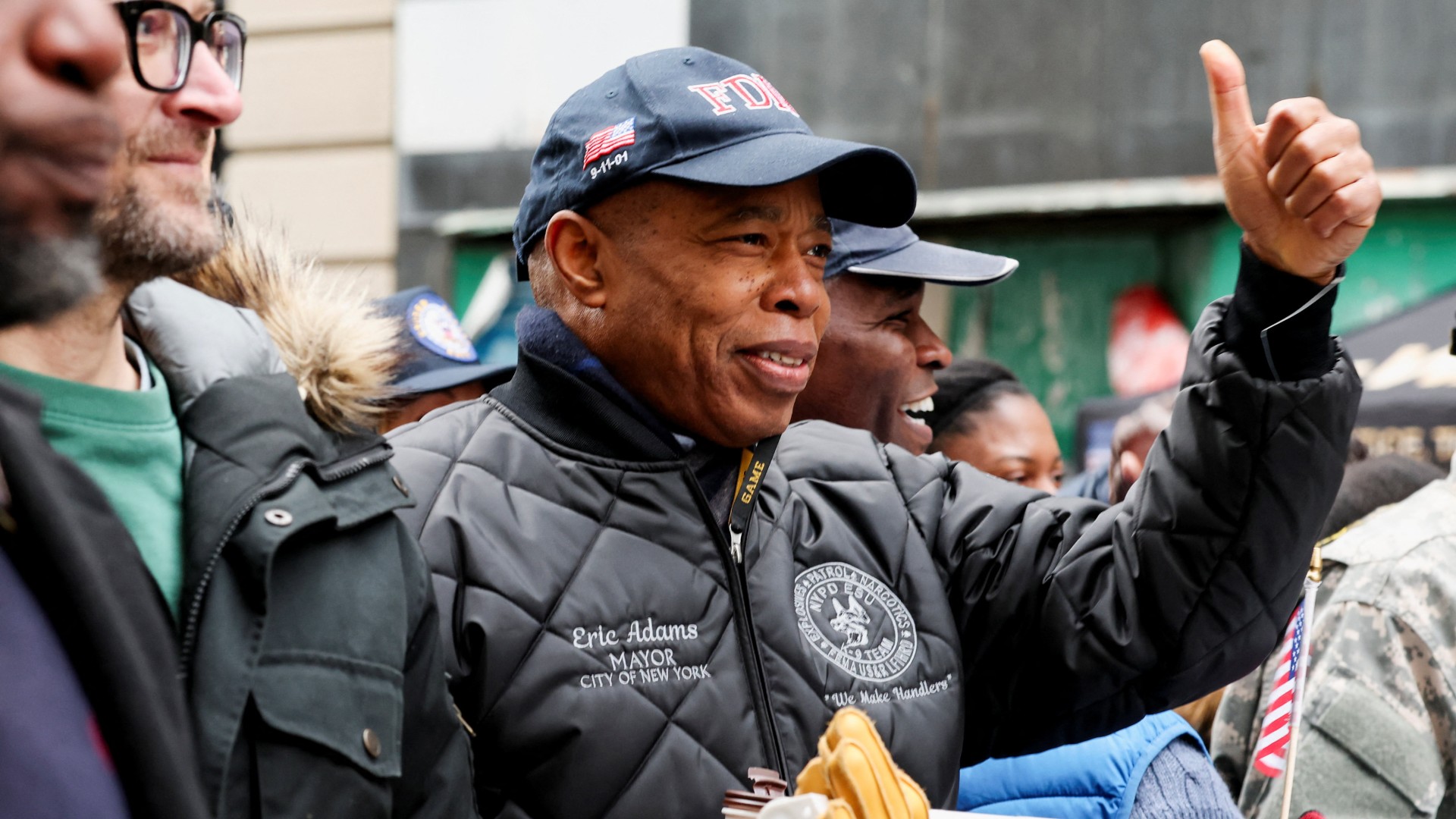
    In his final legislative actions before leaving office, New York City Mayor Eric Adams enacted two executive orders on Wednesday that have ignited immediate controversy. The first order formally prohibits municipal entities from participating in or supporting the Boycott, Divestment, and Sanctions (BDS) movement against Israel, while the second empowers authorities to establish protest-free zones around houses of worship.

    Executive Order 60 explicitly bans city agencies from engaging with organizations that support the BDS movement, which Adams characterized as “antisemitic in nature and discriminatory in practice.” The order mandates that investment decisions for the city’s five pension systems, serving approximately 750,000 beneficiaries, must be based solely on financial considerations rather than political stances. Currently, New York City maintains $300 million in Israeli bonds and assets within its $300 billion investment portfolio.

    The second directive, Executive Order 61, instructs the NYPD to review its patrol guidelines and explore establishing designated protest zones at significant distances from religious institutions. This measure follows recent demonstrations outside Park East Synagogue where protesters chanted anti-Israel slogans during an event promoting Jewish settlement in the occupied West Bank.

    These actions create an immediate political challenge for mayor-elect Zohran Mamdani, a progressive who has historically supported the BDS movement. Mamdani must now decide whether to uphold or overturn the orders upon assuming office—a decision that will inevitably provoke strong reactions from opposing factions within the city’s substantial Jewish and Muslim communities, each numbering approximately one million residents.

    The timing of these orders coincides with Adams’ recent taxpayer-funded trip to Israel, where he notably declared that he “served” Israeli Jews as mayor of New York. This statement, along with the executive orders, has renewed concerns about foreign influence in American politics and the appropriate boundaries between municipal governance and international conflicts.

    Civil rights organizations have criticized the measures as potentially unconstitutional restrictions on free speech and protest rights, particularly amid ongoing tensions surrounding the Israel-Palestine conflict. Adams’ administration has faced previous allegations of aggressively handling pro-Palestinian demonstrations, including police interventions at Columbia University encampments and Nakba-day protests in Brooklyn.

  • New Orleans residents in fear as immigration crackdown descends on their city

    New Orleans residents in fear as immigration crackdown descends on their city

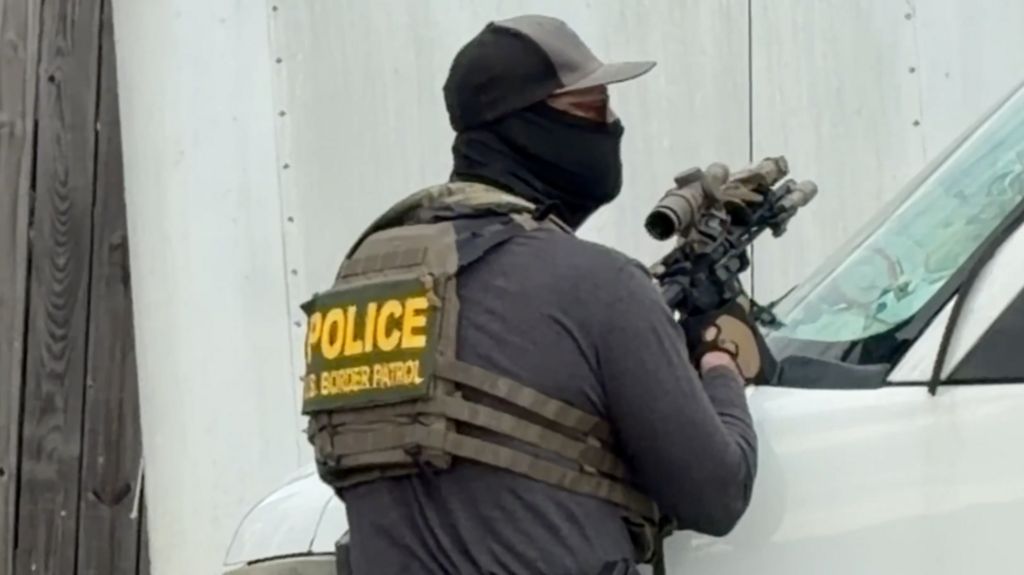
    U.S. Border Patrol agents ascended ladders toward two laborers standing on a residential rooftop in Kenner, a suburb of New Orleans, in a dramatic opening scene of President Trump’s latest immigration enforcement operation. The men, cornered at the edge of the roof with no escape, eventually surrendered to agents as snipers positioned themselves below and concerned neighbors watched in disbelief.

    The operation, dubbed ‘Catahoula Crunch’ by the Department of Homeland Security (DHS), represents the fourth major city targeted in what the administration has promised would be the largest mass deportation initiative in American history. According to DHS statements, the operation focuses on apprehending individuals who have been arrested or convicted of crimes, though leaked figures from previous operations suggest many detainees had no criminal history.

    Border Patrol Commander Greg Bovino, patrolling New Orleans with armed, masked agents, defended the aggressive tactics: ‘Whether we do it on foot or in vehicles, in the air or in the water, this is what we do. We’re all about making America safe.’ The operation aims to make approximately 5,000 arrests in the city, though New Orleans City Council President JP Morrell questioned this target, noting it vastly exceeds the number of potentially qualifying individuals.

    The Latino community in Kenner has responded with widespread fear and lockdown conditions. At Abigail’s Mexican restaurant, one of the few remaining open establishments, the proprietors now sleep on premises fearing nighttime raids. Abigail, who arrived from Mexico City two decades ago at age 10, described the atmosphere: ‘A lot of people feel afraid to go out. They feel so sad about this situation.’ Her family’s business caters to Kenner’s diverse community, which includes an estimated 13% Hispanic population in the greater New Orleans area—many of whom arrived to help rebuild after Hurricane Katrina.

    The political divide over the operation reflects broader national tensions. While Louisiana’s Republican governor supports the measures, local leaders oppose them. The operation has exposed shifting views even within Trump’s base, with some supporters expressing mixed feelings about targeting non-criminal immigrants. Polling indicates declining approval of the president’s handling of immigration and reduced support among Republicans for decreasing overall immigration rates.

    As the operation continues, rounded-up migrants face potential detention at the Louisiana State Penitentiary—a maximum security facility historically known as ‘Angola’ for its location on a former slave plantation—adding another layer of historical resonance to America’s ongoing immigration debate.

  • What to know about Hong Kong’s legislative election after a fire raised governance concerns

    What to know about Hong Kong’s legislative election after a fire raised governance concerns

    Hong Kong’s upcoming Legislative Council elections, scheduled for Sunday, are occurring under extraordinary circumstances as the city grapples with the aftermath of its deadliest fire in over seven decades. The tragic blaze that claimed 159 lives in a high-rise complex has intensified scrutiny on Beijing’s governance model and cast a pall over an electoral process already marked by significant political transformation.

    The electoral landscape has undergone substantial restructuring since China’s 2021 electoral overhaul, which reduced directly elected seats from 35 to 20 while expanding appointed positions. The current election features notable demographic shifts among candidates, with nearly 40% of incumbents declining to seek reelection—including both prominent figures and moderately vocal politicians. Their replacements demonstrate increased connections to mainland China, with at least 26 candidates holding positions in Chinese-state enterprises and 16 serving as delegates to China’s national legislature—more than double the previous election’s representation.

    Political analysts interpret these changes as signaling Beijing’s preference for politicians who align closely with national agendas rather than local interests. Professor John Burns of the University of Hong Kong observes that central authorities appear to be implementing informal criteria regarding age limits and vocal independence while prioritizing candidates with national perspectives. The pro-democracy camp has completely vanished from the legislature following arrests under the 2020 national security law, creating a political environment where voter apathy has reached record levels.

    The government’s extensive efforts to boost participation—including extended voting hours, additional polling stations, and corporate voting time-off—now confront the complicating factor of public sentiment regarding the fire tragedy. While some residents may express gratitude for official response efforts, others harbor concerns about systemic governance failures revealed by the disaster. The final turnout figures will serve as a crucial barometer of public engagement with a political system that has undergone fundamental restructuring in recent years.

  • Sleepy Don? President Trump’s health under fresh scrutiny

    Sleepy Don? President Trump’s health under fresh scrutiny

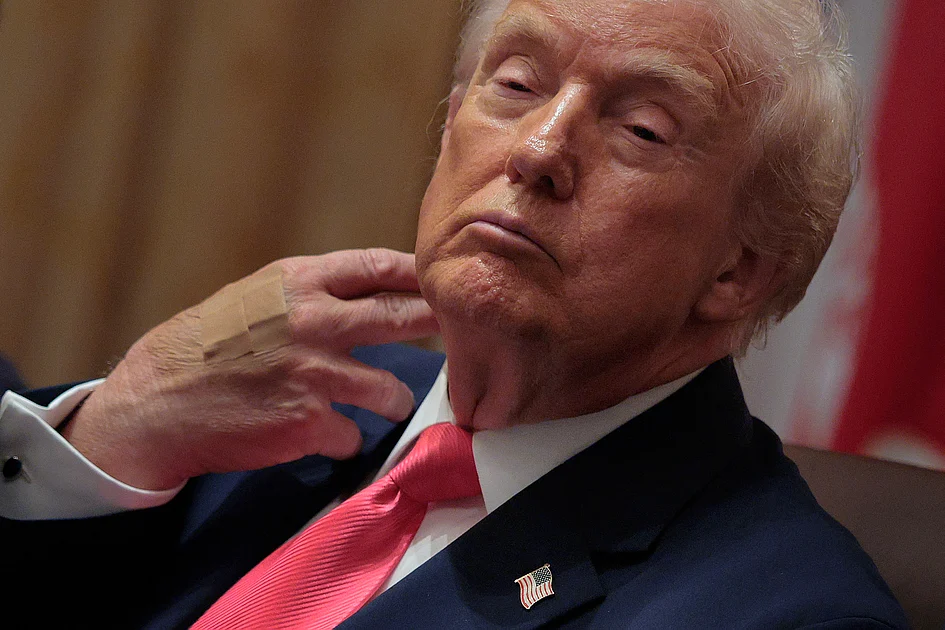
    Former President Donald Trump’s apparent drowsiness during a cabinet meeting has ignited fresh concerns about the 79-year-old leader’s physical condition and stamina. Video footage from Tuesday’s three-hour gathering showed the Republican billionaire repeatedly closing his eyes for extended periods while cabinet members delivered glowing tributes to his leadership.

    The incident has created an ironic twist for Trump, who frequently derided his predecessor Joe Biden as ‘Sleepy Joe’ during the 2024 campaign. The White House immediately pushed back against suggestions of napping, with Press Secretary Karoline Leavitt insisting Trump remained ‘listening attentively’ throughout the marathon session and highlighting his ‘amazing’ response about Somali immigrants at the meeting’s conclusion.

    Trump himself preemptively addressed health concerns at the meeting’s outset, telling reporters: ‘I’ll let you know when there’s something wrong. There’ll be some day that’s going to happen to all of us. But right now I think I’m sharper than I was 25 years ago.’ He referenced acing cognitive tests while dismissing health questions as media fabrication.

    This marks at least the second recent instance where Trump appeared to doze during official functions, following a similar incident during an Oval Office drug pricing event last month. The scrutiny intensified after a New York Times report noted Trump has significantly reduced his public events, domestic travel, and working hours compared to his first term.

    The White House has responded aggressively to health inquiries, with Leavitt presenting what she characterized as previous Times articles downplaying concerns about Biden’s health. This reflects ongoing frustration within Trump’s circle over what they perceive as unequal media treatment regarding presidential fitness.

    Despite official assurances, the episode has generated widespread discussion about presidential health transparency and the demanding nature of the office for septuagenarian leaders. Trump’s physician recently stated that a preventive MRI scan showed ‘excellent’ cardiovascular health, though questions remain about the thoroughness of these disclosures.

  • Investigation finds Hegseth’s use of Signal app in Yemen strikes could have harmed US forces

    Investigation finds Hegseth’s use of Signal app in Yemen strikes could have harmed US forces

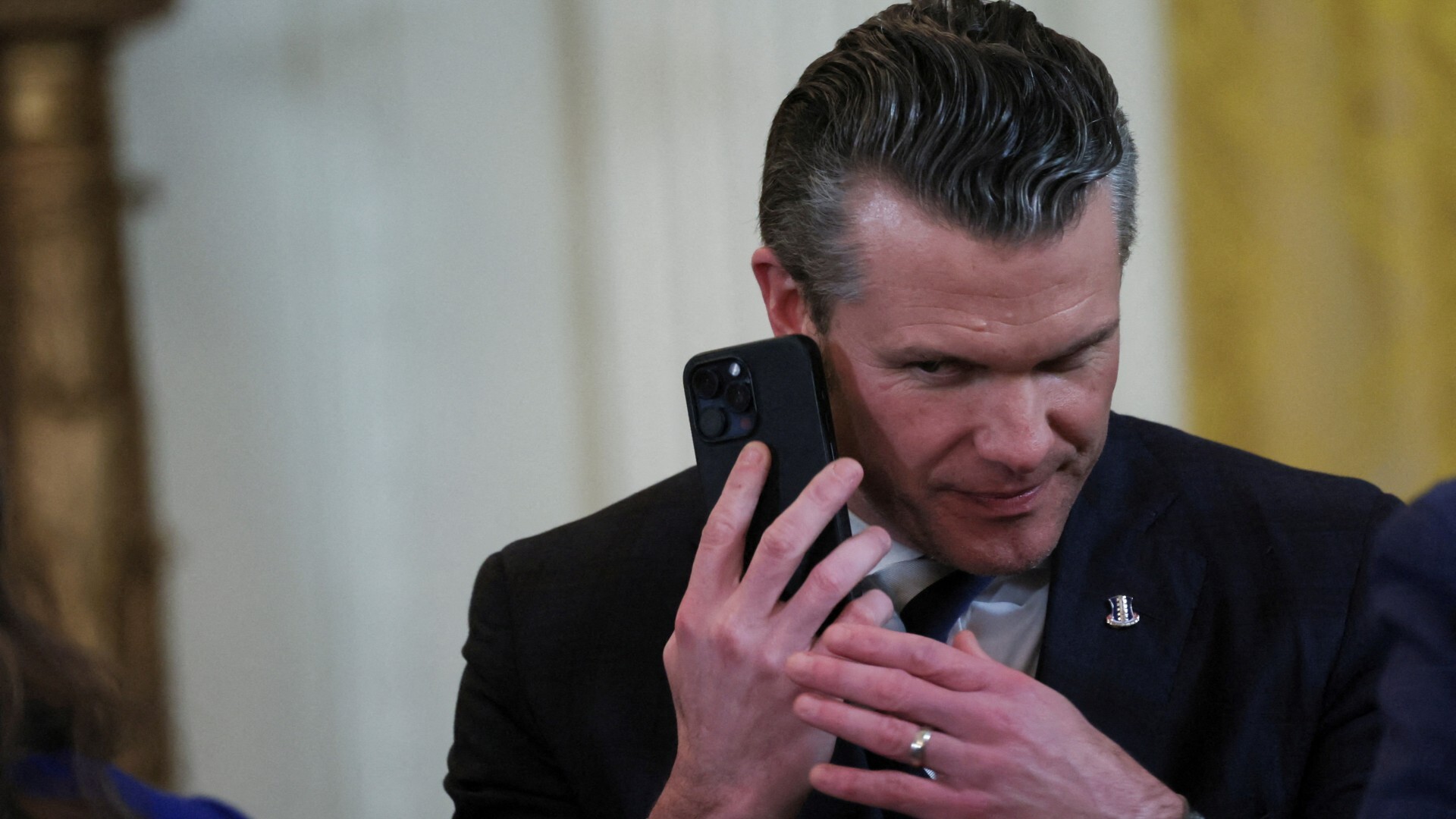
    A comprehensive investigation conducted by the Pentagon’s Inspector General has revealed that Secretary of War Pete Hegseth potentially endangered American military personnel by utilizing the encrypted messaging application Signal to deliberate strike operations against Yemen earlier this year. The findings, disclosed in an official report published Thursday, determined that Hegseth’s actions “created a risk to operational security that could have resulted in failed US mission objectives and potential harm to US pilots.”

    The scrutiny focused on Hegseth’s utilization of a personal mobile device for governmental communications, transmitting non-public Defense Department intelligence through unofficial channels. This practice, according to the report, “risks potential compromise of sensitive DoD information, which could cause harm to DoD personnel and mission objectives.” The inquiry identified that certain information disseminated by the secretary via Signal on March 15, 2025, corresponded with operational details classified as SECRET/NOFORN (not releasable to foreign nationals) by the US Central Command (USCENTCOM).

    Notably, the investigation did not establish that Hegseth unlawfully disclosed classified information, a distinction the secretary highlighted in a social media post declaring “total exoneration.” This characterization was immediately contested by the Democratic National Committee, whose rapid response director Kendall Witmer described Hegseth’s conduct as “a major national security threat that puts our troops in harm’s way.”

    The controversy, dubbed “Signalgate,” originated when Atlantic Magazine editor-in-chief Jeffrey Goldberg revealed he had received advanced notification of the Yemen strikes through a Signal group chat including Hegseth and Vice President JD Vance. Goldberg subsequently published message transcripts containing operational specifics including weapon systems, targets, and attack chronology. The group, titled “Houthi PC small group,” allegedly included senior national security officials, though its inappropriate inclusion of a journalist triggered the exposure.

    Following the incident, national security advisor Michael Waltz resigned but was subsequently appointed US ambassador to the United Nations. The March 15 airstrikes resulted in significant civilian casualties according to Yemeni health officials, with over 100 women and children reported among the dead and wounded across multiple regions including Sanaa and Sa’ada Governorate.

  • Grand jury declines to charge Letitia James after first case dismissed

    Grand jury declines to charge Letitia James after first case dismissed

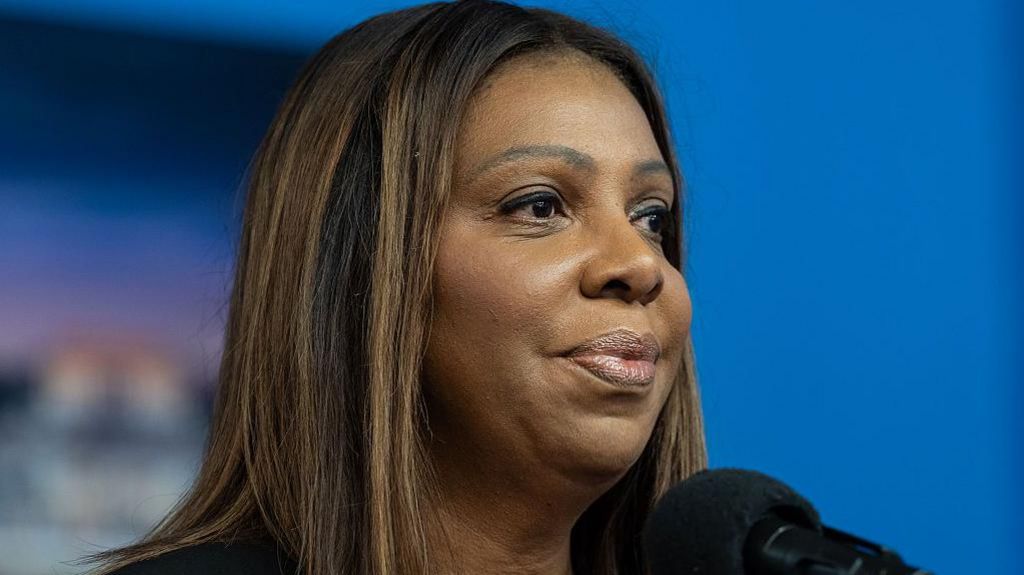
    In a significant legal development, a federal grand jury in Virginia has refused to indict New York Attorney General Letitia James, delivering another setback to former President Donald Trump’s efforts to prosecute his political opponents. This decision comes just days after a federal judge dismissed the initial case against James, finding that the prosecutor appointed by Trump lacked legal authority to bring the charges.

    The case against James alleged she committed bank fraud and made false statements to a financial institution regarding a mortgage loan for a three-bedroom property in Norfolk. Prosecutors claimed she obtained favorable loan terms by misrepresenting the property as her secondary residence rather than an investment property. Unnamed sources told US media that James had purchased the home for her great-niece in 2020, with the relative never paying rent.

    James, who successfully brought civil fraud charges against Trump before his re-election campaign, consistently maintained the case was politically motivated. Following the grand jury’s decision, she released a statement saying, ‘As I have said from the start, the charges against me are baseless. It is time for this unchecked weaponization of our justice system to stop.’

    Her attorney, Abbe David Lowell, characterized the grand jury’s refusal as ‘a decisive rejection of a case that should never have existed in the first place,’ adding that any further prosecution attempts would represent ‘a shocking assault on the rule of law.’

    The cases against both James and former FBI Director James Comey were dismissed with prejudice, meaning the government could theoretically attempt to prosecute them again on the same charges, though legal experts consider this unlikely given the circumstances.

    Grand juries, composed of members of the public, determine only whether sufficient evidence exists to proceed to trial rather than assessing guilt or innocence. According to CBS News, federal grand juries rarely decline prosecutors’ requests, with only six such rejections occurring among more than 150,000 cases investigated in 2016.

    This development represents the latest chapter in the ongoing legal battles between Trump and his political adversaries. James previously brought a civil fraud case against Trump and the Trump Organization in 2022, resulting in a finding of liability for falsifying records to secure better loan deals, though an appeals court later threw out the $500 million penalty as excessive while upholding the fraud finding.

  • Iran intensifies outreach to African partners for critical needs

    Iran intensifies outreach to African partners for critical needs

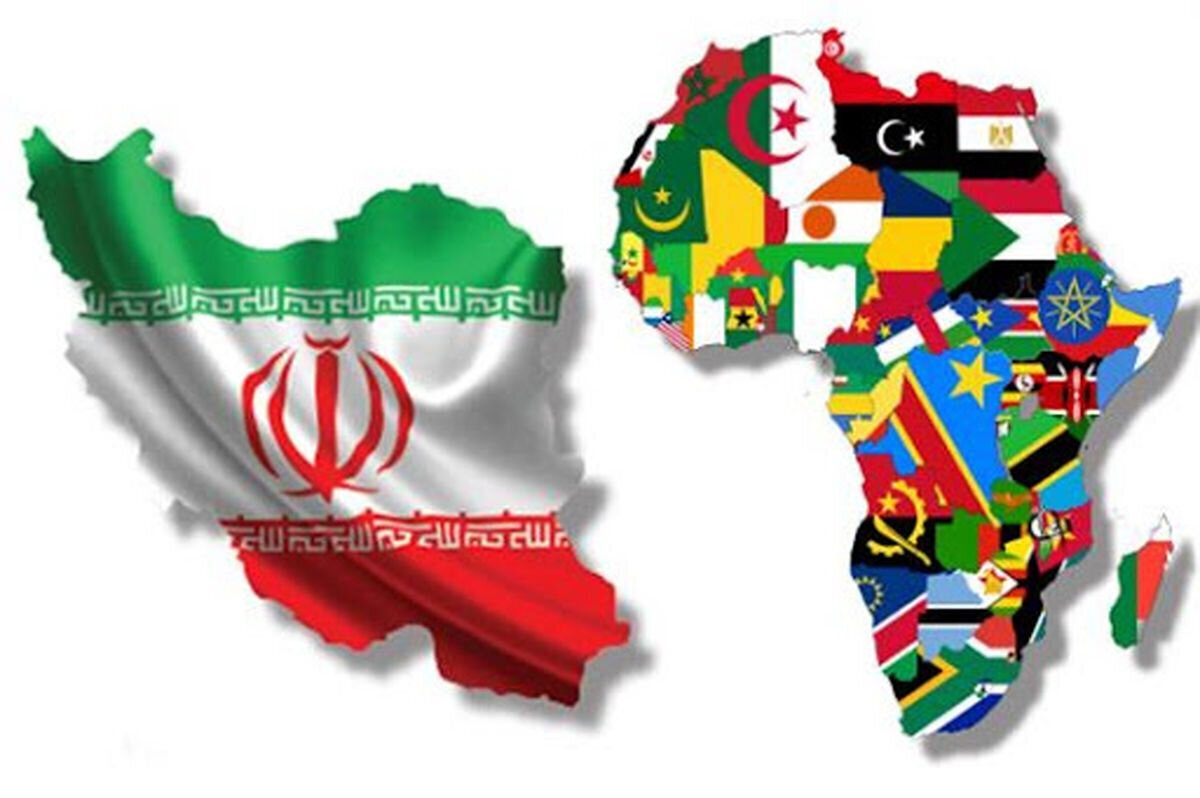
    In a significant geopolitical pivot, Burkina Faso’s security minister embarked on a strategic mission to Tehran on November 12, 2025, resulting in substantial bilateral advancements. The West African nation officially reopened its Iranian embassy while finalizing new security cooperation agreements and initiating talks to strengthen agricultural and industrial ties.

    This diplomatic engagement transcends routine bilateral relations, representing Iran’s calculated response to mounting international pressures. Following the 2023 Gaza conflict initiation by Hamas—a Tehran-aligned Palestinian group—Iran faced escalating political and economic crises. The nation’s regional proxy network, termed the ‘axis of resistance,’ faced extreme strain from Israel’s military campaigns against Hamas and Hezbollah, compounded by the collapse of Syria’s Assad regime in late 2024.

    Tehran’s challenges culminated in a devastating 12-day war with Israel in June 2025, involving direct U.S. participation, followed by reinstated EU-imposed UN sanctions under the nuclear deal snapback mechanism. Concurrently, Iran confronts an environmental emergency with severe drought conditions affecting the capital.

    Amid these multidimensional crises, Iranian officials are pursuing geostrategic diversification through intensified African outreach. According to Iran foreign policy experts, the nation is strengthening ties with historically reliable partners like Burkina Faso, creating opportunities for security cooperation, critical mineral access, and sanctions-bypassing export markets.

    Beyond Burkina Faso, Iran has accelerated engagement with Sahel region nations including Mali and Niger—countries that have experienced military coups since the early 2020s and distanced from Western influence. Facing significant security threats from rebel groups and jihadists, these nations view Iran as a potential security partner for arms, drones, and military equipment.

    The economic dimensions are equally strategic: Iran seeks access to Burkina Faso and Mali’s gold reserves and Niger’s uranium resources—the latter being particularly crucial should Tehran decide to reconstitute its nuclear program after wartime damages. Recent months have seen flurries of diplomatic activity: Iranian and Malian foreign ministers held successive meetings in May 2024 and October 2025, committing to strengthened bilateral relations and mutual support in international forums.

    In April-May 2025, Iran and Niger signed comprehensive economic and security agreements, including a landmark deal for Tehran to acquire 300 tons of uranium for $56 million. From February to October, Iran pursued deepened relations with Sierra Leone, seeking both uranium access and diplomatic support in multilateral institutions, though Freetown ultimately voted against lifting Iran sanctions at the UN Security Council due to British aid dependencies.

    Iran’s African strategy extends beyond West Africa, encompassing partnerships with Malawi for sanctions-circumventing aircraft imports, strengthened security ties with South Africa (its largest continental trading partner), and multifaceted agreements with Zimbabwe covering economic, environmental, and medical tourism cooperation.

    During October’s Non-Aligned Movement foreign ministers meeting in Kampala, Iranian Foreign Minister Abbas Araghchi met Ugandan President Yoweri Museveni, thanking Uganda for condemning U.S.-Israeli actions during the recent conflict. The discussions highlighted Iran’s interest in Ugandan uranium and cobalt resources, vital for lithium batteries and industrial manufacturing.

    Despite this expansive outreach, Iran faces substantial constraints including trade competition from Middle Eastern rivals like the UAE—a major trading partner for multiple African nations. The reinstated UN sanctions and ongoing global economic pressures may give African governments pause when considering deeper ties with Tehran. Additionally, the transactional nature of Iran’s engagements risks generating distrust among partners, exemplified by reported drone supplies to Eritrea during tensions with Ethiopia—potentially complicating Tehran’s relations with Addis Ababa.

    As Iran navigates domestic and international crises, its African pivot represents both strategic opportunity and complex challenge, with time determining whether the benefits will outweigh the inherent constraints of this geopolitical reorientation.