分类: politics

  • Burkina Faso plans to restore death penalty for treason, terrorism, espionage

    Burkina Faso plans to restore death penalty for treason, terrorism, espionage

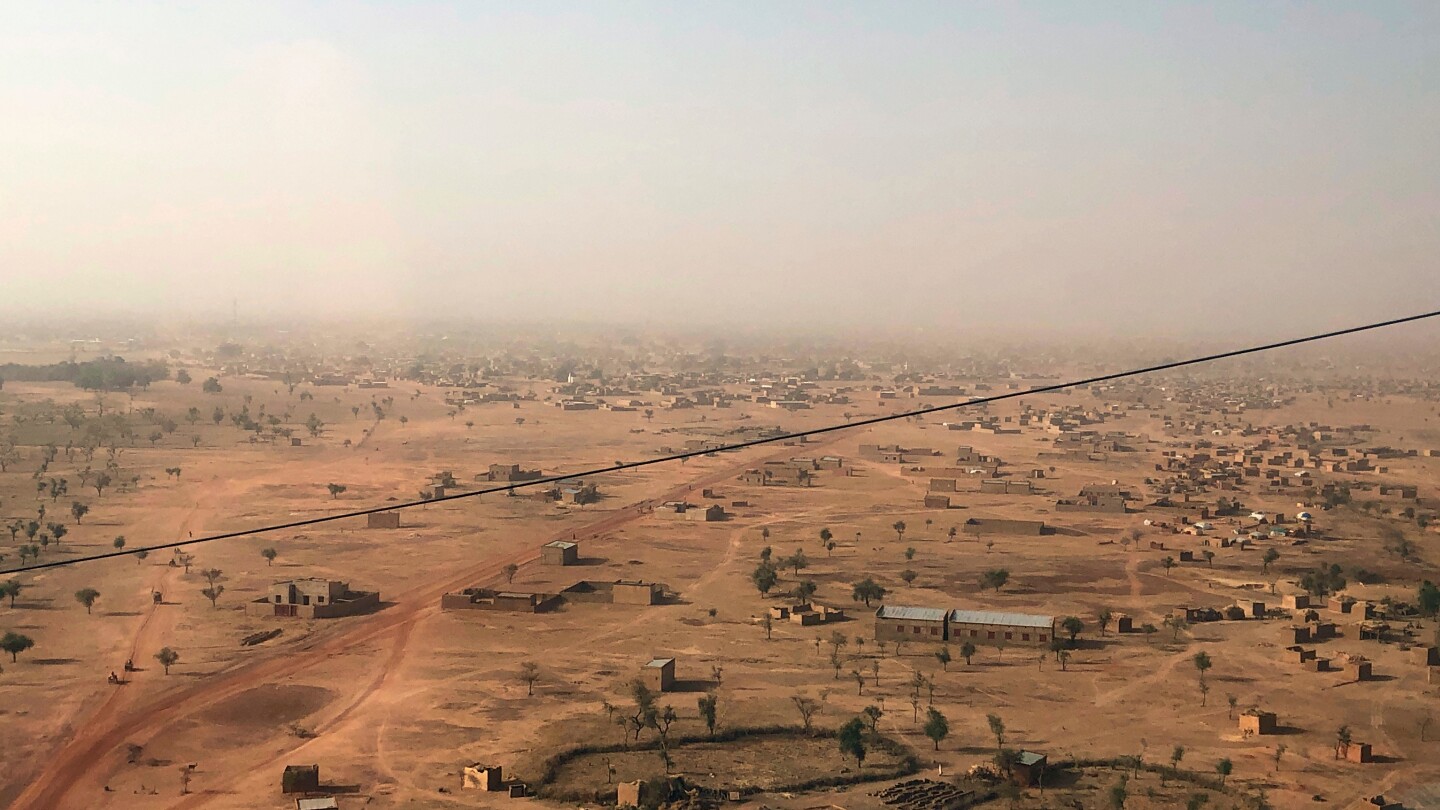
    DAKAR, Senegal — Burkina Faso’s military-led government has initiated a controversial legal reversal by approving draft legislation to reintroduce the death penalty for severe crimes including treason, acts of terrorism, and espionage. The Council of Ministers formally endorsed the bill in a significant policy shift that marks a departure from the nation’s 2018 abolition of capital punishment.

    Justice Minister Edasso Rodrigue Bayala characterized the move as part of broader judicial reforms, stating in an official Facebook communiqué that the measure aligns with ‘the deep aspirations of our people’ for a justice system addressing contemporary challenges. The proposal must now undergo parliamentary approval and judicial review before attaining legal force.

    This development occurs against a backdrop of sweeping governmental transformations implemented since the 2022 military coup. The ruling junta has previously postponed scheduled elections intended to restore civilian governance and dissolved the independent electoral commission. Concurrently, Burkina Faso has intensified media suppression, notably suspending BBC and Voice of America radio services for reporting on alleged military atrocities against civilians. Earlier this year, authorities detained three prominent journalists, continuing a pattern of suppressing dissenting voices.

    Burkina Faso joins several West African nations experiencing military takeovers amid widespread public dissatisfaction with elected governments’ handling of security crises. The landlocked nation of 23 million people confronts escalating violence from extremist factions affiliated with Al-Qaeda and the Islamic State, particularly in the volatile Sahel region south of the Sahara. International observers have repeatedly accused the current regime of human rights violations and systematic detention of government critics.
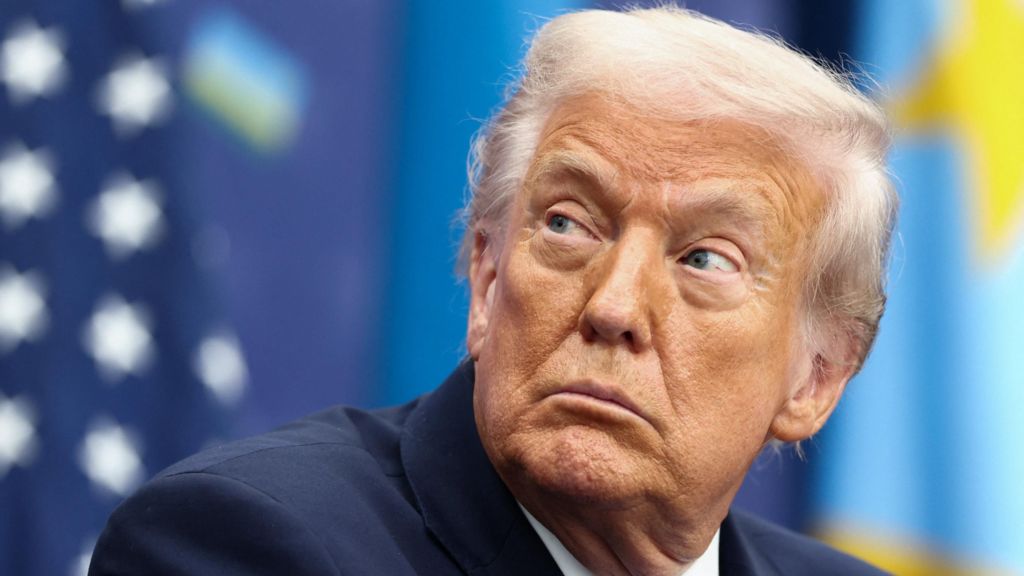
  • Around the world, refugees are shut out of the US by Trump’s new policies

    Around the world, refugees are shut out of the US by Trump’s new policies

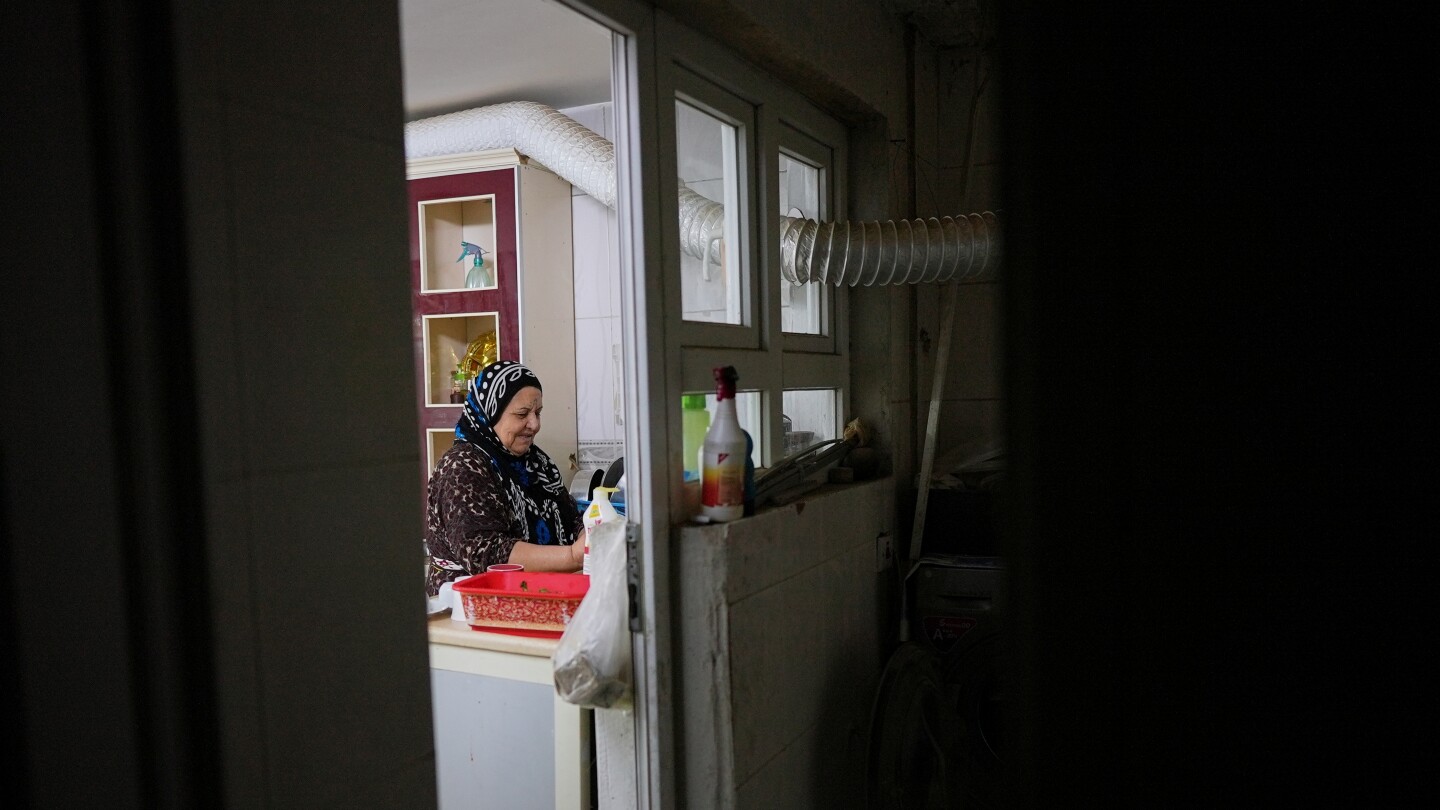
    The Trump administration’s sweeping restructuring of the United States refugee admissions program has created a global humanitarian crisis, leaving approximately 600,000 applicants worldwide in a state of prolonged uncertainty. This policy shift, implemented immediately following President Trump’s inauguration, represents the most significant reduction in refugee resettlement in modern American history.

    The administration reduced refugee admissions to a historic low of 7,500 for the current fiscal year, with the majority of slots allocated to white South Africans. This dramatic reduction came alongside stringent new vetting requirements implemented after an Afghan national became a suspect in the shooting of two National Guard members. The administration has justified these measures as necessary for national security and economic protection, announcing plans to review refugees admitted during the previous Biden administration.

    Three distinct cases illustrate the human impact of these policy changes. The Dawood family, Syrian refugees residing in Iraq, became separated when medical complications prevented parents from joining their children who had already resettled in Connecticut. Their family reunion, once imminent, now hangs in indefinite suspension.

    Chinese Christian pastor Lu Taizhi, who fled religious persecution a decade ago, has seen his resettlement plans canceled multiple times despite official approval. Now living in precarious circumstances in Thailand, he expresses support for President Trump’s policies while awaiting resolution of his case.

    Meanwhile, Louis, a Congolese refugee resettled in Kentucky, faces heartbreaking separation from his wife and two young children who remain in a Ugandan refugee camp. His family reunification petition has been frozen under the new policies, creating emotional and practical challenges for the divided family.

    Refugee advocates have mounted legal challenges to the administration’s policies. Mevlüde Akay Alp, an attorney with the International Refugee Assistance Project, emphasized the importance of honoring America’s commitment to those who had received preliminary approval. ‘It’s crucial that we don’t abandon those families and thousands of others who were relying on the promise of coming here as refugees,’ Alp stated.

    The policy changes have created a massive backlog in refugee processing while raising questions about America’s traditional role as a humanitarian leader. Administration officials maintain that the enhanced vetting procedures and reduced admissions are necessary security measures that prioritize American interests.

  • Trump administration says Europe faces ‘civilisational erasure’

    Trump administration says Europe faces ‘civilisational erasure’

    The Trump administration has issued a stark warning to European allies in its newly released National Security Strategy, declaring that the continent faces potential ‘civilizational erasure’ within two decades if current trends continue. The 33-page document presents a comprehensive worldview that questions the reliability of certain European nations as military and economic partners while advocating for a restoration of ‘Western identity.’

    President Trump characterized the strategy as a ‘roadmap’ to maintain America’s position as ‘the greatest and most successful nation in human history.’ The document emphasizes combating foreign influence, ending mass migration, and prioritizing U.S. interests including the fight against drug cartels. It specifically criticizes European Union policies that allegedly ‘undermine political liberty and sovereignty,’ citing concerns about censorship, declining birthrates, and loss of national identities.

    European officials have responded critically to the strategy. German Foreign Minister Johann Wadephul stated that Germany requires no ‘outside advice’ on domestic affairs, while reaffirming the United States as Germany’s most important NATO ally. The document acknowledges growing ties with ‘patriotic European parties,’ a reference to the administration’s engagement with far-right groups such as Germany’s AfD, which German intelligence agencies have classified as extreme right-wing.

    The strategy addresses multiple global hotspots, noting that managing Europe’s relationship with Russia will require significant U.S. involvement. It identifies ending hostilities in Ukraine as a core American interest, though the administration’s proposed peace plan has involved controversial territorial concessions. Meanwhile, the document signals a strategic pivot toward the Western Hemisphere, with increased military assets deployed to the Caribbean for counter-narcotics operations.

    In the Asia-Pacific region, the strategy emphasizes hardening U.S. military presence in the Western Pacific, particularly regarding the South China Sea’s strategic shipping lanes. It calls for increased defense spending from allies including Japan, South Korea, Australia, and Taiwan, explicitly stating that ‘deterring a conflict over Taiwan is a priority’—a position that contradicts China’s claims over the self-governed island.

    The document also advocates for reducing foreign technological dependence and strengthening America’s industrial base, aligning with the administration’s implementation of sweeping global tariffs. This comprehensive strategy framework is expected to influence future policy decisions and budget allocations throughout Trump’s term.

  • German president to visit WWII bombing site as Europe seeks to bolster united front against Russia

    German president to visit WWII bombing site as Europe seeks to bolster united front against Russia

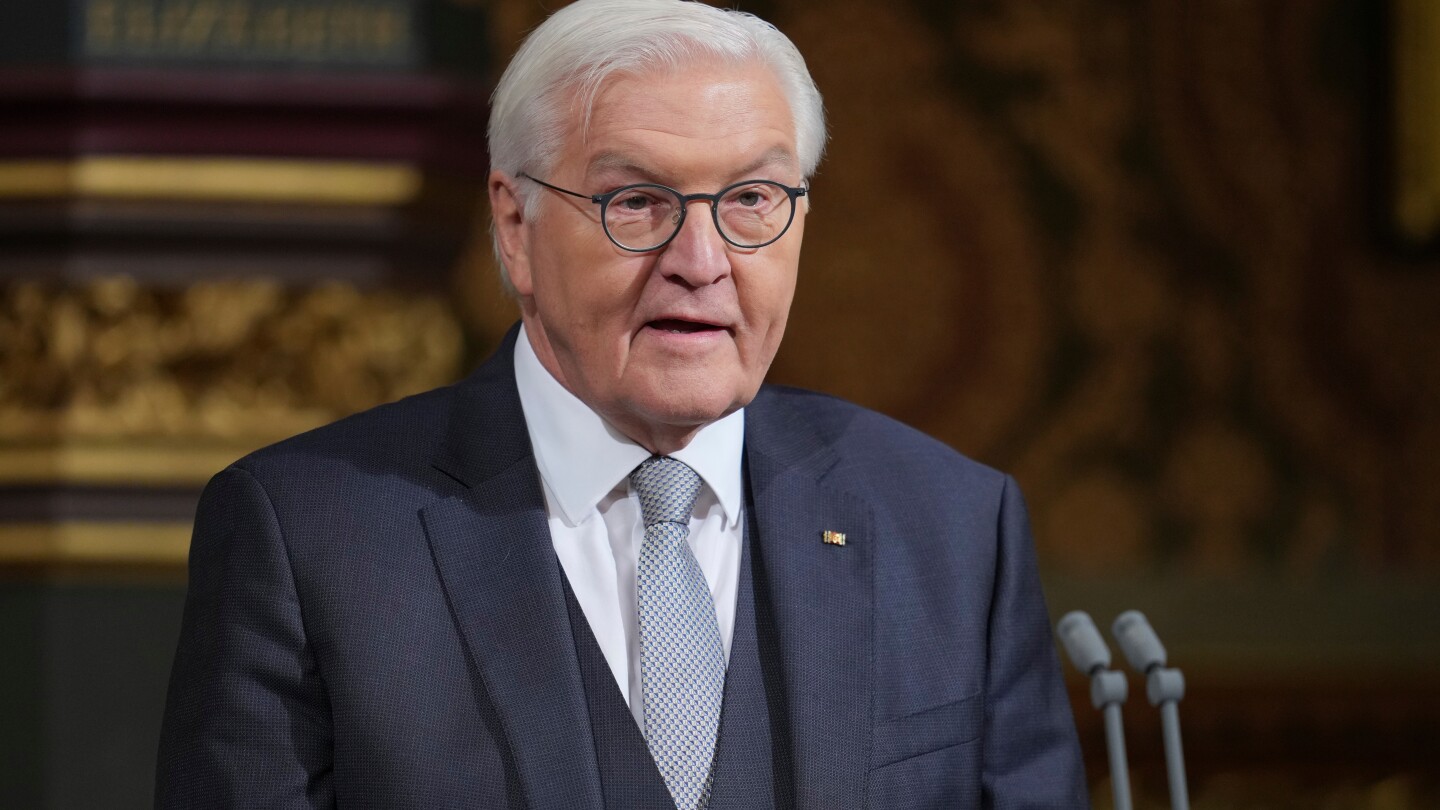
    In a profound gesture of historical reconciliation, German President Frank-Walter Steinmeier concluded his landmark three-day state visit to Britain with a solemn ceremony at Coventry Cathedral on Friday. This visit, the first by a German head of state in 27 years, carried significant symbolic weight as Steinmeier laid a wreath at the site devastated by Nazi bombing in November 1940.

    The Coventry bombing, which killed at least 568 people and destroyed the medieval cathedral, represented one of the most concentrated attacks on Britain during World War II. The preserved ruins now stand as a permanent memorial to war’s devastation. Britain was represented at the ceremony by the Duke of Kent, a longstanding advocate for British-German reconciliation who previously served as royal patron of the Dresden Trust, dedicated to healing wounds from the Allied bombing that devastated the German city in 1945.

    Steinmeier’s visit culminated in extensive diplomatic engagements, including meetings with King Charles III and Prime Minister Keir Starmer. The ceremonial highlight featured an elaborate state banquet at Windsor Castle where both leaders emphasized the transformation from wartime enemies to modern allies. ‘Flourishing cities grew out of the ashes. Enemies became friends,’ Steinmeier declared in his toast. ‘That is our common history—and it shows what is possible when people have the courage to pursue reconciliation.’

    The visit occurs against the backdrop of renewed European unity in response to Russia’s invasion of Ukraine. Steinmeier addressed Parliament, characterizing the conflict as an attack on the rules-based international order established after World War II. ‘We are seeing the resurgence of imperial ambitions, the attempt by destabilizing forces to divide us and pit us against one another,’ he warned. ‘That is precisely why we must stand united.’

    Historical experts note the visit’s profound symbolism. Martin Farr, modern British history specialist at Newcastle University, observed that European nations are collaborating more closely than at any time since the 1815 Concert of Europe, with current security concerns driving this renewed cooperation.

    The extensive ceremonial aspects—including carriage processions, military honors, and royal banquets attended by Queen Camilla and the Princess of Wales in formal attire—demonstrated Britain’s use of soft power to strengthen international partnerships. This diplomatic effort follows the recent UK-Germany treaty deepening cooperation on defense, migration, and climate policy, reflecting European nations’ increased military spending and enhanced coordination amid concerns about international reliability.

  • Germany votes to bring back voluntary military service programme for 18-year-olds

    Germany votes to bring back voluntary military service programme for 18-year-olds

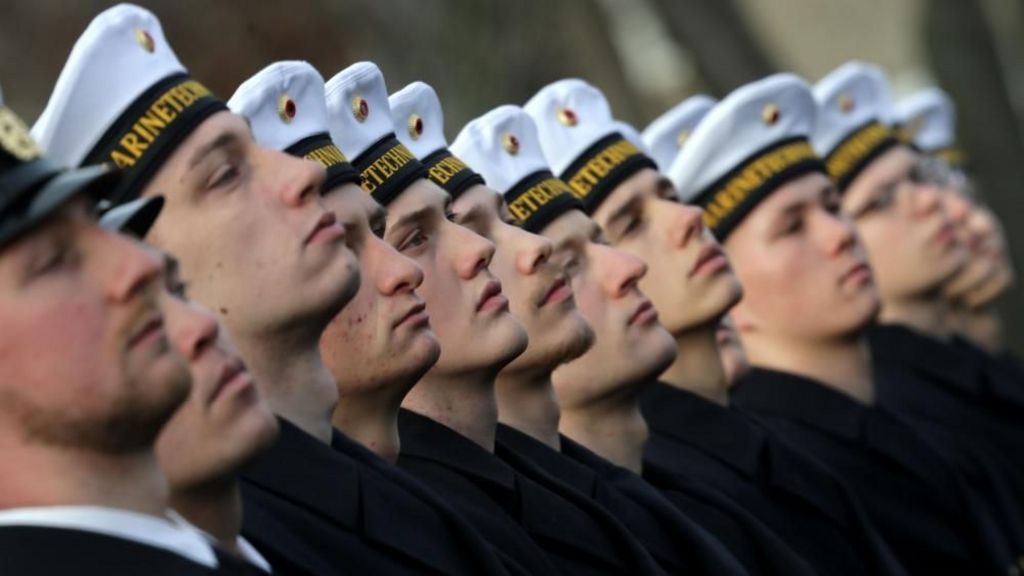
    In a landmark decision reflecting Europe’s shifting security landscape, Germany’s Bundestag has approved the reintroduction of voluntary military service. The move represents a strategic reversal from the country’s 2011 abolition of compulsory conscription and forms part of Chancellor Friedrich Merz’s ambitious plan to develop Europe’s most formidable conventional army.

    Starting January 2026, all German 18-year-olds will receive mandatory questionnaires assessing their interest in military service. While completion is compulsory for men and optional for women, the program remains voluntary in its current form. The government has outlined that by July 2027, all male citizens will undergo mandatory medical examinations to determine operational capability.

    Defense Minister Boris Pistorius emphasized the necessity of universal medical assessments, stating they would eliminate delays in identifying capable personnel during national emergencies. The Bundeswehr, currently numbering approximately 182,000 troops, aims to expand by 20,000 personnel within the next year. Long-term objectives target 260,000 active soldiers supplemented by 200,000 reservists by the early 2030s.

    The legislative change encountered immediate opposition from Germany’s youth. Protest organizers coordinated strikes across 90 cities, with Hamburg alone anticipating 1,500 participants. Demonstrators outside the Bundestag displayed banners proclaiming “No to military service,” while student organizers criticized the program as promoting obedience training and violence.

    This development aligns with broader European trends, following France’s recent announcement of a 10-month voluntary military training program for youth. Both initiatives respond to heightened security concerns following Russia’s invasion of Ukraine and pressure from NATO allies to increase defense spending. Financial incentives appear substantial, with Germany offering approximately €2,600 monthly compensation compared to France’s €800.

    The parliamentary vote passed 323-272 amid simultaneous deliberations on contentious pension reforms. The governing coalition narrowly avoided crisis when opposition left-wing parties announced abstention, reducing the required majority threshold.

  • Kenya signs landmark health deal with US despite data fears

    Kenya signs landmark health deal with US despite data fears

    In a significant departure from traditional aid models, the United States and Kenya have formalized a groundbreaking five-year health agreement valued at $2.5 billion. This pact represents the inaugural implementation of the Trump administration’s restructured foreign assistance approach, which prioritizes direct government-to-government partnerships over conventional channels.

    The comprehensive health initiative allocates $1.7 billion from US contributions alongside Kenya’s $850 million commitment, establishing a framework where Nairobi will progressively assume greater financial responsibility. The collaboration specifically targets HIV/AIDS, malaria, tuberculosis prevention and treatment, alongside maternal healthcare, polio eradication, and infectious disease outbreak preparedness.

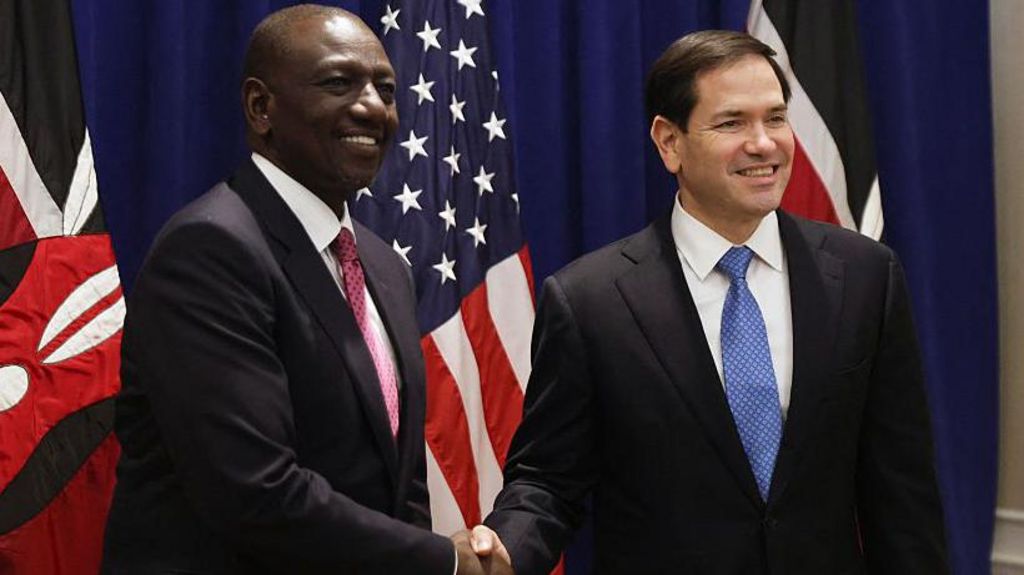
    US Secretary of State Marco Rubio, during the signing ceremony with Kenyan President William Ruto, emphasized the strategic nature of the partnership, acknowledging Kenya as a “longstanding American ally” and praising its international contributions, particularly regarding peacekeeping operations in Haiti. The agreement forms part of the broader “America First Global Health Strategy” introduced in September, which conditions assistance on bilateral negotiations aimed at reducing perceived inefficiencies in traditional aid distribution.

    Despite official assurances, the arrangement has generated substantial debate regarding data privacy protections. Concerns have emerged that the partnership might grant US authorities access to sensitive Kenyan health databases containing patient information. Health Minister Aden Duale has actively addressed these apprehensions, clarifying that only de-identified, aggregated data would be shared under strict adherence to Kenyan legal protections.

    The agreement emerges against the backdrop of substantial reductions in US foreign aid, including the dismantling of USAID and billions in assistance cuts to developing nations initiated during Trump’s first presidential day. These reductions have previously triggered medication shortages across multiple recipient countries.

    US officials indicate this Kenya arrangement serves as a prototype for similar health partnerships with other African nations aligned with US foreign policy objectives, with additional agreements anticipated before year’s end.

  • Unity urged to advance Global South development

    Unity urged to advance Global South development

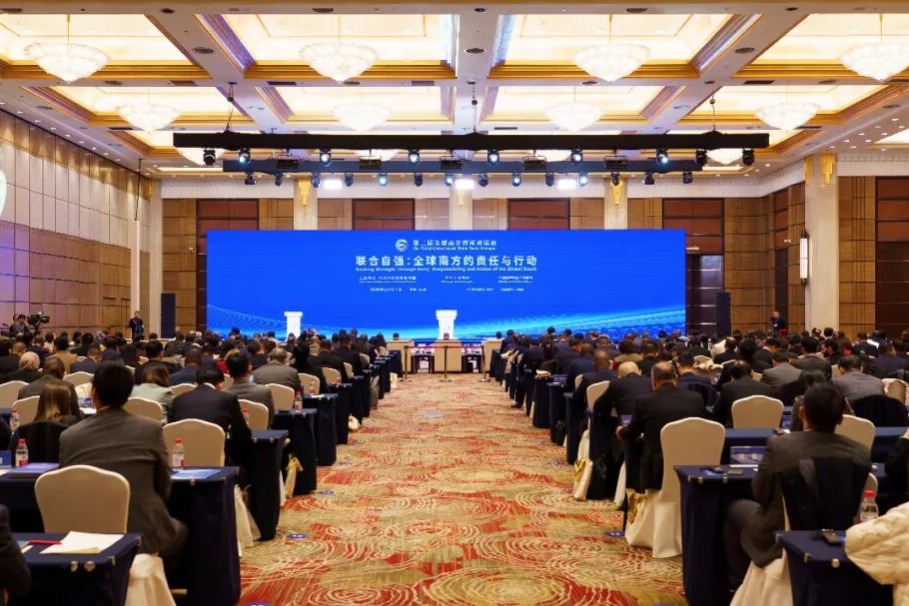
    At the Third Global South Think Tanks Dialogue in Shanghai, senior Chinese official Liu Haixing articulated China’s commitment to fostering unity among developing nations to pursue modernization goals. The event, themed “Seeking Strength through Unity: Responsibility and Action of the Global South,” brought together international representatives to address growing global challenges through coordinated action.

    Liu, who heads the International Department of the CPC Central Committee, emphasized that China’s continued development and expanding openness would strengthen the collective capacity of Global South nations. He highlighted the need to implement the Global Development Initiative, stating that global prosperity cannot be achieved through widening wealth disparities. “We should place development at the core of the international agenda,” Liu asserted, “actively build an open world economy, and share opportunities through openness for win-win results.”

    The conference occurred against the backdrop of China’s recent fourth plenary session, which endorsed the country’s 15th Five-Year Plan (2026-30). This planning framework reinforces China’s dedication to enhancing South-South cooperation, increasing international aid, and providing global public goods to support modernization efforts across developing nations.

    International participants echoed China’s commitment to collaborative development. Bhokin Bhalakula, former president of Thailand’s National Assembly, noted the transformative impact of China’s Belt and Road Initiative in Southeast Asia. He cited specific examples including the China-Laos Railway, which he described as “a bridge to prosperity,” and Thailand’s Eastern Economic Corridor, which benefits from Chinese investment in smart logistics, electric vehicles, and biotechnology.

    Zambian Vice-President Mutale Nalumango emphasized the significance of China’s modernization model for Africa, expressing strong support for President Xi Jinping’s four global initiatives covering development, security, civilization, and governance. She stressed that peace, security, and regional stability are essential foundations for creating shared future benefits and called for strengthened cooperation among Global South countries to promote sustainable development and a more equitable international order.

  • HKSAR govt urges residents to vote, eyes post-fire recovery

    HKSAR govt urges residents to vote, eyes post-fire recovery

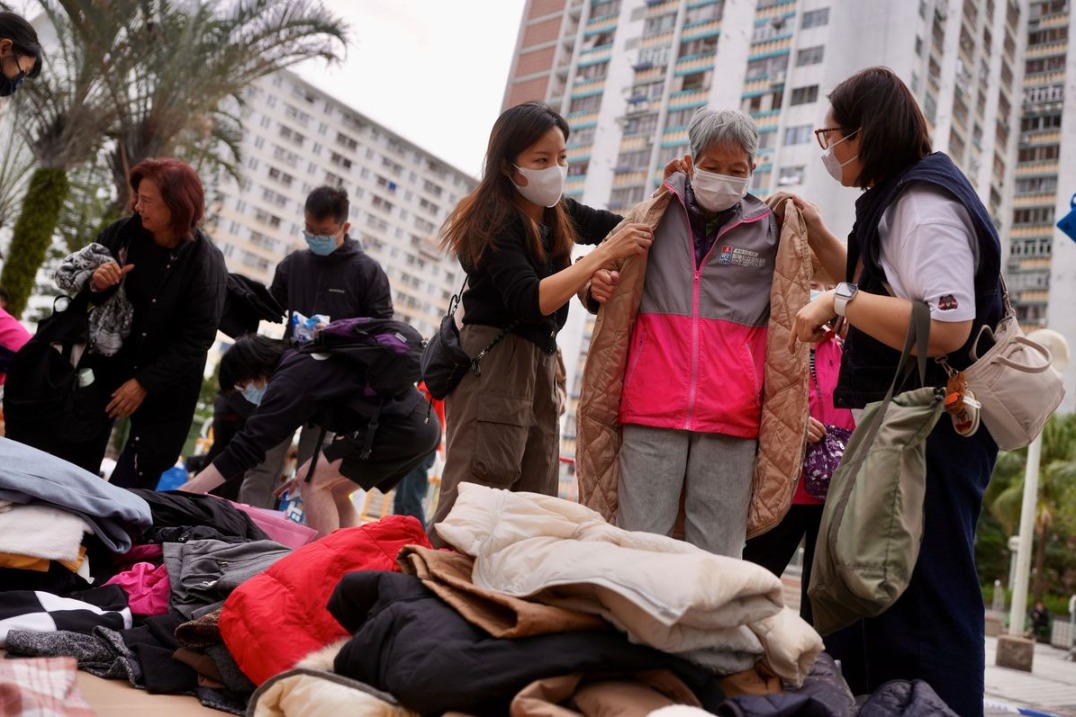
    Hong Kong’s political leadership has issued a dual call to action—honoring the victims of the recent catastrophic fire while urging civic participation in the upcoming legislative elections. Chief Executive John Lee Ka-chiu addressed these pressing matters during a solemn National Constitution Day commemoration on Thursday, December 4th, 2025.

    The ceremony, jointly organized by the Hong Kong Special Administrative Region government and the Central People’s Government Liaison Office in Hong Kong, commenced with a moment of silence for the 159 lives lost in the November 26th Wang Fuk Court inferno in Tai Po. The traditional applause segment was omitted as a mark of respect for the deceased.

    Lee characterized the tragedy as having plunged ‘all of Hong Kong society into extreme grief,’ while extending official condolences to bereaved families and displaced survivors. The Chief Executive reaffirmed his administration’s commitment to transformative action, having established an independent investigative committee to conduct a comprehensive review of building safety protocols and prevent future catastrophes.

    ‘This devastating event has only reinforced my conviction in constitutional principles and legal governance,’ Lee asserted before an audience of approximately 900 attendees from various community sectors. He emphasized that the Constitution’s fundamental purpose lies in safeguarding public welfare, vowing to translate ‘painful lessons into concrete safety measures.’

    With critical Legislative Council elections scheduled for Sunday, Lee made an impassioned appeal for robust voter participation. He stressed that capable legislators are essential partners in approving reconstruction funding, enacting new safety legislation, and driving systemic reforms during the recovery period.

    Liu Guangyuan, Deputy Director of the Liaison Office, endorsed Lee’s message, praising the government’s crisis response and affirming that proceeding with elections aligns with constitutional principles and facilitates disaster recovery. He simultaneously issued a stern warning against ‘anti-China destabilizing forces’ attempting to exploit the tragedy, emphasizing they would ‘face severe legal consequences.’

    The event marked Hong Kong’s ninth annual observance of China’s National Constitution Day, established in 2014 to promote legal awareness and civic responsibility.

  • Xi, Macron vow to deepen relations

    Xi, Macron vow to deepen relations

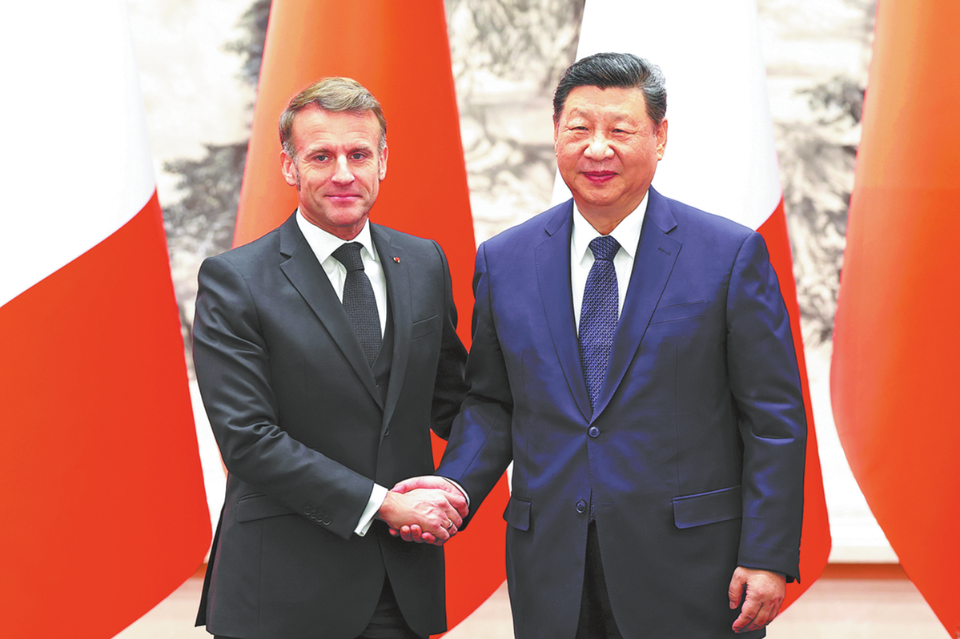
    In a significant diplomatic engagement, Chinese President Xi Jinping and French President Emmanuel Macron have pledged to deepen bilateral relations during Macron’s state visit to Beijing. The two leaders emphasized the importance of major-country responsibility in addressing global challenges during their talks at the Great Hall of the People on Thursday.

    President Macron’s delegation, comprising over 80 members including several ministers and more than 30 CEOs of major French corporations, arrived in Beijing on Wednesday for this fourth state visit since 2017. The itinerary includes both political discussions in the capital and cultural engagements in Sichuan province.

    The bilateral meeting yielded substantial outcomes, with both presidents personally witnessing the signing of multiple cooperation agreements spanning nuclear energy, agricultural food products, education, and ecological environmental protection. These agreements signal a broadening of the comprehensive strategic partnership between the two nations.

    President Xi articulated China’s perspective on current global dynamics, noting that “as changes unseen in a century accelerate, humanity stands at a crossroads facing critical directional choices.” He called for China and France to jointly uphold multilateralism and position themselves on “the right side of history” during this transformative period.

    The timing of this visit carries particular symbolic significance, marking the commencement of a new 60-year cycle (known as jiazi in Chinese tradition) in Sino-French relations. This follows last year’s celebration of the 60th anniversary of diplomatic relations between the two countries.

    President Xi emphasized the complementary nature of China’s 15th Five-Year Plan (2026-2030) and French economic interests, noting that the plan presents “a list of opportunities” for international partners. He advocated for expanded cooperation while criticizing protectionist tendencies, stating that “openness and cooperation bring development opportunities, while decoupling and supply chain fragmentation lead to isolation.

    As permanent members of the UN Security Council and founding UN members, both leaders committed to practicing “true multilateralism” and upholding the international legal order. They specifically addressed the need for improved global economic governance, noting current imbalances between developed and developing nations in international financial institutions.

    The discussions also covered China-Europe relations broadly, with President Xi characterizing the past 50 years of exchanges as “mutually beneficial and contributing to each other’s success.” He urged maintaining the partnership positioning between China and Europe with “strategic autonomy and win-win cooperation” at its core.

  • Palestinian embassy accuses UK government of failing to provide security after ‘multiple’ attacks

    Palestinian embassy accuses UK government of failing to provide security after ‘multiple’ attacks

    The Palestinian Embassy in London has formally accused the United Kingdom government of neglecting its diplomatic protection obligations following a succession of aggressive incidents targeting its premises. Embassy officials report that attacks have intensified both in frequency and severity since the onset of Israel’s military operations in Gaza, creating an environment of intimidation and fear among diplomatic staff.

    According to an official spokesperson, repeated requests for enhanced security measures have been systematically ignored by UK authorities. The embassy has engaged both the Foreign Office and the Metropolitan Police’s Diplomatic Protection Unit, yet received only sporadic police patrols instead of the comprehensive security detail required under international law. The most recent incident involved pro-Israel demonstrators who blockaded the embassy entrance while displaying Israeli and British flags, additionally defacing the property with stickers endorsing the Israeli Defense Forces.

    This pattern of violence extends beyond recent events, with embassy personnel recounting multiple previous attacks including shattered windows and paint projectiles launched while staff remained inside the building. Diplomats characterize these actions as politically motivated intimidation tactics designed to hinder Palestine’s diplomatic representation in the United Kingdom.

    The Vienna Convention on Diplomatic Relations explicitly mandates host nations to implement all necessary measures to safeguard diplomatic missions against intrusion, damage, or disruption of operations. Palestinian officials contend that Britain’s security provisions have consistently failed to meet this international standard, particularly noteworthy given the UK’s formal recognition of Palestinian statehood in September.

    The embassy has urgently called for a full government investigation and implementation of appropriate protective measures, emphasizing that current security shortcomings endanger staff and compromise diplomatic functions. Meanwhile, the Metropolitan Police confirmed awareness of the situation while noting that no formal incident report had been filed, asserting that diplomatic security protocols undergo continuous risk assessment and review.