分类: politics

  • US Supreme Court agrees to hear case challenging birthright citizenship

    US Supreme Court agrees to hear case challenging birthright citizenship

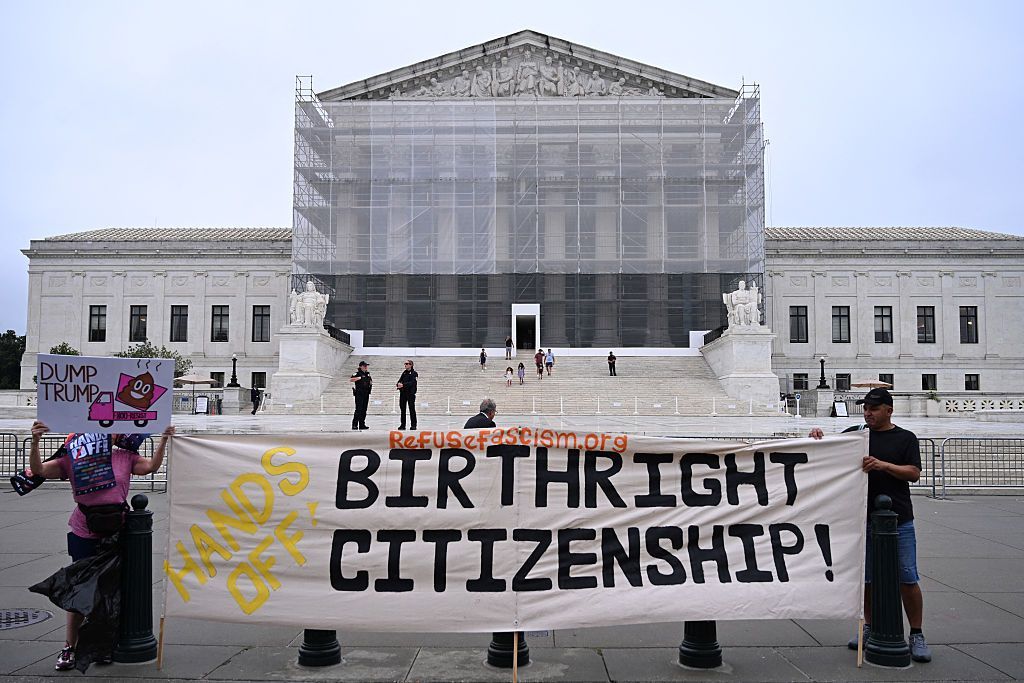
    The United States Supreme Court has agreed to adjudicate a landmark case that will determine the future of birthright citizenship, a constitutional principle established for over 150 years. This judicial review directly confronts a controversial executive order issued by former President Donald Trump on his inaugural day in January, which sought to terminate automatic citizenship for children born to undocumented immigrants and temporary visa holders. Lower federal courts previously blocked the order, citing potential constitutional violations.

    The core of the legal battle hinges on the interpretation of the 14th Amendment of the U.S. Constitution. Ratified in 1868 in the aftermath of the Civil War, its Citizenship Clause explicitly states: ‘All persons born or naturalized in the United States, and subject to the jurisdiction thereof, are citizens of the United States.’ This provision was originally intended to guarantee citizenship for emancipated slaves and has since been applied universally, with narrow exceptions for children of foreign diplomats and enemy forces.

    The nation’s highest court is now poised to deliver a definitive ruling that will either uphold the longstanding practice of jus soli (right of the soil) or empower the government to significantly curtail it. The plaintiffs in the case include immigrant parents and their U.S.-born children, who are challenging the legality of the proposed executive action. Following its decision to hear the appeal, the Court will schedule oral arguments where both the government and the plaintiffs will present their cases.

    This legal endeavor places the United States, one of approximately 30 nations worldwide that grant automatic birthright citizenship—primarily in the Americas—at a constitutional crossroads. The Supreme Court’s eventual judgment will resolve a critical question of national identity and have profound implications for immigration policy and the lives of hundreds of thousands of individuals.
  • Bolsonaro’s eldest son says he’ll run for Brazil presidency in 2026

    Bolsonaro’s eldest son says he’ll run for Brazil presidency in 2026

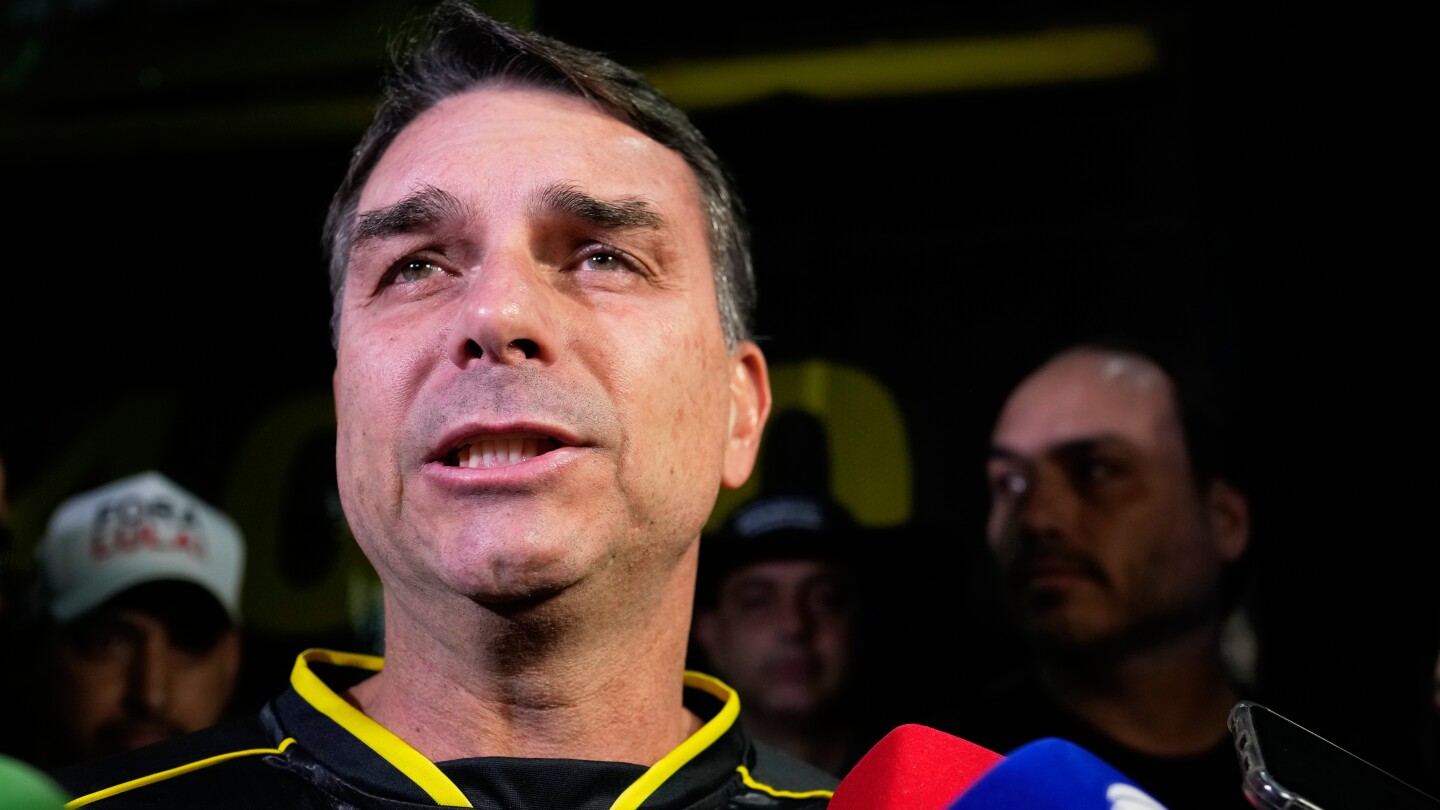
    SAO PAULO — In a significant development within Brazil’s political landscape, Senator Flávio Bolsonaro has declared his intention to contest the 2026 presidential election as the designated representative of his father’s political faction. This announcement comes amidst the ongoing incarceration of former President Jair Bolsonaro, who is currently serving a 27-year prison sentence following convictions related to attempted coup activities.

    The younger Bolsonaro confirmed his political mandate through a social media statement, quoting his father’s decision to entrust him with “continuing our national project.” His office subsequently verified to The Associated Press that he will formally challenge incumbent President Luiz Inácio Lula da Silva, who seeks an unprecedented fourth nonconsecutive term. This confirmation followed Flávio Bolsonaro’s recent prison visitation with his father earlier this week.

    The political succession within Bolsonaro’s Liberal Party had previously been subject to internal debate, with São Paulo Governor Tarcísio de Freitas—a former cabinet member—initially perceived as the natural successor. However, resistance from Bolsonaro’s inner circle ultimately favored the former president’s eldest son as their presidential standard-bearer.

    Despite his imprisonment and electoral disqualification until 2030, Jair Bolsonaro remains a pivotal figure in Brazil’s deeply polarized political environment. Political analysts emphasize that any viable opposition candidate must secure both the substantial electoral base and explicit endorsement of the far-right leader to mount a competitive challenge against President Lula.

    Flávio Bolsonaro, elected senator in 2018 following his tenure as a Rio de Janeiro state legislator, brings his own controversial political history to the campaign. Although previously implicated in embezzlement allegations involving public funds—charges which were ultimately dismissed by courts and which he continues to deny—his presidential bid now positions him at the forefront of Brazil’s ongoing political realignment.

  • US judge orders unsealing of court records from abandoned Jeffrey Epstein case

    US judge orders unsealing of court records from abandoned Jeffrey Epstein case

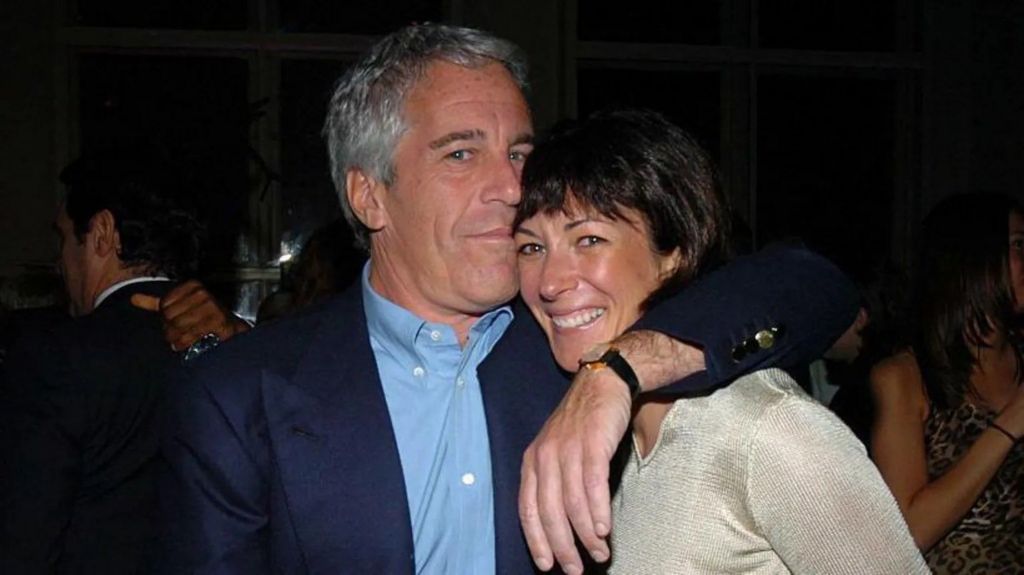
    A significant judicial development has emerged in the long-running Jeffrey Epstein case as a Florida federal judge has mandated the disclosure of previously sealed grand jury transcripts. The ruling by U.S. District Judge Rodney Smith responds to a Justice Department petition filed after Congress enacted legislation last month specifically requiring the release of all documents pertaining to the convicted sex offender and his accomplice Ghislaine Maxwell.

    The court order, which the BBC has reviewed, states that the newly signed law “applies to unclassified records, documents, communications, and investigative materials” connected to Epstein and Maxwell. This legislative action effectively overrides previous federal restrictions that had prevented disclosure of grand jury materials, which had led to the rejection of a similar Justice Department request in August.

    Judge Smith’s Friday order explicitly notes that “the later-enacted and specific language of the Act trumps prohibition on disclosure,” granting the government’s expedited motion to unseal the transcripts from the 2005 and 2007 investigations. The ruling also modifies protective orders that had previously barred the release of these materials.

    Concurrently, the Justice Department is pursuing additional disclosures in New York, seeking the unsealing of documents from Epstein’s 2019 sex trafficking case and Maxwell’s 2021 sex trafficking conviction. This comprehensive effort represents the most significant movement toward transparency in a case that has drawn intense public scrutiny and speculation about the scope of Epstein’s network and activities.

    The release of these materials is expected to provide unprecedented insight into the investigations that initially targeted Epstein, potentially revealing details about the handling of his case and the extent of his criminal operations that spanned over a decade before his eventual arrest and death in custody.

  • What we know about suspected pipe bomber on eve of 2021 US Capitol riot

    What we know about suspected pipe bomber on eve of 2021 US Capitol riot

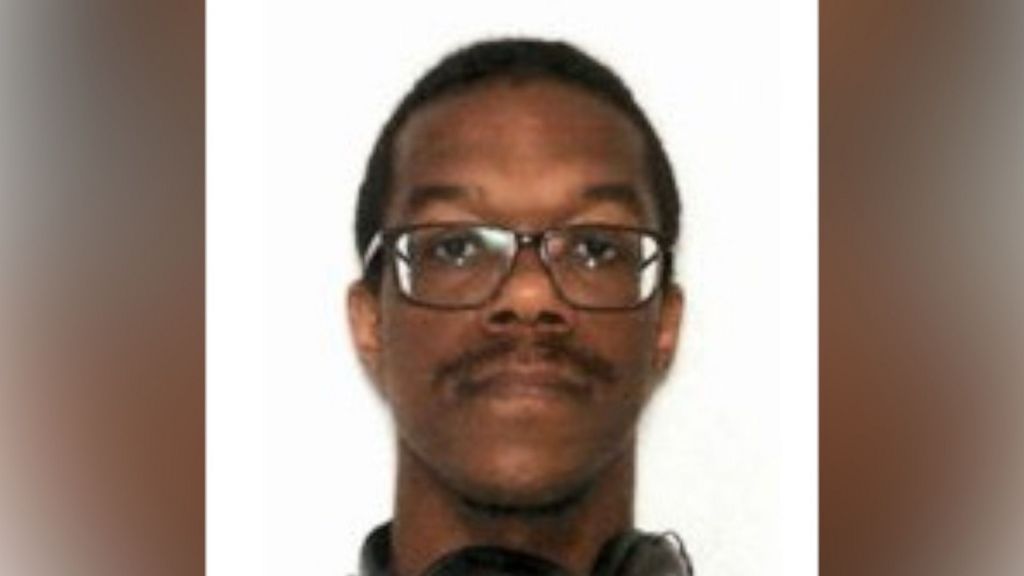
    After a nearly five-year investigation, federal authorities have apprehended Brian Cole Jr., a 30-year-old from Virginia, in connection with the placement of two pipe bombs outside the Democratic and Republican National Committee headquarters on January 5, 2021. The arrest, executed without incident at his family home in Woodbridge, Virginia, marks a significant breakthrough in one of the most persistent investigations following the Capitol riot.

    Cole faces federal charges including the use of an explosive device and attempted malicious destruction of property with explosives. Although the devices did not detonate, their discovery prompted the evacuation of then-Vice President-elect Kamala Harris from the DNC headquarters and occurred on the eve of the congressional certification of the 2020 presidential election.

    According to court documents and media reports, the investigation was a mammoth undertaking. The FBI pursued over 6,000 leads, conducted extensive interviews, and sifted through vast amounts of digital and physical evidence. Key evidence included mobile phone data placing Cole near the bomb sites between 7:39 PM and 8:24 PM on January 5th, and a license plate reader capturing his 2017 Nissan Sentra near the area. Investigators also traced the specific type of end caps used in the bombs, of which 233,000 had been sold, and identified the suspect’s footwear as Nike Air Max Speed Turfs, necessitating a review of thousands of pairs sold through numerous retailers.

    Neighbors and family members described Cole as a ‘quiet’ and ‘naive’ individual who frequently walked a Chihuahua in his suburban neighborhood. His grandmother, Loretta Cole, told media he was ‘almost autistic-like’ and ‘would not hurt a fly.’ However, CNN reported that during FBI interviews, Cole expressed the belief that the 2020 election was ‘rigged,’ echoing the false claims perpetuated by former President Donald Trump.

    Authorities have not yet formally detailed a motive for the alleged actions. Cole is scheduled for a court appearance where he will be formally read the charges and enter a plea.

  • Iranian press review: Rouhani calls for regional bloc against Israeli air power

    Iranian press review: Rouhani calls for regional bloc against Israeli air power

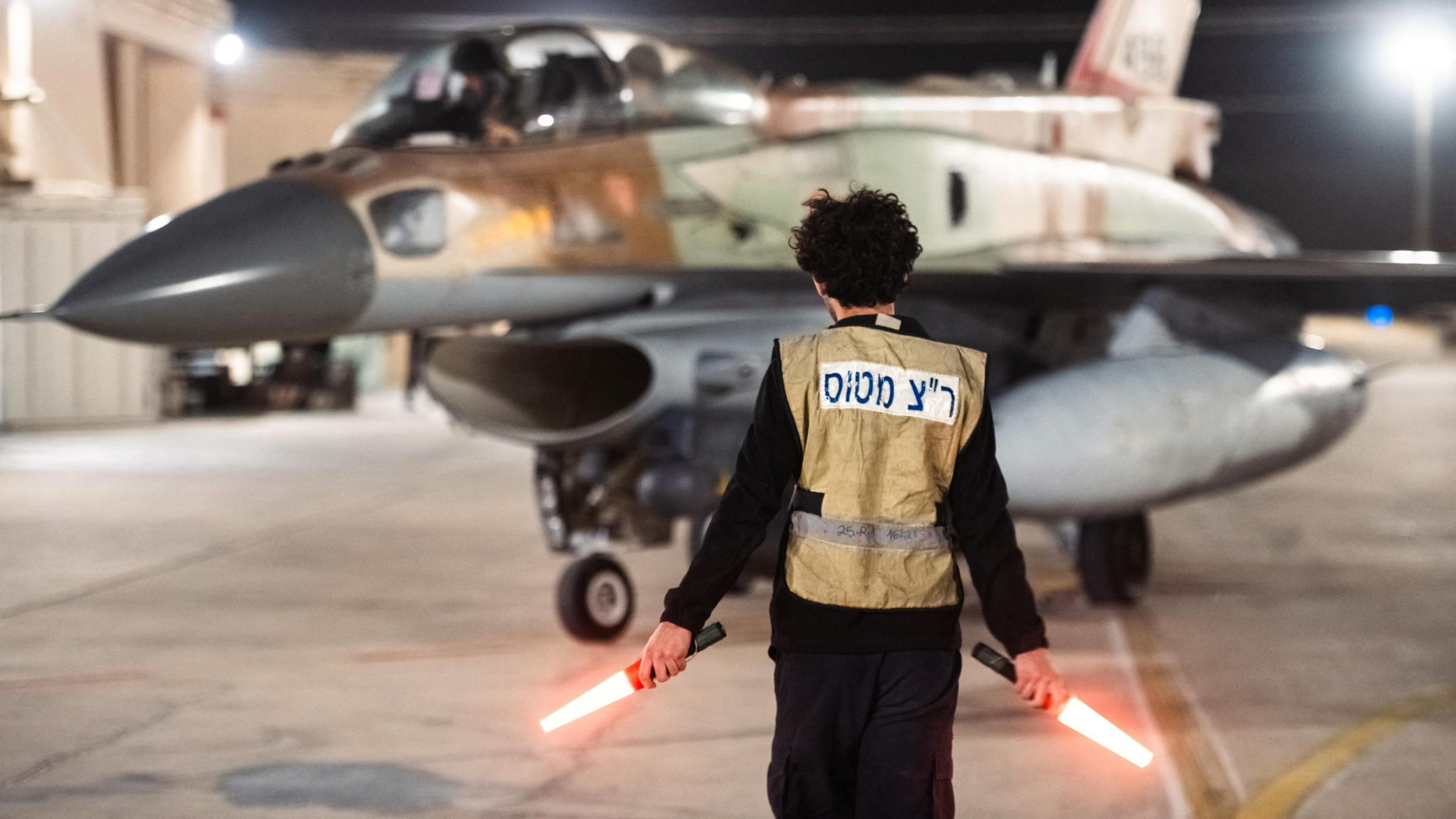
    Former Iranian President Hassan Rouhani has issued a stark warning regarding Iran’s national security vulnerabilities, emphasizing that the nation’s airspace has become dangerously exposed following recent regional conflicts. With sixteen years of experience as secretary of the Supreme National Security Council, Rouhani criticized current administration officials for underestimating Iran’s defense shortcomings, particularly highlighting how easily Israeli aircraft can penetrate Iranian airspace.

    Rouhani asserted that Iran’s neighboring countries—including Iraq, Syria, Lebanon, and Jordan—have airspace effectively controlled by the United States and Israel, leaving Iran without genuine deterrence capabilities. He advocated for strengthened regional alliances, stating that helping neighboring nations achieve independence ultimately benefits Iran’s security interests through shared risks and common objectives.

    This security alert emerges alongside significant domestic controversies. Iranian police recently conducted a raid on a private villa in Lavasan, north of Tehran, detaining over twenty individuals including seven prominent actors. Charges included illegal assembly, public indecency, and alcohol-related offenses. Legal experts have condemned the operation as violating both Iranian law and religious principles, with media outlets comparing the incident to the restrictive early post-revolution years.

    Simultaneously, the Masoud Pezeshkian administration has implemented a controversial fuel price increase policy, triggering concerns about potential social unrest. Effective December 12, the new policy maintains a government allocation of 60 liters at 15,000 rials and 100 liters at 30,000 rials monthly, with additional fuel priced at 50,000 rials per liter. While energy experts acknowledge the economic necessity of aligning prices with market rates, the move remains sensitive given that the 2019 fuel protests resulted in hundreds of casualties.

    Regionally, diplomatic activity has intensified with simultaneous visits by Saudi Deputy Foreign Minister Saud bin Mohammed al-Sati and Turkish Foreign Minister Hakan Fidan to Tehran. International relations analysts interpret these visits as reflecting growing regional concerns about Israel’s expanding influence. Experts suggest that despite historical rivalries, both Saudi Arabia and Turkey recognize the threat posed by Israel and may seek limited cooperation with Iran to establish regional balance and prevent further conflict escalation.

  • Irish police investigating drone activity during Zelensky visit

    Irish police investigating drone activity during Zelensky visit

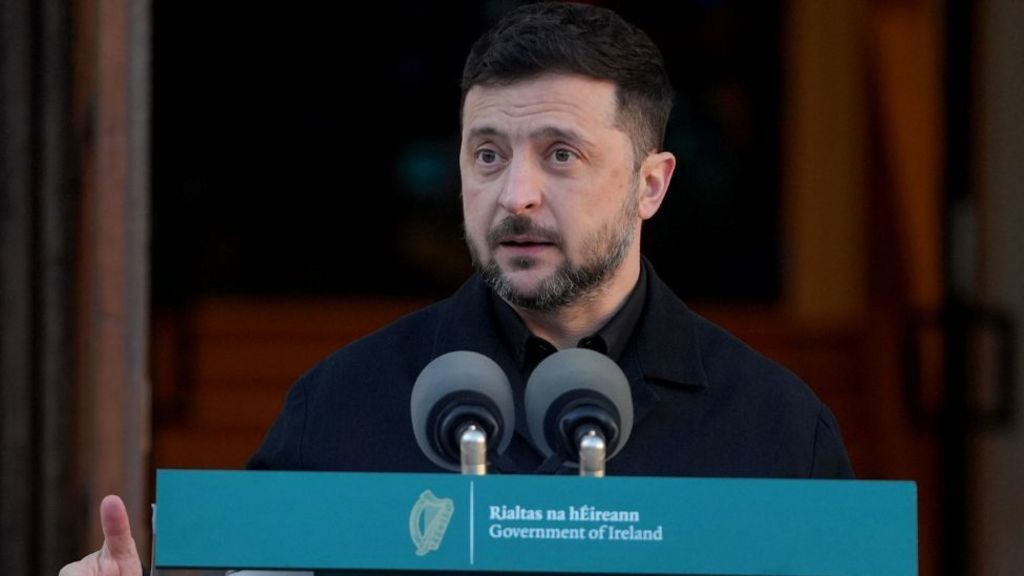
    Irish authorities have initiated a comprehensive security investigation following the detection of multiple unidentified drones in Irish airspace coinciding with Ukrainian President Volodymyr Zelensky’s official visit to Dublin. The incident occurred on Monday night as President Zelensky and First Lady Olena Zelenska arrived for their one-day diplomatic engagement.

    The Garda Síochána’s Special Detective Unit (SDU) has taken lead on the investigation, coordinating with Irish Defence Forces and international security partners. According to reports from Irish broadcaster RTÉ, naval personnel aboard the LÉ William Butler Yeats vessel observed several drones operating near Howth over the Irish Sea approximately simultaneous to the Ukrainian leader’s arrival at Dublin Airport.

    Taoiseach Micheál Martin confirmed that senior government officials have been briefed on the security matter, which will be formally addressed at an upcoming National Security Council meeting later this month. While praising the overall security operation during President Zelensky’s visit as particularly successful, Martin acknowledged the emerging challenge of drone incursions across European Union member states.

    Speaking at the British-Irish Council meeting in Cardiff, the Taoiseach noted that drone-related security concerns have become increasingly prevalent throughout Europe since the onset of the Ukraine conflict. ‘There’s been heightened activity on the cyber security front, in terms of maritime issues and in terms of drones,’ Martin stated, while declining to speculate about potential Russian involvement until the completion of a full security review.

    The Irish Defence Forces maintained their standard protocol of not commenting on specific operational incidents, emphasizing their ongoing coordination with gardaí in addressing national security matters. The investigation represents Ireland’s latest response to evolving security challenges in the current geopolitical landscape.

  • Look: Putin receives ceremonial welcome in Delhi, pays tribute at Gandhi memorial

    Look: Putin receives ceremonial welcome in Delhi, pays tribute at Gandhi memorial

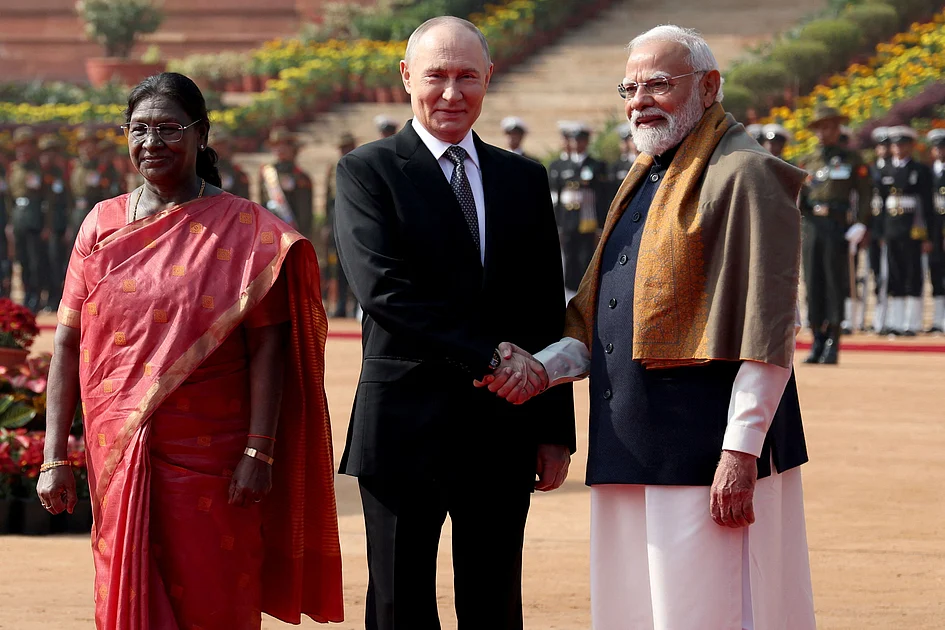
    Russian President Vladimir Putin commenced his two-day state visit to India with a ceremonial reception of the highest order on Friday. Indian President Droupadi Murmu and Prime Minister Narendra Modi personally welcomed Putin at the forecourt of Rashtrapati Bhavan, where he was honored with a tri-services guard of honor inspection.

    The arrival ceremony featured the playing of both Russian and Indian national anthems, symbolizing the enduring diplomatic relationship between the nations. President Murmu and Putin subsequently introduced their respective delegations, which included Russian Defense Minister Andrey Belousov and Kremlin aide Dmitry Peskov on the Russian side, while India was represented by External Affairs Minister S. Jaishankar and Chief of Defense Staff General Anil Chauhan.

    In a significant gesture of respect, President Putin visited Rajghat memorial to pay tribute to Mahatma Gandhi, laying a wreath at the iconic site. This visit marks Putin’s first trip to Indian soil in four years, since the leaders’ last in-person meeting in December 2021.

    The personal rapport between the leaders was evident when Prime Modi broke protocol to greet Putin on the tarmac upon his Thursday arrival, welcoming him with an embrace. Modi later expressed on social media platform X his delight in welcoming his ‘friend’ Putin back to India, emphasizing the ‘time-tested’ friendship between their nations.

    The agenda for the visit includes the 23rd India-Russia Annual Summit, where both leaders will engage in comprehensive bilateral discussions. Additional events include Putin’s participation in an India-Russia business forum, the launch of RT channel in India, and a state banquet hosted by President Murmu before his scheduled departure later today.

  • France intercepts illegal drone overflight at nuclear submarine base

    France intercepts illegal drone overflight at nuclear submarine base

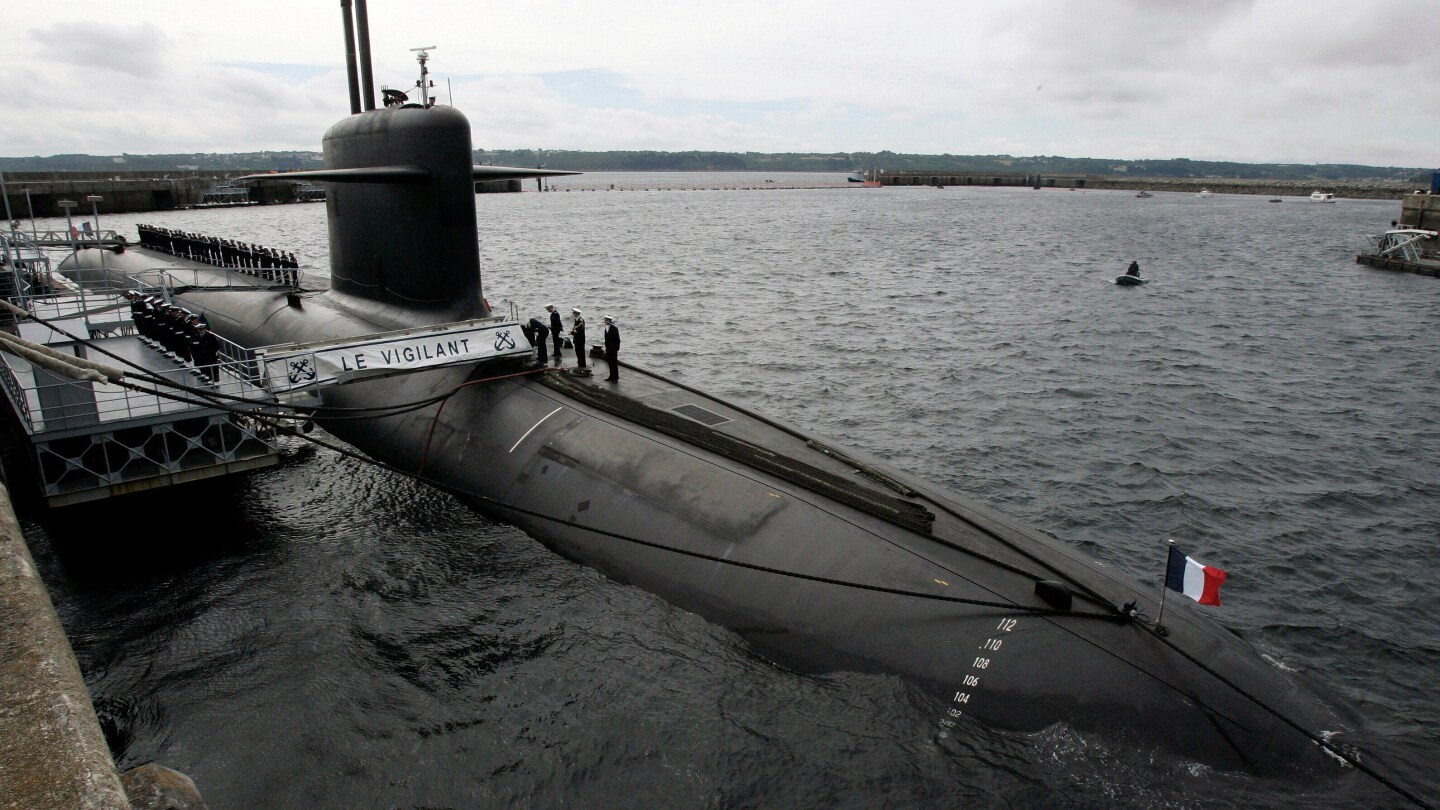
    French defense authorities have launched a formal investigation following the unauthorized drone penetration of a highly secure naval installation housing the nation’s nuclear deterrent forces. The incident occurred Thursday evening at the Île Longue strategic submarine base in Brittany, which serves as homeport for France’s four ballistic missile submarines: Le Triomphant, Le Téméraire, Le Vigilant and Le Terrible.

    Defense Minister Catherine Vautrin publicly confirmed that military personnel successfully intercepted the aerial intrusion, though specific countermeasure details remain classified. The minister declined to specify whether kinetic engagement, electronic warfare systems, or other defensive protocols were employed against the unidentified drones. Vautrin emphasized that “any overflight of a military site is prohibited in our country” while commending the base’s rapid response team.

    This security breach aligns with a concerning pattern across European airspace. Multiple NATO members have reported sophisticated drone operations near critical infrastructure throughout recent months. These incidents have included temporary airport closures disrupting civilian air traffic and numerous sightings above sensitive military installations.

    While no entity has claimed responsibility for the Île Longue violation, intelligence agencies have previously attributed similar airspace violations to Russian operations, particularly in Baltic states and Eastern European nations. The incident raises significant questions about the vulnerability of nuclear facilities to emerging aerial surveillance technologies and potential espionage activities.

  • China, France issue joint statements during Macron’s visit

    China, France issue joint statements during Macron’s visit

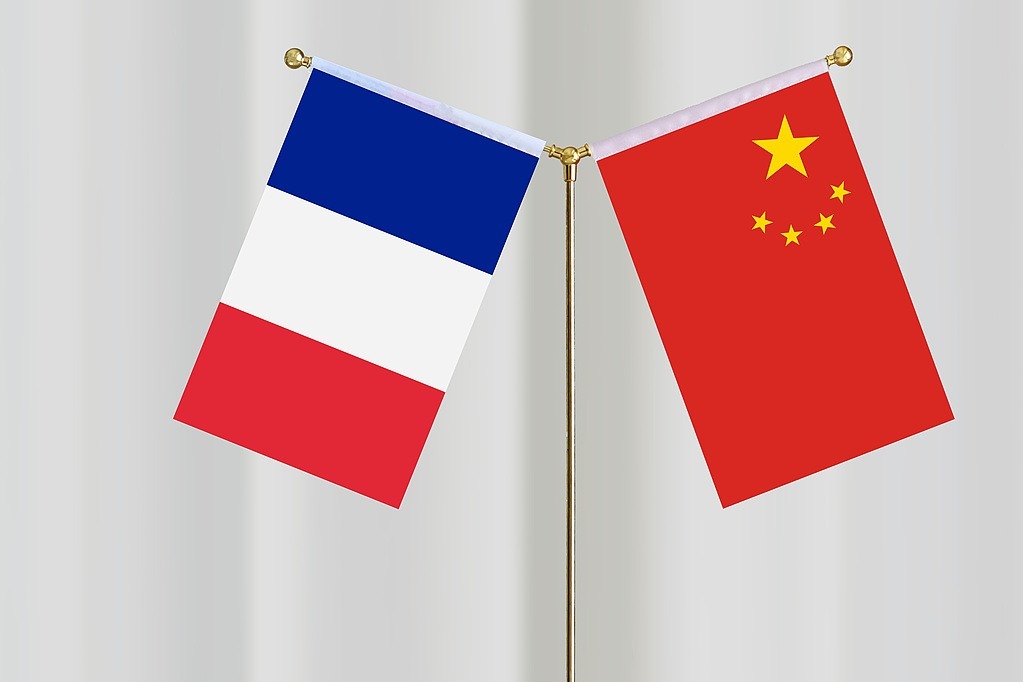
    During French President Emmanuel Macron’s state visit to Beijing, China and France unveiled a comprehensive series of joint statements signaling strengthened bilateral cooperation across multiple strategic domains. The diplomatic agreements, announced on December 5, 2025, encompassed enhanced collaboration on global governance frameworks, coordinated responses to climate and environmental challenges, and continued partnership in nuclear energy development.

    The two nations further committed to expanding agricultural and food security cooperation, while also addressing pressing international concerns regarding the situations in Ukraine and Palestine. These agreements emerged from high-level discussions between Macron and Chinese leadership, including an informal meeting held in Sichuan province that provided a more intimate setting for diplomatic exchange.

    This diplomatic engagement represents a significant consolidation of Sino-French relations, highlighting both countries’ commitment to multilateral solutions for global challenges. The joint statements particularly emphasized the urgency of coordinated climate action and environmental protection, positioning both nations as key players in international sustainability efforts.

    The nuclear energy cooperation component reaffirms longstanding technological exchange between the countries, while the agricultural agreements signal new avenues for economic collaboration. The inclusion of geopolitical issues demonstrates the comprehensive nature of the bilateral dialogue, addressing both economic cooperation and global security concerns.

  • Western countries press Tanzania to release bodies of post-election victims

    Western countries press Tanzania to release bodies of post-election victims

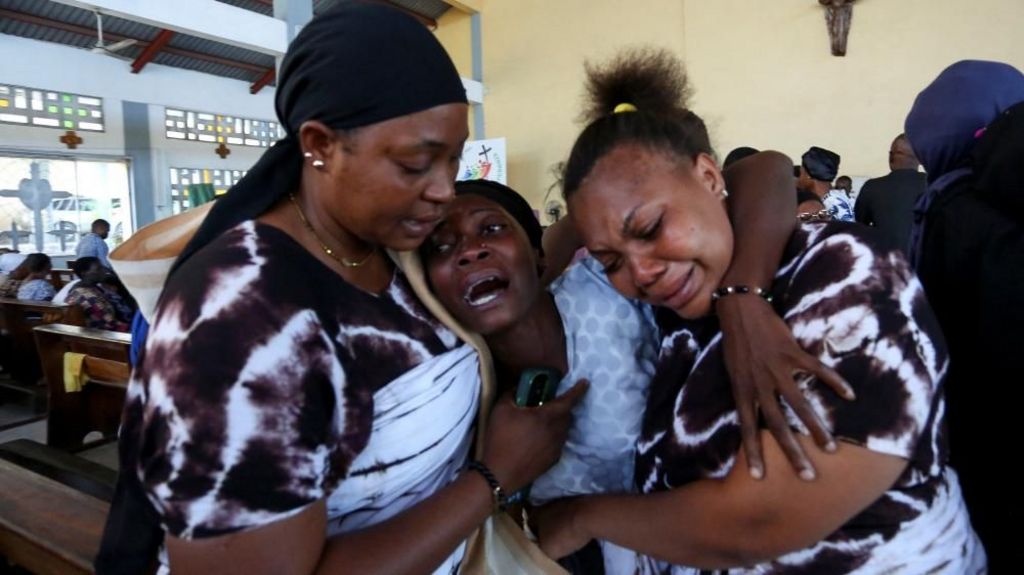
    A coalition of Western embassies has intensified diplomatic pressure on Tanzania, demanding the immediate release of bodies belonging to victims of October’s electoral violence and calling for the liberation of political prisoners. The joint statement from 17 diplomatic missions—including the UK, France, Canada, Norway, Switzerland, and multiple EU members—cited credible reports of extrajudicial killings, disappearances, arbitrary arrests, and systematic concealment of bodies by Tanzanian authorities during post-election unrest.

    The diplomatic intervention follows President Samia Suluhu Hassan’s recent condemnation of Western interference in Tanzania’s internal affairs. The government has not issued an official death toll, though hundreds are believed killed during violent crackdowns on demonstrations that erupted after the October 29 presidential election. President Samia was declared winner with nearly 98% of votes amid controversy surrounding the exclusion of her main rivals, which opposition groups denounced as a ‘mockery of democracy’.

    Authorities imposed an internet blackout and threatened individuals sharing protest imagery during the unrest. While at least 240 people faced treason charges initially, the president later urged prosecutors to demonstrate leniency, resulting in many releases. However, opposition leader Tundu Lissu remains imprisoned on treason charges filed in April.

    The Western coalition acknowledged the government’s commitment to investigate the violence but emphasized the necessity of an independent, transparent inquiry involving civil society organizations and political stakeholders. They further urged Tanzania to uphold its international commitments to protect fundamental freedoms and constitutional rights.

    United Nations Human Rights Office spokesman Seif Magango corroborated these concerns in Geneva, reporting intensified crackdowns against opponents since mid-November, with dozens of academics, civil society actors, and local political leaders detained—some allegedly by unidentified armed personnel. Magango estimated hundreds killed and over 2,000 detained following post-election demonstrations.

    The U.S. State Department announced it is reconsidering bilateral relations with Tanzania following what it termed a ‘heavy-handed response’ against protesters, noting it ‘cannot overlook actions that jeopardize the safety of our citizens, or the security and stability of the region.’

    President Samia defended her government’s actions as necessary against protesters she claimed were ‘ready to overthrow the government,’ repeating unsubstantiated allegations that foreign actors colluded with opposition groups to force regime change. The president, who assumed office in 2021 following John Magufuli’s death, initially earned praise for easing political repression but has since presided over a narrowing political space.