分类: politics

  • China voices support for Palestine as UN adopts new resolutions

    China voices support for Palestine as UN adopts new resolutions

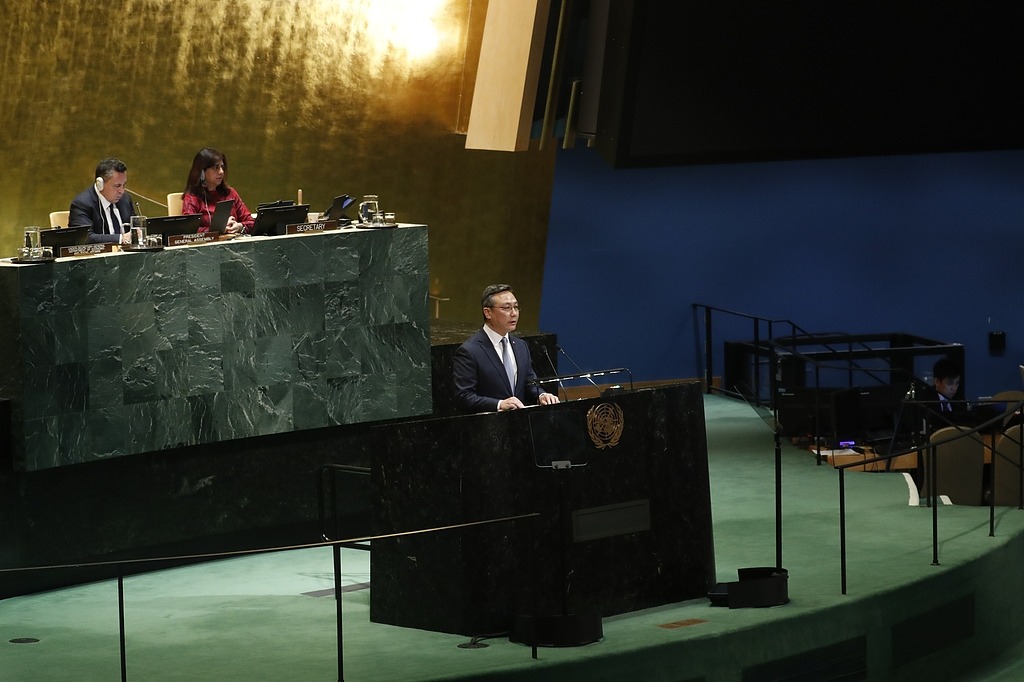
    In a significant diplomatic move at the United Nations, China has positioned itself as a staunch advocate for Palestinian rights while committing substantial humanitarian assistance. During Friday’s General Assembly session that adopted five resolutions concerning Palestine, Chinese Deputy Permanent Representative Sun Lei delivered a powerful address emphasizing historical injustices faced by the Palestinian people.

    Sun Lei reaffirmed China’s unwavering support for what he characterized as “the just cause of the Palestinian people in restoring their legitimate national rights.” This diplomatic stance was substantiated by Beijing’s announcement of a $100 million assistance package destined for Palestine, specifically aimed at alleviating the humanitarian crisis in Gaza and supporting recovery and reconstruction efforts.

    The substantial aid commitment, initially disclosed by President Xi Jinping during Thursday’s meeting with French President Emmanuel Macron, will be channeled through multiple avenues including the United Nations, Egypt, and Jordan. Foreign Ministry spokesperson Lin Jian confirmed the logistical arrangements for delivering this critical humanitarian support.

    China’s diplomatic engagement extended beyond unilateral action, with Beijing and Paris issuing joint statements addressing multiple international issues including the situations in both Palestine and Ukraine. This coordinated approach underscores China’s growing role in global conflict resolution efforts.

    Sun Lei articulated China’s position that the Palestinian question represents the core conflict in the Middle East, directly impacting regional stability and international fairness. The Chinese envoy outlined a comprehensive framework for addressing the crisis, advocating for an immediate and lasting ceasefire, urgent humanitarian improvements, and post-conflict governance based on the principle of Palestinian self-determination.

    The adopted UN resolutions encompassed diverse aspects of the Palestinian situation, including humanitarian assistance for refugees, renewal of the UN Relief and Works Agency’s mandate, protection of refugee property rights, monitoring of Israeli practices in occupied territories, and assessment of settlement legality. These measures received overwhelming support, with several resolutions garnering more than 150 affirmative votes from member states.

    This development follows Tuesday’s General Assembly adoption of two additional resolutions calling for Israeli withdrawal from territories occupied since 1967, further highlighting the international community’s renewed focus on addressing the protracted Israeli-Palestinian conflict through multilateral diplomatic channels.
  • Canada drops terror sanctions on Syria, following US lead

    Canada drops terror sanctions on Syria, following US lead

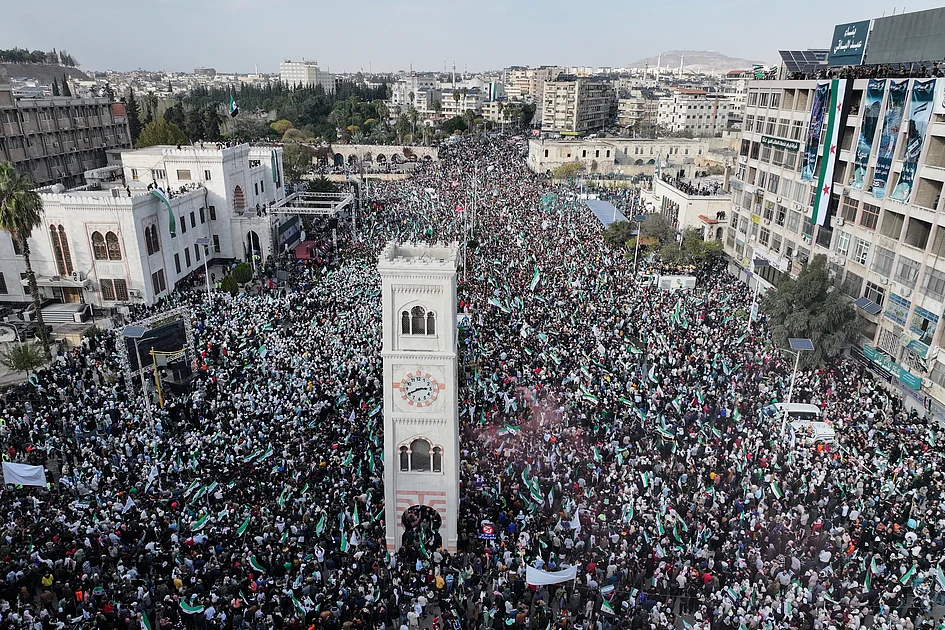
    In a significant foreign policy reversal, Canada has formally removed Syria from its list of state sponsors of terrorism and revoked the terrorist entity designation of Hayat Tahrir al-Sham (HTS). This decision, announced by Canada’s Foreign Ministry on Friday, aligns with similar measures recently implemented by key allies including the United States and United Kingdom.

    The policy shift comes precisely one year after HTS ousted former Syrian leader Bashar al-Assad and assumed control of the government in December 2024. Canadian officials emphasized that these determinations followed careful deliberation and reflect the evolving political landscape in Syria.

    Canada initially designated Syria as a state supporter of terrorism in 2012 during the early stages of the country’s civil war, which erupted when Assad’s regime violently suppressed pro-democracy protests. HTS, previously sanctioned for its connections to Al-Qaeda, has undergone substantial transformation according to Western assessments.

    The Foreign Ministry statement noted that these changes acknowledge ‘the efforts by the Syrian transitional government to advance Syria’s stability.’ Despite these modifications, Canada will maintain sanctions against 56 Syrian individuals, including former officials from the Assad regime and members of the Assad family.

    Since assuming power, Syria’s new leadership under President Ahmed al-Sharaa—a former jihadist—has actively worked to distance itself from its militant origins and present a more moderate governance approach to both the Syrian population and international community.

  • Putin and Modi meet in New Delhi

    Putin and Modi meet in New Delhi

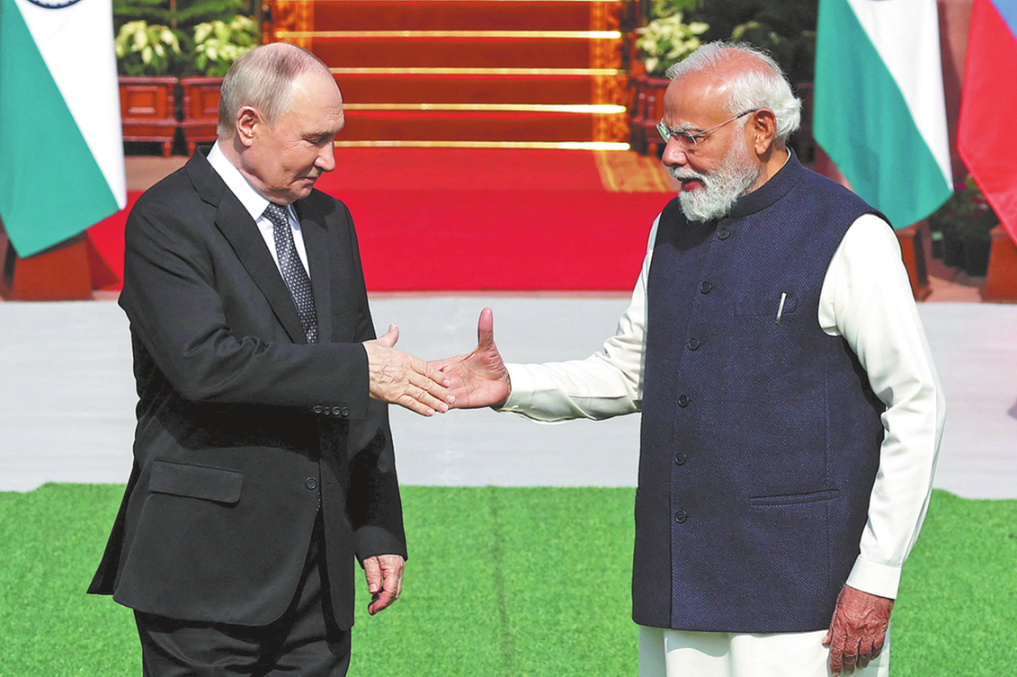
    In a significant diplomatic engagement, Russian President Vladimir Putin received a ceremonial welcome in New Delhi on Friday, marking his first visit to India in four years. The meeting between Putin and Indian Prime Minister Narendra Modi at Hyderabad House focused on critical issues including Ukraine peace initiatives, energy security, and defense cooperation.

    Prime Minister Modi explicitly stated India’s position on the Ukraine conflict, declaring: “India is not neutral—India has a position, and that position is for peace. We support every effort for peace, and we stand shoulder to shoulder with every initiative taken for peace.” President Putin acknowledged India’s mediation efforts, noting the detailed discussions about potential peaceful settlement of the crisis involving multiple partners, including the United States.

    The energy partnership formed a cornerstone of the bilateral talks, with Putin committing to “uninterrupted shipments” of fuel for India’s rapidly growing economy. “Russia is a reliable supplier of oil, gas, coal, and everything that is required for the development of India’s energy,” the Russian leader affirmed. This commitment comes despite ongoing pressure from US tariffs imposed due to India’s Russian oil purchases.

    In a pre-meeting interview with India Today, Putin challenged US criticism of India’s energy imports, questioning: “If the US has the right to buy our fuel, why shouldn’t India have the same privilege?” He highlighted that the United States continues to purchase nuclear fuel from Russia for its own power plants.

    The defense relationship, traditionally a pillar of India-Russia relations, is undergoing transformation. Both nations agreed to reorient their defense partnership toward joint research, development, and production of advanced defense platforms, aligning with India’s push for self-reliance in defense manufacturing.

    The summit yielded multiple agreements across sectors including employment, healthcare, shipping, and chemicals. Notably, Russia’s Uralchem signed a memorandum of understanding with three Indian firms to establish a joint venture for constructing a urea plant in Russia.

    Both leaders expressed commitment to expanding bilateral trade to $100 billion by 2030, addressing the current trade imbalance skewed by India’s substantial energy imports from Russia.

  • DRC, Rwanda sign peace deal, open resources to US

    DRC, Rwanda sign peace deal, open resources to US

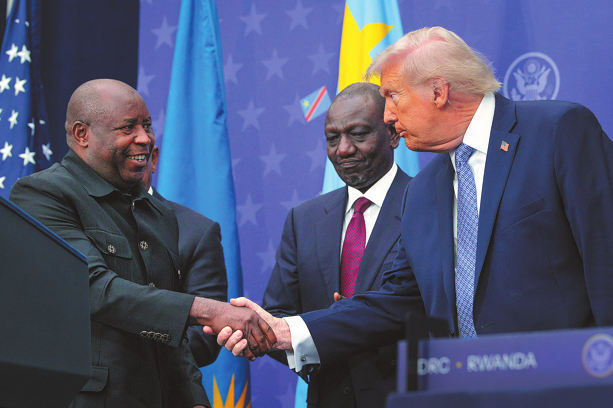
    In a high-profile diplomatic ceremony at the recently renamed Donald J. Trump Institute of Peace in Washington DC, the United States facilitated a landmark agreement between the Democratic Republic of Congo and Rwanda on Thursday. The trilateral meeting, hosted by former President Donald Trump, brought together Congolese President Felix Tshisekedi and Rwandan President Paul Kagame to sign a peace framework addressing the protracted conflict in eastern DRC.

    The agreement includes significant economic components, with both African nations granting US corporations access to their substantial mineral reserves—critical resources essential for advanced manufacturing including military aircraft and consumer electronics. “We’ll be involved with sending some of our biggest and greatest US companies over to the two countries,” Trump announced during the proceedings.

    However, the diplomatic optimism contrasted sharply with realities on the ground. Within 24 hours of the signing, combat operations resumed in eastern DRC, with both government forces and M23 rebels exchanging accusations of ceasefire violations. The region has experienced intensified conflict since late 2021, with Congo maintaining allegations of Rwandan support for the rebel group—claims consistently denied by Kigali.

    The humanitarian situation in conflict-affected areas remains dire. Goma, a strategic city of approximately two million people currently under rebel control, continues to suffer from closed infrastructure, suspended government services, and severe economic hardship. Residents report escalating crime rates and surging commodity prices, conditions exacerbated by recent reductions in US aid funding that previously supported conflict relief efforts.

    The current violence traces its origins to colonial-era ethnic divisions between Hutu and Tutsi populations, divisions that ultimately catalyzed the 1994 Rwandan genocide and subsequent regional instability. Despite the newly signed agreement, analysts remain skeptical about immediate peaceful resolution, noting that active combat continues throughout the resource-rich eastern territories.

  • Japan’s PM accused of fund scandal

    Japan’s PM accused of fund scandal

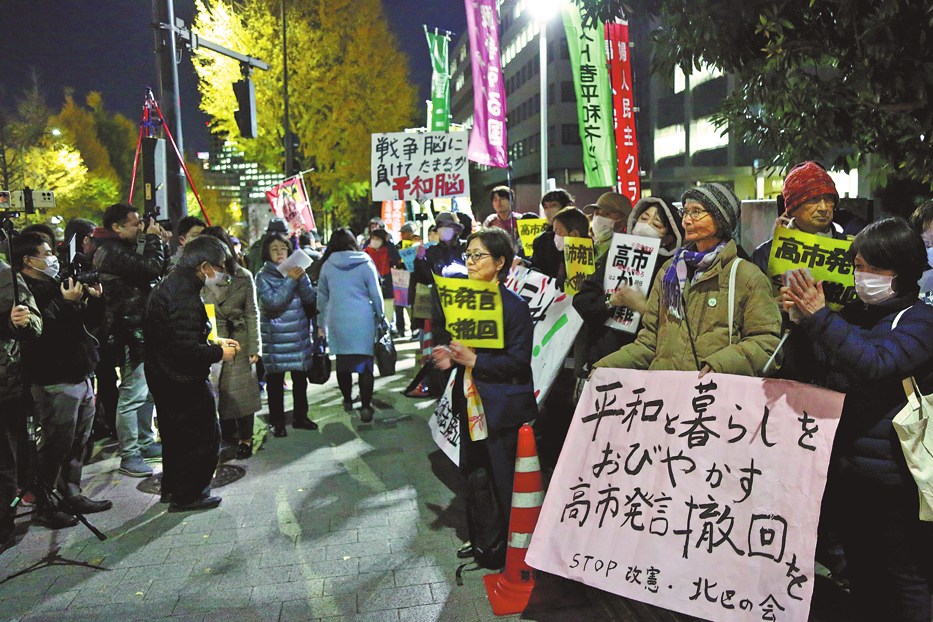
    Japanese Prime Minister Sanae Takaichi is confronting renewed political turmoil as a formal criminal complaint alleges her violation of political funding regulations. The allegations center on a 10 million yen ($64,400) donation received by Takaichi’s local Liberal Democratic Party (LDP) chapter in Nara prefecture from a corporate entity in August 2024, substantially exceeding the legal limit of 7.5 million yen for donors of that classification.

    Constitutional law professor Hiroshi Kamiwaki of Kobe Gakuin University filed the complaint on Thursday, marking another escalation in the ongoing financial scandal plaguing Japan’s ruling party. Simultaneously, Defense Minister Shinjiro Koizumi faces parallel allegations regarding his Kanagawa prefecture LDP chapter’s acceptance of a similarly excessive corporate donation.

    Both political chapters claim to have returned the disputed funds, with Takaichi’s representatives attributing the violation to a ‘misjudgment’ of the donor’s size classification according to Kyodo News. These developments occur against the backdrop of the LDP’s protracted slush fund scandal initially uncovered in 2023, where party factions allegedly instructed lawmakers to sell fundraising tickets beyond assigned quotas without proper financial reporting.

    The controversy has directly impacted Takaichi’s administration, with seven senior officials appointed since her October assumption of office already connected to the scandal. Critics argue the Prime Minister has demonstrated ambiguous commitment to substantive reform, particularly following her November 26 suggestion that reducing Diet seats might preferable to tightening corporate donation restrictions.

    Opposition leaders have expressed skepticism regarding Takaichi’s reform intentions. Komeito party leader Tetsuo Saito noted ‘uncertainty about her commitment to political reform,’ while Constitutional Democratic Party senator Kiyomi Tsujimoto characterized Takaichi’s ascent as facilitated by the resurgence of politicians previously implicated in ‘black money’ controversies.

    The Prime Minister has subsequently clarified her parliamentary remarks, emphasizing that both campaign finance system improvements and legislative seat reduction constitute equally important aspects of ‘self-reform.’ However, scrutiny extends beyond these allegations to Takaichi’s substantial campaign expenditures, which reportedly reached 83.84 million yen for publicity during the 2024 LDP presidential race—dramatically exceeding opponents’ spending levels.

    This developing situation continues to challenge the stability of Japan’s political leadership while raising fundamental questions about accountability and transparency within the nation’s campaign finance architecture.

  • China and US advance counternarcotics efforts

    China and US advance counternarcotics efforts

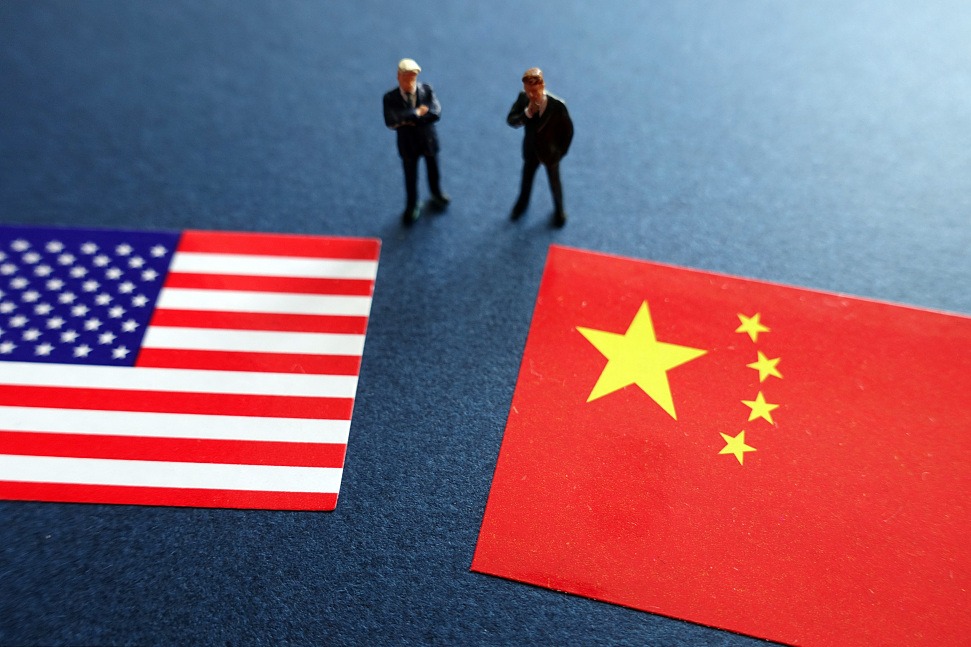
    Chinese and American narcotics control authorities have made significant strides in implementing the bilateral agreement established during the October summit between President Xi Jinping and U.S. President Donald Trump in Busan, South Korea. The Ministry of Public Security confirmed on Friday that both nations have achieved substantial progress in their joint anti-drug initiatives.

    According to official statements, the cooperation has yielded concrete operational results, with multiple joint investigations currently underway. The specialized counternarcotics teams from both countries have maintained consistent communication channels, recently conducting a video conference to assess current progress and identify priority areas for future collaborative efforts.

    A spokesperson for China’s Ministry of Public Security emphasized that Beijing remains committed to addressing global drug challenges through partnerships based on mutual respect and equal footing. This diplomatic framework established during the Busan meeting has provided the necessary foundation for enhanced operational coordination.

    The expanded cooperation represents a continuation of growing anti-narcotics collaboration between the two nations in recent years. The development coincides with China’s domestic strengthening of international verification protocols and export-control measures, as highlighted during Wednesday’s national video conference on narcotics control chaired by State Councilor Wang Xiaohong, who also heads the national anti-drug committee.

    Wang’s address called for reinforced cross-regional and international collaboration, signaling China’s comprehensive approach to combating drug trafficking through both bilateral partnerships and strengthened internal mechanisms.

  • Xi, Macron enjoy friendly exchanges

    Xi, Macron enjoy friendly exchanges

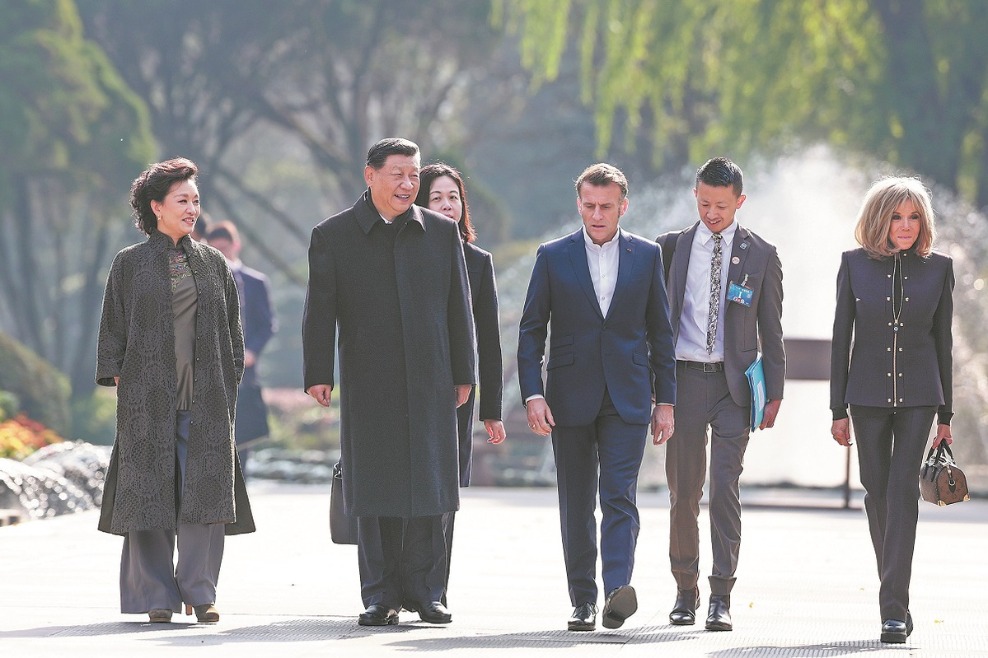
    President Xi Jinping and French President Emmanuel Macron deepened their diplomatic engagement through a symbolic meeting at the 2,000-year-old Dujiangyan irrigation system in Chengdu on Friday. This unconventional summit location, marking their second encounter during Macron’s three-day state visit, provided a profound backdrop for discussing global governance principles rooted in ancient wisdom.

    President Xi articulated how the ancient hydraulic achievement embodies China’s historical philosophy of harmonious coexistence with nature, emphasizing its continuing relevance to modern statecraft. ‘This spirit still offers insights for state governance today,’ Xi remarked, highlighting the Chinese nation’s enduring values of adaptation, perseverance and innovation.

    The two leaders recognized their nations as representing distinct civilizational traditions that share fundamental aspirations. ‘China and France, as two major nations distinguished by their histories and cultures, can make greater contributions to global peace, stability and human progress through dialogue and cooperation,’ Xi stated, particularly noting both countries’ spirit of independence stemming from profound cultural heritage.

    President Macron acknowledged the significance of cultural understanding in bilateral relations, praising Chinese diligence and wisdom while emphasizing France’s commitment to strengthening coordination with China amid global uncertainties. ‘Given the rapidly evolving international landscape full of uncertainties, France is willing to strengthen communication and coordination with China,’ Macron affirmed.

    The meeting produced substantial diplomatic outcomes, including agreements on exhibiting Sichuan’s Sanxingdui artifacts in France and joint statements addressing global governance, climate response, nuclear energy cooperation, and regional conflicts. Experts noted that choosing culturally significant locations beyond capitals expands the relationship’s breadth, particularly in people-to-people and cultural engagement, while providing leaders more time for strategic communication essential for building political mutual trust.

    This meeting continued a established pattern of unconventional summit diplomacy between the two leaders, following previous encounters in Shanghai’s Yuyuan Garden (2019) and Guangzhou’s Pine Garden (2023) during Macron’s earlier visits to China.

  • How the UAE keeps the US close while hedging against it

    How the UAE keeps the US close while hedging against it

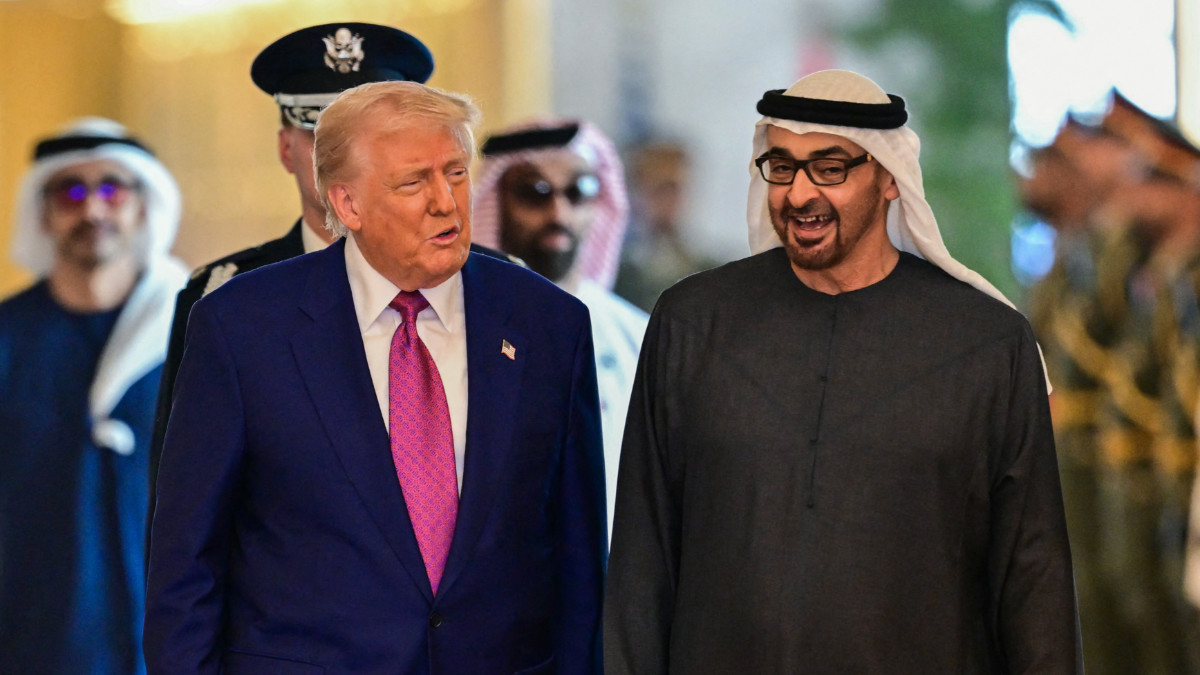
    The United Arab Emirates has perfected a delicate geopolitical balancing act, maintaining robust relations with Washington while simultaneously advancing sensitive partnerships with China—America’s primary global competitor. This strategic hedging allows Abu Dhabi to pursue independent foreign policies in conflict zones from Yemen to Sudan, often placing it at odds with other US Arab allies, yet incurring minimal diplomatic costs according to US and Arab officials.

    Recent intelligence assessments revealed the presence of China’s People’s Liberation Army personnel at a strategic military facility in Abu Dhabi. Despite subsequent suspicions among China watchers at the US embassy regarding activities at Beijing-operated Khalifa Port, the UAE has merely scaled back—not terminated—its cooperation with China.

    During the Biden administration, senior officials grew sufficiently concerned about Emirati independence to propose a comprehensive relationship review. Ultimately, the effort narrowed significantly to focus solely on Libya, avoiding examination of the more sensitive China connections.

    The UAE’s unique position became particularly evident when compared to regional neighbors. While Qatar and Saudi Arabia have sought closer military ties with Washington—both recently designated major non-NATO allies—the UAE has deliberately avoided such formal classifications. This distinction reflects Abu Dhabi’s preference for operational independence, evidenced by stringent conditions placed on US military base usage and its abandoned pursuit of F-35 fighters due to American concerns about Chinese technology transfers.

    Despite these tensions, the UAE recently received Washington’s approval for its AI firm G42 to purchase tens of thousands of advanced Nvidia chips, matching Saudi access to this critical technology.

    The shifting regional alliances have further highlighted Emirati independence. Traditional geopolitical blocs have fractured, with UAE-backed separatists in Yemen now confronting Saudi-supported forces. In Sudan, the rivalry has intensified as Saudi Arabia plans to lobby against Emirati support for the Rapid Support Forces paramilitary group.

    Analysts attribute the UAE’s diplomatic success to sophisticated statecraft and substantial financial resources. Ambassador Yousef al-Otaiba’s two-decade cultivation of Washington influence networks, combined with Abu Dhabi’s normalization with Israel, has created unusual bipartisan goodwill that provides greater diplomatic flexibility than afforded to regional counterparts.

  • Omani human rights advocate Talib al-Saedi ‘forcibly disappeared’, rights group says

    Omani human rights advocate Talib al-Saedi ‘forcibly disappeared’, rights group says

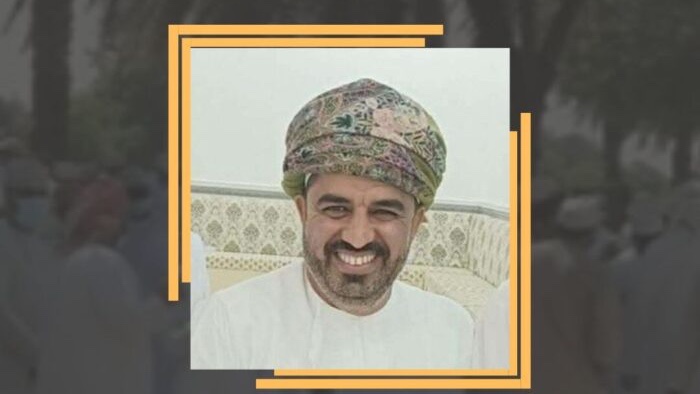
    Oman’s Internal Security Service faces serious allegations of forcibly disappearing prominent human rights defender Talib al-Saedi, according to documentation released by the Gulf Centre for Human Rights (GCHR). The organization reports that al-Saedi was summoned to the ISS Special Branch in Sohar on November 30 and has remained incommunicado since that date, with no access to legal representation or family contact.

    Al-Saedi’s recent advocacy focused on governmental accountability following the tragic carbon monoxide poisoning deaths of a six-member family in al-Amarat district, where he highlighted the absence of effective state assistance programs. His activism had previously drawn official scrutiny, resulting in two prior arrests—first in July 2014 for organizing a peaceful solidarity march with Palestine, and again in March 2015 for social media activities deemed critical of authorities.

    GCHR characterizes al-Saedi’s work as exclusively peaceful human rights advocacy and digital campaigning for political reforms. The organization demands his immediate release and guarantees of protection for all activists operating both online and offline, free from judicial harassment.

    The case emerges against Oman’s broader backdrop of constrained civil liberties, where increased state spending coexists with persistent repression. Despite gradual political openings, the country maintains stringent lese-majesty laws prohibiting criticism of Sultan Haitham bin Tariq and his administration, leading to numerous arrests of journalists and activists since 2011.

    Amnesty International has consistently documented Oman’s restrictive environment for free expression, noting ongoing prosecutions of online activists and journalists alongside persistent gender discrimination in legal frameworks and practical implementation.

  • US and Ukraine negotiators say ‘real progress’ toward peace depends on Russia

    US and Ukraine negotiators say ‘real progress’ toward peace depends on Russia

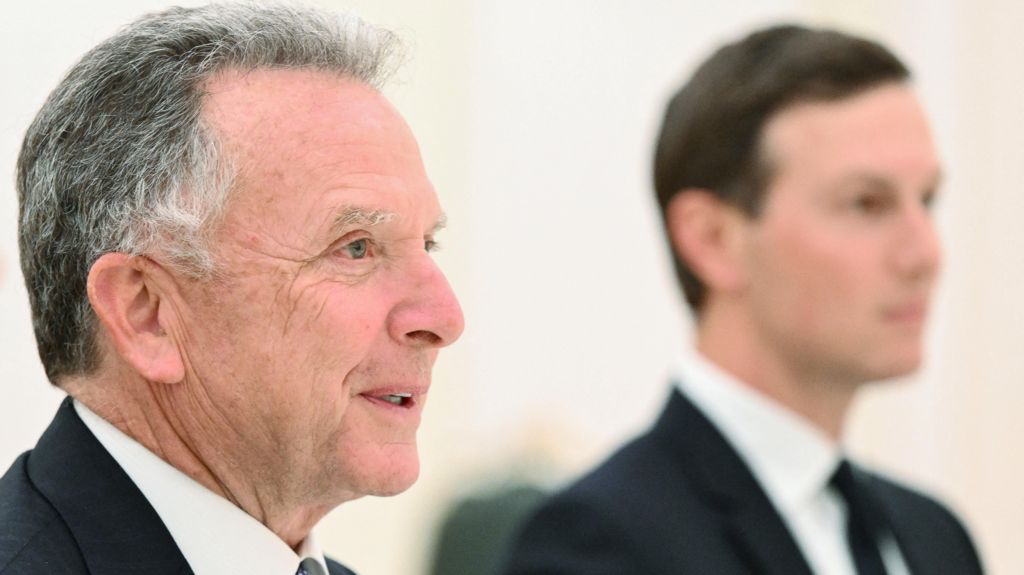
    Senior American and Ukrainian officials concluded a sixth round of high-level discussions on Friday, characterizing the dialogue as constructive while emphasizing that any sustainable peace resolution remains contingent on Russia’s genuine commitment to de-escalation. The bilateral meeting featured US Special Envoy Steve Witkoff and Jared Kushner, former senior advisor to President Donald Trump, engaging with Ukraine’s negotiation team led by National Security Secretary Rustem Umerov and Brigadier General Andriy Hnatov.

    The joint statement issued post-negotiations outlined significant progress in establishing security arrangement frameworks and deterrence mechanisms. Both delegations concurred that achieving ceasefire conditions and tension reduction are prerequisite to implementing Ukraine’s comprehensive redevelopment strategy, designed to rebuild the nation into a more prosperous state than its pre-war condition.

    Despite these advancements, the path toward resolution faces substantial hurdles. Tuesday’s five-hour Moscow negotiations between Witkoff and Russian President Vladimir Putin yielded no compromise, according to Kremlin assessments. Two primary contentious issues persist: the status of Russian-occupied Ukrainian territories and concrete security guarantees for Ukraine’s sovereignty.

    The discussions also addressed Ukraine’s post-conflict reconstruction and economic cooperation initiatives with the United States. Ukrainian representatives reiterated that any settlement must prioritize protecting national independence, ensuring citizen safety, and establishing foundations for a democratic future.

    The negotiating teams are scheduled to reconvene in Florida on Saturday for further deliberations, continuing the intensive diplomatic process that has now entered its sixth session within a fortnight.