分类: politics

  • Trump and the return of hemispheric nationalism

    Trump and the return of hemispheric nationalism

    The Trump administration’s recently unveiled National Security Strategy marks a profound transformation in American foreign policy philosophy rather than merely another periodic adjustment. This document formally institutionalizes a worldview that fundamentally challenges the core principles guiding U.S. grand strategy for the past thirty years.

    While critics of America’s perpetual interventions and post-Cold War missionary zeal might find some appealing elements—such as the explicit rejection of permanent global domination and reduced emphasis on Middle Eastern conflicts—the strategy presents concerning contradictions. It distances itself from previous administrations’ approaches while embracing what analysts describe as ‘transactional nationalism’ combined with assertive hemispheric interventionism.

    The strategy’s treatment of Europe represents an extraordinary departure from traditional diplomacy. It warns of Europe’s ‘civilizational erasure’ due to migration patterns and explicitly supports right-wing nationalist movements within allied nations—a stark contrast to previous administrations’ relationships with European partners.

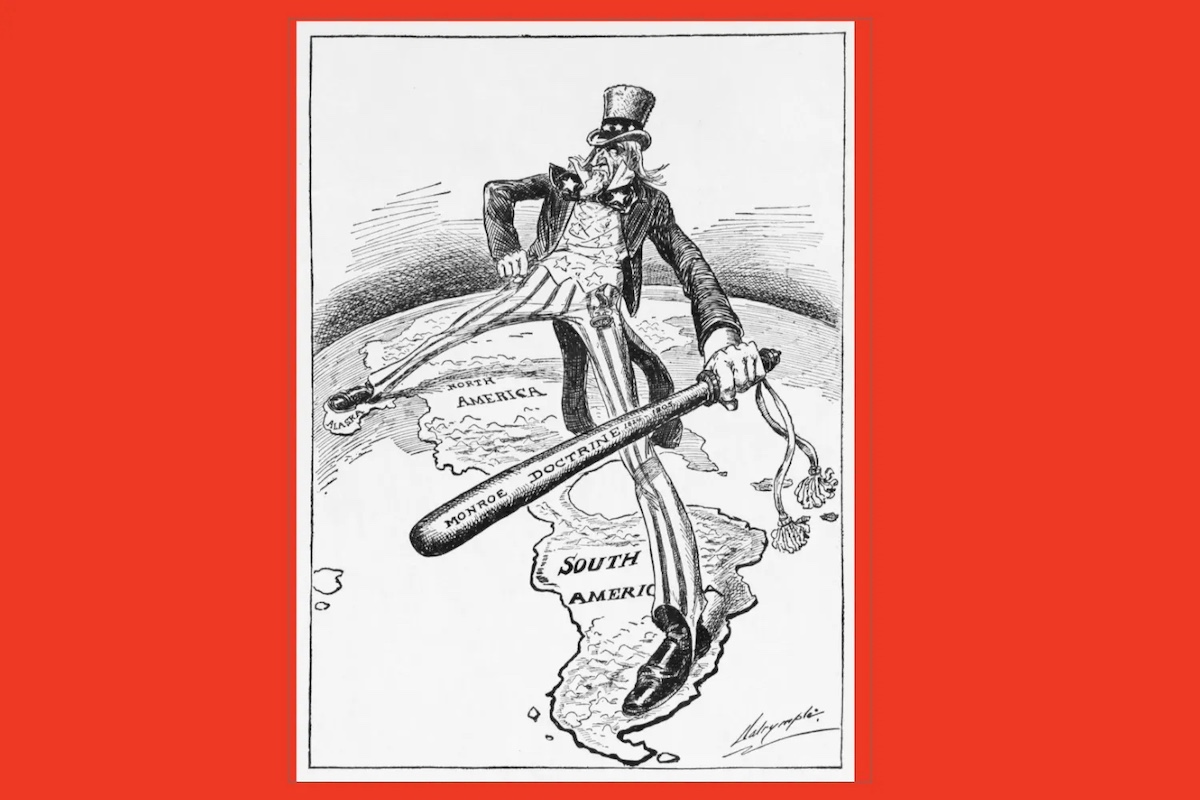
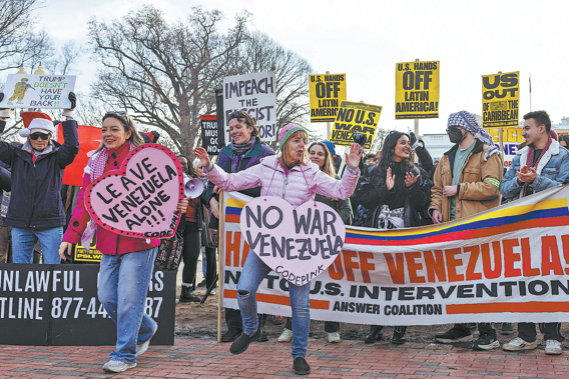
    Perhaps most revealing is the articulation of a ‘Trump Corollary’ to the Monroe Doctrine, advocating military reorientation toward the Western Hemisphere, including potential lethal operations against drug trafficking and military buildup around Venezuela. This creates a fundamental contradiction: while criticizing past interventions, the administration proposes expansive military involvement in Latin America.

    The document’s approach to China similarly breaks from recent bipartisan consensus, de-emphasizing strategic competition in favor of maintaining ‘mutually advantageous economic relationships.’ While potentially representing welcome realism, this shift appears driven more by immediate economic concerns than coherent long-term strategy.

    Analysts note the strategy’s fundamental weakness lies in its nature as a collection of grievances rather than a coherent vision. It clearly identifies what it opposes—post-Cold War consensus, European policies, immigration, and unfair trade practices—but offers limited positive framework for international order.

    The administration’s approach creates a dilemma for advocates of foreign policy restraint: while claiming to share skepticism about endless interventions, its execution contradicts non-intervention principles through military actions in the Caribbean and political interference in allied nations.

    What emerges is not strategic restraint but strategic incoherence masked by nationalist rhetoric. America requires recalibration—reduced Middle East focus, better burden-sharing with allies, and more balanced trade relationships—but not at the cost of abandoning alliances, embracing civilizational politics, or reasserting hemispheric hegemony through military force.
  • Washington’s quixotic quest for GDP supremacy over China

    Washington’s quixotic quest for GDP supremacy over China

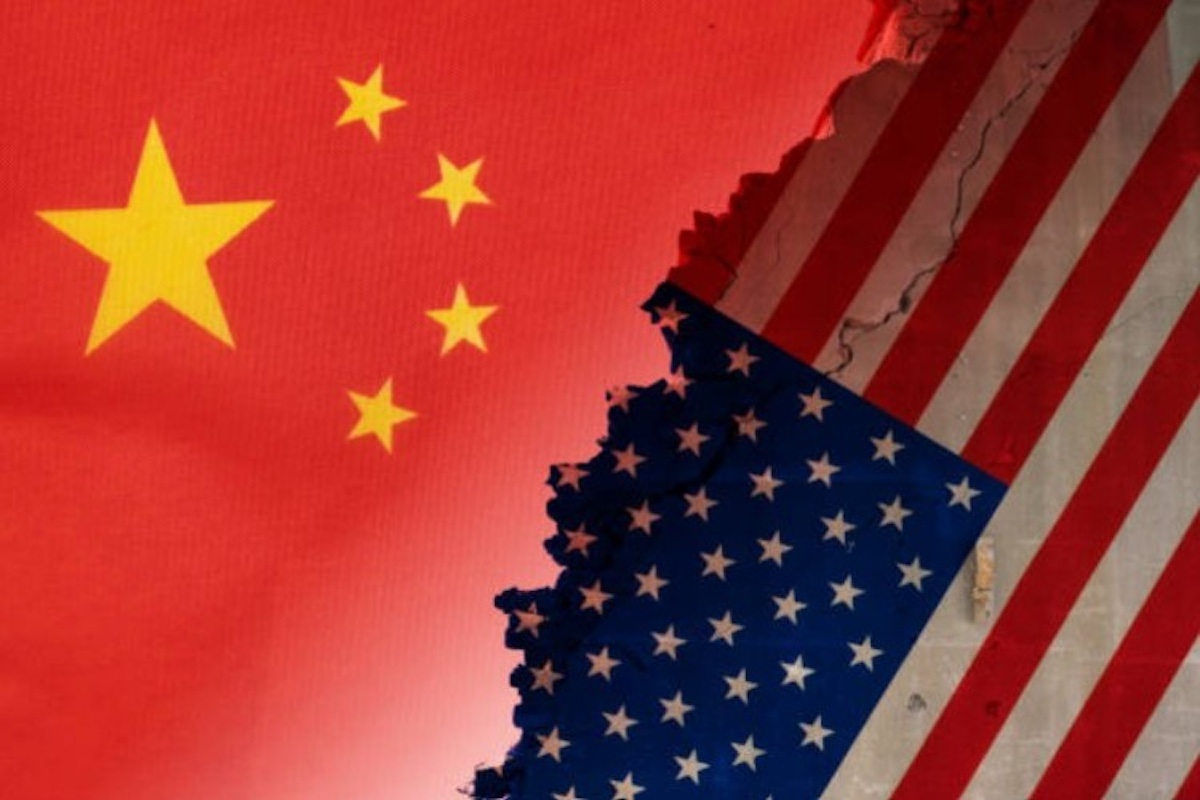
    A remarkable consensus emerges across American political leadership regarding China’s economic trajectory, despite apparent foreign policy divergences between administrations. The recently unveiled Trump administration National Defense Strategy (NDS) perpetuates a fundamental bipartisan objective: ensuring China never surpasses the United States as the world’s largest nominal economy.

    The document explicitly projects American economic expansion from $30 trillion in 2025 to $40 trillion by the 2030s, positioning the nation to maintain global economic leadership. This ambition echoes previous administration statements, notably President Biden’s 2021 declaration that China would not become the world’s wealthiest nation during his tenure.

    This persistent goal reflects Washington’s strategic calculation that nominal GDP supremacy translates directly into global influence. The United States has maintained this economic primacy since surpassing the British Empire in the early 20th century, benefiting from unparalleled industrial capacity, scientific innovation, and financial leverage.

    However, analysts identify a critical contradiction in this strategy. Given China’s demographic advantage and developmental momentum, maintaining American economic leadership cannot realistically depend solely on US growth. China’s current nominal GDP stands at approximately 62% of America’s despite having quadruple the population. Several Chinese provinces already demonstrate per capita GDP levels indicating nationwide economic potential.

    The practical implementation of this strategy has involved extensive technology controls and pressure campaigns on third countries to limit economic cooperation with Beijing. Senior officials have occasionally revealed the underlying objective, with one Biden administration cabinet member explicitly advocating collaboration with Europe to “slow down China’s rate of innovation.”

    This approach faces multiple challenges: nominal GDP represents an imperfect measure of economic power (China surpassed the US in purchasing power parity in 2014), it alienates third countries that depend on Chinese trade, and potentially provokes countermeasures from Beijing. China has already demonstrated willingness to leverage strategic resources like rare earth minerals in economic negotiations.

    Experts suggest Washington would benefit more from investing in domestic innovation rather than attempting to constrain China’s growth. Historical precedent indicates that economic leadership transitions need not produce catastrophic outcomes—the United States maintained generally productive relations with Britain after surpassing its economy.

  • Presidents of Venezuela and Turkiye discuss military deployment in Caribbean

    Presidents of Venezuela and Turkiye discuss military deployment in Caribbean

    In a significant diplomatic development, Venezuelan President Nicolas Maduro and Turkish President Recep Tayyip Erdogan held a strategic phone conversation on Saturday addressing escalating military tensions in the Caribbean region. The discussion centered on what both leaders characterized as aggressive military posturing by external powers threatening regional stability.

    Venezuelan Foreign Minister Yvan Gil disclosed that President Erdogan expressed profound concern regarding recent threats facing Venezuela, specifically referencing military deployments and actions purportedly designed to undermine peace and security in the Caribbean basin. The two leaders engaged in comprehensive dialogue about contemporary global geopolitics and international developments with implications for worldwide stability and humanity’s future.

    President Maduro condemned ongoing military maneuvers in the Caribbean as “illegal, disproportionate, unnecessary and even extravagant” acts of aggression. He reaffirmed Venezuela’s commitment to peaceful resolution despite mounting pressures. Concurrently with the diplomatic exchange, Venezuela conducted a swearing-in ceremony for 5,600 new soldiers at Fuerte Tiuna, the nation’s largest military complex in Caracas.

    The military expansion comes in response to the United States deploying a substantial naval contingent to the region, including the world’s largest aircraft carrier, under the justification of combating narcotics trafficking. Recent operations have resulted in US forces striking over 20 vessels with reported casualties exceeding 87 lives.

    Colonel Gabriel Rendon, during the military ceremony, emphatically stated: “Under no circumstances will we allow an invasion by an imperialist force.” Venezuela maintains approximately 200,000 active troops with an additional 200,000 police officers according to official statistics.

    Beyond security matters, the bilateral discussion encompassed enhanced economic cooperation. President Maduro expressed Venezuela’s determination to advance trade relations with Turkey toward a mutual goal of $3 billion in annual commerce. Both parties acknowledged the importance of reestablishing direct flight connectivity between Caracas and Istanbul to facilitate tourism and investment flows. This follows Turkish Airlines’ recent suspension of Venezuelan operations due to US Federal Aviation Administration safety advisories.

    President Maduro extended a formal invitation for President Erdogan to visit Venezuela in the upcoming year for the fifth Joint Cooperation Commission meeting, signaling continued alignment between the two nations.

  • Yangtze plan shows path forward for delta’s future

    Yangtze plan shows path forward for delta’s future

    The Chinese government has unveiled a landmark territorial spatial plan for the Yangtze River Delta region, charting an ambitious development course through 2035. Approved by the State Council, this national-level blueprint positions the economically vital region as a pioneering demonstration zone for China’s modernization efforts.

    The comprehensive plan emphasizes technological advancement and industrial innovation as core drivers for regional development. It specifically identifies the G60 Science and Technology Innovation Valley as a priority area for spatial resource allocation while calling for optimized industrial land distribution along Yangtze River and coastal zones. The strategy includes relocating traditional industries to northern Jiangsu and Anhui provinces, particularly riverside areas of Anhui, to facilitate industrial upgrading.

    According to Ruan Qing, executive deputy director of the economic and finance commission of Shanghai’s CPPCC Committee, delta cities must leverage their technological strengths during this period of resource reorganization. He emphasized the need for standardized technology-supportive policies across the region to advance high-quality development of innovation-driven industrial clusters.

    The plan designates Shanghai as the integration leader for its metropolitan area, including surrounding cities Suzhou, Wuxi, and Changzhou. Additionally, it mandates coordinated spatial planning with major regional centers Nanjing, Hangzhou, Hefei, and Ningbo to establish a world-class city cluster.

    Zhang Zhongwei, deputy director of the Shanghai Development and Reform Commission, highlighted that metropolitan agglomerations will strengthen regional commuting networks and develop specialized functional zones. He identified cross-regional coordination as essential for technological innovation, logistics improvement, green development, and economic resilience over the next five years. Zhang further noted that cross-regional legislation could enhance governance stability and institutional benefits.

    The blueprint also addresses maritime development, urging coastal areas to bolster their roles as port and shipping hubs while promoting orderly development of deep-sea space to harness marine potential. This aligns with regional economic data showing the eastern coastal marine economy, centered on the Yangtze River Delta, achieved record output exceeding 3.34 trillion yuan ($472 billion) last year, accounting for 11.9% of regional GDP.

    The plan establishes strict conservation boundaries, including bottom lines for cultivated land preservation, ecological protection red-line zones, and total water consumption management throughout the region.

  • Japan protests after Chinese fighter jets lock radar on Japanese planes

    Japan protests after Chinese fighter jets lock radar on Japanese planes

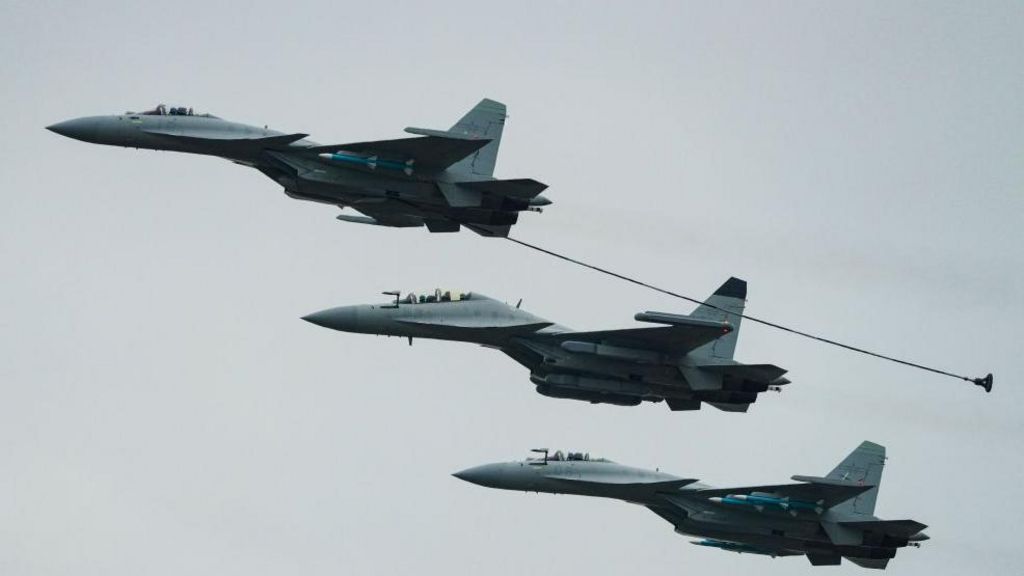
    Tensions between China and Japan have intensified following radar-locking incidents involving military aircraft over the East China Sea. Japan’s Defense Ministry reported that Chinese J-15 fighter jets activated targeting radars against Japanese aircraft on two separate occasions Saturday near the southern Okinawa islands.

    The incidents occurred at 16:32 and 18:37 local time, with the Chinese aircraft operating from the Liaoning aircraft carrier. Radar locking represents a significant military provocation as it typically precedes weapon deployment and indicates hostile intent.

    Japanese Prime Minister Sanae Takaichi characterized the incidents as ‘extremely regrettable’ during a Sunday press briefing in Ishikawa prefecture, confirming that Tokyo had lodged a formal protest with Beijing and demanded preventive measures against future occurrences.

    China’s Navy dismissed Japan’s allegations as ‘completely inconsistent with the facts,’ asserting that their operations constituted routine training exercises that had been previously announced. Chinese officials further accused Japan of ‘harassing’ their forces during these exercises.

    The military confrontation follows deteriorating diplomatic relations that began last month when Prime Minister Takaichi suggested Japan might consider military involvement should China initiate hostilities toward Taiwan. Beijing maintains its claim over the self-governed island and reserves the right to employ force for reunification.

    These developments occur amidst broader regional tensions, including conflicting coast guard accounts regarding confrontations near disputed East China Sea islands and Japan’s planned missile deployment to Yonaguni island near Taiwan—a move that has drawn strong Chinese condemnation.

    The escalating bilateral tensions have manifested in civilian spheres, with China advising citizens against travel to Japan and implementing restrictions on Japanese seafood imports and film screenings.

  • Former Australian deputy PM joins anti-immigration party One Nation

    Former Australian deputy PM joins anti-immigration party One Nation

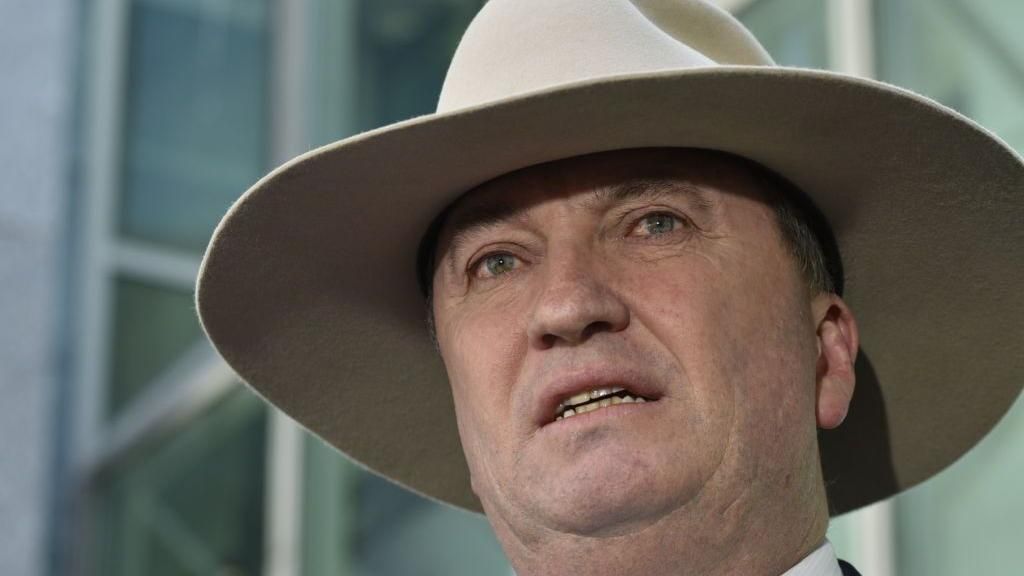
    In a significant political realignment, former Australian Deputy Prime Minister Barnaby Joyce has formally joined the anti-immigration One Nation party, marking a dramatic departure from the Nationals party he previously led. The controversial politician announced his defection during a Monday broadcast on his local Tamworth radio station, acknowledging his decision would likely “hurt” certain individuals.

    Joyce’s move concludes months of speculation about his political future and represents a substantial coup for One Nation leader Pauline Hanson, whose party has experienced growing popularity in recent polls. Hanson welcomed Joyce’s defection, emphasizing his “experience, advice and determination to get a fair go for farmers and regional Australia.” The party founder announced Joyce would represent One Nation in the lower house until the next federal election before transitioning to a Senate candidacy.

    The veteran politician justified his decision through a detailed Facebook post criticizing multiple government policies. Joyce condemned Australia’s energy platform as “eviscerated” in pursuit of “a ludicrous quest to change the weather” and argued that population growth through immigration had undermined housing affordability and natural population increase. He further articulated his cultural vision, stating that while Australia could embrace multiple faiths and races, it must unite under a singular Australian culture to navigate an increasingly uncertain world.

    Nationals leader David Littleproud expressed disappointment with Joyce’s alignment with what he characterized as a “party of protest which is never able to achieve anything other than headlines.” The criticism highlights the deepening divide between Joyce and his former colleagues in the conservative coalition.

    The defection follows a carefully orchestrated courtship between Joyce and Hanson, culminating in a steak dinner in Hanson’s parliamentary office exactly two weeks prior. Notably, this meal occurred hours after Hanson sparked controversy by wearing a burqa into Parliament as part of her longstanding campaign to ban the Muslim garment—an action condemned as “blatant racism” by colleagues and formally censured by the Senate.

    Joyce’s political career has been marked by both significant achievements and controversies. After serving as a Queensland senator from 2004-2013, he secured the New England seat in New South Wales. His tenure as Nationals leader and deputy prime minister (2016-2018) ended abruptly following public outrage over his extramarital affair with a staffer, which prompted the implementation of strict rules regarding relationships between politicians and staff.

    The politician has frequently captured international attention, most notably in 2015 when he threatened to euthanize Johnny Depp and Amber Heard’s Yorkshire Terriers after the celebrities attempted to smuggle them into Australia aboard their private jet in violation of quarantine laws.

    Hanson herself has consistently courted controversy throughout her political career. Her 2016 maiden speech to the Senate warning that Australia risked being “swamped by Muslims” echoed similar sentiments expressed in 1996 about being “swamped by Asians.”

  • Starmer to host Zelensky for Ukraine talks in London

    Starmer to host Zelensky for Ukraine talks in London

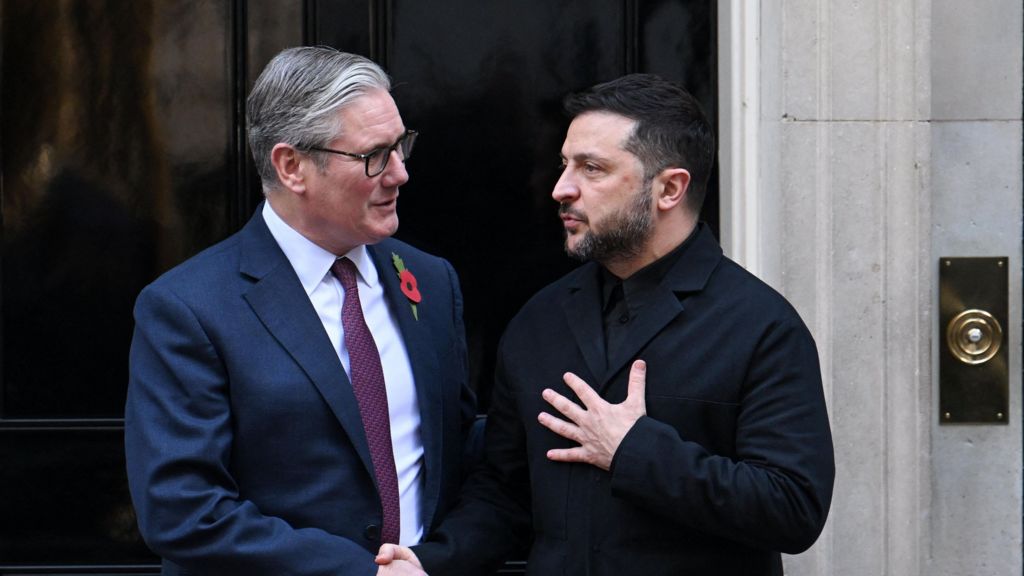
    British Prime Minister Sir Keir Starmer is convening an urgent summit with Ukrainian President Volodymyr Zelensky in London on Monday, with French President Emmanuel Macron and German Chancellor Friedrich Merz joining the high-stakes diplomatic gathering. This emergency meeting occurs as international efforts to resolve the Ukraine conflict face significant obstacles despite reported progress in US-mediated negotiations.

    Cabinet Minister Pat McFadden emphasized that ensuring Ukraine’s security and self-determination would form the central focus of discussions, characterizing the current diplomatic phase as ‘exceptionally pivotal.’ The announcement follows three days of intensive talks in Miami where US officials indicated a potential agreement might be within reach, contingent upon Russia’s cooperation.

    According to US Special Envoy for Ukraine Keith Kellogg, negotiations have encountered particular difficulties regarding two fundamental issues: the future size of Ukraine’s military forces following the conflict’s conclusion and Russia’s ongoing control of the Donbas region. ‘If we can resolve these two critical matters, the remaining components should fall into place relatively smoothly,’ Kellogg stated in an interview with Reuters, expressing cautious optimism that parties were ‘approaching a resolution.’

    The London summit represents the latest European initiative to assume a substantive role in peacemaking efforts, with Downing Street confirming the leaders would concentrate on ‘ongoing peace negotiations and subsequent measures’ without elaborating on specific details. This development occurs alongside continued military aggression, as Russia launched extensive aerial bombardments across Ukraine throughout the weekend, deploying hundreds of drones and missiles in sustained attacks.

    The diplomatic landscape has been complicated by substantial disagreements regarding proposed peace frameworks. European leaders previously objected to preliminary versions of the US-orchestrated peace plan, criticizing its perceived favorability toward Russian interests. Subsequent revisions attempted to address these concerns, though Moscow has rejected the modified proposals outright.

    Russian President Vladimir Putin maintained an uncompromising stance, threatening to seize Donbas militarily if Ukraine refuses to relinquish control of the territory, approximately 85% of which Russian forces currently occupy. This position persists despite substantial economic sanctions and significant battlefield casualties suffered by Russian military forces.

    The geopolitical dynamic further intensified with last week’s publication of the US National Security Strategy, which notably did not classify Russia as a direct threat to European security—a characterization Moscow welcomed as ‘constructive and aligned with our strategic perspective.’ As diplomatic efforts continue, European officials have emphasized the necessity of preserving transatlantic cooperation, with Polish Prime Minister Donald Tusk asserting that maintaining historic alliances represents ‘the sole rational strategy for our collective security.’

  • Netanyahu expects Gaza truce to move to second phase ‘shortly’

    Netanyahu expects Gaza truce to move to second phase ‘shortly’

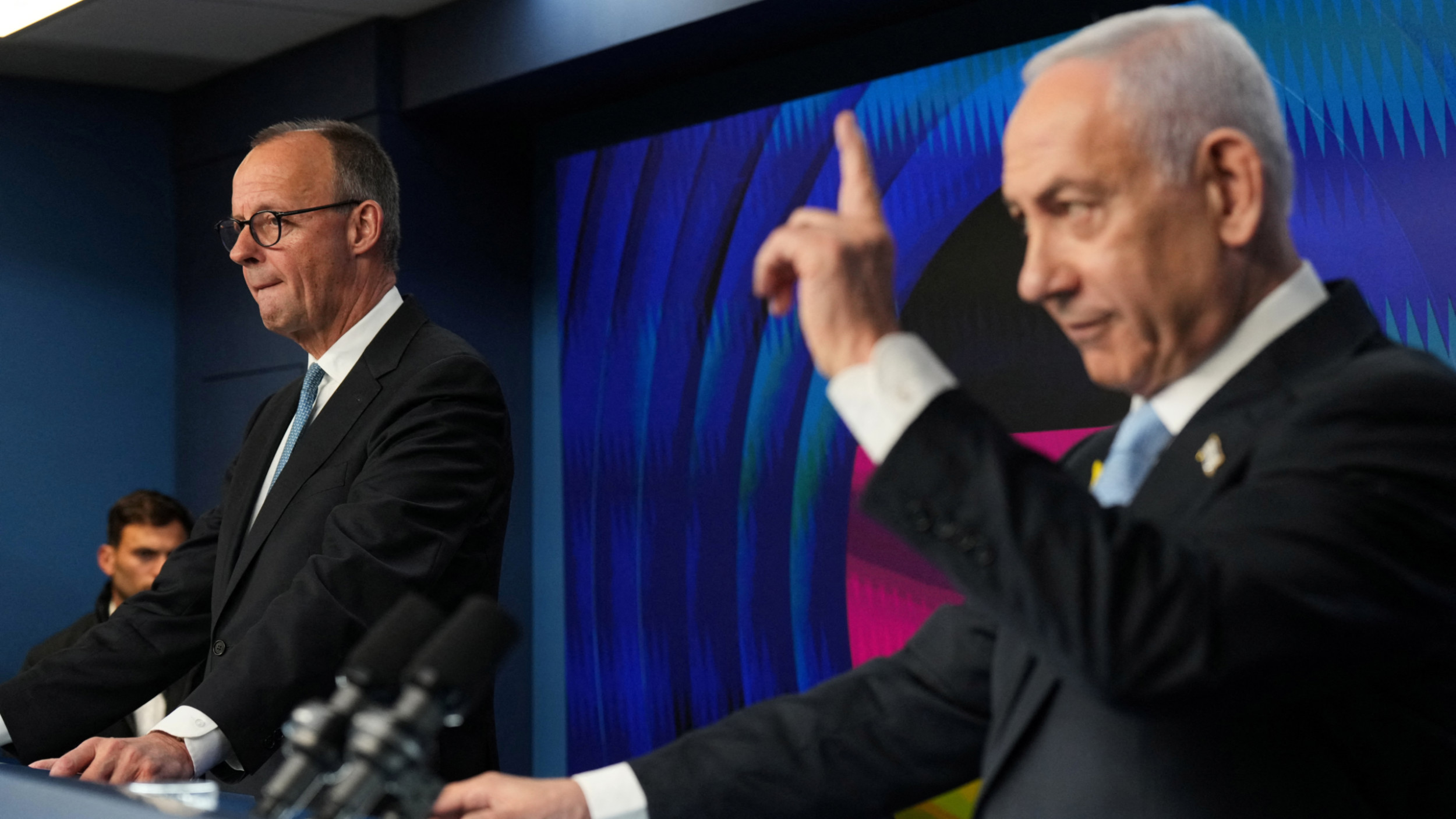
    Israeli Prime Minister Benjamin Netanyahu has indicated that the implementation of the second phase of a US-backed proposal to conclude the Gaza conflict is nearing, though critical obstacles remain unresolved. Speaking at a joint press conference in Jerusalem with German Chancellor Friedrich Merz, Netanyahu emphasized that substantial discussions with US President Donald Trump scheduled for the end of this month would be pivotal for advancing the plan’s next stage.

    The Prime Minister characterized the upcoming phase as inherently more challenging, acknowledging that while a tenuous ceasefire has reduced active combat since October 10th, persistent hostilities continue. Israeli military operations have reportedly resulted in over 373 fatalities and approximately 900 injuries due to hundreds of documented ceasefire violations.

    Central to Netanyahu’s conditions for progression is Hamas’s compliance with both the ceasefire and its stipulated commitments under the agreement, which encompass full disarmament and the demilitarization of the Gaza Strip. The initial phase, which saw Israel maintain control over 53% of Gaza territory, concluded with the exchange of 47 captives—both living and deceased—though one Israeli police officer’s remains have not been recovered.

    The envisioned second phase anticipates further Israeli military withdrawal concurrent with the establishment of a transitional governing authority in Gaza, the deployment of an international security force, and the initiation of reconstruction efforts. While a multinational coordination center has been set up in Israel, the absence of binding deadlines has resulted in stalled implementation, according to officials.

    Netanyahu also revealed that his forthcoming dialogue with President Trump would explore broader regional peace opportunities, specifically referencing US-led initiatives to normalize relations between Israel and Arab and Muslim nations. He articulated a dual-path approach: pursuing comprehensive peace with Arab states while working toward a pragmatic arrangement with Palestinian neighbors, simultaneously reaffirming Israel’s intention to retain security control over the occupied West Bank.

    The Prime Minister addressed the politically sensitive matter of West Bank annexation, confirming it remains under active consideration. This follows the Israeli parliament’s recent preliminary approval of legislation seeking to extend sovereignty to two West Bank settlements.

    When questioned about potential retirement from politics should he receive a pardon in his ongoing corruption trial, Netanyahu offered a definitive denial. Last month, his legal team formally sought presidential clemency, arguing that the judicial proceedings impair his governance capabilities and that a pardon would serve the national interest.

  • Death of Venezuelan opposition figure in custody ‘vile’, US says

    Death of Venezuelan opposition figure in custody ‘vile’, US says

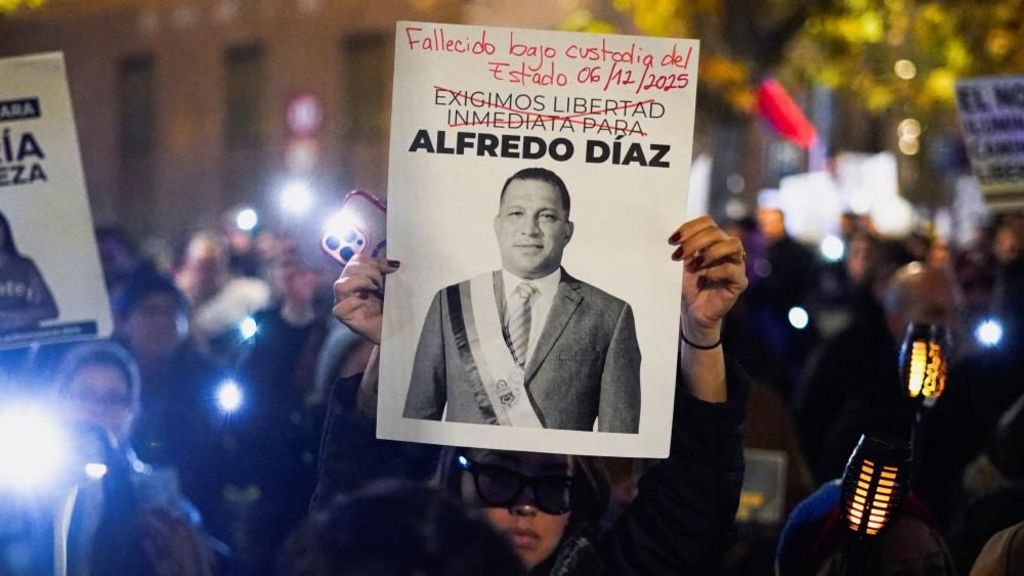
    The United States has issued a sharp condemnation of the Venezuelan government following the death of opposition figure Alfredo Díaz in state custody, characterizing the incident as emblematic of the “vile nature” of President Nicolás Maduro’s regime.

    Díaz, a 56-year-old former governor of Nueva Esparta state, died under contested circumstances while detained at El Helicoide prison in Caracas. While Venezuelan authorities attribute his death to apparent heart attack complications, human rights organizations and opposition groups maintain he perished in his prison cell after enduring more than a year of arbitrary detention under harsh conditions.

    The deceased politician was initially apprehended in 2024 alongside numerous opposition figures who challenged the legitimacy of that year’s presidential election. International observers widely dismissed the electoral process as neither free nor fair, despite Maduro’s government-controlled election council declaring victory. Díaz faced charges of “incitement to hatred” and “terrorism” for questioning the official election results.

    Alfredo Romero, president of Venezuelan human rights organization Foro Penal, revealed Díaz had been held in solitary confinement with severely restricted visitation rights—only one meeting with his daughter throughout his entire incarceration. This case marks the 17th death among political prisoners since 2014 according to human rights documentation.

    Prominent opposition leader and Nobel Peace Prize laureate María Corina Machado, currently in hiding to avoid arrest, characterized Díaz’s death as part of “an alarming and painful chain of deaths of political prisoners” within Venezuela’s post-election repression context. Her planned absence from the Nobel ceremony in Oslo underscores the ongoing political persecution.

    This incident exacerbates already heightened tensions between the Trump administration and Maduro’s government. The United States has intensified its military presence in the region while conducting lethal strikes against vessels allegedly involved in drug trafficking. President Trump has personally accused Maduro of leading regional drug cartels and threatened potential military intervention “by land.”

    Venezuela has responded with military mobilization, swearing in over 5,600 new soldiers simultaneously in what defense officials termed a response to American “threats.” Simultaneously, Maduro’s government continues diplomatic outreach, announcing resumed Turkish Airlines flights following coordination with President Recep Tayyip Erdogan—a development occurring ironically on the same day as Díaz’s death and the mass military induction.

  • Macron’s China visit strengthens ties, boosts cooperation on global issues

    Macron’s China visit strengthens ties, boosts cooperation on global issues

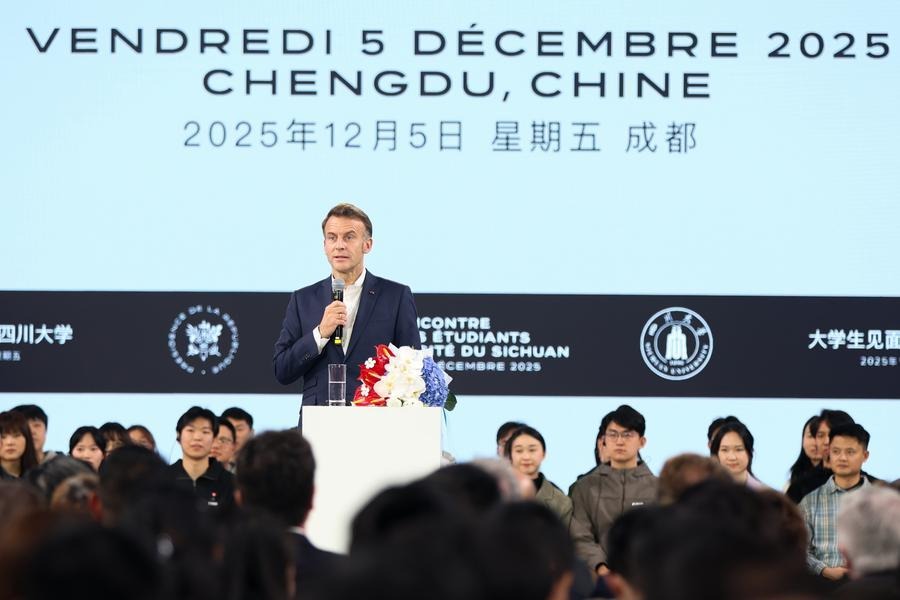
    French President Emmanuel Macron concluded his fourth official visit to China on Friday evening, departing from Chengdu where he engaged in significant diplomatic exchanges with Chinese leadership. The visit culminated in a series of joint declarations addressing critical global challenges and reinforcing the strategic partnership between the two nations.

    In Dujiangyan, President Xi Jinping and Macron held cordial discussions focusing on mutual cooperation frameworks. The French leader’s engagement at Sichuan University highlighted the importance of international collaboration in addressing contemporary global issues. Their Beijing talks earlier produced consensus on enhancing political trust, expanding practical cooperation, and advancing global governance reforms.

    The bilateral meetings yielded five joint statements covering strengthened global governance, collaborative response to climate and environmental challenges, continued nuclear energy cooperation, agricultural exchanges, and positions on Ukraine and Palestine. International experts recognize this diplomatic achievement as a substantial advancement in China-France relations, demonstrating both nations’ dedication to multilateralism and a multipolar world order.

    Analysts worldwide emphasize the visit’s significance in promoting stability amid current geopolitical tensions. Waref Kumayha of Lebanon’s Silk Road Institute for Studies and Research noted the partnership demonstrates a balanced, responsible approach to international relations. French trade credit insurance executive Chris Murphy highlighted how the reinforced dialogue tradition provides crucial certainty during global uncertainties.

    Ivorian journalist Mohamadi Compaore observed that the high-level exchanges illustrate how strategic communication can overcome differences and build mutual trust, characterizing the Sino-French partnership as a stabilizing force in today’s volatile international landscape. Indonesian researcher Veronika Saraswati emphasized that cooperation between these influential nations injects much-needed predictability into global affairs.

    The visit also carries substantial implications for international systems reform. French academic Herve Azoulay noted the convergence reflects a shared vision for more balanced globalization, not opposing other nations but stabilizing the international system through innovation and mutual respect. Paris councillor Daniel Tran highlighted both countries’ unique position to shape global outcomes through their UN Security Council roles.

    Economic dimensions featured prominently, with business leaders noting the visit boosts commercial confidence through signed contracts and promoted industrial projects. Coface regional economist Junyu Tan emphasized how economic complementarity creates meaningful opportunities, with French companies accessing China’s vast market while Chinese firms gain European technological expertise.

    French sinologist Sonia Bressler captured the essential spirit of the partnership: ‘When two countries complement one another, they do not merely add, they amplify.’ This visit demonstrates how major nations can fulfill responsibilities that serve humanity’s broader interests through cooperative engagement.