分类: politics

  • Another Trump Jr.-backed company receives massive Pentagon deal

    Another Trump Jr.-backed company receives massive Pentagon deal

    A second defense contract awarded to a company with ties to Donald Trump Jr. has sparked ethical concerns regarding defense procurement processes during the Trump administration. Vulcan Elements, a small startup specializing in rare-earth magnets for military equipment, has secured a $620 million Pentagon loan as part of a $1.4 billion initiative to boost magnet production for defense applications.

    The Financial Times reports that Vulcan Elements, employing just 30 staff, received funding through 1789 Capital—a venture firm established by pro-Trump donors in 2023 that brought Trump Jr. aboard as partner last year. This development follows a previous contract awarded to Unusual Machines, a drone manufacturer in which Trump Jr. holds a $4 million stake, that secured a U.S. Army contract to produce 3,500 drone motors with plans for an additional 20,000 components next year.

    According to analysis, at least four companies within 1789 Capital’s portfolio have obtained contracts totaling over $735 million from the Trump administration this year. Both Vulcan CEO John Maslin and Unusual Machines CEO Allan Evans have stated that Trump Jr. played no direct role in securing these government contracts.

    However, ethical questions have emerged following Trump Jr.’s September podcast comments about screening Pentagon candidates based on their willingness to increase drone expenditures. Kedric Payne, general counsel at the Campaign Legal Center, noted that these transactions create apparent conflicts of interest, stating that presidents should avoid even the appearance of using office to benefit family members financially.

    The pattern of contracts awarded to companies connected to the president’s son has raised concerns about procurement transparency and the potential blurring of lines between political connections and defense contracting decisions.

  • Israel conducting surveillance of US and allies at southern command centre: Report

    Israel conducting surveillance of US and allies at southern command centre: Report

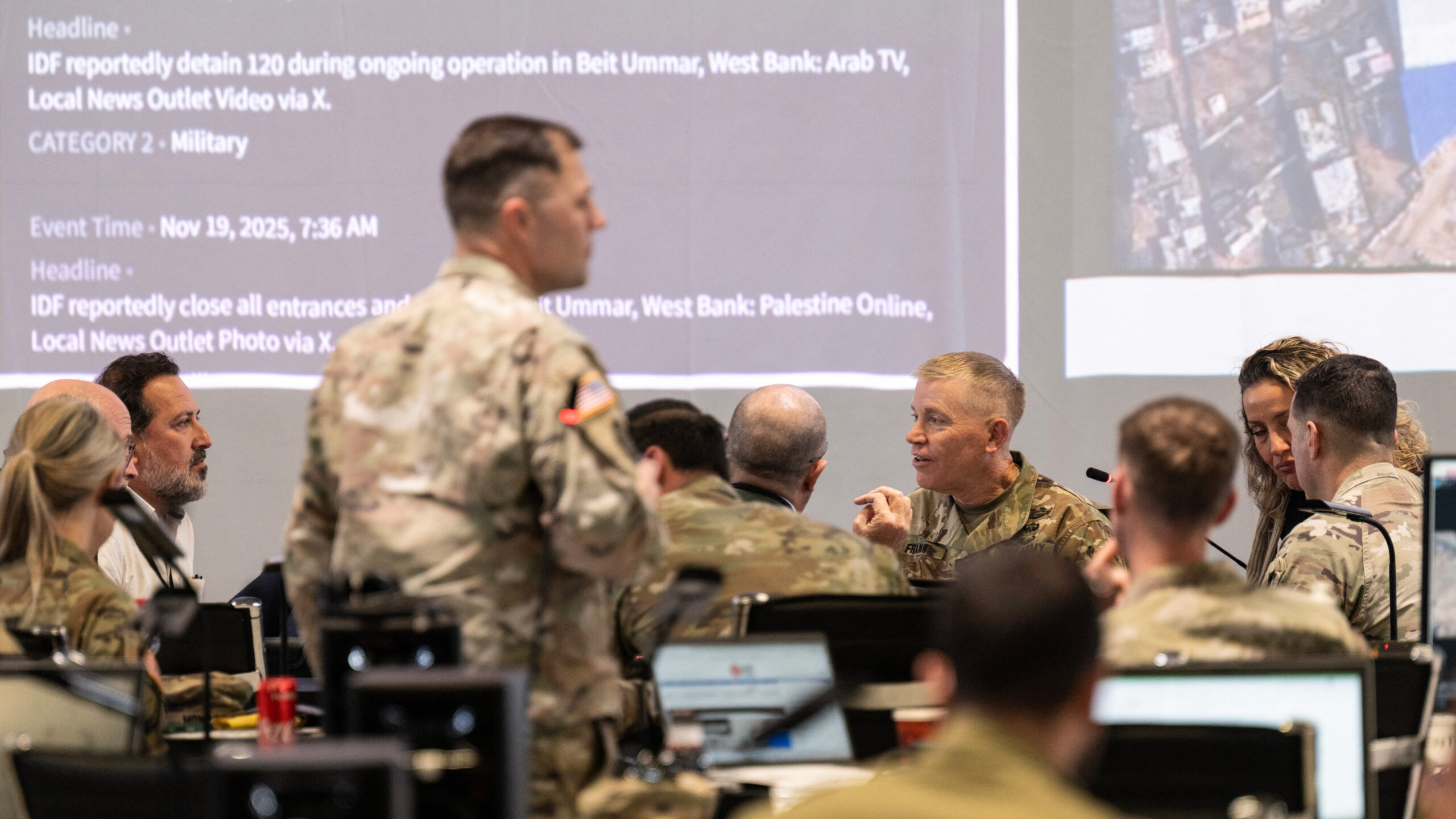
    A significant diplomatic friction has emerged between the United States and Israel following revelations of extensive Israeli surveillance operations at a US-led coordination center in southern Israel. According to a report by The Guardian, both American forces and international allies have raised serious concerns about Israel’s intelligence-gathering activities at the Civil-Military Coordination Centre (CMCC) in Kiryat Gat, located merely 12 miles from the Gaza frontier.

    The situation escalated to the point where US Army Lieutenant General Patrick Frank, commander of the CMCC, formally summoned his Israeli counterpart to demand an immediate cessation of all recording activities within the facility. The Israeli military has been conducting both overt and covert surveillance of meetings and discussions at the center, which was established on October 17 as the primary coordination hub for Gaza aid efforts.

    While the Israeli military dismissed allegations of intelligence gathering on partners as ‘absurd’ and claimed documentation occurred through ‘transparent and agreed-upon manner,’ multiple sources confirmed that staff and visitors from various countries have been advised to avoid sharing sensitive information due to recording and potential leakage concerns.

    The CMCC, operating from the former site of the controversial Gaza Humanitarian Fund, serves as an operations room for monitoring ceasefire implementation and assessing real-time developments in Gaza. Despite deploying natural disaster logistics experts to enhance aid flow, their efforts have been significantly hampered by Israeli restrictions on humanitarian access to the war-torn territory.

    Diplomatic sources note that discussions at the CMCC have nevertheless produced some positive outcomes, including Israel’s relaxation of restrictions on previously barred items such as tent poles, water purification chemicals, and educational materials. The center hosts military planners from the UK and UAE alongside diplomats and humanitarian workers posted to Israel and occupied territories.

    However, the exclusion of Palestinians from CMCC deliberations has raised additional concerns among diplomats and aid workers. Palestinian representatives from civilian organizations and the Palestinian Authority have been systematically excluded from planning discussions, with attempts at video participation reportedly terminated by Israeli officials. Critics argue this exclusionary approach, combined with the blending of military and humanitarian operations, may violate international law and lacks proper international mandate.

  • Iran confirms it is receiving second deportation flight from US

    Iran confirms it is receiving second deportation flight from US

    Iran has confirmed the arrival of a second US deportation flight carrying approximately 50-55 Iranian nationals, continuing a controversial immigration enforcement pattern initiated under the Trump administration. Foreign Ministry spokesperson Esmaeil Baghaei stated that these individuals were being returned for alleged violations of U.S. immigration laws, though he simultaneously criticized what he characterized as racially motivated actions against Middle Eastern nationals in America.

    The National Iranian American Council (NIAC) has vigorously opposed these deportations, citing grave concerns about the treatment of detainees and potential retaliation by Iranian authorities against returnees. The advocacy group reported disturbing accounts from Immigration and Customs Enforcement (ICE) custody, including allegations of physical assault against one detainee and threats of forced sedation to ensure compliance with removal procedures.

    ICE maintains strict operational secrecy regarding deportation flights, refusing to confirm or deny specific operations. However, the agency acknowledged that removal flights occur daily under the current administration’s policies. This lack of transparency has drawn sharp criticism from immigrant rights organizations and lawmakers alike.

    The situation reveals broader patterns in U.S. immigration enforcement. While some detainees can secure release through bond or accept voluntary deportation, others face prolonged detention—sometimes lasting years—before being deported to third countries they have never visited. Notably, enforcement actions have extended beyond undocumented immigrants to include legal residents with minor infractions, such as bounced checks or marijuana possession in states where it is decriminalized.

    Arizona Congresswoman Yassamin Ansari, the state’s first Iranian American elected official, has condemned what she describes as arbitrary quota-driven arrests targeting Iranian communities. She rejected as absurd any implication that Iranian Americans pose particular security risks.

    The context of U.S.-Iran relations appears to influence enforcement patterns. Following the June conflict between Israel and Iran and subsequent U.S. strikes on Iranian nuclear facilities, ICE detained approximately 130 Iranian nationals. While the intensity of targeting may have fluctuated, concerns persist about potential political motivations behind certain arrests, including speculation about possible prisoner exchange preparations.

    The case of Professor Vahid Abedini exemplifies the arbitrariness of the system. Despite holding a valid work visa, Abedini was detained at Oklahoma City airport for three days before being released without explanation. His experience suggests that outcomes often depend on external factors like media attention and political connections rather than consistent legal procedures.

    In response to these developments, NIAC has initiated legal action against ICE under the Freedom of Information Act, seeking transparency regarding the number of Iranians in custody, detention conditions, deportation procedures, and communications between ICE leadership and political authorities regarding removal decisions.

  • Qatar, US and Israel hold meeting in New York: Report

    Qatar, US and Israel hold meeting in New York: Report

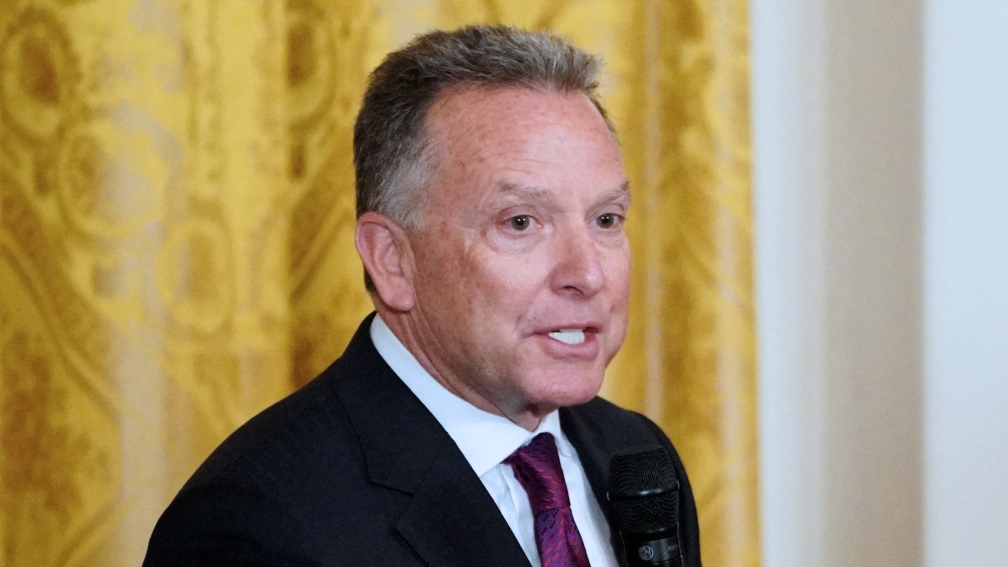
    In a significant diplomatic development, the United States facilitated a high-level meeting between Israeli and Qatari officials in New York on Sunday, marking the first such engagement since Israel’s controversial airstrikes on Doha in September. The session was orchestrated by US Middle East envoy Steve Witkoff, who convened discussions with David Barnea, head of Israel’s Mossad intelligence agency, and a senior Qatari representative.

    The dialogue occurs amid preparations for the second phase of Gaza peace negotiations and represents a crucial attempt to mend fractured relations between the nations. According to sources familiar with the matter, Israel intended to address multiple concerns beyond the immediate diplomatic rift, including Qatar’s Al Jazeera network coverage, which Israel perceives as hostile, Doha’s alleged support for the Muslim Brotherhood, and its backing of pro-Palestine movements on academic campuses.

    Qatar had previously served as a principal mediator in ceasefire talks between Israel and Hamas until September 9th, when Israeli forces conducted unauthorized airstrikes on Qatari territory. The attack targeted a building where Hamas leaders were evaluating peace proposals, resulting in six fatalities, including one Qatari citizen. Doha maintains that Washington provided only ten minutes’ advance notice following the strikes, not beforehand.

    The incident prompted a personal apology from Israeli Prime Minister Benjamin Netanyahu to Qatari Prime Minister Mohammed bin Abdulrahman al-Thani, arranged during a White House visit on September 29th by former President Donald Trump. The Trump administration subsequently finalized a security guarantee agreement with Qatar to address sovereignty concerns.

    Despite Qatar’s return to mediation efforts, tensions persist. At Saturday’s Doha Forum conference, al-Thani emphasized that current negotiations cannot yet be classified as a ceasefire, insisting that any genuine truce requires complete Israeli withdrawal from Gaza and restored stability for its inhabitants. Meanwhile, Israel continues to occupy 56% of the Gaza Strip, with over 71,000 Palestinian casualties recognized by the United Nations and human rights organizations as meeting criteria for genocide.

  • Exclusive: UK parliament accused of confiscating pro-Palestine material

    Exclusive: UK parliament accused of confiscating pro-Palestine material

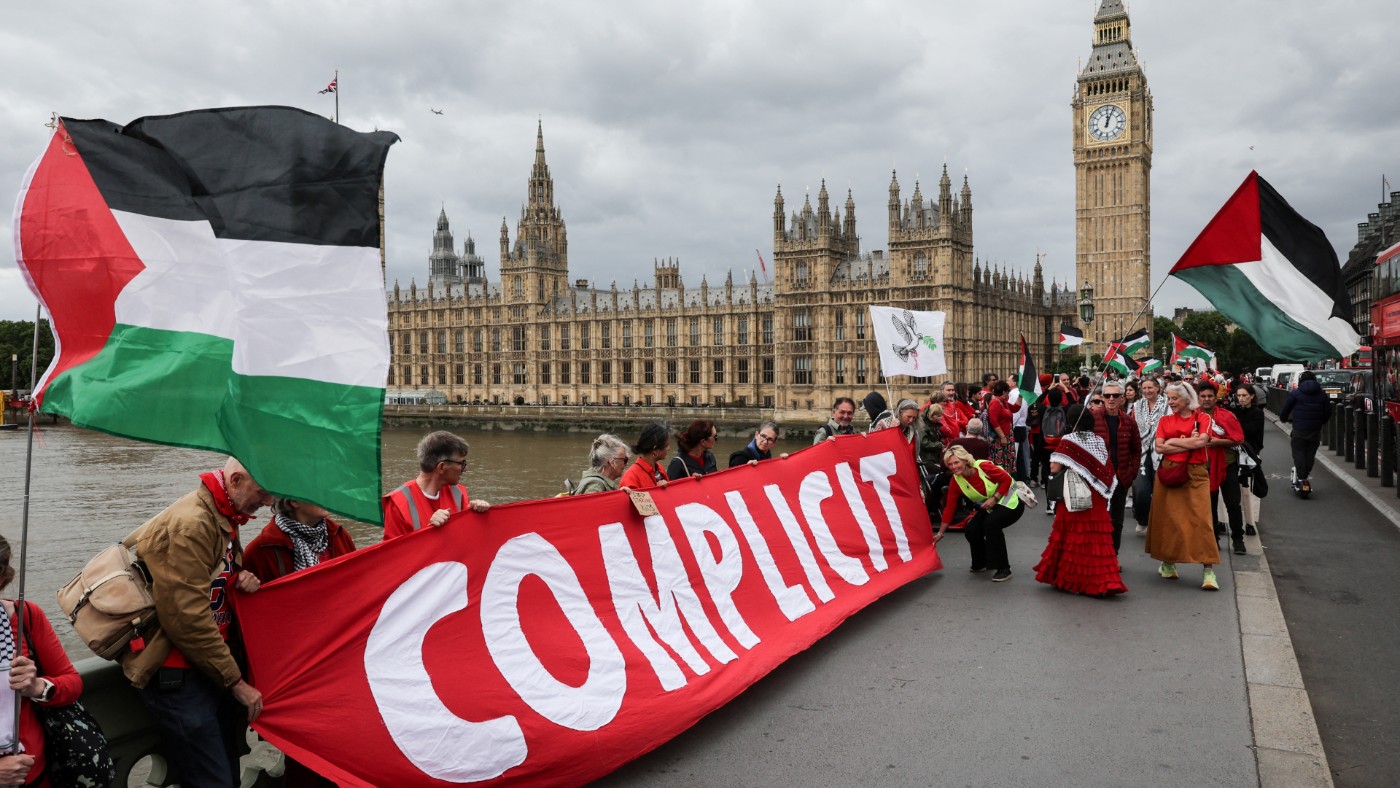
    Security protocols at the British Parliament are facing allegations of systemic discrimination after multiple incidents involving the confiscation of pro-Palestinian materials from visitors and organizations. The controversy emerged when John Kelly, Secretary of the Liberal Democrat Friends of Palestine (LDFP), had his organizational badge confiscated at the Cromwell Green entrance to the House of Commons on November 24th. Parliamentary security staff reportedly informed Kelly that displaying references to Palestine was prohibited under instructions from the Serjeant at Arms, while explicitly stating that references to Israel would be permitted as ‘not controversial.’

    In a separate incident, human rights organization Amnesty International UK reported that parliamentary security confiscated documents detailing Israel’s military operations in Gaza ahead of a scheduled parliamentary reception on December 3rd. The materials, which included calls to ‘end Israeli apartheid’ and ‘ban Israeli settlement goods,’ were deemed ‘too political’ and ‘controversial’ by security personnel.

    The International Centre of Justice for Palestinians (ICJP) has formally challenged these actions through correspondence with Alison Giles, Director of Security at the UK Parliament. The ICJP contends that these confiscations represent direct discrimination under the Equality Act 2010, particularly noteworthy given Britain’s formal recognition of Palestine as a state in September 2025.

    In her response dated December 1st, Giles denied the existence of any specific policy prohibiting references to Palestine. She characterized the badge confiscation as a misunderstanding, explaining that security staff had mistaken the organizational badge for ‘a general campaigning message’ rather than recognizing it as the official name of a Liberal Democrat-affiliated organization. Giles maintained that staff were applying existing rules in good faith but acknowledged that clearer communication could have prevented the misunderstanding.

    Prominent figures including Baroness Meral Hussein-Ece, a Liberal Democrat peer and honorary president of LDFP, have condemned these incidents as evidence of ‘a disturbing pattern of discrimination.’ The ICJP has called for immediate clarification regarding what it describes as ‘anti-Palestine security measures’ that effectively silence dissenting perspectives within the very institution whose name derives from the concept of speaking freely.

  • Kuwait strips citizenship from influential Islamic scholar

    Kuwait strips citizenship from influential Islamic scholar

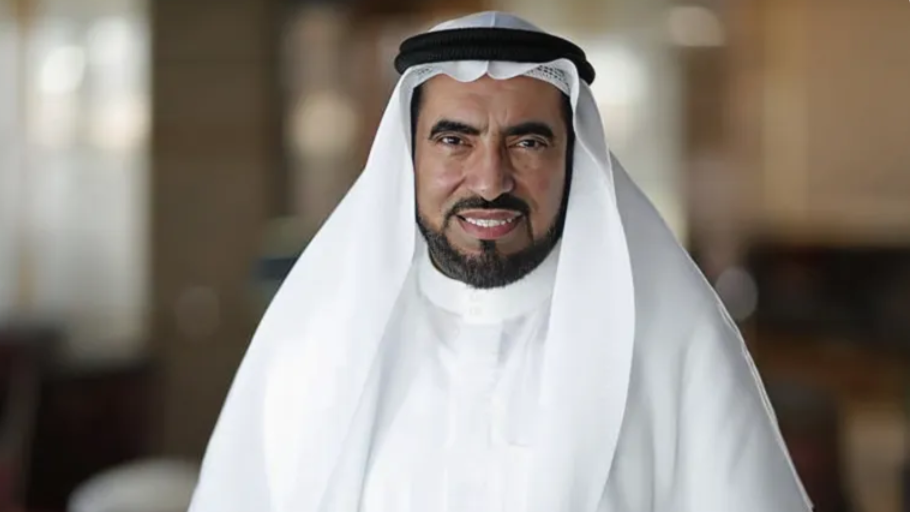
    Kuwaiti authorities have formally revoked the citizenship of 24 individuals through an official decree published in the nation’s gazette, including prominent Islamic scholar Tareq al-Suwaidan. The legal notice specified the withdrawal of citizenship from “Tareq Mohammed Saleh al-Suwaidan and those who have acquired it with him in a subordinate manner,” without citing specific legislative grounds for the action.

    Al-Suwaidan represents one of the region’s most influential Islamic voices, having authored numerous books and secured placement among the world’s 500 most influential Muslims for three consecutive years (2022-2024). Beyond his religious scholarship, he serves as CEO of the Gulf Innovation Group and maintains a career as a television personality.

    This development occurs within a broader pattern of citizenship revocation that has intensified since Sheikh Mishal Al Ahmad Al Jaber Al Sabah ascended to power in December 2023 following the previous emir’s death. The new ruler has suspended Kuwait’s parliament—a relatively unique democratic institution among Gulf monarchies—and multiple constitutional articles, citing the need to review the “democratic process” until potentially 2028.

    Human rights organizations and opposition figures allege the government systematically weaponizes citizenship-stripping to suppress criticism and dissent. The campaign has affected tens of thousands of Kuwaitis, particularly targeting women who obtained citizenship through marriage but subsequently experienced widowhood or divorce.

    Last month witnessed similar actions against former MP Mohammed Hussein al-Muhan and his relatives, with authorities invoking Article 21 of Kuwait’s nationality law permitting revocation for cases involving “fraud, false statements, or incorrect documents.”

    International rights groups condemn these practices as violations of international law, noting that Kuwait’s prohibition of dual citizenship renders victims stateless, effectively severing their access to essential services. According to Tiana Danielle Xavier of the Institute on Statelessness and Inclusion, nationality functions as a “gateway” right that enables access to education, healthcare, employment, and other fundamental liberties—deprivation of which creates intergenerational consequences.

  • China’s top political advisor meets delegation of A Just Russia party

    China’s top political advisor meets delegation of A Just Russia party

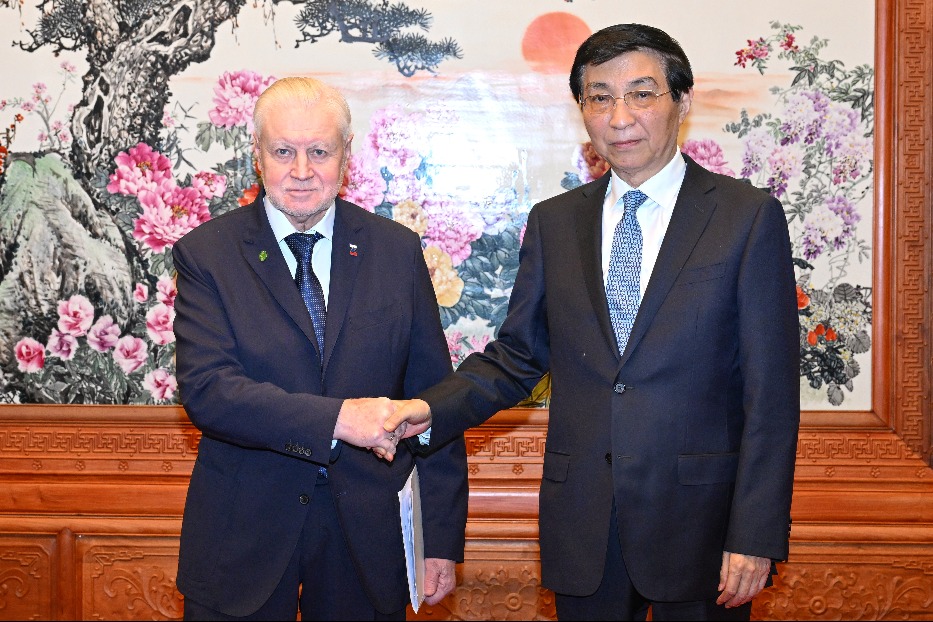
    In a significant diplomatic engagement, China’s senior political leader Wang Huning convened with a delegation from Russia’s A Just Russia party in Beijing on Monday. The meeting, led by the party’s head Sergey Mironov, underscored the deepening bilateral relations between the two nations amid evolving global dynamics.

    Wang, who serves on the Standing Committee of the Political Bureau of the Communist Party of China Central Committee and chairs the National Committee of the Chinese People’s Political Consultative Conference, emphasized the resilience of China-Russia relations. He noted that the strategic partnership has demonstrated remarkable stability despite fluctuating international conditions, establishing a paradigm for major power diplomacy.

    The Chinese official highlighted the commitment to implement crucial agreements reached by both countries’ heads of state, expand practical cooperation across multiple sectors, and maintain close coordination on pressing international matters. Wang further articulated China’s willingness to enhance inter-party exchanges with Russian political organizations, fostering new advancements in the comprehensive strategic partnership.

    From the Russian perspective, Mironov acknowledged the vigorous interactions between governmental and parliamentary bodies of both nations. He pointed to substantial momentum in economic, trade, and investment collaboration, characterizing these developments as meaningful contributions to global peace and development. The Just Russia party leader expressed eagerness to intensify coordination with the CPC, thereby injecting fresh vitality into the cooperative framework and mutual friendship.

    The CPPCC National Committee reaffirmed its readiness to actively support these bilateral efforts, positioning itself as a constructive mechanism in the strengthening of Sino-Russian relations.

  • Pooled efforts expected to deepen reforms in Hong Kong with new legislature elected

    Pooled efforts expected to deepen reforms in Hong Kong with new legislature elected

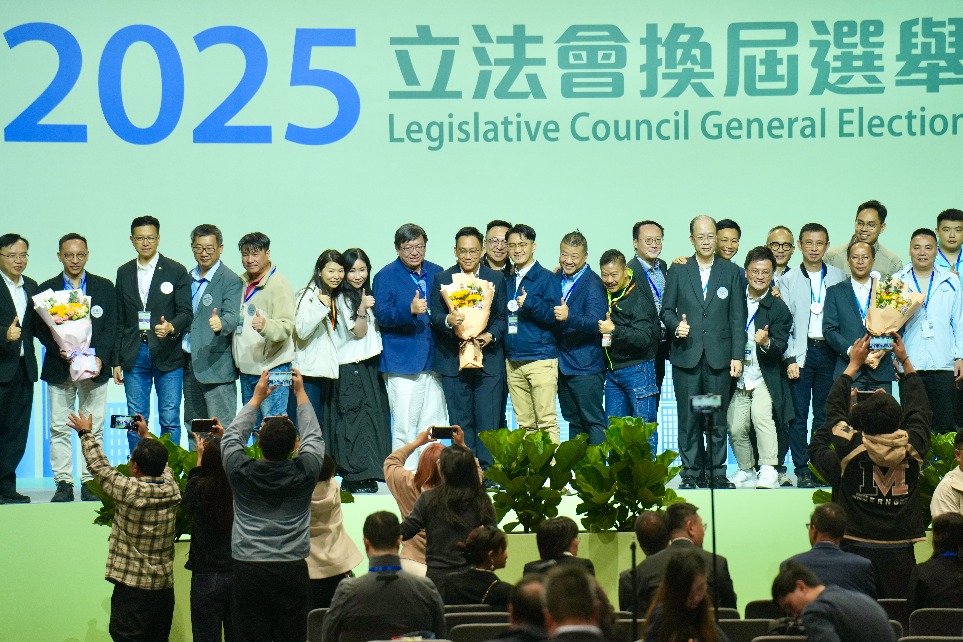
    Hong Kong has successfully concluded elections for its eighth-term Legislative Council (LegCo), with all 90 seats officially confirmed in the early hours of Monday, December 8, 2025. This electoral process marks the second legislative election conducted under the reinforced “patriots administering Hong Kong” principle and the territory’s revamped electoral framework.

    The polling occurred amidst challenging circumstances, following closely after the devastating Tai Po residential complex fire that claimed numerous lives less than two weeks prior. Despite this tragedy, the electoral proceedings advanced without disruption, demonstrating Hong Kong’s institutional resilience.

    Chief Executive John Lee characterized the election’s successful execution as a testament to Hong Kong’s steadfast commitment to constitutional order and legal governance. He highlighted the campaign’s notably elevated standards, with candidates participating in 39 public forums that fostered substantive policy discussions rather than partisan conflicts.

    “The newly elected legislators will collaborate closely with our administration to deepen structural reforms and shape our collective future,” Lee stated. He specifically emphasized the legislature’s crucial role in addressing post-fire recovery needs through legislative updates and systemic improvements aimed at enhancing urban safety.

    Reelected legislator Tang Fei shared insights from his grassroots campaign, noting: “My engagements with educational professionals revealed tremendous dedication. I am committed to amplifying their voices and driving meaningful improvements in our education system.

    China’s Liaison Office in Hong Kong applauded the electoral outcome, describing it as validation of the “one country, two systems” framework’s effectiveness and the superior nature of the updated electoral mechanisms. The office emphasized the election’s significance for Hong Kong’s governance optimization and sustained prosperity.

    Simultaneously, the Office for Safeguarding National Security addressed external interference attempts, noting that certain foreign elements and anti-China factions had sought to exploit the Tai Po tragedy for destabilization purposes. The office unequivocally stated that such efforts had proven futile against Hong Kong’s electoral integrity.

    Both central government offices reaffirmed their unwavering support for Hong Kong’s lawful governance and continued development, underscoring their commitment to the region’s long-term stability and security.

  • Alina Habba resigns after court disqualified her from being New Jersey’s top prosecutor

    Alina Habba resigns after court disqualified her from being New Jersey’s top prosecutor

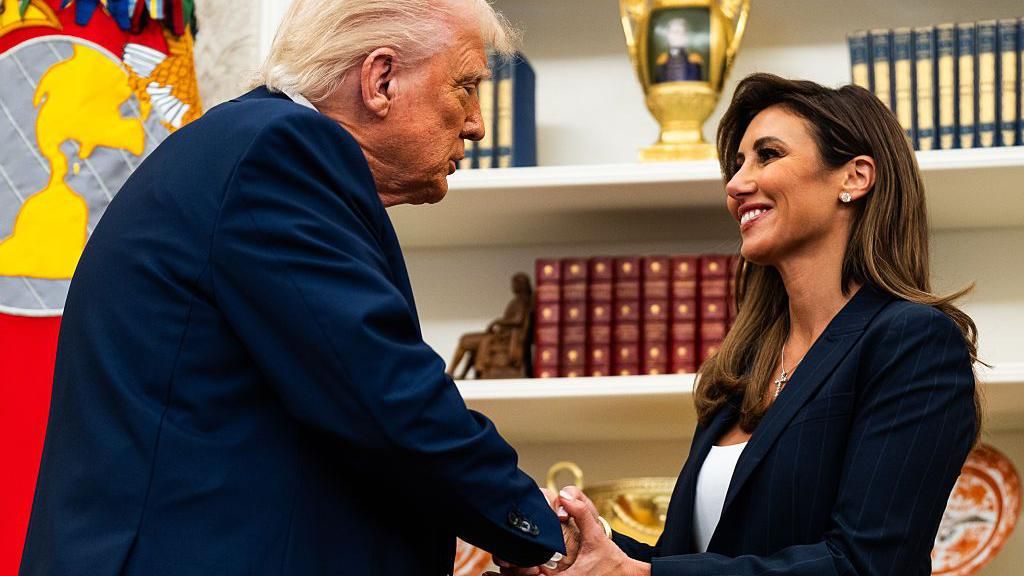
    Alina Habba, previously serving as Donald Trump’s personal attorney, has stepped down from her position as New Jersey’s chief federal prosecutor following a judicial determination that her appointment violated federal statutes. The resignation, accepted by US Attorney General Pam Bondi on Monday, came in response to an appellate court ruling that declared Habba’s service unlawful under the Federal Vacancies Reform Act.

    The judicial panel determined that the Trump administration circumvented constitutional requirements by installing Habba on an acting basis after her formal nomination faced rejection in district court. This procedural bypass eliminated the mandatory Senate confirmation process, creating legal vulnerabilities that affected numerous criminal proceedings throughout the state.

    Attorney General Bondi characterized the court’s decision as “flawed” and acknowledged the resulting environment made effective leadership “untenable.” Despite resigning her prosecutorial role, Habba will maintain influence within the Justice Department as senior adviser to Bondi, with plans to pursue further legal review of the appellate decision.

    In her public statement via social media platform X, Habba framed her departure as a protective measure for “the stability and integrity of the office which I love,” while simultaneously vowing to continue her advocacy nationwide. The former prosecutor notably represented President Trump during his New York criminal trial involving business record falsification, resulting in conviction on 34 counts currently under appeal.

    Bondi publicly defended Habba’s performance, citing a 20% crime reduction in Newark and Camden’s first homicide-free summer in five decades during her tenure. The attorney general further contended that judicial authority should not supersede presidential discretion in selecting prosecutors responsible for executing the executive branch’s law enforcement functions.

    Habba initially joined Trump’s legal team in 2021 following their meeting at his Bedminster golf club, later earning his designation as prospective presidential counsellor for a potential second administration due to her “unwavering loyalty” and advocacy.

  • Why some African countries are prone to military takeovers

    Why some African countries are prone to military takeovers

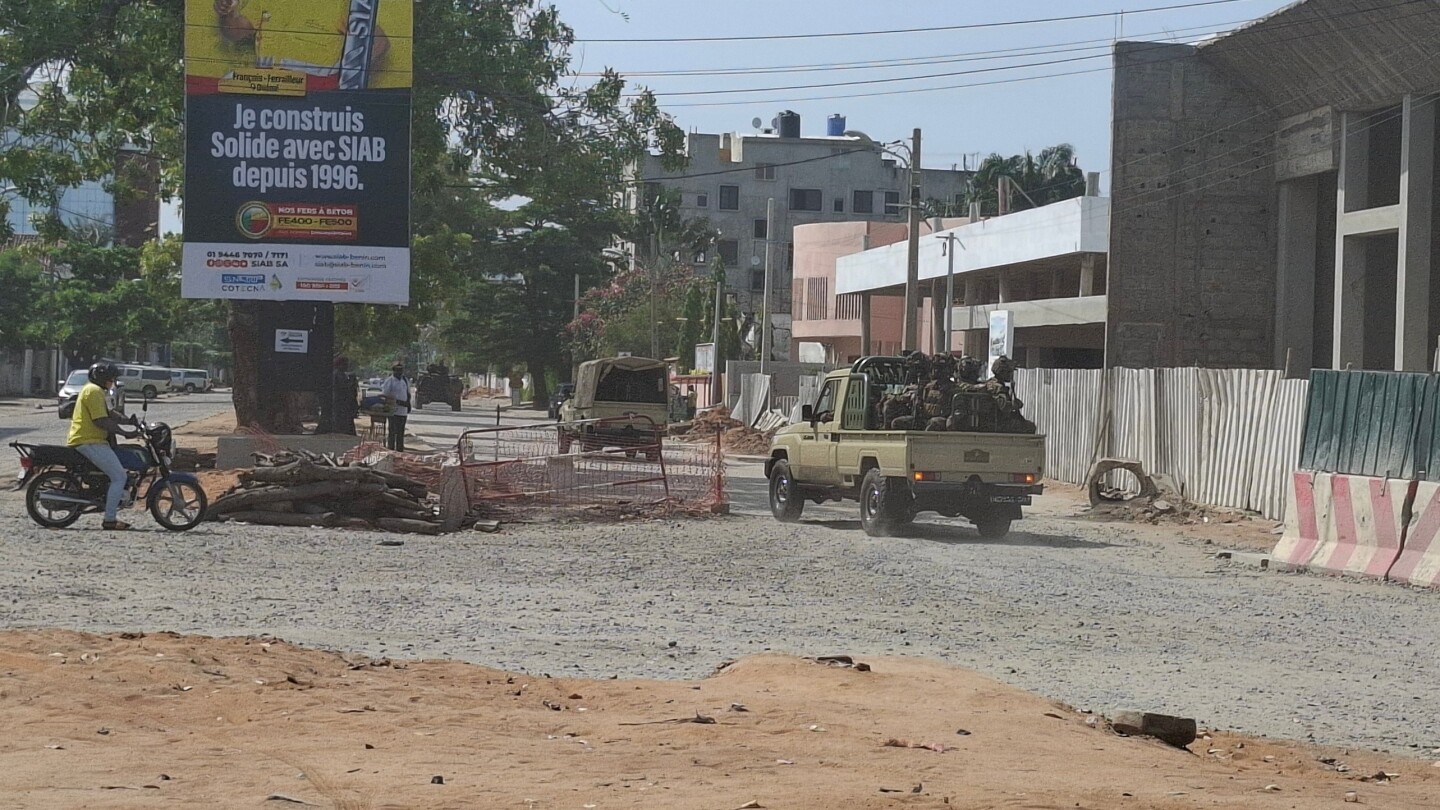
    DAKAR, Senegal — West Africa finds itself trapped in a disturbing cycle of military interventions, with Benin becoming the latest nation to experience an attempted coup this Sunday. Soldiers briefly appeared on state television claiming power, only to have President Patrice Talon announce the thwarting of their efforts hours later. This incident follows closely on the heels of Guinea-Bissau’s recent military takeover after a contentious presidential election.

    Since 2020, an alarming pattern has emerged across the continent with nine African nations experiencing successful or attempted coups. Analysis reveals this trend stems from compounding factors including deteriorating socioeconomic conditions, institutional fragility, and widespread dissatisfaction with civilian governments’ handling of security challenges.

    Beverly Ochieng of Control Risks Group explains: “Throughout West Africa, where military forces maintain significant political involvement, persistent crises like insurgencies and economic hardships frequently motivate soldiers to intervene when they perceive civilian leadership as ineffective.”

    The phenomenon extends beyond West Africa. Madagascar witnessed military leaders assuming control in October following youth-led demonstrations demanding President Andry Rajoelina’s resignation. Similarly, Gabon’s oil-rich government was toppled in 2023 when soldiers deposed long-ruling President Ali Bongo immediately after his contested electoral victory.

    Chad, Guinea, Sudan, Mali, Burkina Faso, and Niger have all experienced military takeovers in recent years. The Sahel region nations particularly struggle with extremist violence, with juntas often justifying their actions as necessary measures to restore security.

    A striking pattern emerges in the colonial origins of affected nations. With exceptions including former British colony Sudan and Portuguese-colonized Guinea-Bissau, most recent coups have occurred in former French territories.

    Bakary Sambe of the Timbuktu Institute notes: “Francophone Africa’s political systems, heavily influenced by France’s centralized presidential model combined with ongoing economic dependence, create conditions ripe for military intervention. Weak governance, corruption, and ineffective response to jihadist threats provide fertile ground for armies positioning themselves as national saviors.”

    Conversely, former British colonies generally demonstrate greater stability. Sambe attributes this to “more decentralized institutions, diversified economies, and reduced external monetary control” inherited from British colonial administration.

    Ochieng further elaborates: “Anglophone African nations typically maintain clearer separation between military, executive, and judicial powers. This institutional distinction creates more stable democratic transitions and reduces confusion about authority structures.”

    As military rulers increasingly participate in elections themselves—as seen in Guinea where coup leader Mamady Doumbouya plans to run for presidency—the region faces fundamental questions about democratic consolidation and civilian governance.