分类: politics

  • Trump administration issued ultimatum to ICC: Report

    Trump administration issued ultimatum to ICC: Report

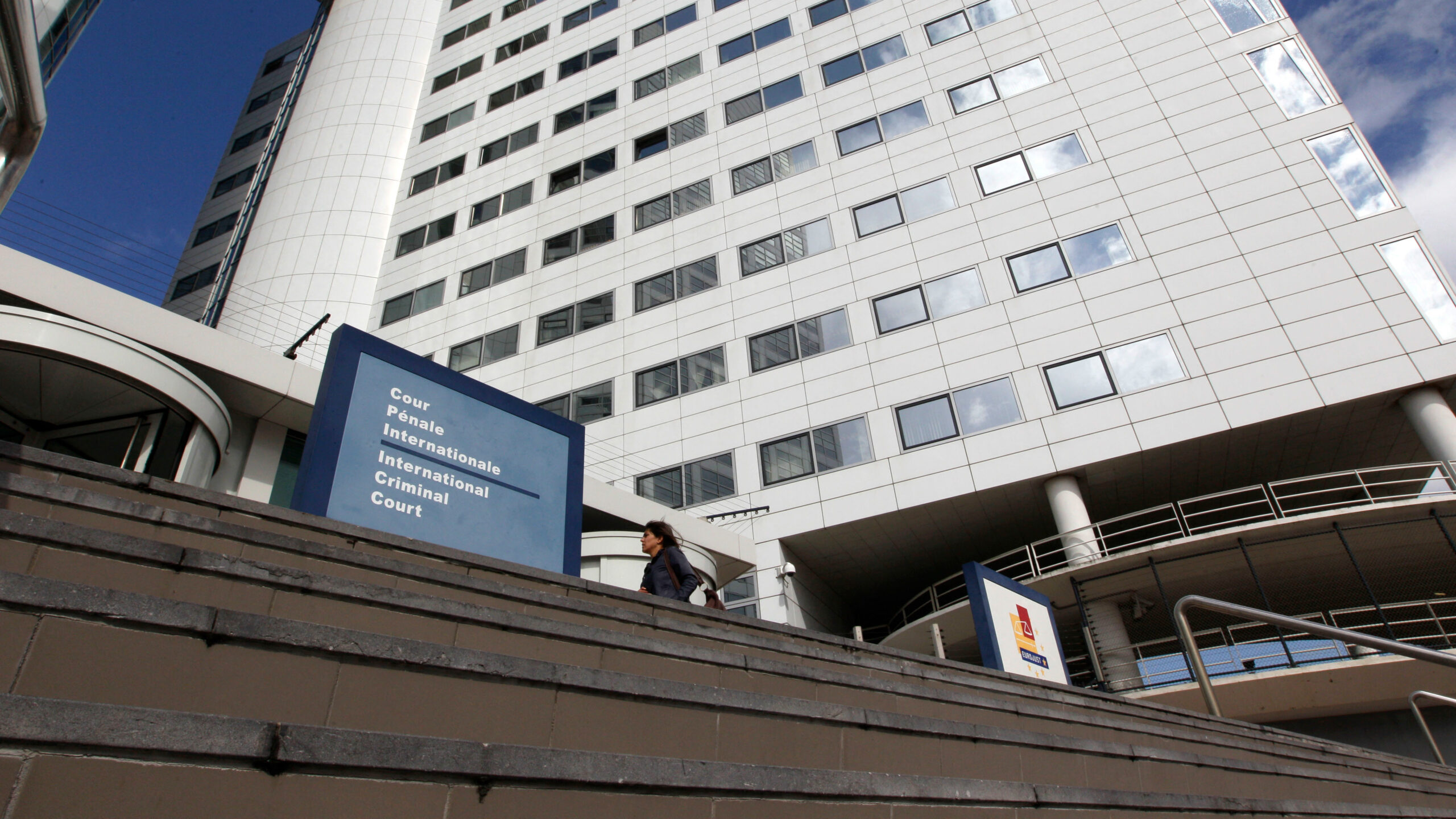
    The Trump administration has issued a stark ultimatum to the International Criminal Court, demanding fundamental changes to its founding treaty and the termination of specific investigations under threat of additional sanctions, according to multiple diplomatic sources.

    Recent reports indicate that U.S. officials have pressured the ICC to amend the Rome Statute to prevent investigations against President Donald Trump, senior administration members, and Israeli politicians. These demands specifically target ongoing probes into the Gaza conflict—recognized as genocide by UN experts and scholars—and potential war crimes by U.S. forces in Afghanistan.

    The pressure campaign has intensified through diplomatic channels, with the U.S. allegedly conditioning the lifting of existing sanctions on the ICC’s compliance with these demands. Additionally, Washington has called upon member states to support treaty amendments that would grant immunity to citizens of non-signatory nations, a move that would effectively shield American and Israeli officials from prosecution.

    This development occurs amidst unprecedented challenges to the ICC’s authority. The court currently faces multiple pressures, including Israeli legal challenges to its jurisdiction in Palestine and a separate complaint questioning the prosecutor’s impartiality. Meanwhile, ICC judges already face sanctions for their work on the Afghanistan investigation, which has notably shifted focus away from U.S. nationals since 2021.

    The Assembly of States Parties meeting last week became a focal point for these tensions, with diplomats confirming that U.S. representatives attempted to leverage sanctions relief to influence the court’s investigative priorities. The proposed treaty changes would also impact other investigations, including those concerning alleged Russian war crimes in Ukraine, as Russia is also a non-member state.

    ICC prosecutor Karim Khan, currently on voluntary leave pending a UN investigation into impartiality allegations, has been a specific target of U.S. sanctions since February, alongside deputy prosecutors, judges, and Palestinian organizations.
  • Exiled Hong Kong activist target of sexually explicit harassment campaign

    Exiled Hong Kong activist target of sexually explicit harassment campaign

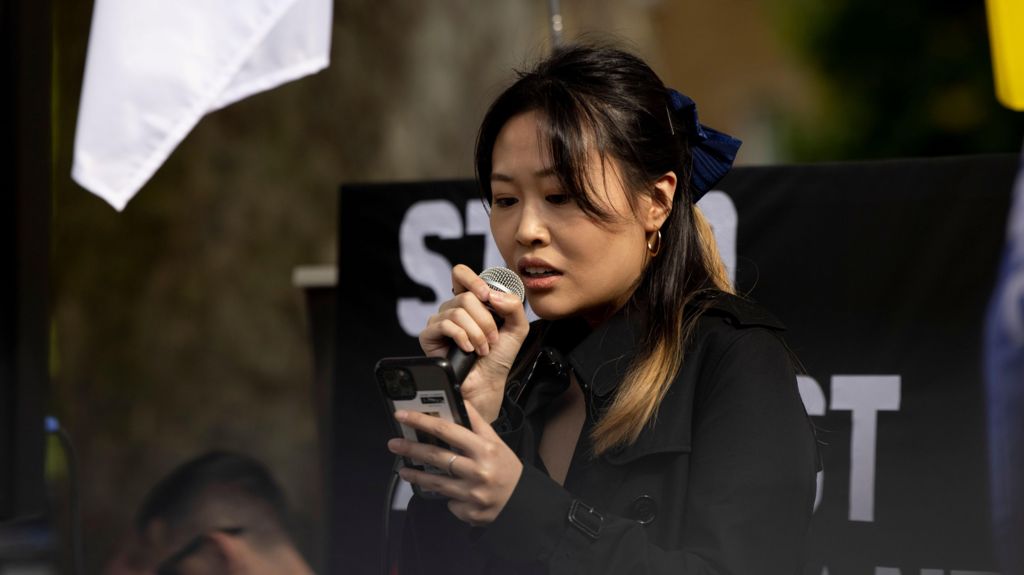
    A prominent Hong Kong pro-democracy activist residing in the United Kingdom has become the victim of an extensive harassment operation involving fabricated explicit materials. Carmen Lau, a 30-year-old exile who sought political asylum in Britain four years ago, reported that her neighbors in Maidenhead, Kent received malicious letters containing artificially generated pornographic imagery bearing her likeness.

    The correspondence, which originated from Macau according to postal markings, featured digitally manipulated photographs that superimposed Ms. Lau’s facial features onto explicit content, accompanied by text falsely presenting her as offering sexual services. The activist characterized the materials as ‘deeply unpleasant’ and expressed particular concern about the weaponization of artificial intelligence technology for gendered harassment campaigns.

    This incident represents an escalation of previous intimidation attempts against Ms. Lau. Last year, multiple neighbors received bounty letters purportedly from Hong Kong police authorities offering £95,000 for her capture and delivery to Chinese diplomatic facilities in London.

    Local Member of Parliament Joshua Reynolds (Liberal Democrat) has formally escalated the matter to both the Home Office and Foreign Office, demanding governmental action and accountability from Chinese authorities. Mr. Reynolds emphasized that targeting UK residents through such methods constitutes unacceptable behavior that requires diplomatic confrontation.

    The UK government has reiterated its stance against transnational repression, with officials previously condemning Hong Kong’s issuance of arrest warrants and bounties targeting political exiles. A government spokesperson affirmed that the security of Hong Kongers in Britain remains a priority, while law enforcement agencies have initiated investigations into the malicious correspondence.

  • Venezuelan opposition leader makes first public appearance after months in hiding

    Venezuelan opposition leader makes first public appearance after months in hiding

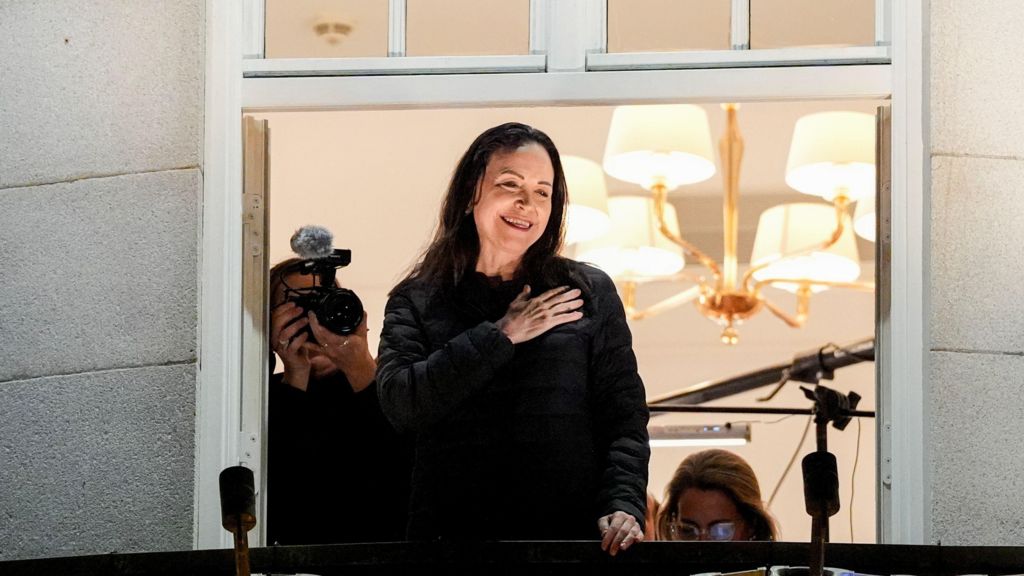
    In a dramatic appearance marking her first public outing since January, Venezuelan opposition leader María Corina Machado defied travel restrictions to personally accept the Nobel Peace Prize in Oslo. The political dissident, who had maintained a low profile following Venezuela’s contentious 2024 presidential election, emerged on the balcony of Oslo’s Grand Hotel to ecstatic cheers from supporters gathered below.

    Machado’s journey to Norway culminated in an emotional balcony moment where she placed her hand over her heart and joined supporters in song before personally greeting the crowd. The Nobel Institute recognized her tireless campaign for “achieving a just and peaceful transition from dictatorship to democracy” in Venezuela, making her the latest symbol of democratic resistance in authoritarian regimes.

    The ceremony took place against a backdrop of escalating tensions between Venezuela and the United States. On the same day as Machado’s appearance, President Donald Trump announced the U.S. military seizure of an oil tanker near Venezuelan waters, alleging connections to “illicit oil shipping networks supporting foreign terrorist organizations.” The Venezuelan government promptly condemned the action as outright piracy.

    Machado’s daughter, Ana Corina Sosa, initially accepted the award on her mother’s behalf during the formal ceremony, as speculation mounted about whether the opposition leader would risk international travel despite government prohibitions. The Nobel committee earlier released audio confirmation of Machado’s determination to attend, featuring her declaring: “I will be in Oslo, I am on my way.”

    In previous statements following her Peace Prize recognition, Machado notably praised President Trump, who has openly expressed his own aspirations for the prestigious award while maintaining military pressure on Venezuela’s government. The coincidence of these events highlights the complex geopolitical dynamics surrounding Venezuela’s political future.

  • US seizes oil tanker off the coast of Venezuela, Trump says

    US seizes oil tanker off the coast of Venezuela, Trump says

    In a dramatic escalation of geopolitical tensions, United States military forces have intercepted and seized a massive oil tanker off the Venezuelan coastline. President Donald Trump confirmed the operation during a White House briefing, characterizing the vessel as “very large, the largest one ever seized actually.”

    The seized tanker, identified by maritime risk firm Vanguard Tech as the ‘Skipper,’ was allegedly transporting sanctioned petroleum from Venezuela and Iran. US Attorney General Pam Bondi released operational footage showing military helicopters hovering above the vessel while armed troops descended onto the deck via ropes. According to official statements, the interception involved coordinated efforts between the FBI, Department of Defense, Homeland Security, and Coast Guard, utilizing two helicopters, ten Coast Guard members, ten Marines, and special forces personnel.

    Venezuela’s government immediately condemned the action as “international piracy” and a “grave international crime” in an official statement. Interior Minister Diosdado Cabello drew comparisons to pirate films, asserting that while fictional pirates might be heroes, “these guys are high seas criminals, buccaneers.” President Nicolás Maduro, speaking at a rally before the seizure was publicly announced, performed an adapted version of ‘Don’t Worry, Be Happy’ with modified lyrics advocating peace: “Not war, be happy. Not, not crazy war, not, be happy.”

    The operation occurs amid significant US military buildup in the Caribbean region, including the deployment of the aircraft carrier USS Gerald Ford and thousands of troops within striking distance of Venezuela. The Trump administration maintains that such actions target narcotics smuggling networks, having conducted at least 22 strikes on boats in the region since September resulting in approximately 80 fatalities.

    Financial markets responded to the seizure with increased oil prices due to short-term supply concerns. Analysts warn that the escalation could further disrupt Venezuela’s oil exports and create risks for international shippers. When questioned about the disposition of the confiscated oil, President Trump indicated “We keep it, I guess… I assume we’re going to keep the oil.” Defense Secretary Pete Hegseth was aware of the operation, and administration sources suggest similar actions may be considered in the future.

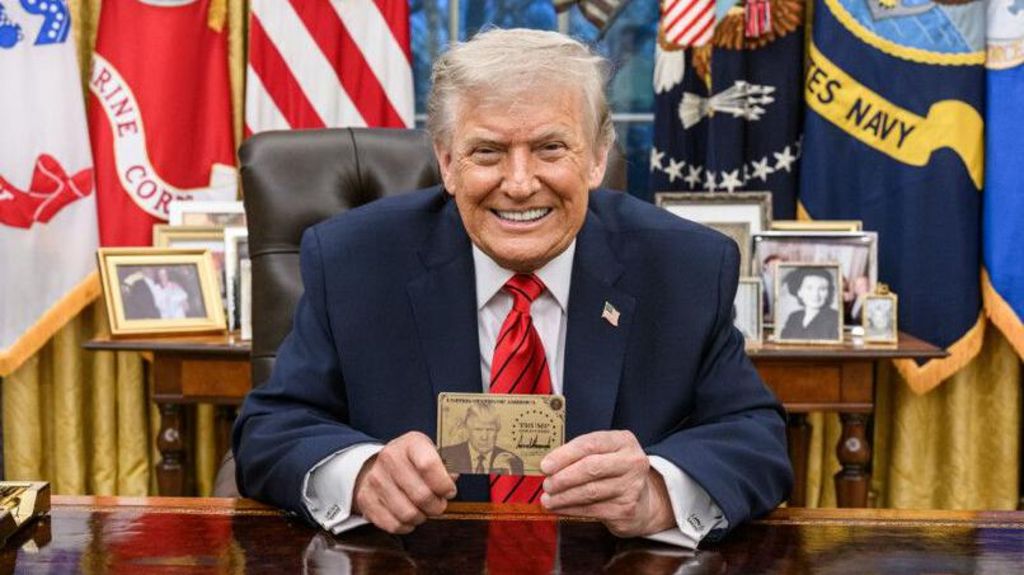
  • Trump launches $1m ‘gold card’ immigration visas

    Trump launches $1m ‘gold card’ immigration visas

    The Trump administration has officially implemented its controversial premium immigration initiative, the Trump Gold Card program, creating a expedited pathway to U.S. residency for affluent foreign nationals. The program mandates a minimum investment of $1 million from individual applicants, while corporate sponsors must contribute $2 million plus additional fees.

    According to the program’s official website, the Gold Card provides qualified applicants with U.S. residency in “record time” and serves as “evidence that the individual will substantially benefit the United States.” President Trump promoted the initiative on social media, characterizing it as a “direct path to Citizenship for all qualified and vetted people” that will enable American companies to “keep their invaluable Talent.”

    The tiered program structure includes a forthcoming platinum version priced at $5 million that offers special tax advantages. All applicants must additionally pay a non-refundable $15,000 processing fee before their application undergoes review, with potential additional government fees depending on individual circumstances.

    This premium immigration pathway emerges alongside significant immigration policy restrictions implemented by the administration, including increased work visa fees, suspension of immigration applications from 19 countries predominantly in Africa and the Middle East, halted asylum application processing, and a $100,000 fee proposal for certain H-1B visa applicants currently abroad.

    The program has drawn substantial criticism since its initial announcement in February, particularly from Democratic opponents who argue it creates an inequitable immigration system favoring wealthy individuals. The administration maintains that the program specifically targets “high-level” professionals who will contribute to job creation and economic productivity.

  • Congress would target China with new restrictions in massive defense bill

    Congress would target China with new restrictions in massive defense bill

    While the Trump administration demonstrates diplomatic softening toward China to preserve trade war détente, the U.S. Congress is advancing assertive measures through the National Defense Authorization Act (NDAA) that signal a hardened long-term competition strategy. The House-approved $900 billion defense bill, now advancing to the Senate, incorporates multiple China-focused provisions that contrast sharply with the White House’s recent conciliatory gestures.

    The legislation mandates heightened scrutiny of American investments in Chinese technological sectors that could enhance military capabilities, including quantum computing, artificial intelligence, and semiconductors. It further prohibits federal funds from being allocated to blacklisted Chinese biotechnology companies, addressing concerns about genetic data security and pharmaceutical supply chain vulnerabilities. The bill significantly amplifies support for Taiwan, authorizing increased security cooperation funding and endorsing the island’s bid for International Monetary Fund membership.

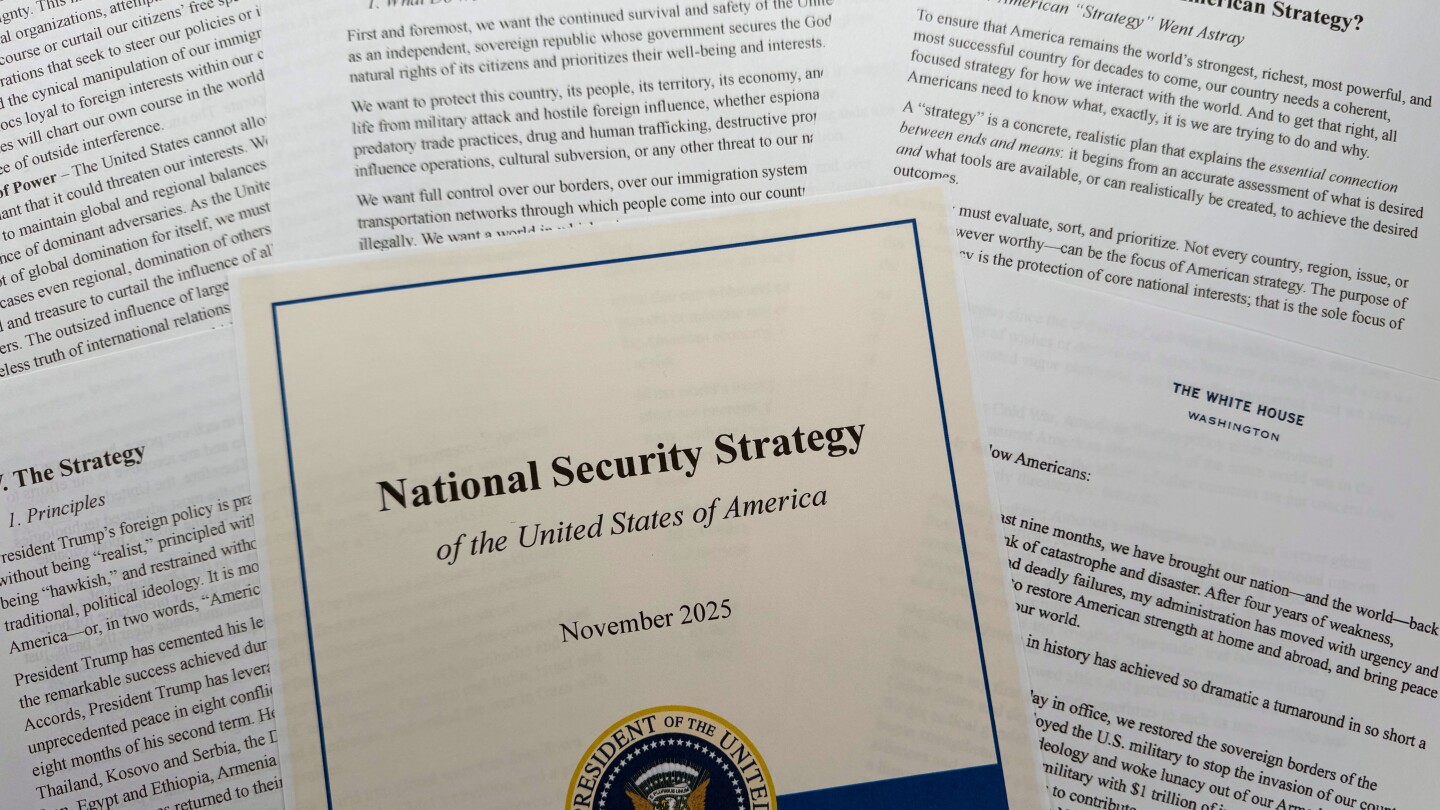
    Representative Raja Krishnamoorthi, leading Democrat on the House Select Committee on the Chinese Communist Party, characterized these measures as reflecting “a serious, strategic approach to countering the Chinese Communist Party” that diverges markedly from recent White House positioning. The administration recently permitted Nvidia to export advanced computer chips to China and eliminated Biden-era language identifying China as a strategic threat in its national security strategy.

    Chinese officials vehemently condemned the legislation, with embassy spokesperson Liu Pengyu denouncing its “China threat narrative” and warning of damaged bilateral relations. Meanwhile, policy analysts note the provisions would establish foundational competitiveness policies that future administrations would find difficult to reverse, creating structural barriers to economic decoupling regardless of diplomatic rhetoric.

    The NDAA’s biotechnology provisions replace earlier failed legislation that specifically named Chinese companies, instead tasking the Office of Management and Budget with compiling a dynamic list of “biotechnology companies of concern” while expanding Pentagon investments in domestic biotech capabilities.

  • ‘Outright denial’: Genocide prevention group slams Hillary Clinton’s Gaza remarks

    ‘Outright denial’: Genocide prevention group slams Hillary Clinton’s Gaza remarks

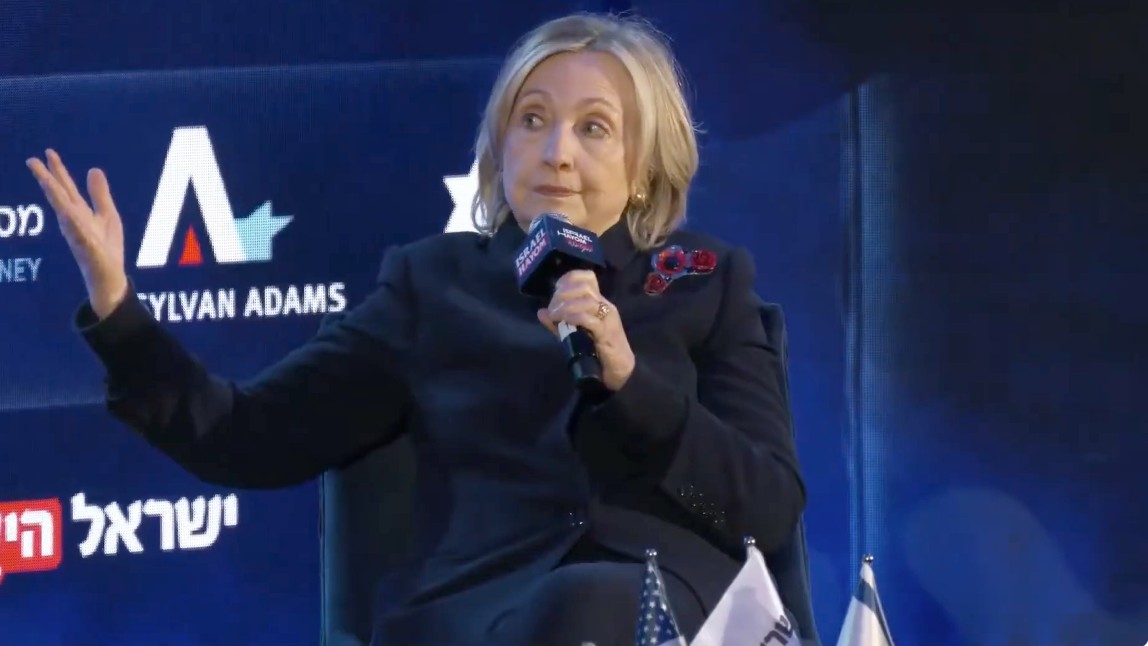
    The Lemkin Institute for Genocide Prevention has issued a forceful condemnation of former U.S. Secretary of State Hillary Clinton’s recent comments regarding Israel’s military operations in Gaza, characterizing her statements as “outright genocide denial.” The rebuke came in response to Clinton’s appearance at the Israel Hayom Summit on December 2nd, where she attributed growing American criticism of Israel to poor public relations and social media manipulation rather than substantive concerns about Israel’s conduct.

    During her summit address, Clinton asserted that Israel possesses “the worst PR of any group,” specifically singling out TikTok for disseminating what she termed “pure propaganda” regarding Israeli military actions in Gaza. She further characterized young Americans’ positions as a “serious problem for democracy,” claiming they lacked historical context and were being influenced by one-sided narratives.

    The genocide prevention organization fundamentally rejected this analysis, countering that Americans are responding to overwhelming evidence emerging from Gaza rather than falling prey to misinformation. The institute emphasized that years of documentation from Palestinian journalists, ordinary Gazans, and even IDF soldiers themselves have created an incontrovertible record that cannot be dismissed as mere propaganda.

    According to the institute’s statement, “There has been no convincing refutation of the sheer amount of raw evidence of genocide coming out of Palestine. Young people in the US are not stupid or gullible. They simply reject genocide.”

    The organization noted with particular concern that Clinton’s remarks focused exclusively on narrative management while completely avoiding engagement with the substantive allegations of genocidal violence. They observed that her primary concern appeared to be the increased visibility of Israel’s actions through real-time documentation rather than the actions themselves.

    The statement also highlighted the irony of Clinton’s criticism of TikTok, given the platform’s documented history of censoring pro-Palestinian content and its July appointment of a former IDF instructor as its new manager of hate speech policy.

    The Lemkin Institute, founded in 2017 by renowned genocide scholars Elisa von Joeden-Forgey and Irene Victoria Massimino, takes its name from Raphael Lemkin, the Polish lawyer who coined the term “genocide.” The organization has joined numerous international bodies, United Nations experts, and human rights organizations in characterizing Israel’s campaign in Gaza as genocidal, with Palestinian casualties now exceeding 71,000 according to the report.

  • Portugal braced for mass disruption in first general strike for 12 years

    Portugal braced for mass disruption in first general strike for 12 years

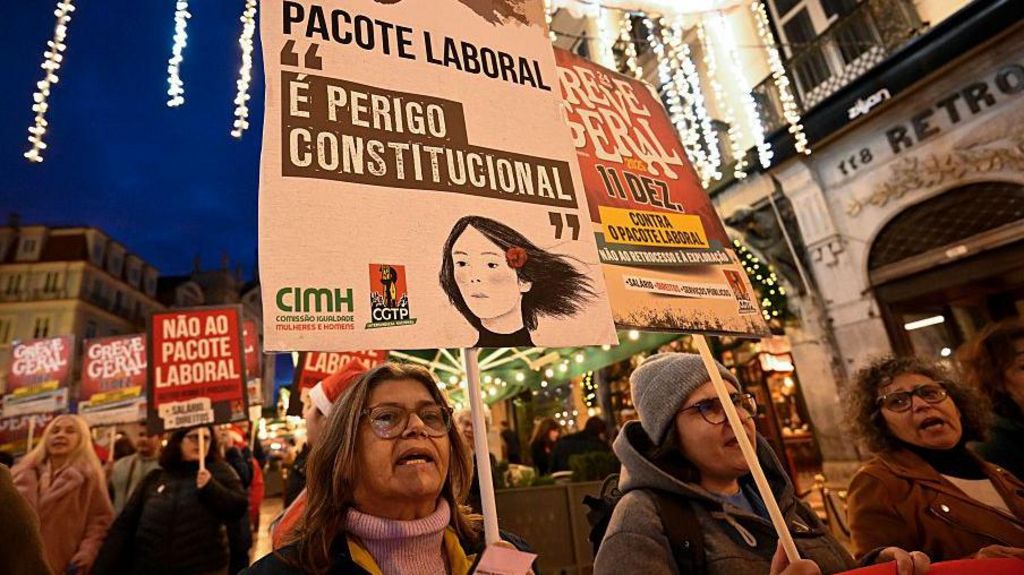
    Portugal experienced widespread disruption across its transportation networks, healthcare facilities, educational institutions, and public services on Thursday as the nation’s two primary labor federations launched a coordinated general strike. This unprecedented joint action between the traditionally more militant CGTP and the typically moderate UGT represents the first such collaboration since the eurozone debt crisis of 2013.

    The strike protests the center-right government’s proposed labor reforms that would significantly alter worker protections. Among the most contentious measures are provisions allowing employers to repeatedly renew temporary contracts indefinitely, eliminating bans on immediately rehiring dismissed workers through outsourcing arrangements, and removing requirements to reinstate unfairly terminated employees.

    Prime Minister Luís Montenegro’s administration argues these changes are necessary to address labor market “rigidities” and ultimately boost both corporate profitability and worker wages. “I will not give up on having a country with the ambition to be at the forefront, to be at the vanguard of Europe,” Montenegro stated ahead of the strike.

    However, the government appears to have underestimated the strength of opposition, with even a Social Democrat MP serving on the UGT executive voting in favor of the strike. Despite last-minute modifications to the proposals, the concessions failed to appease union leaders.

    The reforms particularly impact Portuguese workers in their twenties, creating divided opinions among younger citizens. While some support the modernization efforts, others express concern about already precarious employment conditions.

    The political landscape complicates the situation, with Montenegro’s minority government seeking support from both the free-market Liberal Initiative and the hard-right Chega party—a move that has drawn criticism given his pre-election pledge to avoid deals with Chega.

    The controversy has spilled into January’s presidential campaign, with several candidates arguing the reforms violate Portugal’s 1976 constitution. Under Portugal’s semi-presidential system, the president could potentially delay or block the legislation through constitutional challenges.

    Unlike typical public sector strikes, this action garnered support across industries, including near-unanimous backing from nearly 1,000 employees at Volkswagen’s Autoeuropa plant, Portugal’s largest factory.

  • Group of Friends initiated to boost global governance

    Group of Friends initiated to boost global governance

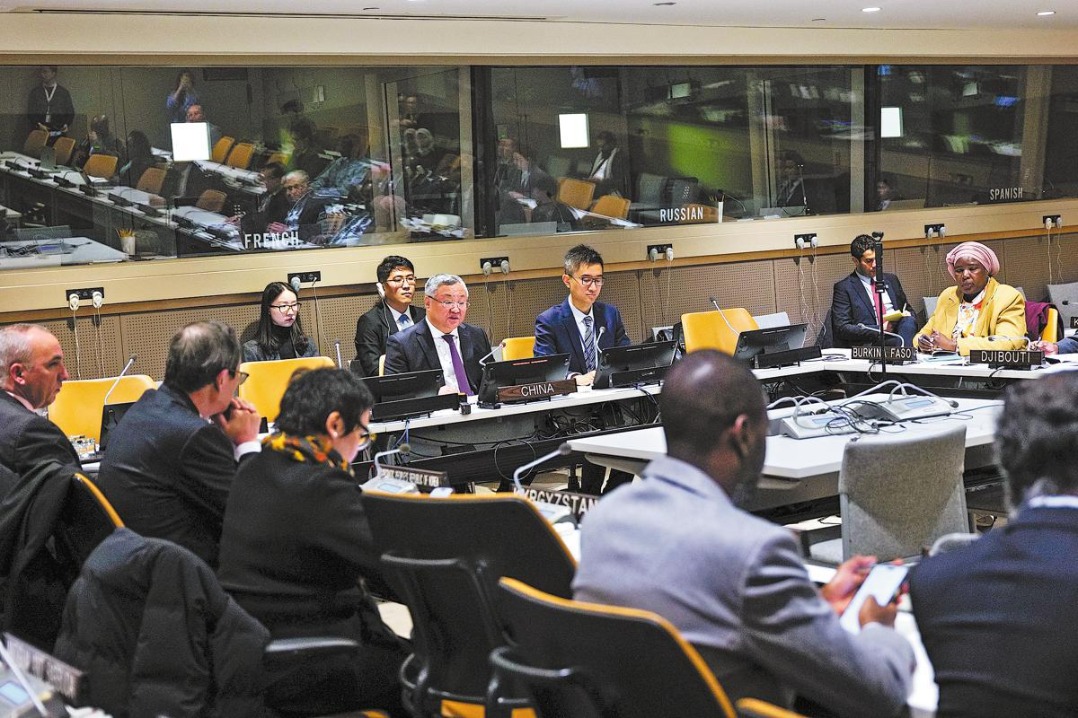
    UNITED NATIONS HEADQUARTERS – A significant new diplomatic coalition, the Group of Friends of Global Governance, was formally inaugurated on Tuesday at the United Nations in New York. The initiative, championed by China and guided by President Xi Jinping’s Global Governance Initiative, has drawn participation from 43 founding member states spanning diverse geographical regions, including Cuba, Iran, Kenya, Kazakhstan, Morocco, and Malaysia.

    The launch event, presided over by China’s Permanent Representative to the UN, Ambassador Fu Cong, signals a concerted effort to revitalize multilateral cooperation. Ambassador Fu contextualized the group’s establishment against a backdrop of mounting challenges to the international rules-based order, describing the current era as a ‘new period of turbulence’ where multilateralism faces ‘severe strain.’

    Central to the group’s mission is advancing the core tenets of the Global Governance Initiative, which is built upon five fundamental principles: sovereign equality, adherence to international rule of law, unwavering support for multilateralism, a people-centered development approach, and a focus on actionable results. The initiative, first proposed by President Xi at a Shanghai Cooperation Organization meeting in September 2025, has already garnered diplomatic support from over 140 countries and international organizations.

    Diplomats from founding nations voiced strong backing for the initiative. Cuban Ambassador Ernesto Soberon Guzman praised it as a vital contribution to ‘the democratization of international relations’ and a tool to combat ‘widening inequalities’ and ‘unilateral measures.’ Similarly, Burundi’s Ambassador Zephyrin Maniratanga emphasized the coalition’s importance in tackling modern challenges that no nation can solve alone. Kyrgyzstan’s representative, Aida Kasymalieva, highlighted the platform’s practical utility for unifying the voices of developing and landlocked states and fostering capacity-building.

    The group, described by Ambassador Fu as an ‘open and inclusive platform,’ released a joint statement committing to strengthen the UN-centric international system, uphold the UN Charter, and promote dialogue to achieve tangible outcomes. An invitation was extended to other like-minded UN member states to join the collective effort.

  • Tourists to US may be required to reveal five years of social media history

    Tourists to US may be required to reveal five years of social media history

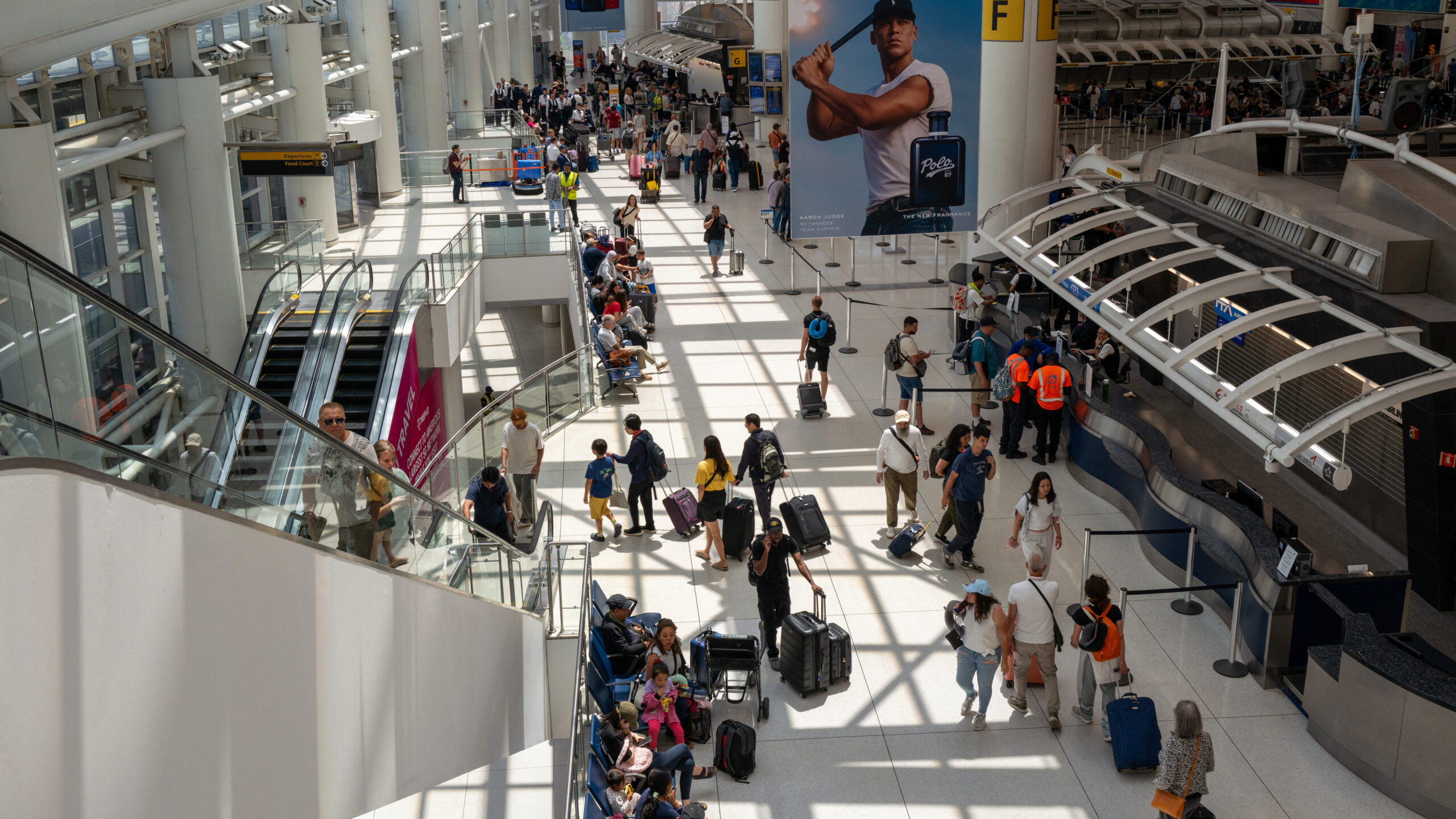
    The Trump administration has introduced a groundbreaking proposal that would mandate international travelers to disclose extensive digital histories before entering the United States. Published in the Federal Register on Tuesday, the initiative would require all visitors to provide five years of social media activity, five-year histories of personal and business phone numbers, ten-year records of email addresses, and residential information for family members.

    This comprehensive digital screening would apply universally to both visa-required travelers and those from Electronic System for Travel Authorization (ESTA) countries, including the United Kingdom. The proposal, advanced by US Customs and Border Protection (CBP) under the Department of Homeland Security, has initiated a 60-day public commentary period allowing federal agencies and citizens to evaluate the potential implications.

    Following the commentary phase, agencies will conduct thorough analysis of submitted feedback before finalizing regulations with detailed explanations of modifications. The implemented rules would then be codified into the Code of Federal Regulations, establishing permanent entry requirements.

    This proposed policy could significantly impact international tourism, particularly affecting the anticipated five million visitors expected for the 2026 World Cup jointly hosted by the United States, Canada, and Mexico. The measures follow previous travel restrictions that resulted in detained or refused European visitors earlier this year.

    Concurrently, CBP is proposing additional biometric requirements, including voluntary facial image collection and geolocation tracking to verify departure compliance. The agency plans to implement sophisticated verification technology, including live photo authentication and geolocation confirmation systems.

    Furthermore, CBP intends to replace the current ESTA website application with a mandatory mobile application, citing security enhancements and operational efficiency. The agency asserts that these measures address vulnerabilities exploited by malicious actors who submit low-quality photographs or passport images to evade detection.