分类: politics

  • A Chinese official exposed his boss. Now in Texas, he’s hunted by Beijing – with help from US tech

    A Chinese official exposed his boss. Now in Texas, he’s hunted by Beijing – with help from US tech

    A former Chinese official’s harrowing escape from China’s pervasive surveillance apparatus reveals the extensive reach of Beijing’s global monitoring operations. Li Chuanliang, a retired vice mayor from Jixi, was recovering from cancer treatment on a South Korean resort island when he received an urgent warning: Chinese authorities had designated him a fugitive. What followed was an international chase spanning multiple continents, documented through exclusive interviews and evidence obtained by The Associated Press.

    The Chinese government employed sophisticated surveillance technology—much of it originally developed by U.S. tech firms—to track Li’s movements, monitor his communications, and pressure his associates. More than 40 individuals connected to Li, including his pregnant daughter, were identified and detained through methods that included facial recognition scans of taxi drivers. Three former associates died in custody during the investigation.

    China’s Operations “Fox Hunt” and “Sky Net” represent a systematic approach to targeting officials, dissidents, and alleged criminals beyond its borders. These initiatives have resulted in over 14,000 individuals being returned from more than 120 countries through various coercive measures, according to state media reports. While Beijing frames these operations as anti-corruption efforts, critics argue they primarily serve to suppress dissent and eliminate political opponents.

    The technological infrastructure enabling this global surveillance traces back to American companies including IBM, Oracle, and Microsoft. Internal documents reveal these firms provided software and systems to China’s Economic Crime Investigation Bureau, allowing authorities to mine texts, payments, travel records, and communications to map relationships and assets. Though these sales complied with U.S. sanctions, they have empowered China’s ability to monitor perceived enemies worldwide.

    Li maintains that the corruption charges totaling approximately $435 million are politically motivated retaliation for his criticism of local officials and the Communist Party. Legal documents and expert analyses reviewed by AP indicate irregularities in the prosecution’s case, including altered records, blocked evidence access, and coerced confessions.

    Despite obtaining temporary refuge in the United States, Li remains in legal limbo with his asylum application pending. His case exemplifies how China projects its power globally through digital surveillance, creating what experts describe as a profoundly effective chilling effect on dissent both within China and abroad.
  • MoD to unify all intelligence units under single command

    MoD to unify all intelligence units under single command

    In a sweeping strategic overhaul, the UK Ministry of Defence (MoD) is consolidating its disparate intelligence units into a single integrated organization—the Military Intelligence Services (MIS). This landmark reform responds to a more than 50% surge in hostile intelligence operations targeting British defence infrastructure over the past year.

    The MIS will unify intelligence personnel from the Royal Navy, British Army, Royal Air Force, UK Space Command, and Permanent Joint Headquarters. This consolidation aims to dramatically accelerate how critical information is collected, analyzed, and disseminated across military branches.

    Accompanying the MIS will be two supporting entities: a new Defence Counter-Intelligence Unit designed to centralize expertise in disrupting adversarial operations, and a Defence Intelligence Academy dedicated to advanced training in intelligence disciplines.

    The restructuring follows recommendations from June’s Strategic Defence Review and comes shortly after the Dawn Sturgess Inquiry revealed foreign intelligence services operating “far beyond traditional espionage norms.” In response, the UK government imposed comprehensive sanctions on Russia’s GRU military intelligence agency.

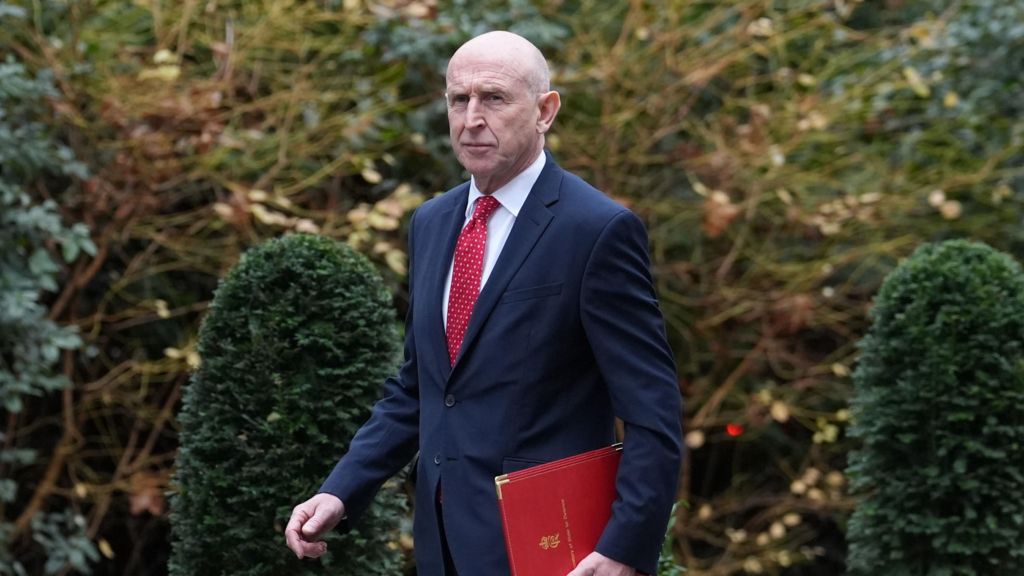
    Defence Secretary John Healey stated the reform positions Britain at the “leading edge of military innovation,” providing “sharper insights into what our adversaries might do next” to protect forces and critical infrastructure. His comments were echoed by Armed Forces Minister Alistair Carns, who warned that “the shadow of war is knocking on Europe’s door,” emphasizing that the continent now faces “wars of necessity” rather than choice.

    The announcement coincides with heightened geopolitical tensions. NATO Secretary General Mark Rutte recently cautioned that Russia could attack an allied nation within five years, urging preparedness for large-scale conflict. This warning follows Royal Navy reports of tracking Russian submarines in the English Channel—part of a 30% increase in Russian naval activity in UK waters over two years.

    Amid these developments, the UK remains committed to raising defence spending to 2.6% of GDP by 2027—the largest sustained increase since the Cold War’s conclusion.

  • Trump signs order to block states from enforcing own AI rules

    Trump signs order to block states from enforcing own AI rules

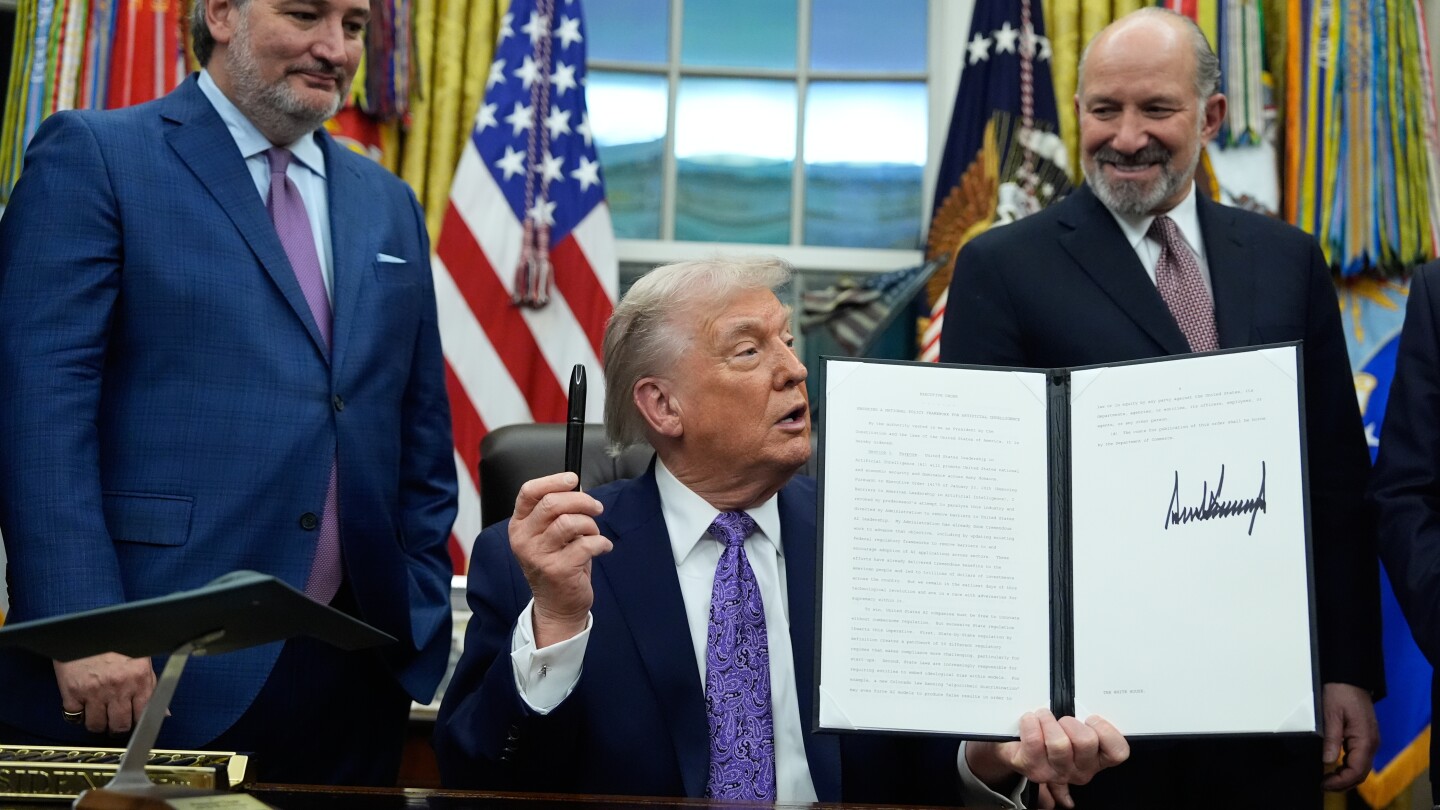
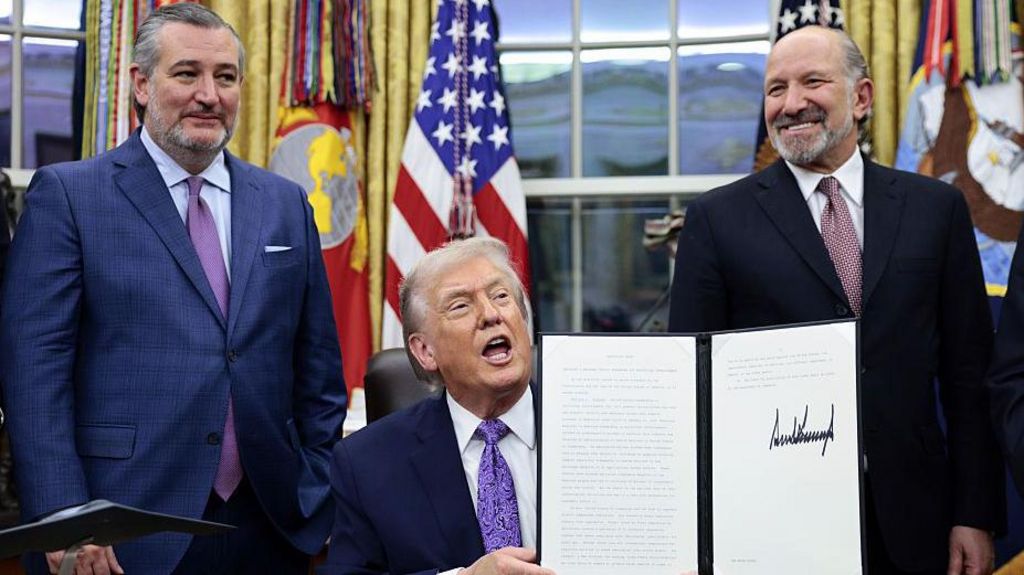
    In a significant move to centralize artificial intelligence governance, President Donald Trump has issued an executive order prohibiting individual states from implementing their own AI regulatory frameworks. The Oval Office signing ceremony on Thursday featured key administration officials who characterized the order as essential for maintaining America’s competitive edge in the global AI race.

    President Trump emphasized the need for unified national standards, stating, “We want to have one central source of approval” to prevent a patchwork of conflicting state regulations. White House AI adviser David Sacks clarified that the administration would target only the most “onerous” state rules while permitting regulations concerning children’s safety.

    The decision represents a major victory for technology behemoths including OpenAI, Google, Meta, and Anthropic, which have consistently advocated for federal preemption of state AI laws. Industry leaders contend that fragmented regulatory approaches could stifle innovation and impede the United States’ ability to compete with China’s substantial investments in artificial intelligence.

    However, the executive order has ignited immediate opposition from several states with established AI regulatory frameworks. California Governor Gavin Newsom, a frequent Trump critic, issued a scathing statement accusing the president of “ongoing grift in the White House” and attempting to “enrich himself and his associates” at the expense of public safety. California recently enacted comprehensive AI legislation requiring major developers to submit risk mitigation plans for their models.

    Beyond California, states including Colorado and New York have developed their own AI regulatory measures. Advocacy groups have joined the opposition, with Julie Scelfo of Mothers Against Media Addiction arguing that the order “undermines states’ basic rights to establish sufficient guardrails to protect their residents.” Critics maintain that state-level regulations are necessary absent meaningful federal standards for AI development and deployment.

  • ‘We will continue’: The Palestinian rights groups sanctioned by Trump

    ‘We will continue’: The Palestinian rights groups sanctioned by Trump

    In a powerful demonstration of resilience, leaders of Palestine’s foremost human rights organizations have declared their unwavering commitment to justice despite facing severe financial and operational constraints from recent US sanctions. Shawan Jabarin of Al-Haq and Raji Sourani of the Palestinian Centre for Human Rights delivered their assessments during the 24th Assembly of States Parties to the International Criminal Court in The Hague.

    The sanctions, implemented by the Trump administration in September, have effectively frozen bank accounts, severed international donor relationships, and left 45 employee families without regular income. Both directors characterized the measures as unprecedented attacks on humanitarian work, noting that the US government explicitly targeted their organizations for cooperating with ICC investigations into Israeli military actions.

    Despite immediate financial devastation—including closed bank accounts and suspended transfers from fearful international partners—both organizations continue submitting extensive documentation of alleged violations in Gaza and the West Bank to ICC prosecutors. The directors reported meeting with ICC officials who expressed determination to continue their investigations, though both advocates expressed frustration at the court’s slow progress in curtailing ongoing violence.

    The sanctions carry severe implications beyond financial strain, including potential criminal exposure for organizations that maintain relationships with the sanctioned groups. Nevertheless, both directors emphasized that their work represents an idea that cannot be suppressed by financial measures. They called for stronger international support, particularly urging European nations to activate the EU Blocking Statute to protect entities from extraterritorial application of US sanctions.

    Both organizations continue operating through alternative support networks while maintaining that their mission to defend victims remains unchanged despite the unprecedented challenges they face.

  • Trump signs executive order to block state AI regulations

    Trump signs executive order to block state AI regulations

    In a significant move to centralize artificial intelligence governance, President Donald Trump signed an executive order on Thursday establishing federal preemption over state-level AI regulations. The administration contends that fragmented state laws would create compliance obstacles for American companies competing against Chinese rivals in the global AI dominance race.

    During an Oval Office briefing, President Trump emphasized the competitive dimension: ‘There’s only going to be one winner in artificial intelligence. China’s centralized approval system gives their companies a decisive advantage. If our innovators need 50 different state approvals, they cannot compete effectively.’

    The order mandates Attorney General William Barr to establish a task force specifically charged with challenging existing state AI laws through judicial avenues. Concurrently, the Commerce Department will identify regulations deemed detrimental to AI development. States maintaining non-compliant regulations face potential restrictions on federal broadband deployment funds and other grant programs.

    David Sacks, a venture capitalist overseeing Trump’s AI and cryptocurrency policies, clarified the administration’s targeted approach: ‘We will oppose the most burdensome regulatory examples but maintain support for reasonable child safety measures.’

    This federal intervention responds to regulatory actions already implemented by four states—Colorado, California, Utah, and Texas—which have enacted comprehensive AI legislation governing private sector applications. These laws primarily address data collection limitations, algorithmic transparency, and discrimination prevention in consequential decisions affecting employment, housing, lending, and healthcare.

    The state initiatives emerged from documented AI deficiencies, including demonstrated biases in gender and racial preferences within automated decision-making systems. Beyond comprehensive frameworks, numerous states have enacted targeted AI restrictions concerning election deepfakes, nonconsensual pornography, and government AI usage standards.

    Civil liberties organizations and bipartisan congressional members have consistently advocated for stronger AI oversight, arguing current frameworks insufficiently address the technology’s societal impacts. The executive order establishes a clear federalist conflict between state consumer protection objectives and the administration’s national competitiveness agenda.

  • Thailand’s parliament is dissolved for a new election early next year

    Thailand’s parliament is dissolved for a new election early next year

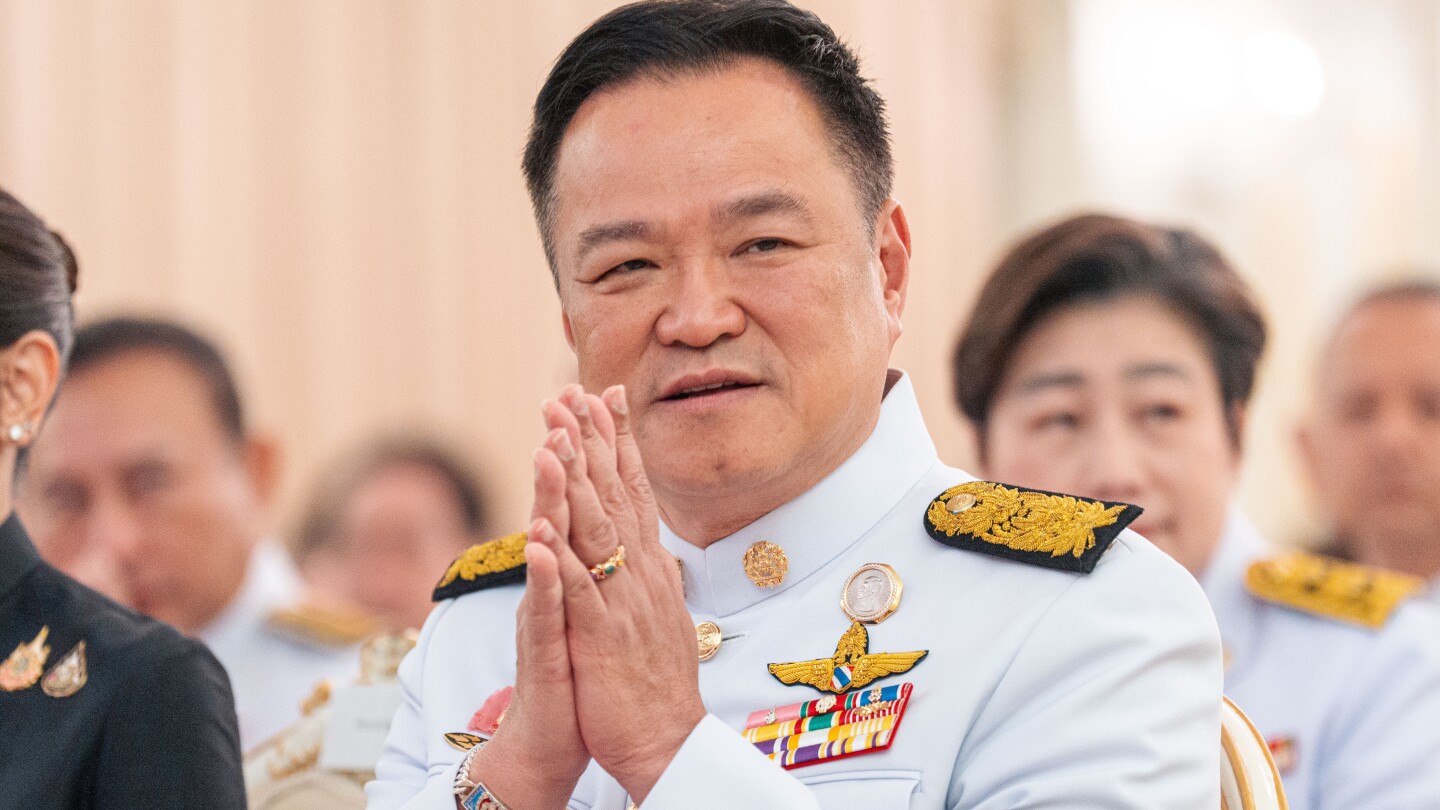
    BANGKOK — Thailand’s political landscape entered a period of heightened uncertainty Friday as Parliament was officially dissolved, triggering snap elections scheduled for early next year. The dissolution comes amid escalating military confrontations with neighboring Cambodia over longstanding border disputes.

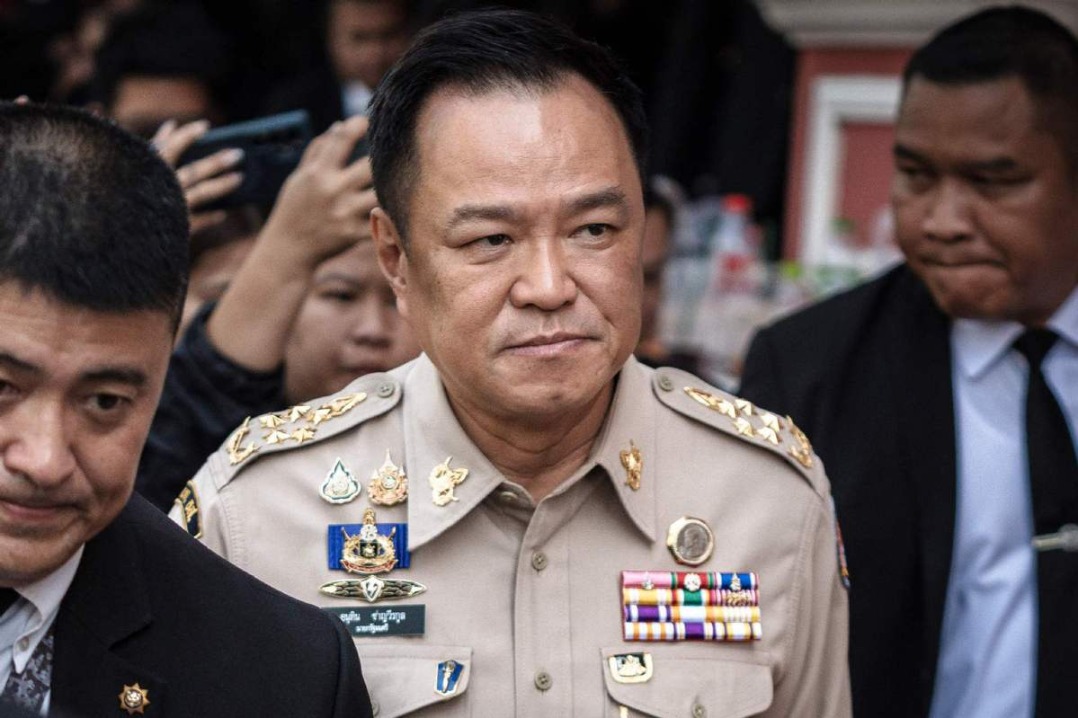
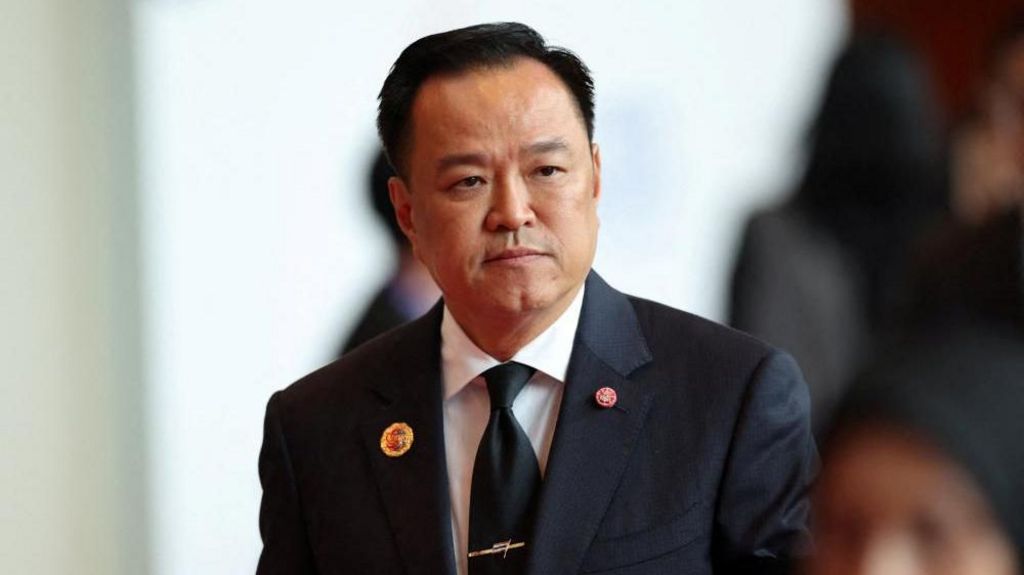
    Prime Minister Anutin Charnvirakul secured royal approval from King Maha Vajiralongkorn before announcing the dissolution, which took effect upon its publication in the Royal Gazette. The move follows Anutin’s social media statement late Thursday declaring his intention to “return power to the people.”

    Under constitutional provisions, elections must occur within 45 to 60 days following royal endorsement. During this interim period, Anutin will lead a caretaker administration with restricted authority, including the inability to approve new budgetary measures.

    The dissolution occurs during a particularly complex geopolitical moment, with Thailand engaged in intensive combat operations along the Cambodian border. The timing reflects both domestic political pressures and external security challenges that have defined Anutin’s brief three-month tenure as premier.

    Political analysts suggest the dissolution was precipitated by deteriorating relations with the opposition People’s Party, which had threatened a no-confidence vote. This development followed disagreements over constitutional amendment procedures that opposition leaders believed violated their September power-sharing agreement.

    Anutin’s administration has adopted an increasingly hawkish military stance regarding the border conflict, positioning itself as defending national sovereignty against Cambodian incursions. This nationalist rhetoric has temporarily overshadowed domestic criticisms regarding the government’s handling of recent southern flooding that claimed over 160 lives and ongoing corruption scandals.

    The renewed fighting has resulted in approximately two dozen confirmed casualties this week alone, with hundreds of thousands displaced on both sides. Thai military sources estimate 165 Cambodian combat fatalities, though Phnom Penh has not officially confirmed these numbers.

    International attention has intensified, with former U.S. President Donald Trump reportedly engaging in diplomatic outreach. Anutin confirmed Friday that he had communicated with Trump, reiterating Thailand’s position of continuing military operations until Cambodian forces no longer threaten Thai sovereignty.

  • Thai PM says ‘to return power to people,’intending to dissolve parliament

    Thai PM says ‘to return power to people,’intending to dissolve parliament

    In a significant political development, Thai Prime Minister Anutin Charnvirakul has indicated plans to dissolve parliament and restore decision-making authority to the Thai electorate. The announcement came through an official social media communication on Thursday, where the premier declared his intention to “request to return power to the people.

    The statement, widely interpreted by political observers as foreshadowing a parliamentary dissolution, suggests Thailand may be approaching a new electoral cycle. Such a move would typically precede the organization of general elections, allowing citizens to determine their political representation anew.

    This development occurs within Thailand’s complex political landscape, where transitions of power have historically carried substantial significance. The Prime Minister’s carefully worded message aligns with constitutional protocols that grant the head of government authority to recommend parliamentary dissolution to the monarchy, a necessary step before elections can be scheduled.

    Political analysts are now examining the potential timing and implications of this move, considering both domestic political dynamics and Thailand’s international relationships. The dissolution of parliament would trigger a formal election process, enabling Thai citizens to participate in shaping their nation’s political direction through democratic means.

  • Thai PM dissolves parliament to ‘return power to people’

    Thai PM dissolves parliament to ‘return power to people’

    Thailand’s political landscape faces renewed upheaval as Prime Minister Anutin Charnvirakul has dissolved parliament, triggering snap elections within 45-60 days. This decisive move comes amid escalating border tensions with Cambodia that have resulted in deadly clashes over the past week.

    The minority government, in power for merely three months, has struggled to contain the deteriorating border situation along with other pressing challenges. In an official decree published Friday, Anutin acknowledged his administration’s difficulties in managing these crises effectively.

    “The appropriate solution is to dissolve parliament… which is a way to return political power to the people,” stated the Prime Minister, who assumed leadership in September 2023. The business magnate becomes Thailand’s third premier since August 2023, highlighting the nation’s prolonged political instability.

    While Anutin had previously committed to dissolving parliament by January’s end, the timeline accelerated considerably due to an impending no-confidence vote that threatened his fragile coalition government. The administration has additionally faced severe criticism for its handling of catastrophic flooding that devastated southern Thailand last month, further undermining public confidence.

    The dissolution marks a critical juncture for Thai democracy as the nation prepares for its first general election since the previous government’s collapse. Political analysts suggest the border conflict with Cambodia and domestic disaster response failures have created a perfect storm that forced Anutin’s hand in calling early elections.

  • US sanctions six more ships after seizing oil tanker off Venezuela

    US sanctions six more ships after seizing oil tanker off Venezuela

    The United States has dramatically escalated its campaign against the Venezuelan government of Nicolás Maduro through a high-seas military operation and sweeping new economic measures. Newly released footage depicts US special forces rappelling from helicopters onto the oil tanker ‘Skipper’ in international waters, seizing the vessel in what Venezuelan officials decry as ‘international piracy.’

    The White House justified the operation as targeting ‘illicit oil shipping’ that allegedly benefits what it characterizes as Maduro’s ‘illegitimate regime.’ Press Secretary Karoline Leavitt stated the intercepted tanker would be escorted to an American port following legal proceedings, with its crude cargo confiscated. Simultaneously, the Treasury Department imposed sanctions on six additional vessels transporting Venezuelan petroleum, expanding the existing embargo network.

    Washington’s offensive extends beyond maritime interdiction to financial pressure targeting Maduro’s inner circle. Treasury Secretary Scott Bessent announced sanctions against three nephews of Maduro’s wife alongside multiple associated businesses, aiming to disrupt the leadership’s ‘dictatorial and brutal control.’ The administration explicitly connected oil revenue to narco-terrorism financing, vowing not to permit ‘rogue regimes’ to profit from black market petroleum sales.

    Venezuela responded with fierce diplomatic condemnation, with Interior Minister Diosdado Cabello labeling US forces ‘murderers, thieves, pirates.’ President Maduro pledged his nation would never become an ‘oil colony’ while accepting support from international allies including Russian President Vladimir Putin, who offered backing against ‘growing external pressure.’

    The operation signals a dangerous escalation in regional tensions, evidenced by the prepositioning of the USS Gerald Ford aircraft carrier strike group and thousands of troops within striking distance of Venezuela’s coast. This confrontation unfolds against the backdrop of longstanding US allegations that Caracas facilitates narcotics trafficking into American territories—charges Venezuela denies while accusing Washington of resource appropriation.

  • Travel alert about Japan secures safety of Chinese

    Travel alert about Japan secures safety of Chinese

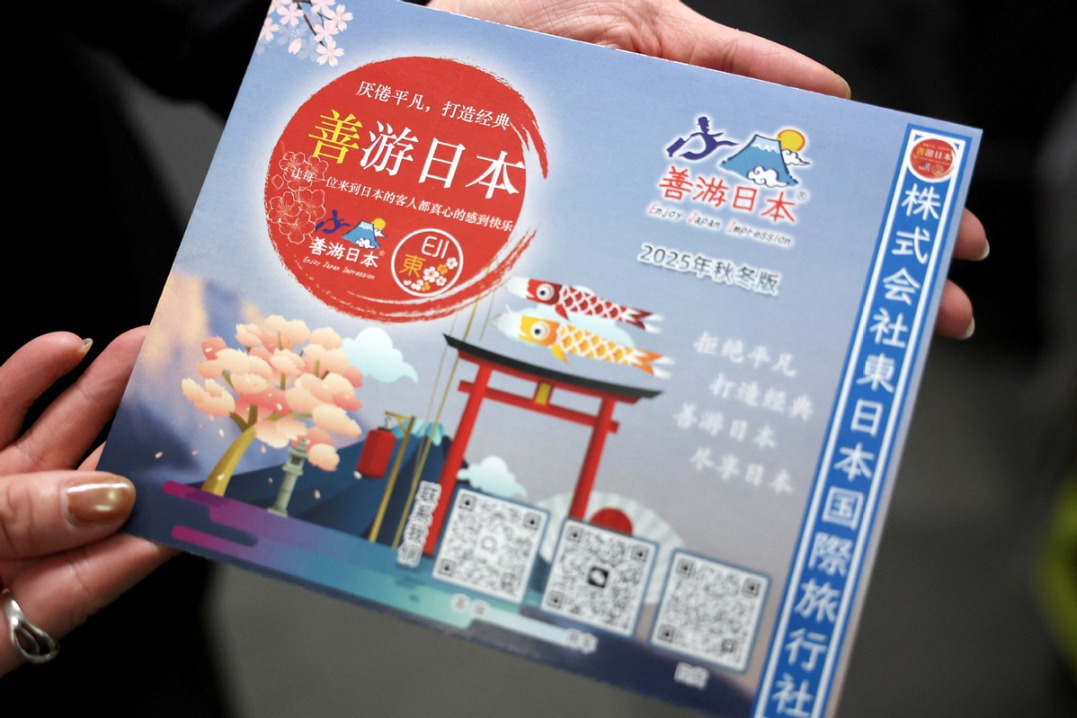
    China’s Foreign Ministry has formally issued a comprehensive travel advisory urging Chinese citizens to avoid non-essential travel to Japan, citing both imminent seismic hazards and ongoing diplomatic strains. The advisory, released jointly by China’s embassy and consulates in Japan, specifically warns Chinese nationals to exercise heightened caution regarding earthquake preparedness and secondary disasters.

    The travel alert recommends that Chinese citizens in Japan strictly adhere to local evacuation protocols, implement robust personal safety measures, and avoid coastal regions and other high-risk zones. Foreign Ministry spokesman Guo Jiakun emphasized that the advisory stems from legitimate concerns about citizen welfare following recent seismic events across Japan that have resulted in casualties and widespread tsunami warnings.

    Japanese media outlets had speculated that the travel warning represented a diplomatic response to provocative remarks made by Japanese Prime Minister Sanae Takaichi regarding Taiwan. Guo Jiakun dismissed these allegations, stating that the advisory reflects purely humanitarian considerations rather than political retaliation. “Safeguarding the safety of Chinese citizens overseas constitutes both a fundamental duty of China’s diplomacy and a natural component of its people-centered foreign policy,” Guo stated during a regular press briefing in Beijing.

    The diplomatic friction extends beyond travel advisories, as Tokyo recently expressed concerns about joint strategic aerial patrols conducted by Chinese and Russian military aircraft near Japanese airspace. Guo characterized these operations as routine annual exercises that demonstrate regional commitment to security cooperation and stability maintenance. “There exists no necessity for Japan to exaggerate these activities or presume itself specifically targeted,” he remarked.

    Regarding Prime Minister Takaichi’s repeated offers for bilateral dialogue, Guo referenced critical commentary from Atsushi Okamoto, former CEO of Japanese publishing house Iwanami Shoten, who questioned the sincerity of these overtures. Okamoto suggested that genuine dialogue requires mutual respect and equal footing—conditions allegedly absent from Takaichi’s approach. Academic expert Wang Peng of Huazhong University of Science and Technology further noted that the Takaichi administration has significantly damaged bilateral relations by inappropriately linking Taiwan matters to Japan’s security agenda.