分类: politics

  • Trump says he will pardon jailed elections clerk, but state officials say he cannot

    Trump says he will pardon jailed elections clerk, but state officials say he cannot

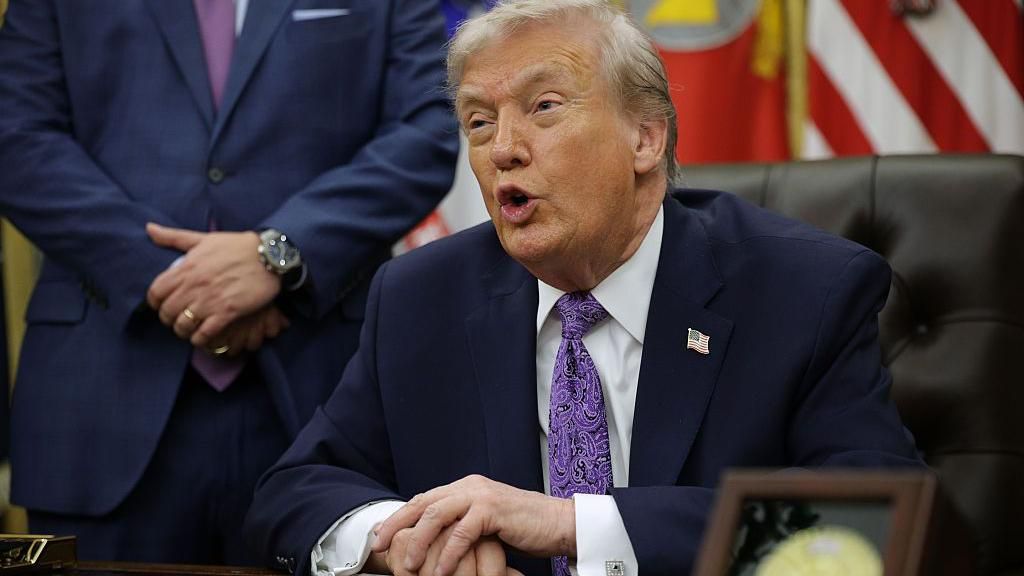
    In a controversial move testing constitutional boundaries, President Donald Trump has extended a presidential pardon to Tina Peters, the former Mesa County, Colorado elections clerk currently serving a nine-year prison sentence. Peters was convicted in 2024 on seven state-level charges, including three counts of attempting to influence a public servant and one count of conspiracy to commit criminal impersonation related to unauthorized access to voting systems during the 2020 presidential election.

    The pardon declaration, announced via Trump’s Truth Social platform, immediately triggered strong constitutional challenges from Colorado officials. State Attorney General Phil Weiser asserted that the presidential pardon power, widely understood to apply exclusively to federal crimes, holds no legal precedent for state-level convictions and ‘will not hold up’ under judicial scrutiny.

    Trump defended his action by characterizing Peters as ‘a Patriot who simply wanted to make sure that our Elections were Fair and Honest’—echoing his longstanding but unsubstantiated claims of widespread voter fraud in the 2020 election. The case has become a rallying point within election conspiracy circles, with numerous campaigns advocating for Peters’ release.

    Colorado Secretary of State Jena Griswold condemned the move as ‘an assault not just on our democracy, but on states’ rights and the American constitution.’ Legal experts note this represents another expansion of Trump’s pardon authority since he returned to office in January 2025, following previous controversial pardons for associates including former chief of staff Mark Meadows and former personal attorney Rudy Giuliani.

    The constitutional confrontation highlights tensions between state sovereignty and federal executive power, with Colorado officials emphasizing that states maintain independent authority over their criminal justice systems without federal interference—a principle they argue is fundamental to America’s constitutional framework.
  • Germany accuses Russia of 2024 cyber-attack and disinformation

    Germany accuses Russia of 2024 cyber-attack and disinformation

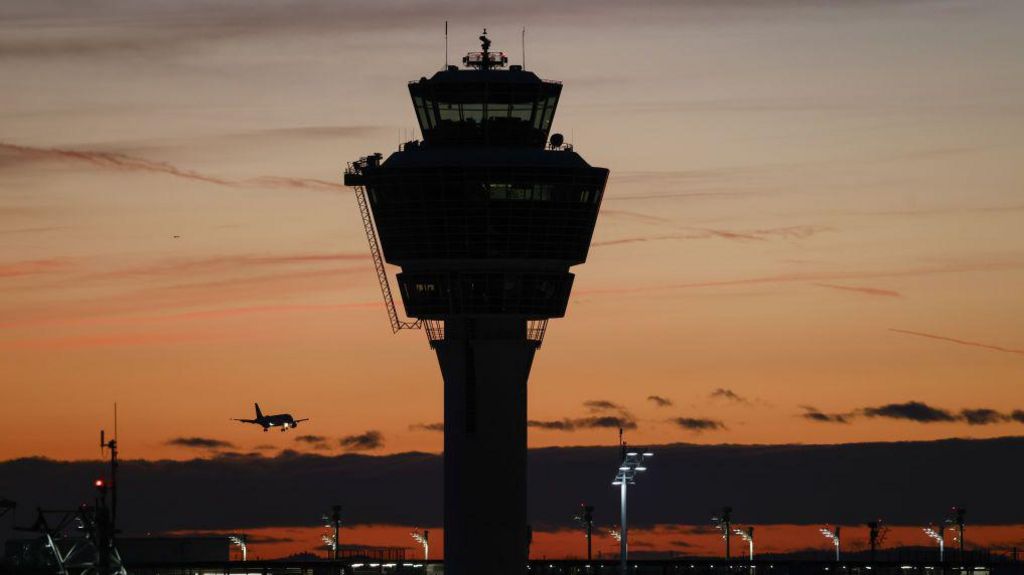
    The German government has formally accused Russian military intelligence of orchestrating a sophisticated cyber-attack against the nation’s air traffic control systems while simultaneously conducting a disinformation campaign to undermine its democratic processes. In an unprecedented diplomatic move, German officials summoned the Russian ambassador to address what they term “hybrid actions” requiring substantial countermeasures.

    According to a foreign ministry spokesperson, the August 2024 cyber-incident targeting Germany’s aviation infrastructure has been conclusively attributed to the GRU, Russia’s military intelligence service. The sophisticated attack, allegedly executed by the notorious hacker collective Fancy Bear, represents one of the most serious digital assaults on critical German infrastructure to date.

    Beyond the aviation sector breach, German authorities presented evidence of a coordinated Russian influence operation dubbed “Storm 1516” designed to destabilize both the February federal election and ongoing internal affairs. The campaign specifically targeted leading political figures including Green Party’s Robert Habeck and CDU’s Friedrich Merz, who currently serves as chancellor.

    Security agencies identified fabricated videos circulating days before the election that falsely alleged systematic ballot manipulation. These materials formed part of a broader psychological operation intended to erode public trust in Germany’s electoral integrity.

    The Fancy Bear group, previously implicated in the World Anti-Doping Agency data breach and the 2016 cyber-attack on the US Democratic National Committee, continues to operate as a persistent threat to Western democracies. German officials emphasized their commitment to coordinated European response measures intended to make Russia “pay a price” for its destabilizing activities.

    These allegations emerge amidst escalating concerns across Europe regarding suspected Russian cyber-operations, particularly since the full-scale invasion of Ukraine in 2022. While Moscow has consistently denied previous European allegations of sabotage and hybrid warfare, the current charges represent one of the most specific and well-documented accusations to date.

  • Germany summons Russian ambassador over alleged sabotage, cyberattacks and election interference

    Germany summons Russian ambassador over alleged sabotage, cyberattacks and election interference

    Germany has formally summoned Russia’s ambassador in Berlin following concrete evidence of state-sponsored hybrid warfare operations targeting German infrastructure and democratic processes. The German Foreign Ministry presented detailed allegations of cyberattacks, disinformation campaigns, and election interference orchestrated by Moscow.

    Foreign Ministry spokesperson Martin Giese identified GRU, Russia’s military intelligence agency, as the primary actor behind these coordinated attacks. The agency has been directly linked to a sophisticated 2024 cyber intrusion against German air traffic control systems, allegedly executed through the hacker collective APT28, also known as Fancy Bear.

    Investigative findings reveal that GRU operatives attempted to manipulate Germany’s recent federal election through ‘Storm 1516,’ a comprehensive influence operation deploying artificially generated content, deepfake imagery, and fabricated witness statements across multiple platforms. This campaign represents the latest in a series of Russian efforts to undermine European democratic institutions, building upon previous interference operations including those targeting the 2016 U.S. presidential election.

    The German government has announced it will implement countermeasures against Russian hybrid warfare tactics. These developments coincide with the European Union’s decision to indefinitely freeze Russian state assets within its jurisdiction, ensuring these resources can be directed toward supporting Ukraine’s defense efforts against Russian aggression.

    Giese emphasized that these attacks aim to fracture social cohesion, erode public trust, and weaken confidence in democratic governance. Germany remains committed to strengthening its cybersecurity infrastructure while continuing military and financial support for Ukraine amidst the ongoing conflict.

  • Group of Friends calls for stronger, more inclusive UN

    Group of Friends calls for stronger, more inclusive UN

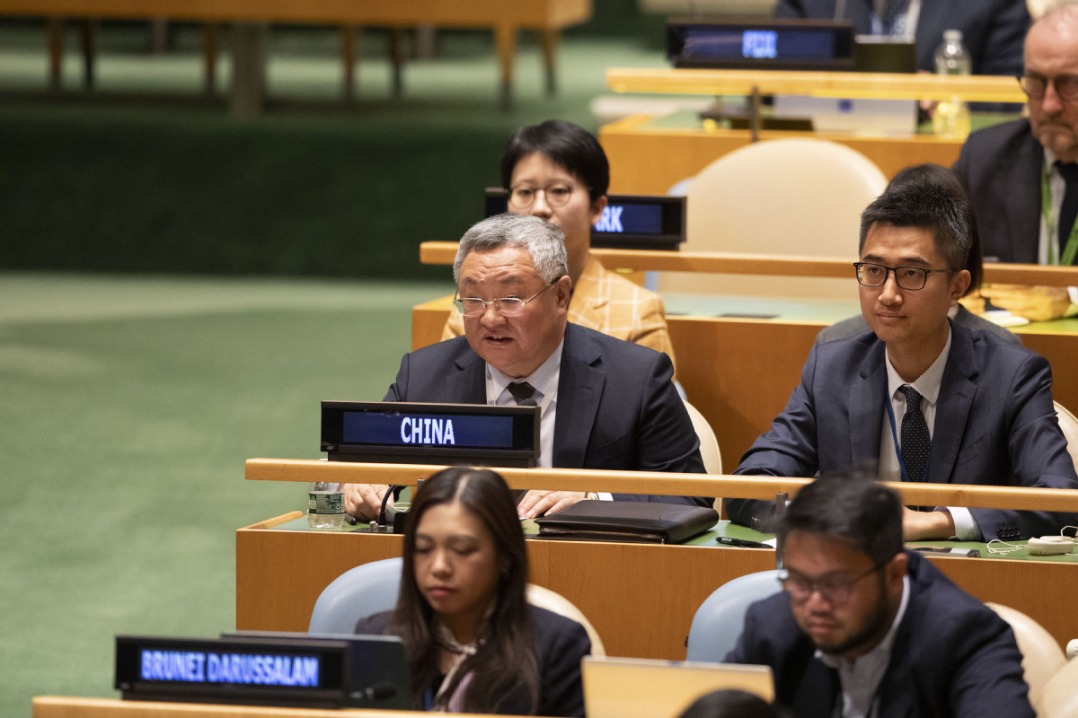
    In a significant diplomatic development, the newly formed Group of Friends of Global Governance has issued its inaugural collective statement calling for comprehensive reforms to strengthen the United Nations. The declaration came during a UN General Assembly briefing on Thursday regarding the UN80 Initiative, a sweeping reform program launched by Secretary-General António Guterres.

    Ambassador Fu Cong, China’s Permanent Representative to the UN, delivered the joint statement on behalf of 43 member nations, emphasizing the urgent need for a more effective, agile, and inclusive international organization. The statement highlighted that the UN80 reforms must reflect the collective expectations of the majority of member states, particularly focusing on reinforcing multilateralism, safeguarding international rule of law, and enhancing global governance mechanisms.

    The coalition, which formally established itself on Tuesday with founding members including China, Cuba, Iran, Palestine, Kenya, Kazakhstan, Morocco, and Venezuela, argued that after eight decades of service, the UN must prioritize both operational effectiveness and efficiency. The group specifically emphasized the need for the world body to develop greater responsiveness and resilience in addressing contemporary global challenges.

    A central theme of the statement addressed the concerns of developing nations, which constitute two-thirds of the UN membership. The alliance called for substantive reforms within the development pillar, expanded capacity-building support for the 2030 Agenda, and rectification of the under-representation of developing countries in the UN secretariat. The group stressed that equitable geographical representation remains fundamental to both the UN80 Initiative and the broader Pact for the Future.

    The Group of Friends further insisted that negotiation processes must maintain transparency and inclusivity, ensuring equal participation opportunities for all member states across every workstream. The coalition expressed its commitment to collaborate with all stakeholders in steering the UN80 Initiative toward establishing a more just global governance system that serves the common interests of the international community.

  • China proposes theme, priorities for 2026 APEC ‘China Year’

    China proposes theme, priorities for 2026 APEC ‘China Year’

    China has formally presented its strategic vision for the 2026 APEC host year, introducing ‘Building an Asia-Pacific Community to Prosper Together’ as the central theme during the APEC Informal Senior Officials’ Meeting (ISOM) in Shenzhen. The December 12th announcement established three core priorities—openness, innovation, and cooperation—that will guide the forum’s agenda throughout China’s leadership tenure.

    The Shenzhen symposium and ISOM gathering, held from December 11th to 12th, represents China’s inaugural event as host of the 33rd APEC Economic Leaders’ Meeting scheduled for November 2026. The meeting also featured the official unveiling of the APEC 2026 logo, symbolizing the commencement of preparatory activities for what Chinese officials term the APEC ‘China Year.’

    As the world’s second-largest economy, China’s hosting of APEC comes at a pivotal moment for regional economic integration. The selected priorities reflect Beijing’s emphasis on creating sustainable development frameworks while addressing contemporary challenges through technological advancement and collaborative policy-making. The ‘openness’ component advocates for reduced trade barriers and enhanced market access, while ‘innovation’ focuses on digital transformation and green technologies. The ‘cooperation’ pillar emphasizes institutional coordination and multilateral problem-solving mechanisms.

    Shenzhen, the host city, represents a symbolic choice as both a technological hub and a testament to China’s economic modernization. The 2026 leadership role provides China with a platform to shape regional economic discourse amid evolving global supply chains and increasing geopolitical complexities. APEC members, representing approximately 60% of global GDP and 48% of international trade, will engage with China’s proposed framework through working groups and ministerial meetings throughout the hosting year.

  • EU indefinitely freezes Russian assets so Hungary and Slovakia can’t veto their use for Ukraine

    EU indefinitely freezes Russian assets so Hungary and Slovakia can’t veto their use for Ukraine

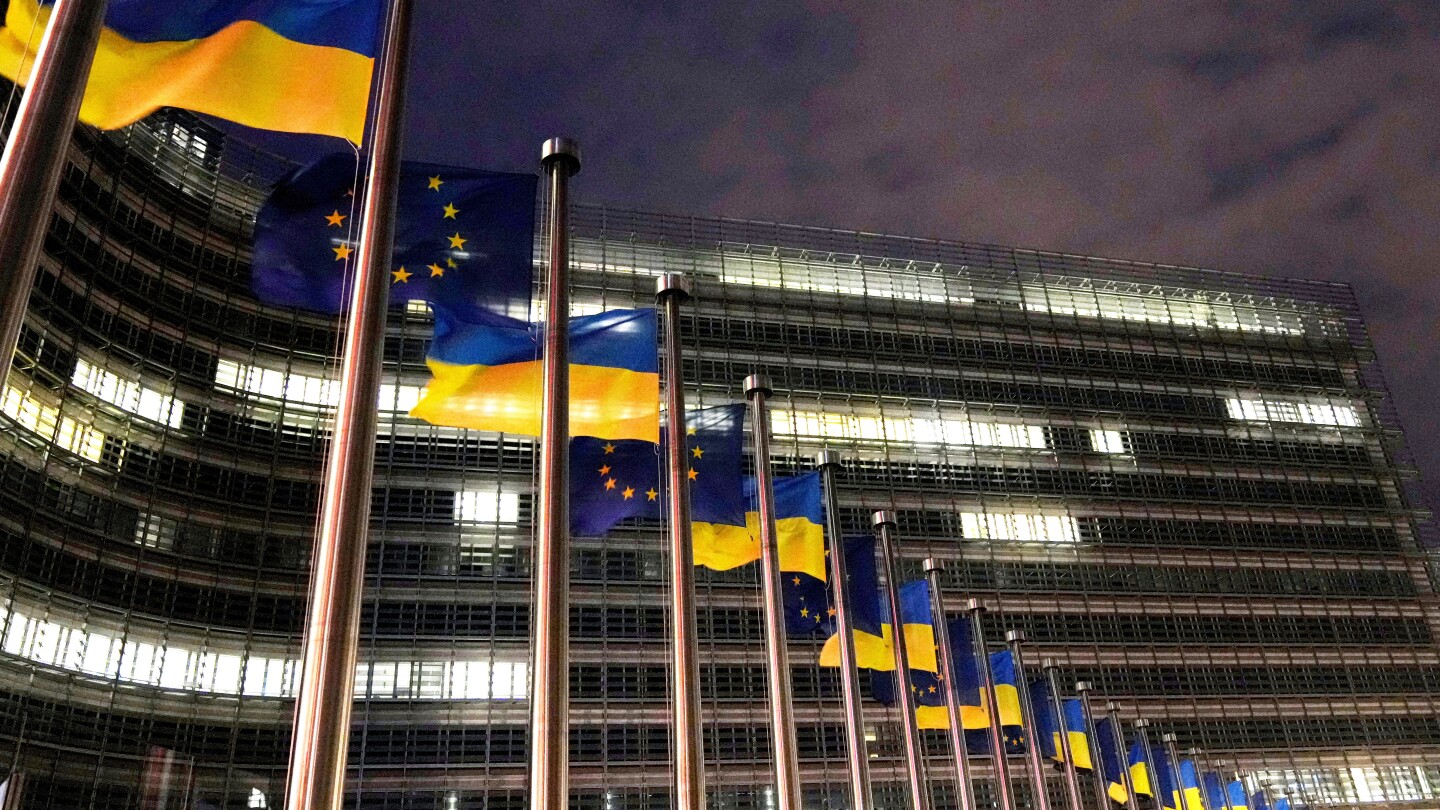
    In a decisive move against Russian aggression, the European Union has enacted an indefinite freeze on Russian state assets held within its jurisdiction. The unprecedented measure, activated through a special economic emergency procedure on Friday, ensures that approximately €210 billion ($247 billion) in Russian Central Bank assets remain immobilized until Moscow ceases its war against Ukraine and provides compensation for the extensive damages inflicted.

    The strategic decision effectively neutralizes potential opposition from Hungary and Slovakia, both governed by Moscow-friendly administrations, by removing their ability to block the six-monthly sanctions renewals required to maintain the asset freeze. EU Council President António Costa declared the action fulfills the commitment European leaders made in October to sustain economic pressure on Russia.

    This foundational step enables EU leadership to finalize plans during their December 18 summit for leveraging these immobilized funds to underwrite substantial financial assistance for Ukraine. The proposed mechanism would convert frozen assets into collateral for a massive loan addressing Ukraine’s military and budgetary requirements through 2026-2027.

    The move explicitly prevents these resources from being utilized in any peace negotiations without European authorization, directly countering a 28-point U.S.-Russian draft plan that proposed distributing frozen assets among Ukraine, Russia, and the United States—a proposal previously rejected by Kyiv and its European allies.

    Hungarian Prime Minister Viktor Orbán, Vladimir Putin’s closest EU ally, condemned the decision as marking ‘the end of the rule of law’ within the bloc, vowing to ‘restore lawful order.’ Similarly, Slovak Prime Minister Robert Fico opposed using frozen assets for Ukraine’s military expenses, warning such actions could undermine U.S. peace initiatives.

    Meanwhile, Russia’s Central Bank has initiated legal proceedings in Moscow against Euroclear, the Belgian financial clearinghouse holding approximately €193 billion of the frozen assets, seeking damages for alleged mismanagement. EU Economy Commissioner Valdis Dombrovskis dismissed the lawsuit as ‘speculative,’ asserting the EU’s position remains ‘legally robust’ under international law.

  • Trump plans to name lineup for peace board

    Trump plans to name lineup for peace board

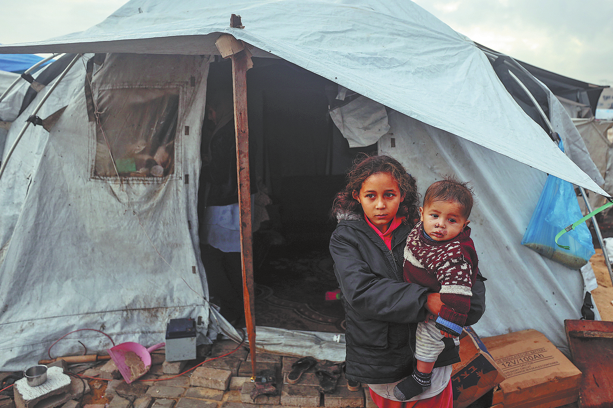
    In a significant development toward Middle East stabilization, U.S. President Donald Trump revealed plans to unveil the composition of the Gaza Board of Peace early next year. The announcement came alongside Hamas’s unprecedented proposal to freeze weaponry in exchange for a lasting ceasefire arrangement.

    Speaking at an economic event within the White House’s Roosevelt Room on Wednesday, Trump indicated widespread international interest in participating on the peace board, established under a U.S.-drafted framework that currently maintains a fragile truce between Israel and Hamas militants. “The kings, the presidents, prime ministers—they all want to be on the Board of Peace,” Trump stated, characterizing the prospective body as “one of the most legendary boards ever.”

    The board’s mandate derives from a November 17 United Nations Security Council resolution that authorized the creation of a temporary International Stabilization Force for Gaza. This transitional administration is tasked with establishing frameworks and coordinating reconstruction funding for the devastated territory, operating until the Palestinian Authority completes necessary reforms to reassume control.

    Concurrent with these diplomatic movements, Hamas political leader Khaled Meshaal presented a modified disarmament proposal during a Wednesday interview. Rather than complete weapons surrender, Meshaal suggested “a freeze, or storage of weapons” to provide security guarantees against military escalation from Gaza. He expressed confidence that “with pragmatic American thinking,” such an arrangement could be negotiated with U.S. officials.

    The proposed weapons freeze emerges as the U.S.-brokered ceasefire, effective since October 10, remains precarious with daily allegations of violations from both sides. Israeli Prime Minister Benjamin Netanyahu recently signaled the agreement’s impending transition to its second phase, with anticipated discussions with Trump later this month regarding subsequent steps.

    Despite diplomatic progress, tensions persist on the ground. Israeli police recently raided the United Nations Relief and Works Agency compound in East Jerusalem, prompting condemnation from UN Secretary-General Antonio Guterres, who demanded Israel uphold the inviolability of UN premises.

    International legal experts emphasize that protection of Palestinian detainees falls under the Fourth Geneva Convention concerning Protection of Civilian Persons in Time of War. Hadi Rahmat Purnama, assistant professor of international law at Universitas Indonesia, noted that Israel as occupying power remains bound by international humanitarian and human rights law obligations regarding treatment of protected persons in occupied territories.

  • About 200 West African soldiers in Benin for ‘clean-up’ after failed coup

    About 200 West African soldiers in Benin for ‘clean-up’ after failed coup

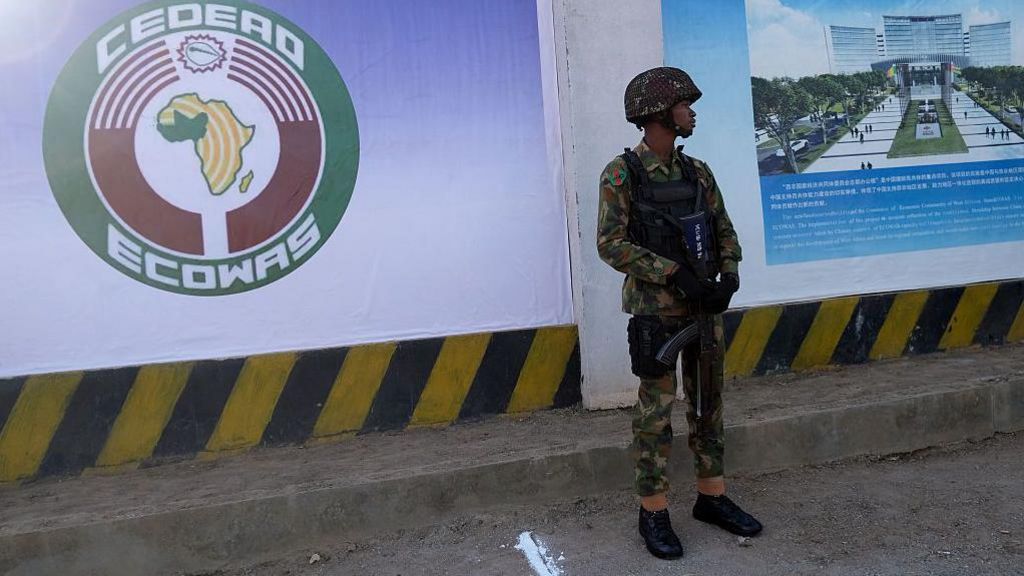
    Benin’s government has officially confirmed the presence of approximately 200 West African soldiers within its borders following Sunday’s thwarted coup attempt. Foreign Minister Olushegun Adjadi Bakari disclosed that these regional forces, primarily from Nigeria and Ivory Coast, remain engaged in “sweep and clean-up operations” to stabilize the nation.

    The failed takeover unfolded when mutineers seized a military base and state television headquarters before Nigerian fighter jets intervened decisively. This military support, coordinated through the Economic Community of West African States (ECOWAS), enabled Beninese forces to repel the insurgents with surgical precision to minimize civilian casualties.

    Minister Bakari, speaking alongside Nigerian counterpart Yusuf Maitama Tuggar in Abuja, emphasized that the coup had “already failed” before international assistance was formally requested. The collaborative response demonstrated unprecedented diplomatic and military coordination between neighboring nations.

    Security operations continue as the alleged coup leader remains at large, reportedly seeking refuge in neighboring Togo. The rebels had justified their actions by criticizing President Patrice Talon’s management of security challenges in northern Benin, where jihadist insurgencies from Niger and Burkina Faso have increasingly threatened stability.

    ECOWAS, facing regional pressure after multiple successful coups in West Africa, has signaled strengthened commitment to protecting democratic governance. The bloc deployed troops from Nigeria, Ghana, Sierra Leone, and Ivory Coast to secure critical infrastructure and prevent violence resurgence.

    Discussions regarding the duration of regional forces’ presence remain ongoing, with Bakari noting any decisions will prioritize coordination with Beninese defense forces who demonstrated considerable bravery during the crisis. The potential continued involvement of French special forces, who reportedly assisted loyalist troops, remains unconfirmed.

    President Talon, a Western ally completing his second term, is scheduled to leave office next year with elections anticipated in April.

  • Chileans are divided in a presidential runoff tilted toward the far right

    Chileans are divided in a presidential runoff tilted toward the far right

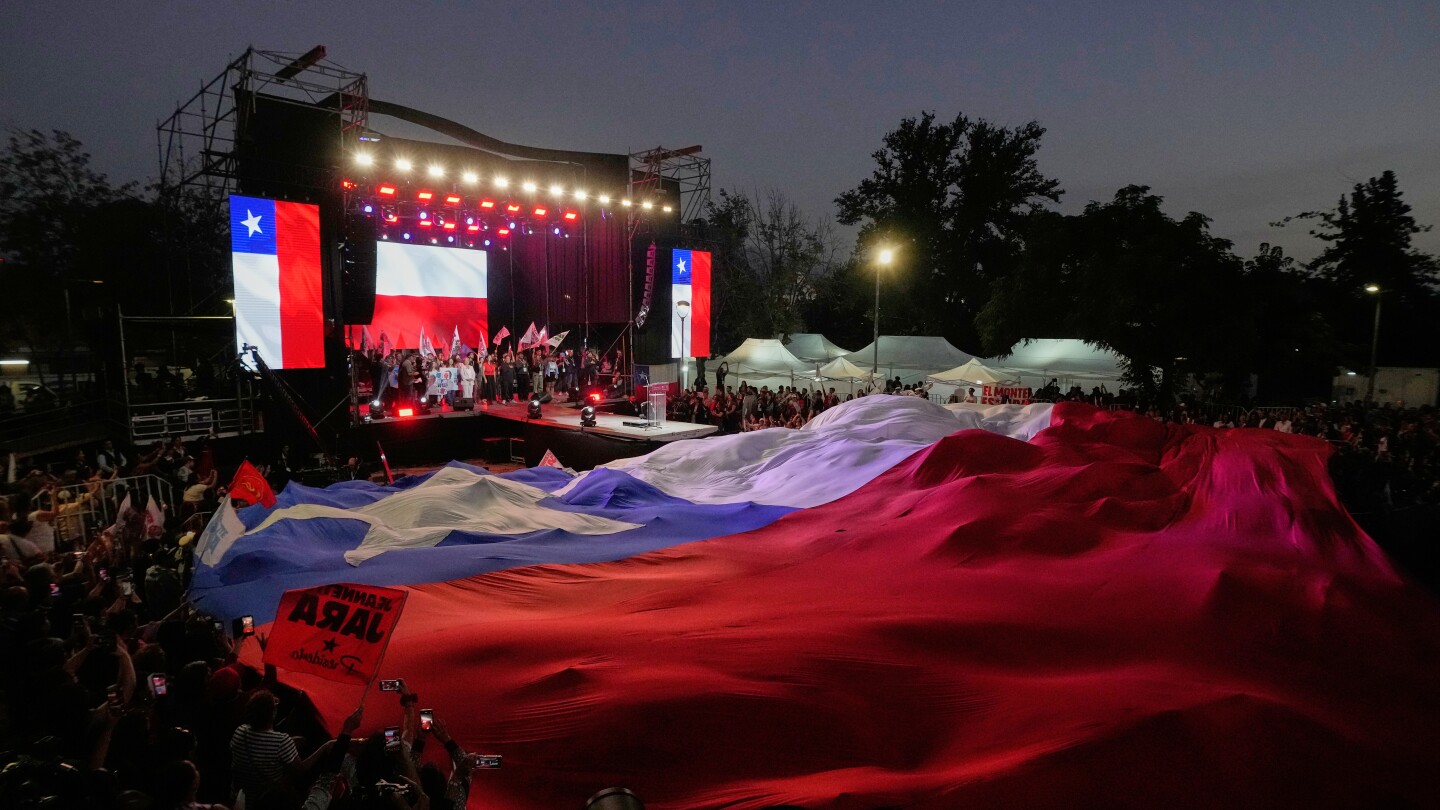
    SANTIAGO, Chile — Chile stands at a political crossroads as voters prepare to elect their next president in a runoff election that pits two ideological extremes against each other. The Sunday vote features José Antonio Kast, a 59-year-old former lawmaker representing the most right-wing platform since Chile’s military dictatorship, against Jeannette Jara, a 51-year-old communist candidate who would become the most left-wing president since the country’s return to democracy in 1990.

    The election reveals a nation deeply divided in its perception of reality. Many Chileans describe their country as descending into disaster, citing surging crime rates attributed to Venezuelan gangs crossing porous borders, unprecedented kidnappings, contract killings, and economic stagnation in what was once considered one of Latin America’s safest nations. These voters see Kast as the solution to restore stability and security.

    Conversely, other Chileans point to significant social progress including a shorter workweek, higher minimum wage, improved pension systems, and a declining homicide rate according to official figures. They view Jara as the necessary bulwark against far-right populism sweeping across the globe.

    Kast’s campaign has gained momentum by focusing on security concerns and immigration, promising mass deportations of an estimated 337,000 migrants without legal status—mostly Venezuelans. He has drawn inspiration from Trump’s immigration policies, Bukele’s crime-fighting tactics in El Salvador, and Milei’s libertarian economic approach in Argentina, proposing to slash $6 billion in public spending within 18 months.

    Jara, despite her record as labor minister implementing significant welfare measures and her humble origins, faces substantial challenges. Her communist affiliation frightens moderate voters despite her proposals promoting foreign investment and fiscal restraint. She represents a government with only 30% approval rating in a country that has voted out incumbent leaders in every election since 2005.

    Political analysts consider Kast the likely victor after right-leaning parties secured 70% of votes in the first round. The outcome will determine whether Chile joins the regional trend of right-wing ascendance or maintains its left-leaning trajectory that began with current President Gabriel Boric’s victory four years ago.

  • Maduro says Trump wants Venezuela’s oil. But is that the real US goal?

    Maduro says Trump wants Venezuela’s oil. But is that the real US goal?

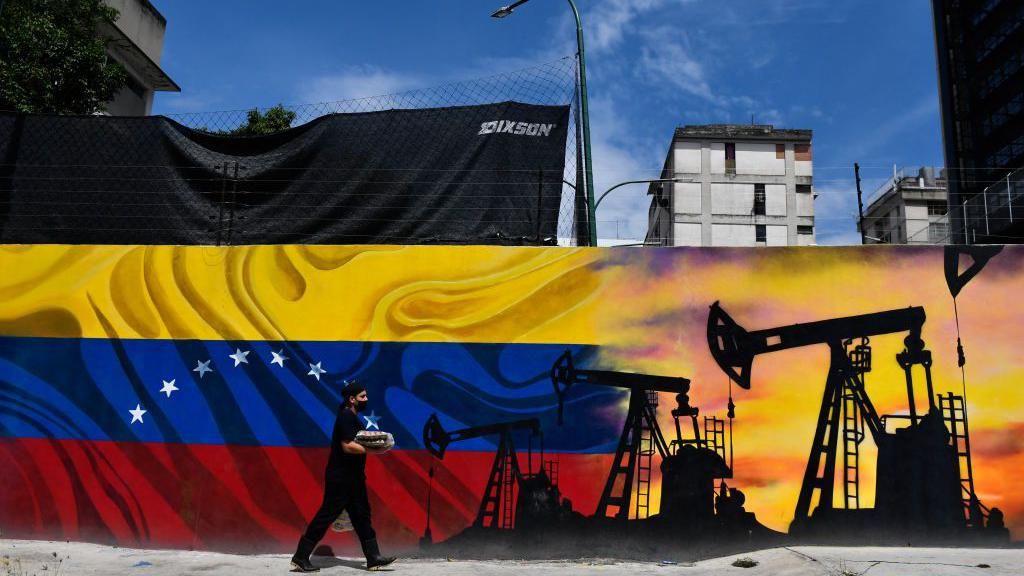
    Tensions between the United States and Venezuela have reached a critical juncture as military and economic pressures intensify. Venezuelan President Nicolás Maduro asserts that Washington’s aggressive posture stems primarily from desire to control his nation’s massive petroleum reserves—the world’s largest at approximately 303 billion barrels.

    The confrontation escalated this week with the US military seizing an oil tanker allegedly transporting Venezuelan crude in violation of sanctions. This action follows a series of strikes against vessels accused of drug trafficking. President Donald Trump has publicly demanded Maduro’s resignation, alleging his administration facilitates narcotics and criminal elements reaching American shores.

    Despite Venezuela’s enormous reserves, current production tells a different story. Output has plummeted to approximately 860,000 barrels daily—just one-third of levels from a decade ago and representing under 1% of global consumption. This dramatic decline followed tightened governmental control over state oil company PDVSA, prompting an exodus of skilled personnel.

    US sanctions, initially imposed in 2015 during the Obama administration citing human rights concerns, have severely constrained Venezuela’s energy sector. These measures have limited foreign investment, restricted access to essential equipment, and crippled infrastructure. While some Western companies maintain limited operations, American firm Chevron stands as the primary US producer still active, accounting for roughly one-fifth of Venezuela’s current output after receiving special authorization.

    The geopolitical calculus involves multiple factors. Some US politicians, including Florida Republican Congresswoman María Elvira Salazar, advocate for intervention, suggesting American companies could rapidly revitalize Venezuela’s oil industry. However, White House officials emphasize combating drug trafficking and challenging Maduro’s legitimacy as primary objectives.

    Energy analysts remain skeptical about immediate benefits. Even if sanctions eased, restoring Venezuela’s production would require tens of billions of dollars and potentially a decade of investment. Additionally, declining long-term global oil demand and Venezuela’s OPEC membership present further complications for potential investors.

    The situation presents a paradox: while Venezuela’s heavy crude is desirable for US Gulf Coast refineries, and increased production could eventually lower prices, the practical challenges of revitalizing the industry remain formidable. As Capital Economics’ David Oxley notes, private companies will only commit resources if profitable—a uncertain proposition given the substantial investments and extended timeframe required.