分类: politics

  • Chile elects far-right José Antonio Kast as next president

    Chile elects far-right José Antonio Kast as next president

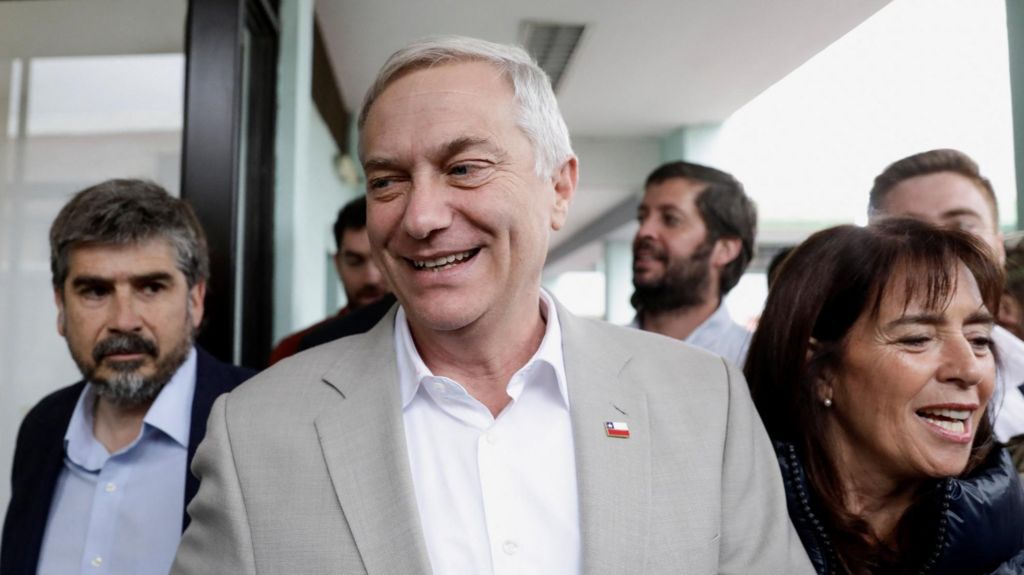
    Chile has embarked on a profound political transformation with the election of far-right candidate José Antonio Kast as its next president. Securing a commanding 58% of the vote in his third presidential bid, Kast’s victory represents the most significant rightward shift in Chilean politics since the end of Augusto Pinochet’s military dictatorship in 1990.

    The election campaign centered overwhelmingly on issues of national security, immigration control, and crime prevention. Kast successfully portrayed Chile as a nation descending into chaos, pledging to restore order through stringent measures including sharp spending cuts, construction of border fortifications along Peru and Bolivia frontiers, maximum-security prisons, and mass deportations of irregular migrants.

    His triumph over left-wing coalition candidate Jeannette Jara from the Communist Party sparked jubilant celebrations among supporters in Santiago, where crowds draped in Chilean flags chanted slogans and celebrated the outcome. Many voters expressed hope that Kast would fulfill his promises to enhance national security and patriotism.

    The election results reflect growing voter concerns about immigration and organized crime, despite Chile maintaining its status as one of South America’s safest and most stable nations. Critics argue Kast exaggerated security threats, noting that murder rates are actually declining and studies indicate immigrants commit fewer crimes on average.

    Kast’s political ideology shows strong parallels with former U.S. President Donald Trump, whose ‘Make America Great Again’ slogan inspired similar campaign merchandise in Chile. His victory aligns with a broader regional trend toward right-wing leadership in Latin America, following similar shifts in Argentina, Ecuador, Costa Rica, and El Salvador.

    The president-elect’s background has raised concerns among opponents who fear a return to Chile’s authoritarian past. Kast has openly praised former dictator Pinochet, whose regime was marked by severe human rights abuses. His brother served as a minister during the dictatorship, and his father was a member of the Nazi party.

    Investors are expected to welcome Kast’s victory due to his commitment to free-market economics, state reduction, and industry deregulation. However, his staunch opposition to abortion—even in cases of rape—and environmental protection policies have drawn criticism from progressive groups.

    Kast is scheduled to be inaugurated on March 11, 2026, having repeatedly warned undocumented immigrants during campaign rallies to depart before that date if they wish to maintain future return options.
  • Brazilians protest a bill that would reduce former president Bolsonaro’s time in jail

    Brazilians protest a bill that would reduce former president Bolsonaro’s time in jail

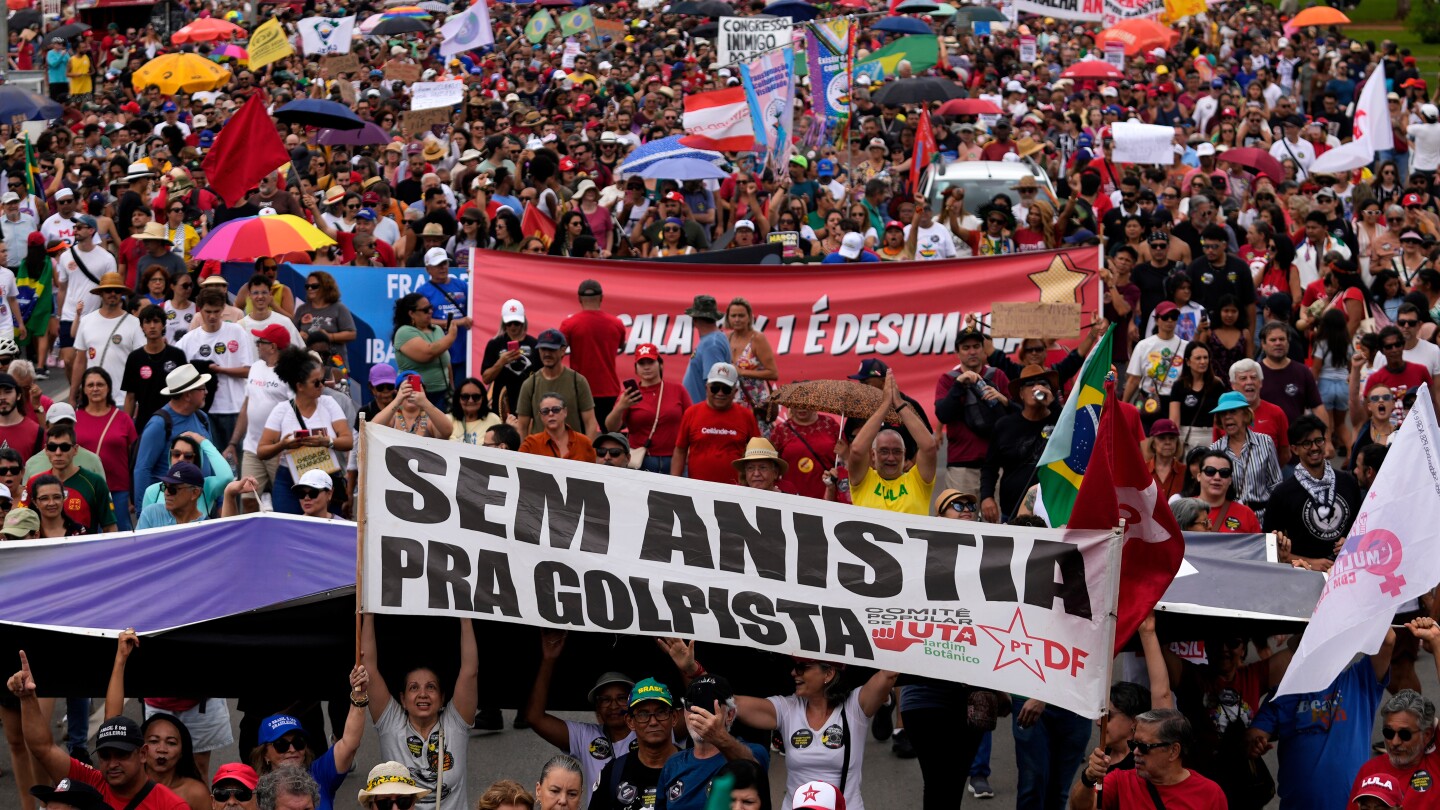
    RIO DE JANEIRO — Massive demonstrations swept through Brazil’s major cities on Sunday as tens of thousands of citizens mobilized against controversial congressional legislation that would significantly reduce former President Jair Bolsonaro’s prison term. The bill, which cleared the lower house earlier this week, could slash Bolsonaro’s 27-year sentence for attempted coup activities to just over two years.

    Protestors flooded iconic locations including Copacabana’s boardwalk in Rio de Janeiro, Brasília’s government district, and urban centers in São Paulo, Florianopolis, Salvador, and Recife. Left-wing demonstrators united in chanting “No amnesty” and demanding the resignation of House Speaker Hugo Motta, who facilitated the bill’s passage. The atmosphere combined festive musical performances by legendary artists Caetano Veloso and Gilberto Gil with palpable political indignation.

    Antonio Edson Lima de Oliveira, a 56-year-old geologist participating in Rio, stated: “This legislation represents an attempt to protect those who attempted to overthrow democracy. Brazil has endured multiple dictatorships with devastating consequences—we must never allow such threats to reemerge.”

    The controversial measure, sponsored by Congressman Paulinho da Força, proposes fundamental changes to Brazil’s penal system. It would require concurrent rather than consecutive sentencing for convictions related to the January 8, 2023 insurrection, when Bolsonaro supporters stormed government buildings seeking to overturn President Lula da Silva’s election victory. Additionally, it would modify parole eligibility, allowing day release after serving one-sixth rather than one-fourth of a sentence.

    Political analyst Luciana Santana from the Federal University of Alagoas suggests the bill faces substantial hurdles in the Senate: “The chamber’s composition, widespread public mobilizations, and the lower house’s pre-dawn voting circumstances create a less favorable environment for passage.”

    The developments occur against a backdrop of improved U.S.-Brazil relations following diplomatic turbulence. The United States recently removed tariffs imposed during the Bolsonaro trial period and lifted sanctions against Brazilian Supreme Court Justice Alexandre de Moraes, who presided over the former president’s case.

  • India rejects allegations of territory being used for anti-Bangladesh activities

    India rejects allegations of territory being used for anti-Bangladesh activities

    In a significant diplomatic development, India has formally rejected allegations from Bangladesh’s interim government regarding the use of Indian territory for activities detrimental to Bangladeshi interests. The sharp exchange occurred on Sunday amid heightened tensions between the neighboring nations.

    The Indian Ministry of External Affairs issued a comprehensive statement minutes after Bangladesh’s Foreign Ministry summoned the Indian High Commissioner to express concerns about statements made by former Prime Minister Sheikh Hasina. Dhaka authorities accused Hasina of orchestrating violence from abroad and sought her extradition along with former Home Minister Asaduzzaman Khan Kamal.

    Reaffirming its consistent position, India emphasized its commitment to Bangladesh’s democratic processes. “We have consistently reiterated our position in favour of free, fair, inclusive and credible elections being held in Bangladesh in a peaceful atmosphere,” the official statement declared.

    The Indian government categorically denied allegations that its territory was being used for activities against Bangladesh’s interests. “India has never allowed its territory to be used for activities inimical to the interests of the friendly people of Bangladesh,” the ministry asserted, adding that it expects Bangladesh’s interim government to maintain law and order essential for peaceful elections.

    Bangladesh’s foreign ministry had drawn attention to what it described as anti-Bangladesh activities by fugitive Awami League members currently residing in India. These allegations include planning, organizing, and facilitating terrorist acts within Bangladesh to disrupt the electoral process. Additionally, Dhaka requested India’s cooperation in preventing the escape of suspects connected to the recent attempted assassination of Bangladeshi political leader Sharif Osman Hadi.

    The Indian High Commissioner responded by emphasizing India’s anticipation of peaceful elections in Bangladesh and expressed readiness to extend all necessary cooperation in this regard. This diplomatic exchange occurs against the backdrop of ongoing political tensions in Bangladesh and the approaching electoral period.

  • Petro urges Colombians to celebrate Christmas season despite ELN rebels’ forced strike

    Petro urges Colombians to celebrate Christmas season despite ELN rebels’ forced strike

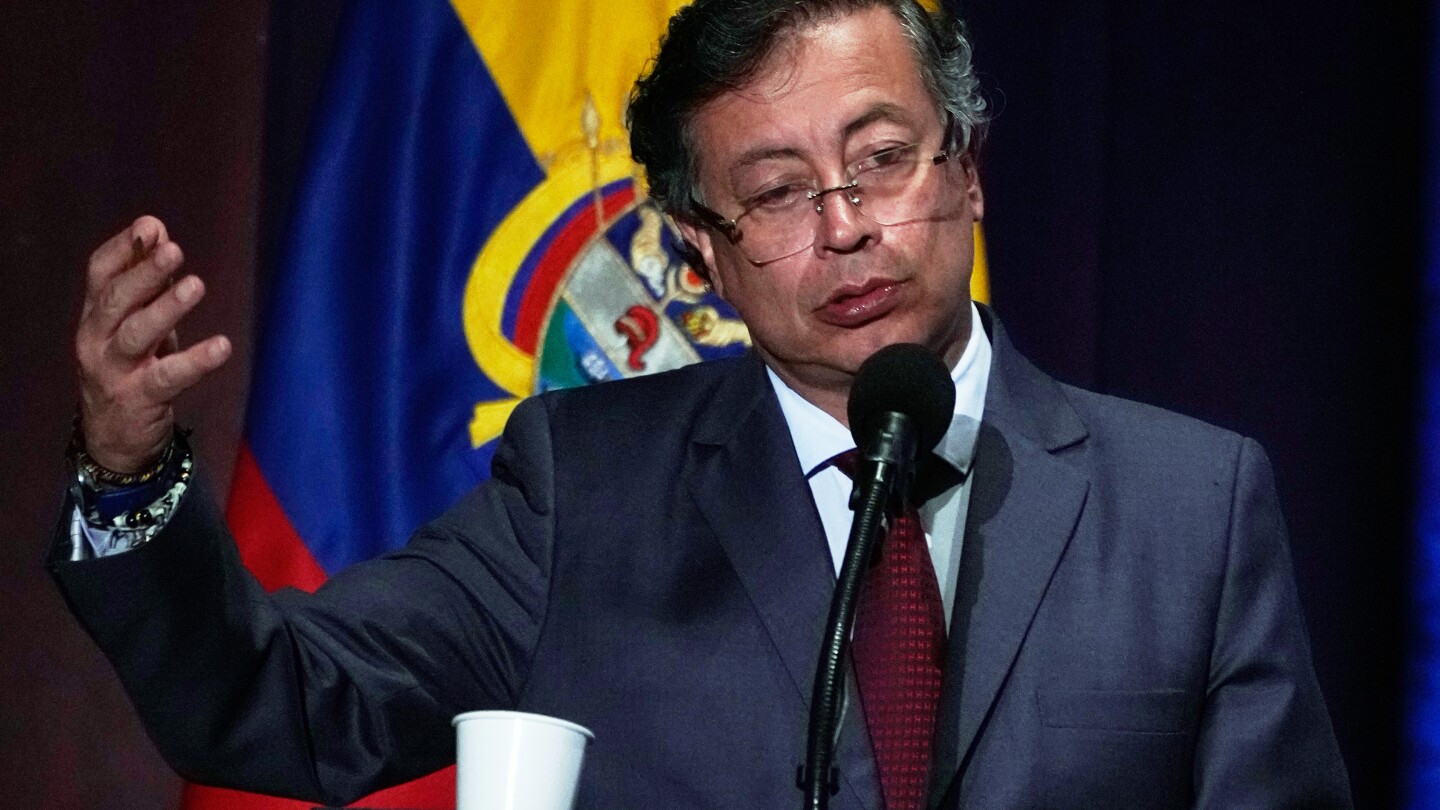
    BOGOTA, Colombia — Colombian President Gustavo Petro has issued a resolute call for citizens to celebrate the Christmas season without intimidation, following the National Liberation Army (ELN) rebel group’s declaration of an armed strike across multiple regions. The left-wing insurgents announced restrictive measures effective from Sunday through Wednesday morning, demanding civilian confinement to homes and suspension of commercial and transportation activities.

    The ELN justified their coercive actions as retaliation against what they termed a ‘counterinsurgency plan’ by the government and ‘imperialist aggression’ in reference to U.S. military operations in the region. The rebel directive specifically warned residents in Bogota, Medellin, Cali, Popayan and Barrancabermeja to avoid proximity to police and military installations.

    President Petro characterized the ELN’s pronouncements as direct threats against Colombian sovereignty rather than merely against U.S. interests. He has authorized security forces to engage the rebel group while encouraging public defiance of their intimidation tactics. ‘Fear paralyzes us, and we will not allow ourselves to be threatened either by foreign powers or by drug traffickers dressed up as revolutionaries,’ Petro asserted.

    The escalating tension occurs against the backdrop of increased U.S. military presence in the region, with American forces reporting over 80 casualties in anti-narcotics operations since September. These strikes initially targeted vessels off Venezuela’s Caribbean coast before expanding to the eastern Pacific Ocean. The Petro administration has condemned these operations as disproportionate use of force, with the president characterizing them as ‘murders.’

    This confrontation represents another deterioration in government-rebel relations since Petro suspended peace negotiations with the ELN in January following rebel attacks that killed approximately 80 people in the Catatumbo region.

  • UAE condemns attack on US-Syria forces near Palmyra

    UAE condemns attack on US-Syria forces near Palmyra

    The United Arab Emirates has issued a formal condemnation of a deadly terrorist assault targeting a combined US and Syrian security patrol in central Syria. The attack occurred in the vicinity of the historic city of Palmyra, resulting in significant casualties among American military personnel and injuries to members of the Syrian security forces.

    In an official statement released by its Ministry of Foreign Affairs (MoFA), the Emirati government articulated its vehement denunciation of the violent incident, characterizing it as an act of terrorism that fundamentally contradicts international peace and security objectives. The Ministry reaffirmed the nation’s unwavering stance against all manifestations of violence and terrorism that seek to destabilize regional security architectures.

    The UAE government extended profound condolences and expressions of solidarity to the families of those killed in the assault, addressing both the United States and the Syrian Arab Republic. The communication further conveyed the nation’s sincere wishes for the prompt and complete recovery of all injured parties affected by what authorities described as a heinous security breach.

    This diplomatic response occurs against the backdrop of ongoing security challenges in the Syrian region, where various international forces maintain operational presence. The UAE’s condemnation aligns with its broader foreign policy objectives of promoting stability and countering extremist violence in the Middle East.

  • Philippine senator urges security, funding for fishermen after Chinese water-cannon attack

    Philippine senator urges security, funding for fishermen after Chinese water-cannon attack

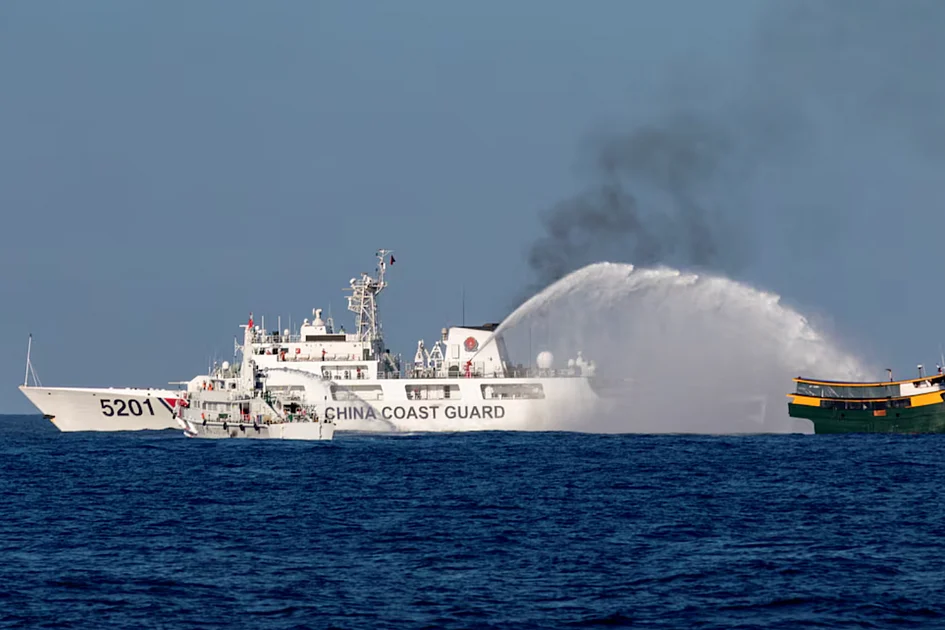
    In response to escalating maritime tensions, Philippine Senator Risa Hontiveros has issued a urgent appeal for strengthened security measures and financial support for local fishermen operating in contested waters. The call to action follows a confirmed incident where Chinese coast guard vessels employed high-pressure water cannons and executed dangerous maneuvers against approximately 20 Filipino fishing boats near Escoda (Sabina) Shoal.

    According to Philippine Coast Guard (PCG) reports, the confrontation resulted in three fishermen sustaining injuries including bruises and open wounds. The aggression further caused significant material damage, with two fishing vessels impaired and multiple anchor lines severed—actions that created perilous conditions amid already challenging sea states. PCG vessels dispatched to provide assistance were themselves subjected to obstructive blocking maneuvers before successfully delivering medical aid and essential supplies to the affected fishermen.

    Senator Hontiveros characterized the event as part of a pattern of “relentless aggression” by China that endangers Filipino lives within the nation’s exclusive economic zone (EEZ). She emphasized the economic vulnerability of local fisherfolk who struggle to maintain livelihoods in their traditional fishing grounds while facing external threats. The senator’s statement specifically called for regular PCG escorts, increased personnel and vessel deployment, and guaranteed funding to ensure sustained maritime protection.

    The incident has prompted calls for accelerated defense cooperation with regional allies and like-minded nations. PCG spokesperson Commodore Jay Tarriela reiterated the agency’s position urging China to respect established international maritime law and prioritize civilian safety in disputed waters. This latest confrontation underscores the continuing geopolitical tensions in the West Philippine Sea and highlights the urgent need for enhanced protective measures for civilian maritime activities.

  • Nobel laureate Ales Bialiatski describes Belarus prison ordeal in first interview after release

    Nobel laureate Ales Bialiatski describes Belarus prison ordeal in first interview after release

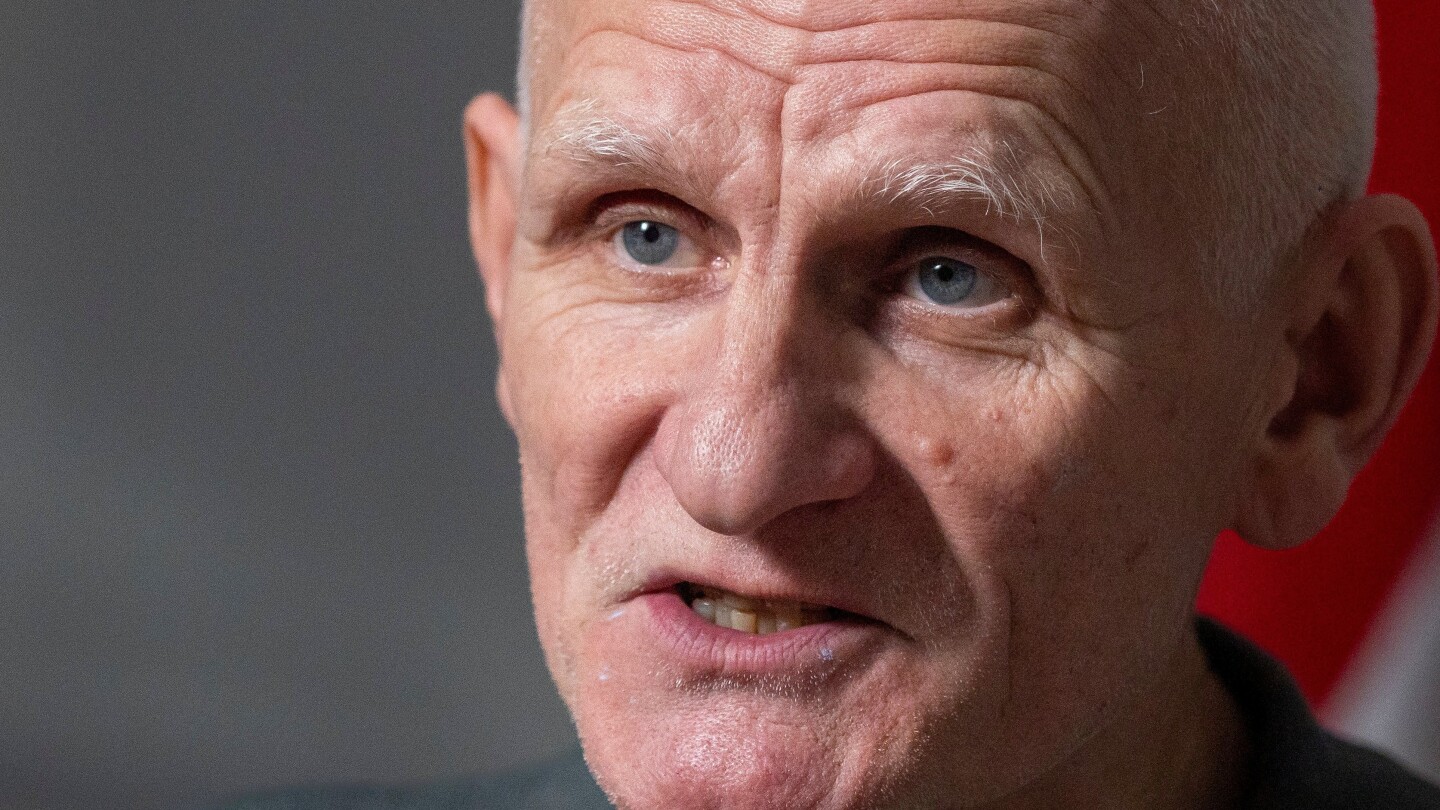
    VILNIUS, Lithuania — Nobel Peace Prize recipient Ales Bialiatski provided his first comprehensive account of imprisonment under Belarus’ authoritarian regime during an exclusive interview with The Associated Press on Sunday. The 63-year-old human rights advocate appeared visibly weakened following his sudden release from Penal Colony No. 9, where he had served over four years of a decade-long sentence.

    Bialiatski described severely inadequate medical facilities within the penal system, revealing that dental treatment consisted exclusively of tooth extractions. His unexpected liberation occurred Saturday when guards abruptly ordered him to pack his belongings while blindfolded. “When I crossed the border, it was as if I emerged from the bottom of the sea,” Bialiatski recounted, describing the emotional reunion with his wife in Vilnius after years of separation.

    The human rights leader was among 123 prisoners released through a diplomatic exchange that prompted the United States to lift sanctions on Belarus’ crucial potash industry. This development occurs amid Belarusian President Alexander Lukashenko’s efforts to ease Western isolation despite maintaining close ties with Russia and permitting Belarusian territory to facilitate Moscow’s invasion of Ukraine.

    While acknowledging his Nobel status provided protection from physical violence, Bialiatski detailed systematic psychological pressure including solitary confinement, arbitrary punishments for minor infractions, and restricted communication with family. He was classified as having “extremist tendencies” and forced to wear a yellow identification marker.

    The veteran activist expressed particular concern for approximately 1,110 political prisoners remaining in Belarusian detention, including colleagues from his Viasna Human Rights Center. He characterized the government’s approach as “schizophrenic,” noting that new detainees continuously replace those being released.

    Bialiatski intends to leverage his Nobel platform to advocate for democratic reforms, emphasizing that the award recognized broader Belarusian civil society rather than his individual achievements. He affirmed his continued work with Viasna, now operating from Vilnius after being forced into exile.

    The activist also connected Belarus’s political future to Ukraine’s resistance against Russian aggression, warning that Minsk’s growing dependence on Moscow threatens national sovereignty. Meanwhile, other released dissidents including Viktar Babaryka and Maria Kolesnikova similarly described disorienting transitions to freedom during appearances in Ukraine, where most freed prisoners were relocated.

  • Israel’s Netanyahu lashes out while world shows shock and sympathy over Australia shooting

    Israel’s Netanyahu lashes out while world shows shock and sympathy over Australia shooting

    Israeli Prime Minister Benjamin Netanyahu has ignited a diplomatic confrontation by directly connecting Australia’s recognition of Palestinian statehood to the deadly mass shooting at a Jewish holiday event in Sydney. In sharply worded remarks on Sunday, Netanyahu accused Australian Prime Minister Anthony Albanese of fueling antisemitic sentiments through his government’s stance on Palestinian statehood.

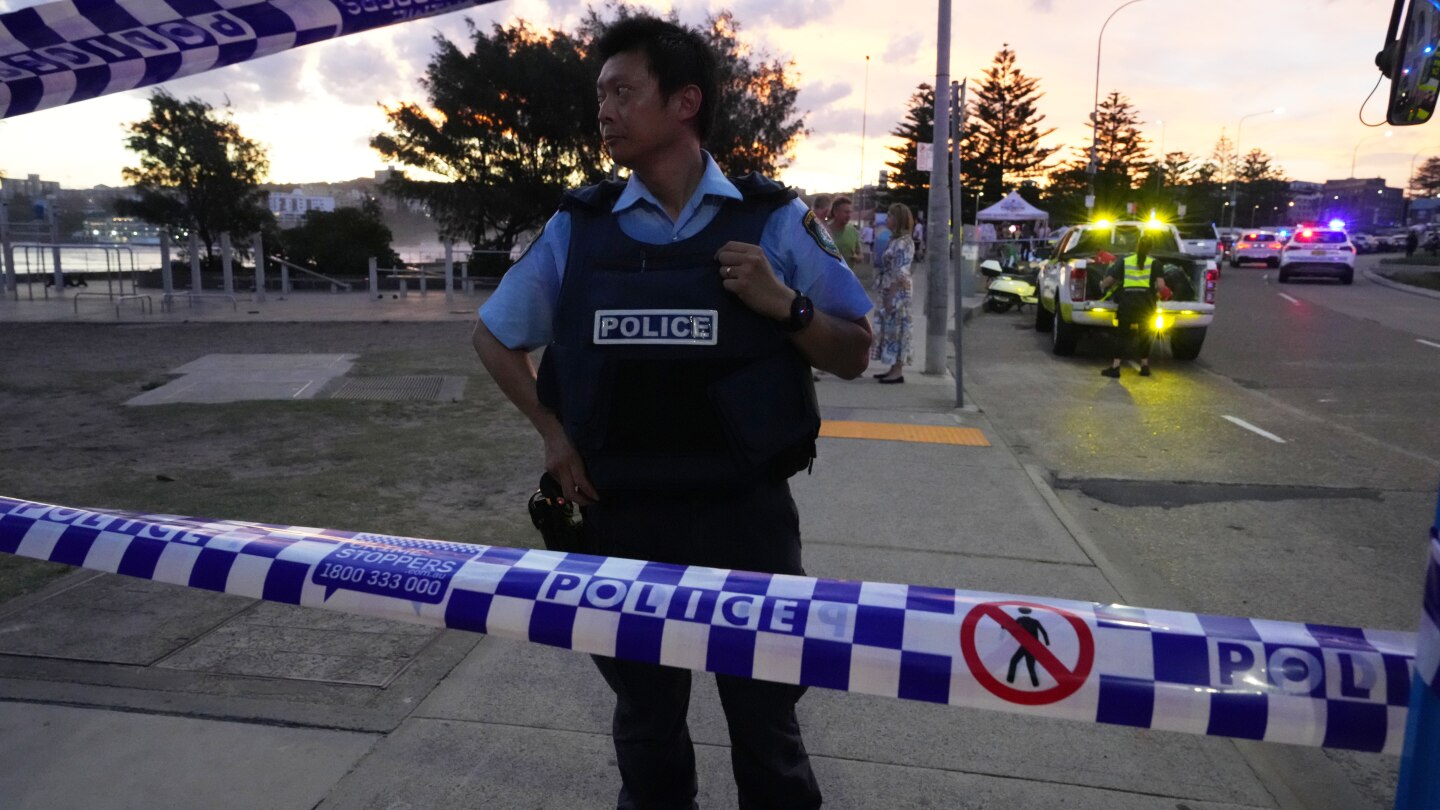
    The tragic incident at Bondi Beach, which resulted in at least 11 fatalities including one Israeli citizen, has drawn international condemnation and expressions of solidarity with Australia’s Jewish community. Netanyahu’s government has consistently argued that global support for Palestinian statehood effectively rewards Hamas following its 2023 attack on Israel, creating what he characterizes as a dangerous climate for Jewish communities worldwide.

    Australia joined 158 other nations in formally recognizing Palestinian statehood during September’s United Nations General Assembly, aligning with the widespread international consensus that a two-state solution represents the only viable path to resolving the protracted conflict. This diplomatic position has placed Australia at odds with Netanyahu’s administration amid ongoing military operations in Gaza.

    The shooting has prompted strong reactions from global leaders, including U.S. President Donald Trump who labeled the attack ‘purely antisemitic,’ and Britain’s King Charles III who expressed being ‘appalled and saddened.’ German Chancellor Friedrich Merz described the violence as ‘an attack on our shared values,’ while UN Secretary-General Antonio Guterres emphasized solidarity with Jewish communities during Hanukkah celebrations.

    Notably, Iran—which Australia accused of orchestrating antisemitic attacks earlier this year—condemned the violence through Foreign Ministry spokesperson Esmail Baghaei, stating that ‘terrorism and the killing of people, wherever they occur, are unacceptable.’ The World Jewish Congress reaffirmed its commitment to religious freedom, with President Ronald Lauder declaring that such violence ‘will not break us.’

    Local religious leaders in Sydney reported escalating antisemitic incidents in recent months, with Anglican pastor Matt Graham describing constant exposure to antisemitic graffiti in eastern Sydney neighborhoods. The attack has prompted increased security measures at Jewish sites globally, including enhanced police presence in London.

  • Remains of former Chinese leader Wang Bingqian cremated

    Remains of former Chinese leader Wang Bingqian cremated

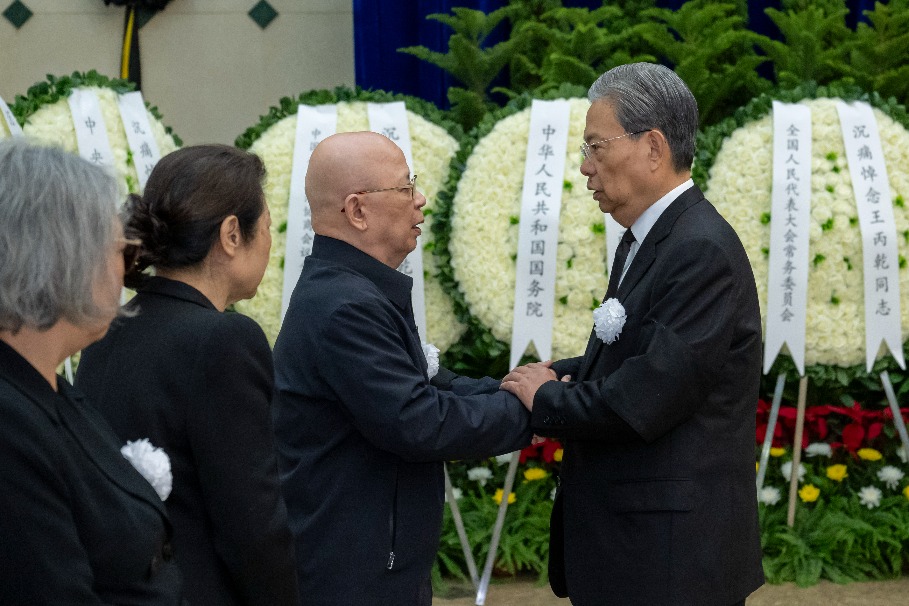
    GUANGZHOU – China conducted formal funeral proceedings on Sunday for Wang Bingqian, the esteemed former state leader who passed away at age 100 on December 8. The cremation ceremony took place in Guangzhou, capital of Guangdong province, with senior government officials paying their respects to the veteran politician who held multiple high-ranking positions throughout his career.

    Wang served the nation in several pivotal roles, including State Councilor and Vice Chairman of the Standing Committee of the National People’s Congress (NPC), China’s top legislative body. His decades of public service spanned critical periods of the country’s economic reform and development.

    The ceremony was attended by Zhao Leji, Chairman of the NPC Standing Committee and member of the Standing Committee of the Political Bureau of the Communist Party of China Central Committee, alongside other dignitaries. The gathering at Guangzhou Funeral Home represented a formal state recognition of Wang’s contributions to national governance.

    Prior to the funeral, China’s current leadership including Xi Jinping, Li Qiang, Wang Huning, Cai Qi, Ding Xuexiang, Li Xi, Han Zheng, and former leader Hu Jintao had either visited Wang during his hospitalization or conveyed formal condolences to his family through appropriate channels. This demonstration of respect from both current and previous generations of leadership highlights Wang’s enduring legacy within Chinese political circles.

    The passing of Wang Bingqian marks the departure of one of China’s century-old revolutionary generation, whose career trajectory mirrored the nation’s modern political development through various historical periods.

  • Zelenskyy offers to drop NATO bid for security guarantees but rejects US push to cede territory

    Zelenskyy offers to drop NATO bid for security guarantees but rejects US push to cede territory

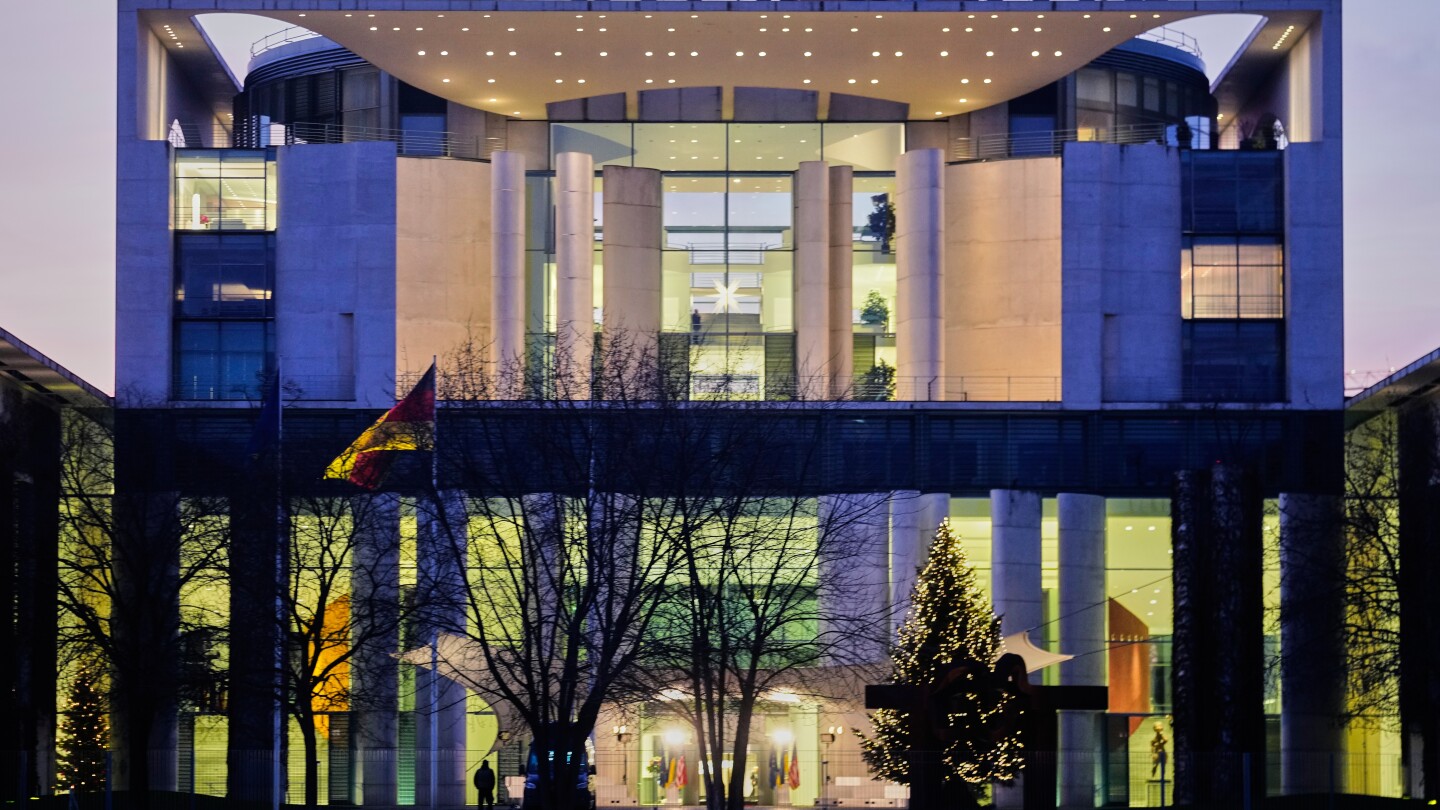
    Ukrainian President Volodymyr Zelenskyy has signaled a significant shift in diplomatic strategy during high-stakes negotiations with U.S. envoys in Berlin. In a remarkable development, Zelenskyy expressed willingness to abandon Ukraine’s NATO membership aspirations if Western nations provide equivalent security guarantees—a concession aimed at preventing future Russian aggression.

    The Ukrainian leader met with Trump administration special envoy Steve Witkoff and presidential advisor Jared Kushner for five hours of intensive discussions, with German Chancellor Friedrich Merz participating alongside Ukrainian representatives. Prior to negotiations, Zelenskyy communicated via WhatsApp audio messages that since NATO membership had been effectively blocked by several Western nations, Kyiv now expects binding security assurances mirroring those afforded to alliance members.

    This potential compromise addresses one of Moscow’s primary security concerns that Russia cited as justification for its February 2022 invasion. However, Zelenskyy firmly rejected U.S.-proposed territorial concessions in the Donetsk region, dismissing suggestions of creating demilitarized economic zones as fundamentally unworkable and inequitable. The Ukrainian president challenged the logic of unilateral withdrawals, questioning why Russian forces wouldn’t be required to withdraw proportionally from occupied territories.

    Meanwhile, Kremlin advisor Yuri Ushakov indicated that Russian security forces would maintain presence in Donetsk even under potential peace arrangements, characterizing European contributions to peace proposals as ‘unlikely to be constructive.’ The diplomatic maneuvering occurs against a backdrop of intensified hostilities, with Ukraine reporting Russia launched over 1,500 strike drones and nearly 900 guided aerial bombs in the past week alone.

    European leaders reinforced their support, with French President Emmanuel Macron vowing France would ‘remain at Ukraine’s side to build a robust and lasting peace.’ Chancellor Merz issued stark warnings about Putin’s expansionist ambitions, suggesting the Russian leader seeks ‘a fundamental change to the borders in Europe’ and won’t stop if Ukraine falls.

    The U.S. delegation reported ‘a lot of progress was made’ during the talks, though significant obstacles remain regarding territorial control and security arrangements in eastern Ukraine.