分类: politics

  • Trump orders total blockade of sanctioned oil tankers to and from Venezuela

    Trump orders total blockade of sanctioned oil tankers to and from Venezuela

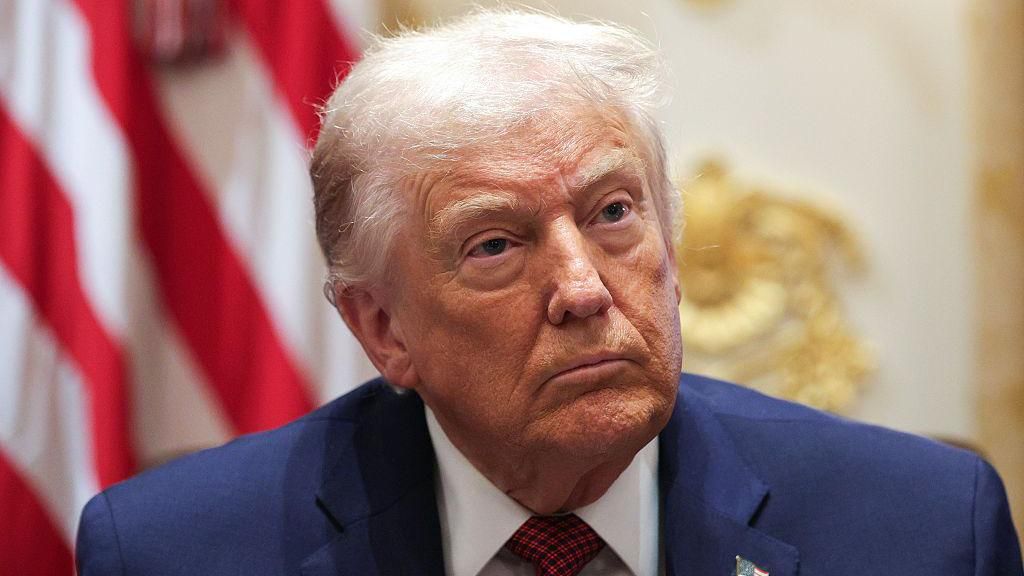
    In a significant escalation of pressure against the Venezuelan government, former U.S. President Donald Trump announced on Tuesday a comprehensive naval blockade targeting all sanctioned oil tankers traveling to and from Venezuela. The declaration, made via his Truth Social platform, marks the latest development in a prolonged campaign against the administration of President Nicolás Maduro.

    Trump formally designated the Venezuelan government as a ‘foreign terrorist organization,’ leveling serious accusations of involvement in international terrorism, narcotics trafficking, and human smuggling operations. The former president asserted that the United States would not permit ‘a hostile regime to take our oil, land, or any other assets,’ demanding the immediate return of what he characterized as stolen national resources.

    The announcement comes amid a substantial U.S. military buildup in the Caribbean region, which Trump described as ‘the largest armada ever assembled in the history of South America.’ This naval presence, ostensibly deployed to combat drug trafficking, has drawn sharp criticism from the Venezuelan government, which views it as a thinly disguised attempt to force regime change in Caracas.

    Recent weeks have seen concrete actions preceding this latest escalation. Last week, U.S. authorities intercepted an oil tanker near Venezuela’s coastline and imposed fresh sanctions on three relatives of Maduro’s wife, a business associate with government ties, and six companies involved in Venezuelan petroleum shipping.

    According to available data, U.S. military operations in the Caribbean and eastern Pacific since early September have resulted in the sinking of approximately 25 suspected narcotics vessels and the reported deaths of at least 95 individuals aboard these craft.

    Trump has repeatedly hinted at impending ground operations against Caribbean drug traffickers, statements that have substantially heightened tensions between the two nations. These developments have raised concerns among U.S. lawmakers and international observers regarding the legal justification and underlying motives behind military actions in the region.

    Recent polling indicates significant public skepticism, with a Reuters/Ipsos survey showing nearly half of American adults oppose military strikes against suspected drug vessels without prior judicial authorization.
  • US accused of using illegal workers at centre processing refugee claims in South Africa

    US accused of using illegal workers at centre processing refugee claims in South Africa

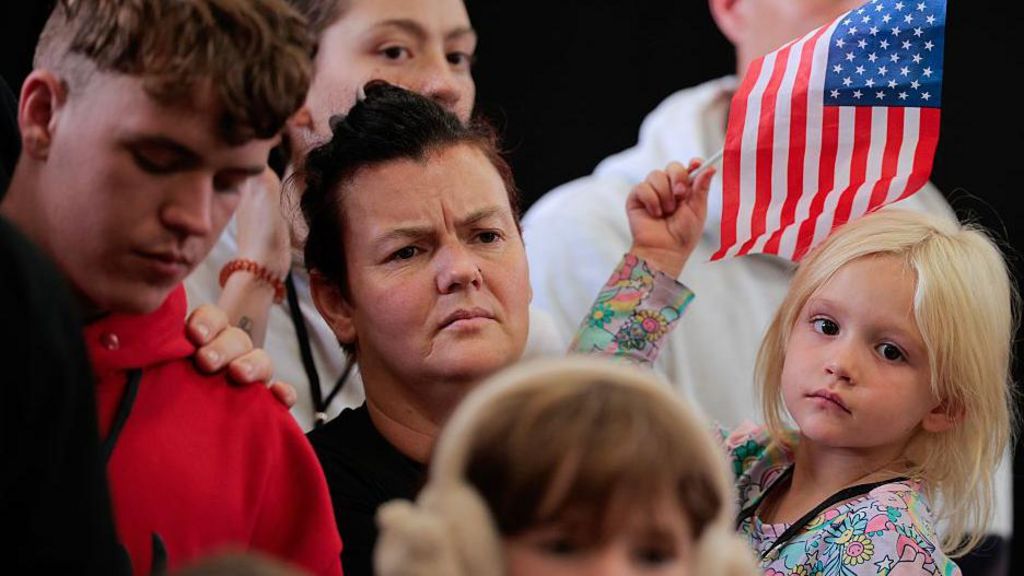
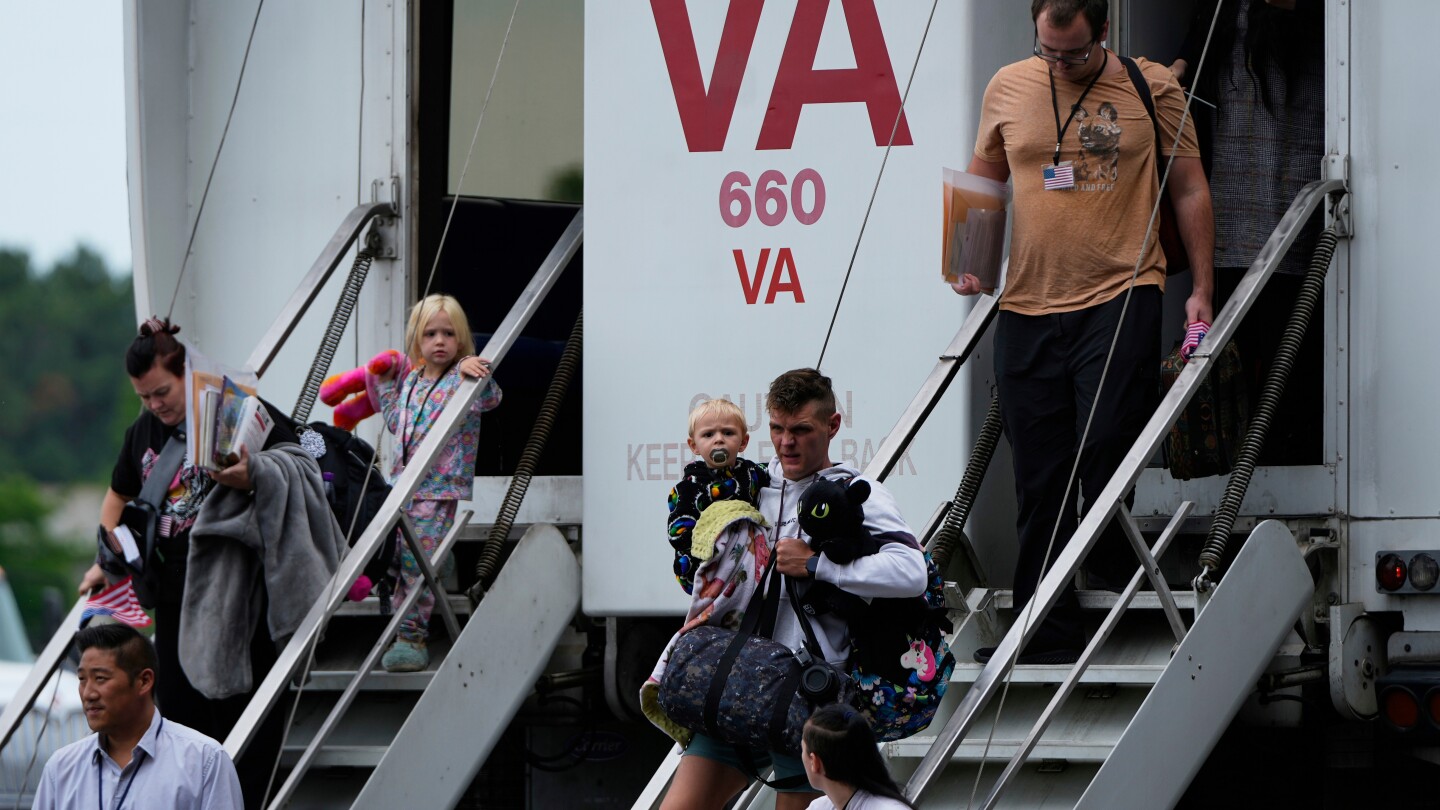
    South African authorities have leveled serious allegations against the United States regarding the operation of a refugee processing facility for white South Africans. The Department of Home Affairs revealed that seven Kenyan nationals were apprehended during a targeted operation for working illegally at the center while holding only tourist visas.

    According to official statements, intelligence reports indicated that these individuals had recently entered South Africa on tourist visas and were unlawfully employed at the facility processing refugee applications for members of the white Afrikaner community. The Kenyan workers had previously been denied proper work visas but were discovered violating their entry conditions.

    The incident highlights the ongoing tension between the two nations regarding the US policy of granting asylum to Afrikaners based on claims of persecution—an assertion the South African government vehemently disputes. This controversy emerges despite the US administration’s significant reduction of overall refugee admissions from 125,000 to just 7,500 annually.

    South African officials emphasized that the operation demonstrated their shared commitment with the United States to combat illegal immigration and visa abuse. The detained Kenyan nationals will face deportation and receive five-year entry bans. Notably, no US officials were arrested during the operation, which did not target diplomatic premises.

    The South African government has initiated formal diplomatic engagements with both the United States and Kenya to address the matter further. The US State Department has not yet provided public commentary on these developments.

  • South African immigration authorities raid a US refugee processing center

    South African immigration authorities raid a US refugee processing center

    South African immigration authorities have conducted a targeted operation on a Johannesburg facility processing U.S. refugee applications, resulting in the arrest of seven Kenyan nationals for violating work visa regulations. The raid has significantly heightened diplomatic strains between the United States and South Africa.

    The controversial refugee program, established during the Trump administration, prioritizes white South Africans of Afrikaner descent for refugee status in the United States. This policy stems from former President Donald Trump’s repeatedly disputed claims regarding the persecution of white minorities in South Africa.

    According to South Africa’s Home Affairs Ministry, the detained Kenyan citizens had entered the country on tourist visas that explicitly prohibited employment activities. Despite their immigration status, they were found working alongside American officials at the processing center. Notably, no U.S. diplomatic personnel were apprehended during Tuesday’s operation, as the facility did not hold official diplomatic protection.

    The incident has prompted formal diplomatic discussions between South Africa, the United States, and Kenya. South African authorities revealed that Kenyan nationals had previously been denied work visas for this specific program, raising serious questions about the circumvention of immigration protocols.

    The seven individuals face immediate deportation orders and have been barred from re-entering South Africa for a five-year period. The U.S. Embassy confirmed that refugee processing operations are handled by RSC Africa, a Kenya-based contractor operated by Church World Service, a U.S. humanitarian organization.

    South Africa’s government maintains that white citizens do not meet international criteria for refugee status, citing the absence of systematic persecution, though they acknowledge the right to apply through the U.S. program.

  • Senior CPC official urges sound planning for 15th Five-Year Plan period

    Senior CPC official urges sound planning for 15th Five-Year Plan period

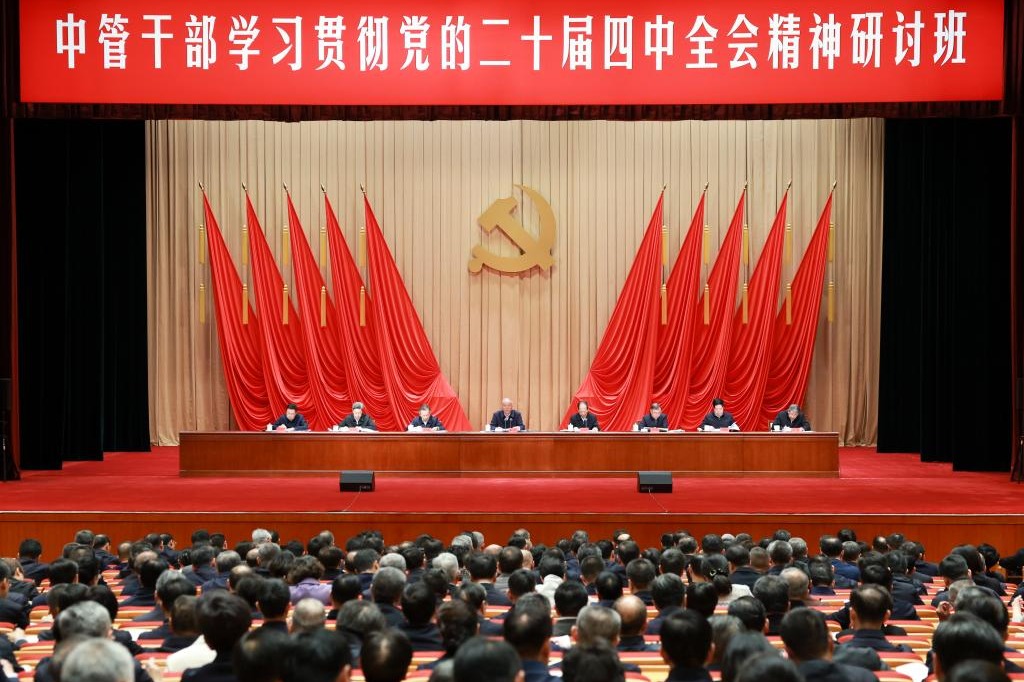
    In a significant address to high-ranking officials, senior Chinese leader Cai Qi has outlined the strategic priorities for China’s upcoming 15th Five-Year Plan (2026-2030), emphasizing the critical importance of comprehensive planning and implementation. The December 16th study session in Beijing brought together top officials to discuss the operationalization of directives from the recently concluded Fourth Plenary Session of the 20th Communist Party Central Committee.

    Cai Qi, who holds dual positions on the Standing Committee of the Political Bureau and the Secretariat of the CPC Central Committee, stressed the necessity of thoroughly understanding both the theoretical foundations and practical applications of the plenum’s decisions. The session specifically focused on translating these principles into actionable strategies for national development over the next five-year cycle.

    The address highlighted several core components essential for successful planning, including clear comprehension of development objectives, economic and social requirements, and multi-level implementation frameworks across various sectors. A recurring theme throughout the presentation was the imperative of maintaining strong centralized leadership under the Party Central Committee to ensure cohesive execution of national strategies.

    The Fourth Plenary Session, held in October 2025, had previously established the foundational Recommendations for the 15th Five-Year Plan, setting the stage for this current phase of detailed planning and preparation. This latest gathering represents a crucial step in moving from theoretical frameworks to concrete operational plans that will guide China’s development trajectory through the end of the decade.

  • Trump administration expands list of countries subject to entry restrictions

    Trump administration expands list of countries subject to entry restrictions

    In a significant escalation of its immigration policy, the Trump administration has substantially widened the scope of countries facing entry restrictions into the United States. President Donald Trump formalized this expansion through a presidential proclamation on Tuesday, December 16, 2025, set to take effect on January 1, 2026.

    The White House justified the move as a necessary measure to bolster national security, targeting nations identified as having “demonstrated, persistent, and severe deficiencies” in their screening, vetting, and information-sharing protocols. This policy overhaul represents the most substantial revision since the initial travel restrictions were implemented in June 2025, which affected 19 countries through full or partial bans.

    The updated framework introduces sweeping changes. Five additional nations—Burkina Faso, Mali, Niger, South Sudan, and Syria—now face comprehensive entry restrictions. Furthermore, the administration has imposed full bans on all individuals holding travel documents issued by the Palestinian Authority.

    Notably, two countries previously under partial restrictions, Laos and Sierra Leone, have been elevated to the full restrictions list. Concurrently, partial entry limitations have been extended to citizens from 15 new countries: Angola, Antigua and Barbuda, Benin, Cote d’Ivoire, Dominica, Gabon, The Gambia, Malawi, Mauritania, Nigeria, Senegal, Tanzania, Tonga, Zambia, and Zimbabwe.

    The administration maintains partial restrictions on four nations from the original list: Burundi, Cuba, Togo, and Venezuela. While Turkmenistan sees a relaxation for nonimmigrant visas, its suspension on immigrant visas remains in force.

    This policy expansion occurs against a backdrop of heightened security concerns. The White House cited a recent Thanksgiving week shooting incident in Washington DC, involving a 29-year-old Afghan asylum recipient, as illustrative of the threats prompting these enhanced measures. These actions align with parallel initiatives by U.S. Citizenship and Immigration Services (USCIS), which last month initiated renewed reviews of green card holders from 19 designated “countries of concern.”

    President Trump had previously signaled this policy direction through social media, advocating for the permanent suspension of immigration from what he termed “Third World countries.” The State Department has concurrently announced a suspension of visa issuances to holders of Afghan passports.

    Media analysis suggests the administration has strategically utilized politically sensitive moments to advance its immigration agenda. The initial travel ban in June was announced shortly after an attack in Boulder, Colorado, perpetrated by an Egyptian national who had entered on a visa.

  • HK community strongly supports Lai’s conviction

    HK community strongly supports Lai’s conviction

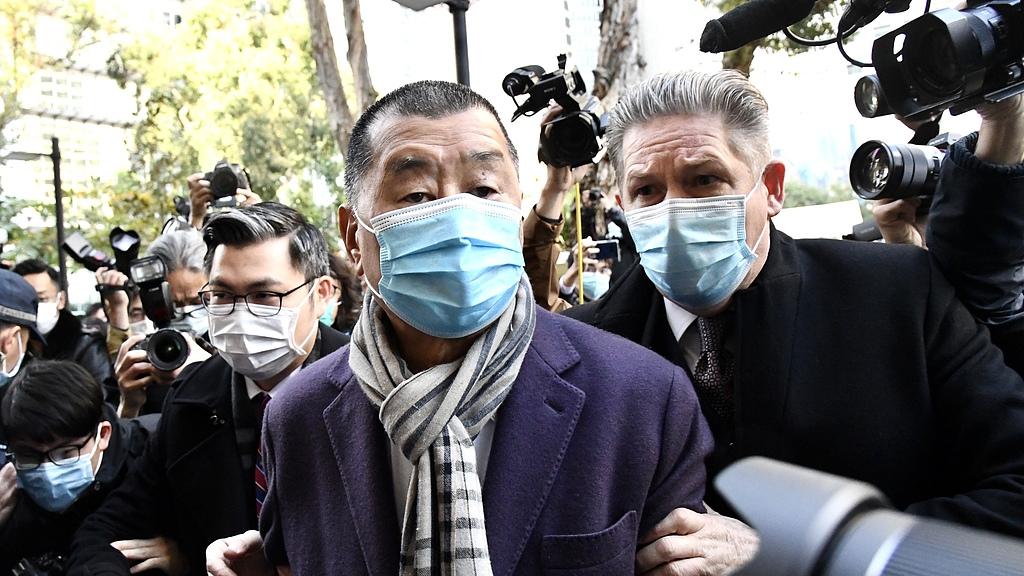
    Hong Kong’s political establishment and professional organizations have expressed resounding endorsement of the High Court’s verdict convicting media tycoon Jimmy Lai Chee-ying on national security charges, while simultaneously rejecting Western attempts to romanticize his actions as democratic advocacy.

    The judicial decision, delivered on Monday by a panel of three High Court judges, found Lai guilty on all three counts: two charges of conspiracy to collude with foreign forces to endanger national security and one count of conspiracy to publish seditious materials. Three corporations associated with Lai’s defunct Apple Daily media empire were similarly convicted on related national security charges.

    Leung Chun-ying, Vice-Chairman of China’s top political advisory body, characterized Lai’s portrayal as a democracy advocate by Western entities as fundamentally misleading. Through social media commentary, Leung asserted that Lai had systematically manipulated Hong Kong’s autonomous privileges under the Sino-British Joint Declaration and Basic Law to pursue de facto independence, thereby undermining Chinese sovereignty. “He might be ignorant… but definitely not innocent,” Leung stated, while highlighting the UK’s potential legal response to similar actions within its jurisdiction.

    The Hong Kong SAR government issued a formal statement condemning both the Hong Kong Journalists Association and certain foreign media outlets for employing democratic rhetoric to sanitize Lai’s criminal conduct. A government spokesperson emphasized that the case unequivocally involved criminal behavior disguised as journalistic activity, completely unrelated to press freedom protections.

    Security Secretary Chris Tang Ping-keung reinforced the principle of legal accountability, noting that foreign consular representatives had observed the transparent judicial proceedings firsthand. This assessment was corroborated by China’s Foreign Ministry Commissioner Office in Hong Kong, which detailed in a letter to foreign media how Lai’s legal and personal rights had been scrupulously maintained—including provision of timely medical care, accommodation of religious practices through specially arranged services, and solitary confinement implemented at his own request.

    Hong Kong’s legal community voiced strong institutional support, with both the Bar Association and Law Society affirming the verdict demonstrated judicial independence and professional adjudication based solely on legal merits and evidence. They noted that national security legislation exists in numerous jurisdictions worldwide, positioning Hong Kong’s legal framework within global norms.

  • Cross-Strait collaboration key to nation’s long-term well-being

    Cross-Strait collaboration key to nation’s long-term well-being

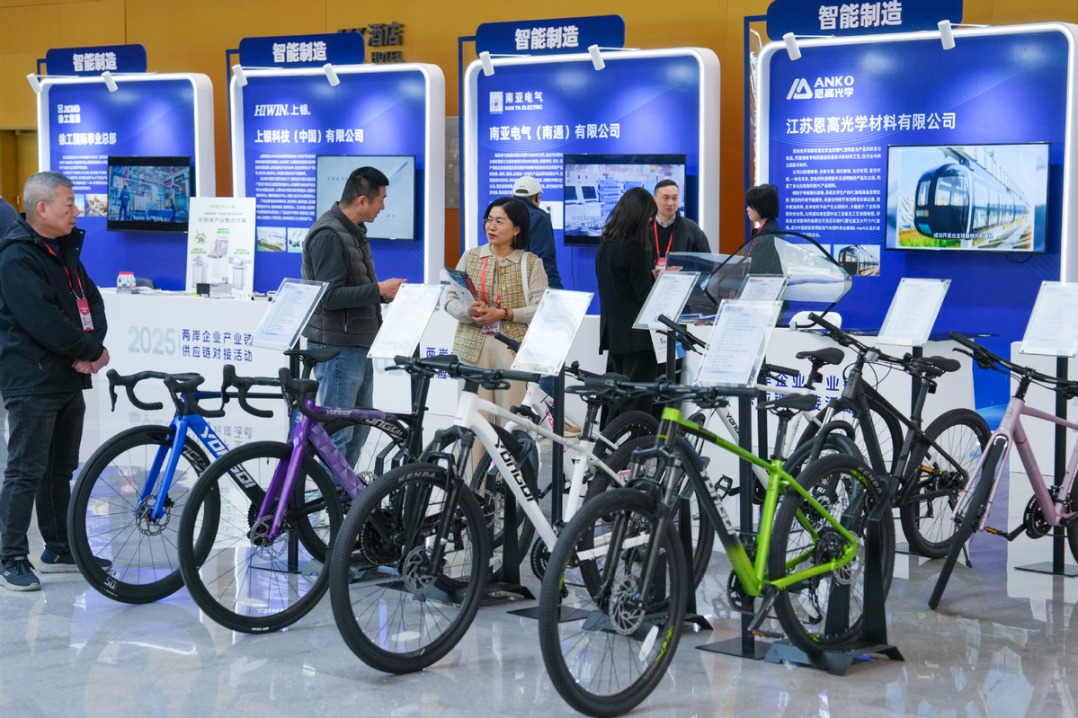
    NANJING—Senior Chinese official Wang Huning has emphasized that enhanced economic collaboration between mainland China and Taiwan is indispensable for national rejuvenation and common prosperity. Speaking at the 2025 Cross-Strait CEO Summit in Nanjing on December 16, the chairman of the Chinese People’s Political Consultative Conference National Committee articulated that businesses across the Strait must deepen cooperation to advance shared economic interests and fortify the Chinese nation’s future.

    Wang, a Standing Committee member of the CPC Central Committee Political Bureau, reinforced President Xi Jinping’s stance that China’s revitalization presents substantial opportunities for cross-Strait economic synergy. He asserted that compatriots on both sides are integral components of China’s national economy and would collectively benefit from a prosperous, powerful nation.

    The summit occurred amid strategic implementations following the CPC’s 20th Central Committee fourth plenum, which outlined developmental blueprints for the 15th Five-Year Plan (2026–2030). Wang characterized these designs as catalytic for cross-Strait relations, potentially injecting fresh momentum into economic cooperation and advancing peaceful reunification efforts.

    Taiwanese representatives echoed the sentiment. Liu Chao-hsuan, chairman of the summit’s Taiwan side, acknowledged the mainland’s enduring role as a critical production base and market for Taiwan businesses despite global economic volatility. He highlighted the summit’s adherence to the 1992 Consensus as a foundational principle for industrial collaboration.

    Corporate leaders provided ground-level perspectives. Fei Kuang-han, general manager of Kunshan Bonteck Precision Co, reported robust support for Taiwanese entrepreneurs in Jiangsu province, noting increasing long-term investments. Lee Cheng-hung, president of the Association of Taiwan Investment Enterprises on the Mainland, urged young Taiwanese to explore opportunities in e-commerce, digital economies, and artificial intelligence.

    Academic insights from Kao Chang, an honorary professor at Taiwan’s Dong Hwa University, underscored the inevitability of cross-Strait integration. He described Taiwan’s economy as inherently outward-looking and emphasized that mainland market forces would continue to drive collaborative growth despite international uncertainties.

    The event attracted approximately 800 participants, including entrepreneurs, scholars, and summit council members, all engaged in dialogues aimed at fostering industrial innovation and economic unity.

  • Japan’s move to mislead public firmly opposed

    Japan’s move to mislead public firmly opposed

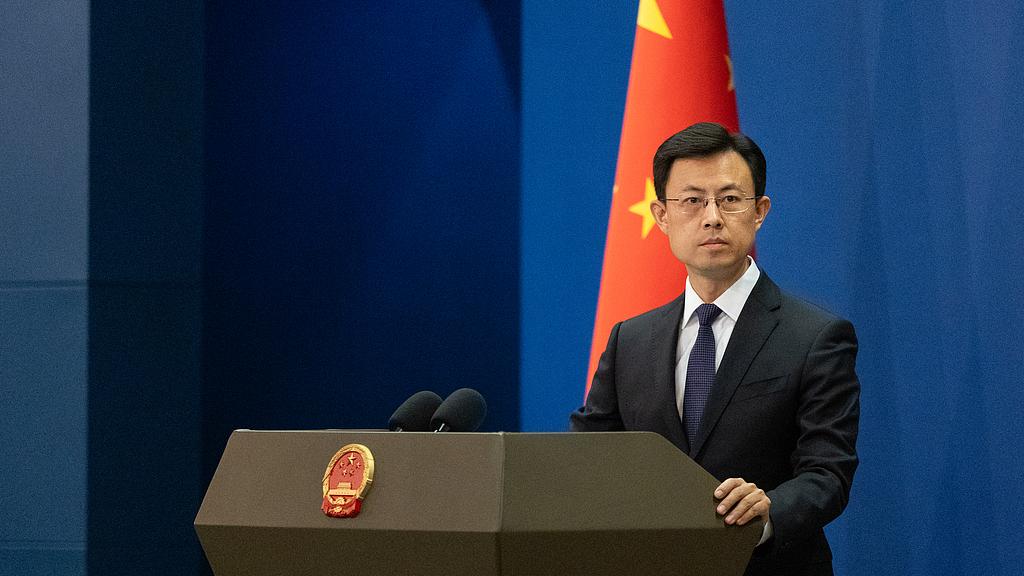
    In a firm diplomatic response, China has demanded Japan retract what it characterizes as erroneous statements concerning Taiwan while simultaneously rejecting critiques of its defense expenditure as unfounded. The confrontation emerged during a regular press briefing in Beijing, where Foreign Ministry spokesman Guo Jiakun addressed recent comments from Japanese officials.

    The diplomatic friction originates from November 7th remarks by Japanese Prime Minister Sanae Takaichi suggesting that potential Chinese military action toward Taiwan could constitute a ‘survival-threatening situation’ for Japan. This was followed by statements from Japanese Foreign Minister Toshimitsu Motegi who, while referencing historical agreements, notably omitted crucial language from the 1972 Sino-Japanese Joint Statement regarding China’s sovereignty over Taiwan.

    Guo highlighted Japan’s selective citation of historical documents, noting that when referencing the Cairo Declaration, Japanese officials deliberately avoided acknowledging that territories including Formosa (Taiwan) were ‘stolen from the Chinese.’ The spokesman further criticized Japan for juxtaposing the Sino-Japanese Joint Statement with the Treaty of San Francisco, which China considers a violation of Japan’s international commitments.

    The timing carries historical significance, marking the 80th anniversary of both victory in the Chinese People’s War of Resistance Against Japanese Aggression and the restoration of Taiwan. Guo emphasized Japan’s colonial history in Taiwan, stating that given this background, ‘Japan is in no position to make any interference’ in Taiwan matters.

    Separately, China rebuked Japanese Defense Minister Shinjiro Koizumi’s characterization of China’s defense spending increases. Guo defended China’s military expenditure as necessary for national security and international responsibilities, while noting that Japan’s own defense spending has surged approximately 60% over the past five years and continues rising for the thirteenth consecutive year.

    The spokesman concluded with a stark warning about Japan’s remilitarization efforts, urging ‘all peace-loving countries’ to remain vigilant against any revival of Japanese militarism and to uphold the outcomes of World War II victory.

  • Trump orders blockade of sanctioned oil tankers in and out of Venezuela

    Trump orders blockade of sanctioned oil tankers in and out of Venezuela

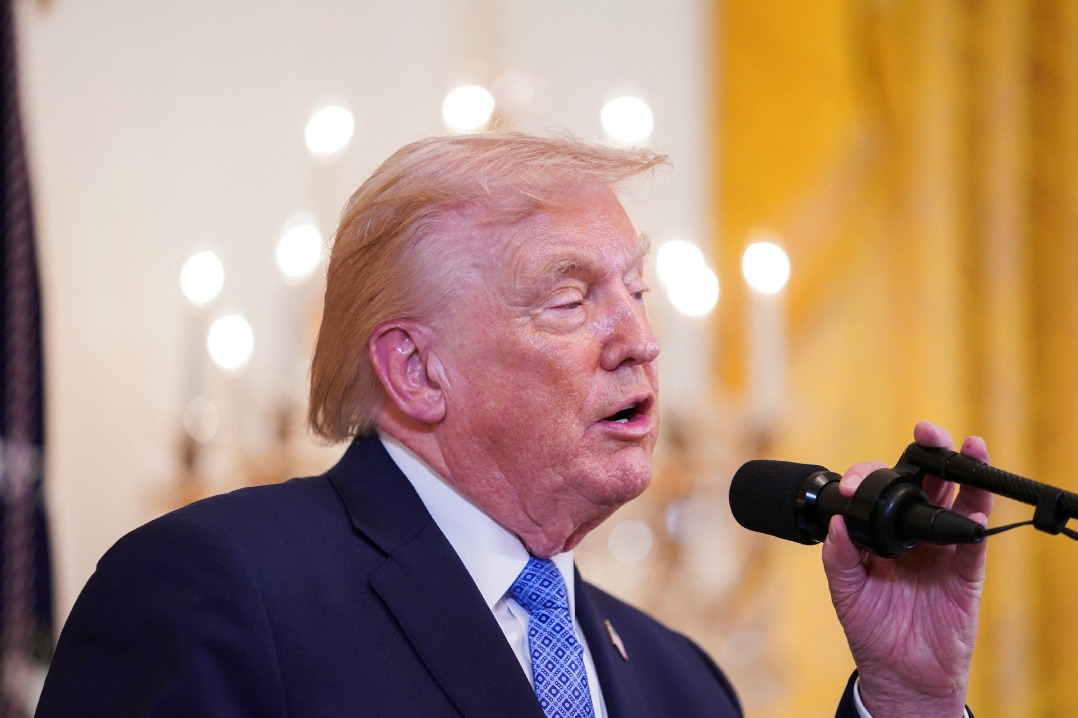
    In a dramatic escalation of tensions, former US President Donald Trump has announced a comprehensive naval blockade targeting all sanctioned oil tankers entering or departing Venezuelan waters. The declaration came via Trump’s Truth Social platform, where he formally designated Nicolás Maduro’s government as a foreign terrorist organization while leveling serious allegations of asset theft, drug smuggling, and human trafficking.

    This provocative move follows last week’s seizure of the oil tanker ‘Skipper’ by US forces off Venezuela’s coast, which Caracas condemned as an act of ‘kidnapping and theft.’ Trump asserted that Venezuela is now ‘completely surrounded by the largest Armada ever assembled in the South American region,’ promising the military presence would ‘only get bigger’ and exceed anything previously witnessed.

    The Trump administration has maintained consistent pressure against Maduro’s government, with the US military reporting approximately 90 casualties in recent anti-narcotics operations targeting vessels allegedly transporting fentanyl. Additional sanctions have been imposed on six more ships carrying Venezuelan oil, alongside measures targeting Maduro’s relatives and businesses associated with his administration.

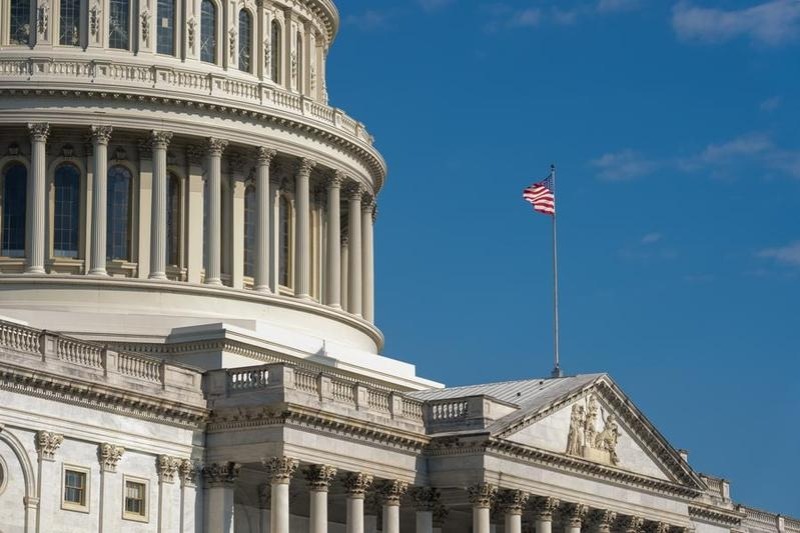
    Venezuela, possessing among the world’s largest proven oil reserves, has repeatedly accused Washington of attempting to plunder its natural resources. The escalating situation has drawn serious concern from US lawmakers, with Congressman Joaquin Castro (D-Texas) characterizing the naval blockade as ‘unquestionably an act of war.’ The House of Representatives is scheduled to vote on a resolution directing the president to cease hostilities with Venezuela, highlighting domestic political divisions over the aggressive foreign policy approach.

  • Calls to expel Muslims spark backlash as US officials invoke Bondi Beach attack

    Calls to expel Muslims spark backlash as US officials invoke Bondi Beach attack

    A firestorm of controversy has engulfed American politics following calls from multiple Republican officials for the mass expulsion of Muslims from the United States. The inflammatory rhetoric emerged in response to a mass shooting at a Hanukkah celebration on Bondi Beach in Sydney, Australia, with lawmakers attempting to link the overseas incident to Muslim communities in America.

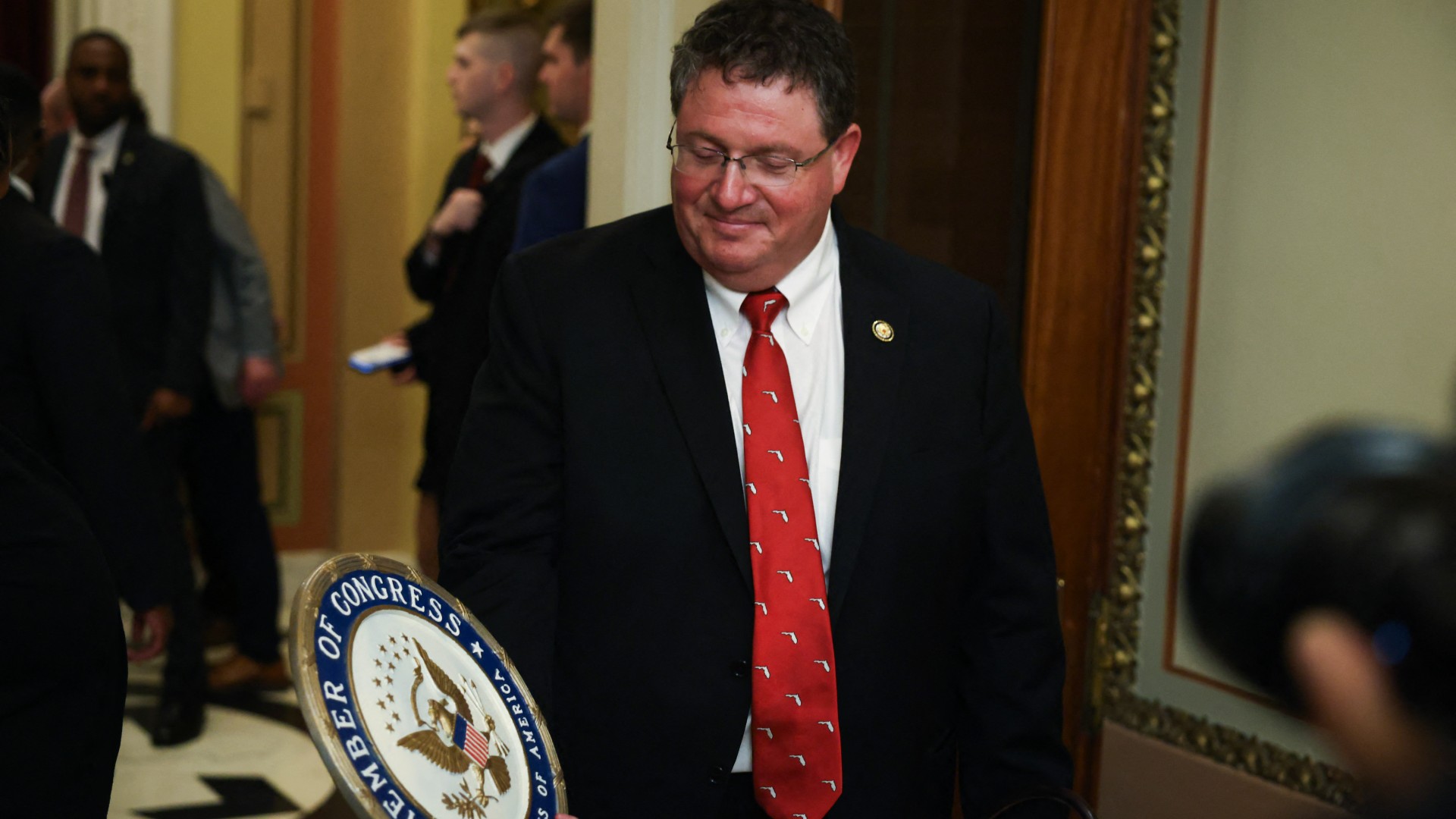
    Leading the charge, Florida Congressman Randy Fine declared on social media platform X that ‘mainstream Muslims have declared war on us’ and advocated for ‘radical deportations of all mainstream Muslim legal and illegal immigrants, and citizenship revocations wherever possible.’ His statements were echoed by Alabama Senator Tommy Tuberville, who controversially asserted that ‘Islam is not a religion’ but rather ‘a cult,’ adding that Muslims ‘aren’t here to assimilate. They’re here to conquer.’

    Texas Congressman Keith Self meanwhile claimed that Republican lawmakers possessed ‘critical pieces of legislation’ to protect the United States from what he described as the threat of Sharia law, which he alleged had ‘already taken over France and the UK.’ New York City Councilmember Vicki Paladino similarly called for Muslim expulsion in a since-deleted post, despite approximately one million Muslim residents constituting nearly a quarter of America’s Muslim population residing in her city.

    The remarks triggered immediate condemnation from officials across government levels. New York City Mayor-elect Zohran Mamdani, who is Muslim, directly addressed Paladino, stating: ‘We belong here, as does every other New Yorker. This is vile Islamophobia from the Councilwoman and it has no place in our city.’ Senator Chuck Schumer and Congresswoman Alexandria Ocasio-Cortez both emphasized that the antisemitic attack in Australia should not be weaponized to fuel Islamophobia.

    Legal experts and civil rights advocates sounded alarms about the normalization of such rhetoric. Jenin Younes, National Legal Director of the American-Arab Anti-Discrimination Committee, drew historical parallels, warning that the language echoes early Nazi rhetoric that preceded mass violence. Academic Yousef Munayyer noted that Muslim hatred enjoys unique normalization ‘at the highest levels of American government.’

    Critics highlighted the disparity in institutional response compared to previous disciplinary actions against Muslim lawmakers, accusing Congress of maintaining a ‘hierarchy’ in how speech is policed that leaves Muslim communities vulnerable to dehumanization without substantive protection.