分类: politics

  • Germany approves $3.1bn Israel arms deal despite Gaza genocide

    Germany approves $3.1bn Israel arms deal despite Gaza genocide

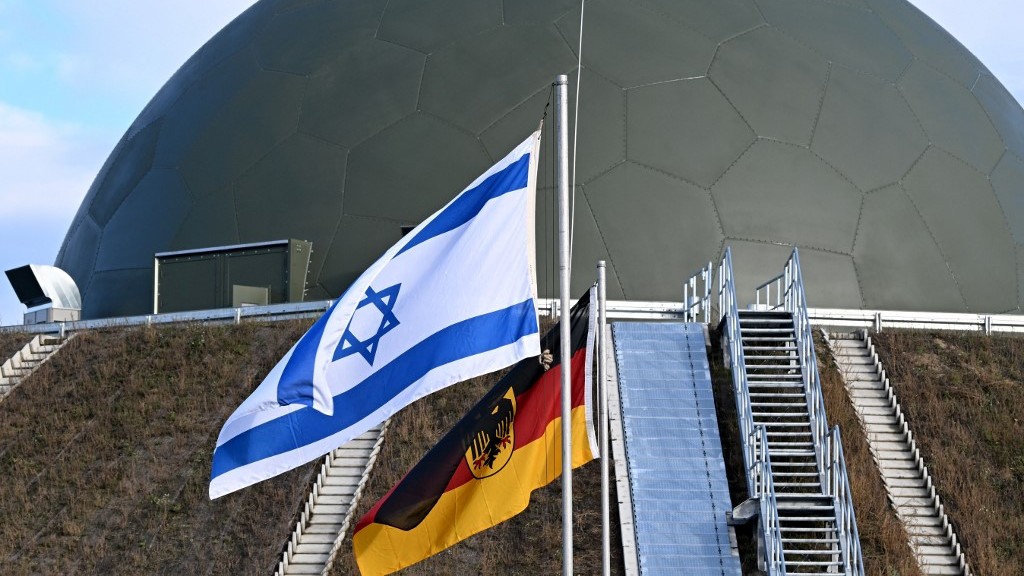
    Germany has authorized a contentious $3.1 billion weapons agreement with Israel, approving the acquisition of Arrow 3 missile defense systems despite ongoing international legal proceedings against Israel for alleged genocide in Gaza. The Israeli defense ministry confirmed the transaction on Thursday, marking one of Israel’s largest-ever arms exports.

    This latest deal follows a previous $3.5 billion agreement signed between the two nations in 2023, bringing their total defense cooperation to over $6.6 billion. The arrangement provides significant financial reinforcement to Israel’s defense industry while the country faces International Criminal Court arrest warrants for Prime Minister Benjamin Netanyahu and former Defense Minister Yoav Gallant over alleged war crimes in Gaza.

    The approval comes despite Germany’s temporary arms embargo imposed in summer 2024 in response to Israel’s planned full occupation of Gaza, which was reversed by November. Germany remains Israel’s second-largest weapons supplier after the United States, providing approximately 30% of Israel’s defense imports.

    Israeli Defense Minister Israel Katz characterized the approval as “a clear expression of the deep trust that Germany places in the State of Israel.” Defense Ministry Director-General Major General Amir Baram noted the deal would accelerate Arrow production and channel billions into strengthening Israel’s defense industries.

    The transaction occurs against the backdrop of South Africa’s genocide case against Israel at the International Court of Justice, which in January 2024 recognized a plausible risk of genocide in Gaza. This recognition created legal obligations for states to avoid aiding Israel’s actions against Palestinians.

    Security expert Andreas Krieg of King’s College London warned that “the scale of reported harm [in Gaza], the legal warnings and the live ICJ case raise the risk level to a point where continued transfers and major deals become hard to square with Germany’s own stated standards.”

    Palestinian journalist Hebh Jamal, based in Germany, criticized Berlin’s reliance on the concept of “Staatsrason”—the doctrine that Israel’s security constitutes Germany’s “reasons of state”—arguing that “the protection of a foreign state is more important for the German political establishment than their responsibility to the public and the ICC.”

    The agreement reflects Germany’s most substantial rearmament initiative since World War Two, with Chancellor Friedrich Merz approving nearly $60 billion in military spending this week. Independent analyst Ori Golberg observed that “Germany, under [Merz], is building a war machine and Israel stands ready to supply the war machines,” characterizing the arrangement as “a smart business deal” for both parties despite the controversial timing.
  • ‘Dark turn of events’: Met Police under fire for intifada chant arrests

    ‘Dark turn of events’: Met Police under fire for intifada chant arrests

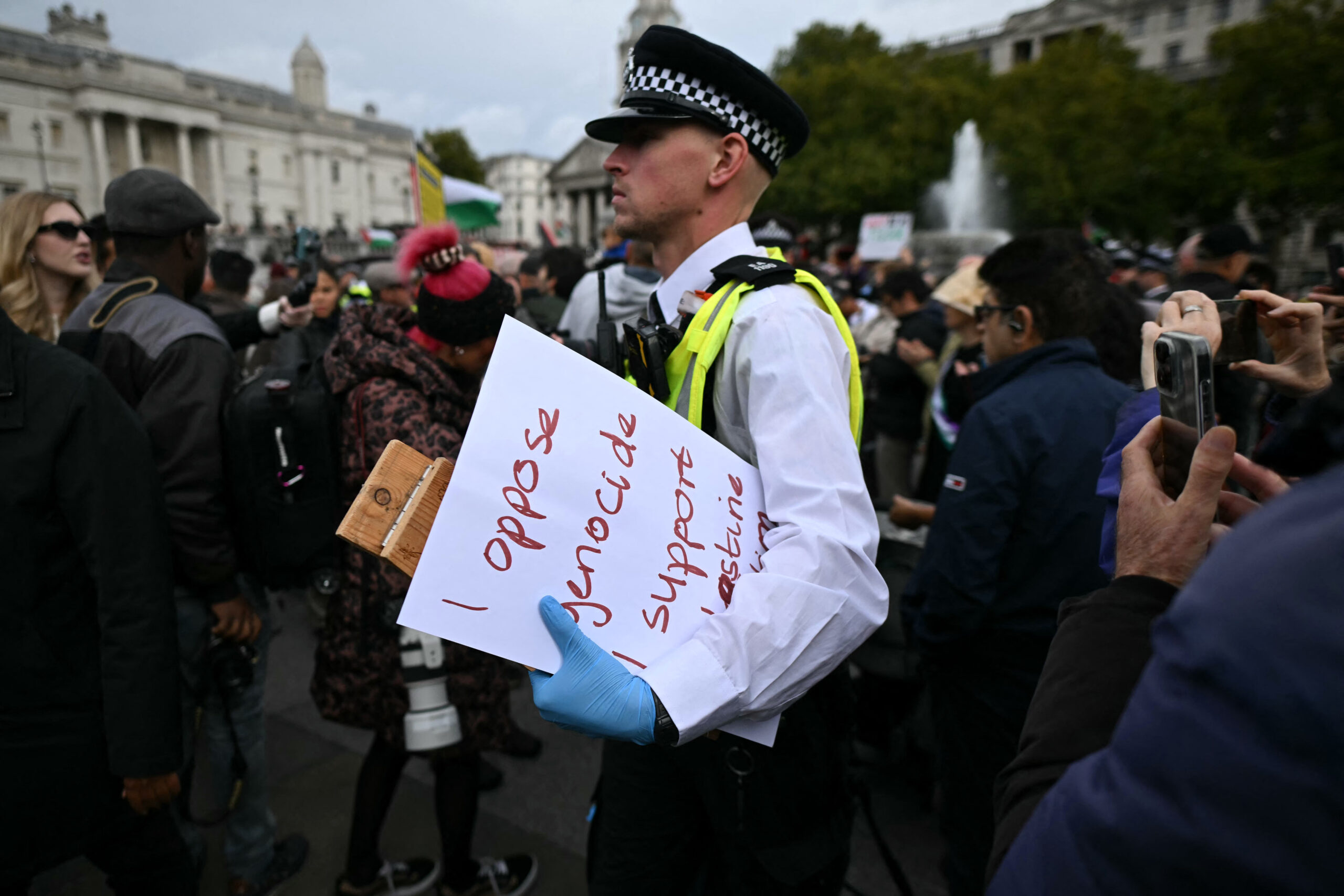
    British law enforcement agencies are confronting significant criticism following their controversial decision to criminalize the use of the Arabic term ‘intifada’ during protests. The Metropolitan Police and Greater Manchester Police announced they would arrest individuals chanting ‘globalise the intifada’ or displaying the phrase on placards, claiming the phrase could incite violence following recent international events.

    The policy implementation occurred during a Wednesday protest outside the Ministry of Justice, where four individuals were detained for racially aggravated public order offenses related to their use of the term. Police authorities justified their position stating, ‘Violent acts have taken place, the context has changed – words have meaning and consequence. We will act decisively and make arrests.’

    This enforcement approach emerged shortly after the Bondi Beach shooting in Sydney, where attackers targeted a Hanukkah celebration, resulting in 15 fatalities. Several public figures, including British Chief Rabbi Ephraim Mirvis, attempted to connect the tragedy to Palestinian activism, specifically referencing the controversial chant. Rabbi Mirvis declared the phrase ‘unlawful’ and suggested Australians had ‘discovered what is meant by those words’ after the attacks.

    However, Palestinian rights advocates and civil society organizations have vigorously challenged the characterization of ‘intifada’ as inherently antisemitic or violent. They emphasize the word’s linguistic meaning as ‘uprising’ or ‘shaking off’ in Arabic and note its historical usage across various peaceful and resistance movements in the Arab world.

    Journalist Asa Winstanley condemned the policy as ‘pure anti-Palestinian racism,’ while foreign policy analyst Jasmine el-Gamal described it as ‘a dark, dark turn of events.’ Social media users and free speech advocates have raised concerns about the implications for democratic rights, questioning whether Arabic terms are being disproportionately targeted and whether English equivalents like ‘globalise the revolution’ would face similar restrictions.

    Critics argue that the policy represents concerning government overreach, noting that no official reports have linked the Sydney attacks to Palestinian activism. The debate has expanded beyond immediate concerns about Palestinian expression to broader anxieties about increasing infringement on protest rights and freedom of speech in the United Kingdom.

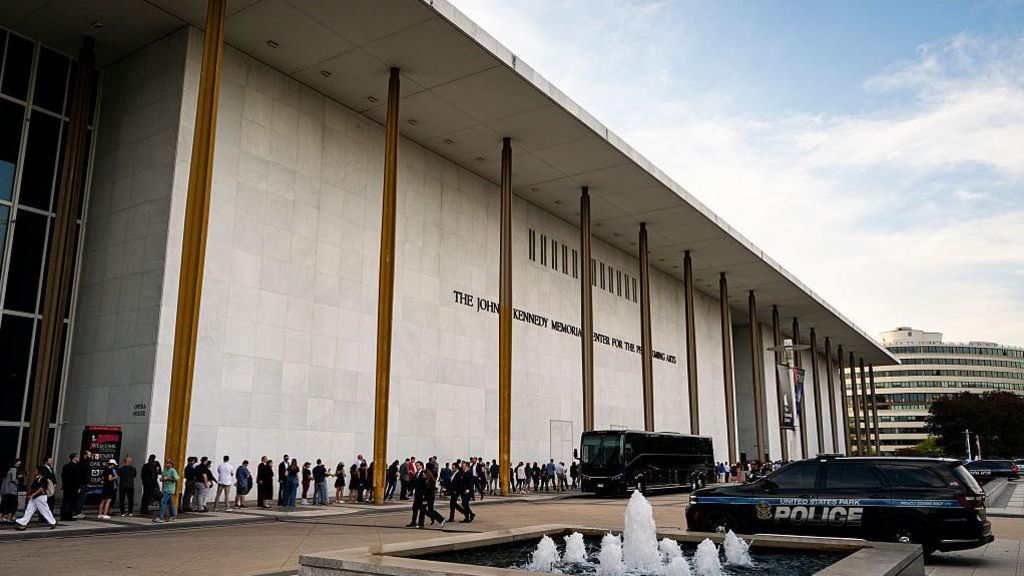
  • Kennedy Center to be renamed Trump-Kennedy Center, White House says

    Kennedy Center to be renamed Trump-Kennedy Center, White House says

    In a landmark decision sparking both celebration and controversy, the John F. Kennedy Center for the Performing Arts will be rebranded as the Trump-Kennedy Center. The White House announced that the institution’s board voted unanimously to approve the name change, citing President Trump’s pivotal role in rescuing the venue from physical disrepair.

    White House Press Secretary Karoline Leavitt heralded the move on social media, stating the decision recognized ‘the unbelievable work President Trump has done over the last year in saving the building.’ She extended congratulations to the late President Kennedy, suggesting the dual naming would form ‘a truly great team long into the future.’

    The decision follows a complete restructuring of the center’s leadership shortly after President Trump’s inauguration. The administration dismissed all previous board members, replacing them with political allies including Attorney General Pam Bondi, White House Chief of Staff Susie Wiles, and Second Lady Usha Vance. Trump himself was installed as chairman, with close adviser Richard Grenell assuming the presidency of the board.

    President Trump expressed both surprise and honor at the Oval Office announcement, emphasizing the center’s deteriorated condition upon his return to office. ‘We saved it,’ he declared. ‘It was really in bad shape, physically.’ His administration secured approximately $257 million in congressional funding for extensive renovations at the venue, which recently hosted events like the FIFA World Cup draw.

    However, the move faces significant legal and political challenges. Ohio Democratic Representative Joyce Beatty, a board member, contradicted the unanimous vote claim, revealing she was ‘muted on the call and not allowed to speak or voice my opposition.’ Legal experts note that the center’s original naming was established through 1964 legislation, requiring congressional approval for any official change—a process already attempted unsuccessfully for naming the opera house after First Lady Melania Trump.

    The controversy mirrors similar rebranding efforts, including September’s unauthorized rename of the Department of Defense to the Department of War. Critics condemn the administration’s deep involvement in arts institutions, with reports indicating declining ticket sales and subscriptions since the political intervention began. The president previously acknowledged direct involvement in selecting honors recipients, rejecting ‘wokesters’ in favor of celebrities like Sylvester Stallone and KISS band members.

    The renaming debate reflects broader cultural divisions, exemplified by the mixed reception Trump received during his June appearance at the center, where audience members both booed and cheered the first couple’s arrival.

  • Bulgarians protest widespread graft and call for a fair election

    Bulgarians protest widespread graft and call for a fair election

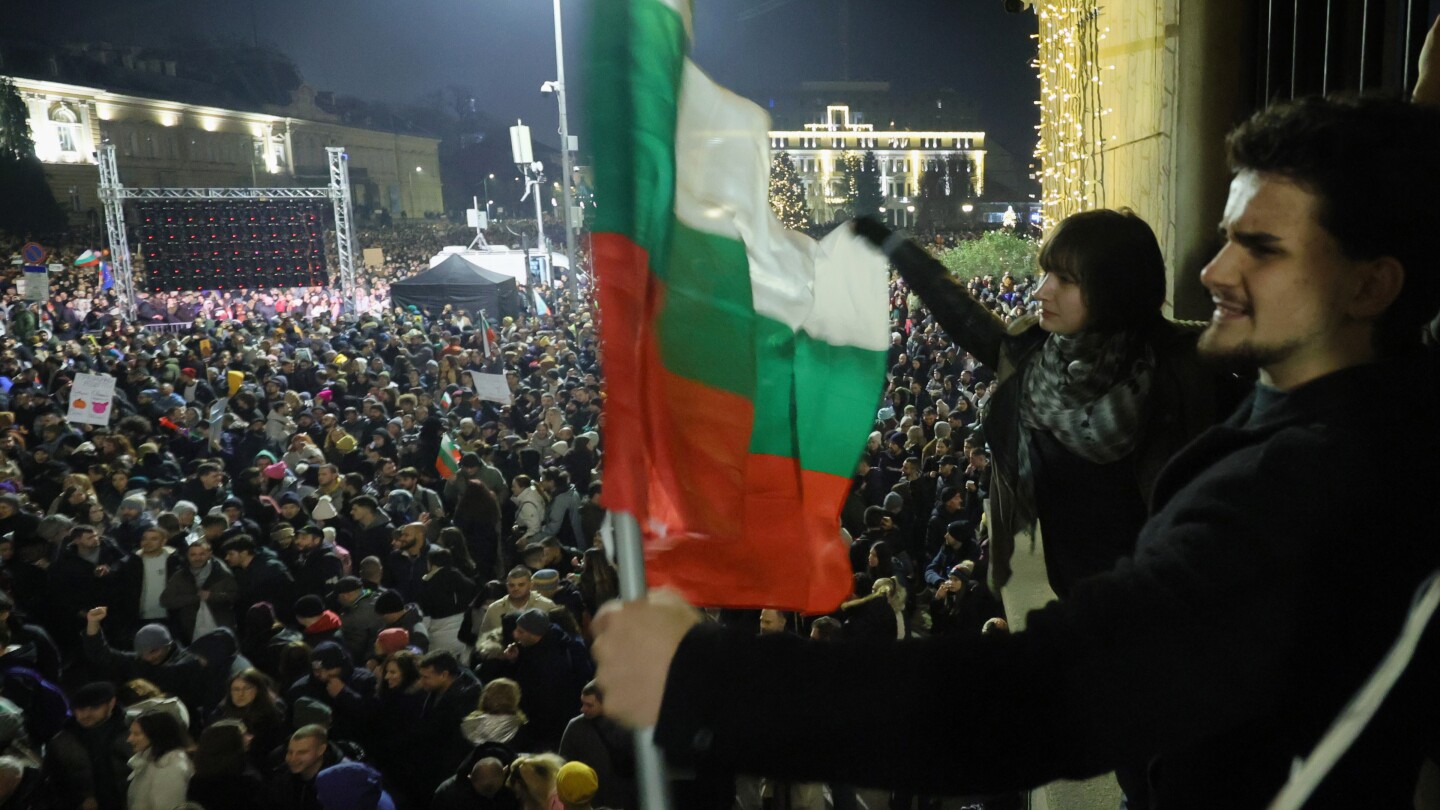
    SOFIA, Bulgaria — Bulgaria has been plunged into a political crisis following the resignation of its government amid escalating public demonstrations. Tens of thousands of citizens flooded the streets of Sofia and other major urban centers on Thursday, demanding electoral integrity and an independent judiciary capable of confronting systemic corruption.

    The widespread civic mobilization represents an extension of protests initially triggered by the government’s controversial budget proposal, which included plans for elevated taxes and increased public expenditures. Although authorities subsequently retracted the contentious 2026 fiscal blueprint, mounting public pressure ultimately compelled the coalition government to relinquish power.

    This political upheaval has created a governance vacuum in the Eastern European nation, leaving it without an approved budget for the upcoming fiscal year and without a functioning administration. The crisis emerges at a particularly sensitive juncture as Bulgaria prepares to transition to the euro currency on January 1, 2023.

    Protesters have articulated deep concerns regarding electoral malpractice, specifically highlighting vulnerabilities including vote manipulation, financial inducements for voters, and result falsification that allegedly compromised previous electoral processes.

    Central to the public’s discontent is the influential role of Delyan Peevski, a sanctioned oligarch whose political entity, the MRF New Beginning party, provided crucial parliamentary support to the outgoing coalition government led by former Prime Minister Boyko Borissov’s GERB party. Both the United States and United Kingdom have imposed sanctions on Peevski for corruption allegations.

    Constitutional protocols now require President Rumen Radev to appoint an interim administration and schedule early parliamentary elections—which would mark the country’s eighth snap vote since 2021. This persistent political instability threatens to complicate Bulgaria’s imminent adoption of the euro, despite its established timeline for integration into the Eurozone as its 21st member state.

  • Under pressure at home, Belgium’s leader treads a tight rope with EU partners over funds for Ukraine

    Under pressure at home, Belgium’s leader treads a tight rope with EU partners over funds for Ukraine

    BRUSSELS — The European Union faces an unprecedented internal crisis as Belgium, traditionally the bloc’s administrative heartland, emerges as the primary obstacle to a landmark plan utilizing frozen Russian assets for Ukrainian reconstruction. The contentious proposal, which would channel €193 billion ($226 billion) from Moscow’s immobilized funds through Brussels-based clearinghouse Euroclear, has exposed deep fissures within the 27-nation alliance.

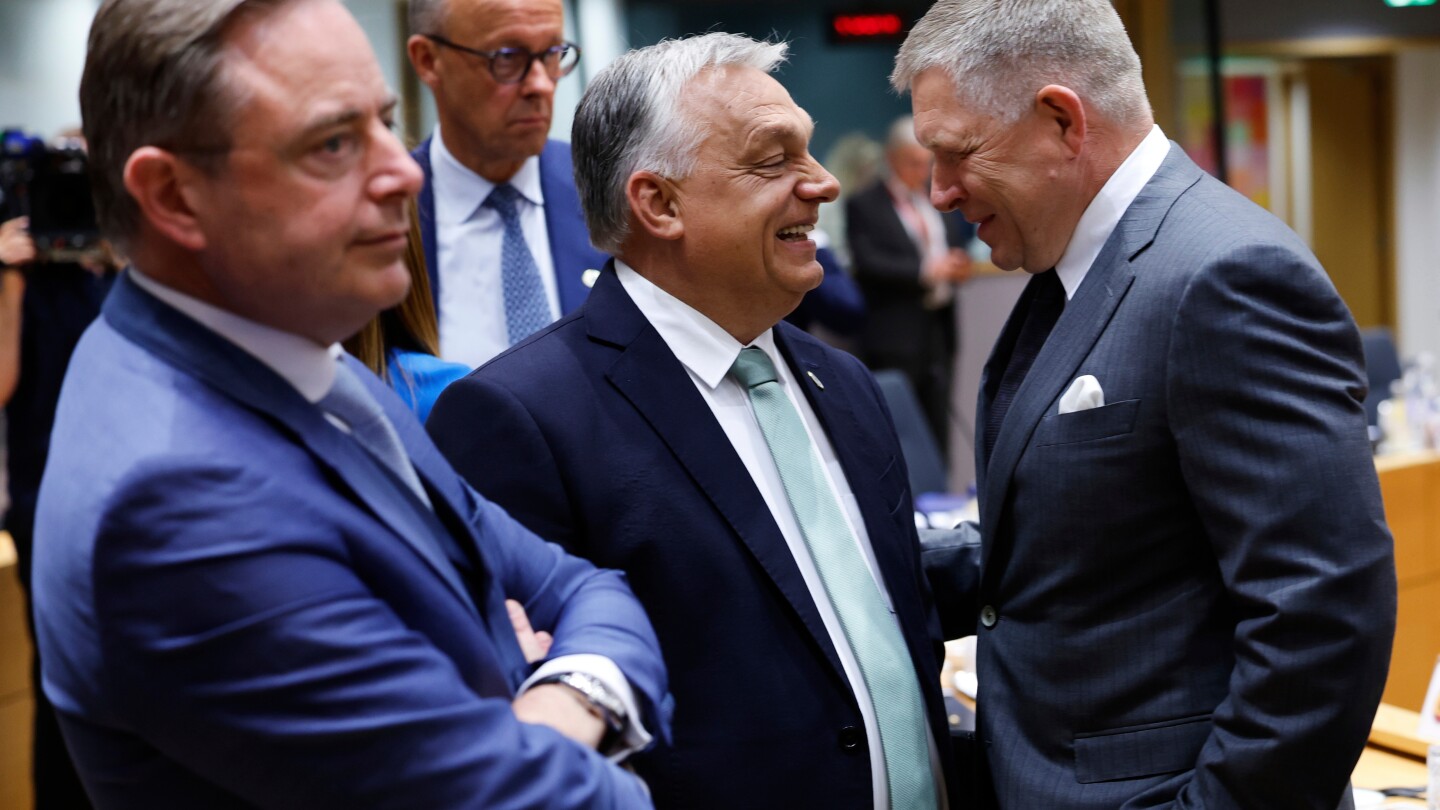
    Prime Minister Bart De Wever, leading a fragile coalition government, has positioned Belgium as the lone dissenter against what he terms the “reparations loan” mechanism. His administration argues that concentrating the financial risk exclusively within Belgian territory invites disproportionate retaliation from Russia—both through legal challenges and potential asymmetric threats. The scale of frozen assets equals nearly one-third of Belgium’s GDP, creating existential exposure for a nation already grappling with substantial public debt.

    Diplomatic tensions escalated during Thursday’s EU summit where De Wever demanded collective risk-sharing, declaring: “If we jump, we jump together.” His stance reflects broader anxieties following unexplained drone incidents at Belgian military facilities and airports, which Defense Minister Theo Francken characterized as possible Russian destabilization attempts.

    While Ukrainian President Volodymyr Zelenskyy acknowledges Belgian concerns, he emphasizes that “Ukraine has the right to this money because Russia is destroying us.” The impasse threatens EU decision-making credibility, with German Chancellor Friedrich Merz warning that failure could “severely damage the European Union’s ability to act for years.”

    With Ukraine requiring funding by early 2025, EU Council President António Costa has committed to continuous negotiations until resolution. The outcome hinges on whether De Wever prioritizes national financial security or European solidarity—a decision that could redefine EU power dynamics and establish precedents for future crises.

  • Crossing the red line means resolute counterattack, warns Chinese mainland

    Crossing the red line means resolute counterattack, warns Chinese mainland

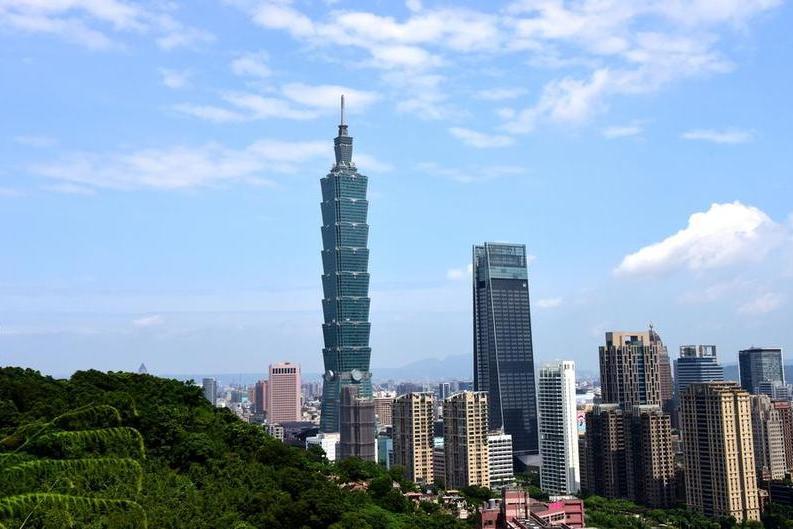
    The Chinese mainland has delivered an unequivocal warning regarding Taiwan-related matters, emphasizing that any actions perceived as crossing established “red lines” will trigger determined countermeasures. This declaration reinforces Beijing’s longstanding position on safeguarding national sovereignty and territorial integrity.

    Official statements characterize Taiwan as an inseparable component of China’s territory, rejecting any form of separatist activities or external interference. The warning specifically addresses what authorities describe as “collusion” between Taiwan’s leadership and foreign powers, particularly concerning military cooperation and diplomatic engagements that challenge the One-China principle.

    Analysts interpret this messaging as part of China’s broader strategy to deter perceived challenges to its core interests while maintaining strategic ambiguity regarding specific response scenarios. The timing coincides with increased regional security discussions and follows patterns of heightened rhetoric during periods of cross-strait tension.

    The mainland’s approach combines diplomatic messaging with continued emphasis on peaceful development pathways, while simultaneously reserving the right to employ “all necessary measures” should fundamental boundaries be breached. This dual-track policy reflects the complex balance between conflict prevention and demonstration of resolve in handling Taiwan-related matters.

    International observers note that such warnings serve multiple purposes: reinforcing domestic political narratives, signaling seriousness to external actors, and establishing clear parameters for acceptable behavior within the cross-strait relationship framework.

  • Fact-checking White House plaques targeting former US presidents

    Fact-checking White House plaques targeting former US presidents

    The White House has installed a series of newly crafted plaques beneath presidential portraits along the West Wing’s exterior, marking a permanent institutional effort to reshape historical narratives about former commanders-in-chief. Unlike previous presidential commentary delivered through transient media channels, these bronze inscriptions represent an unprecedented official attempt to cement specific historical interpretations directly within the executive mansion’s architecture.

    The plaques contain sharply critical assessments of recent Democratic presidents while offering glowing accounts of Donald Trump’s current term. President Joe Biden’s display notably excludes his portrait, instead featuring an image of an autopen machine—a visual reference to Trump’s unsubstantiated claim that Biden’s staff used automated signing devices without his knowledge. The accompanying text describes Biden’s 2021 inauguration as following “the most corrupt election ever seen in the US,” despite exhaustive investigations by multiple agencies and media organizations finding no evidence supporting widespread election fraud allegations.

    Immigration assertions on the plaques claim Biden “let 21 million people from all over the World pour into the US,” substantially exceeding official border encounter statistics. Government data indicates approximately 10 million migrant encounters occurred during Biden’s term, with Department of Homeland Security estimates suggesting 11 million undocumented immigrants resided in the country as of January 2022—most arriving before 2010.

    Economic criticisms target both Biden and Barack Obama, alleging Biden caused “the highest inflation ever recorded” and Obama presided over “a stagnant economy.” While inflation peaked at 9.1% in June 2022 during Biden’s presidency, historical records show higher rates in 1920 (23.7%) and during the 1970s-80s. Economic analysis reveals Obama averaged 1.7% GDP growth annually while navigating post-financial crisis recovery, comparable to Trump’s pre-pandemic growth rates.

    The current president’s plaque makes bold claims about “defeating inflation” despite November 2025 figures showing 2.7% year-over-year inflation, and asserts Trump ended “eight wars in his first eight months.” Verification shows this includes conflicts lasting merely days and disputes regarding Trump’s actual influence in resolutions, with India’s defense ministry explicitly rejecting his claimed role in ending tensions with Pakistan.

    White House Press Secretary Karoline Leavitt defended the installations as “eloquently written descriptions of each president and the legacy they left behind.” The displays incorporate some bipartisan elements, criticizing Republican George W. Bush’s wartime decisions while praising Democrat Jimmy Carter’s achievements. Neither Biden nor Obama has publicly commented on their critical portrayals in this permanent White House exhibition.

  • EU to slash asylum cases from 7 nations deemed safe

    EU to slash asylum cases from 7 nations deemed safe

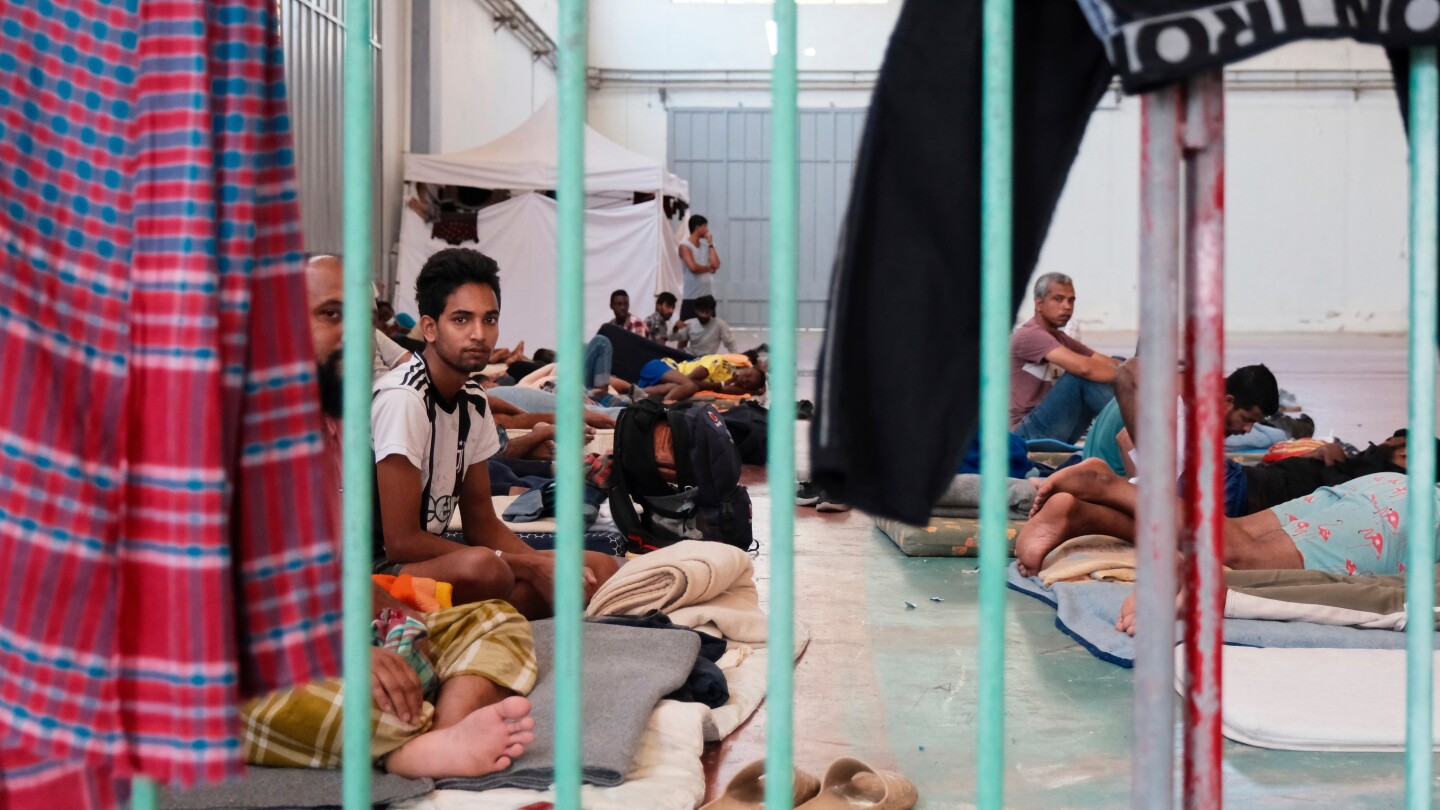
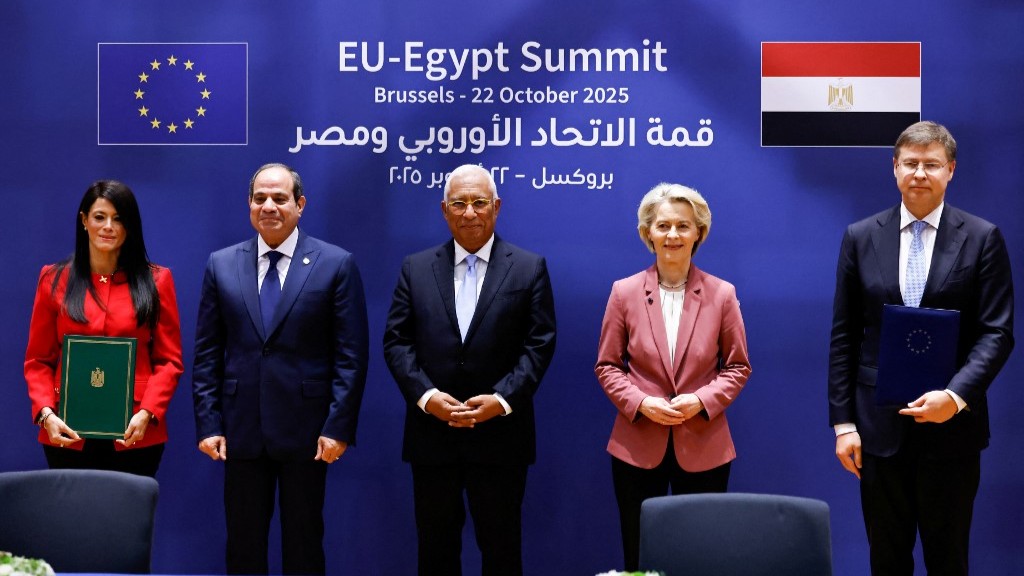
    BRUSSELS — In a landmark decision marking International Migrants’ Day, European Union institutions have jointly approved a contentious policy designating seven nations as ‘safe countries of origin,’ triggering immediate condemnation from human rights organizations across the continent.

    The European Parliament and European Council reached a comprehensive agreement enabling accelerated processing of asylum applications from Bangladesh, Colombia, Egypt, Kosovo, India, Morocco, and Tunisia. Under the new framework, applicants from these nations will bear the burden of proving why the safe country designation should not apply to their specific circumstances.

    This policy forms part of the broader Pact on Migration and Asylum, scheduled for implementation in June 2026, which represents the EU’s most significant asylum system overhaul since the 2015 migration crisis that saw over one million arrivals, primarily from conflict zones in Syria and Iraq.

    The agreement stipulates that countries may be deemed safe when they demonstrate absence of ‘relevant circumstances, such as indiscriminate violence in the context of an armed conflict.’ The policy framework permits individual member states to designate additional nations as safe according to their national immigration requirements.

    Human rights advocates responded with vehement opposition. Amnesty International EU advocate Olivia Sundberg Diez condemned the measures as ‘a shameless attempt to sidestep international legal obligations’ that would potentially endanger vulnerable migrants.

    French MEP Mélissa Camara expressed grave concerns about the establishment of ‘return hubs outside EU borders’ where third-country nationals might face ‘inhumane treatment with almost no monitoring.’ Similarly, Céline Mias of the Danish Refugee Council warned that the fast-track system could fail to protect journalists, activists, and marginalized groups from nations where human rights are systematically violated.

    Conversely, Alessandro Ciriani, an Italian MEP representing the European Conservatives and Reformists group, applauded the decision as a firm border reinforcement measure that provides ‘clear delineations of safe and unsafe nations’ to eliminate ‘excessive interpretative uncertainty’ that previously hampered border control decisions.

    The EU maintains that the list of designated safe countries remains subject to expansion through the bloc’s ordinary legislative procedures, indicating potential future additions to the current seven-nation roster.

  • EU’s provisional safe countries list includes ‘repressive’ states

    EU’s provisional safe countries list includes ‘repressive’ states

    The European Union has provisionally endorsed a contentious roster of nations designated as ‘safe countries of origin,’ enabling member states to fast-track the rejection of asylum applications. This legislative move, formalized by EU ministers and ratified through a parliamentary vote, permits authorities to deny asylum to individuals who could have sought protection in any of the listed countries, which include Egypt, Tunisia, Morocco, Turkey, Bangladesh, Colombia, India, and several EU candidate nations.

    Despite strong opposition from human rights organizations and dissident groups, the measure received majority support in the European Parliament, with only The Left bloc uniformly opposing it. Critics argue that the list incorporates multiple states with documented records of human rights abuses, political repression, and systematic persecution of dissenters.

    Human rights advocates have condemned the legislation as a violation of international asylum protections. Ahmed Attalla of the Egyptian Front for Human Rights stated the policy prioritizes border control over human rights, potentially exposing vulnerable individuals to accelerated deportation procedures. French MEP Damien Careme characterized the move as ‘the end of the right to asylum in Europe,’ accusing the EU of manipulating international law for political convenience.

    The approved framework also introduces ‘safe third country’ provisions, allowing member states to reject asylum seekers if they transited through non-EU nations deemed safe. Scheduled to take effect in June 2026, this policy reflects the EU’s increasingly restrictive immigration stance amid growing anti-migrant sentiment across the continent.

    Numerous case studies highlight concerns regarding the designated countries. Egypt ranks poorly on global freedom indices, with Human Rights Watch documenting systematic repression and thousands of political detainees. Tunisia has dismantled democratic institutions since President Saied’s 2021 coup, while Morocco faces criticism for its occupation of Western Sahara and suppression of Sahrawi activists. Turkey continues widespread persecution of dissidents, with Amnesty International reporting systematic torture in detention facilities.

    The legislation represents a significant shift in EU asylum policy that critics fear will eliminate Europe’s historical role as a sanctuary for those fleeing persecution, war, and instability.

  • Qatar: Gaza stabilization force in the making must be neutral

    Qatar: Gaza stabilization force in the making must be neutral

    Qatari Prime Minister Sheikh Mohammed bin Abdulrahman Al-Thani has articulated a firm stance on the proposed international stabilization force for Gaza, emphasizing the critical need for impartiality in postwar arrangements. Following high-level discussions with US Secretary of State Marco Rubio during the seventh Qatar-US Strategic Dialogue in Washington, the Prime Minister asserted that any security presence must prioritize protecting the ceasefire agreement itself rather than favoring any single party.

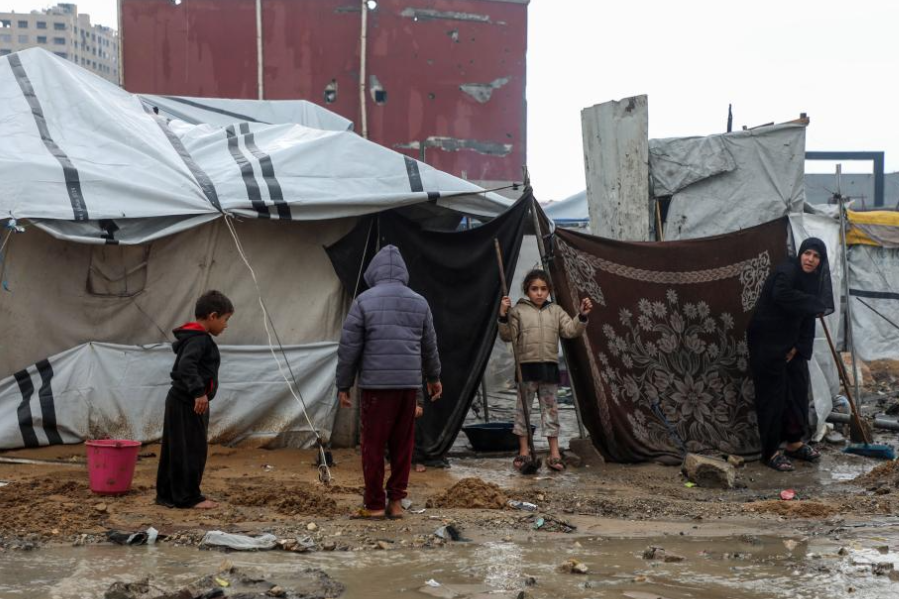
    The diplomatic engagement occurred against the backdrop of deteriorating humanitarian conditions in Gaza, where recent winter storms have exacerbated the crisis. UNRWA reports indicate at least 16 fatalities resulting from Storm Byron’s impact on vulnerable shelters, with three children among the deceased. Agency chief Philippe Lazzarini characterized the disaster as “man-made” due to the population’s forced displacement into inadequate shelters.

    Concurrently, Egyptian Foreign Minister Badr Abdelatty advocated for full implementation of UN Security Council Resolution 2803 during discussions with his Slovak counterpart. The resolution, adopted last month, mandates deployment of an International Stabilization Force while emphasizing the interconnection between humanitarian progress and Palestinian administrative continuity.

    Diplomatic developments suggest movement toward governance structures, with the Times of Israel reporting six nations—Egypt, Qatar, UAE, UK, Italy, and Germany—have committed to participate in a proposed Board of Peace for postwar Gaza management. However, regional analysts caution that such initiatives risk credibility gaps if pursued alongside ongoing military operations and settler violence in the West Bank.

    Arhama Siddiqa of the Institute of Strategic Studies Islamabad notes these diplomatic exchanges reveal emerging regional consensus that stabilization mechanisms must be internationally grounded, impartial, and intrinsically linked to unimpeded humanitarian access. The convergence of Qatari and Egyptian positions highlights Arab concerns that postwar arrangements must not evolve into instruments for managing occupation or shielding Israel from accountability.