分类: politics

  • US approves possible 136 mln USD military sale to NATO

    US approves possible 136 mln USD military sale to NATO

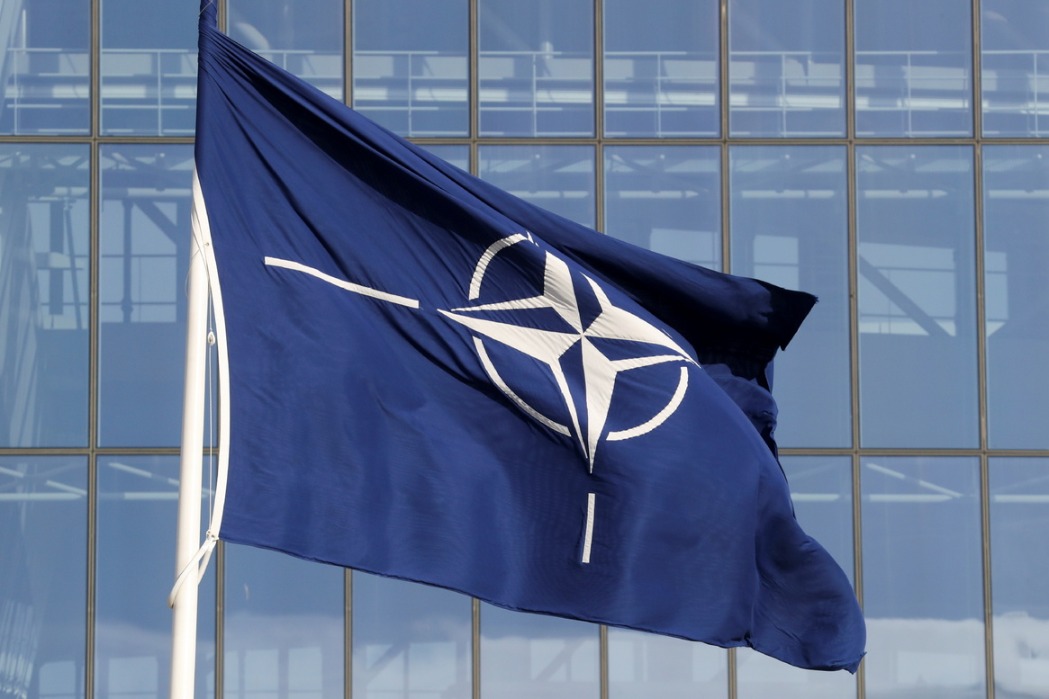
    The United States has formally authorized a significant foreign military sale to NATO allies valued at approximately $136.1 million. The approval, granted by the Trump administration on Thursday, will facilitate the extension of service life for Stinger missile systems operated by key European partners.

    According to the Defense Security Cooperation Agency (DSCA), the transaction responds to a formal request from the NATO Support and Procurement Agency (NSPA). The procurement package includes essential components such as booster pellets, flight motors, gas generator cartridges, and Stinger warhead sections. Additionally, the sale encompasses comprehensive technical support services provided by both US government experts and defense contractors.

    The initiative falls under NSPA’s management of the Stinger Service Life Extension Program, which it administers on behalf of three NATO members: Germany, Italy, and the Netherlands. As NATO’s primary organization for multinational defense acquisition and sustainment, NSPA coordinates these critical modernization efforts across alliance members.

    Raytheon, the American defense corporation that manufactures the Stinger system, describes it as a lightweight, self-contained air defense platform capable of rapid deployment by ground forces. The portable surface-to-air missile system has been a cornerstone of NATO’s air defense capabilities for decades.

    The DSCA emphasized that this proposed arms transfer would directly support mutual US and NATO defense objectives by enhancing alliance readiness and strengthening collective air defense capabilities. The agency further noted that the recipient nations would encounter no logistical challenges integrating these upgraded components into their existing military infrastructure.
  • Australian PM announces national gun buyback following Bondi Beach shooting

    Australian PM announces national gun buyback following Bondi Beach shooting

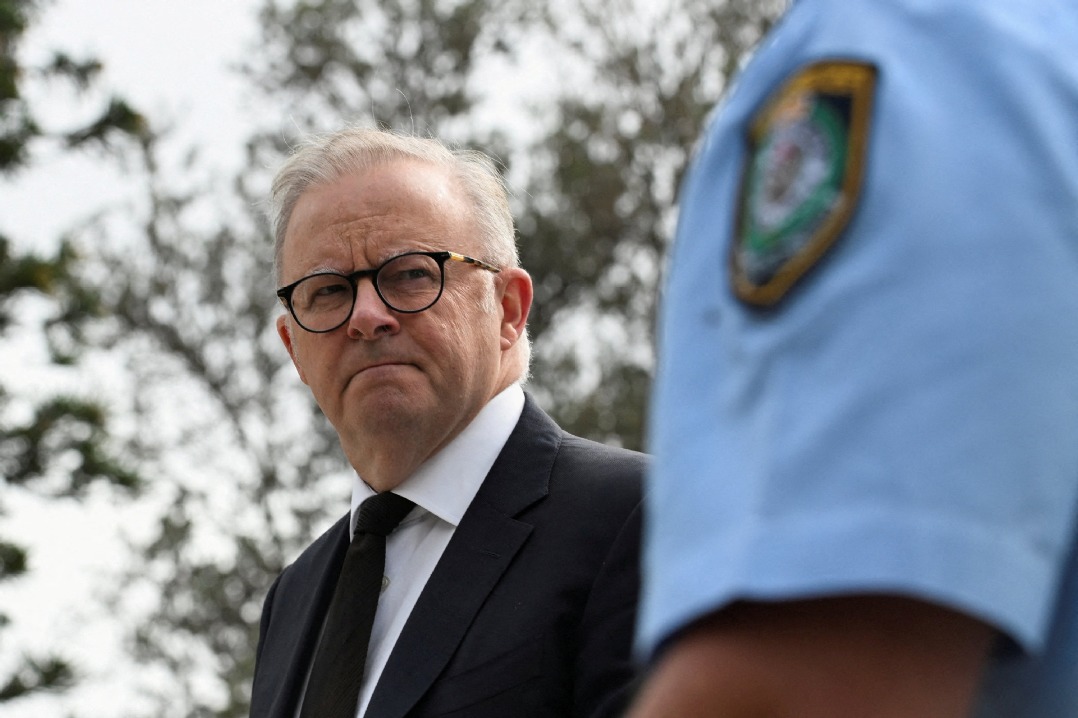
    In a decisive response to the recent mass shooting at Sydney’s Bondi Beach, Australian Prime Minister Anthony Albanese has unveiled a comprehensive national firearm buyback initiative. The announcement came during a Friday press conference in Canberra, where the Prime Minister outlined the government’s strategy to substantially reduce the number of firearms circulating within Australian communities.

    The newly established program will facilitate the purchase and subsequent destruction of surplus, recently prohibited, and illegally held firearms across the nation. This approach mirrors the successful buyback scheme implemented following the 1996 Port Arthur massacre in Tasmania, which resulted in 35 fatalities and prompted Australia’s most significant firearm law reforms.

    Sunday night’s Bondi Beach shooting, which claimed 15 lives, stands as the deadliest mass shooting incident in Australia since the Port Arthur tragedy. Prime Minister Albanese revealed concerning statistics indicating that Australia currently hosts over 4 million firearms—exceeding the number present during the 1996 massacre.

    Operational responsibilities will be distributed between state/territory governments and federal authorities. Regional governments will manage the collection, processing, and compensation aspects of the program, while the Australian Federal Police will oversee the destruction of all surrendered weapons. Government projections anticipate the retrieval and elimination of several hundred thousand firearms through this nationwide effort.

  • Fraught EU summit backs Ukraine but divisions are clear

    Fraught EU summit backs Ukraine but divisions are clear

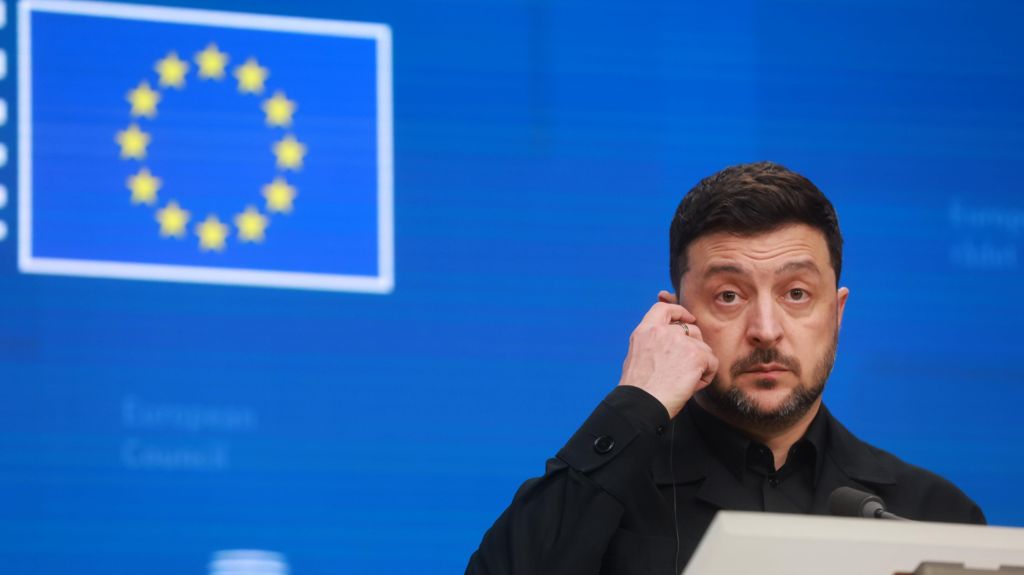
    In a marathon 17-hour negotiation session marked by intense deliberations, European Union leaders reached a landmark agreement in the early hours of Friday to provide Ukraine with €90 billion in zero-interest loans. This financial package, designed to sustain Ukraine’s economy through the next two years, comes at a critical juncture as American military support wavers under the Trump administration.

    Ukrainian President Volodymyr Zelensky had previously emphasized the existential necessity of these funds, warning EU leadership that without immediate financial assistance, Ukraine would lack the resources to compensate military personnel or procure essential weaponry against Russian aggression.

    The loan mechanism will be backed by the EU’s collective budget, though the agreement revealed significant fractures within the bloc. Hungary, Slovakia, and the Czech Republic only consented to the measure—which required unanimous approval—after securing individual exemptions from direct financial contributions. This development underscores the deepening geopolitical schisms between nations maintaining closer Kremlin ties and those like Poland and the Baltic states, which perceive Ukraine’s defense as fundamental to European security.

    Polish Prime Minister Donald Tusk framed the decision in stark terms during the summit’s outset, declaring that European leaders faced a choice between ‘financial commitment today or bloodshed tomorrow’—a statement he clarified pertained to Europe’s own security imperative rather than Ukraine’s alone.

    The newly approved joint-loan arrangement supersedes a previously contested proposal to utilize €210 billion in frozen Russian assets held within the EU, predominantly in Belgium. While Kyiv had advocated for this approach as morally justified compensation for Russia’s devastation, multiple member states expressed concerns about potential legal repercussions and damage to the eurozone’s reputation as a secure repository for global assets.

    EU officials indicated Friday that repurposing frozen Russian assets to repay the Ukrainian loan remains a future possibility, contingent upon the establishment of a formal peace agreement. Meanwhile, Brussels estimates Ukraine will require an additional €45 billion for 2026-2027, potentially sourced from non-EU allies including the UK, Japan, and Canada. The immediate financial stabilization also enables Kyiv to pursue lending opportunities through international financial institutions like the IMF.

  • House rejects resolutions to limit Trump’s campaign against Venezuela

    House rejects resolutions to limit Trump’s campaign against Venezuela

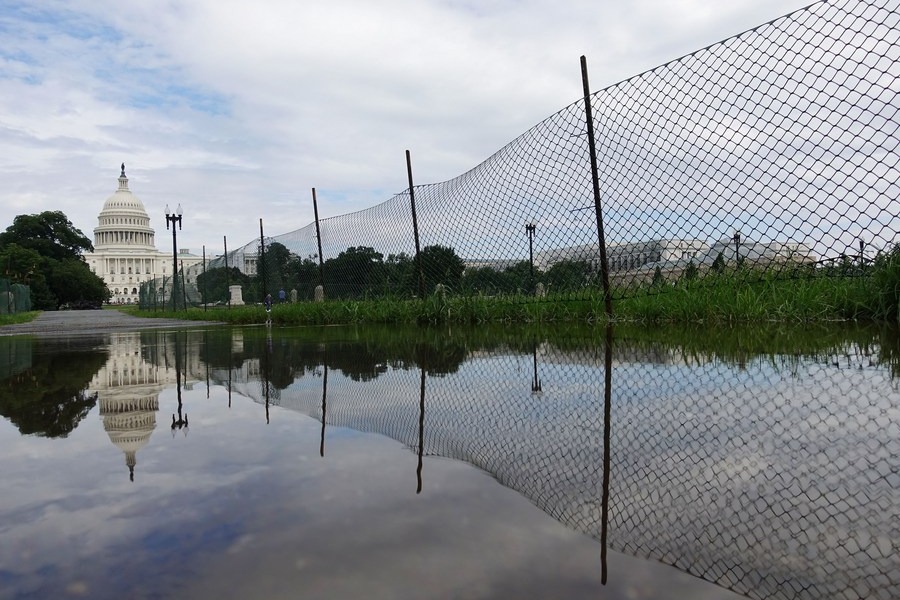
    In a significant legislative showdown, the US House of Representatives has defeated two Democratic-sponsored resolutions aimed at restricting President Donald Trump’s authority to conduct military operations against Venezuela and drug cartels in the Western Hemisphere. The Wednesday vote saw Republicans successfully block the war powers measures that would have required congressional authorization before continuing anti-cartel operations or initiating attacks against Venezuela.

    The legislative action comes amid escalating tensions between the Trump administration and the Venezuelan government, with US military operations already resulting in the destruction of 26 vessels allegedly transporting narcotics and the deaths of at least 99 individuals, including a recent attack on Wednesday. Congressional Democrats have raised concerns about the legal basis and scope of these operations.

    Representative Gregory Meeks, the leading Democrat on the House Foreign Affairs Committee, asserted that the administration’s aggressive posture stems from economic interests rather than national security concerns. “The president is coveting Venezuelan oil,” Meeks stated during the debate.

    The political dynamics extended beyond Capitol Hill, with Senate Majority Leader John Thune commenting that he would not oppose regime change in Venezuela if that were the administration’s position, though he noted uncertainty about whether this had been officially stated.

    Simultaneously, diplomatic channels showed Venezuela strengthening international alliances. Chinese Foreign Minister Wang Yi held discussions with Venezuelan counterpart Yvan Gil, who detailed the current situation in his country. Gil emphasized Venezuela’s determination to protect its sovereignty and independence.

    Minister Wang expressed China’s firm opposition to “unilateral bullying” and support for nations defending their sovereignty, highlighting the strategic partnership between China and Venezuela. “China believes the international community understands and supports Venezuela’s position in safeguarding its legitimate rights and interests,” Wang stated, signaling continued diplomatic backing from Beijing amid growing pressure from Washington.

  • Japan’s security moves draw sharp criticism

    Japan’s security moves draw sharp criticism

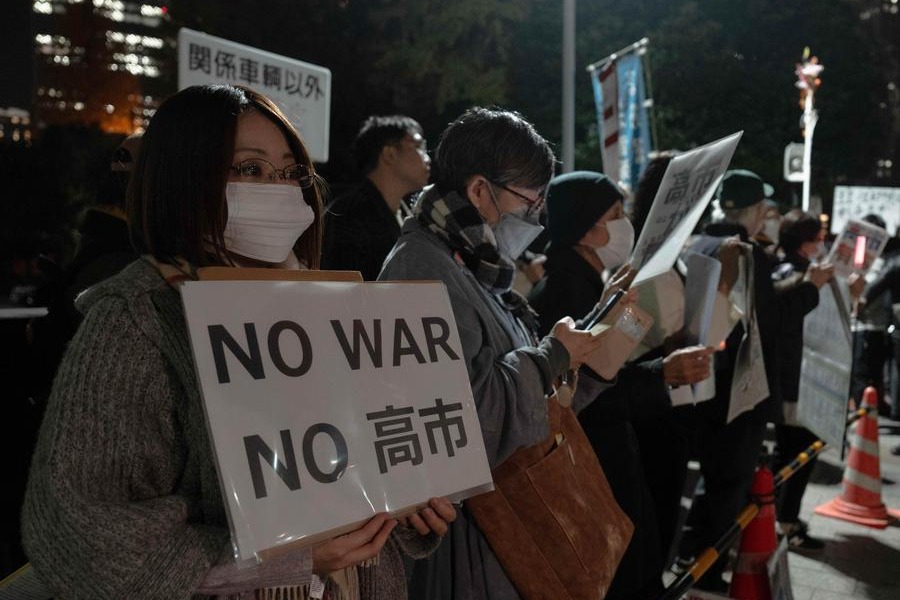
    North Korea has issued a stern condemnation of Japan’s reported considerations to revise its longstanding Three Non-Nuclear Principles, characterizing the move as indicative of alarming militaristic tendencies. Through an editorial published in state-run newspaper Rodong Sinmun on Thursday, the Democratic People’s Republic of Korea asserted that Prime Minister Sanae Takaichi’s administration has orchestrated substantial adjustments to Japan’s defense and security frameworks.

    The criticism highlights Japan’s escalated defense expenditures, enhanced preemptive strike capabilities, relaxed arms export regulations, and the contemplated revision of nuclear principles that have formed the cornerstone of Japan’s post-war pacifist stance. Rodong Sinmun declared that these developments mark a critical and perilous phase in Japan’s multi-decade remilitarization efforts following its World War II defeat.

    According to Kyodo News reports, the Japanese government anticipates revising its National Security Strategy and associated documents by late next year. Prime Minister Takaichi is reportedly evaluating modifications to the third principle—which currently prohibits nuclear weapons from entering Japanese territory—despite the strategy’s 2022 affirmation that ‘the basic policy of adhering to the Three Non-Nuclear Principles will remain unchanged.’

    Established in 1967 by then-Prime Minister Eisaku Sato, the three principles prohibit Japan from possessing, producing, or permitting the introduction of nuclear weapons within its borders. Analysts confirm that any amendment would represent a seismic shift in Japan’s security paradigm.

    The North Korean newspaper further warned that such revisions would dramatically expand the scope and depth of Japan’s remilitarization, constituting a blatant provocation against regional peace. Drawing parallels to Japan’s wartime imperial ambitions, the editorial evoked historical memories of nationwide indoctrination preceding aggressive wars and the pursuit of the ‘Greater East Asia Co-Prosperity Sphere.’

    In related developments, Prime Minister Takaichi’s coalition agreement with the Japan Innovation Party, signed October 20, included provisions regarding submarines featuring ‘next-generation propulsion systems’—potentially including nuclear technology. When questioned about nuclear submarine acquisition, Chief Cabinet Secretary Minoru Kihara stated the government wasn’t ‘ruling out any options’ regarding enhanced deterrence capabilities.

    Concurrently, China has repeatedly criticized Prime Minister Takaichi’s comments on Taiwan, with Foreign Minister Wang Yi cautioning against repeating historical mistakes where Japanese militarists justified wars under pretexts of ‘survival-threatening situations.’

    Diplomatic support for the one-China principle has intensified throughout November, with Myanmar, Cambodia, Laos, Jordan, Saudi Arabia, and the United Arab Emirates all reaffirming their adherence to the policy and opposing external interference in China’s internal affairs regarding Taiwan.

  • China offers to resolve Thailand-Cambodia rift

    China offers to resolve Thailand-Cambodia rift

    In a significant diplomatic intervention, Chinese Foreign Minister Wang Yi has issued an urgent appeal for an immediate ceasefire between Cambodia and Thailand amid intensifying border hostilities that have resulted in substantial civilian casualties. The high-level diplomatic engagement occurred during separate telephone consultations with Cambodian Deputy Prime Minister Prak Sokhonn and Thai Foreign Minister Sihasak Phuangketkeow on Thursday.

    The border conflict, which reignited on December 7 despite a joint peace declaration signed just two months prior, has claimed the lives of 18 Cambodian civilians according to Xinhua News Agency reports. The timing of this resurgence underscores the fragility of previous diplomatic achievements in the restive border region.

    Minister Wang articulated China’s position as both a friend and close neighbor to both nations, emphasizing Beijing’s profound concern over the escalating violence. “China is most reluctant to see the two nations engage in conflict, and is deeply saddened by the civilian casualties resulting from the clashes,” Wang stated during the exchanges. He characterized the current confrontation as more intense than previous episodes and warned that continued hostilities would damage regional stability and undermine ASEAN unity.

    Concurrent with these diplomatic conversations, China’s Special Envoy for Asian Affairs Deng Xijun embarked on a shuttle diplomacy mission to both capitals, building upon his previous mediation efforts in September. This demonstration of China’s proactive diplomatic approach aims to bridge differences and facilitate dialogue between the conflicting parties.

    Wang emphasized China’s commitment to impartiality in the dispute, stating Beijing’s support for both bilateral resolution efforts and ASEAN’s mediation role. Notably, he also expressed concerns about potential misinformation campaigns that might jeopardize China’s relations with either nation and called for enhanced protection of Chinese projects and personnel in both countries.

    Both Cambodian and Thai foreign ministers acknowledged China’s balanced stance and welcomed Beijing’s diplomatic involvement. In a positive development, the nations have agreed to deploy an ASEAN observer team as part of confidence-building measures, signaling potential openness to third-party mediation in the protracted border dispute.

  • Putin tells his annual news conference that the Kremlin’s military goals will be achieved in Ukraine

    Putin tells his annual news conference that the Kremlin’s military goals will be achieved in Ukraine

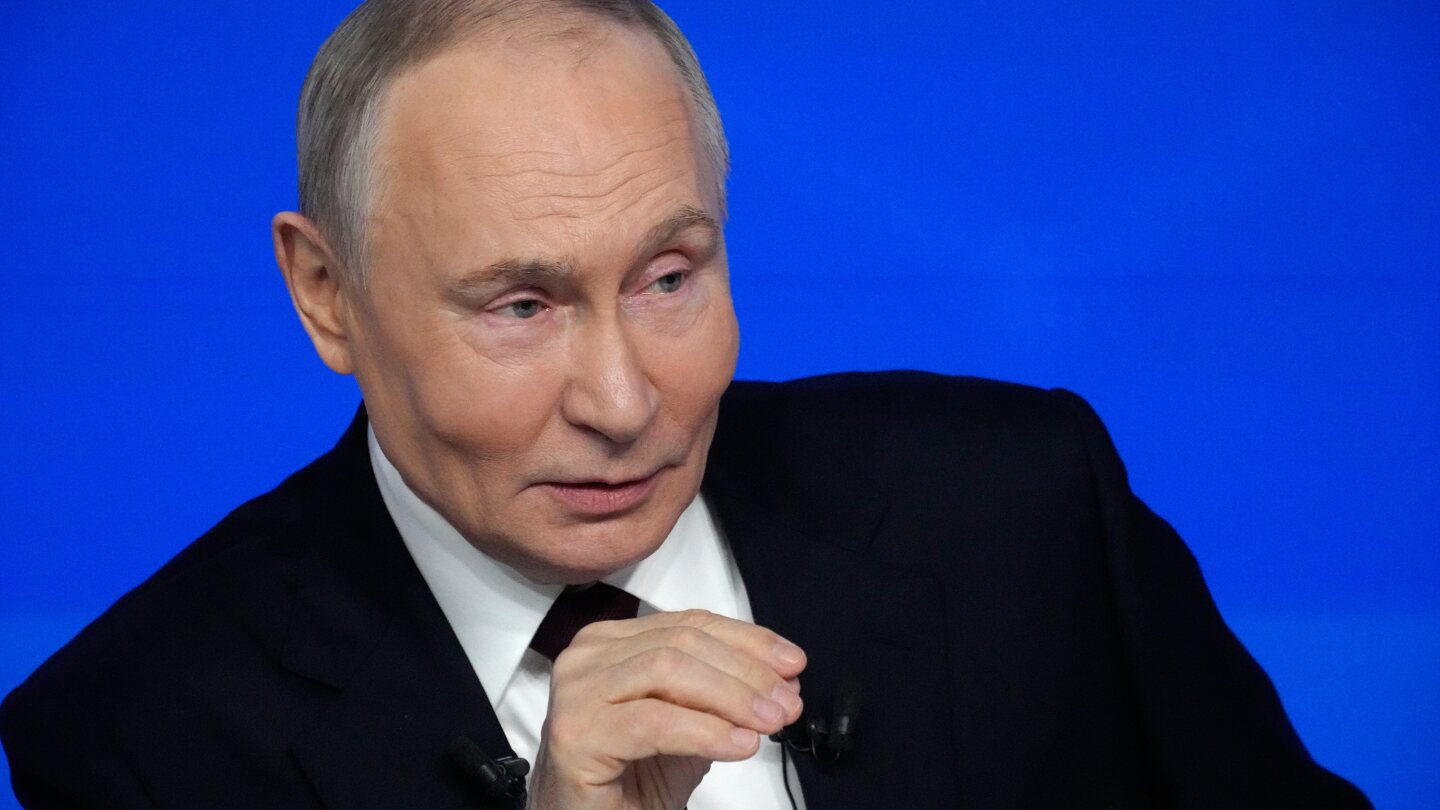
    Russian President Vladimir Putin asserted during his annual year-end press conference that Moscow’s military forces have gained complete strategic initiative in the ongoing Ukraine conflict. Addressing the nation in a carefully orchestrated event that combined a live news conference with a nationwide call-in program, the Russian leader expressed unwavering confidence that the Kremlin’s military objectives would ultimately be achieved.

    Putin emphasized that Russian troops are consistently advancing across the entire line of contact, though he acknowledged the pace varies across different sectors. ‘Our troops are progressing throughout the combat zone, with some areas witnessing faster advancement than others, but the enemy continues to retreat across all fronts,’ the Russian president stated.

    The conflict, which approaches its fourth anniversary since Putin initially ordered troops into Ukraine, has evolved significantly from its initial phase when Ukrainian forces successfully repelled Russia’s attempt to capture Kyiv. The warfare has since transformed into a grueling battle of attrition, with Moscow’s military making gradual but persistent territorial gains despite failing to achieve the rapid victory many analysts had anticipated.

    Regarding potential peace negotiations, Putin reaffirmed Moscow’s readiness for a diplomatic settlement that would address what he termed the ‘root causes’ of the conflict. However, the Russian leader’s conditions remain extensive and largely unacceptable to Kyiv. These demands include international recognition of Russia’s claimed annexation of four Ukrainian regions and Crimea, which Moscow illegally seized in 2014. Additionally, Putin insists Ukraine must withdraw its forces from certain eastern territories not currently under Russian control.

    The Kremlin further demands that Ukraine abandon its aspirations to join the NATO alliance and cease all military cooperation with Western nations. Putin has repeatedly stated that any NATO troop deployments would be considered ‘legitimate targets.’ Other conditions include mandatory limitations on the size of Ukraine’s military forces and granting official status to the Russian language within Ukraine’s governmental and administrative structures.

    Earlier this week, Putin warned that Moscow would continue expanding its territorial control if Kyiv and its Western allies reject these demands. The statement comes as international observers closely monitor Putin’s response to peace proposals reportedly put forward by the United States, though diplomatic efforts have encountered significant obstacles due to the fundamentally incompatible positions of both warring parties.

  • US suspends green card lottery scheme after Brown shooting

    US suspends green card lottery scheme after Brown shooting

    In response to a tragic shooting incident at Brown University that resulted in multiple casualties, the Trump administration has implemented an immediate suspension of the Diversity Visa Lottery program. The decisive action comes after authorities identified Claudio Neves Valente, a 48-year-old Portuguese national, as the prime suspect in both the university shooting and the separate killing of an MIT professor.

    Homeland Security Secretary Kristi Noem announced the program’s suspension under presidential directive, stating the suspect ‘should never have been allowed in our country.’ Valente had originally entered the United States through the diversity lottery system in 2017 and subsequently obtained permanent residency.

    The DV-1 program, which annually allocates up to 50,000 visas through randomized selection from countries with historically low immigration rates to the U.S., faces renewed scrutiny following this incident. Secretary Noem referenced previous security concerns, noting that the 2017 New York truck attack perpetrator had similarly entered through the program.

    Law enforcement officials concluded a six-day multistate manhunt when Valente was discovered deceased in a New Hampshire storage facility from an apparent self-inflicted gunshot wound. Investigators connected Valente to both crimes through vehicular evidence, CCTV footage, and witness accounts. Authorities recovered two firearms and a satchel at the scene.

    The tragic events began on December 13th when a gunman opened fire in Brown University’s engineering building during final examinations, resulting in two student fatalities and nine injuries. Just two days later, Massachusetts Institute of Technology professor Nuno Loureiro was fatally shot at his Brookline residence. Police confirmed both men had attended the same Portuguese university in the late 1990s, though no motive has been established for either attack.

  • Turkey asked Russia to take back S-400 system: Report

    Turkey asked Russia to take back S-400 system: Report

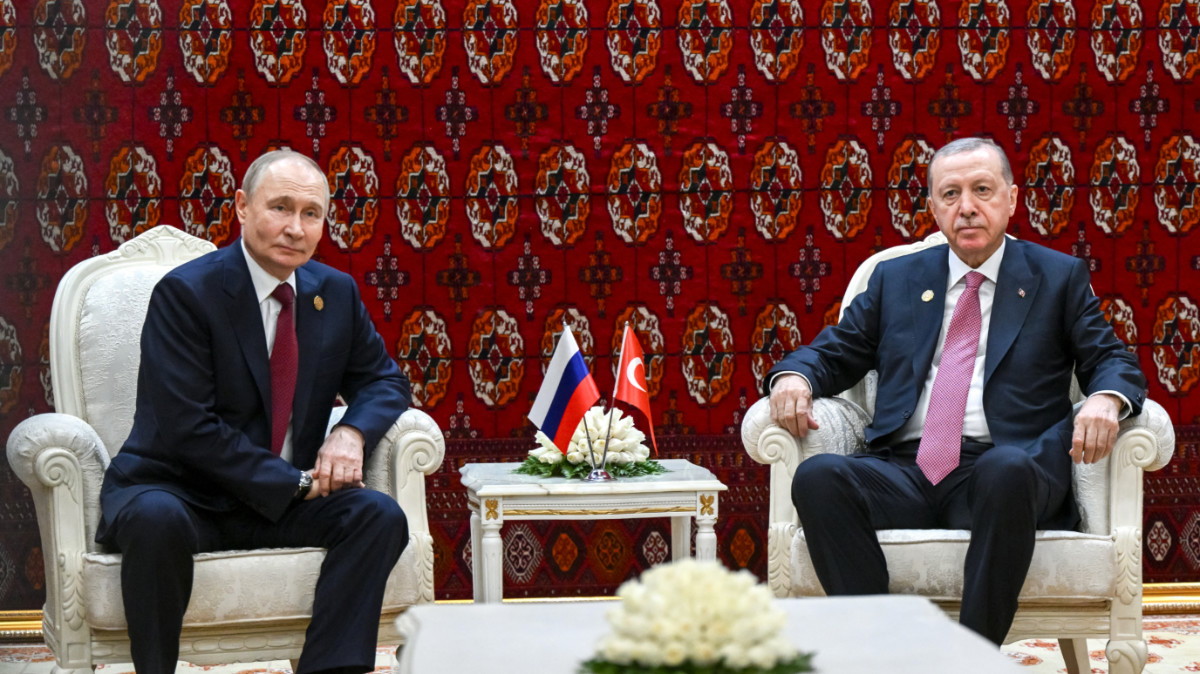
    In a significant diplomatic reversal, Turkey has formally requested that Russia repatriate its S-400 air defense systems, signaling Ankara’s renewed efforts to reintegrate into the U.S. F-35 fighter jet program. This strategic pivot occurred during recent high-level discussions between Turkish President Recep Tayyip Erdogan and Russian President Vladimir Putin in Turkmenistan, according to Bloomberg reports.

    The development follows confirmed negotiations between Ankara and Washington regarding Turkey’s potential return to the F-35 co-production initiative, as disclosed by U.S. Ambassador to Turkey Tom Barrack through official communications. Barrack emphasized that ongoing dialogues specifically address both Turkey’s aspiration to rejoin the advanced fighter program and its continued possession of Russian-made defense systems.

    Turkey’s exclusion from the F-35 program originated in 2019 following its controversial acquisition of the S-400 system, which triggered bipartisan condemnation in the U.S. Congress. Legislators imposed substantial sanctions and embedded restrictive measures within the 2020 National Defense Authorization Act, explicitly prohibiting F-35 transfers unless Turkey verifiably divests from the Russian technology.

    This request represents a notable departure from Turkey’s previous stance, which advocated maintaining the S-400 systems in dormant storage while simultaneously pursuing F-35 acquisition. Earlier proposed compromises involved storing the Russian systems under NATO inspection protocols to ensure non-activation, though Turkey had consistently rejected transferring the technology to third nations.

    The geopolitical landscape has shifted considerably under the Trump administration, which has increasingly valued Turkey’s regional influence regarding Syrian operations and Hamas mediation in Gaza. According to Aaron Stein of the Foreign Policy Research Institute, the potential sale of approximately 40 F-35s to Turkey represents a substantial economic and strategic incentive for renewed cooperation, despite objections from traditional U.S. allies in the region.

  • EU agree €90bn loan for Ukraine but without using Russian assets

    EU agree €90bn loan for Ukraine but without using Russian assets

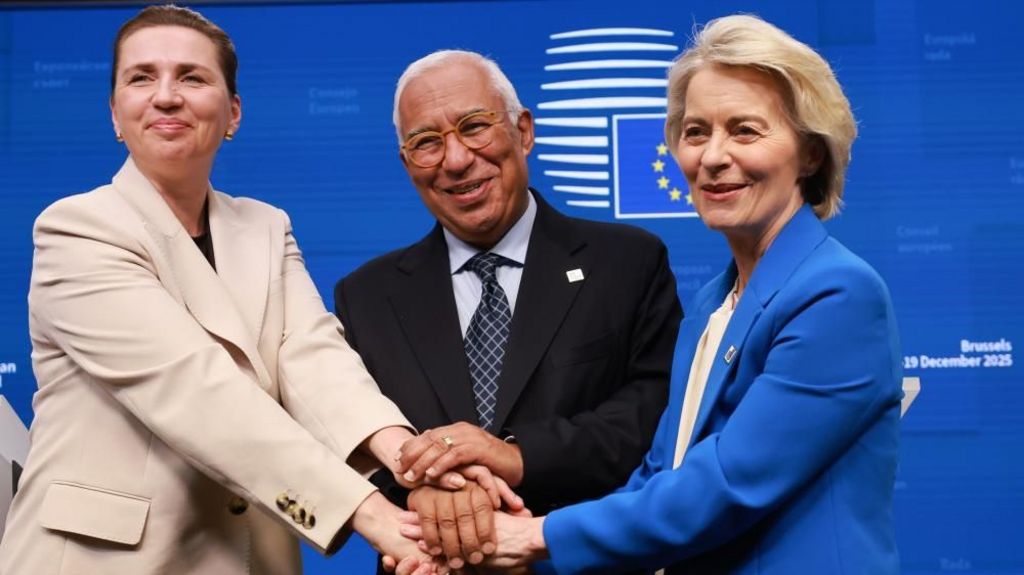
    After protracted negotiations spanning over 24 hours at the Brussels summit, European Union leaders have unanimously approved a substantial €90 billion financial assistance package for Ukraine. This critical agreement emerged as a compromise solution following the bloc’s inability to reach consensus on utilizing frozen Russian assets worth approximately €200 billion.

    European Council President Antonio Costa heralded the achievement, declaring on social media platform X, “We committed, we delivered.” The financing mechanism involves a loan backed collectively by the EU’s common budget, effectively circumventing the legal and political complications surrounding directly confiscated Russian funds held predominantly in Belgian financial institutions.

    The breakthrough followed intense diplomatic efforts to address concerns from multiple member states regarding liability sharing for the frozen assets. Belgian Prime Minister Bart De Wever emphasized that the loan agreement prevented potential “chaos and division” within the union while demonstrating European unity in supporting Ukraine’s defense capabilities.

    Ukrainian President Volodymyr Zelensky had previously warned that without immediate financial infusion by spring, Ukraine would face severe constraints in military production, particularly regarding drone manufacturing capabilities. EU assessments indicate Ukraine requires approximately €135 billion over the next two years to maintain economic stability, with critical shortfalls anticipated beginning April.

    Concurrently, French President Emmanuel Macron introduced a contrasting diplomatic perspective, suggesting the necessity for European re-engagement with Russian leadership. “I believe that it’s in our interest as Europeans and Ukrainians to find the right framework to re-engage this discussion,” Macron stated, proposing such dialogue should occur within “coming weeks.”

    The EU’s financial commitment coincides with intensified peace negotiation efforts, including scheduled talks between US and Russian officials in Miami this weekend. Kremlin representative Kirill Dmitriev is expected to meet with Trump envoys Steve Witkoff and Jared Kushner, while parallel discussions between Ukrainian and US delegations are set to occur in the United States.