分类: politics

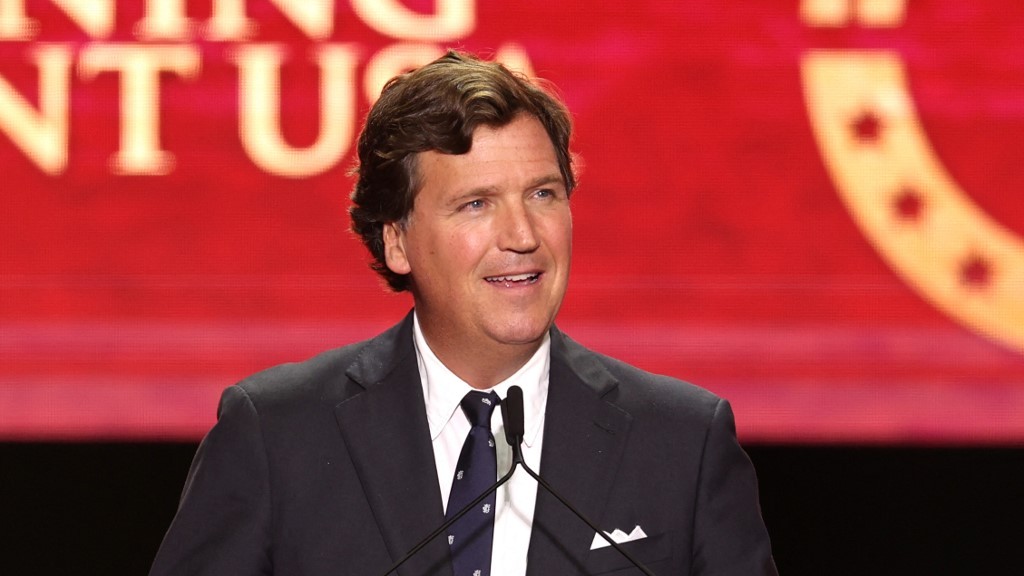
  • Tucker Carlson named ‘Antisemite of the Year’ for opposing Israel’s genocide in Gaza

    Tucker Carlson named ‘Antisemite of the Year’ for opposing Israel’s genocide in Gaza

    In a controversial move that highlights deepening divisions over Middle East policy, the advocacy organization StopAntisemitism has designated prominent conservative commentator Tucker Carlson as its ‘Antisemite of the Year.’ The group announced the distinction on Sunday, citing Carlson’s sustained criticism of Israel’s military operations in Gaza and his allegations regarding Israeli influence over American politics.

    Carlson, who commands a substantial online audience through his digital platform, has emerged as one of the most vocal right-wing figures challenging Israel’s political sway in Washington. His critiques have intensified since Israel initiated military actions in Gaza following the October 7, 2023 attacks. The commentator has particularly targeted the American Israel Public Affairs Committee (AIPAC), characterizing its political influence as ‘an ongoing humiliation ritual’ for U.S. lawmakers and asserting American complicity in Israel’s warfare tactics.

    The journalist has also directed criticism toward Israeli Prime Minister Benjamin Netanyahu, who faces International Criminal Court arrest warrants for alleged war crimes and crimes against humanity in Gaza. Carlson claimed during a September interview that Netanyahu openly boasts about controlling U.S. political leadership, including former President Donald Trump.

    Beyond political analysis, Carlson has questioned theological justifications for unwavering support of Israel, describing Christian Zionism as ‘the single biggest threat to Christianity in this country’ and labeling its adherents as ‘heretics’ for treating Israel’s military dominance as biblically mandated.

    StopAntisemitism’s executive director Liora Reznichenko has articulated an aggressive strategy against critics of Israel, stating at a December conference that punishing such figures constitutes effective antisemitism prevention. The organization claims responsibility for approximately 400 individuals losing employment through targeted online campaigns.

    Among those targeted is early childhood educator Rachel Griffin Accurso (known as ‘Ms. Rachel’), whom the group accused of antisemitism for sharing content about Palestinian children’s suffering in Gaza. This occurred despite Glamour magazine simultaneously recognizing Accurso as a 2025 ‘Woman of the Year’ for her advocacy work with children affected by global conflicts.

    The organization’s methodology involves creating permanent digital records of accusations that ‘will follow you for the rest of your life’ through search engine optimization techniques, affecting targets’ professional and personal opportunities indefinitely.


  • Carney names ex-Blackrock executive as new US ambassador

    Carney names ex-Blackrock executive as new US ambassador

    Prime Minister Mark Carney has selected prominent financier Mark Wiseman, a former BlackRock executive, to serve as Canada’s ambassador to the United States during a period of crucial trade negotiations with the Trump administration. The appointment comes as Canada seeks to reset its strained bilateral relationship with its southern neighbor while preparing for a complex review of the existing free trade agreement.

    Wiseman, 55, brings substantial financial expertise to the diplomatic role, currently serving as senior advisor and chairman of Canada at Lazard financial services and as a senior advisor at Boston Consulting Group. The Yale-educated lawyer has previously worked in New York and Paris with Sullivan & Cromwell, and reportedly maintains a close personal friendship with Prime Minister Carney.

    The new ambassador’s appointment follows current ambassador Kirsten Hillman’s decision to conclude her tenure in Washington. Carney emphasized Wiseman’s “immense experience, extensive contacts and deep commitment” in a statement, noting the appointment comes at a “crucial time of transformation” for both nations. “As a core member of our negotiating team, he will help advance the interests of Canadian workers, businesses, and institutions, while building opportunities for both Canada and the United States,” Carney stated.

    Wiseman’s background includes co-founding the Century Initiative, a charitable organization advocating for increased Canadian immigration to reach 100 million people by 2100 to stimulate economic growth. This association has drawn criticism from Conservative party leader Pierre Poilievre, who accused Wiseman of promoting policies that “inflate the cost of living, take away jobs and put pressure on our health care system.”

    The diplomatic assignment presents significant challenges as Wiseman will navigate a relationship strained by Trump’s imposition of sector-specific tariffs on Canadian metals, lumber and automotive products. Tensions escalated in late October when Trump halted trade talks following an anti-tariff advertisement commissioned by Ontario province and aired in the US markets.

    A scheduled review of the Canada-United States-Mexico Agreement (CUSMA) is currently underway, beginning with public hearings and stakeholder consultations. The outcome could result in renewal or expiration of the trade pact that currently exempts most Canadian goods from Trump’s sweeping 35% tariff rate on all imports. Wiseman is scheduled to assume his ambassadorial responsibilities in mid-February.

  • US signs new health deals with 9 African countries that mirror Trump’s priorities

    US signs new health deals with 9 African countries that mirror Trump’s priorities

    The United States has initiated a fundamental restructuring of its global health assistance through newly negotiated bilateral agreements with at least nine African nations. This strategic shift, implemented under the Trump administration’s ‘America First’ foreign policy doctrine, replaces previous USAID-managed programs with government-to-government compacts emphasizing mutual benefits over traditional aid.

    Kenya, Nigeria, Rwanda, Cameroon, Eswatini, Lesotho, Liberia, and Mozambique have entered these pioneering health partnerships that tie funding to specific policy conditions and domestic financial commitments. The arrangements mark a dramatic departure from conventional assistance models by requiring recipient nations to substantially increase their own health expenditures while accepting reduced American funding—averaging a 49% decrease compared to previous allocations according to the Center for Global Development.

    Notably, Nigeria’s agreement includes specialized provisions emphasizing support for Christian-based health facilities despite the country’s slight Muslim majority, with the State Department explicitly linking this funding to Nigeria’s efforts in protecting Christian populations from violence. Several signatory nations—including Rwanda and Uganda—have separately accepted controversial U.S. deportation agreements, though officials deny direct linkage between these arrangements.

    Conspicuously absent from the partnerships is South Africa, which lost approximately $436 million in annual HIV funding following diplomatic tensions with the administration. The new compacts prioritize disease surveillance, HIV treatment, and malaria prevention while demanding increased financial self-sufficiency from recipient nations, fundamentally redefining the terms of U.S. global health engagement.

  • Justice Department sues DC over block of semi-automatic guns

    Justice Department sues DC over block of semi-automatic guns

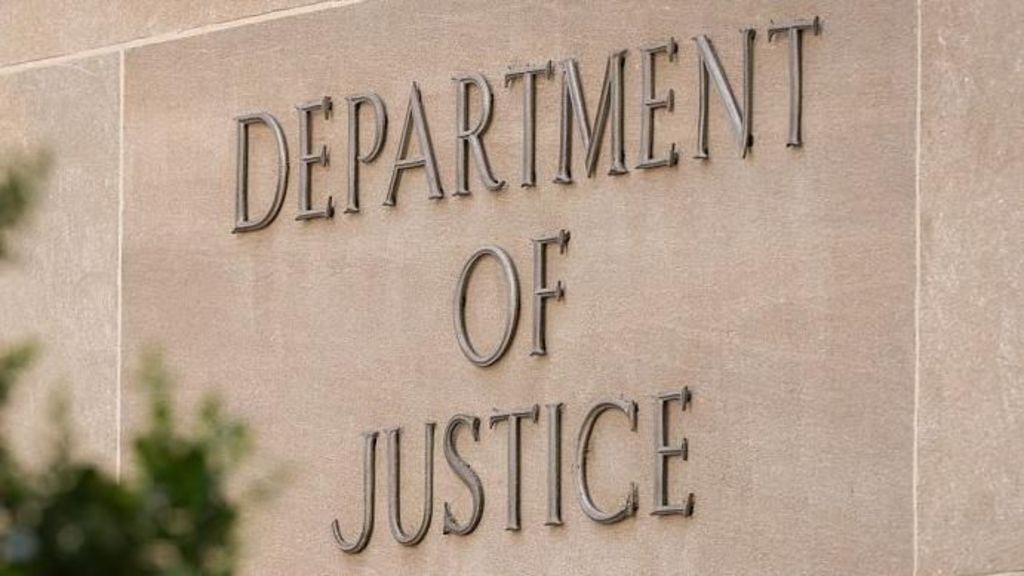
    The U.S. Department of Justice has initiated legal action against the District of Columbia concerning its prohibition on registering semi-automatic firearms, marking the latest development in the ongoing national debate over gun control measures. Filed in federal court on Monday, the lawsuit targets DC’s existing legislation that effectively bans residents from legally possessing AR-15 style rifles and other rapid-loading firearms through registration restrictions.

    Attorney General Pam Bondi characterized the district’s firearm regulations as “an unconstitutional infringement on the Second Amendment” in an official statement. The legal challenge emerges from the Justice Department’s recently established gun rights division, whose attorneys argue that current DC statutes prevent law-abiding citizens from possessing these commonly owned firearms for lawful domestic purposes.

    This litigation represents the most recent confrontation between the federally Republican administration and the predominantly Democratic district regarding firearm legislation. Washington DC’s unique status as the national capital subjects its local laws and budgetary decisions to congressional oversight, with previous Republican lawmakers having overturned several local gun control initiatives.

    Concurrent with this legal action, the Trump administration has pursued measures to relax federal firearm restrictions within the district. U.S. Attorney for DC Jeanine Pirro, a former television commentator, announced earlier this summer that her office would cease pursuing felony charges against individuals found carrying rifles or shotguns.

    DC maintains comprehensive firearm regulations that permit only residents without criminal convictions to register limited numbers of firearms following mandatory safety training. The district additionally requires specific registrations for carrying weapons outside residential premises and imposes restrictions on public areas where firearms may be carried.

    The legal proceedings unfold against a backdrop of heightened security concerns following two significant shooting incidents earlier this year. In May, a shooter targeted Israeli embassy personnel near the city’s Jewish museum, while another attack last month resulted in the death of one West Virginia National Guard officer and injury to another.

    In response to these security challenges, President Trump declared a crime emergency in August, deploying National Guard troops and additional federal officers to the district. The administration has subsequently extended the Guard’s presence through at least February, with recent judicial approval allowing their continued deployment pending resolution of a separate legal challenge.

    According to Metropolitan Police Department statistics, violent crime incidents through Monday showed a 28% reduction compared to the corresponding period in 2024, with homicides decreasing by approximately one-third. The department has declined to comment on the pending litigation, as has the DC attorney general’s office when contacted by news organizations.

  • Administrative organs must secure people’s interests: senior judge

    Administrative organs must secure people’s interests: senior judge

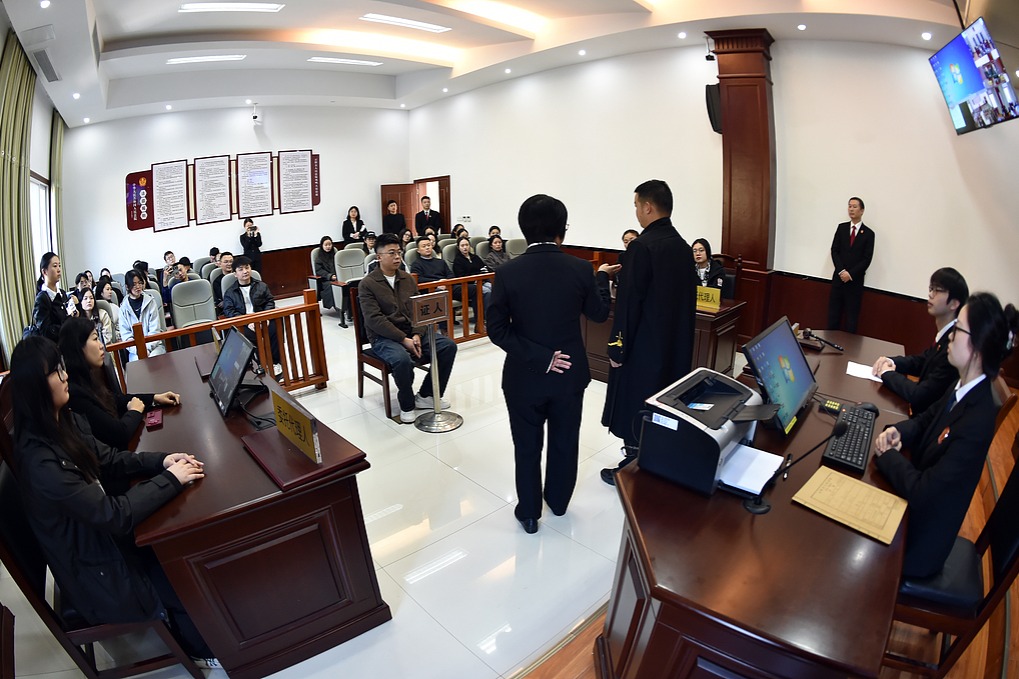
    China’s judicial system has demonstrated strengthened oversight of administrative agencies through public interest litigation, with courts nationwide concluding 733 first-instance administrative public interest cases between July 2024 and September 2025, excluding environmental and resource-related matters. Supreme People’s Court official Wang Xiaobin revealed that approximately 21% of these cases were successfully resolved through mediation procedures.

    The case distribution revealed concentrated focus areas, with food and drug safety, state-owned property protection, and state-owned land use right transfers collectively accounting for 14.9% of litigation. Cases concerning the rights protection of martyrs, minors, and women represented a smaller but significant portion of the judicial docket. Geographically, Hebei and Anhui provinces recorded the highest case volumes, followed by Henan and Hubei provinces.

    Judicial outcomes showed a substantial proportion of rulings confirming illegal administrative acts, revoking improper administrative decisions, or mandating performance of statutory duties. The courts have established a significant legal principle that “post-litigation performance does not exempt liability for illegality,” effectively discouraging speculative or litigation-driven rectification efforts by government bodies.

    The judiciary has developed innovative approaches to address complex public welfare challenges, particularly those involving overlapping administrative functions, jurisdictional gaps, or cross-regional issues. Courts have coordinated with procuratorial organs to resolve dilemmas in specific public welfare domains, while simultaneously connecting individual case resolution with broader social governance improvements. By analyzing patterns in frequently occurring cases, courts provide systematic recommendations to relevant departments to enhance administrative effectiveness and protect citizens’ fundamental interests.

  • 2,309 regulations filed with China’s top legislature for review in 2025

    2,309 regulations filed with China’s top legislature for review in 2025

    China’s national legislative body conducted comprehensive reviews of 2,309 regulatory documents and judicial interpretations throughout 2025, according to an official report presented to the Standing Committee of the National People’s Congress (NPC). The disclosure came during the committee’s ongoing session where the Legislative Affairs Commission delivered its annual assessment of record-filing and review procedures.

    The constitutional review mechanism, designed to ensure legal compliance across all regulatory tiers, resulted in substantive revisions to numerous local regulations. One notable amendment involved ride-hailing vehicle standards, where a mandated minimum purchase price of 120,000 yuan (approximately $17,004) for commercial transport vehicles was modified following regulatory scrutiny.

    The reporting period also witnessed remarkable civic engagement, with the commission receiving 6,705 review suggestions from Chinese citizens and organizations. This public participation mechanism allows ordinary citizens and institutional entities to propose legislative improvements directly to the nation’s highest legislative body.

    The record-filing system represents a critical component of China’s legal framework, granting the NPC Standing Committee authority to examine regulations issued by local people’s congresses, judicial organs, and administrative bodies. This process ensures all regulatory instruments align with national laws and constitutional principles, maintaining legal coherence across China’s vast governance system.

  • Trump’s appointment of Greenland envoy sparks fresh row with Denmark

    Trump’s appointment of Greenland envoy sparks fresh row with Denmark

    A fresh diplomatic controversy has erupted between the United States and Denmark following former President Donald Trump’s unexpected appointment of a special envoy to Greenland. The move, perceived by Copenhagen as a significant breach of diplomatic protocol, has reignited tensions stemming from Trump’s earlier expressed interest in purchasing the autonomous Danish territory.

    According to analysis by the BBC’s diplomatic correspondent James Landale, the appointment represents an unconventional approach to foreign policy that has shaken the foundation of U.S.-Denmark relations. The envoy appointment effectively treats Greenland as an independent entity rather than acknowledging its constitutional status as part of the Kingdom of Denmark, creating what Danish officials view as an inappropriate parallel diplomatic channel.

    The development recalls Trump’s 2019 proposal to acquire Greenland, which Denmark’s Prime Minister Mette Frederiksen at the time dismissed as “absurd,” leading to the cancellation of a planned presidential visit. While the current administration has not reiterated the purchase concept, the envoy appointment suggests continued unusual interest in the strategically significant Arctic territory.

    Greenland itself possesses substantial mineral resources and growing geopolitical importance due to climate-change expanded Arctic shipping routes. The appointment signals that Greenland remains a focus of American strategic attention regardless of diplomatic conventions, potentially complicating future relations with both Denmark and Greenland’s autonomous government.

  • US pauses offshore wind projects over security concerns

    US pauses offshore wind projects over security concerns

    The U.S. Department of the Interior has implemented an immediate suspension of five major offshore wind energy projects along the Atlantic coastline, citing unresolved national security concerns. This decisive action affects ongoing developments near New York, Virginia, Massachusetts, Rhode Island, and Connecticut.

    In an official statement, the Department expressed particular concern about wind turbines’ potential to interfere with radar systems, creating both ‘clutter’ that obscures genuine targets and false readings that could compromise airspace security. The announcement specifically referenced evolving adversary technologies and vulnerabilities created by large-scale energy installations near densely populated coastal areas.

    Interior Secretary Doug Burgum elaborated on these concerns during a Fox Business interview, noting the challenges of distinguishing between friendly and hostile aircraft in airspace monitored through potentially compromised systems. He referenced recent drone conflicts between Russia-Ukraine and Iran-Israel as examples of contemporary aerial threats.

    The administration’s position aligns with President Donald Trump’s longstanding skepticism toward wind energy, which he has frequently criticized for reliability issues and cost inefficiencies. This move represents the latest development in a complex regulatory battle that began when Trump issued a memorandum halting new permits on his first day in office.

    Energy companies and state officials have expressed strong opposition to the suspension. Dominion Energy, developing the Virginia Coastal Offshore Wind Project, emphasized that its operational pilot turbines have functioned for five years without security incidents. Connecticut Governor Ned Lamont condemned the decision as ‘erratic,’ warning of increased electricity prices and jeopardized clean energy jobs in the region.

    The policy shift occurs despite a recent federal court ruling that struck down the administration’s previous attempt to impose a comprehensive wind power ban, which a judge deemed ‘arbitrary and capricious.’ Seventeen states previously sued the administration, arguing that such restrictions pose an existential threat to America’s renewable energy industry.

  • Xi presents orders to promote two military officers to rank of general

    Xi presents orders to promote two military officers to rank of general

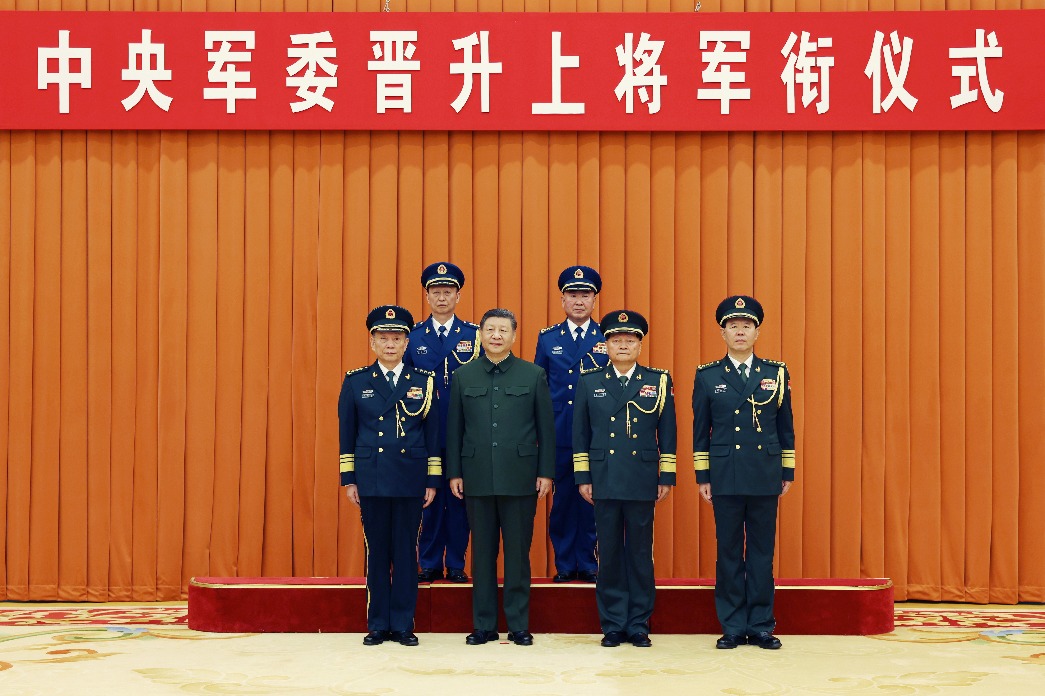
    In a formal ceremony held in Beijing on Monday, President Xi Jinping, serving as Chairman of the Central Military Commission (CMC), conferred promotion orders elevating two senior military officers to the esteemed rank of general—the highest active-duty rank within China’s military structure. The promoted officers are Yang Zhibin, Commander of the Eastern Theater Command of the People’s Liberation Army (PLA), and Han Shengyan, Commander of the PLA Central Theater Command. The event underscores the continuous strategic command developments within the world’s largest active military. Vice-Chairman of the CMC, Zhang Youxia, announced the promotion orders, which were formally signed by President Xi. Another CMC Vice-Chairman, Zhang Shengmin, presided over the ceremonial proceedings. President Xi extended his personal congratulations to the newly promoted generals, highlighting the significance of their new roles in safeguarding national security and military modernization efforts. The promotion of theater commanders is viewed as a routine yet critical procedure in maintaining leadership continuity and operational readiness within the PLA’s expansive command apparatus.

  • CBS defends pulling 60 Minutes segment about Trump deportations

    CBS defends pulling 60 Minutes segment about Trump deportations

    CBS News finds itself embroiled in significant internal conflict and external scrutiny following its controversial decision to abruptly pull a prepared segment from its flagship ’60 Minutes’ program. The report was poised to investigate the Trump administration’s deportation of approximately 250 Venezuelan men to El Salvador’s Terrorism Confinement Center (CECOT), where allegations of brutal and torturous conditions have been documented by multiple news organizations.

    The last-minute cancellation, ordered by newly-appointed Editor-in-Chief Bari Weiss, triggered immediate backlash from within the network. Correspondent Sharyn Alfonsi, who led the investigative team, circulated a private memo characterizing the move as ‘political’—a document that subsequently leaked to media outlets. Alfonsi revealed that despite formal requests to the White House, State Department, and Department of Homeland Security, government officials had uniformly declined interview requests for the segment.

    In an official statement, CBS maintained the segment required ‘additional reporting,’ with Weiss emphasizing that holding stories for further context ‘happens every day in every newsroom.’ She affirmed the network’s intention to air ‘this important piece when it’s ready.’

    This controversy emerges against the backdrop of CBS’s recent corporate transformation. The network’s parent company Paramount was acquired earlier this year in a deal personally guaranteed by Larry Ellison—tech billionaire and Trump ally—whose son David Ellison now leads the media conglomerate. The Trump administration approved this takeover after Paramount settled a $16 million lawsuit regarding a previous ’60 Minutes’ interview with Kamala Harris.

    As part of regulatory approvals, David Ellison committed to installing an independent ombudsman and ensuring diverse viewpoints in programming. His October appointment of Weiss—a vocal critic of partisan media trends—signaled intended editorial shifts at CBS News. The current incident has drawn criticism from political figures including Democratic Senator Brian Schatz, who denounced the decision as ‘a terrible embarrassment’ that risks handing the administration a ‘kill switch’ for inconvenient reporting.