分类: politics

  • Sudan’s prime minister takes his peace plan to the UN, but US urges humanitarian truce now

    Sudan’s prime minister takes his peace plan to the UN, but US urges humanitarian truce now

    In a significant diplomatic move at the United Nations, Sudanese Prime Minister Kamil Idris presented an ambitious peace initiative aimed at resolving the devastating 1,000-day civil war that has ravaged the Northeast African nation. The proposal, unveiled during a Security Council session on Monday, outlines a structured framework for ceasefire implementation, paramilitary disarmament, and international monitoring mechanisms.

    The comprehensive plan calls for the United Nations, African Union, and Arab League to jointly supervise an immediate cessation of hostilities. Central to the initiative is the complete withdrawal of the paramilitary Rapid Support Forces (RSF) from occupied territories, their relocation to supervised camps, and subsequent disarmament. Idris emphasized that his government’s proposal represents an indigenous solution rather than externally imposed conditions, indirectly referencing the Quad initiative supported by the United States, Saudi Arabia, Egypt, and the United Arab Emirates.

    Despite the proposal’s comprehensiveness, diplomatic observers expressed skepticism regarding its acceptance by the RSF, which would effectively necessitate their military capitulation. The conflict originated in April 2023 from a power struggle between Sudan’s regular military and the RSF, escalating into widespread violence that international organizations have classified as involving war crimes and crimes against humanity.

    U.S. Deputy Ambassador Jeffrey Bartos urged both warring factions to immediately accept the humanitarian truce without preconditions, while strongly condemning the horrific violence across Darfur and Kordofan regions. UAE Ambassador Mohamed Abushahab, representing the Quad mediators, cautioned that unilateral efforts by either party would prove unsustainable and only prolong the devastating conflict.

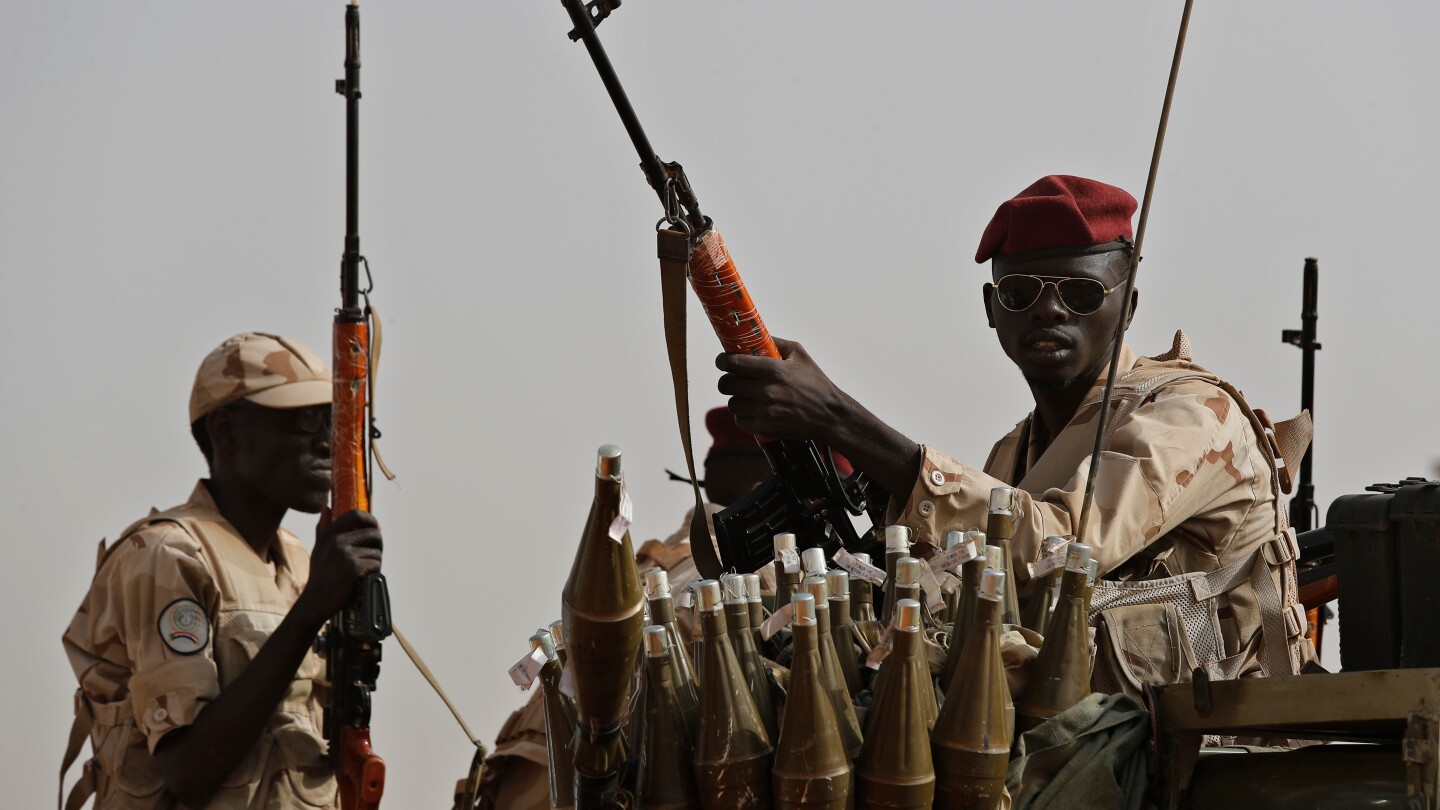
    UN Assistant Secretary-General for Political Affairs Khaled Khiari highlighted escalating concerns about the continuous flow of sophisticated weaponry to both sides, criticizing external backers for prioritizing oil revenues over civilian protection. The conflict has created the world’s largest humanitarian crisis, with UN figures indicating over 40,000 fatalities and 14 million displaced persons, though aid organizations suggest actual numbers may be substantially higher.
  • Some Afghans told to attend government check-ins on Christmas, New Year’s Day

    Some Afghans told to attend government check-ins on Christmas, New Year’s Day

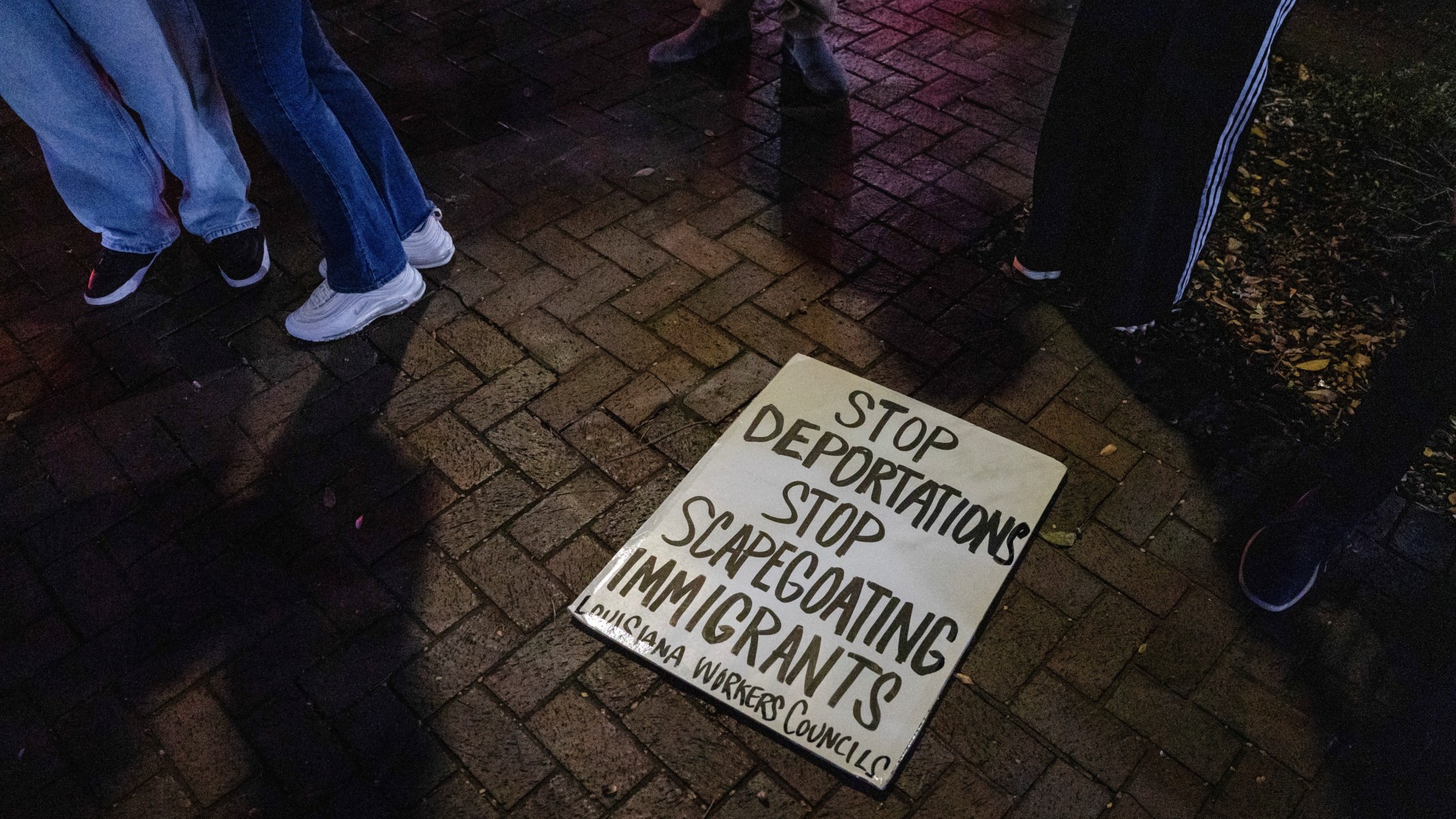
    In a controversial move, U.S. immigration authorities have scheduled mandatory document check-ins for at least two Afghan evacuees on Christmas Day and New Year’s Day—both federal holidays when legal resources are typically limited. The advocacy group #AfghanEvac revealed these unusual scheduling practices, expressing concern that they may be designed to limit access to due process protections.

    The situation occurs amid the Trump administration’s broader crackdown on immigration, particularly affecting Afghan nationals who assisted American forces during the two-decade war. Immigration experts fear these holiday check-ins could be used to detain individuals for deportation, as has become increasingly common during routine appointments where masked federal agents sometimes take immigrants to undisclosed locations.

    #AfghanEvac President Shawn VanDiver is urging affected Afghans to contact his organization for support, noting that lawyers generally advise attendance at all check-ins regardless of timing to avoid immediate deportation orders. The group is currently gathering information to determine the scope of this practice across the immigration system.

    The political context includes significant policy shifts: the Trump administration eliminated the Operation Enduring Welcome program and the Office of the Coordinator for Afghan Relocation Efforts, which previously supported Special Immigrant Visa (SIV) processing. While not officially ending the SIV program, these moves have drastically slowed processing for tens of thousands of applicants despite a federal court order to expedite cases.

    Additionally, the administration stripped Afghans of Temporary Protected Status earlier this summer, leaving over 11,000 individuals in legal limbo. Recent statements from President Trump following a shooting incident in Washington have further emphasized a restrictive approach toward Afghan immigrants, with calls to re-examine all entries since the Biden administration and remove those deemed not beneficial to the country.

    The Department of Homeland Security has implemented extensive screening measures, including putting asylum processing on hold and conducting full-scale reexaminations of Green Cards from designated high-risk countries. A new vetting center was announced in December to enhance screening with focus on identifying potential threats.

    According to data, USCIS has referred over 14,400 immigrants to ICE since January 20, with at least 2,400 arrests occurring at its offices. Approximately 70,000 Afghans have arrived in the U.S. since the August 2021 withdrawal, with another 260,000 awaiting processing through various immigration channels amid significant backlogs.

  • State Department watchdog asked to investigate senior Trump officials over UAE chip sales

    State Department watchdog asked to investigate senior Trump officials over UAE chip sales

    The US State Department’s internal watchdog has formally acknowledged a congressional request to investigate senior Trump administration officials for their roles in advocating sensitive technology transfers to the United Arab Emirates. Democratic Senator Elizabeth Warren and Congresswoman Elise Slotkin initially demanded the probe in September, specifically targeting David Sacks, who served as White House AI Czar, and diplomatic envoy Steve Witkoff.

    According to a December 12 letter obtained by Semafor, the Office of the Inspector General noted the lawmakers’ request to examine whether these officials improperly promoted the sale of advanced AI chips to the UAE. The correspondence, described as a standard acknowledgment, did not commit to launching a formal investigation.

    The controversy stems from a New York Times report detailing a summer meeting between Witkoff and UAE National Security Adviser Sheikh Tahnoon bin Zayed Al Nahyan off the coast of Sardinia. During this period, Witkoff reportedly advocated for AI chip sales while his son’s cryptocurrency firm, World Liberty Financial, received a $2 billion deposit from one of Tahnoon’s companies. Neither official disclosed their financial connections to the UAE royal.

    Sacks emerged as the primary advocate for selling advanced AI technology to both the UAE and Saudi Arabia. The Times investigation revealed that Abu Dhabi’s wealth fund was an early investor in Craft Ventures, a firm Sacks co-founded in 2017, with additional funding from Saudi Arabia’s Public Investment Fund.

    In November, the Trump administration approved the export of tens of thousands of Nvidia’s advanced AI chips to G42 (the UAE’s state-owned AI company) and its Saudi counterpart, Humain. This decision contrasted sharply with the Biden administration’s stricter export controls, which had previously limited such transfers due to national security concerns about dual-use technology and potential diversion to China.

    The administration’s approach reflects a broader policy prioritizing technology exports to the Gulf region, which offers substantial markets with plentiful land and cheap electricity for AI data centers. Notably, the White House recently approved the sale of Nvidia’s H200 chips to China with a 25% government fee, despite these chips being less sophisticated than the Blackwell models authorized for Gulf allies.

    On Monday, Warren and Congressman Gregory Meeks further demanded full transparency regarding any ongoing license reviews for technology sales to China, highlighting continuing concerns about the administration’s export approval process.

  • Judge rules Trump administration must allow court challenges for Venezuelan migrants sent to prison

    Judge rules Trump administration must allow court challenges for Venezuelan migrants sent to prison

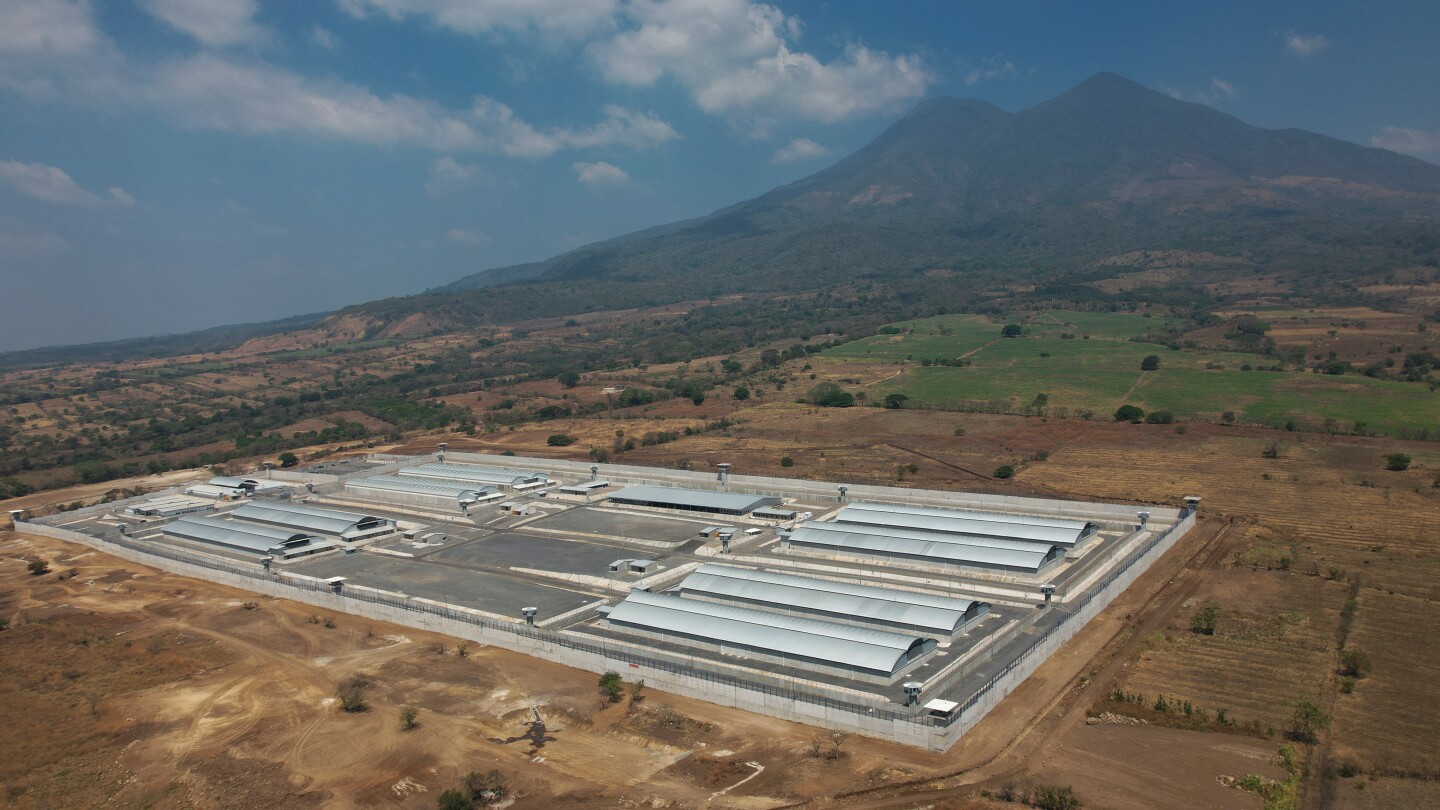
    In a significant judicial rebuke to the Trump administration’s immigration policies, U.S. District Judge James Boasberg has mandated that Venezuelan migrants abruptly flown to El Salvador’s notorious Terrorism Confinement Center (CECOT) must receive proper legal due process. The Monday ruling requires the administration to either provide court hearings or facilitate the return of these individuals to the United States within a two-week framework.

    The case originated in March when the administration invoked the 18th-century Alien Enemies Act to transport migrants accused of gang affiliations to CECOT, one of Latin America’s most severe maximum-security facilities. Despite Judge Boasberg’s initial verbal order to halt the transfers, two aircraft proceeded with the operation, prompting a contempt investigation that has since been suspended pending appellate review.

    More than 200 migrants were subsequently included in a prisoner exchange with Venezuela in July, though the ruling now establishes legal pathways for them to contest their classification as Tren de Aragua gang members. The American Civil Liberties Union, representing the migrants, hailed the decision as a critical check on executive overreach, emphasizing that the administration cannot bypass constitutional protections through extraordinary removal practices.

    The White House has maintained that it did not violate judicial orders, though officials declined immediate comment on the latest development. This case represents a continuing tension between federal judiciary authority and the administration’s aggressive immigration enforcement strategies.

  • Trump unveils plans for ‘Golden Fleet’ battleships named after himself

    Trump unveils plans for ‘Golden Fleet’ battleships named after himself

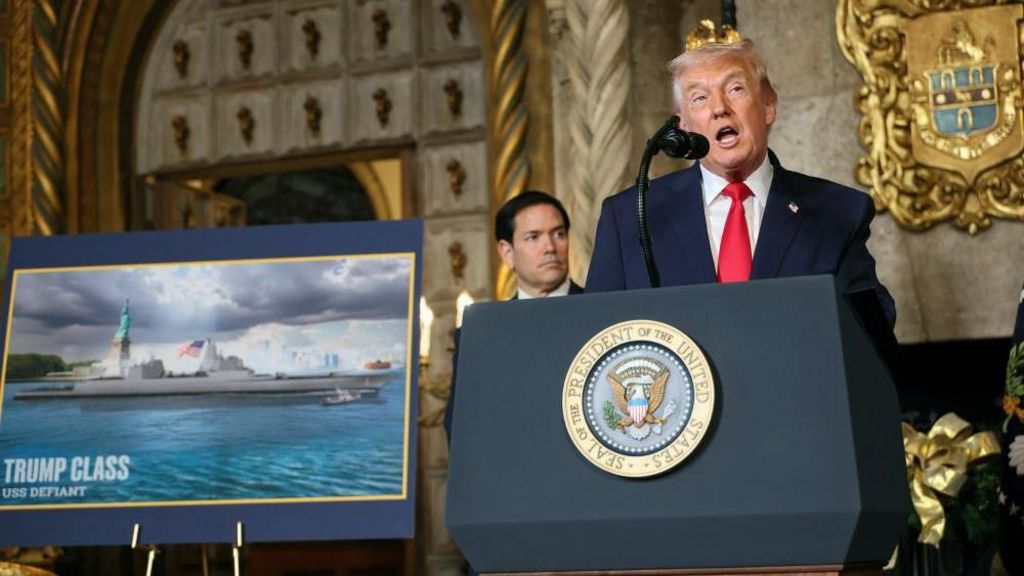
    In a significant military policy announcement, former President Donald Trump has revealed plans for a new class of heavily armed naval vessels to be named in his honor. The revelation came during a press conference at his Mar-a-Lago estate in Florida, where Trump was joined by key administration officials including Defense Secretary Pete Hegseth, Secretary of State Marco Rubio, and Navy Secretary John Phelan.

    The proposed ‘Trump Class’ battleships, designated as USS Defiant models, represent the centerpiece of a comprehensive naval expansion strategy dubbed the ‘Golden Fleet’ initiative. According to Trump, these vessels will incorporate hypersonic weapons systems and advanced lethal capabilities, positioning them as future flagships of the U.S. Naval fleet. Initial construction will commence with two vessels, with ambitions to eventually produce up to twenty-five ships in this class.

    This naval development occurs against the backdrop of growing concerns about American shipbuilding capacity relative to global competitors. Administration officials have repeatedly highlighted China’s dominant position in both naval production scale and commercial shipbuilding output, with Chinese shipyards capturing over sixty percent of global orders this year alone.

    The announcement follows recent Navy disclosures about additional vessel acquisitions based on the Coast Guard’s Legend-class National Security Cutter design. Chief of Naval Operations Daryl Caudle emphasized operational necessities driving these acquisitions, noting that current small combatant vessel inventory stands at merely one-third of required levels.

    The Trump administration’s naval strategy appears focused on domestic industrial revitalization alongside military enhancement. The president emphasized that construction would occur exclusively in American shipyards, potentially generating thousands of manufacturing jobs. This approach continues initiatives from Trump’s previous term, though similar previous efforts like the Constellation-class frigate program faced cancellation in 2024 due to budgetary overruns and scheduling delays.

    Geopolitical context adds urgency to these developments, with U.S. naval and air assets recently deployed to the Caribbean region amid escalating tensions with Venezuela. The administration has linked naval expansion to counter-narcotics operations, claiming successful interdiction of drug trafficking vessels since September operations commenced.

    Despite administrative enthusiasm, the proposed battleship program may encounter scrutiny regarding budgetary implications and strategic necessity, particularly given the Navy’s ongoing transition toward distributed maritime operations and unmanned vessel integration.

  • What the underwhelming Epstein files release means for Trump and Maga

    What the underwhelming Epstein files release means for Trump and Maga

    Florida Attorney General Pam Bondi’s recent declaration on X regarding President Trump leading “the most transparent administration in American history” backfired spectacularly when respondents immediately shifted focus to the handling of Jeffrey Epstein case files. Instead of engaging with her comments about assassination attempt documents, users flooded replies with accusations of deception and demands for transparency regarding the Epstein investigation.

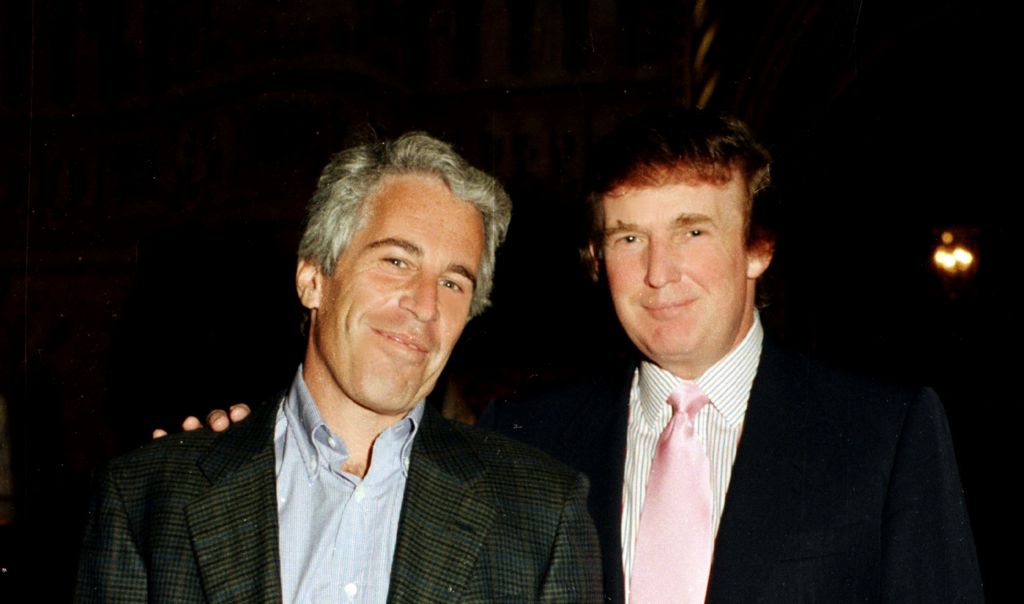
    The highly anticipated document release last Friday failed to satisfy many within Trump’s coalition who had expected revelatory information. While the files contained previously unseen photographs of various celebrities and public figures—including Bill Clinton, Mick Jagger, and Michael Jackson—with Epstein, these images didn’t indicate wrongdoing. The extensive redactions throughout the documents proved most frustrating to those anticipating confirmation of conspiracy theories.

    This disappointment highlights a significant challenge for the Trump administration: managing the expectations of non-traditional voters drawn from internet subcultures where Epstein-related conspiracy theories flourish. According to University of Miami professor Joe Uscinski, an expert on conspiracy theories, Trump’s coalition has increasingly become defined by skepticism toward institutions rather than traditional Republican priorities.

    The tension is particularly evident among social media influencers and podcasters who maintain substantial online influence while operating outside conventional Republican circles. Figures like ‘Libs of TikTok’ creator Chaya Raichik and activist Jack Posobiec were notably silent following the document release, despite having previously kept attention on the Epstein case. Their quiet stance has sparked infighting within the MAGA movement, with some commentators criticizing their lack of response.

    In Congress, criticism has been more direct. Representative Thomas Massie (R-KY), who championed the legislation compelling document release, has joined forces with Democratic Representative Ro Khanna to accuse Bondi of violating legal requirements. Massie has even suggested pursuing “inherent contempt” charges against Bondi for ignoring congressional orders.

    The Epstein controversy represents just one of several fractures currently emerging within the Trump coalition, with additional divisions appearing over free speech, antisemitism, and leadership disputes. As Open Measures researcher Jared Holt observed, the movement that began the year as a “triumphant intimidating cultural force” now shows signs of instability with no immediate recovery in sight.

    With Deputy Attorney General Todd Blanche promising hundreds of thousands of additional documents before year’s end, the administration continues to navigate the complex expectations of a coalition increasingly defined by its skepticism of institutional transparency.

  • Workers organized by a key union rally in Bolivia against scrapping fuel subsidies

    Workers organized by a key union rally in Bolivia against scrapping fuel subsidies

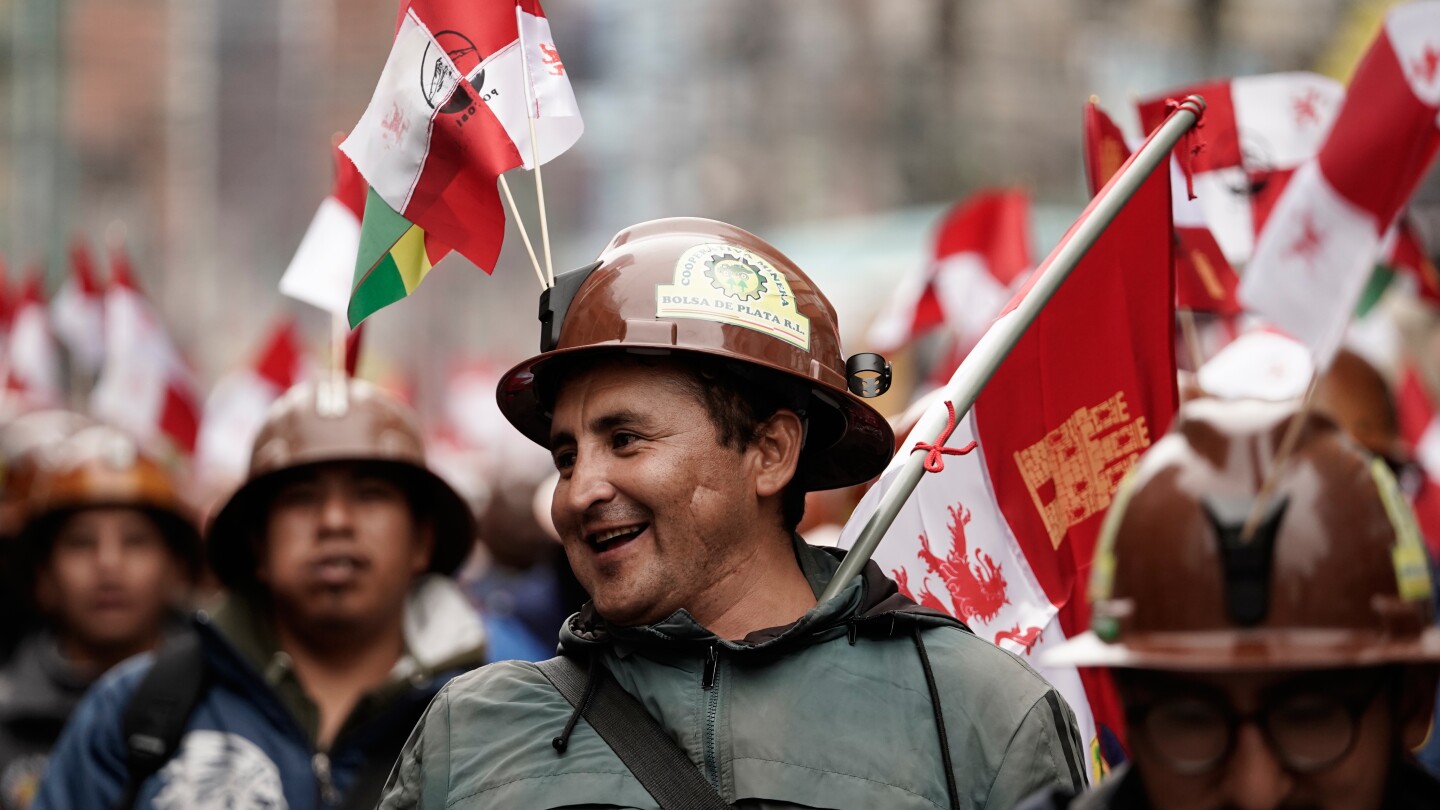
    LA PAZ, Bolivia — Bolivia’s political landscape erupted in protest on Monday as thousands of miners and union members launched a nationwide strike against President Rodrigo Paz’s controversial decision to eliminate long-standing fuel subsidies. The demonstrations, organized by Bolivia’s Central Union of Workers, marked the first major challenge to Paz’s centrist government since he took office on November 8.

    The core of the conflict centers on Paz’s emergency decree that abruptly ended two decades of fuel subsidies, catapulting gasoline prices from $0.53 to approximately $1 per liter. The president defended his decision during a televised town hall, stating, ‘The country is sick and must be healed. Every day, $10 million is spent on a subsidy that benefits smugglers’ who allegedly resell subsidized fuel both domestically and internationally.

    While transportation workers and several trade groups notably abstained from joining the protests, miners and coca growers—traditional allies of former left-wing governments—mobilized forcefully. In La Paz, police sealed off access to government buildings as protesters flooded the capital’s downtown. Simultaneously, roadblocks emerged in six of Bolivia’s nine regions, with significant demonstrations reported in Cochabamba, the country’s third-largest city, where supporters of former President Evo Morales blocked major highways.

    The economic context reveals deeper troubles: Bolivia’s foreign currency reserves have been depleted by $3 billion annually in fuel imports, exacerbating what analysts describe as the nation’s most severe economic crisis in forty years. This downturn follows the decline of Bolivia’s natural gas exports and has created critical dollar shortages that hampered business operations.

    Business groups have overwhelmingly supported Paz’s measures, anticipating they will stabilize currency availability and facilitate imports. Luis Paco, a merchant union leader from El Alto, acknowledged the inevitability of the reforms: ‘We knew that at some point the subsidies would end. There were no negotiations over the new adjustments, but we knew this was inevitable.’

    Political scientist Carlos Cordero suggested the protests reflect pre-electoral positioning ahead of next year’s local elections rather than widespread popular opposition. The relatively limited turnout, he noted, indicates weakening union influence and growing public acceptance that economic adjustment was necessary.

    Meanwhile, the government has implemented compensatory measures, including duty-free auto part imports for transportation sectors and a 20% minimum wage increase, which likely contributed to bus drivers’ decision to remain operational during the protests.

  • Japan urged to stop provocative moves

    Japan urged to stop provocative moves

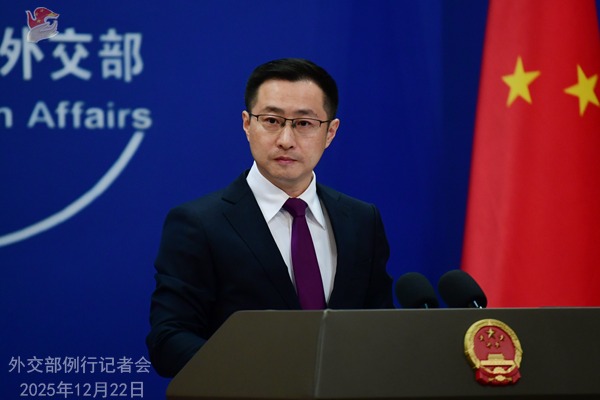
    China has issued a stern diplomatic warning to Japan regarding concerning statements from senior officials about potentially acquiring nuclear weapons, characterizing them as a dangerous provocation against the postwar international order. The remarks came during a regular press briefing by Foreign Ministry spokesman Lin Jian on Monday, December 22, 2025.

    Lin expressed profound shock at claims from a high-ranking Japanese official advocating for nuclear weapons possession and comments from Japan’s defense minister suggesting a review of the nation’s Three Non-Nuclear Principles. The spokesman emphasized that Japan, as a non-nuclear weapon party to the Treaty on the Non-Proliferation of Nuclear Weapons, bears unequivocal obligations under international law to refrain from receiving, manufacturing, acquiring, or transferring nuclear weapons.

    The Chinese spokesperson dismissed suggestions that these statements represented merely personal views, asserting they reveal alarming ambitions among Japan’s right-wing forces pursuing remilitarization. Lin warned that allowing these factions to develop powerful offensive weapons, including nuclear capabilities, would inevitably cause grave harm to the international community, echoing historical tragedies.

    In a related development, China simultaneously protested an unauthorized visit to Taiwan by a senior member of Japan’s ruling Liberal Democratic Party. Lin condemned this violation of the one-China principle, citing breaches of bilateral political documents and Japan’s own commitments to China. The spokesman demanded immediate corrective actions, including the retraction of what he termed erroneous remarks by Japanese Prime Minister Sanae Takaichi.

    Lin concluded that Taiwan’s Democratic Progressive Party authorities would find no success in seeking independence through alignment with Japanese interests, characterizing such efforts as disgraceful acts leading only to diplomatic dead ends.

  • How Modi’s 3-nation visit is recalibrating India’s global posture

    How Modi’s 3-nation visit is recalibrating India’s global posture

    Indian Prime Minister Narendra Modi’s recent three-nation tour through Jordan, Oman, and Ethiopia has signaled a significant evolution in India’s international positioning, demonstrating a nation confidently asserting its role as a global bridge-builder rather than aligning with rigid geopolitical blocs.

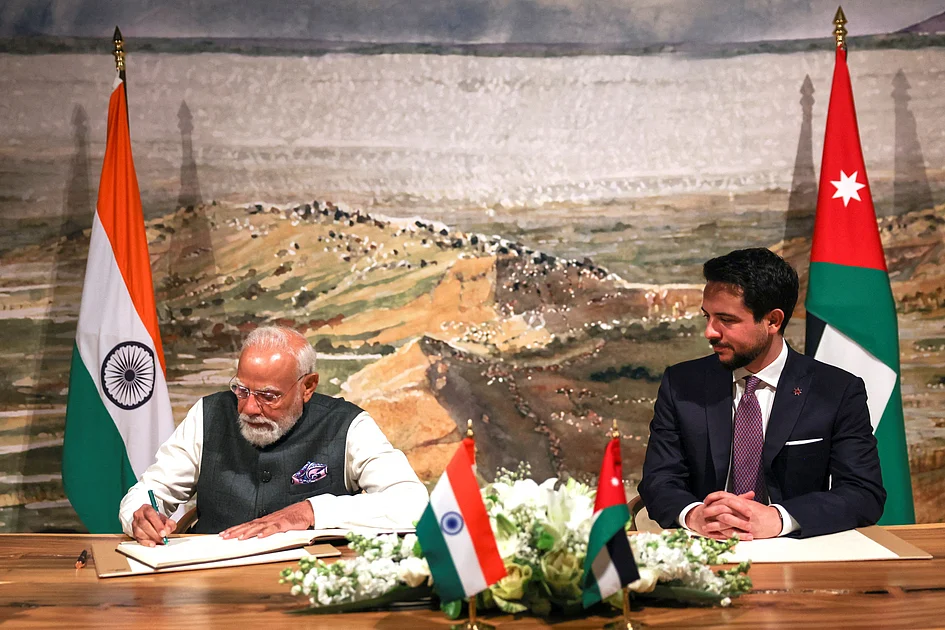
    The diplomatic journey, characterized by substantive engagements rather than ceremonial formalities, began with an unprecedented display of personal diplomacy in Jordan. Crown Prince Hussein Abdullah II, a 42nd-generation descendant of Prophet Muhammad, personally chauffeur-driven PM Modi to cultural sites and the airport—a gesture transcending conventional diplomatic protocols and symbolizing deepening bilateral trust.

    Jordan’s King Abdullah II provided robust endorsement of India’s economic ascent during the India-Jordan Business Forum, proposing an ambitious economic corridor leveraging Jordan’s strategic location and free trade agreements alongside India’s industrial capabilities. With current bilateral trade at $2.8 billion, Modi’s target of doubling this figure to $5 billion within five years reflects determined economic ambition. The nations expanded cooperation across renewable energy, water management—critical for water-scarce Jordan—digital infrastructure, and cultural exchange.

    In Oman, the visit yielded structural transformation through the landmark Comprehensive Economic Partnership Agreement (CEPA)—only Oman’s second such agreement in two decades, following one with the United States. The agreement grants zero-duty access on over 98% of Oman’s tariff lines, benefiting Indian textiles, gems, jewelry, engineering goods, pharmaceuticals, and automobiles while protecting sensitive sectors. The partnership enhances services trade, facilitates skilled professional mobility, and permits 100% foreign direct investment in major sectors, creating opportunities for Indian MSMEs, artisans, and women-led enterprises. Modi received the Order of Oman (First Class), joining recipients like Queen Elizabeth II and Nelson Mandela, marking the fifth GCC nation to confer its highest honor upon him.

    Ethiopia provided the philosophical dimension of the tour, where Modi addressed parliamentarians envisioning a world with equitable development, accessible technology, and respected sovereignty. Agreements covered education cooperation, counterterrorism collaboration, and establishment of a data center at Ethiopia’s Ministry of Foreign Affairs. Modi became the first foreign head of state to receive Ethiopia’s highest civilian honor, the Great Honor Nishan Ethiopia.

    The tri-nation mission demonstrates India’s strategic autonomy—a foreign policy approach that values-driven without being ideological, inclusive without being transactional, and confident without being confrontational. As Global South nations assert renewed influence, India positions itself as both an economic anchor and diplomatic bridge between Eastern and Western hemispheres, offering partnership, stability, and scale while maintaining independent strategic calculus.

  • Colombia will use drones to destroy coca crops as it grapples with record cocaine production

    Colombia will use drones to destroy coca crops as it grapples with record cocaine production

    In a significant policy reversal, Colombia’s government has authorized the use of drone technology to resume aerial eradication of coca crops, responding to unprecedented cocaine production levels that have strained relations with the United States. The controversial program, announced Monday by Justice Minister Andrés Idárraga, will commence Thursday using precision drones targeting remote coca plantations controlled by armed groups.

    The decision marks a dramatic shift from Colombia’s 2015 ban on aerial fumigation, implemented after the World Health Organization classified glyphosate herbicide as a potential carcinogen. Traditional crop-dusting aircraft, often operated by U.S. contractors, faced widespread criticism for contaminating water sources and legal crops, prompting environmental activism that led to the prohibition.

    Minister Idárraga emphasized the technological advantages of drone deployment, noting aircraft will operate within 1.5 meters of targets to minimize ecological impact. Each drone reportedly can clear one hectare of coca every thirty minutes while providing enhanced safety for security forces operating in hazardous regions defended by drug traffickers and rebel factions.

    The policy evolution reflects the Petro administration’s increasingly pragmatic approach to narcotics enforcement. Initially critical of forced eradication methods, the left-wing government has adopted more aggressive measures against cocaine production as rebel groups funding their operations through drug trafficking intensify attacks on urban centers.

    This strategic pivot occurs amid escalating diplomatic pressure from Washington. The Trump administration recently designated Colombia as non-cooperative in narcotics control for the first time in three decades, imposing personal sanctions on President Gustavo Petro and threatening military action against drug operations within Colombian territory.

    Despite reporting record cocaine interdiction rates, Colombian authorities acknowledge cultivation has nearly doubled since 2016, with UN estimates indicating 261,000 hectares currently dedicated to coca production—primarily in remote, mine-protected areas where manual eradication proves exceptionally dangerous.