分类: politics

  • Trump says US will keep or sell oil seized from Venezuela

    Trump says US will keep or sell oil seized from Venezuela

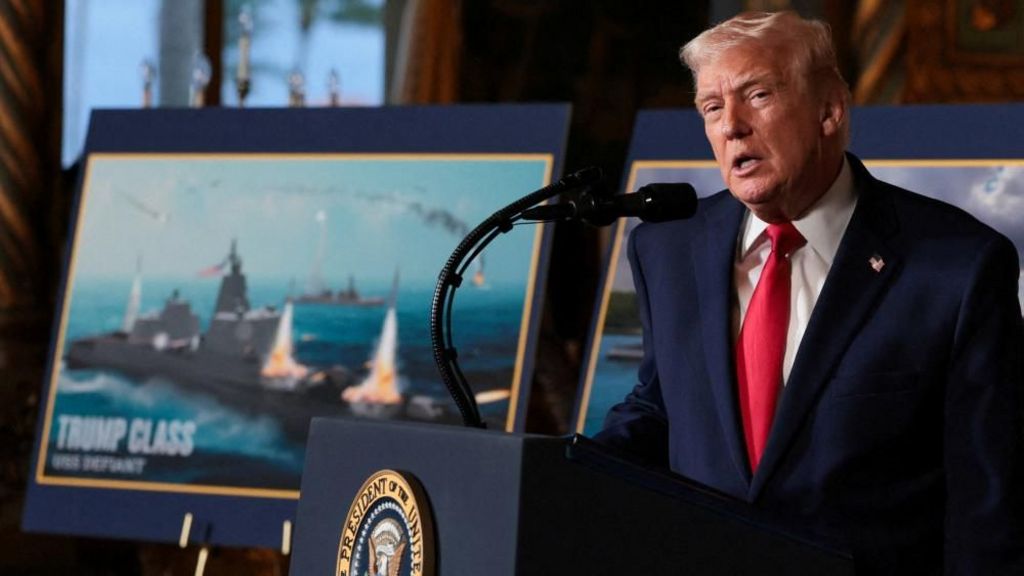
    President Donald Trump has declared the United States will retain or sell crude oil confiscated from tankers intercepted off Venezuela’s coast, escalating tensions with the Nicolás Maduro regime. The announcement came during a press briefing in Florida where Trump outlined multiple potential dispositions for the seized commodities, including potential allocation to the Strategic Petroleum Reserve.

    The Trump administration has intensified pressure on Caracas through maritime operations, seizing two oil tankers this month and actively pursuing a third vessel described as part of Venezuela’s ‘dark fleet’ designed to circumvent international sanctions. Washington alleges Venezuela utilizes oil revenue to fund narcotics trafficking operations, while Venezuelan authorities condemn the seizures as acts of ‘piracy’.

    In a significant escalation, U.S. Southern Command confirmed a lethal strike against a suspected trafficking vessel in international eastern Pacific waters, resulting in one fatality. Trump further indicated potential expansion of operations to land-based targets, warning traffickers they would ‘get blown to pieces’ if attempting overland routes.

    The economic pressure campaign has intensified with the designation of Maduro’s government as a Foreign Terrorist Organization and implementation of a naval blockade preventing sanctioned tankers from entering or leaving Venezuelan ports. These measures strike at the core of Venezuela’s oil-dependent economy, prompting Caracas to request an emergency UN Security Council session to address what it terms ‘ongoing U.S. aggression.’

    Maduro responded through state media, suggesting Trump should focus on domestic challenges rather than intervening in Venezuelan affairs. The confrontation represents the latest chapter in the prolonged political struggle between Washington and Caracas, with Trump having previously doubled rewards for information leading to Maduro’s capture.

  • Ban on interference in ethnic affairs mooted

    Ban on interference in ethnic affairs mooted

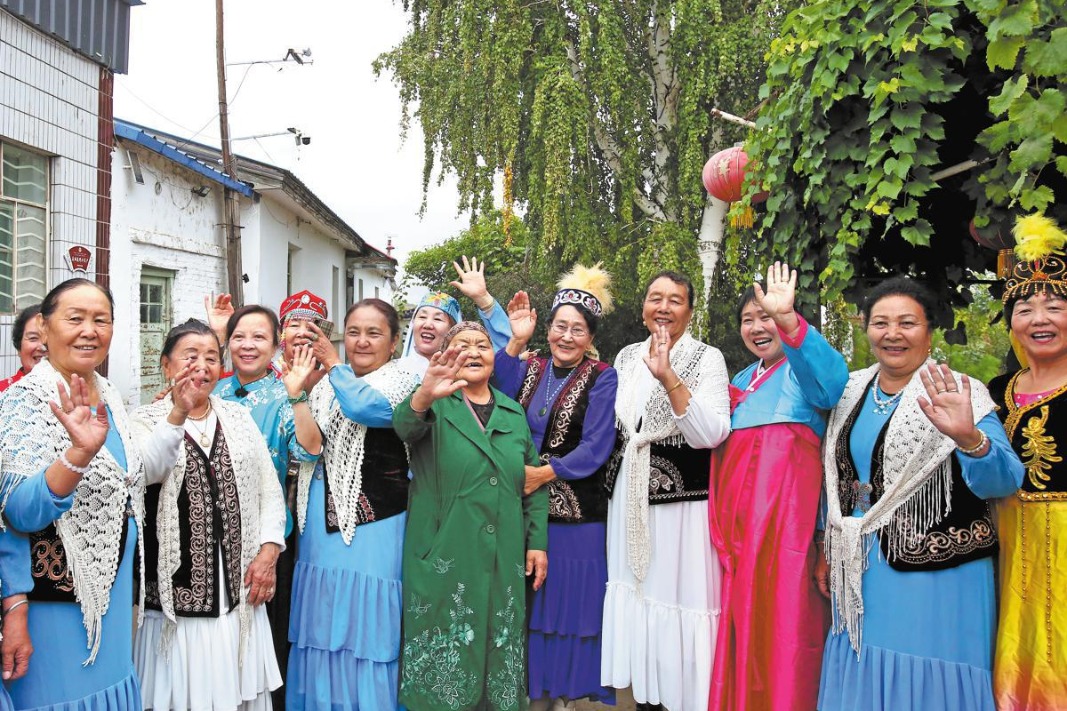
    China’s legislative body is currently deliberating a groundbreaking draft law that explicitly prohibits external interference in the nation’s ethnic affairs. The Standing Committee of the National People’s Congress is conducting its second review of this significant legislation, which aims to strengthen ethnic unity and progress while countering foreign attempts to undermine China’s stability through ethnic, religious, or human rights pretexts.

    The proposed law establishes clear obligations for Chinese citizens to uphold national unity and ethnic solidarity while safeguarding the country’s sovereignty, security, and developmental interests. It emphasizes China’s commitment to governing ethnic affairs through legal frameworks and ensuring the protection of legitimate rights for all ethnic groups.

    Xin Chunying, an official from the NPC’s Constitution and Law Committee, explained that these provisions represent both a crucial aspect of ethnic affairs management and a specific requirement for advancing comprehensive law-based governance. The legislation also mandates enhanced education on constitutional principles and legal awareness among all ethnic groups, promoting the dignity of China’s socialist rule of law system.

    Additionally, the draft confirms the use of standard Chinese as the fundamental language of instruction in educational institutions nationwide. The legislative process has included extensive public consultation through the NPC’s official website, feedback collection from all NPC deputies, and research expeditions to ethnically diverse regions including Yunnan, Guizhou, and Xinjiang Uygur Autonomous Region.

    The law’s formulation, initially announced in the NPC Standing Committee’s annual work report, aims to forge a stronger sense of national identity and reinforce the concept of the Chinese people as one cohesive community, ultimately supporting national development and rejuvenation through Chinese-style modernization.

  • New West Bank settlements get nod from Israel despite global opposition

    New West Bank settlements get nod from Israel despite global opposition

    In a move that has drawn widespread international criticism, Israel’s Security Cabinet has formally approved the establishment of 19 new settlements in the occupied West Bank. The decision, finalized on December 12th and announced Sunday, represents a significant expansion of Israeli presence in territories claimed by Palestinians for their future state.

    The resolution, championed by Defense Minister Israel Katz and Finance Minister Bezalel Smotrich, includes 11 entirely new settlements alongside the legalization of eight previously unauthorized outposts. This development brings the total number of settlements approved over the past three years to 69, according to official statements from Smotrich’s office.

    United Nations Secretary-General Antonio Guterres condemned what he characterized as Israel’s “relentless” settlement expansion, warning that such actions “continue to fuel tensions, impede access by Palestinians to their land and threaten the viability of a fully independent, democratic, contiguous and sovereign Palestinian State.”

    The timing of this announcement is particularly significant as it contradicts key conditions of a US-brokered truce and comes amid growing international support for Palestinian statehood. Several European nations, Canada, and Australia have recently moved toward formal recognition of a Palestinian state, drawing strong objections from Israeli officials.

    UK Middle East Minister Hamish Falconer denounced the settlement approvals as “illegal under international law” in a social media statement, warning they “risk undermining the 20-Point Plan and prospects for the long-term peace and security that only a two-state solution can deliver.”

    The expansion has also raised questions about US-Israel relations, particularly following President Donald Trump’s public statement rejecting West Bank annexation and warning that Israel could lose American support. Regional experts note that while Trump’s position may create tension, it unlikely will cause a serious rift unless actively enforced.

    Meanwhile, diplomatic efforts continue with US special envoy Steve Witkoff reporting progress on discussions regarding Gaza’s governance structure and regional integration measures essential to recovery and stability.

  • Revised natl development planning bill submitted

    Revised natl development planning bill submitted

    China’s legislative body has taken a significant step toward formalizing the nation’s development planning processes with the submission of a revised draft law for its third review. The Standing Committee of the National People’s Congress (NPC) received the proposed legislation during its ongoing 19th session, which commenced on December 23, 2025, for a six-day deliberation period.

    The comprehensive draft legislation, structured across six chapters containing 37 distinct articles, establishes formal procedures for the creation, evaluation, approval, and oversight of national development plans. This legislative initiative seeks to codify China’s established planning practices into statutory law, enhancing the framework for macroeconomic governance while strengthening the strategic function of national planning mechanisms.

    Notable revisions in the current draft include an expanded definition of national development planning that incorporates both five-year economic and social development outlines and potential long-term vision statements. The legislation emphasizes the necessity of harmonizing planning systems across different government levels and improving coordination among various planning instruments.

    A significant addition to the draft law incorporates principles of whole-process people’s democracy into planning formulation, requiring integration of top-level design with public consultation while utilizing the expertise of industry associations. The revised text also introduces provisions for coordinating consumption, investment, and trade policies during plan implementation.

    The draft clarifies institutional responsibilities, designating the State Council as the organizer of annual national economic and social development plans, with the national development planning department taking lead drafting responsibilities in collaboration with other relevant agencies. Policy observers anticipate that this legislation will enhance policy coherence within China’s macroeconomic governance system and establish more robust implementation mechanisms for national development initiatives.

  • China’s top legislature convenes standing committee session

    China’s top legislature convenes standing committee session

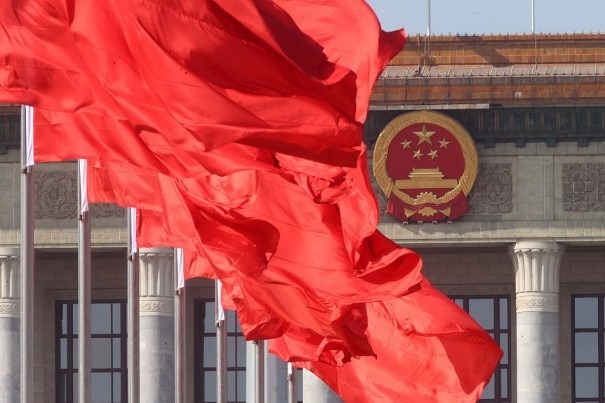
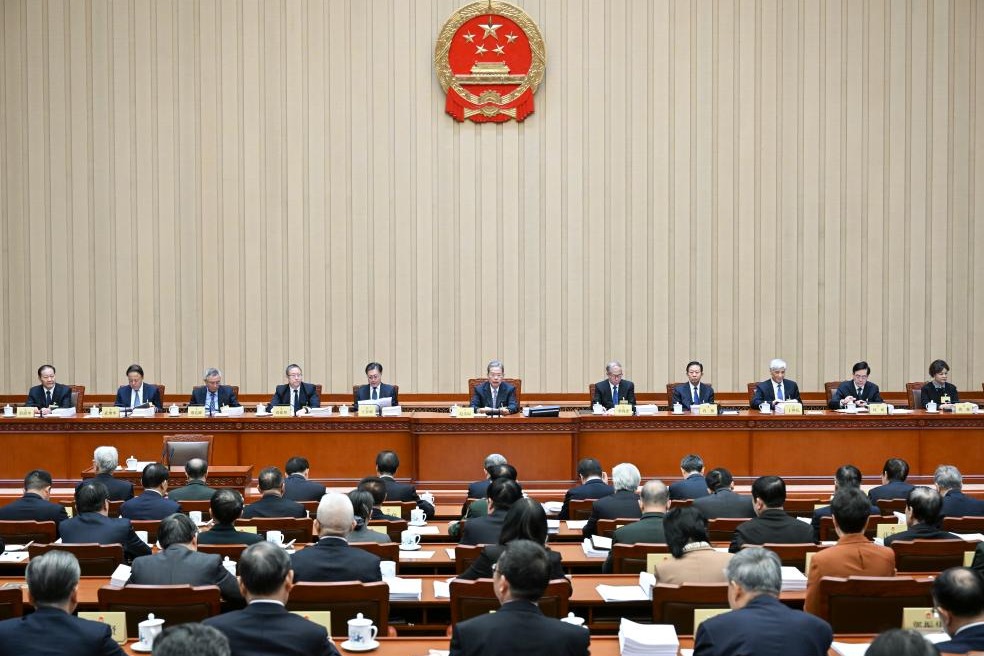
    The Standing Committee of China’s National People’s Congress (NPC) commenced its 19th session of the 14th legislature in Beijing on Monday, with Chairman Zhao Leji presiding over the inaugural plenary meeting at the Great Hall of the People. The session features an extensive legislative agenda addressing multiple sectors of national governance and international cooperation.

    Lawmakers engaged in thorough deliberations on several pivotal draft laws, including a comprehensive environmental code and legislation focused on promoting ethnic unity and progress. The agenda further encompasses draft laws concerning national development planning, hazardous chemicals safety management, state-owned assets oversight, childcare services enhancement, and Antarctic activities and environmental protection.

    The committee examined proposed revisions to multiple existing statutes, including the fisheries law, civil aviation law, regulations governing standard spoken and written Chinese language, foreign trade law, banking supervision and regulation law, and trademark law. These revisions aim to modernize legal frameworks in response to evolving economic and social requirements.

    Additional critical items under consideration include a bill proposing interpretations of specific provisions within the criminal procedure law and a draft decision regarding the convocation of the fourth session of the 14th NPC. The session also addressed reports on deputy qualifications and various personnel-related matters.

    Chairman Zhao subsequently participated in the session’s second plenary meeting, where legislators received multiple reports including inspection findings on the implementation of the energy conservation law and circular economy promotion law. Additionally, lawmakers reviewed a comprehensive report detailing rectification measures addressing issues identified during the audit of 2024 central budget implementation and other fiscal revenue and expenditure matters.

  • China plans to play a bigger role in Antarctic governance

    China plans to play a bigger role in Antarctic governance

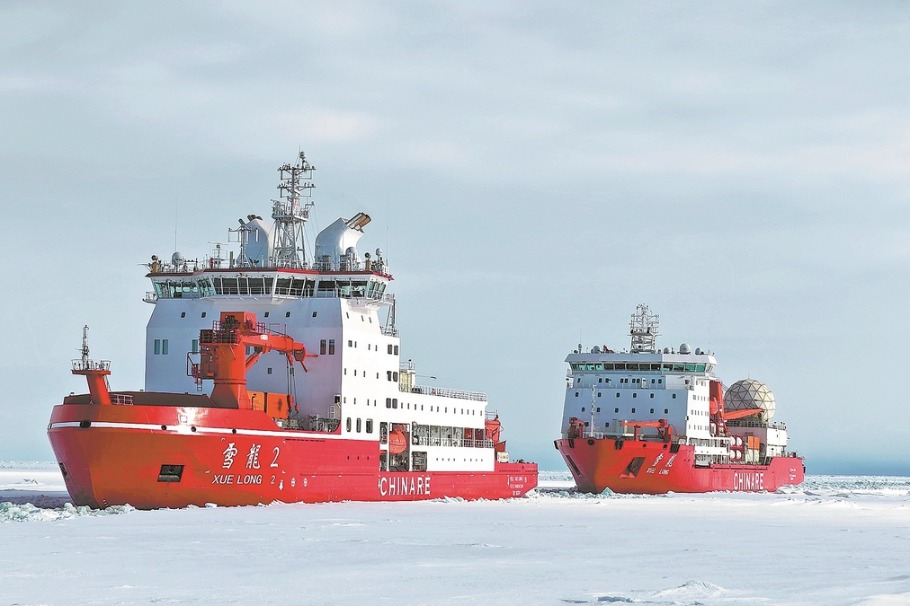
    China is positioning itself for enhanced participation in Antarctic governance through comprehensive national legislation currently under legislative review. The draft Antarctic Activities and Environmental Protection Law, comprising seven chapters and 57 articles, represents Beijing’s strategic move to formalize its polar engagement policies and contribute Chinese approaches to international polar governance.

    Submitted for first reading to the Standing Committee of the National People’s Congress, China’s top legislature, the proposed legislation emerges as Antarctic Treaty consultative parties increasingly rely on national laws to support their polar activities. Lu Xinshe, head of the NPC Environmental Protection and Resources Conservation Committee, emphasized that international Antarctic governance fundamentally depends on individual nations’ operational capabilities and their influence in shaping legal frameworks.

    Research expert Tan Xianchun from the Chinese Academy of Sciences noted that China’s four decades of Antarctic research have transformed the country from mere participant to significant polar power, with research stations now covering all five major Antarctic regions. The draft legislation signals China’s evolution from capacity development to rule-making in polar affairs, integrating principles of peaceful use, environmental conservation, scientific advancement, and international cooperation into a comprehensive legal system.

    The proposed framework establishes regulations for scientific expeditions, fisheries management, tourism activities, and shipping operations. It applies to both Chinese citizens and foreign individuals organizing Antarctic activities within China’s jurisdiction or departing from Chinese territory. The legislation explicitly prohibits military activities and mineral resource exploitation while encouraging scientific research, technological innovation, and environmentally sustainable practices.

    Environmental regulation expert Ma Jun highlighted the legislation’s attention to Antarctic tourism management, noting the continent’s extreme ecological vulnerability. The draft addresses emerging concerns about invasive species, habitat degradation, and pollution risks associated with increasing tourist numbers through environmental impact assessment requirements, emergency response protocols, and specific conservation measures for wildlife, waste management, and marine protection.

    The legislative initiative demonstrates China’s commitment to fulfilling international treaty obligations while asserting its role as responsible stakeholder in Antarctic governance, potentially influencing global approaches to managing the world’s last great wilderness.

  • South Korea lawmakers pass bill to establish rebellion courts after complaints about Yoon case

    South Korea lawmakers pass bill to establish rebellion courts after complaints about Yoon case

    South Korea’s National Assembly has enacted significant judicial legislation on Tuesday, establishing specialized court panels to handle cases involving rebellion, treason, and foreign subversion. The bill passed with overwhelming support in a 175-2 vote, though it faced substantial opposition from conservative lawmakers who boycotted the proceedings.

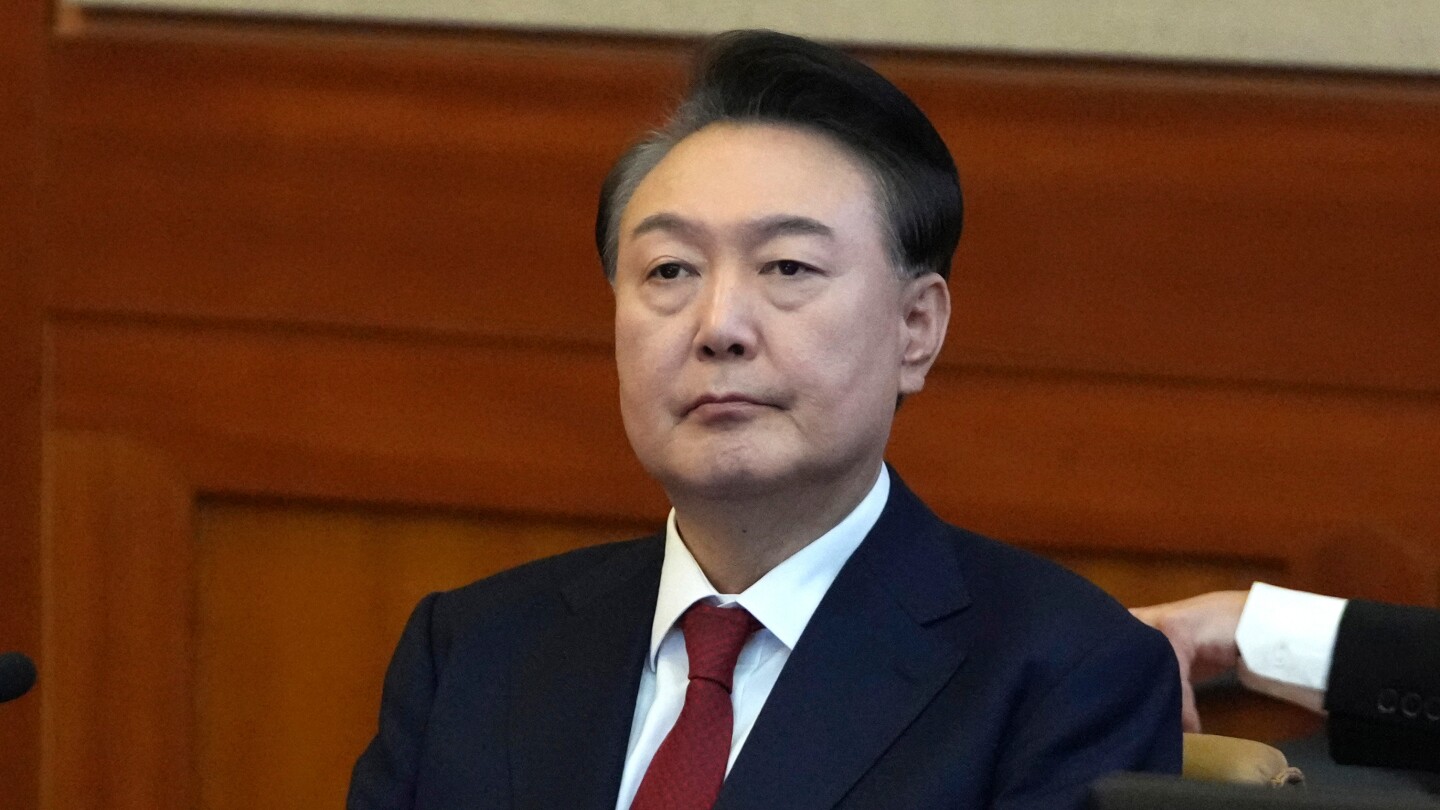
    The newly approved legislation mandates that both Seoul Central District Court and Seoul High Court must constitute at least two specialized judicial panels, each composed of a three-judge bench selected by the courts’ judicial councils. This structural reform responds to mounting concerns regarding the handling of high-profile cases, particularly the ongoing rebellion trial of former President Yoon Suk Yeol.

    Notably, the final version of the bill contains crucial modifications from its original draft. Lawmakers amended the language to explicitly exclude ongoing trials from its jurisdiction, addressing criticisms that the initial proposal potentially compromised judicial independence. This compromise means the legislation will not affect Yoon’s current legal proceedings, which are expected to conclude with a verdict in early 2026.

    The legislative process encountered significant obstacles, including a 24-hour filibuster by Jang Dong-hyuk, leader of the conservative People Power Party. Conservative opponents maintained that the bill remained unconstitutional despite revisions and accused the Democratic Party of attempting to influence judicial outcomes. Following the vote, conservative leaders urged President Lee Jae Myung to exercise his veto power.

    The political context surrounding this legislation stems from the dramatic events of December 2024, when then-President Yoon declared martial law against what he termed “anti-state” liberal forces. Yoon was subsequently removed from office in April and re-arrested in July following an unsuccessful power consolidation attempt. He now faces multiple severe charges, including rebellion, which carries potential penalties of life imprisonment or capital punishment.

    The Democratic Party has consistently criticized the handling of Yoon’s case, particularly targeting Judge Jee Kui-youn of Seoul Central District Court. Liberals expressed dissatisfaction with the pacing of proceedings and questioned the traditional practice of random judge assignment for cases of exceptional national importance. Tensions escalated when other judges rejected arrest warrants for key figures associated with Yoon, including former Prime Minister Han Duck-soo and senior conservative lawmaker Choo Kyung-ho.

  • Pakistan seals $4bn arms deal to sell Chinese warplanes to Libya’s Khalifa Haftar: Report

    Pakistan seals $4bn arms deal to sell Chinese warplanes to Libya’s Khalifa Haftar: Report

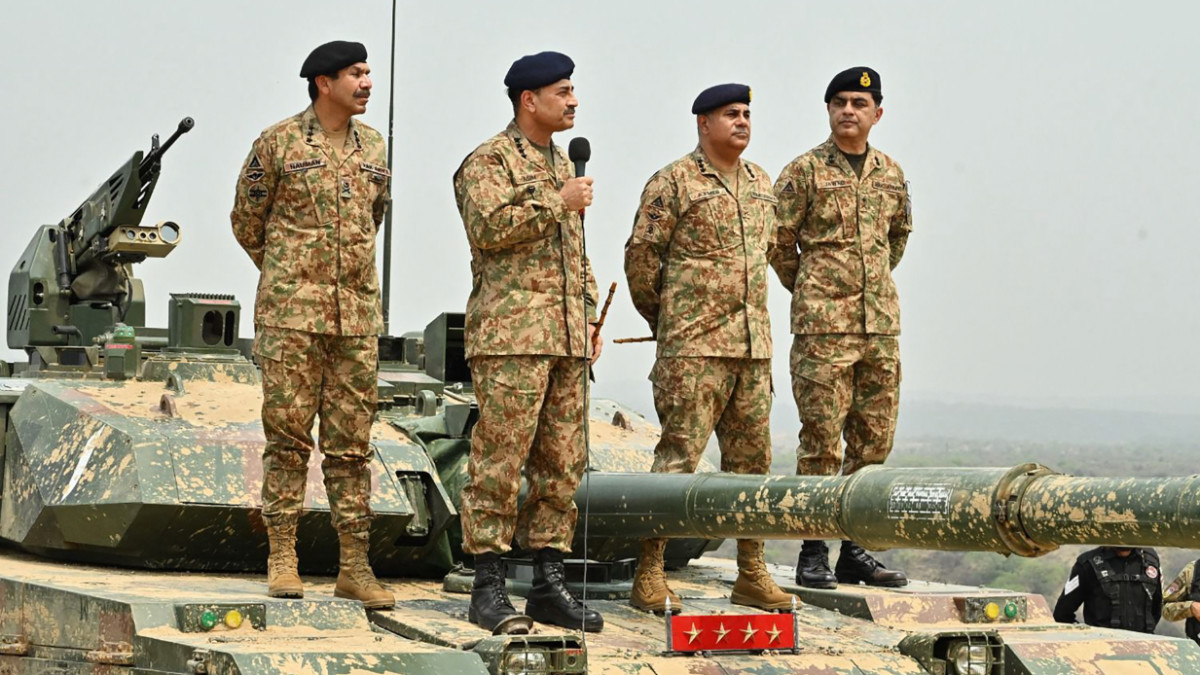
    Pakistan has finalized a landmark $4.6 billion military agreement to supply advanced weaponry to General Khalifa Haftar’s Libyan National Army (LNA), a move that could dramatically shift Libya’s military equilibrium. The deal, confirmed during Pakistani military chief Field Marshal Asim Munir’s visit to Benghazi, represents Pakistan’s largest arms export agreement in history.

    The comprehensive arms package includes 16 JF-17 Thunder multirole fighter jets—jointly developed by Pakistan and China—along with 12 Super Mushak trainer aircraft, plus additional land, sea, and air equipment to be delivered over a two-and-a-half-year period. This transaction significantly enhances Haftar’s military capabilities in eastern Libya, where he controls territory opposed to the UN-recognized government in Tripoli led by Prime Minister Abdul Hamid Dbeibeh.

    Field Marshal Munir’s visit featured symbolic rhetoric, with the military leader referencing Libyan resistance hero Omar al-Mukhtar and declaring that ‘Libya is a land of lions’ during an address to LNA officers. The agreement consolidates Pakistan’s growing role as an arms exporter while potentially complicating its diplomatic relationships, particularly with Turkey, which supports the Tripoli government and maintains close security ties with Pakistan.

    The deal emerges against a backdrop of prolonged conflict in Libya, where Haftar’s failed 2019 offensive on Tripoli was backed by UAE, Saudi Arabia, Egypt, and Russia. Meanwhile, Turkey intervened to defend the western-based government. Recent years have seen shifting alliances, with Gulf states establishing ties to Tripoli while Turkey has engaged in outreach to Haftar through his son Saddam, who met with Munir during the Benghazi visit.

    Pakistan’s cash-strapped government is actively pursuing arms exports, leveraging military technology tested in conflicts with India. The transaction occurs despite a UN arms embargo imposed on Libya since 2011 and may strain Pakistan’s relationship with Turkey, even as Islamabad’s ties with the United States have improved following high-level meetings between Pakistani officials and former President Donald Trump.

  • Sudan’s prime minister takes his peace plan to the UN, but US urges humanitarian truce now

    Sudan’s prime minister takes his peace plan to the UN, but US urges humanitarian truce now

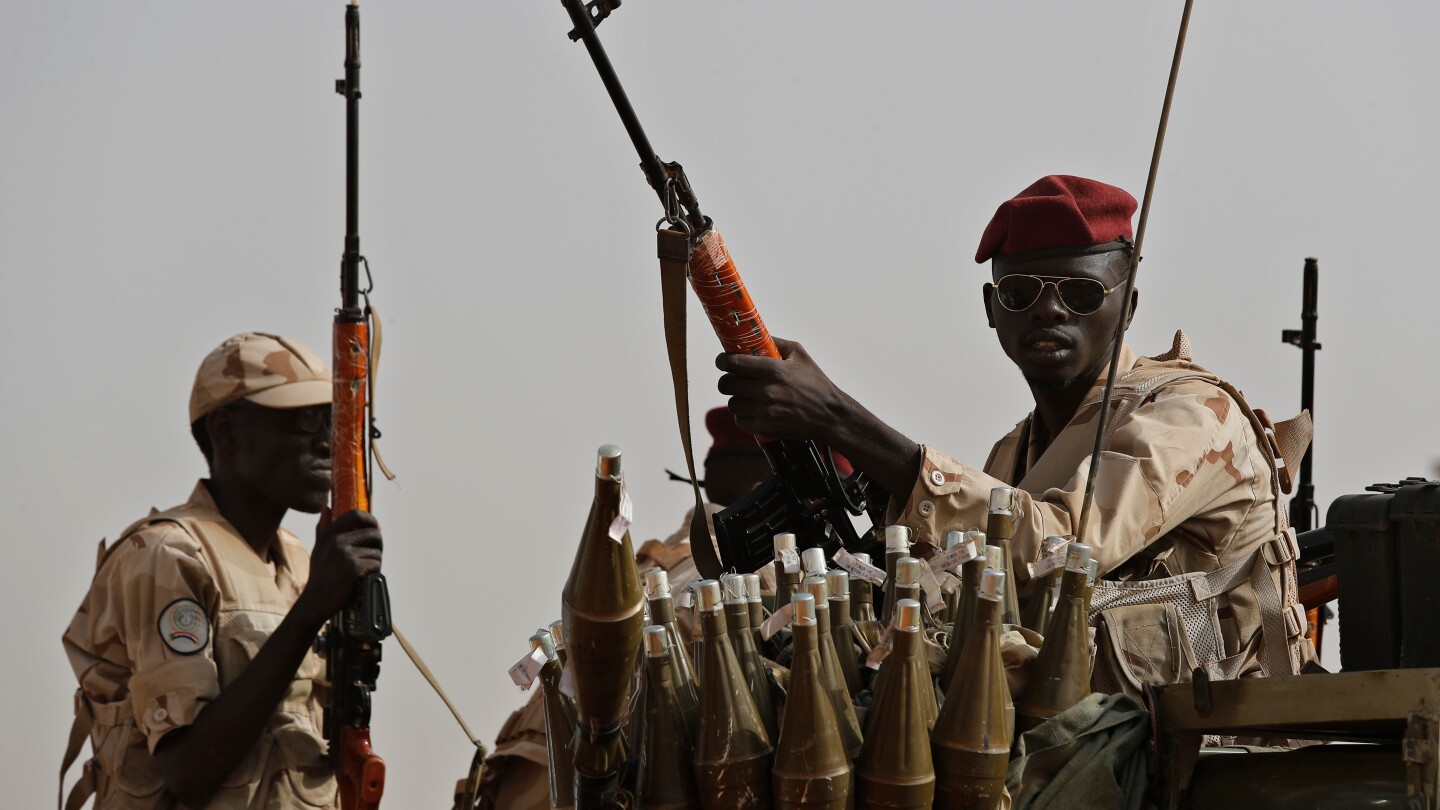
    In a significant diplomatic move at the United Nations, Sudanese Prime Minister Kamil Idris presented an ambitious peace initiative aimed at resolving the devastating 1,000-day civil war that has ravaged the Northeast African nation. The proposal, unveiled during a Security Council session on Monday, outlines a structured framework for ceasefire implementation, paramilitary disarmament, and international monitoring mechanisms.

    The comprehensive plan calls for the United Nations, African Union, and Arab League to jointly supervise an immediate cessation of hostilities. Central to the initiative is the complete withdrawal of the paramilitary Rapid Support Forces (RSF) from occupied territories, their relocation to supervised camps, and subsequent disarmament. Idris emphasized that his government’s proposal represents an indigenous solution rather than externally imposed conditions, indirectly referencing the Quad initiative supported by the United States, Saudi Arabia, Egypt, and the United Arab Emirates.

    Despite the proposal’s comprehensiveness, diplomatic observers expressed skepticism regarding its acceptance by the RSF, which would effectively necessitate their military capitulation. The conflict originated in April 2023 from a power struggle between Sudan’s regular military and the RSF, escalating into widespread violence that international organizations have classified as involving war crimes and crimes against humanity.

    U.S. Deputy Ambassador Jeffrey Bartos urged both warring factions to immediately accept the humanitarian truce without preconditions, while strongly condemning the horrific violence across Darfur and Kordofan regions. UAE Ambassador Mohamed Abushahab, representing the Quad mediators, cautioned that unilateral efforts by either party would prove unsustainable and only prolong the devastating conflict.

    UN Assistant Secretary-General for Political Affairs Khaled Khiari highlighted escalating concerns about the continuous flow of sophisticated weaponry to both sides, criticizing external backers for prioritizing oil revenues over civilian protection. The conflict has created the world’s largest humanitarian crisis, with UN figures indicating over 40,000 fatalities and 14 million displaced persons, though aid organizations suggest actual numbers may be substantially higher.

  • Some Afghans told to attend government check-ins on Christmas, New Year’s Day

    Some Afghans told to attend government check-ins on Christmas, New Year’s Day

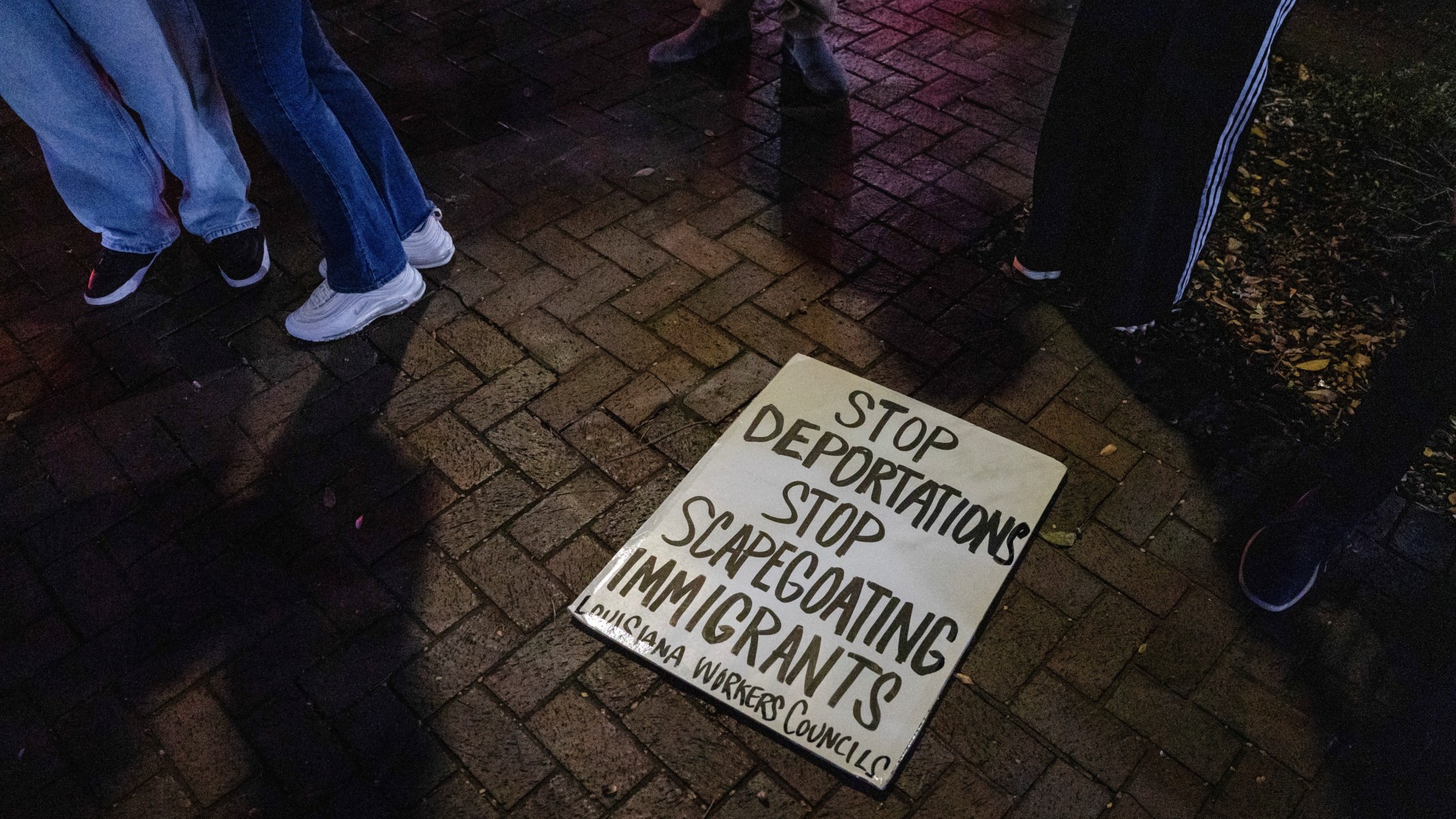
    In a controversial move, U.S. immigration authorities have scheduled mandatory document check-ins for at least two Afghan evacuees on Christmas Day and New Year’s Day—both federal holidays when legal resources are typically limited. The advocacy group #AfghanEvac revealed these unusual scheduling practices, expressing concern that they may be designed to limit access to due process protections.

    The situation occurs amid the Trump administration’s broader crackdown on immigration, particularly affecting Afghan nationals who assisted American forces during the two-decade war. Immigration experts fear these holiday check-ins could be used to detain individuals for deportation, as has become increasingly common during routine appointments where masked federal agents sometimes take immigrants to undisclosed locations.

    #AfghanEvac President Shawn VanDiver is urging affected Afghans to contact his organization for support, noting that lawyers generally advise attendance at all check-ins regardless of timing to avoid immediate deportation orders. The group is currently gathering information to determine the scope of this practice across the immigration system.

    The political context includes significant policy shifts: the Trump administration eliminated the Operation Enduring Welcome program and the Office of the Coordinator for Afghan Relocation Efforts, which previously supported Special Immigrant Visa (SIV) processing. While not officially ending the SIV program, these moves have drastically slowed processing for tens of thousands of applicants despite a federal court order to expedite cases.

    Additionally, the administration stripped Afghans of Temporary Protected Status earlier this summer, leaving over 11,000 individuals in legal limbo. Recent statements from President Trump following a shooting incident in Washington have further emphasized a restrictive approach toward Afghan immigrants, with calls to re-examine all entries since the Biden administration and remove those deemed not beneficial to the country.

    The Department of Homeland Security has implemented extensive screening measures, including putting asylum processing on hold and conducting full-scale reexaminations of Green Cards from designated high-risk countries. A new vetting center was announced in December to enhance screening with focus on identifying potential threats.

    According to data, USCIS has referred over 14,400 immigrants to ICE since January 20, with at least 2,400 arrests occurring at its offices. Approximately 70,000 Afghans have arrived in the U.S. since the August 2021 withdrawal, with another 260,000 awaiting processing through various immigration channels amid significant backlogs.