分类: politics

  • Democratic board member muted during Kennedy Center vote sues to remove Trump’s name

    Democratic board member muted during Kennedy Center vote sues to remove Trump’s name

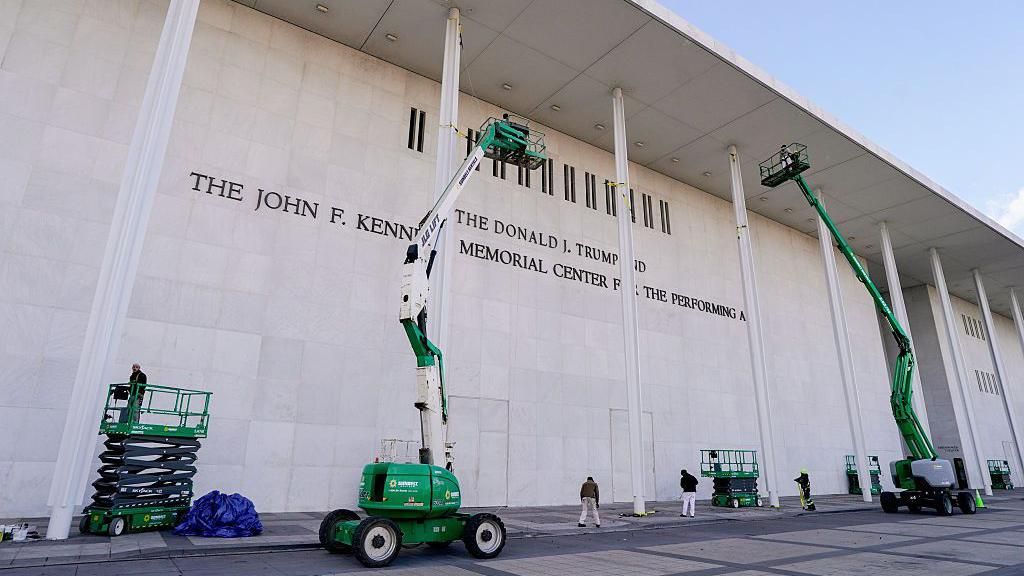
    A significant political and legal confrontation has emerged in Washington D.C. as Democratic U.S. Representative Joyce Beatty initiated litigation to reverse the controversial renaming of the John F. Kennedy Center for the Performing Arts to the Trump-Kennedy Center. The lawsuit challenges the legality of the name change orchestrated by the center’s board, which President Trump had previously stacked with political allies.

    According to court documents, Beatty asserts that the renaming procedure violated statutory requirements, arguing that congressional authorization is mandatory for any alteration to the institution’s name. The filing reveals that during the critical board meeting where the vote occurred, Beatty was allegedly muted when attempting to voice opposition to the proposal. The legal challenge characterizes the proceedings as reminiscent of ‘authoritarian regimes’ rather than democratic processes.

    The White House has vigorously defended the renaming, with spokesperson Liz Huston stating that President Trump’s intervention rescued the institution from financial instability and problematic programming. The administration credits Trump with securing approximately $257 million in congressional funding for extensive renovations and operational improvements, asserting these actions justified the honorary recognition.

    The cultural landmark, originally conceived in the 1950s and formally designated as a memorial to President Kennedy following his 1963 assassination, now bears both names on its exterior facade and digital platforms. This alteration has provoked strong reactions from political figures and members of the Kennedy family, including former Congressman Joe Kennedy III, who compared the action to attempting to rename the Lincoln Memorial.

    The center’s governance structure currently comprises 34 Trump-appointed trustees alongside 23 congressionally designated members, creating a polarized oversight body that reflects broader political divisions regarding presidential legacy and institutional preservation.
  • Algerian law declares France’s colonisation a crime

    Algerian law declares France’s colonisation a crime

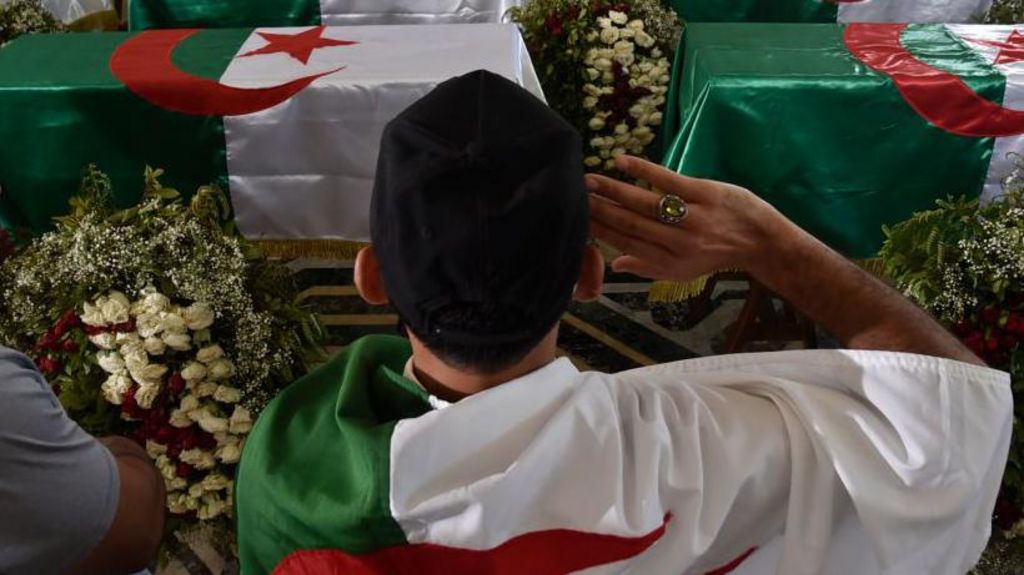
    In a historic parliamentary move, Algeria has formally declared France’s 132-year colonial occupation a criminal act through unanimous legislative action. The newly enacted law establishes colonial glorification as a criminal offense while formally demanding both apology and comprehensive reparations from France for historical injustices.

    The parliamentary session witnessed emotional displays of national pride, with lawmakers adorned in national flag-colored scarves chanting “long live Algeria” following the bill’s passage. The legislation explicitly states France bears “legal responsibility” for colonial-era tragedies, establishing compensation as an “inalienable right of the Algerian state and people.”

    This development marks the lowest point in Franco-Algerian relations since Algeria’s 1962 independence. The colonial period (1830-1962) remains a deeply contested historical chapter, with Algeria estimating 1.5 million fatalities during the independence war while French historians maintain significantly lower figures.

    The legislative action occurs amidst growing global pressure for former colonial powers to address historical wrongs. Algeria recently hosted an African conference advocating for colonial justice and continues demanding return of looted artifacts, including the 16th-century Baba Merzoug cannon currently housed in Brest, France.

    Diplomatic tensions escalated recently when France recognized Moroccan sovereignty over Western Sahara, a territory where Algeria supports the pro-independence Polisario Front. Additional strain emerged with the temporary imprisonment of French-Algerian novelist Boualem Sansal for allegedly questioning national borders.

    Despite French President Emmanuel Macron’s previous acknowledgment of colonization as a “crime against humanity,” France has maintained silence regarding Algeria’s new legislation and continues withholding formal apology.

  • S. Korea’s special counsel indicts ex-president Yoon on charge of political fund act violation

    S. Korea’s special counsel indicts ex-president Yoon on charge of political fund act violation

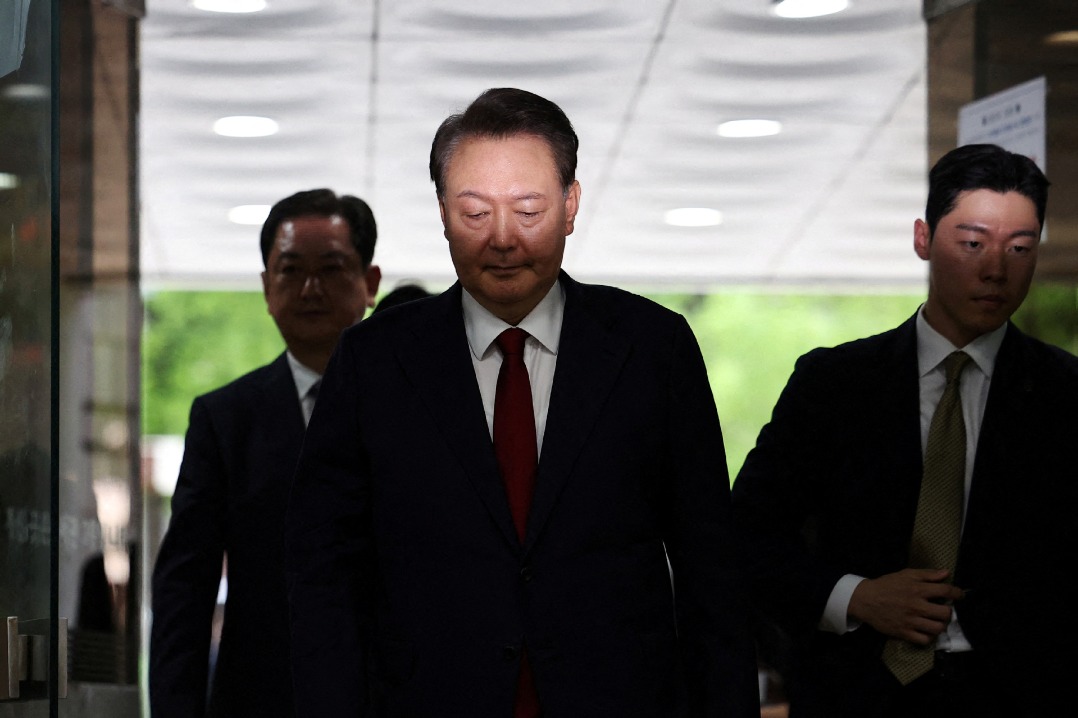
    In a significant development in South Korean politics, a special prosecution team has formally indicted former President Yoon Suk-yeol on charges related to violations of the Political Funds Act. The indictment was filed on Wednesday, December 24, 2025, marking a dramatic turn in the legal proceedings against the impeached leader.

    The case stems from allegations that Yoon’s campaign organization improperly handled political donations during his presidential run. The special counsel’s investigation, which has been ongoing for several months, uncovered evidence suggesting systematic irregularities in campaign financing that allegedly benefited Yoon’s electoral efforts.

    This legal action follows the dramatic court appearance by the former president in July 2025, when he attended a hearing to review an arrest warrant requested by prosecutors. The indictment represents the culmination of an extensive probe into financial practices that prosecutors argue undermined the integrity of South Korea’s electoral process.

    The development carries substantial implications for South Korea’s political landscape, coming nearly three years after Yoon’s impeachment and subsequent removal from office. Legal experts suggest this case could set important precedents for accountability regarding campaign finance regulations in the country’s increasingly scrutinized political system.

    The indictment of a former head of state underscores the continuing efforts by South Korean authorities to address corruption allegations at the highest levels of government, maintaining the pattern of holding leaders accountable that has characterized the nation’s democracy in recent decades.

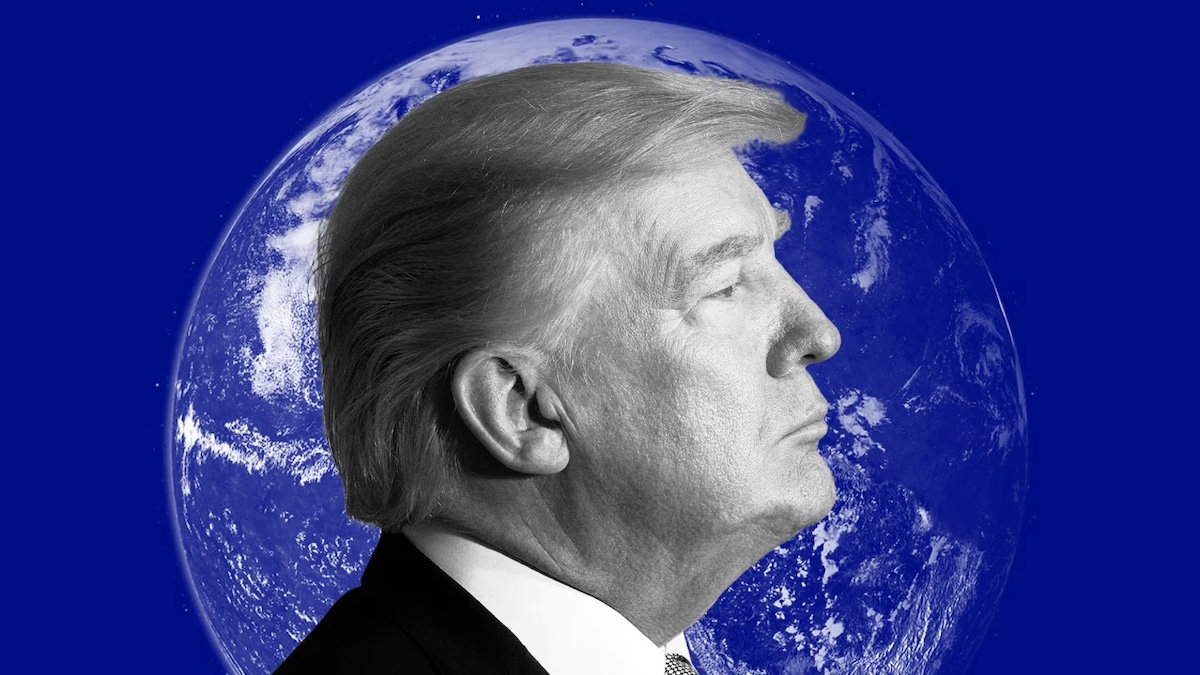
  • Trump’s transactional realism meets imperial overreach

    Trump’s transactional realism meets imperial overreach

    As 2025 concludes, Donald Trump’s presidency has crafted a foreign policy doctrine that resists conventional classification. Campaigning on an “America First” platform and opposing prolonged military engagements, Trump has paradoxically embraced a strategy of selective interventionism—merging realpolitik, transactional diplomacy, and occasional imperial overreach under the guise of restraint.

    Notable achievements highlight the efficacy of strategic pressure. The Gaza ceasefire, finalized in October 2025, stands as the administration’s foremost diplomatic triumph. By leveraging alliances with Arab states and exerting simultaneous pressure on Israel and Hamas, Trump secured a cessation of hostilities that eluded his predecessor. The 20-point peace plan, though its long-term sustainability remains uncertain, halted immediate violence. Similarly, the reorientation of U.S. focus toward the Western Hemisphere—elevated as a priority in the 2025 National Security Strategy—addressed decades of regional neglect, acknowledging that instability in neighboring nations poses more direct threats than distant conflicts.

    However, these successes are undermined by profound inconsistencies and dangerous overreach. The Ukraine peace process exemplifies this incoherence. The deployment of Jared Kushner and real estate developer Steve Witkoff for negotiations with Putin—labeled as “personal diplomacy” by supporters but criticized as cronyism—resulted in initial proposals so favorable to Russia that Ukrainian analysts deemed them tantamount to capitulation. Despite revisions, the initiative flounders as military gains continue.

    Alarming rhetoric on Gaza further exposed policy chaos. Trump’s February suggestion of U.S. annexation and Palestinian expulsion—later walked back by subordinates—drew comparisons to ethnic cleansing and revealed a decision-making process devoid of strategic coherence. The administration’s embrace of the “Trump Corollary” to the Monroe Doctrine intensified concerns, deploying military assets to the Caribbean and designating drug cartels as terrorist organizations to justify interventionism in Latin America.

    China policy reduced great-power competition to economic transactions, ignoring security implications, while treatment of European allies mixed reasonable demands for defense spending with gratuitous provocations on domestic issues like immigration and far-right politics. These actions accelerated European moves toward strategic autonomy, counterproductively undermining alliance structures.

    Ultimately, Trump’s foreign policy demonstrates a grasp of realist principles—prioritizing interests over ideology, valuing transactional deals—but fails to apply them wisely. The pursuit of hemispheric hegemony without entanglement, burden-sharing amid alienation, and economic warfare with strategic accommodation proves fundamentally incompatible. Despite sound instincts on burden-sharing and regional focus, undisciplined execution generates chaos, risking new commitments while alienating essential allies.

  • EU warns of possible action after the US bars 5 Europeans accused of censorship

    EU warns of possible action after the US bars 5 Europeans accused of censorship

    BRUSSELS — The European Union has issued a stern warning to the United States following the State Department’s imposition of travel restrictions on five European digital policy figures, including former EU Commissioner Thierry Breton. The move has ignited a significant diplomatic confrontation over digital sovereignty and content moderation policies.

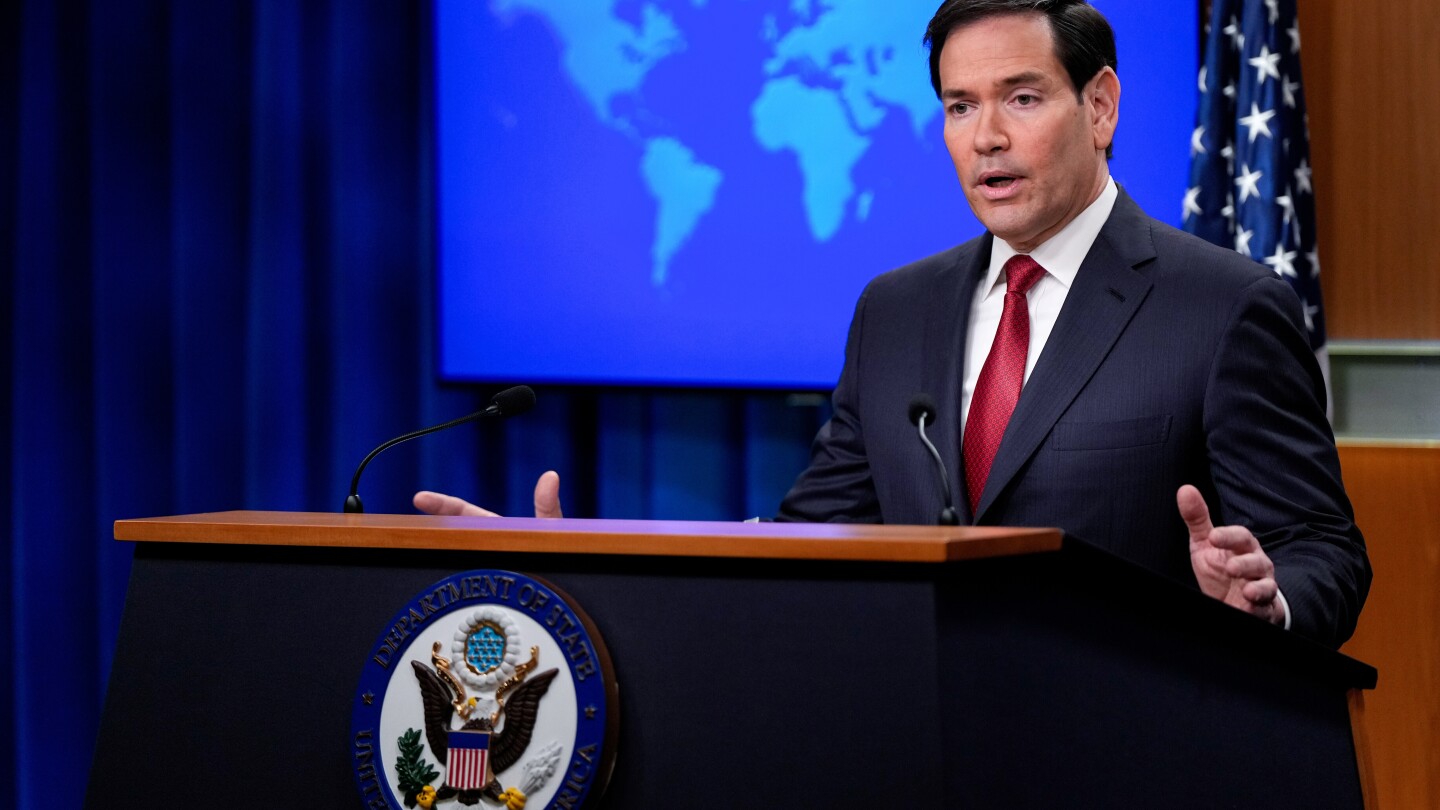
    The U.S. government, through Secretary of State Marco Rubio, characterized the banned individuals as ‘radical activists’ and representatives of ‘weaponized’ non-governmental organizations allegedly pressuring American tech companies to censor U.S. viewpoints. The targeted Europeans include prominent figures from digital rights organizations and the architect of the EU’s Digital Services Act.

    In an official statement, the European Commission strongly condemned the travel restrictions as unjustified measures and demanded immediate clarification from U.S. authorities. The EU executive branch emphasized its readiness to ‘respond swiftly and decisively’ to protect its regulatory autonomy against what it perceives as extraterritorial intimidation tactics.

    French President Emmanuel Macron joined the condemnation, labeling the visa bans as coercive tactics aimed at undermining Europe’s digital sovereignty. Macron emphasized that the EU’s digital regulations were established through democratic processes involving all member states and the European Parliament, designed to ensure fair competition without targeting any specific nation.

    The conflict stems from a new U.S. visa policy implemented in May that restricts entry for foreigners accused of facilitating censorship of protected speech. The banned individuals include Imran Ahmed (Centre for Countering Digital Hate), Josephine Ballon and Anna-Lena von Hodenberg (HateAid), and Clare Melford (Global Disinformation Index), alongside Breton.

    Breton, who previously clashed with Elon Musk over content moderation policies, responded by noting that all 27 EU member countries unanimously supported the Digital Services Act in 2022. The legislation establishes comprehensive requirements for online platforms to address harmful or illegal content while maintaining a level playing field for all companies operating in the European digital market.

  • Guinea’s junta leader is expected to win first election since 2021 coup

    Guinea’s junta leader is expected to win first election since 2021 coup

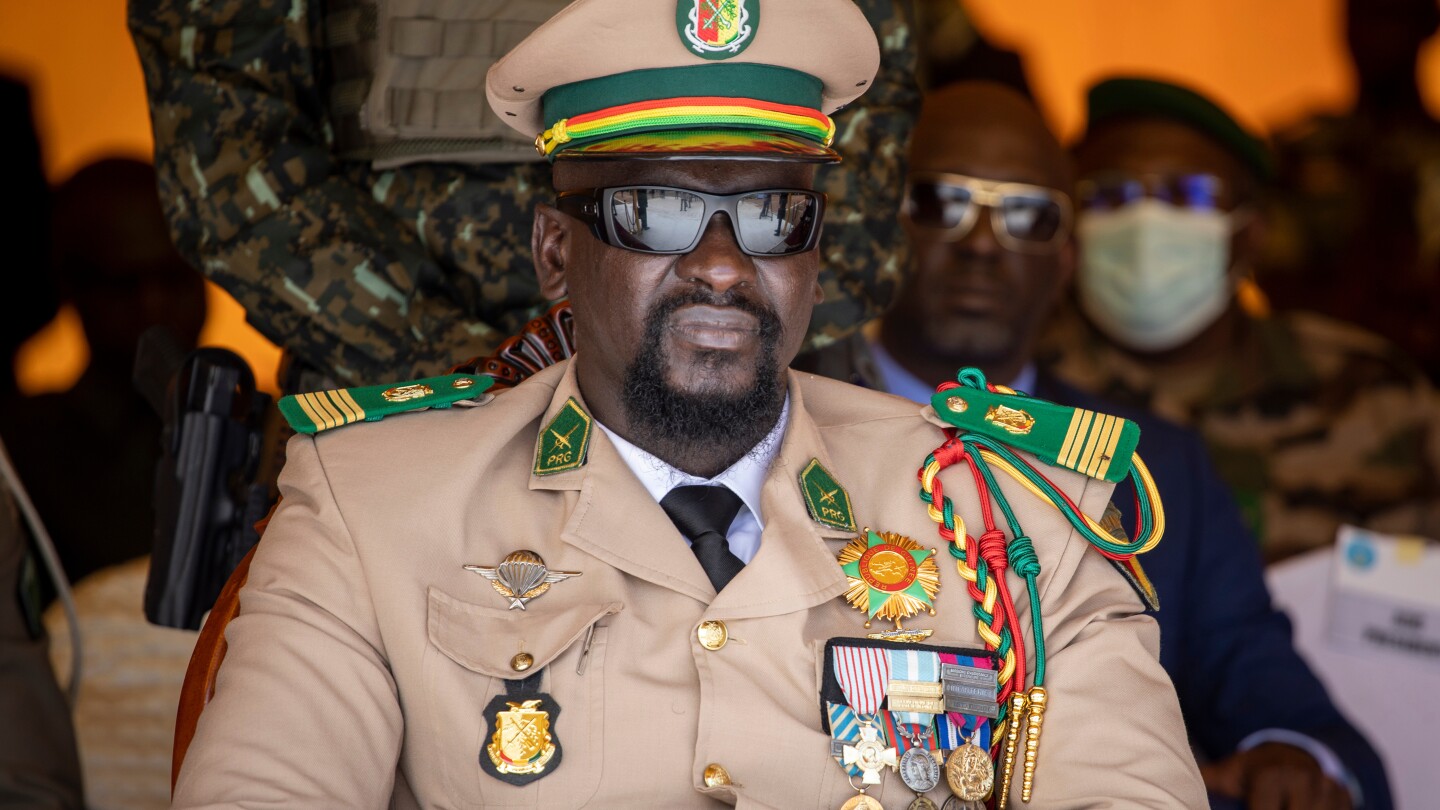
    DAKAR, Senegal — Guinea prepares for a watershed moment in its political history as citizens head to the polls Sunday for the nation’s first presidential election since the 2021 military coup. Junta leader General Mamadi Doumbouya emerges as the overwhelming favorite in an electoral process critics describe as fundamentally compromised.

    The West African nation joins a troubling regional pattern where military leaders have seized power across ten African countries since 2020, often subsequently legitimizing their rule through elections. Since overthrowing President Alpha Condé four years ago, General Doumbouya has systematically suppressed major opposition voices and dissent, creating a political landscape with no formidable challengers to his seven-year term aspirations.

    Despite Guinea’s status as the world’s leading exporter of bauxite—a crucial mineral for aluminum production—the country faces severe socioeconomic challenges. The World Food Program reports over half of Guinea’s 15 million population experiences unprecedented poverty and food insecurity levels.

    Approximately 6.7 million registered voters will cast ballots across 24,000 polling stations nationwide, with preliminary results anticipated within 48 hours. The West African regional bloc ECOWAS has deployed election observers to monitor the process.

    A significantly weakened opposition field features nine candidates, with Doumbouya’s most prominent challenger being relatively unknown figure Yero Baldé from the Democratic Front of Guinea party. Notable exclusions on technical grounds include former prime minister Lansana Kouyaté and former minister Ousmane Kaba, while established opposition leaders Cellou Dalein Diallo and Sidya Toure remain in exile.

    The election occurs under a new constitutional framework approved in a September referendum that opposition parties urged voters to boycott. This revised constitution notably eliminated the prohibition on military leaders seeking office and extended presidential mandates from five to seven years.

    Alioune Tine, founder of West African political think tank Afrikajom Center, expressed skepticism: “This is an election excluding principal opposition leaders occurring within a heavily restricted civic space. The vote primarily serves to legitimize Doumbouya’s consolidation of power.”

    This sentiment resonates with citizens like Conakry restaurant owner Mamadou Bhoye Diallo, who dismissed the election as a “farce” and questioned the integrity of a process where “a candidate simultaneously serves as referee.”

    Human rights organizations document concerning patterns since the coup, including silenced civil society leaders, abducted critics, and press censorship. Authorities previously dissolved over 50 political parties in what they described as “cleaning up the political chessboard” despite widespread condemnation.

    Nevertheless, Doumbouya maintains substantial popular support, particularly among citizens who endorse his vision for national prosperity. His campaign emphasizes infrastructure developments and reforms implemented during his four-year tenure, including digital skills training programs that have resonated with younger voters.

    The junta’s showcase project is the Simandou mining operation—the world’s largest iron ore deposit, 75% Chinese-owned—which commenced production last month after decades of delays. Authorities position this mega-project as an economic transformation cornerstone, with an associated national development plan promising tens of thousands of jobs across agriculture, education, transport, technology, and healthcare sectors.

    Doumbouya’s campaign has dominated Guinea’s political landscape through massive rallies and extensive media coverage, with state media and administrative resources providing him decisive advantages over underfunded rivals.

  • Ping-pong diplomacy opened up China-US relations

    Ping-pong diplomacy opened up China-US relations

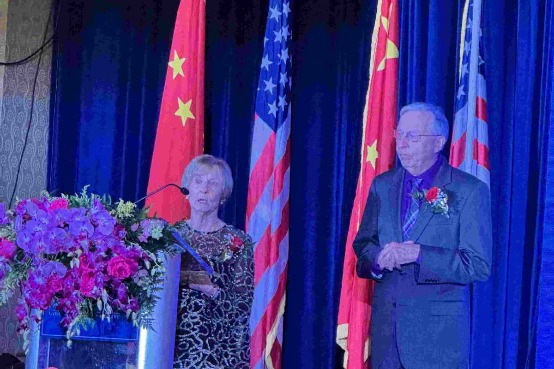
    LOS ANGELES – Five decades after a simple table tennis exchange thawed frozen diplomatic relations, the legacy of ping-pong diplomacy continues to resonate as a powerful example of sports bridging geopolitical divides. At a recent forum commemorating the 54th anniversary of the historic exchange, former athletes, diplomats, and community leaders gathered to reflect on how a sporting gesture transformed international relations.

    Connie Sweeris, former US national team member who participated in the original 1971 exchange, recounted the unexpected invitation that changed history. “On the final day of the World Table Tennis Championships in Nagoya,” Sweeris recalled, “the Chinese delegation invited the American team to extend their trip and visit China for what they termed ‘friendship matches’ – emphasizing friendship first, competition second.”

    This invitation marked the first American visit to China in 22 years, creating an unprecedented people-to-people exchange during a period of prolonged separation between the nations. Sweeris described feeling “privileged to be one of those people” who participated in the groundbreaking trip, which included a memorable meeting with Premier Zhou Enlai at the Great Hall of the People.

    Chinese Consul General in Los Angeles Guo Shaochun emphasized the historical significance of the exchange. “Fifty-four years ago, young table tennis players from China and the US planted the seeds of friendship and sincerity, breaking the ice of 22 years of separation,” Guo stated. “It opened a new chapter of our friendship that has lasted for more than half a century.”

    The forum, organized by the All American Chinese Association, highlighted how the ping-pong diplomacy initiative created a “small safe space for first exchange,” as described by International Table Tennis Federation President Petra Sorling. This human encounter, visible to the world, made larger diplomatic steps possible, including President Richard Nixon’s historic 1972 visit to China.

    Dragomir Cioroslan, Director of International Relations for the United States Olympic and Paralympic Committee, noted that the exchange proved “history is not only made in the halls of power by presidents and premiers, but also through the actions of ordinary people.”

    Contemporary applications of this diplomatic model were discussed, with participants citing recent table tennis exchanges between French and Chinese leaders in Chengdu. Virginia Sung, CEO of the USA Table Tennis Association, emphasized the ongoing relevance: “We gather not just to honor the legacy of ping-pong diplomacy, but to carry it forward – to continue using sport as a bridge to strengthen relationships rooted in mutual respect.”

    The personal impact of these exchanges was illustrated through the story of Jeffrey Lehman, now Vice-Chancellor of NYU Shanghai, whose attendance at a 1972 ping-pong match influenced his decision to pursue opportunities in China. “It taught me to cross borders, make new friends and discover myself in new ways,” Lehman reflected.

    Despite today’s more developed communication channels, participants agreed that genuine human encounters remain essential. As Sorling observed, “Today, we do not lack communication, but we lack genuine encounter – the opportunity to meet people who are different and exchange in good faith. Sport can create that space.”

  • US seizures of oil tankers condemned at Security Council

    US seizures of oil tankers condemned at Security Council

    The United Nations Security Council has become the arena for intense diplomatic confrontation following recent US naval operations in the Caribbean Sea. China’s deputy permanent representative to the UN, Sun Lei, delivered a stern condemnation of American military activities during a Security Council briefing on Tuesday, characterizing them as unlawful escalations that threaten regional stability.

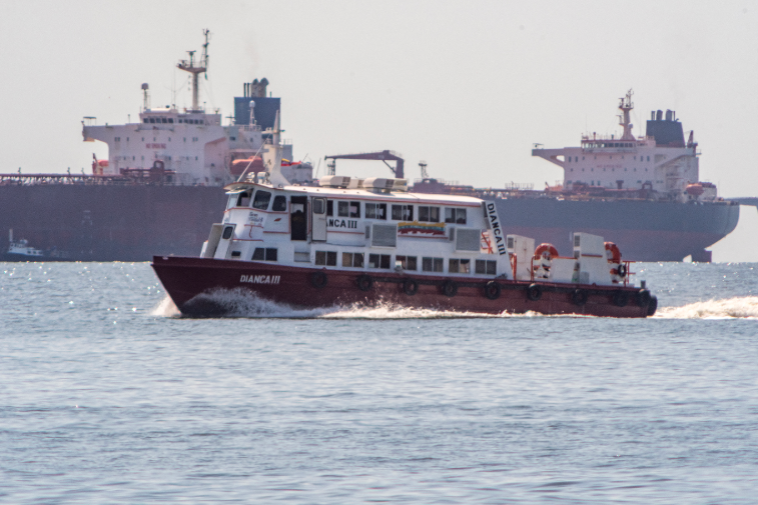
    According to diplomatic accounts, the United States has intensified its military presence in waters adjacent to Venezuela under the declared objective of combating narcotics trafficking. This campaign has involved the sinking of over 28 vessels and the deaths of more than 100 crew members since early September, with Washington claiming these operations targeted drug smuggling operations.

    The controversy reached new heights with the interception and seizure of two Venezuelan oil tankers on December 10 and December 20, respectively. US Homeland Security Secretary Kristi Noem defended these actions, stating publicly that the United States would persist in disrupting the movement of sanctioned oil allegedly financing narco-terrorism networks in the region.

    Venezuela’s government has denounced these maritime interventions as ‘blatant theft and acts of international piracy,’ accusing US military personnel of hijacking private vessels and causing the enforced disappearance of crew members in international waters. Foreign Minister Yvan Gil contends that the underlying motivation involves coveting Venezuela’s substantial energy resources—the largest proven oil reserves globally, with exports averaging approximately 770,000 barrels daily last year.

    The situation has created significant uncertainty for international shipping, with numerous vessels carrying millions of barrels of oil reportedly anchored off Venezuela’s coast, hesitant to sail amid seizure risks. President Donald Trump has explicitly ordered a blockade against US-sanctioned oil tankers traveling to or from Venezuela and has not ruled out military escalation, stating he doesn’t ‘rule out’ regime change through force.

    China’s representative articulated broad principles against unilateralism, emphasizing opposition to any measures violating the UN Charter, infringing on national sovereignty, or employing force in international relations. Sun Lei called upon the United States to heed international concern, cease current operations, lift unilateral sanctions, and contribute constructively to regional peace and development.

  • Latest peace plan offers possible Ukrainian withdrawal from east, Zelensky says

    Latest peace plan offers possible Ukrainian withdrawal from east, Zelensky says

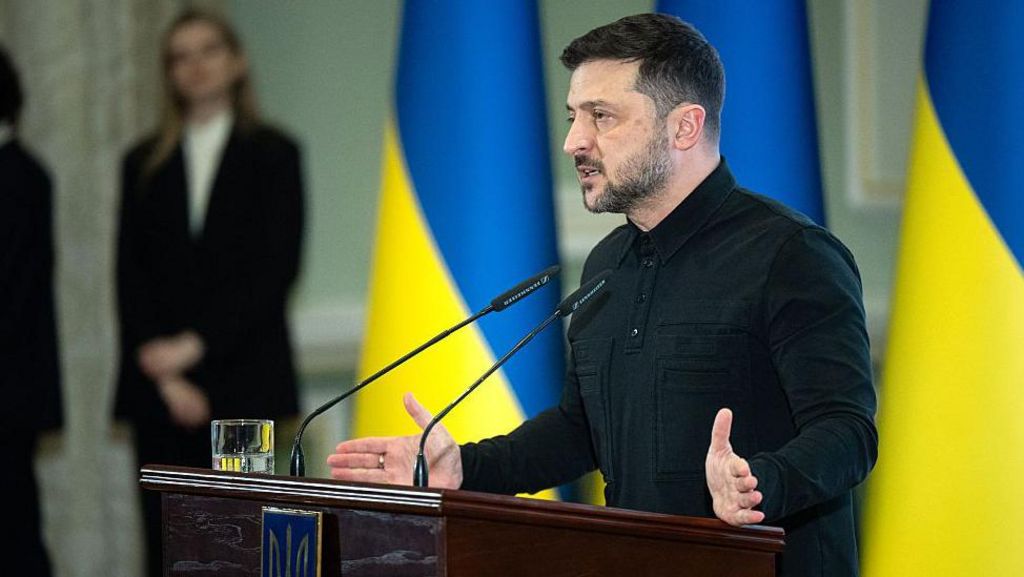
    Ukrainian President Volodymyr Zelensky has publicly detailed a revised 20-point peace proposal developed in coordination with American negotiators during weekend talks in Florida. This updated framework presents potential concessions regarding eastern Ukrainian territories while establishing robust international security assurances mirroring NATO membership protections.

    The diplomatic blueprint, characterized by Zelensky as “the principal architecture for conflict resolution,” incorporates coordinated military response guarantees from the United States, NATO members, and European nations should Russia launch future aggression against Ukraine. The proposal addresses Moscow’s territorial demands through potential establishment of special economic zones in contested eastern regions, though specific withdrawal parameters remain subject to high-level negotiations.

    Regarding the critically sensitive Donbas region, the plan contemplates creating demilitarized zones or free economic districts rather than outright Ukrainian military withdrawal. Zelensky emphasized that Russia must completely vacate four additional occupied regions—Dnipropetrovsk, Mykolaiv, Sumy, and Kharkiv—and establish a secured perimeter around the Russian-occupied Zaporizhzhia nuclear facility.

    This revised document supersedes an earlier 28-point draft negotiated by US envoy Steve Witkoff that faced criticism for disproportionately accommodating Kremlin interests. The current proposal significantly strengthens Ukraine’s defensive capabilities through security guarantees and plans to maintain an 800,000-strong military force. American intermediaries are expected to present the completed framework to Russian officials for formal response in coming days.

  • Venezuela accuses US of ‘extortion’ over seizure of oil tankers

    Venezuela accuses US of ‘extortion’ over seizure of oil tankers

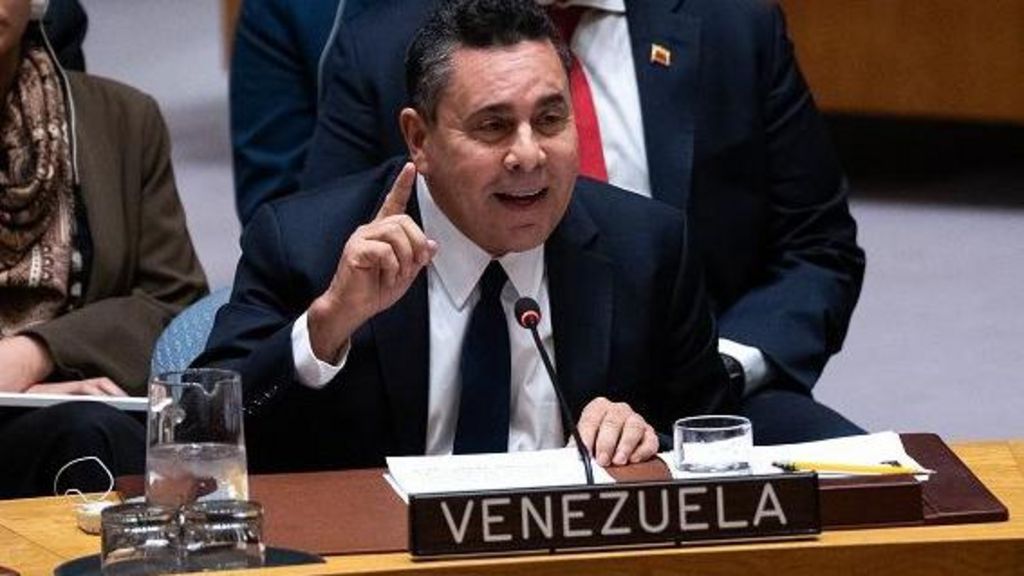
    In a dramatic emergency session of the UN Security Council, Venezuela launched scathing accusations against the United States, characterizing recent naval operations as the “greatest extortion” in its history. The diplomatic confrontation emerged from Washington’s seizure of two Venezuelan oil tankers earlier this month, with US authorities reportedly pursuing a third vessel.

    Venezuelan Ambassador Samuel Moncada delivered an impassioned address, denouncing American actions as “worse than piracy” and accusing the US government of engaging in systematic “pillaging, looting and recolonisation” of his nation. Moncada challenged the legal basis of US jurisdiction in Caribbean waters and questioned the connection between Venezuela’s oil industry and American counter-narcotics operations.

    The Trump administration justified its military deployment—the largest to the region since the 1989 invasion of Panama—as necessary to combat drug trafficking. President Trump has explicitly accused Venezuelan leader Nicolás Maduro of overseeing a narcotics cartel and permitting criminal organizations to operate with impunity. The US naval blockade, initiated on December 16, targets all sanctioned oil tankers entering or leaving Venezuelan waters, with seized crude oil and vessels potentially being retained or sold by American authorities.

    US Ambassador Michael Waltz countered Venezuela’s claims by asserting that Washington does not recognize Maduro as Venezuela’s legitimate leader. Waltz maintained that Maduro’s ability to monetize national oil resources enables his “fraudulent claims to power and his narco-terrorist activities.”

    The geopolitical confrontation drew significant international responses, with Russia and China condemning American actions. Russian Ambassador Vassily Nebenzia warned that US operations against Venezuelan vessels established “a template for future acts of force against Latin American states,” while Chinese envoy Sun Lei urged Washington to “immediately halt relevant actions and avoid further escalation of tensions.”

    The military dimension includes the deployment of 15,000 US troops supported by aircraft carriers, guided-missile destroyers, and amphibious assault ships to the Caribbean region. American operations have targeted over 20 vessels in both Pacific and Caribbean waters in recent months, resulting in at least 100 casualties according to reports. Some international legal experts have raised concerns that these strikes may violate established laws governing armed conflict.