分类: politics

  • Hong Kong’s global standing boosted with increasing presence of intl organizations: justice secretary

    Hong Kong’s global standing boosted with increasing presence of intl organizations: justice secretary

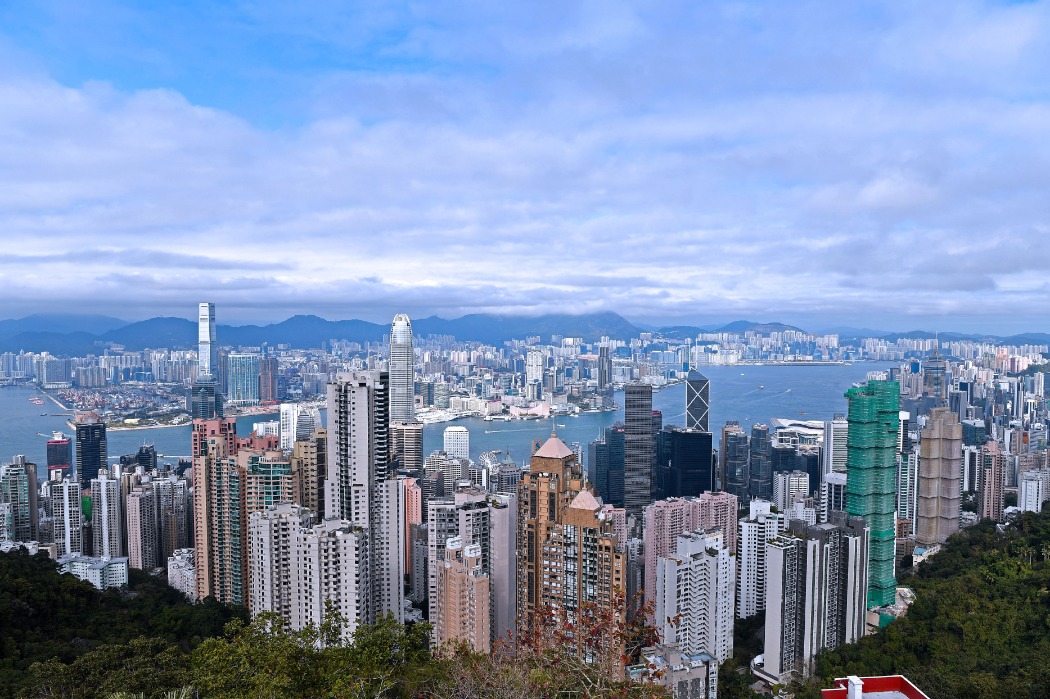
    Hong Kong’s position as a premier international legal services center has received a substantial boost with the upcoming establishment of the International Institute for the Unification of Private Law (UNIDROIT) Asia-Pacific Liaison Office. Justice Secretary Paul Lam announced that this landmark development represents a significant vote of confidence in Hong Kong’s global standing and legal capabilities.

    The UNIDROIT office, scheduled to open in the second half of 2026, marks a historic milestone as the organization’s first regional presence outside its Rome headquarters in its century-long history. This expansion places Hong Kong alongside only a select few cities worldwide that host multiple international legal institutions.

    Hong Kong’s legal infrastructure already includes the Hague Conference on Private International Law Regional Office for Asia and the Pacific, the Department of Justice Project Office for Collaboration with United Nations Commission on International Trade Law, and the headquarters of the International Organization for Mediation. This concentration of legal entities creates a unique ecosystem for international dispute resolution and legal cooperation.

    Secretary Lam emphasized the symbolic importance of international organizations choosing Hong Kong for their regional presence, noting that each new institution represents a tangible expression of global confidence in the city’s legal framework and international connectivity. He anticipates a snowball effect where Hong Kong’s enhanced reputation will attract more legal professionals, international activities, and dispute resolution cases to the city.

    The strategic placement of these organizations strengthens Hong Kong’s role in shaping regional legal standards and practices while providing Asian jurisdictions with enhanced access to international legal resources. This development aligns with Hong Kong’s ongoing transformation into a comprehensive international legal services hub capable of handling complex cross-border matters and contributing to the evolution of global legal frameworks.
  • Zelensky hails ‘new ideas’ on peace after talks with US envoys

    Zelensky hails ‘new ideas’ on peace after talks with US envoys

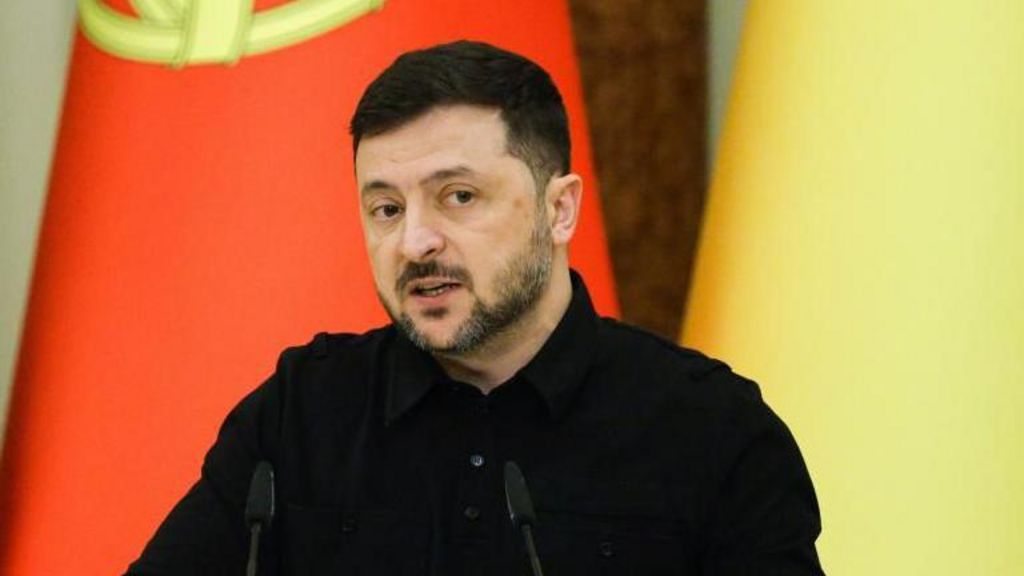
    Ukrainian President Volodymyr Zelensky has expressed optimism following substantive diplomatic discussions with U.S. representatives regarding potential pathways to resolve the ongoing conflict with Russia. The nearly hour-long conversation on Thursday with American envoys Steve Witkoff and Jared Kushner yielded what Zelensky described as “novel concepts concerning negotiation frameworks, prospective meetings, and temporal considerations for advancing genuine peace prospects.

    This diplomatic engagement occurred shortly after the revelation of an updated 20-point peace blueprint, collaboratively developed by American and Ukrainian negotiators during recent talks in Florida. While acknowledging persistent challenges in addressing delicate matters, Zelensky emphasized productive alignment with the American delegation regarding implementation strategies.

    The revised peace proposal represents an evolution from earlier drafts formulated between Witkoff and Russian officials, which had faced criticism for perceived excessive concessions to Moscow. According to Zelensky’s Wednesday elaboration, the current iteration contemplates potential Ukrainian military withdrawal from eastern territories, establishing demilitarized zones in vacated areas. Crucially, the plan incorporates security assurances from the United States, NATO, and European nations mandating coordinated military response should Russia launch future aggression against Ukraine.

    Regarding the contentious Donbas region, Zelensky suggested a “free economic zone” as a potential resolution mechanism, while maintaining that any areas vacated by Ukrainian forces would remain under Ukrainian law enforcement jurisdiction.

    Concurrently, Kremlin spokesperson Dmitry Peskov confirmed Moscow’s analytical examination of proposals conveyed by Russian envoy Kirill Dmitriev following his American consultations. Peskov indicated that subsequent diplomatic engagement with American counterparts would be determined by President Vladimir Putin’s assessment of these materials.

    Amid these diplomatic developments, military operations persist unabated. Ukrainian forces reportedly struck the strategically significant Novoshakhtinsk oil refinery in Russia’s Rostov region using cruise missiles on Thursday. This facility plays crucial logistical role in fueling Russian military operations in occupied eastern Ukrainian territories. Meanwhile, Russia’s defense ministry announced its seizure of Sviato-Pokrovske settlement in the Donetsk region, underscoring the continuing territorial contestation.

  • Israel’s Katz doubles down on support of settlements in Gaza

    Israel’s Katz doubles down on support of settlements in Gaza

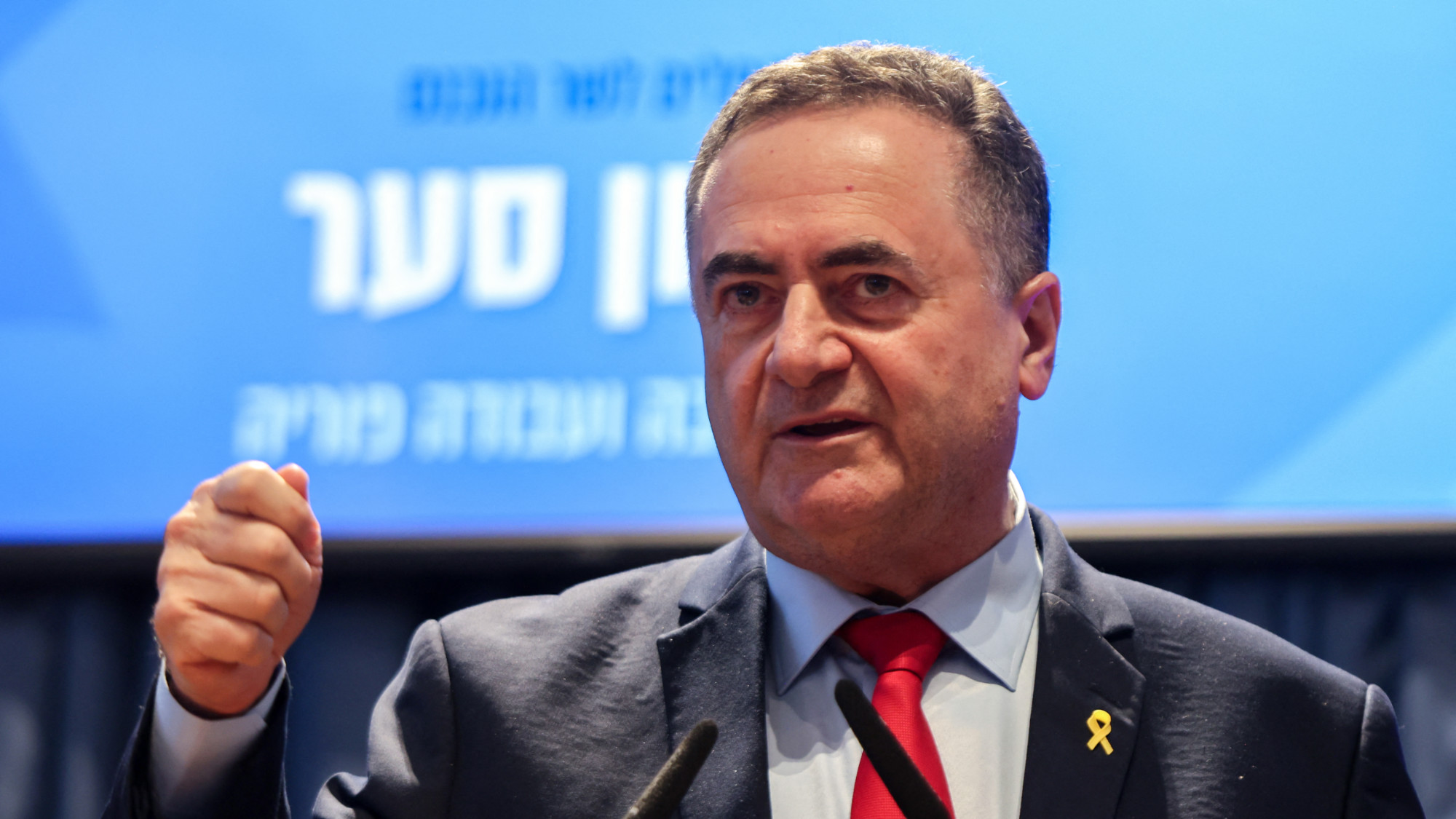
    Israeli Defense Minister Israel Katz has reaffirmed his controversial stance advocating for the establishment of Israeli settlements within the Gaza Strip, despite international law explicitly prohibiting such actions in occupied Palestinian territories. Speaking at a conference on Thursday, Katz articulated his vision for the Nahal military unit to construct outposts that would eventually transition into officially recognized settlements, asserting this would occur “in due time.

    This declaration follows Katz’s earlier remarks this week proposing “Nahal” settlements in northern Gaza, which prompted immediate backtracking from his office amid concerns about straining relations with the United States. However, Katz has since dismissed suggestions of retracting his statements, instead doubling down on his position during his latest public appearance.

    The minister further elaborated on Israel’s long-term security strategy, stating the nation “will never fully withdraw” from Gaza. He outlined plans for maintaining “a significant security area inside the Strip” even in potential ceasefire scenarios involving Hamas disarmament. Drawing parallels to ongoing Israeli military presence in Lebanon, Syria, and the West Bank, Katz emphasized Israel’s autonomous security decisions, stating: “We don’t trust anyone, and no one will come and tell us – there will be no agreement.”

    Katz’s proposals have garnered support from far-right settler organizations, including the Nachala Settlement Movement and the Yesha Council. The latter framed potential settlements as retribution for the October 7 attacks, stating they would demonstrate that “for the massacre of 7 October [2023], he is paying with land and in perpetuity.” Nachala claims over 1,000 families stand ready to settle in Gaza immediately.

    This stance directly contradicts the ceasefire proposal put forward by US President Donald Trump, which envisions near-total Israeli withdrawal from Gaza. Israel previously maintained 21 settlements in Gaza before disengaging from the territory in 2005, while approximately 700,000 settlers currently reside in around 250 illegal settlements across the West Bank and East Jerusalem.

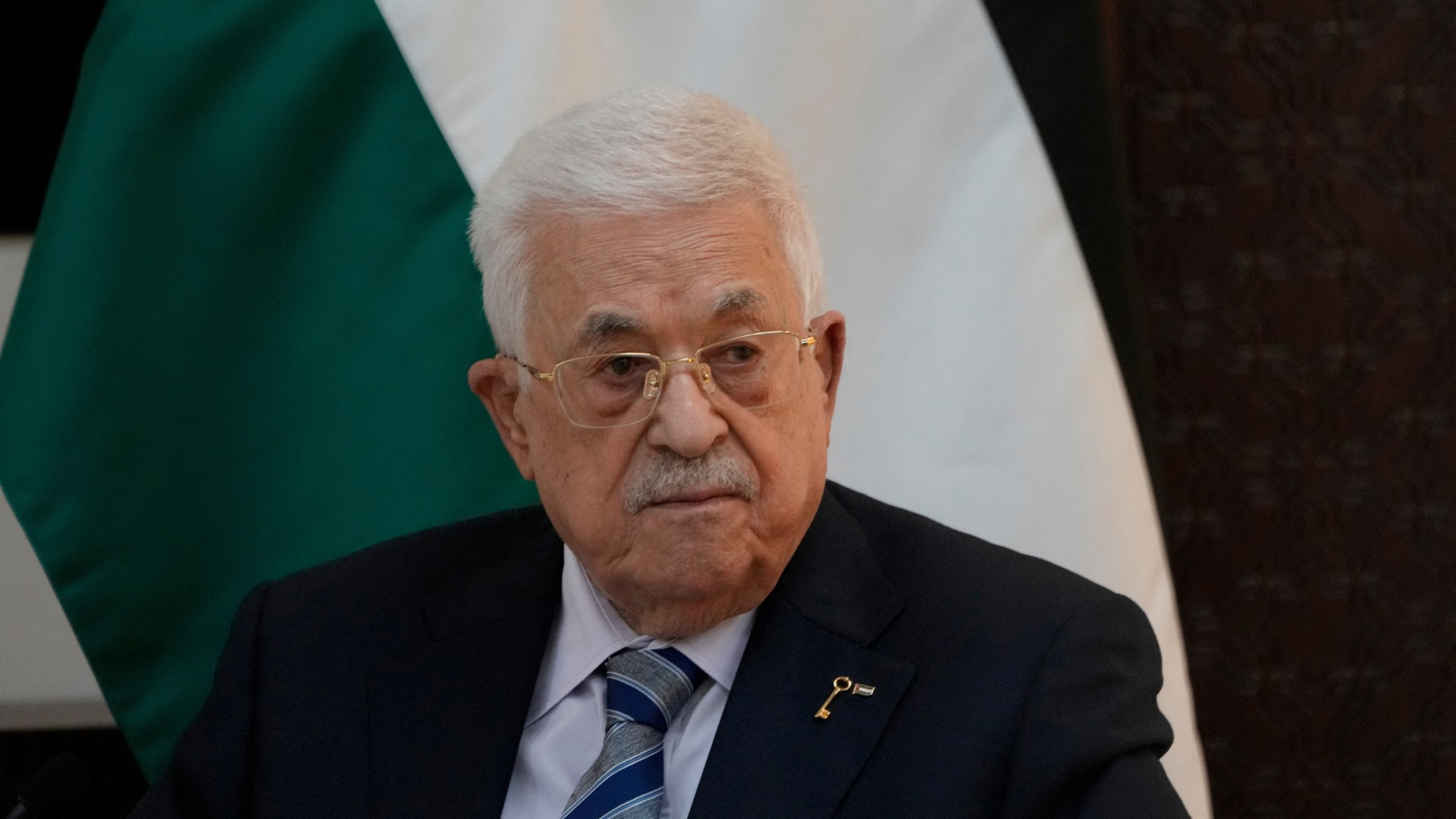
  • PA accused of failing Palestinians at a time of genocide

    PA accused of failing Palestinians at a time of genocide

    A prominent Palestinian civil society organization has issued a stark warning that recent administrative and political decrees by the Palestinian Authority (PA) are exacerbating internal fractures during a period of profound national crisis. The Palestinian National Popular Action Forum, in a December 23rd declaration, stated it is observing these developments against the backdrop of what it characterizes as genocide and systematic starvation in Gaza, coupled with accelerated settlement expansion and settler violence in the West Bank.

    The Forum specifically highlighted Israel’s advancement of plans for 19 new settlements and the forced displacement of northern refugee camps. It interprets these actions as components of a broader strategy to dismantle the United Nations Relief and Works Agency (UNRWA) and ultimately nullify the Palestinian refugee issue.

    The group’s statement expressed deep concern that, amidst these existential threats, the official leadership is enacting measures under external pressure that starkly contravene popular will and lack national consensus. A primary point of contention is the PA’s suspension of financial allocations to families of those killed, injured, or imprisoned by Israeli forces. The Forum asserts these payments constitute a fundamental national and moral duty enshrined in Palestinian law, not discretionary aid.

    Further condemnation was directed at the transfer of responsibility for these payments to the government-affiliated Tamkeen Foundation, a move described as a blatant denial of rights. The Forum criticized the Foundation’s administrators for allegedly re-categorizing these families as mere ‘social cases’ rather than acknowledging their entitled national status.

    Additional criticism targeted a new decree-law governing upcoming local elections, which the Forum argues effectively disenfranchises significant segments of Palestinian society. Provisions mandating that candidates declare alignment with the leadership’s commitments—including recognition of Israel and adherence to the Oslo Accords—were condemned as an assault on freedom of opinion and belief.

    The statement also denounced plans to form a new Palestinian National Council through appointment instead of election, alongside alleged compliance with demands to remove national content from school curricula. The Forum warned such changes risk eroding Palestinian historical narrative, identity, and collective memory.

    In response, the Forum pledged to mobilize efforts to reverse these policies. It issued a series of demands, including the reinstatement of payments to affected families, the abolition of the Tamkeen Foundation, a boycott of local elections under the current framework, and the defense of national educational content. It also renewed calls to rebuild the Palestine Liberation Organization (PLO) on a democratic basis through comprehensive elections involving Palestinians both in the occupied territories and across the diaspora, vowing to continue the struggle for liberation and the full realization of national rights.

  • China firmly opposes US additional tariff on semiconductors from China

    China firmly opposes US additional tariff on semiconductors from China

    BEIJING – China has issued a firm diplomatic protest against the United States’ decision to impose additional tariffs on Chinese semiconductor products, denouncing the move as unjustified and contrary to international trade norms.

    The Ministry of Commerce spokesperson He Yongqian stated on Thursday that China categorically rejects the findings of the US Section 301 investigation into China’s semiconductor policies. The strong response comes after the Office of the United States Trade Representative published investigation results outlining planned tariff measures against Chinese semiconductors.

    According to the US plan, the tariffs will commence with a zero percent initial rate before escalating to a yet-to-be-determined higher level within an 18-month timeframe. The final tariff rate is scheduled to be announced at least 30 days prior to June 23, 2027.

    China has formally expressed its objections through established bilateral consultation channels, utilizing the China-US economic and trade consultation mechanism to lodge stern representations with American officials. The Chinese government maintains that the proposed tariffs represent an unfair trade practice that could disrupt global semiconductor supply chains and undermine international economic cooperation.

    The escalating trade measures occur against the backdrop of ongoing technological competition between the world’s two largest economies. Semiconductor chips have become a focal point in this technological rivalry, with both nations implementing policies to strengthen their domestic capabilities in this critical industry.

    Chinese officials emphasized their commitment to protecting the legitimate rights and interests of Chinese enterprises while calling for constructive dialogue to resolve trade differences. The ministry spokesperson reiterated China’s position supporting multilateral trade rules and opposing unilateral protectionist measures that could destabilize global markets.

  • Algeria declares French colonisation a crime and demands reparations

    Algeria declares French colonisation a crime and demands reparations

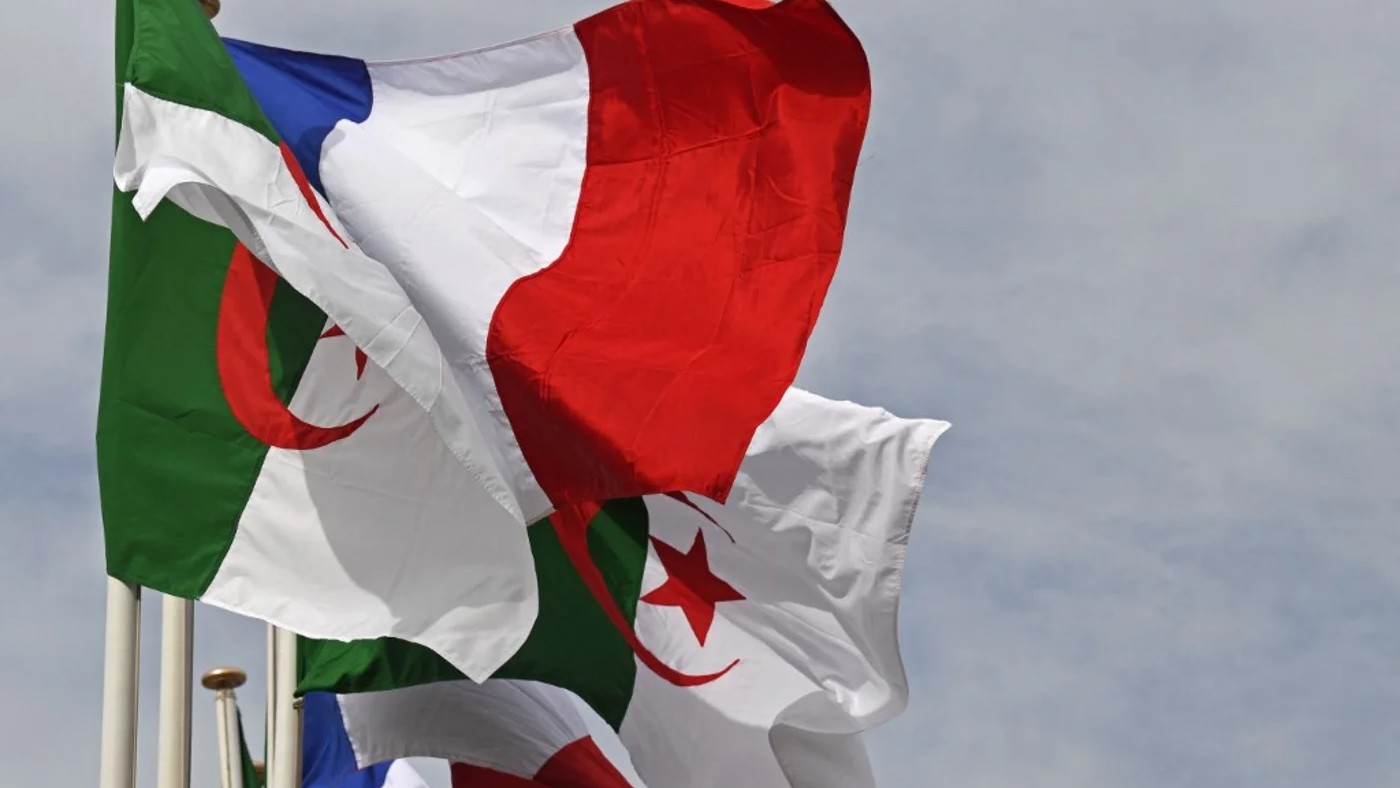
    In a historic parliamentary move, Algeria has unanimously enacted groundbreaking legislation that formally classifies France’s colonial occupation as a criminal act. The new law mandates an official apology and comprehensive reparations from France for its 132-year colonial rule, which resulted in approximately 1.5 million Algerian deaths during the independence struggle from 1954 to 1962.

    The comprehensive legislation establishes France’s legal responsibility for colonial-era atrocities and asserts Algeria’s incontestable right to full compensation. The law additionally criminalizes any glorification of French colonial practices, marking a significant step in Algeria’s national reckoning with its traumatic past.

    The parliamentary session culminated in emotional celebrations as lawmakers, draped in national colors, chanted ‘long live Algeria’ following the vote. The legislation specifically references the systemic violence, mass killings, torture, deportations, and second-class status imposed on native Algerian Muslims during French occupation that began in 1830.

    This legislative action occurs amidst growing global demands for former colonial powers to address historical injustices through artifact repatriation and reparations. Algeria has specifically demanded the return of the 16th-century bronze cannon Baba Merzoug, taken by French forces in 1830 and currently located in Brest, France.

    The political context remains complex, with French President Emmanuel Macron having previously characterized colonization as a ‘crime against humanity’ while stopping short of offering a formal apology. Meanwhile, far-right factions in France, including Marine Le Pen’s National Rally, continue to resist acknowledging colonial atrocities, with some members openly defending colonial practices.

    Algeria recently hosted a conference of African states to advance reparations claims, with Foreign Minister Ahmed Attaf emphasizing that restitution should constitute neither ‘a gift nor a favor.’ Historical experts note the persistence of colonial-era mentalities, with historian Benjamin Stora describing France’s current ‘obsession with Algeria’ as summoning a ‘colonial unconscious’ that continues to affect bilateral relations.

  • Russian court sentences pro-war activist and Putin critic to 6 years in prison

    Russian court sentences pro-war activist and Putin critic to 6 years in prison

    A Moscow court has sentenced prominent Russian opposition figure Sergei Udaltsov to six years imprisonment in a maximum-security penal colony after convicting him of terrorism justification offenses. The verdict delivered on Thursday marks the latest development in Russia’s intensified crackdown on dissent since the commencement of its military operations in Ukraine.

    Udaltsov, who leads the Left Front movement aligned with Communist Party factions opposing President Vladimir Putin, was arrested last year following an online article expressing support for activists previously convicted on terrorism organization charges. The independent news outlet Mediazona reported that Udaltsov vehemently denied the allegations during proceedings, labeling them as politically motivated fabrications. Following the verdict announcement, the activist declared his intention to initiate a hunger strike while denouncing the judgment as “shameful.

    This prosecution continues Udaltsov’s lengthy history of governmental opposition. He emerged as a significant figure during the 2011-2012 mass protests against alleged electoral fraud in parliamentary elections. His political activism previously resulted in a 4.5-year imprisonment in 2014 for organizing demonstrations against Putin’s administration, with subsequent release in 2017.

    The current sentencing occurs within Russia’s broader suppression of civil liberties that has targeted independent media, religious organizations, LGBTQ+ advocates, and civil society groups. Numerous individuals have faced imprisonment while thousands have elected to flee the country amid escalating political repression.

  • Brazil ex-President Jair Bolsonaro’s surgery for hernia ‘successful’

    Brazil ex-President Jair Bolsonaro’s surgery for hernia ‘successful’

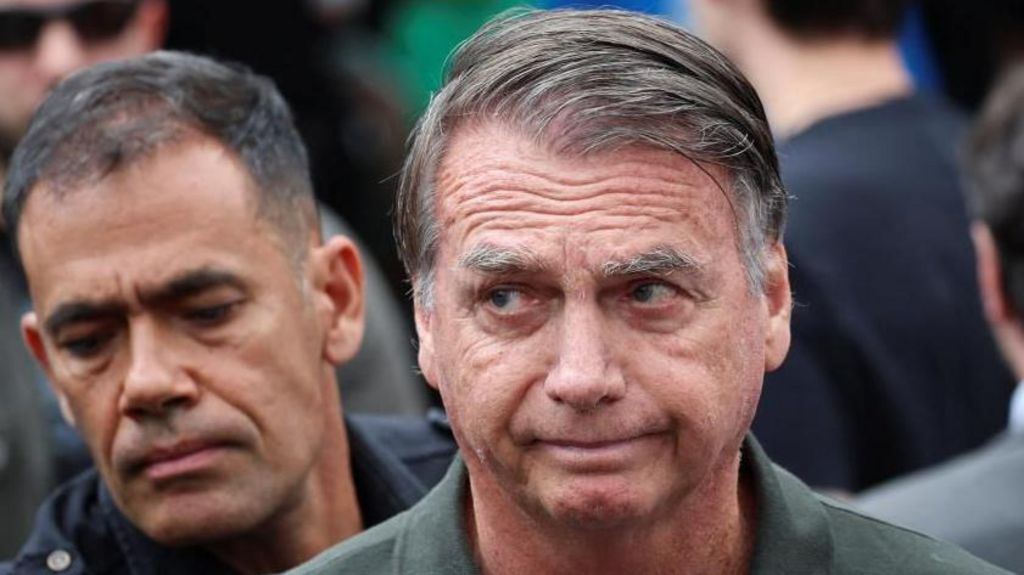
    Former Brazilian President Jair Bolsonaro has successfully undergone double hernia surgery while serving a 27-year prison sentence for coup-plotting convictions. The 70-year-old leader was temporarily transferred from his federal police headquarters detention facility to a Brasília hospital under authorization from Brazil’s Supreme Court.

    From his hospital bed, Bolsonaro issued a significant political endorsement through a handwritten letter read aloud by his eldest son, Flávio Bolsonaro. The document formally backs the 44-year-old senator’s presidential bid for the 2026 election under the Liberal Party banner. “I hand over what is most important in the life of a father – my own son for the mission of rescuing our country, Brazil,” the former president wrote, describing his personal sacrifices for the nation.

    The endorsement solidifies the continuation of Bolsonaro’s political movement despite his incarceration. Flávio Bolsonaro had previously announced his presidential ambitions earlier this month, but the handwritten confirmation provides official legitimacy to his campaign.

    This development sets the stage for a potential electoral rematch, as incumbent President Luiz Inácio Lula da Silva has already declared his intention to seek reelection. The 2022 presidential contest culminated in a narrow victory for Lula that Bolsonaro refused to acknowledge, leading to the January 8, 2023 storming of government buildings by his supporters and subsequent convictions for attempting to subvert democratic processes.

    Despite his imprisonment, Bolsonaro maintains considerable political influence. Last week, Brazil’s Congress passed legislation that would substantially reduce his sentence, though President Lula has vowed to exercise his veto power against the measure. Medical professionals will determine when the former president can be returned to federal custody following his surgical recovery.

  • Japan’s offensive space policy is extremely dangerous: spokesman

    Japan’s offensive space policy is extremely dangerous: spokesman

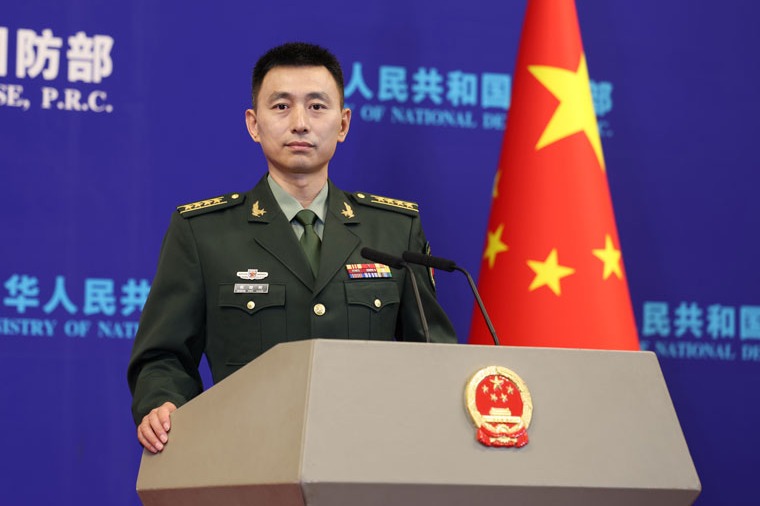
    China’s Ministry of National Defense has issued a stern warning regarding Japan’s accelerated development of satellite-jamming capabilities, characterizing these advancements as a dangerous escalation in space weaponization. Defense Spokesperson Zhang Xiaogang addressed these concerns during a Thursday press briefing in Beijing, responding directly to Japan’s claimed technological breakthroughs in systems capable of disrupting other nations’ orbital assets.

    The spokesperson emphasized that Japan’s aggressive space policy is triggering alarm bells within the international community, particularly given the nation’s historical precedent for surprise military attacks. Zhang specifically referenced growing apprehensions about a potential ‘Pearl Harbor scenario’ unfolding in the space domain, drawing parallels between current developments and Japan’s past military actions.

    Zhang underscored the critical importance of maintaining space as a peaceful domain, noting that lasting security in orbit is fundamental to global stability and prosperity for all nations. The Chinese military official expressed particular concern that Japan’s unrestrained pursuit of counter-space capabilities is not only accelerating the militarization of space but also potentially fueling a dangerous arms race beyond Earth’s atmosphere.

    The statement comes amid increasing international scrutiny of space warfare capabilities and follows Japan’s recent announcements regarding substantive progress in satellite disruption technologies. Chinese defense officials characterize these developments as extremely dangerous and contrary to global consensus on maintaining space as a weapons-free environment.

  • How UN sanctions reshaped life for Iranians – press review

    How UN sanctions reshaped life for Iranians – press review

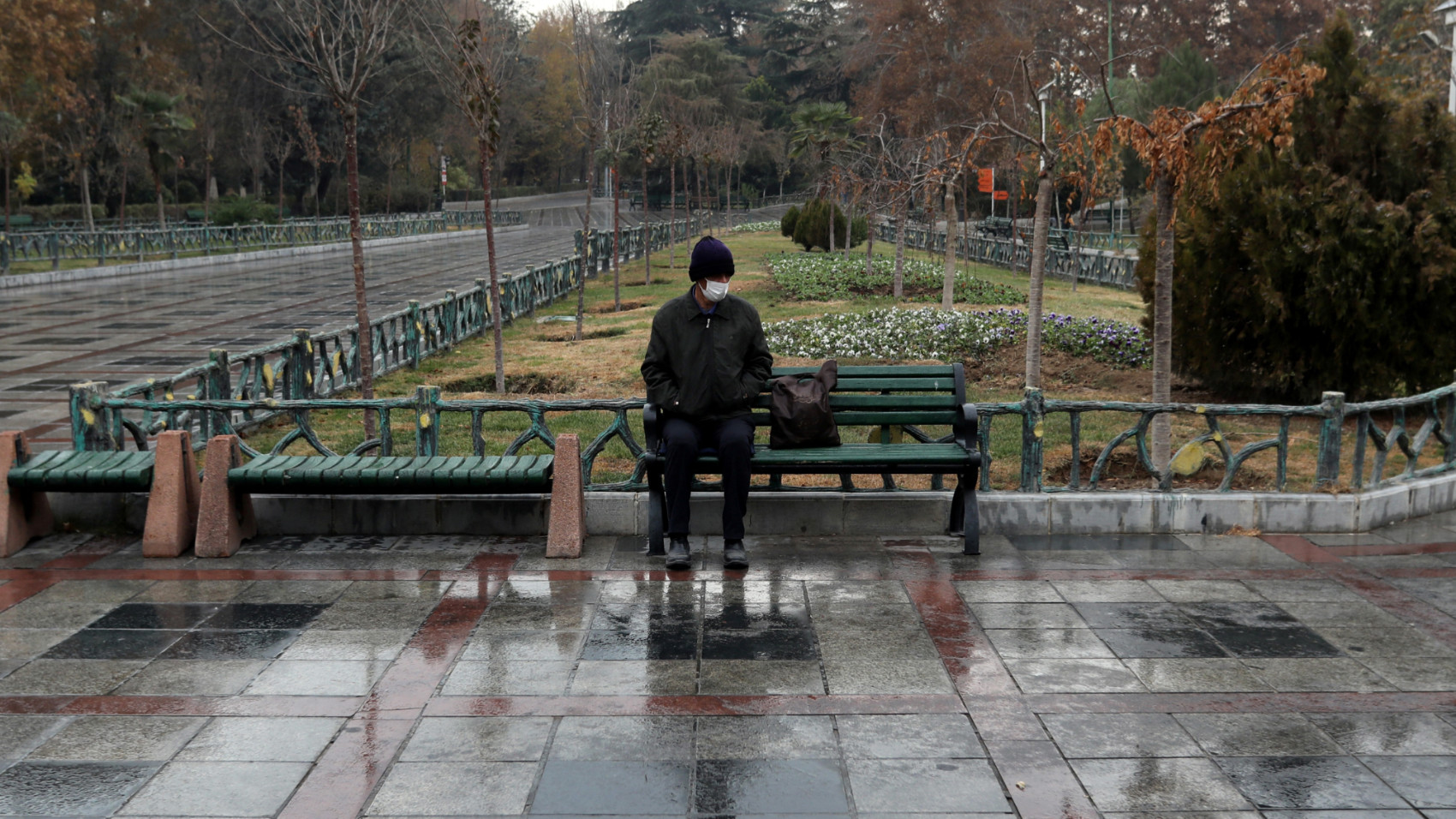
    Two decades of international sanctions have fundamentally reshaped Iran’s socioeconomic landscape while driving strategic military realignments and technological investments, according to recent analyses from Iranian media outlets.

    The economic toll of sustained sanctions has been devastating, with Ham Mihan daily documenting a dramatic rise in poverty from 9 million to 25.5 million people between 2006-2021. Concurrently, marginalized settlements expanded to accommodate over 14 million residents. Report author Farzaneh Tehrani notes that purchasing power has severely deteriorated, with meat and dairy disappearing from low-income diets and school dropout rates increasing significantly.

    Tehrani emphasizes the profound societal transformation: “The Iran of 2025 is not the Iran of 2006. People have endured approximately 50% inflation, with millions descending below poverty thresholds. Housing costs have escalated while living spaces have diminished, forcing migration to cheaper cities and peripheries. Families now allocate larger income portions to food yet consume less nutritionally.”

    This economic pressure coincides with strategic military developments. Following Iranian Foreign Minister Abbas Araghchi’s visit to Belarus, state media confirmed expanded military cooperation between the two Russian-aligned nations. While specifics remain undisclosed, unofficial reports suggest Belarus seeks Iranian technology for producing low-cost Shahed military drones.

    Concurrently, Iran has restructured its air defense command following criticism of its performance during June’s 12-day conflict with Israel and the US. The appointment of Brigadier General Alireza Elhami to lead both the Khatam al-Anbiya Joint Air Defence Headquarters and Army Air Defence Force signals efforts to unify command structures. Journalist Jafar Yousefi, close to conservative circles, describes this as prioritizing “unity of command during crises” amid potential upgrades involving Chinese and Russian technical cooperation.

    Parallel to military adjustments, Iran inaugurated its first national artificial intelligence center at Shahid Beheshti University. Named after assassinated nuclear scientist Amir Hossein Feqhhi, the Shahid Feqhhi Centre for Artificial Intelligence and Data Science potentially signals Tehran’s intent to integrate AI into its nuclear program. Officials announced plans for five additional specialized AI centers within universities nationwide, creating an integrated research network addressing the country’s practical needs.