分类: politics

  • Central African Republic’s incumbent president, a Russian ally, eyes a third term in key elections

    Central African Republic’s incumbent president, a Russian ally, eyes a third term in key elections

    BANGUI, Central African Republic — Citizens participated in nationwide elections on Sunday to select their next president and parliamentary representatives, with incumbent leader Faustin Archange Touadéra widely anticipated to secure an unprecedented third term. The electoral process, which combined presidential, legislative, regional, and municipal ballots, represented the most extensive voting initiative in the country’s recent history.

    Approximately 2.4 million registered voters participated in the election, which proceeded relatively smoothly despite initial delays at certain polling stations. Voting concluded at 7 p.m. local time, immediately followed by ballot counting procedures. Electoral authorities have not yet released official voter turnout figures.

    President Touadéra, considered Russia’s closest African ally, faced competition from six opposition candidates, including former prime ministers Anicet-Georges Dologuélé and Henri-Marie Dondra. Notably absent was the main opposition coalition, the Republican Bloc for the Defense of the Constitution, which announced an election boycott in October citing an uneven political landscape.

    Analysts project Touadéra’s likely victory would significantly strengthen Russia’s security and economic interests in the mineral-rich nation. This election occurs amidst growing international scrutiny regarding Russia’s military involvement in Africa, particularly the transition from the Wagner mercenary group to the officially sanctioned Africa Corps.

    The Central African Republic has experienced prolonged instability since 2013, when Muslim rebels overthrew then-President François Bozizé. Although a 2019 peace agreement temporarily reduced violence, several armed groups have since resumed hostilities. Touadéra’s campaign emphasized his administration’s efforts to establish peace, stability, and economic recovery for the nation’s 5.5 million citizens.

    International peacekeeping forces, including the United Nations MINUSCA mission with approximately 17,000 personnel, provided crucial security support during the electoral process. However, logistical challenges persisted due to the country’s difficult terrain featuring dense forests, inadequate road infrastructure, and remote communities.

    Provisional results are expected within one week, with potential runoff elections scheduled if no presidential candidate achieves more than 50% of the vote.
  • Guineans vote in first election since 2021 coup with junta leader likely to win

    Guineans vote in first election since 2021 coup with junta leader likely to win

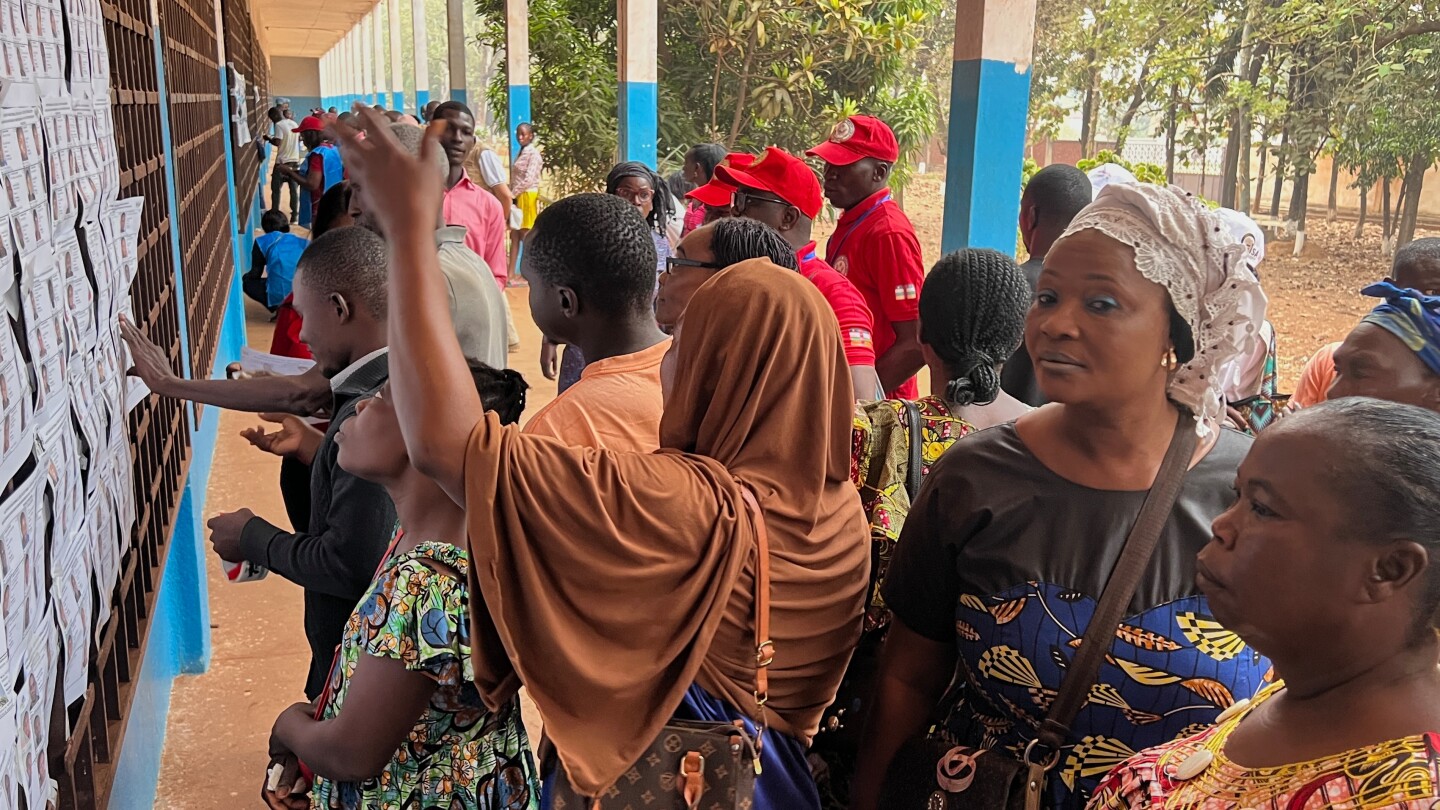
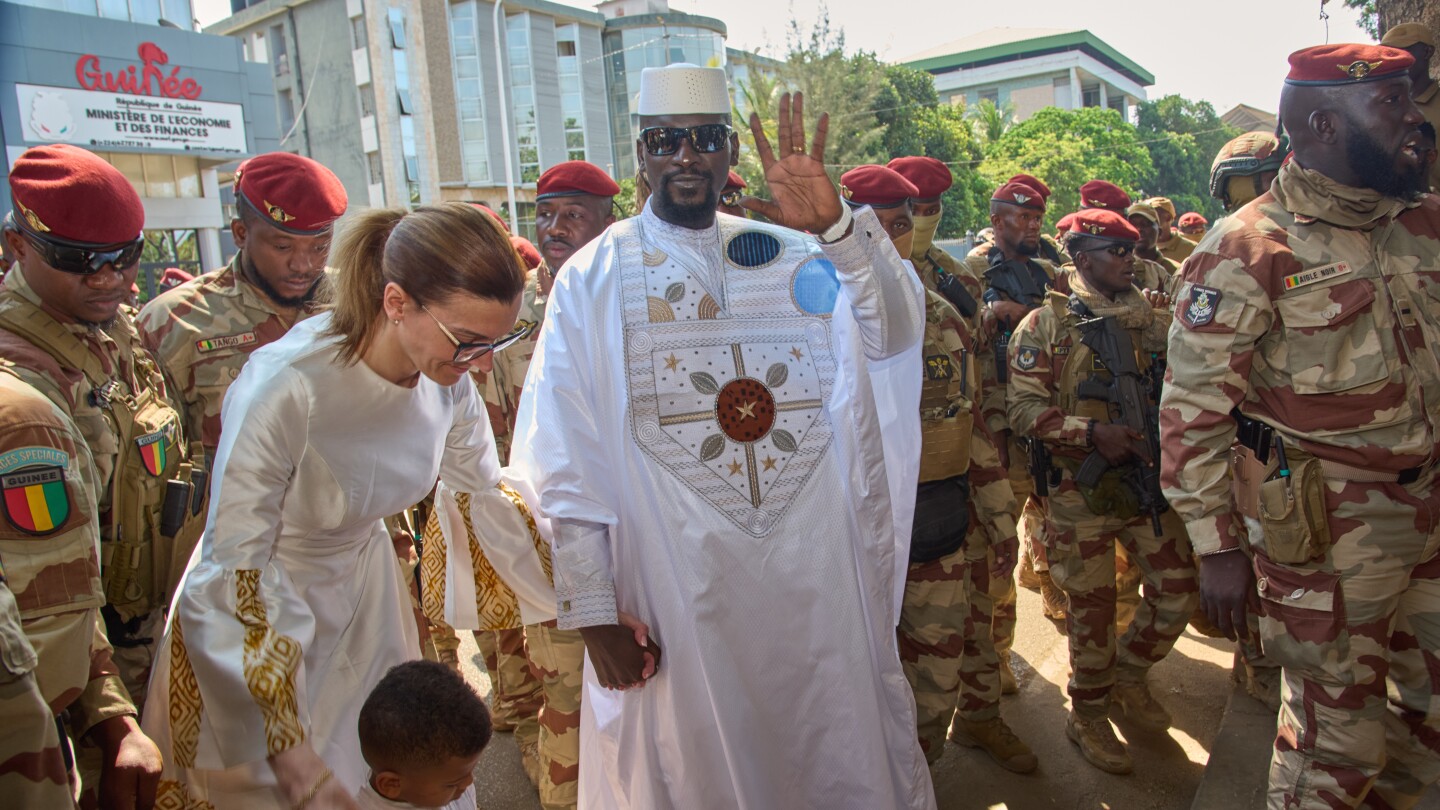
    CONAKRY, Guinea — Guinea concluded its first presidential election since the 2021 military coup on Sunday, with junta leader General Mamadi Doumbouya emerging as the clear frontrunner against a fractured opposition field. The landmark vote marks the culmination of a four-year transitional period initiated after Doumbouya deposed President Alpha Condé.

    The electoral process unfolded under a revised constitutional framework that eliminated prohibitions on military leaders seeking office and extended presidential terms from five to seven years. This constitutional overhaul, approved via referendum last September despite opposition calls for boycott, fundamentally reshaped Guinea’s political landscape.

    Political analysts attribute Doumbouya’s advantageous position to systematic suppression of dissent that has characterized his transitional government. Critics document widespread silencing of civil society voices, abductions of government opponents, and press censorship. The political environment further contracted last year when authorities dissolved over 50 political parties in what they termed a ‘cleansing of the political chessboard.’

    Voter participation appeared subdued nationwide, partially influenced by boycott appeals from excluded opposition groups. Despite Guinea’s status as the world’s leading bauxite exporter, the nation confronts severe economic challenges with over half of its 15 million citizens experiencing record poverty and food insecurity according to World Food Program data.

    The electoral field featured nine candidates, with Doumbouya’s most credible challenger being relatively obscure former education minister Yero Baldé. Prominent opposition figures either faced exclusion on technical grounds or have been driven into exile. Security measures intensified significantly with nearly 12,000 security personnel deployed nationwide following reports of armed groups with ‘subversive intentions’ being neutralized in Conakry.

    While Doumbouya’s campaign emphasized infrastructure development and reforms initiated during his tenure—particularly the massive Chinese-backed Simandou iron ore project—opposition candidates focused on governance reforms and anti-corruption measures. The election represents the latest political development in West Africa’s expanding pattern of military interventions, where at least ten nations have experienced coups in recent years.

    Initial results are anticipated within 48 hours, with a runoff election required if no candidate secures an outright majority.

  • Preliminary results show Prime Minister Kurti’s party won Kosovo snap vote convincingly

    Preliminary results show Prime Minister Kurti’s party won Kosovo snap vote convincingly

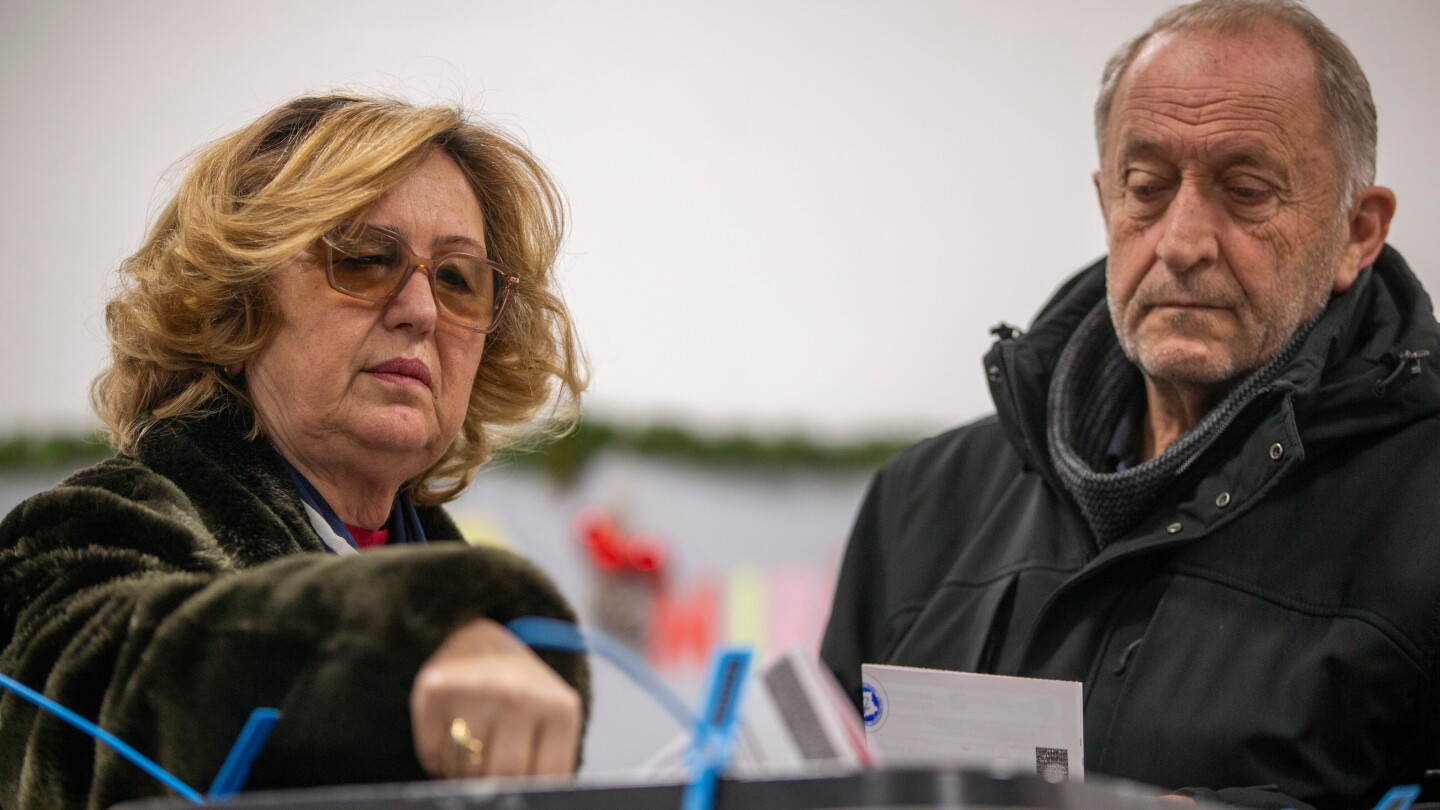
    PRISTINA, Kosovo – Prime Minister Albin Kurti’s political party has achieved a resounding victory in Kosovo’s snap parliamentary elections, positioning the incumbent leader for another term governing the Balkan nation. Preliminary results released by state election authorities indicate Kurti’s Vetevendosje (Self-Determination) party secured approximately 50% of the vote, dramatically outperforming rival parties.

    The Democratic Party of Kosovo trailed distantly with 21% support, while the Democratic League of Kosovo garnered nearly 14% of ballots counted. Celebrations erupted outside party headquarters in Pristina as supporters chanted Kurti’s name following the announcement.

    This electoral contest emerged from prolonged political gridlock after Kurti’s party, despite winning the February 9 election, failed to establish a governing coalition. The deadlock marked an unprecedented constitutional crisis in Kosovo’s young democracy, which declared independence from Serbia in 2008 following the 1998-99 conflict that concluded with NATO intervention.

    Kurti immediately addressed the nation, stating: “Congratulations on the biggest victory in the history of the country. We don’t have time to lose and must move forward together as quickly as possible.” The Prime Minister emphasized that parliamentary formation and government establishment would proceed without delay.

    Critical challenges await the new administration, including approval of the national budget for the coming year and election of a new president before incumbent Vjosa Osmani’s mandate expires in April. Voter participation registered at approximately 44% among Kosovo’s 1.9 million eligible voters.

    The political landscape remains complex, with 20 parliamentary seats automatically allocated to ethnic Serb representatives and minority parties under Kosovo’s election laws. Kurti’s administration has faced criticism from opposition parties accusing him of authoritarian tendencies and damaging relationships with key international allies including the United States and European Union.

    The 50-year-old leader, a former political prisoner during Serbian rule, has maintained a firm stance in EU-mediated normalization talks with Belgrade, resulting in punitive measures from Western partners. Recent tensions with ethnic Serbs in northern regions culminated in violent clashes in 2023 that injured numerous NATO peacekeepers, though more recent municipal transitions occurred peacefully.

    Kurti’s government has also agreed to accept third-country migrants deported from the United States under Trump-era immigration policies, with one individual having arrived thus far. Kosovo continues to grapple with one of Europe’s weakest economies while pursuing EU membership alongside other Western Balkan nations, contingent upon normalized relations with Serbia.

  • Zelenskyy to meet with Trump as efforts to end Russia-Ukraine war remain elusive

    Zelenskyy to meet with Trump as efforts to end Russia-Ukraine war remain elusive

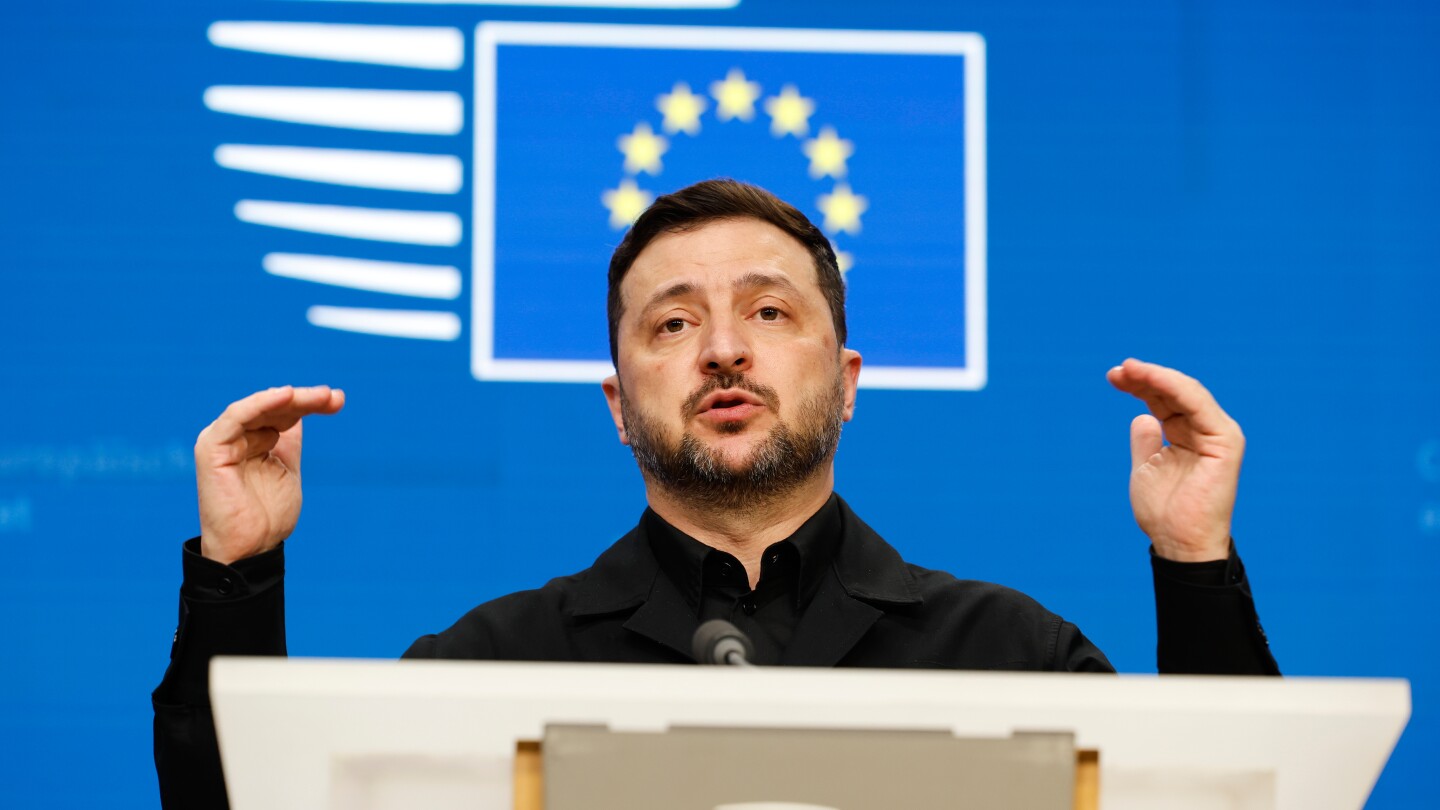
    WEST PALM BEACH, Florida — In a high-stakes diplomatic engagement, President Donald Trump is scheduled to host Ukrainian President Volodymyr Zelenskyy at his Mar-a-Lago estate this Sunday. The summit represents a critical juncture in nearly four years of conflict stemming from Russia’s invasion of Ukraine, with both leaders aiming to solidify a peace agreement amid escalating tensions.

    The meeting occurs against a backdrop of intensified Russian aggression, as Moscow has recently amplified missile and drone assaults on Kyiv. Zelenskyy emphasized Ukraine’s commitment to peaceful resolution while acknowledging the challenges, stating on social media platform X: ‘We want peace, and Russia demonstrates a desire to continue the war.’

    Key negotiation points include security guarantees resembling NATO protections, territorial disputes in the Donbas region, and economic support for Ukraine’s reconstruction. The United States has reportedly agreed to provide security assurances similar to those extended to NATO members, while Zelenskyy has indicated willingness to reconsider Ukraine’s NATO membership bid in exchange for equivalent protections.

    Diplomatic efforts have accelerated significantly in recent weeks, with U.S. negotiators making substantial progress on a 20-point draft agreement that Zelenskyy described as ‘approximately 90% complete’ following earlier discussions in Berlin. The Ukrainian leader also conferred with U.S. Special Envoy Steve Witkoff and Jared Kushner on Christmas Day, noting that while sensitive issues remain unresolved, the coming weeks would involve intensive negotiations.

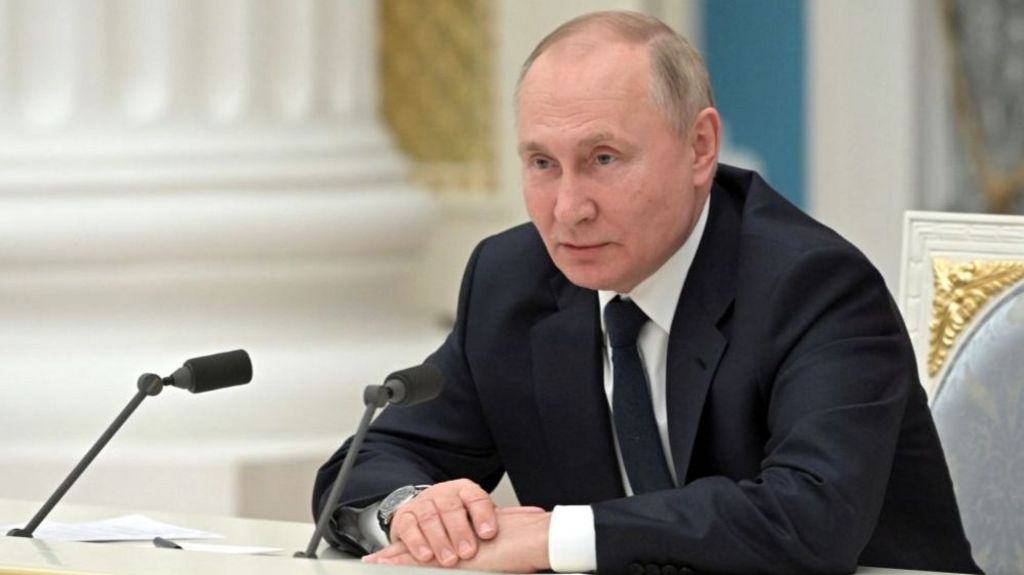
    Despite diplomatic advancements, fundamental disagreements persist regarding territorial concessions. Russian President Vladimir Putin demands international recognition of captured territories—including four key regions and the illegally annexed Crimean Peninsula—as Russian territory. Additionally, Moscow insists on Ukraine abandoning NATO aspirations, limiting military capacity, and granting official status to the Russian language.

    The Trump administration has demonstrated some receptiveness to Russian demands, suggesting that territorial concessions in Donbas combined with economic incentives might persuade Moscow to end hostilities. This approach contrasts with Zelenskyy’s position, which emphasizes the necessity of strong Western support and continued pressure on Russia to achieve what he terms a ‘just and lasting peace.’

    International support for Ukraine continues to strengthen, with Canadian Prime Minister Mark Carney announcing an additional $2.5 billion Canadian (US$1.8 billion) in economic assistance during meetings with Zelenskyy. Carney condemned Russia’s ‘barbarism’ while crediting both Zelenskyy and Trump for creating conditions conducive to peace negotiations.

    As preparations for the summit finalize, outstanding issues include the status of the Zaporizhzhia nuclear facility, post-war recovery funding, and technical details regarding security guarantees and monitoring mechanisms. Ukraine has communicated its positions to U.S. officials, who are expected to relay these to Russian counterparts in the continuing diplomatic dialogue.

  • Rich and voiceless: How Putin has kept Russia’s billionaires on side in the war

    Rich and voiceless: How Putin has kept Russia’s billionaires on side in the war

    Under Vladimir Putin’s quarter-century reign, Russia’s billionaire class has undergone a radical transformation from politically influential oligarchs to compliant beneficiaries of the Kremlin’s war economy. Despite Western sanctions intended to pressure Russia’s elite, the number of billionaires has reached an unprecedented 140 with a collective wealth of $580 billion—just $3 billion shy of pre-invasion records.

    The dramatic shift in power dynamics became starkly evident on February 24, 2022, when Putin summoned business leaders to the Kremlin hours after ordering the full-scale invasion of Ukraine. Attendees appeared “pale and sleep-deprived,” according to witnesses, yet offered no meaningful resistance despite anticipating severe financial consequences.

    This compliance stems from Putin’s sophisticated carrot-and-stick approach. Those who publicly oppose the regime face devastating repercussions, as exemplified by banking magnate Oleg Tinkov. After criticizing the war as “crazy” on Instagram, Tinkov was forced to sell his Tinkoff Bank for merely 3% of its actual value to a Kremlin-linked entity, losing approximately $9 billion before exiting Russia.

    The contrast with the 1990s era could not be more pronounced. Following the Soviet Union’s collapse, oligarchs like Boris Berezovsky wielded immense political influence, even claiming to have orchestrated Putin’s rise to power. Berezovsky later died under mysterious circumstances in UK exile after renouncing his support, symbolizing the extinction of independent oligarchic power.

    Paradoxically, Western sanctions have strengthened Putin’s control over Russia’s wealthy elite. By freezing assets and restricting movement, the measures eliminated any possibility of defection, effectively forcing billionaires to rally around the Kremlin. According to Alexander Kolyandr of the Center for European Policy Analysis, “The West did everything possible to ensure that Russian billionaires rallied around the flag.”

    The war economy has generated unprecedented opportunities for loyalists. Lavish military spending drove 4% annual growth in 2023-2024, creating 11 new billionaires in 2024 alone through the redistribution of foreign companies’ abandoned assets. Over half of Russia’s billionaires now directly supply the military or benefit from the invasion, creating what Carnegie Russia Eurasia Center’s Alexandra Prokopenko describes as “an army of influential and active loyalists” whose fortunes depend on continued confrontation with the West.

    This consolidation of economic power under political loyalty represents the ultimate realization of Putin’s vision: a billionaire class that serves the state rather than influences it, with personal wealth entirely contingent on political compliance.

  • Polls open for military-ruled Myanmar’s first election in 5 years

    Polls open for military-ruled Myanmar’s first election in 5 years

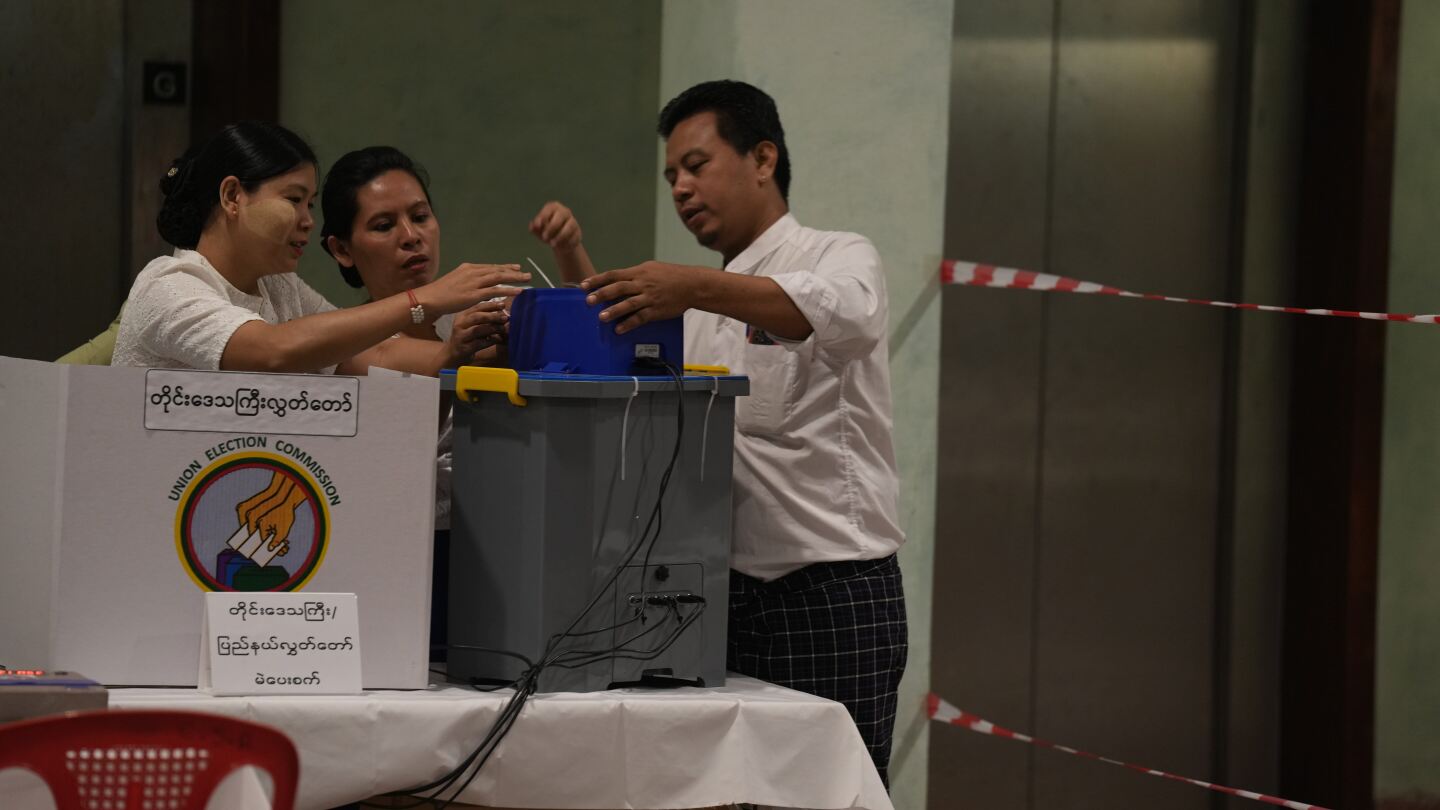
    Myanmar conducted the initial phase of its first general election in five years on Sunday under the supervision of the military government, despite ongoing civil conflict across significant portions of the nation. The polling occurred amid tightened security measures in Yangon, Naypyitaw, and other urban centers, with armed guards stationed at voting locations and military vehicles patrolling streets.

    Critics and international observers have denounced the electoral process as a calculated effort to create a veneer of legitimacy for military rule. The election follows the army’s February 2021 seizure of power, which ousted the democratically elected government of Aung San Suu Kyi. Her National League for Democracy (NLD), which achieved a landslide victory in the 2020 polls, was dissolved in 2023 after refusing to comply with new military regulations.

    The electoral landscape reveals severe constraints on political freedom. Major opposition parties either boycotted the process or were excluded, while a newly enacted Election Protection Law criminalizes public criticism of the polls. According to monitoring organizations, 73% of voters who participated in the 2020 election supported parties that no longer exist in the current political framework.

    Human rights conditions have deteriorated significantly since the military takeover. The United Nations reports that violence and intimidation have intensified, with over 22,000 individuals detained for political offenses and more than 7,600 civilians killed by security forces. The subsequent civil conflict has displaced approximately 3.6 million people.

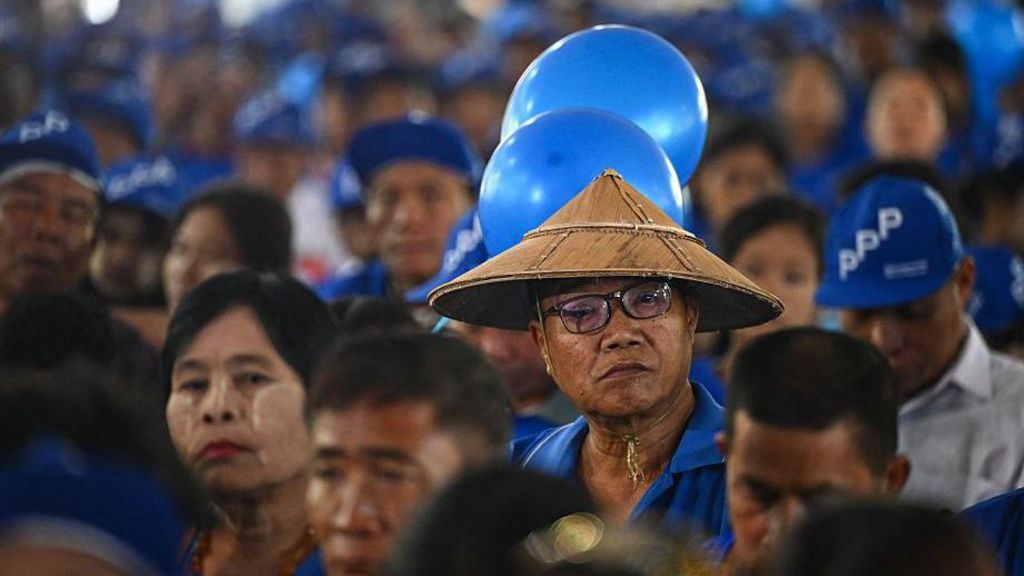
    Despite these challenges, the military-backed Union Solidarity and Development Party is anticipated to secure a victory, potentially enabling neighboring countries such as China, India, and Thailand to justify continued engagement by citing stability concerns. Western nations, however, have maintained sanctions against Myanmar’s ruling generals due to persistent anti-democratic practices and human rights abuses.

    The voting process will continue in two additional phases scheduled for January 11 and January 25, with final results expected by month’s end.

  • War-torn Myanmar votes in widely criticised ‘sham’ election

    War-torn Myanmar votes in widely criticised ‘sham’ election

    Myanmar’s military junta has initiated a controversial phased electoral process spanning the next month, a move international observers are characterizing as a thinly veiled attempt to legitimize its power. The election proceeds under circumstances where major political parties remain dissolved, their leadership imprisoned, and approximately half the population unable to participate due to an ongoing and devastating civil war.

    This ballot, the first since the military seized control in a February 2021 coup, unfolds against a backdrop of intense conflict. The junta, bolstered by support from China and Russia, has managed to reclaim some territory this year through relentless airstrikes after suffering significant losses to a coalition of armed resistance groups and ethnic armies. The conflict has resulted in thousands of fatalities, displaced millions, and crippled the nation’s economy.

    To ensure the election proceeds as intended, the regime has enacted severe punitive measures. A law instituted in July criminalizes dissent against the polls, carrying penalties up to the death penalty. Already, prominent cultural figures, including film director Mike Tee and comedian Ohn Daing, have been sentenced to seven-year prison terms for criticizing pro-election propaganda.

    Logistical challenges are immense, with voting scheduled in only 274 of 330 townships, deemed the only sufficiently stable areas. The process is segmented into three phases, a strategy analysts suggest allows the junta to tactically adjust outcomes based on initial results. Only six parties, including the military-backed Union Solidarity and Development Party, are permitted to field candidates nationwide. Notably, Aung San Suu Kyi’s National League for Democracy, which won previous elections overwhelmingly, has been banned.

    International condemnation is widespread. The United Nations High Commissioner for Human Rights, Volker Türk, stated that conditions for free expression or assembly are nonexistent, with civilians “being coerced from all sides.” Western nations and the European Parliament have dismissed the vote as a sham, while ASEAN has called for inclusive political dialogue as a prerequisite for any legitimate election. The junta, however, maintains the election is a step toward restoring a “multi-party democratic system” for the people of Myanmar, defiantly rejecting international criticism.

  • UK restricts DR Congo visas over migrant return policy

    UK restricts DR Congo visas over migrant return policy

    The United Kingdom has implemented stringent visa restrictions against citizens of the Democratic Republic of Congo following unsuccessful negotiations regarding the repatriation of illegal migrants and foreign national offenders. This decisive action comes after the DRC government declined to implement necessary changes aligned with the UK’s recently overhauled asylum framework announced in November.

    According to ministerial statements, the Democratic Republic of Congo failed to meet requirements established under Britain’s strengthened asylum regulations. Consequently, fast-track visa processing for Congolese applicants has been suspended, and preferential treatment previously afforded to VIPs and political figures from the DRC has been revoked indefinitely.

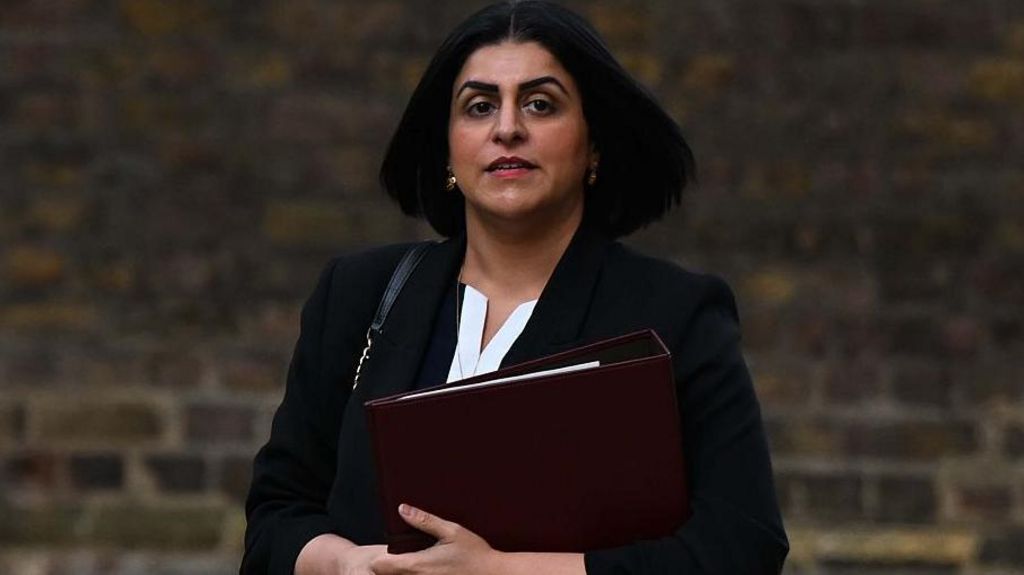
    In contrast, the Home Office confirmed that Angola and Namibia have committed to enhanced cooperation regarding citizen repatriation, thereby avoiding similar sanctions. Both nations had initially faced identical threats alongside the DRC for inadequate collaboration on migration matters. A government insider revealed that Home Secretary Shabana Mahmood remains prepared to extend visa bans to additional countries demonstrating reluctance to accept returning citizens.

    Officials characterized the agreements with Angola and Namibia as the inaugural success stemming from last month’s comprehensive asylum system reforms. These pacts are projected to facilitate the removal and deportation of thousands of individuals lacking legal residence status in the UK.

    The transformative asylum reforms include provisions establishing temporary refugee status, terminating guaranteed housing support for asylum seekers, and creating new capped ‘safe and legal routes’ for UK entry. Minister Mahmood had previously emphasized that visa penalties would target nations failing to cooperate with returns policies, including an ’emergency brake’ mechanism suspending visas for countries with elevated asylum claims until cooperation improves.

    Home Office investigations revealed that returns processes for the DRC, Angola, and Namibia were systematically obstructed through bureaucratic delays, including unprocessed paperwork and requirements for individuals to sign their own documentation—effectively granting them veto power over removals. While acknowledging some preliminary engagement from Congolese authorities, the UK government warned that additional measures, including a comprehensive visa ban, remain imminent unless cooperation improves substantially.

    Home Secretary Mahmood stated: ‘We expect all nations to adhere to established international rules. When their citizens no longer possess legal right to remain here, they must accept responsibility for their return. I express gratitude to Angola and Namibia for their constructive cooperation. The Democratic Republic of Congo now faces a clear choice: accept your citizens or forfeit entry privileges to our nation.’

  • Netanyahu to meet Trump in US Monday, discuss Gaza ceasefire’s second stage

    Netanyahu to meet Trump in US Monday, discuss Gaza ceasefire’s second stage

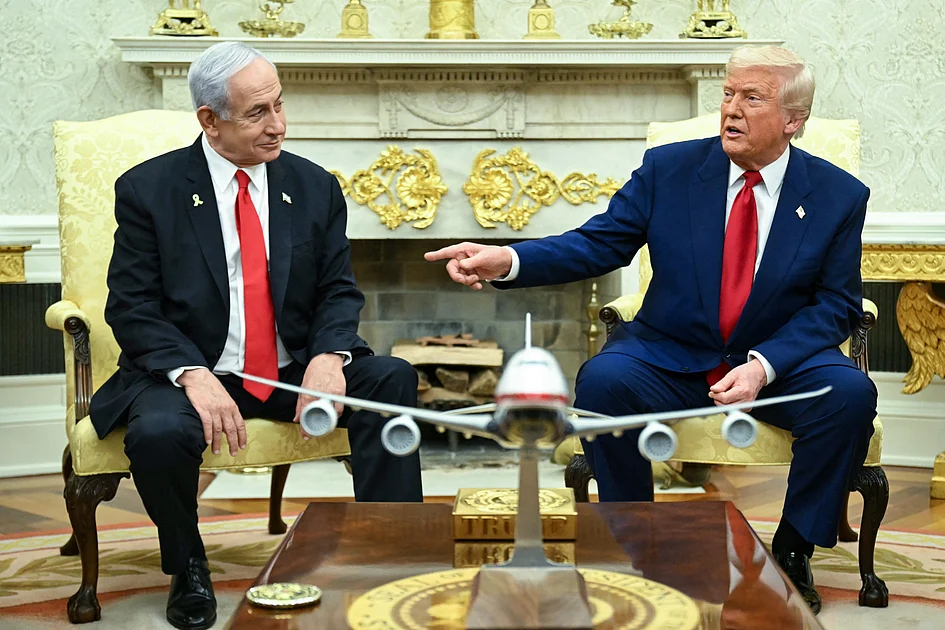
    Israeli Prime Minister Benjamin Netanyahu is scheduled to embark on his fifth official visit to the United States this year, with a pivotal meeting set with President Donald Trump at the Mar-a-Lago resort in Florida on Monday. This high-stakes diplomatic engagement occurs amid intensified efforts by the Trump administration and regional mediators to advance the second phase of the Gaza ceasefire agreement between Israel and Hamas.

    The agenda for this crucial summit encompasses a broad spectrum of Middle Eastern security concerns, including ongoing tensions with Iran, potential security arrangements between Israel and Syria, and maintaining the fragile ceasefire with Lebanon’s Hezbollah. However, the primary focus remains on breaking the deadlock in implementing the next stages of the Gaza peace process.

    According to reports from Israeli media outlet Yedioth Ahronoth and subsequent confirmation by White House officials, the Trump administration has expressed growing frustration with Netanyahu’s approach to the ceasefire. Administration officials allege that the Israeli leader has taken steps that potentially undermine the delicate truce and delay progress toward lasting peace.

    The second phase of the ceasefire agreement, brokered by Washington and regional allies, stipulates three critical components: Israel’s withdrawal from its positions in Gaza, establishment of an interim technocratic authority to replace Hamas governance, and deployment of an international stabilization force. A particularly contentious provision requires Hamas to relinquish its weapons, representing a significant obstacle to implementation.

    Axios reported Friday that White House officials consider the Trump-Netanyahu meeting essential for突破ing the current impasse. The administration aims to promptly announce both the Palestinian technocratic government for Gaza and the composition of the international stabilization force, viewing these elements as crucial for maintaining momentum in the peace process.

    The meeting follows Trump’s mid-December comments to reporters, where he indicated Netanyahu’s desire for consultation during the Christmas holiday period. This diplomatic engagement occurs against the backdrop of a persistently fragile ceasefire, with both Israel and Hamas frequently accusing each other of violations while mediators work to prevent a complete collapse of the agreement.

  • Somaliland: How Trump, Saudi Arabia, Turkey and others reacted to Israeli recognition

    Somaliland: How Trump, Saudi Arabia, Turkey and others reacted to Israeli recognition

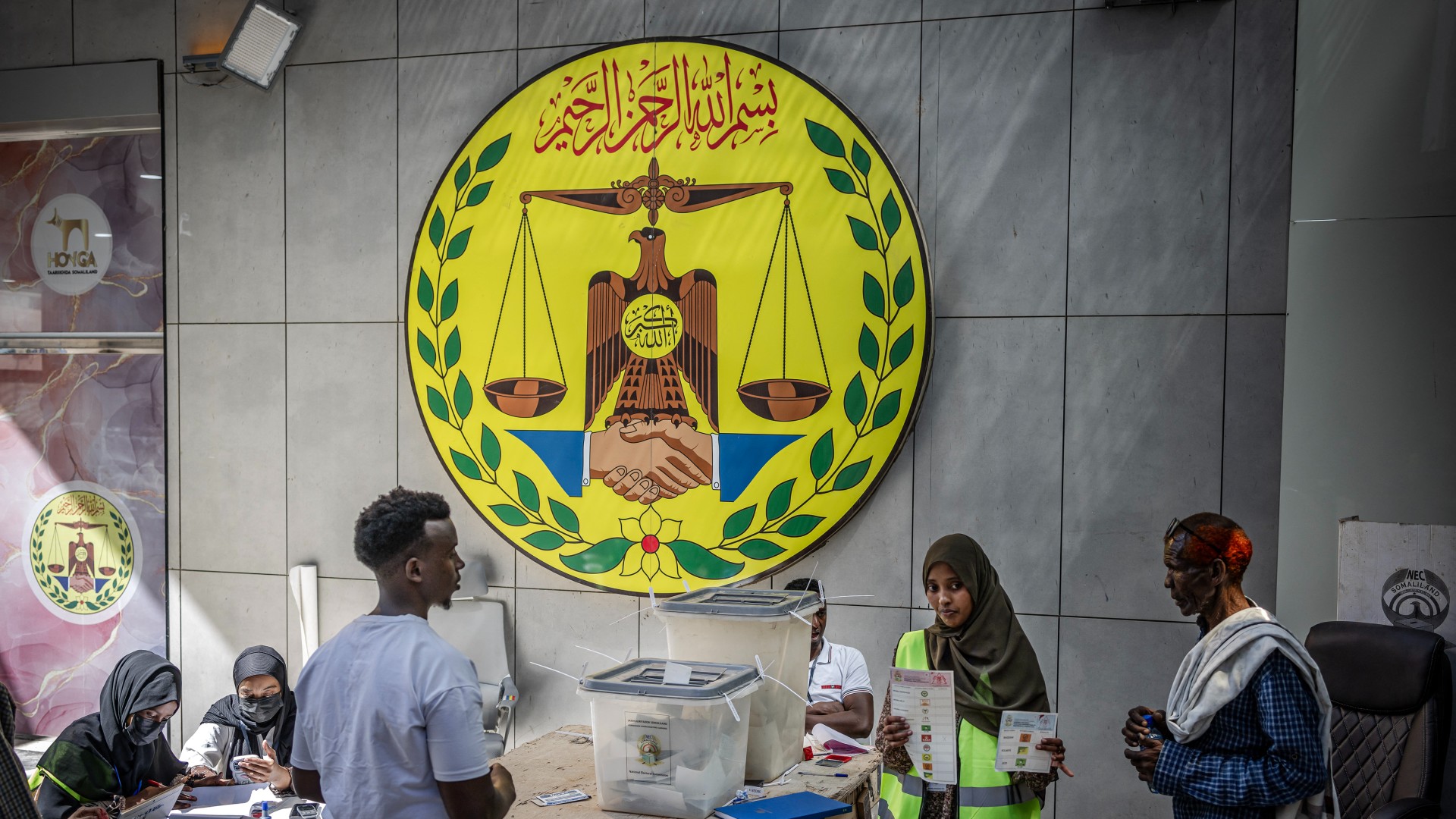
    In a landmark diplomatic move that has drawn widespread international criticism, Israel has become the first nation to formally recognize the breakaway territory of Somaliland as an independent sovereign state. Prime Minister Benjamin Netanyahu confirmed the signing of a mutual declaration of recognition on Friday, marking a significant shift in the geopolitical landscape of the Horn of Africa.

    The declaration has been met with swift condemnation from multiple nations and international bodies. Saudi Arabia’s foreign ministry issued a statement rejecting the recognition as a violation of international law that undermines Somalia’s territorial integrity. Turkey characterized the move as “yet another example of the Netanyahu government’s unlawful actions aimed at creating instability,” while Qatar denounced it as a “dangerous precedent.”

    Egyptian Foreign Minister Badr Abdelatty coordinated with counterparts from Somalia, Turkey, and Djibouti in a unified rejection of Israel’s decision. The African Union expressed “deep concern” over the development, reaffirming its commitment to the “intangibility of borders inherited at independence.”

    The Palestinian Authority condemned the recognition as part of “Israel’s attempts as a colonial power to undermine international peace and security,” specifically referencing previous reports of Israel considering Somaliland as a potential resettlement location for Palestinians from Gaza. Somali Defense Minister Ahmed Moalim Fiqi declared Mogadishu would “under no circumstances” accept the recognition, warning that discussions about forcibly displacing Palestinians to Somali territory were “completely unacceptable.”

    While U.S. President Donald Trump stated the matter was “under study,” he displayed limited familiarity with the region, asking reporters “Does anyone know what Somaliland is, really?” when questioned about potential strategic port access. The United Arab Emirates, which maintains close relations with Somaliland and has developed infrastructure at Berbera port, remained silent on the declaration.

    Despite overwhelming international criticism, the move received support from Ethiopian State Minister for Industry Tarekegn Bululta Godana, who called it a “notable diplomatic move,” and UK Reform leader Nigel Farage, who has long advocated for Somaliland’s recognition. Netanyahu framed the declaration as being “in the spirit” of the Abraham Accords and extended an invitation to Somaliland President Abdirahman Mohamed Abdullahi for an official visit to Israel.