分类: politics

  • Algerian president denies secret Tunisia military agreement

    Algerian president denies secret Tunisia military agreement

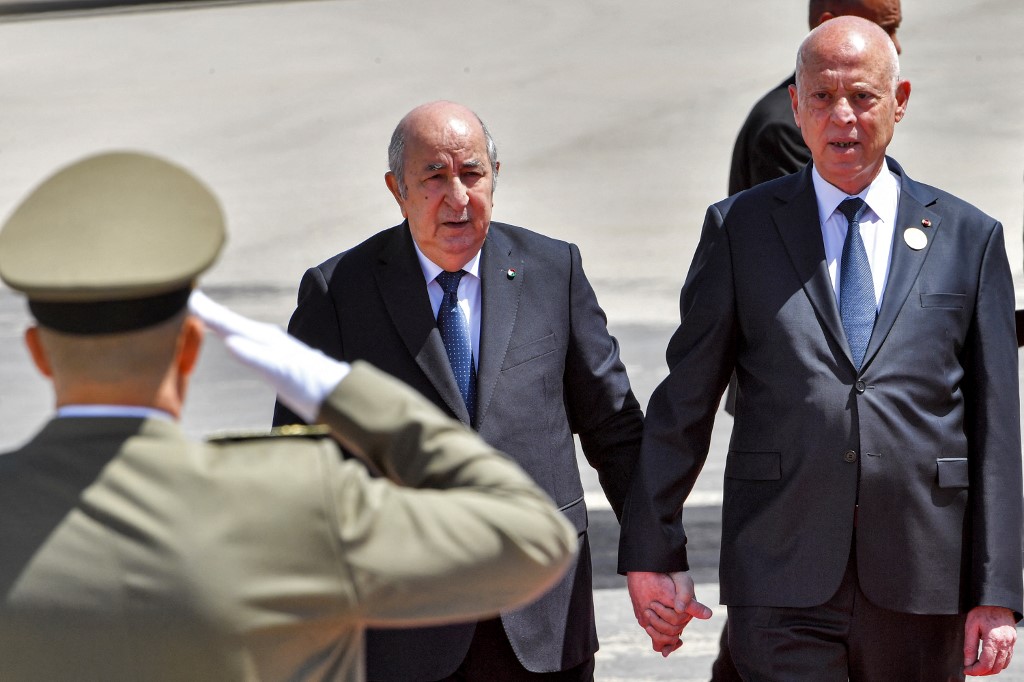
    Algerian President Abdelmadjid Tebboune has vehemently rejected allegations of a secret military pact with Tunisia that would compromise Tunisian sovereignty. The controversy emerged following the online circulation of a document purporting to detail clandestine cooperation terms between the North African neighbors.

    President Tebboune characterized the allegations as a deliberate ‘attempt to destabilize’ the longstanding friendship between Algeria and Tunisia. ‘There are parties seeking to sow discord between Algeria and Tunisia, believing it would facilitate their infiltration,’ Tebboune stated during an address to the nation before both houses of parliament.

    The dispute originates from an official military cooperation agreement signed on October 7, designed to enhance joint training, intelligence sharing, and coordination against cross-border threats. Tunisian defense officials clarified this was merely an update to a 2001 agreement intended to adapt to regional security developments.

    However, on December 17, a document labeled as a leaked version of the agreement began circulating online, suggesting controversial provisions including authorization for Algerian forces to operate 50km inside Tunisian territory to combat terrorists or address civil unrest. The alleged document also stipulated Tunisia would require Algerian approval for security agreements with third countries and would provide logistical support and natural resources as compensation.

    Geopolitical expert Akram Kharief, editor-in-chief of Mena Defense, conducted a thorough analysis revealing multiple inconsistencies indicating the document is a forgery. Kharief identified errors in official headings, security classifications, military ranks, ministerial names, and constitutional violations regarding foreign military interventions.

    Tunisian President Kais Saied had previously denied the rumors on December 18, condemning what he called ‘fabricated documents’ and actions harming the Tunisian people. The situation highlights ongoing regional tensions and concerns about transparency in international security agreements amid Tunisia’s political climate following President Saied’s 2021 consolidation of power.
  • US imposes sanctions on 4 Venezuelan oil firms and 4 more tankers in Maduro crackdown

    US imposes sanctions on 4 Venezuelan oil firms and 4 more tankers in Maduro crackdown

    The United States government has significantly intensified its economic and military pressure on Venezuela’s leadership through a multi-faceted approach targeting the nation’s oil sector and alleged drug trafficking operations. On Wednesday, Washington implemented comprehensive sanctions against four maritime vessels and their operating companies within Venezuela’s petroleum industry, designating them as blocked property under U.S. jurisdiction.

    This strategic move represents the latest development in the Trump administration’s sustained campaign against President Nicolás Maduro’s government. The sanctioned entities—Nord Star, Lunar Tide, Rosalind, and Della—along with their corporate operators, now face complete exclusion from the U.S. financial system and property holdings. Any individuals or institutions conducting business with these designated entities risk facing severe penalties themselves.

    Concurrently, U.S. military forces have executed maritime interdictions, seizing two oil tankers near Venezuelan territorial waters while actively pursuing additional vessels. More dramatically, American forces have conducted over thirty separate engagements against suspected narcotics trafficking operations, resulting in approximately 110 casualties since early September according to official reports.

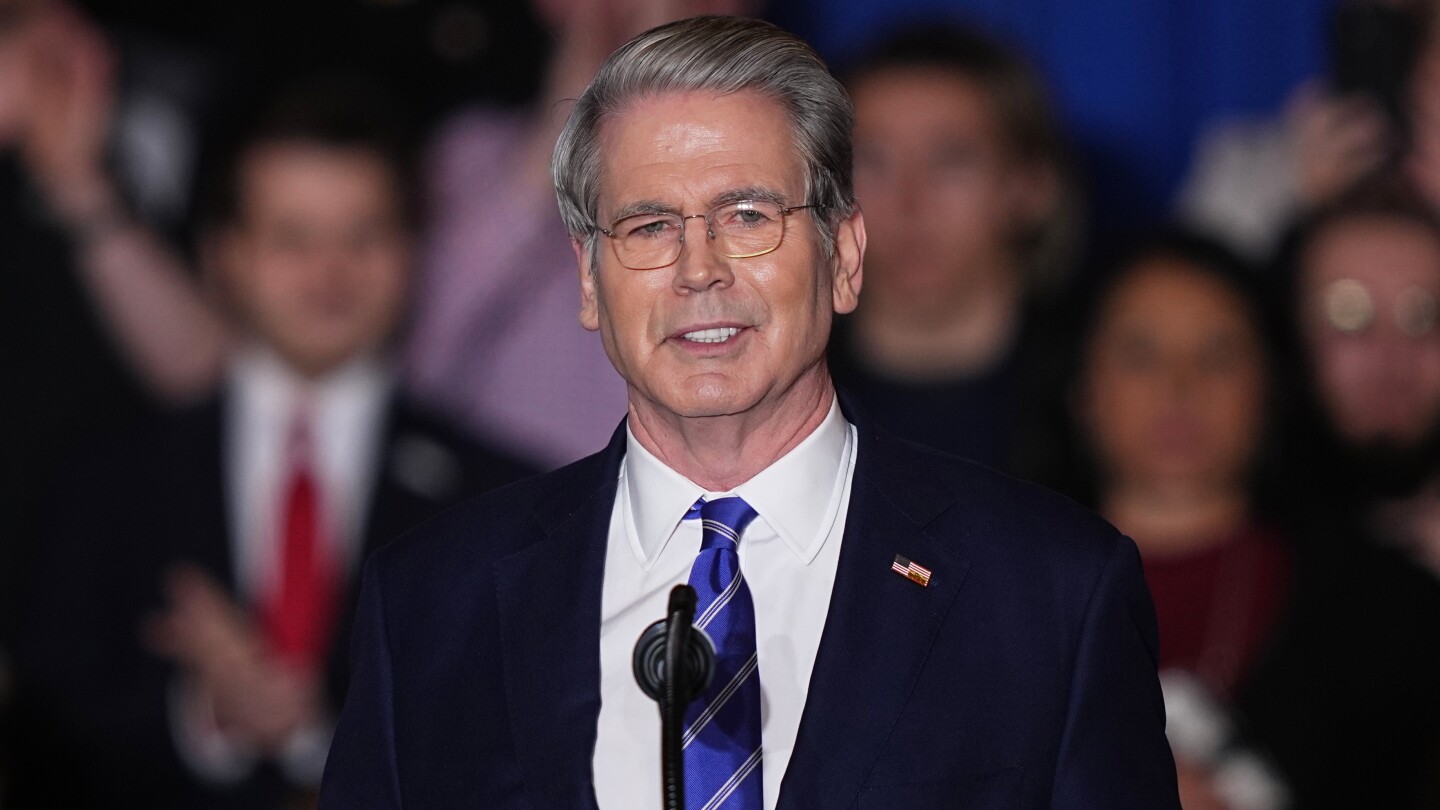
    In an unprecedented escalation marking the first confirmed direct operation on Venezuelan soil, the Central Intelligence Agency orchestrated a drone strike last week targeting a docking facility allegedly utilized by drug cartels. Treasury Secretary Scott Bessent emphasized the administration’s position, stating the U.S. will prevent the ‘illegitimate Maduro regime’ from profiting from oil exports while allegedly ‘flooding the United States with deadly drugs.’

    President Trump has declared a comprehensive blockade against all sanctioned oil tankers operating in Venezuelan waters while demanding restitution for assets previously seized from American petroleum corporations. The administration maintains that Venezuela’s current leadership utilizes oil revenues to fund narcotics trafficking and other criminal enterprises.

  • Trump says he is withdrawing National Guard troops from some US cities

    Trump says he is withdrawing National Guard troops from some US cities

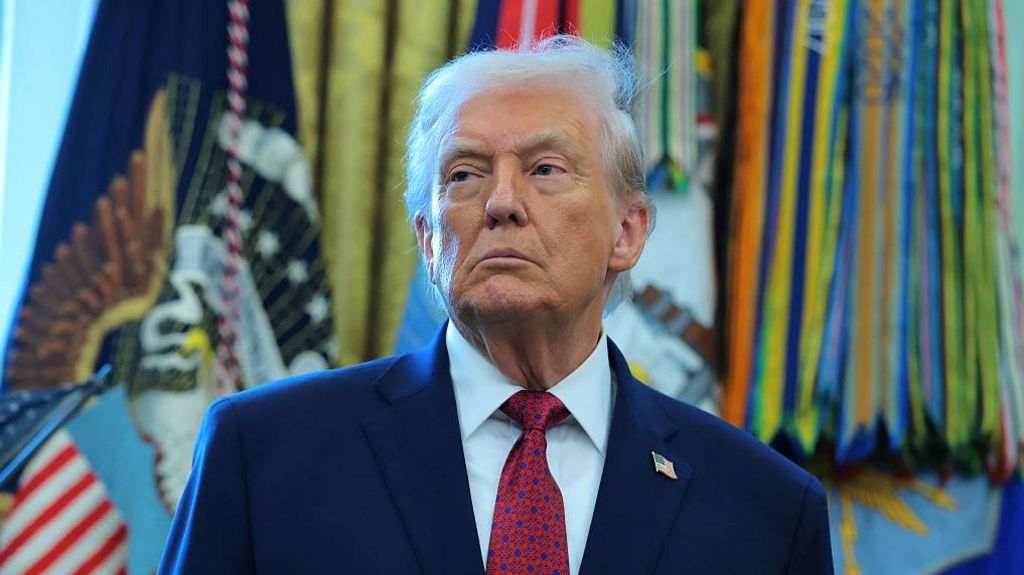
    In a significant reversal of domestic security policy, former President Donald Trump has announced the withdrawal of National Guard troops from multiple American cities, including Chicago and Los Angeles. This decision comes directly after a Supreme Court ruling last week that curtailed presidential authority to utilize military forces for domestic law enforcement purposes.

    The administration formally abandoned its legal efforts to maintain control over troops deployed in Los Angeles earlier this Tuesday. This legal surrender follows the Supreme Court’s landmark decision which explicitly blocked the use of federal troops for policing activities in Chicago, establishing a critical precedent on the limits of executive power.

    Mr. Trump announced his controversial decision via his Truth Social platform on New Year’s Eve. In his statement, he issued a stark warning, suggesting a potential return of military forces ‘in a much different and stronger form, when crime begins to soar again,’ framing the withdrawal as a temporary tactical retreat rather than a permanent policy change.

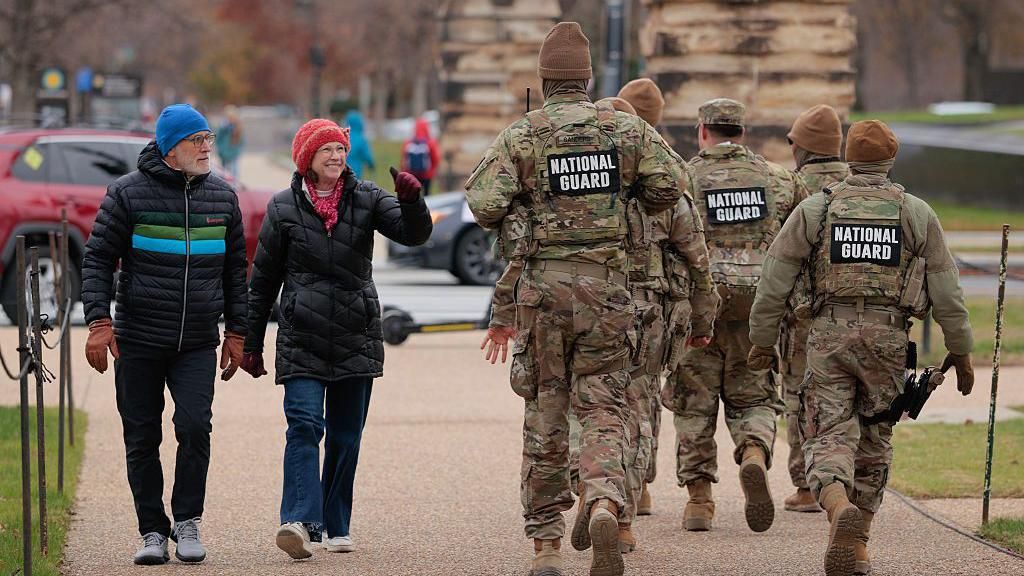
    The announcement specifically cited deployments in Portland, Oregon, but notably omitted any mention of the capital. National Guard troops remain actively deployed on patrol duties in Washington D.C., indicating a selective and strategic application of the withdrawal order rather than a comprehensive national disengagement.

  • Congress releases Jack Smith’s testimony about Trump prosecutions

    Congress releases Jack Smith’s testimony about Trump prosecutions

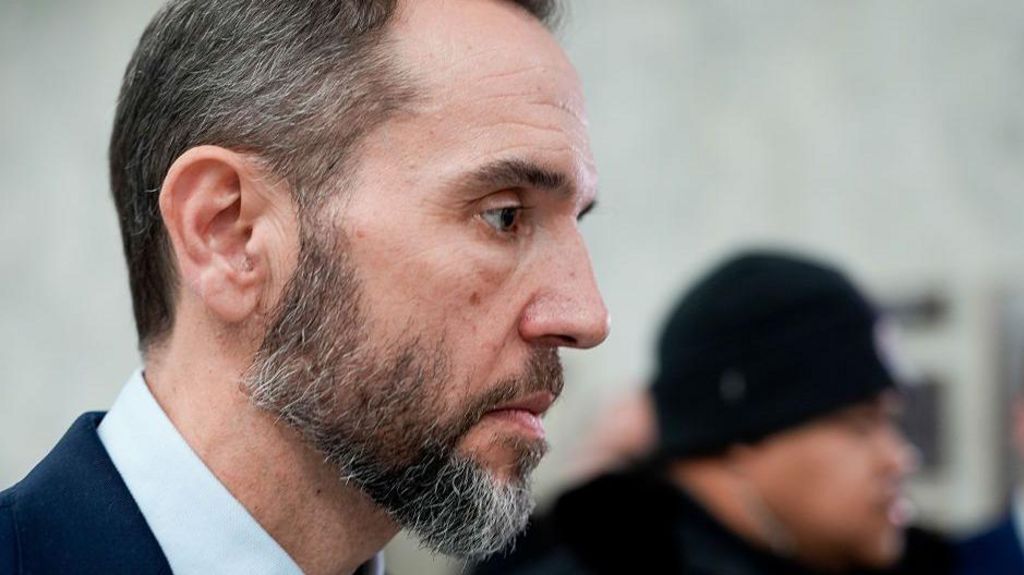
    The House Judiciary Committee has made public the full transcript and video deposition of former Special Counsel Jack Smith’s congressional testimony, delivering a significant development in the ongoing political saga surrounding investigations into former President Donald Trump.

    The 255-page document, released on December 31st, reveals Smith’s detailed justification for pursuing two criminal cases against Trump during his tenure as special counsel. The testimony, which occurred on December 17th behind closed doors, spanned nearly eight hours of rigorous questioning from lawmakers.

    Smith articulated a forceful defense of his investigations, stating unequivocally that while the decision to bring charges rested with him, the foundation for those charges ‘rests entirely with President Trump and his actions.’ The former special counsel presented what he characterized as compelling evidence demonstrating Trump’s alleged engagement in ‘a criminal scheme to overturn the results of the 2020 election and to prevent the lawful transfer of power.’

    Regarding the classified documents investigation, Smith testified that his team had gathered ‘powerful evidence’ showing Trump ‘willfully retained highly classified documents after he left office in January of 2021,’ storing them at his Mar-a-Lago social club in various locations including a ballroom and bathroom. Smith further asserted that Trump had ‘repeatedly tried to obstruct justice to conceal his continued retention of those documents.’

    The cases referenced in the testimony—concerning election interference and mishandling of classified materials—effectively concluded following Trump’s re-election, during which he had pleaded not guilty to all charges. Since returning to office, Trump has called for investigations into officials who brought criminal charges against him.

    This release provides unprecedented insight into the internal deliberations and evidentiary foundations of the investigations that dominated American political discourse throughout much of 2023 and 2024.

  • Cyprus agitated as Netanyahu drags it into Israel–Turkey tensions

    Cyprus agitated as Netanyahu drags it into Israel–Turkey tensions

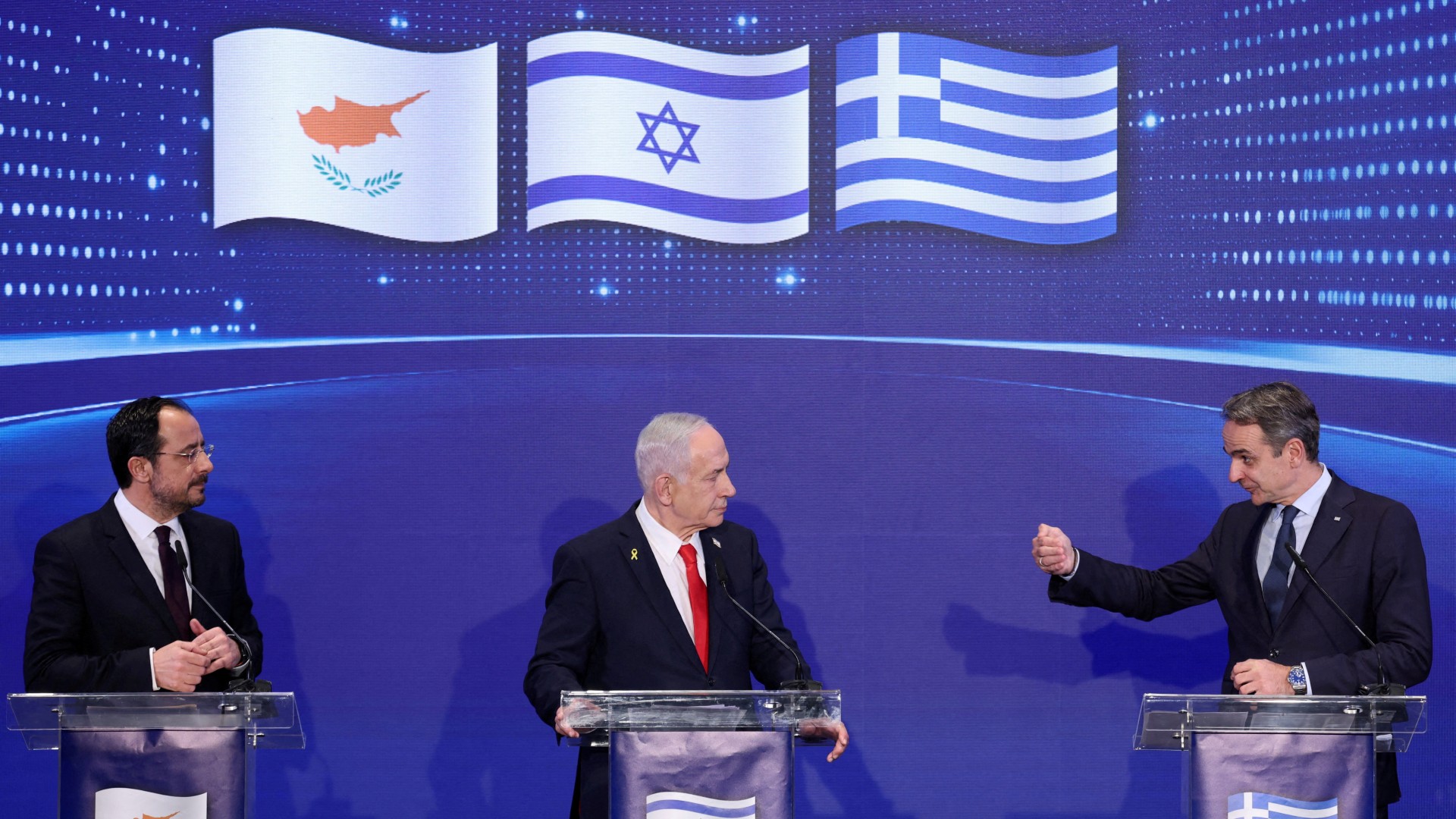
    Cyprus has voiced significant diplomatic unease regarding Israel’s utilization of recent trilateral discussions with Greece to escalate regional tensions with Turkey. According to reports from Politis, a leading Cypriot newspaper, Israeli Prime Minister Benjamin Netanyahu deliberately employed provocative rhetoric during the Jerusalem summit to advance his domestic political standing, thereby compromising the strategic interests of other participating nations.

    The tenth trilateral meeting between Cyprus, Greece, and Israel occurred against a backdrop of heightened regional instability, shortly after the signing of a new military-planning agreement. Netanyahu’s explicit references to Turkey—urging abandonment of imperial ambitions—reportedly aimed to position Ankara as a mutual adversary, a move Cypriot officials found diplomatically reckless.

    Nicosia’s discontent stems from four primary concerns: Netanyahu’s inflammatory remarks implying collective defense against Turkey; potential disruption to Cyprus reunification talks following the election of Turhan Erhurman in Northern Cyprus; unauthorized leaks suggesting a joint military brigade; and Israel’s unilateral announcement of a new military agreement without coordinated disclosure from Cyprus or Greece.

    Cyprus’s imminent presidency of the Council of the European Union further complicates matters, necessitating cautious diplomacy toward Turkey. The nation recently enhanced its defensive capabilities with the Israeli-made Barak MX air defense system, which provides surveillance coverage extending into southern Turkish airspace—a detail adding strategic complexity to the diplomatic friction.

    Regional officials confirmed that Israel’s approach reflects a pattern of leveraging international platforms for domestic messaging, often disregarding the nuanced diplomatic positions of its partners. While the trilateral format remains valuable, the recent episode underscores the challenges of maintaining balanced alliances in a volatile geopolitical landscape.

  • Iran prosecutor vows ‘decisive’ response if protests destabilise country

    Iran prosecutor vows ‘decisive’ response if protests destabilise country

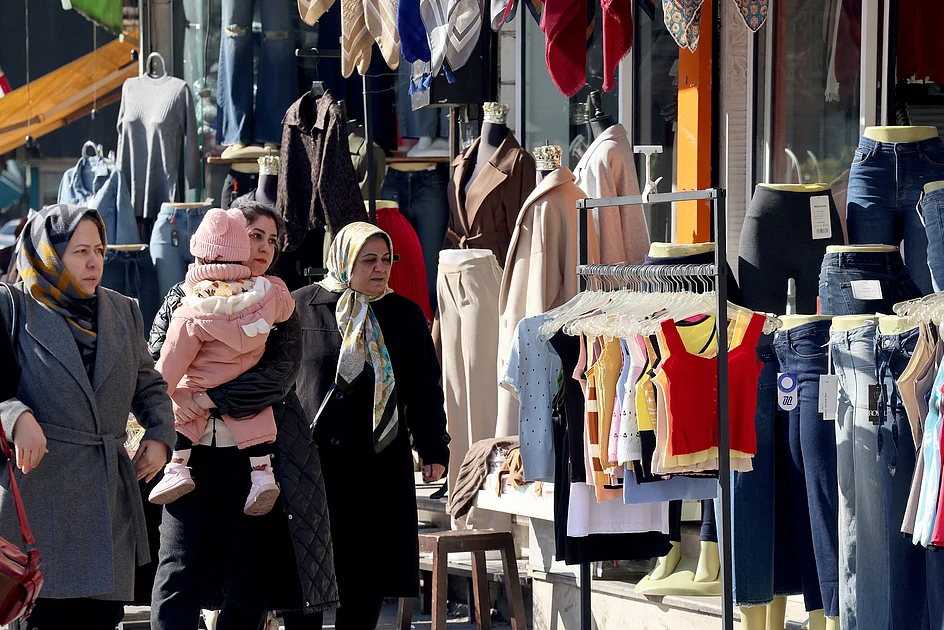
    Iran’s Prosecutor General Mohammad Movahedi-Azad delivered a stark warning on Wednesday regarding ongoing economic demonstrations, drawing a clear distinction between legitimate grievances and what authorities perceive as destabilizing activities. While acknowledging the validity of peaceful livelihood protests as “social and understandable realities,” the senior judicial official emphasized that any attempts to transform economic discontent into security threats would trigger a “legal, proportionate and decisive response.

    The demonstrations, initially sparked by shopkeepers at Tehran’s largest mobile phone market on Sunday, have since gained momentum with students from at least ten universities across the country joining the movement. The protests emerge against a backdrop of severe economic challenges, with Iran’s currency losing over a third of its value against the US dollar since last year amid persistent hyperinflation and crippling international sanctions.

    Notably, the protests remain geographically concentrated in central Tehran, with most of the metropolis’s 10 million residents continuing daily life unaffected. The timing of the demonstrations coincides with curious administrative decisions, including a last-minute bank holiday announced with just one day’s notice. Officials attributed closures of schools, banks and public institutions to cold weather and energy conservation needs, though temperatures remain typical for the season.

    The geopolitical dimension intensified when Israel’s Mossad intelligence agency posted messages in Persian on social media, expressing solidarity with protesters and encouraging street demonstrations. This external involvement likely contributed to the Iranian government’s heightened security concerns, particularly given the country’s history of major protests in 2019 (triggered by fuel price hikes) and 2022 (following Mahsa Amini’s death in custody).

    Despite the current demonstrations showing significantly smaller scale than previous nationwide movements, authorities appear prepared to implement stringent measures to prevent escalation, reflecting the delicate balance between addressing economic distress and maintaining state security.

  • Trump vetoes first bills of his second term

    Trump vetoes first bills of his second term

    In a significant political maneuver, former President Donald Trump has executed his first legislative vetoes since reassuming office nearly one year ago, creating a potential constitutional confrontation with Congress. The two rejected bills had previously garnered substantial bipartisan support in both chambers, indicating possible veto-override votes when lawmakers reconvene.

    The first veto targeted the Colorado Water Infrastructure Act, sponsored by Republican Representative Lauren Boebert. This legislation sought to reduce financial burdens on Colorado communities funding a critical water pipeline project. Despite Boebert’s general alignment with Trump’s agenda, the former president declared the measure “economically unviable” in his official communication to Congress. “Enough is enough,” Trump stated. “My Administration is committed to preventing American taxpayers from funding expensive and unreliable policies.”

    The second veto struck down the Miccosukee Reserved Area Act, which would have authorized federal assistance for flood mitigation infrastructure benefiting a Native American tribe in Florida. The Trump administration justified this rejection by citing alleged “unauthorized” development activities by the tribe and accusing them of obstructing immigration policies.

    Boebert, who recently diverged from Trump by advocating for the release of Epstein-related documents, responded defiantly on social media: “This isn’t over.” She further expressed concern that the veto might represent “political retaliation” for her independent stance.

    The Colorado situation intersects with another contentious issue: the imprisonment of Tina Peters, a former county clerk convicted of election security offenses who promoted false claims about the 2020 election. Trump recently pardoned Peters of federal charges and has demanded that Colorado’s Democratic Governor Jared Polis release her from state custody, escalating tensions with Colorado’s leadership.

    The Miccosukee tribe had previously sued the Trump administration to halt construction of an immigration detention facility nicknamed “Alligator Alcatraz” in the Florida Everglades, arguing both environmental concerns and unique cultural impacts. The White House’s veto message explicitly connected the flooding bill rejection to this legal opposition.

    These vetoes represent Trump’s first use of this executive power since returning to office and set the stage for potential veto override votes in the new congressional session.

  • Rockets for Taiwan like ‘porcupine in glass box’: expert

    Rockets for Taiwan like ‘porcupine in glass box’: expert

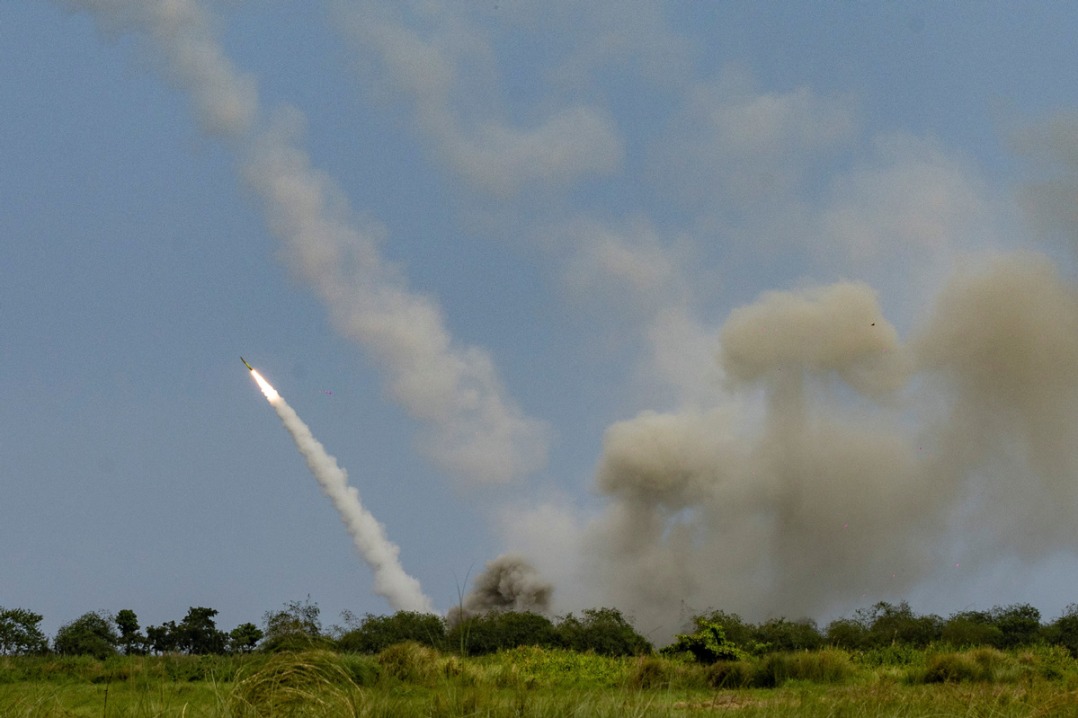
    A senior Chinese military analyst has characterized the High Mobility Artillery Rocket Systems (HIMARS) deployed to Taiwan as fundamentally flawed due to the island’s geographical constraints, comparing them to ‘a porcupine confined within a transparent enclosure.’

    Fu Zhengnan, research fellow at the People’s Liberation Army Academy of Military Science, presented this assessment following the United States’ December 17 announcement of an $11.1 billion arms package for Taiwan. The expert contends that Taiwan’s distinctive topography—characterized by narrow mountainous terrain and high population density—severely undermines the operational effectiveness of the mobile rocket systems.

    While HIMARS are engineered for optimal performance in expansive, open environments such as deserts and plains where their shoot-and-scoot capabilities excel, Fu argues that these very advantages become theoretical limitations within Taiwan’s confined operational space. ‘Despite its defensive capabilities,’ Fu elaborated, ‘the system lacks adequate room for evasion, concealment, or tactical maneuvering across the island.’

    Furthermore, the researcher highlighted a critical vulnerability: while external forces can readily detect the HIMARS platforms, Taiwanese operators inside would struggle to identify incoming threats promptly, rendering the systems conspicuously exposed and susceptible to targeting.

    Fu contrasted Taiwan’s predicament with the PLA’s own rocket artillery capabilities, noting that China’s coastal-based systems operate with superior range, firepower, and sustained strike capacity from protected positions with greater strategic depth. This comparative analysis suggests Taiwan’s newly acquired systems would face significant survival challenges in high-intensity combat scenarios.

  • Pakistan’s premier offers ‘complete solidarity’ to Saudi Crown Prince after Yemen port strike

    Pakistan’s premier offers ‘complete solidarity’ to Saudi Crown Prince after Yemen port strike

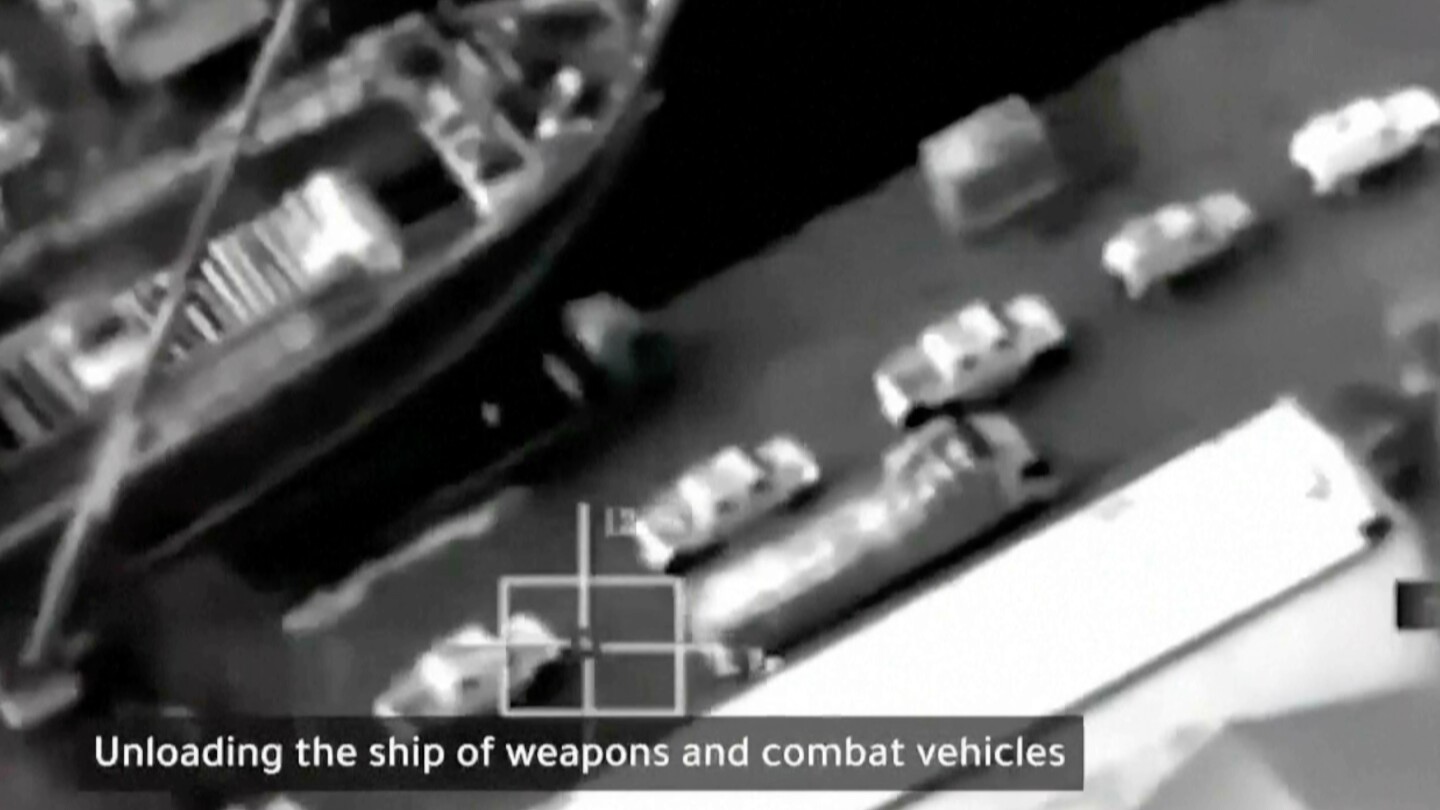
    In a significant diplomatic engagement, Pakistani Prime Minister Shehbaz Sharif held a crucial telephone conversation with Saudi Crown Prince Mohammed bin Salman on Wednesday, expressing Pakistan’s unwavering solidarity with the Kingdom following recent military actions in Yemen. The discussion centered on regional stability concerns after Saudi airstrikes targeted Yemen’s strategic port city of Mukalla, which reportedly intercepted weapons shipments destined for separatist factions.

    The prime minister’s office released an official statement detailing how both leaders emphasized the critical importance of maintaining regional peace through diplomatic dialogue and peaceful resolution mechanisms. They mutually reaffirmed their commitment to strengthening the longstanding fraternal relations between their nations, with the statement noting that bilateral ties have ‘reached unprecedented levels in recent months.’

    Crown Prince Mohammed bin Salman acknowledged Prime Minister Sharif’s supportive stance and reciprocated Saudi Arabia’s desire to expand cooperative efforts with Pakistan across mutually beneficial domains. Notably, the Saudi leader confirmed his intention to undertake an official state visit to Pakistan in the coming year, signaling continued diplomatic engagement.

    This development occurs against the backdrop of escalating tensions in Yemen, where Saudi Arabia conducted targeted strikes against weapons shipments allegedly originating from the United Arab Emirates. The situation threatens to create new conflict fronts in Yemen’s decade-long civil war, potentially pitting anti-Houthi coalition forces against each other in the impoverished nation.

    Pakistan finds itself navigating complex diplomatic waters, maintaining simultaneous close relationships with both Saudi Arabia and the UAE. Prime Minister Sharif’s communication with Saudi leadership followed his recent meeting with UAE President Sheikh Mohammed bin Zayed Al Nahyan in Pakistan’s Punjab province, where discussions focused on de-escalating regional tensions.

    The strategic partnership between Islamabad and Riyadh was formally strengthened through a mutual defense agreement signed in September, establishing that an attack on either nation would be considered an attack on both. Saudi Arabia remains a crucial economic partner for Pakistan, serving as a primary oil supplier and providing billions in financial assistance to help stabilize Pakistan’s economy and prevent foreign debt default.

    Pakistan’s Foreign Ministry separately expressed deep concern about the renewed violence in Yemen, warning that unilateral actions by any Yemeni faction could exacerbate the conflict and further destabilize the region. The ministry reiterated Pakistan’s support for Saudi Arabia’s security concerns while advocating for Yemen’s territorial integrity and unity, endorsing regional efforts to restore peace and stability.

  • PLA and China Coast Guard conduct patrols in territorial waters of Huangyan Island

    PLA and China Coast Guard conduct patrols in territorial waters of Huangyan Island

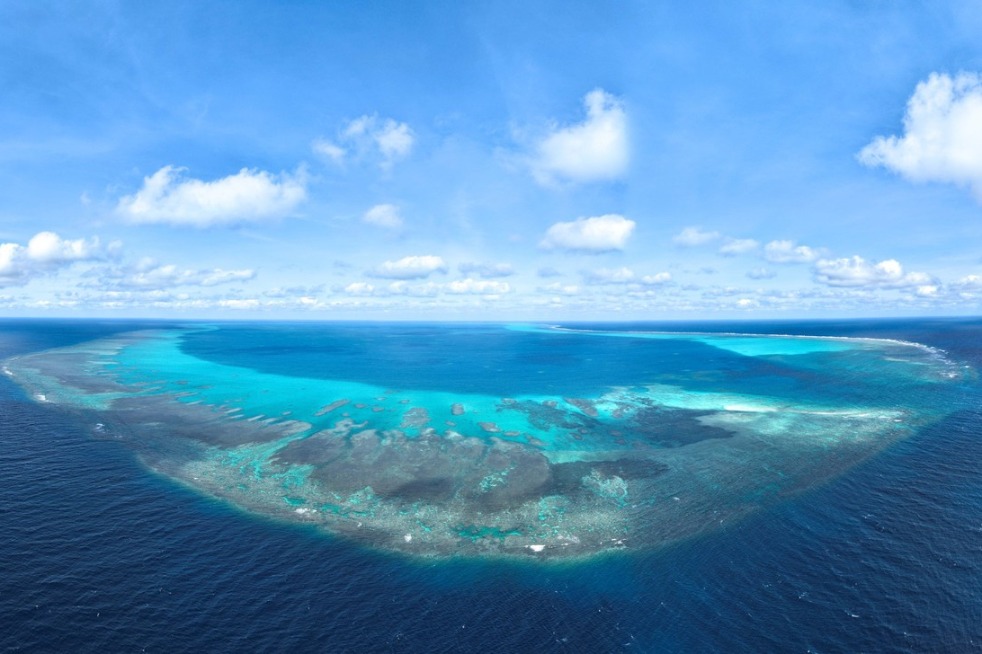
    The People’s Liberation Army (PLA) and China Coast Guard have executed coordinated maritime patrol operations within the territorial waters surrounding Huangyan Island, demonstrating China’s ongoing commitment to maritime sovereignty enforcement. These routine patrol activities, conducted on December 31, 2025, represent standard procedure for maintaining jurisdictional oversight in China’s claimed maritime territories.

    The joint operations involved sophisticated naval and coast guard assets conducting comprehensive surveillance and monitoring missions. These patrols serve multiple strategic purposes including maritime domain awareness, sovereignty assertion, and regional stability maintenance. The exercises followed established international protocols for military activities in territorial waters.

    Chinese authorities characterized these operations as legitimate exercises of national rights consistent with international law and China’s longstanding territorial claims. The patrols occurred without incident and were described as part of normal military and law enforcement activities that China regularly conducts throughout its claimed maritime territories.

    The timing of these operations coincides with ongoing regional efforts to maintain stability in the South China Sea. China maintains that such activities contribute to peaceful coexistence and mutual understanding among neighboring nations while protecting China’s legitimate maritime interests.