分类: politics

  • Lai’s ‘separatist fallacy’ speech rightly slammed

    Lai’s ‘separatist fallacy’ speech rightly slammed

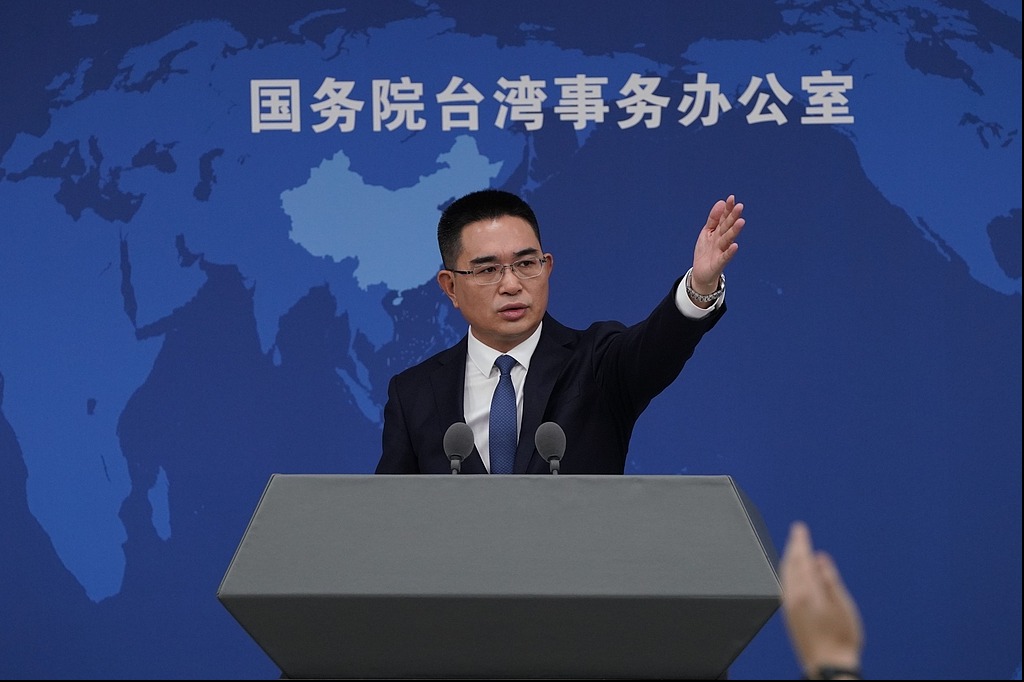
    A senior Chinese official has vehemently denounced Taiwan leader Lai Ching-te’s New Year address, characterizing it as a dangerous propagation of separatist ideology that threatens regional stability. Chen Binhua, spokesperson for China’s State Council Taiwan Affairs Office, issued a formal rebuttal on Thursday in response to what he described as Lai’s inflammatory rhetoric.

    The controversy centers on Lai’s speech which emphasized Taiwan’s perceived need to enhance its defensive capabilities against what he termed ‘China’s expansionist ambitions.’ Chen systematically dismantled these assertions, accusing the Taiwanese leader of fabricating narratives, promoting hostility, and repackaging outdated separatist doctrines. The spokesperson characterized Lai’s address as not merely political discourse but an active incitement of cross-strait confrontation.

    Chen’s statement highlighted several critical concerns regarding Lai’s administration. He accused the Democratic Progressive Party authorities of disregarding Taiwanese public opinion, escalating military tensions, and misallocating public resources toward what he called ‘preparation for war for independence.’ Furthermore, Chen criticized what he described as authoritarian governance practices that suppress democratic freedoms on the island.

    The spokesperson particularly condemned Lai’s administration for seeking international support for separatist agendas, warning that such actions fundamentally compromise the interests of Taiwanese citizens and businesses. Chen emphasized that regardless of political maneuvers, Taiwan remains an inseparable part of Chinese territory, and any movement toward independence remains historically illegitimate and practically unachievable.

    Reaffirming China’s commitment to peaceful reunification, Chen expressed confidence in the inevitable realization of complete national unity amid China’s ongoing rejuvenation. He called on Taiwanese compatriots to recognize the dangers of separatist forces, align with historical progress, and collaboratively work toward maintaining cross-strait stability. The statement concluded with an appeal for joint efforts in fostering peaceful development across the Taiwan Strait and advancing the shared destiny of national revival.
  • Maduro says Venezuela open to US talks on drug trafficking

    Maduro says Venezuela open to US talks on drug trafficking

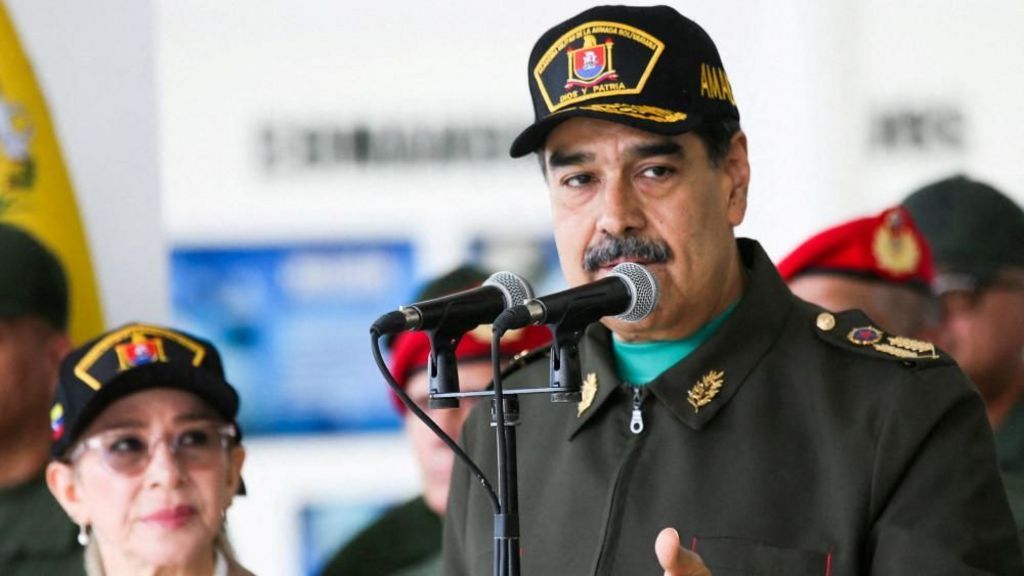
    Venezuelan President Nicolás Maduro has publicly extended an olive branch to the United States, expressing willingness to engage in comprehensive talks concerning drug trafficking and oil policies. This unexpected diplomatic overture follows a sustained period of escalating pressure from the Trump administration, including military operations and economic sanctions against Maduro’s government.

    During an interview with Venezuelan state television on Thursday, Maduro declared his readiness for dialogue with American officials “wherever they want and whenever they want.” This conciliatory stance emerges against a backdrop of heightened military activity in the Caribbean region, where U.S. forces have conducted over thirty maritime strikes against vessels suspected of narcotics smuggling over the past three months.

    The Trump administration’s intensified counternarcotics campaign has reportedly resulted in more than 110 casualties since operations commenced on September 2. Recent incidents include Wednesday’s strike on two alleged drug boats that killed five individuals, and an earlier attack on a Venezuelan docking facility that President Trump described as causing a “major explosion.” Multiple intelligence sources indicate this dock strike represented the first known CIA operation within Venezuelan territory.

    Despite these provocations, Maduro maintained an evasive posture regarding confirmation of the dock attack, suggesting the matter “could be something we talk about in a few days.” The Venezuelan leader has consistently denied U.S. allegations labeling him a cartel leader and has characterized American anti-drug operations as pretexts for regime change and control over Venezuela’s substantial oil reserves.

    The geopolitical tension is further complicated by migration concerns and economic warfare. The U.S. has recently intensified enforcement against Venezuelan oil shipments, seizing multiple tankers allegedly transporting sanctioned petroleum. Venezuela has condemned these actions as “international piracy.”

    International experts note that Venezuela serves primarily as a transit country rather than a major producer in the global drug trade, with neighboring Colombia remaining the world’s largest cocaine source. The legal justification for U.S. military operations remains contested by specialists in international law, who question the classification of these actions within existing armed conflict frameworks.

  • Indonesia’s new penal code takes effect, marking historic break with colonial law

    Indonesia’s new penal code takes effect, marking historic break with colonial law

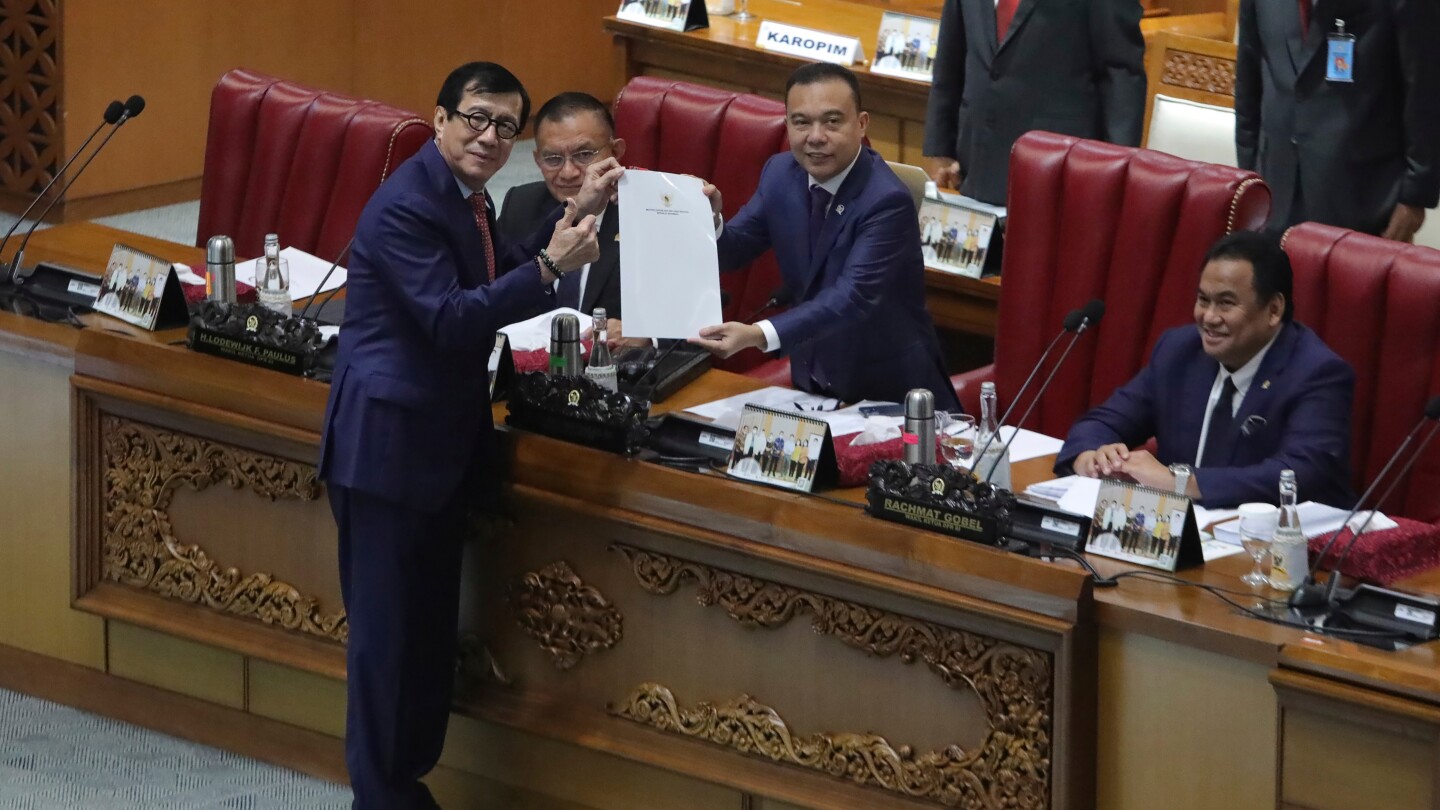
    JAKARTA, Indonesia — Indonesia has initiated enforcement of its groundbreaking penal code, effectively terminating the application of Dutch colonial-era criminal legislation that had governed the nation for over eight decades. This transformative legal overhaul represents one of the most substantial judicial reforms since the country’s independence proclamation in 1945.

    The newly implemented Indonesian Penal Code (KUHP), spanning 345 pages, received parliamentary approval in December 2022 following extensive deliberation. The legislation addresses the long-standing incongruence between colonial legal structures and contemporary Indonesian social values, though its development faced repeated delays due to complex negotiations balancing human rights considerations, religious principles, and cultural traditions.

    Among the most contentious provisions are those criminalizing extramarital sexual relations, punishable by up to one-year imprisonment, and cohabitation between unmarried partners, carrying a six-month sentence. Enforcement requires formal complaints from immediate family members, a mechanism government officials assert will prevent arbitrary implementation against foreign visitors.

    The code reinstates lèse-majesté statutes prohibiting insults against the president, vice president, and state institutions, with violations carrying potential three-year prison terms. Deputy Minister of Law Edward Hiariej emphasized that official guidelines distinguish between permissible criticism and criminal defamation, though human rights organizations remain unconvinced.

    Notably absent from the final legislation is a previously contemplated ban on homosexual relations, representing a significant victory for LGBTQ advocacy groups. The code maintains capital punishment while introducing innovative probationary measures that could commute death sentences after ten years based on demonstrable rehabilitation.

    Legal scholars identify a philosophical shift in sentencing approaches, expanding non-custodial alternatives including community service and supervisory measures. The Institute for Criminal Justice Reform acknowledges these provisions may alleviate systemic prison overcrowding while promoting restorative justice principles.

    Government officials, including Coordinating Minister for Law Yusril Ihza Mahendra, characterize the implementation as historic, marking Indonesia’s judicial emancipation from colonial legacy and the establishment of a legal system reflecting indigenous cultural values.

  • Congratulations extended to Swiss president

    Congratulations extended to Swiss president

    Chinese President Xi Jinping has formally extended congratulations to Guy Parmelin following his assumption of the Swiss Confederation presidency, emphasizing the robust trajectory of Sino-Swiss diplomatic relations. In his Thursday message, President Xi referenced his landmark 2017 state visit to Switzerland, during which both nations initiated a joint feasibility study for upgrading their existing Free Trade Agreement. Xi specifically acknowledged Parmelin’s instrumental role in advancing these negotiation processes.

    The communication notably addressed contemporary global economic challenges, with Xi observing that amid rising unilateralism and protectionism worldwide, the mutual commitment between China and Switzerland to free trade principles serves as a stabilizing force for international development and prosperity.

    This diplomatic exchange coincides with significant anniversaries: 2026 marks both the tenth anniversary of the China-Switzerland innovative strategic partnership and the commencement of China’s 15th Five-Year Plan (2026-2030), which President Xi identified as presenting substantial opportunities for enhanced innovative collaboration between the two nations.

    Reaffirming China’s dedication to strengthening bilateral ties, Xi expressed his willingness to collaborate with President Parmelin to expand mutually beneficial cooperation frameworks, elevate bilateral relations to unprecedented levels, and generate increased benefits for both populations.

    Guy Parmelin, aged 66, assumed the Swiss presidency following his December 10th parliamentary election, where he secured 203 votes out of 228 cast ballots. His political credentials include leadership of Switzerland’s Federal Department of Economic Affairs, Education and Research since 2019, service as 2025 Vice-President of the Swiss Confederation, and a previous presidential term in 2021.

    The Swiss presidential selection process involves annual election by parliament from among the seven Federal Council members, resulting in a one-year term where the president serves as primus inter pares while maintaining regular ministerial duties.

  • Xi’s message for New Year widely lauded

    Xi’s message for New Year widely lauded

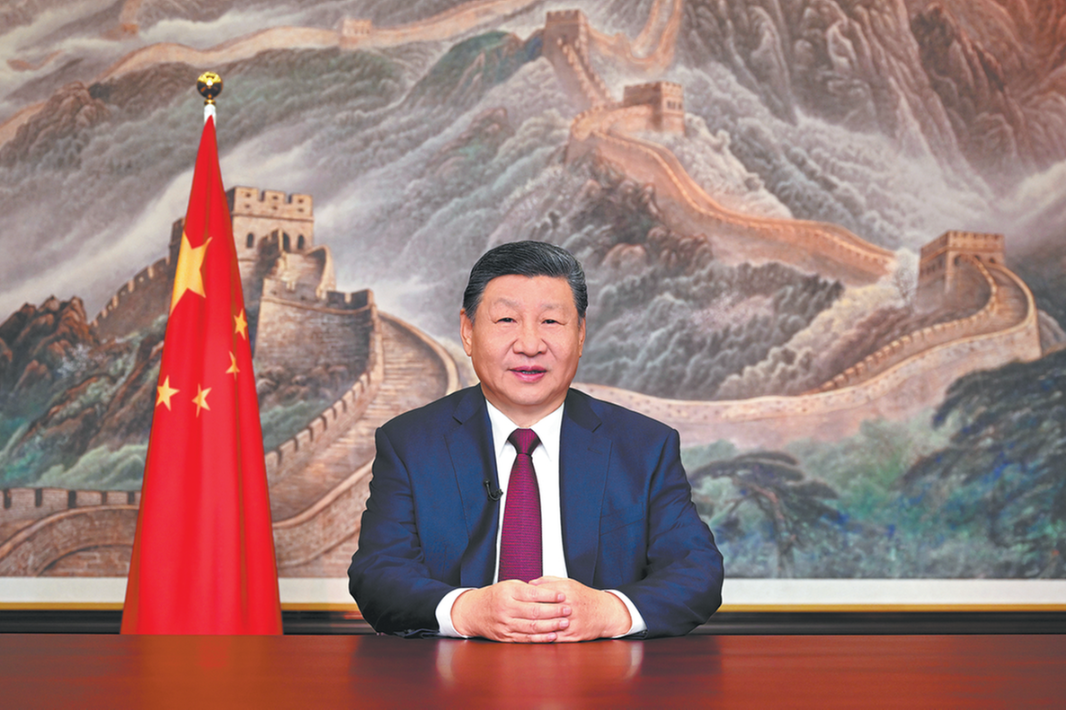
    International scholars and policy experts have universally praised Chinese President Xi Jinping’s 2026 New Year message, characterizing it as a stabilizing voice of optimism amid global complexities. The address, delivered Wednesday evening through China Media Group and digital platforms, outlined China’s tangible progress throughout 2025 while mapping strategic priorities for the forthcoming 15th Five-Year Plan period (2026-2030).

    President Xi emphasized that successful ventures originate from meticulous planning, underscoring the necessity of concrete efforts to advance high-quality development, deepen comprehensive reform and opening-up, and ensure widespread prosperity. The speech highlighted continuity in China’s development approach while addressing contemporary global challenges.

    Jack Perry, Chairman of the London-based 48 Group promoting equitable trade relations, noted China’s consistent and confident approach to its next developmental phase. “China is not attempting to change direction abruptly. It is building carefully on what has already been achieved,” Perry observed, adding that clarity of direction represents China’s distinctive advantage in an increasingly fragmented global landscape.

    Academic experts highlighted the speech’s nuanced balance between continuity and adaptation. Tom Harper, University of East London lecturer specializing in China’s international relations, noted the address reflects China’s focus on qualitative rather than quantitative growth metrics. Meanwhile, Karori Singh, former director of the University of Rajasthan’s South Asia Studies Centre, emphasized how President Xi acknowledged achievements while outlining strategies to address forthcoming challenges.

    The address reinforced China’s commitment to global engagement, with President Xi affirming that China “continued to embrace the world with open arms” and remains positioned “on the right side of history.” Georgetown University’s Jack Midgley interpreted the message as projecting a positive vision for China’s future within a peaceful global framework.

    Kuwaiti media commentator Charbel Barakat, head of international news at Al Jarida newspaper, emphasized China’s role as a stabilizing force through its development model. “By offering technology, investment and knowhow without political conditions, China is injecting new momentum into global growth and industrialization efforts in developing nations,” Barakat stated, noting that China’s commitment to multilateralism and win-win cooperation provides developing nations with an alternative to coercive international approaches.

  • Rough year for UN amid wars, calls for reform

    Rough year for UN amid wars, calls for reform

    The United Nations navigated a profoundly challenging period throughout 2025, grappling with escalating international conflicts, deepening geopolitical fractures, and intensifying demands for structural reform. The organization’s headquarters in New York became a focal point for global tensions as multiple crises tested the multilateral system’s resilience and effectiveness.

    The Palestinian situation emerged as a dominant concern, culminating in the 80th UN General Assembly’s September adoption of the ‘New York Declaration’ supporting a two-state solution. With 142 nations endorsing the measure, the resolution demanded an immediate ceasefire, prisoner releases, and establishment of a sovereign Palestinian state. This diplomatic momentum continued as numerous countries including Belgium, Canada and the United Kingdom formally recognized Palestinian statehood, bringing total recognition to over 80% of UN member states by late September.

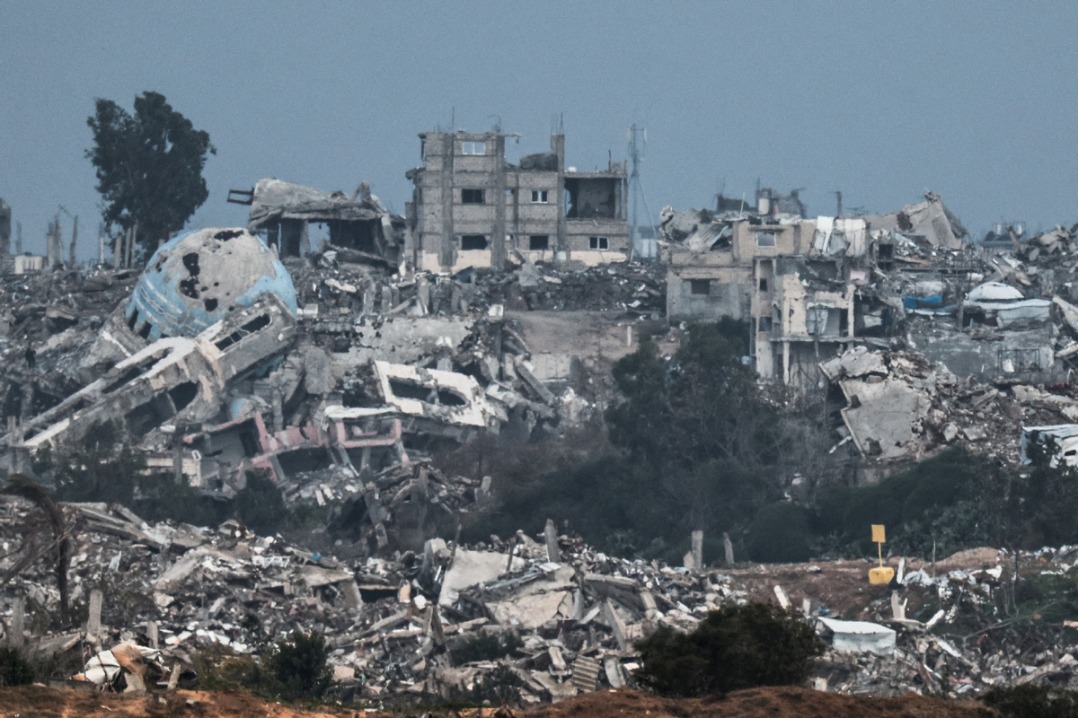
    November witnessed a significant breakthrough when the Security Council finally passed a US-proposed ceasefire plan for Gaza after two years of stalled negotiations. The resolution authorized an International Stabilization Force to support reconstruction and governance efforts in the region, marking a departure from previous US vetoes that had blocked similar measures.

    China’s permanent representative Fu Cong emphasized the urgency of the humanitarian crisis, stating ‘Gaza is already facing famine, with disease spreading rapidly.’ He challenged the US to ‘face up to its responsibilities’ and support the Council’s effectiveness rather than undermining UN authority.

    The organization faced additional strains as former US President Donald Trump delivered an extended critique during the General Assembly, lambasting the UN’s infrastructure and decision-making processes while accusing the body of funding migration that threatened Western nations. These remarks coincided with reduced US financial contributions that exacerbated the UN’s ongoing liquidity crisis.

    Structural reform gained prominence through the newly established Group of Friends of Global Governance, comprising 43 founding members. The coalition advocated for a ‘stronger, more efficient and more inclusive UN’ through the UN80 Initiative, reflecting widespread member state expectations for reinforced multilateralism and improved global governance.

    China consistently emphasized that meaningful reform must enhance developing nations’ representation and reflect contemporary geopolitical realities. Fu Cong articulated this position, stressing the need to ‘advance the democratization of international relations’ while opposing ‘unilateralism, hegemonism and power politics.’

    The reform debate intensified when China opposed Japan’s Security Council permanent membership aspirations, citing Prime Minister Sanae Takaichi’s November remarks characterizing a ‘Taiwan contingency’ as a ‘survival-threatening situation’ for Japan. China submitted formal objections to UN Secretary-General Antonio Guterres, reaffirming Taiwan as an internal matter.

    As the year concluded amidst persistent conflicts, Guterres issued a sobering New Year’s message for 2026, urging world leaders to ‘choose people and planet over pain’ while acknowledging that ‘chaos and uncertainty surround us’ at a critical global crossroads.

  • Kim’s daughter visits family mausoleum, promoting her potential status as heir in North Korea

    Kim’s daughter visits family mausoleum, promoting her potential status as heir in North Korea

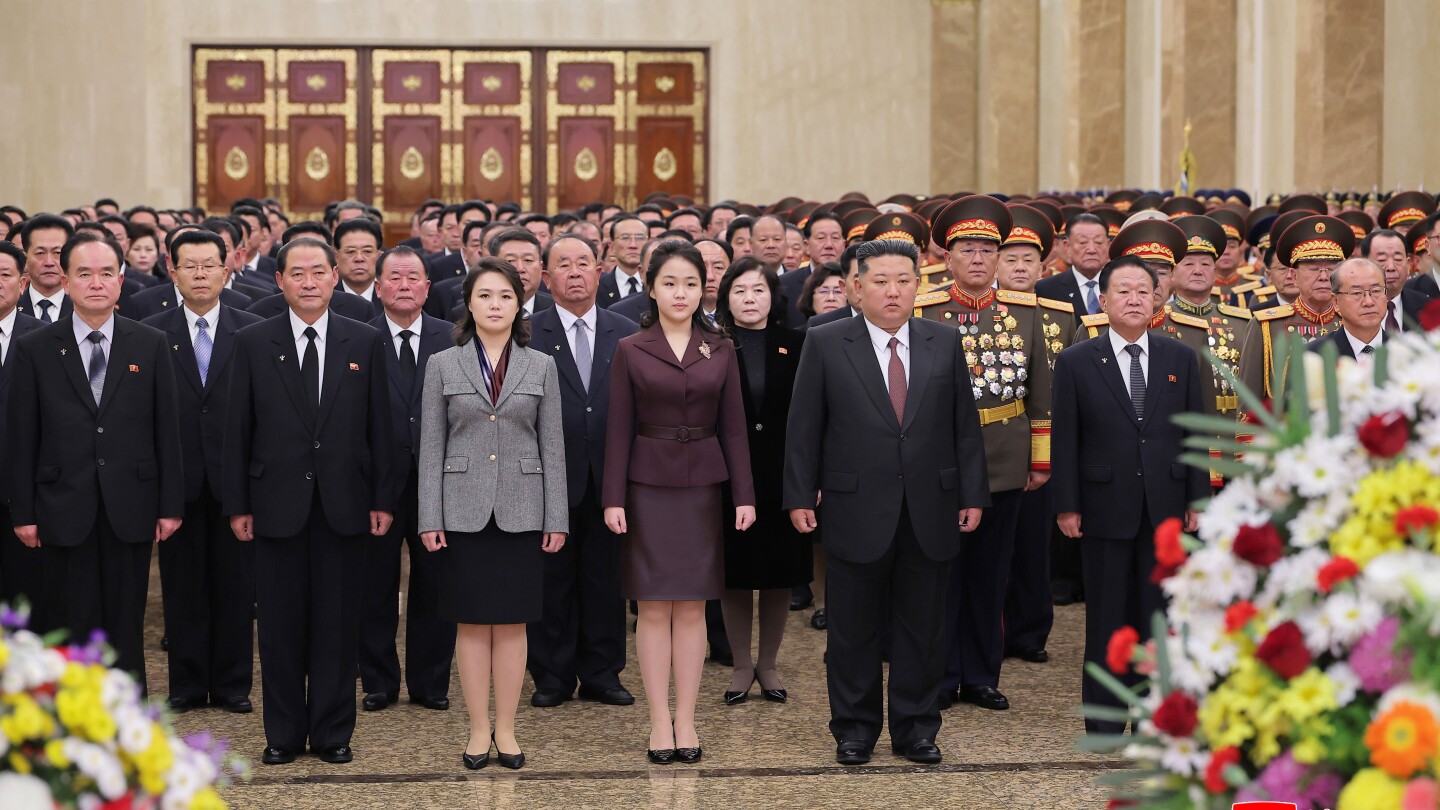
    In a significant political gesture, Kim Ju Ae, the approximately 13-year-old daughter of North Korean leader Kim Jong Un, has made her inaugural visit to the Kumsusan Palace of the Sun—the sacred mausoleum housing the embalmed remains of her grandfather and great-grandfather. The New Year’s Day event, documented extensively by state media, showed the teenager standing alongside her parents in the front row and performing deep bows at the revered site.

    Analysts interpret this carefully orchestrated appearance as a strategic move to bolster her legitimacy within the ruling dynasty. Cheong Seong-Chang of South Korea’s Sejong Institute noted that the palace ‘symbolizes the legitimacy of the North Korean regime,’ making her presence there ahead of the upcoming Workers’ Party congress particularly meaningful.

    The timing fuels ongoing speculation about her political future. Some experts suggest Kim Jong Un might appoint his daughter to the powerful position of first secretary—the party’s second-highest office—during the forthcoming congress. Others contend her youth makes such a high-profile appointment improbable, suggesting instead a more gradual introduction through lower-level positions.

    Kim Ju Ae has steadily grown her public profile since her November 2022 media debut, accompanying her father to military parades, missile tests, and even a diplomatic visit to Beijing. Recent displays of familial affection, including a New Year’s cheek kiss, further emphasize her privileged position within the leadership structure.

    While South Korea’s intelligence agency has identified her as the probable successor, debate persists among outside experts who cite Kim Jong Un’s relatively young age and North Korea’s profoundly patriarchal power structures as complicating factors. The upcoming party congress, the first in five years, is expected to address policy priorities and leadership reshuffling, potentially providing clearer signals about the country’s succession plans.

  • Trump says health is ‘perfect’ amid ageing concerns

    Trump says health is ‘perfect’ amid ageing concerns

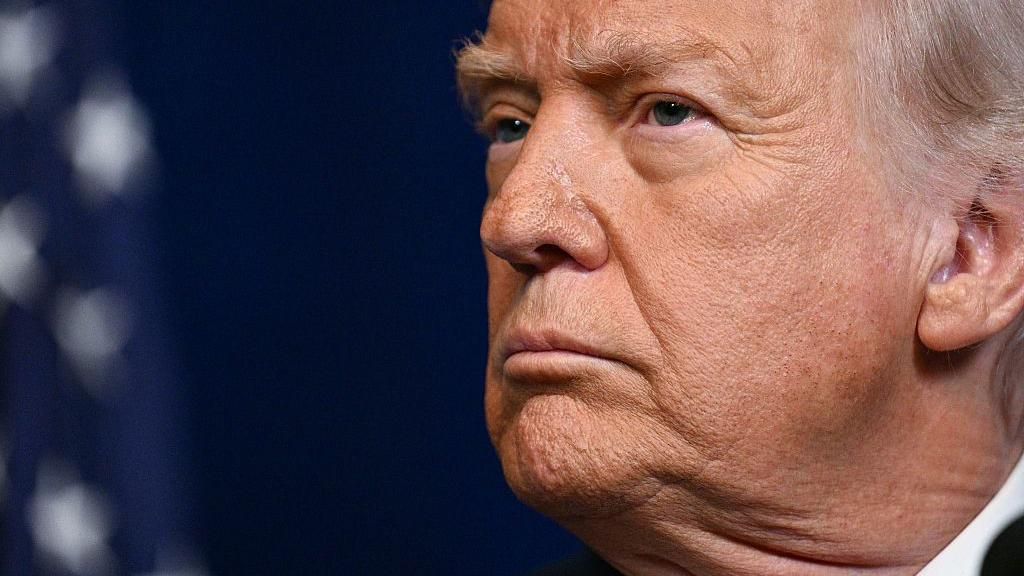
    In a remarkably transparent interview with The Wall Street Journal, former President Donald Trump disclosed unconventional health management approaches that contradict standard medical advice. The 79-year-old, who holds the distinction of being the oldest inaugurated president in American history, revealed he consistently exceeds recommended aspirin dosage, employs cosmetic solutions to conceal bruising, and avoids structured exercise regimens due to personal preference.

    Trump acknowledged taking 325mg of aspirin daily—significantly above the 81mg dose commonly recommended by physicians—citing blood thinning benefits despite recognizing the medication contributes to his susceptibility to bruising. ‘They say aspirin is good for thinning out the blood, and I don’t want thick blood pouring through my heart,’ Trump explained, adding his reluctance to alter a quarter-century routine due to superstition.

    The interview included a correction regarding his recent medical examination. Contrary to his previous public statements, Trump confirmed he underwent a CT scan rather than an MRI at Walter Reed National Medical Center in October. His physician, Navy Capt. Sean Barbabella, provided documentation confirming the CT scan was administered to eliminate cardiovascular concerns and revealed no abnormalities.

    Regarding visible signs of aging that have sparked public discussion, Trump offered alternative explanations. He characterized closed eyes during meetings as ‘relaxing’ rather than sleeping, and attributed photographic evidence of drowsiness to poorly timed blinking captures. For hand bruising, he revealed carrying makeup for quick coverage when his hands get ‘whacked’—a process he claims takes approximately ten seconds.

    Trump expressed frustration with ongoing public scrutiny of his health, which he repeatedly described as ‘perfect.’ He rejected medical advice to wear compression socks for diagnosed chronic venous insufficiency, instead opting for more frequent movement from his desk to address leg swelling. His only acknowledged physical activity remains golf, as he finds treadmill exercise ‘boring’ and unsuitable for his preferences.

    Despite these unconventional approaches, Trump’s physician affirmed in an official statement that the former president maintains ‘exceptional health and [is] perfectly suited to execute his duties as Commander in Chief.’

  • UAE President, Emir of Qatar discuss regional developments in phone call

    UAE President, Emir of Qatar discuss regional developments in phone call

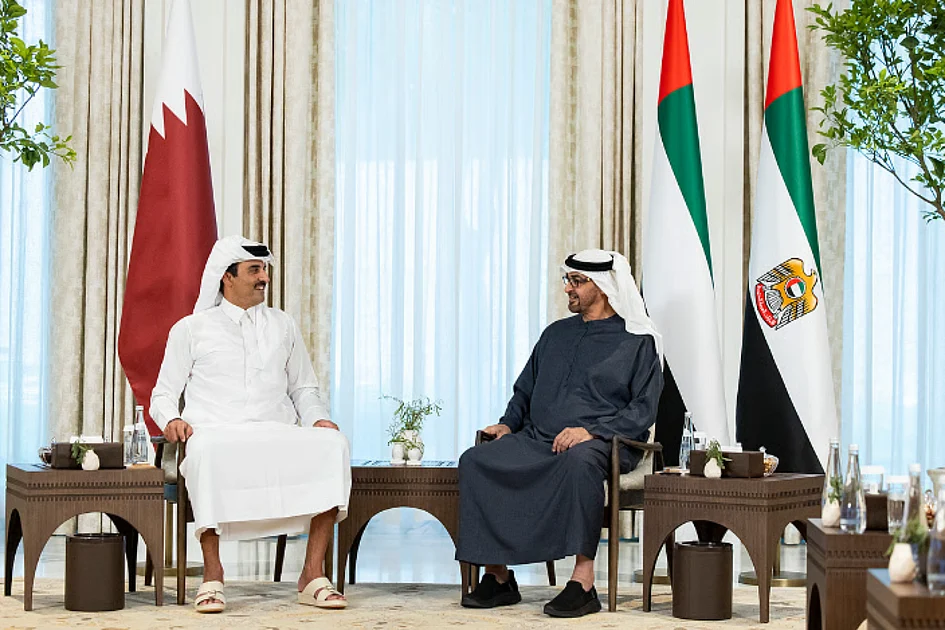
    In a significant diplomatic engagement, UAE President Sheikh Mohamed bin Zayed Al Nahyan and Qatari Emir Sheikh Tamim bin Hamad Al Thani convened via telephone on January 1, 2026, marking a pivotal moment in Gulf cooperation. The high-level discussion focused on reinforcing bilateral relations and exploring enhanced collaborative frameworks between the two nations.

    The leaders conducted comprehensive talks addressing regional geopolitical developments and matters of shared concern, signaling a coordinated approach to Middle Eastern affairs. This exchange represents continued diplomatic normalization following the resolution of the Gulf diplomatic crisis that previously affected regional relations.

    Official communications from both governments emphasized the constructive nature of the dialogue, which aimed at identifying mutual benefits for their respective populations. The conversation reflects ongoing efforts to strengthen Gulf Cooperation Council unity amid complex regional dynamics, including security challenges and economic opportunities.

    This diplomatic exchange follows recent regional developments that necessitate coordinated leadership responses. Both leaders expressed commitment to maintaining open channels of communication and regular high-level consultations to address evolving situations in the Middle East.

  • UAE leaders offer condolences to Bangladesh president over passing of Khaleda Zia

    UAE leaders offer condolences to Bangladesh president over passing of Khaleda Zia

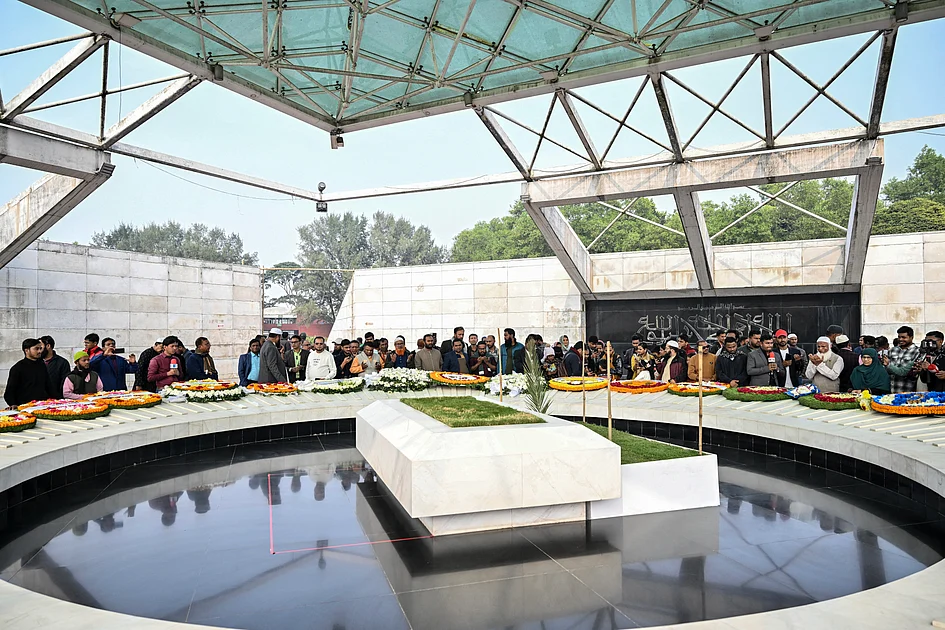
    The United Arab Emirates’ highest leadership has formally expressed sympathy to Bangladesh following the death of former Prime Minister Khaleda Zia, who passed away on December 30, 2025, at age 80. UAE President Sheikh Mohamed bin Zayed Al Nahyan conveyed heartfelt condolences to Bangladeshi President Mohammed Shahabuddin, recognizing Zia’s significant role in the nation’s political landscape.

    Similar messages of sympathy were extended by Sheikh Mohammed bin Rashid Al Maktoum, Vice President and Ruler of Dubai, and Sheikh Mansour bin Zayed Al Nahyan, Vice President and Chairman of the Presidential Court, demonstrating the UAE’s diplomatic solidarity during Bangladesh’s period of national mourning.

    The state funeral, held on December 31, 2025, attracted massive crowds honoring the political leader whose career spanned decades and profoundly shaped Bangladesh’s democratic trajectory. Zia’s Bangladesh Nationalist Party announced her passing amid what many believed would be her political comeback in upcoming February 2026 elections.

    Despite enduring years of health challenges and imprisonment on corruption charges under the government of her rival Sheikh Hasina, Zia remained politically active until her final days. Interim leader Muhammad Yunus had previously described her as “a source of utmost inspiration for the nation” and called for national prayers during her illness.

    Zia’s release from prison in 2024 coincided with the political transition that saw Hasina removed from power, setting the stage for what many anticipated would be Zia’s return to electoral politics before her untimely passing.