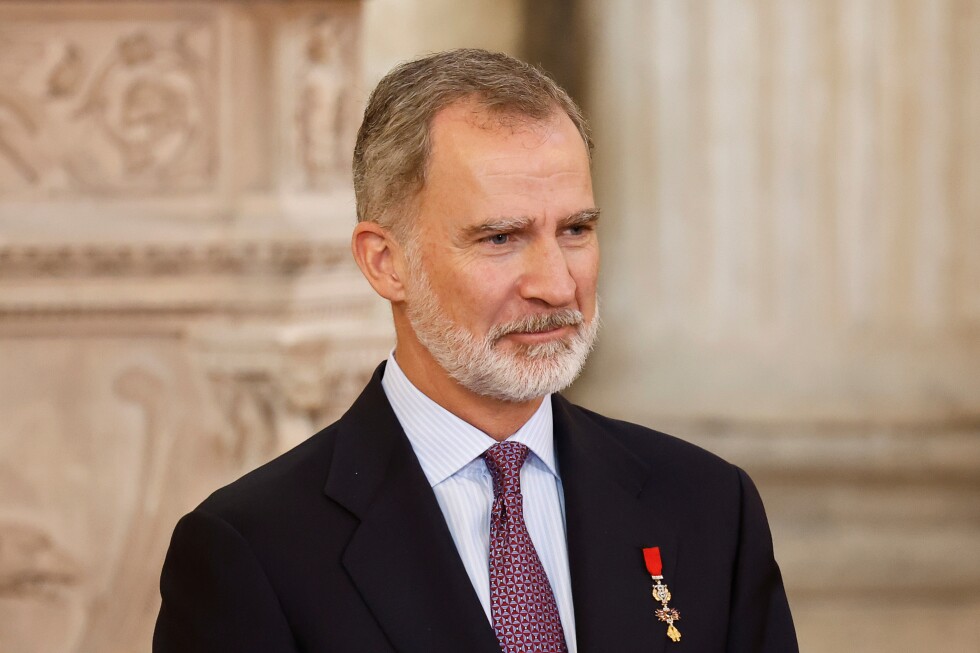
In a significant diplomatic gesture, King Felipe VI of Spain has publicly recognized the historical injustices committed during Spain’s conquest of the Americas, marking a potential turning point in years of strained relations with Mexico. The monarch’s remarks came during his visit to a Madrid museum exhibition highlighting the role of women in pre-Columbian Mexico, where he met with Mexican Ambassador Quirino Ordaz.
Addressing the contentious historical period, King Felipe stated that the Spanish conquest involved ‘much abuse’ and ‘ethical controversies’ that ‘with our current values, they obviously cannot make us feel proud.’ However, he emphasized the importance of contextual understanding, advocating for ‘objective and rigorous analysis’ rather than ‘excessive moral presentism.’
This symbolic acknowledgment follows nearly five years of diplomatic tension stemming from former Mexican President Andrés Manuel López Obrador’s 2019 demand for Spain to formally apologize for colonial-era atrocities. The dispute intensified in 2024 when current President Claudia Sheinbaum excluded the Spanish king from her inauguration ceremonies due to the palace’s refusal to issue an official apology.
The recent thaw in relations began last fall when Spanish Foreign Minister José Manuel Albares acknowledged the ‘pain and injustice’ suffered by Mexico’s Indigenous population during conquests that decimated pre-Hispanic communities. Sheinbaum had characterized those comments as an unprecedented first step toward reconciliation.
While not constituting a formal apology from the Spanish monarchy, Felipe’s carefully measured statements represent the highest-level recognition to date of historical grievances from Spain’s colonial empire, which once spanned five continents between the 16th and 18th centuries. President Sheinbaum has indicated she will review the king’s remarks as bilateral relations show signs of gradual improvement.