分类: politics

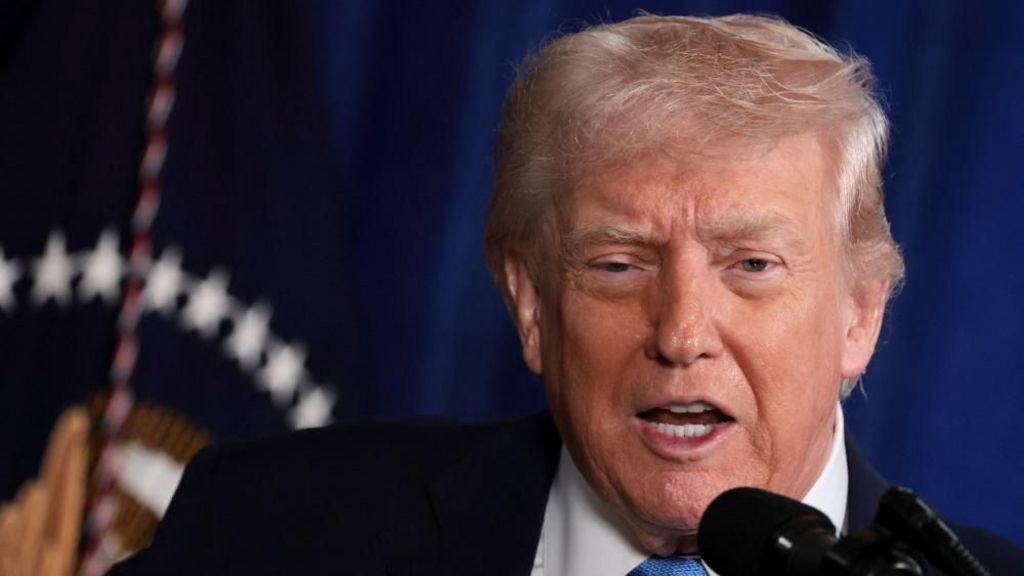
  • Trump warns new Venezuelan leader as Maduro set to appear in court

    Trump warns new Venezuelan leader as Maduro set to appear in court

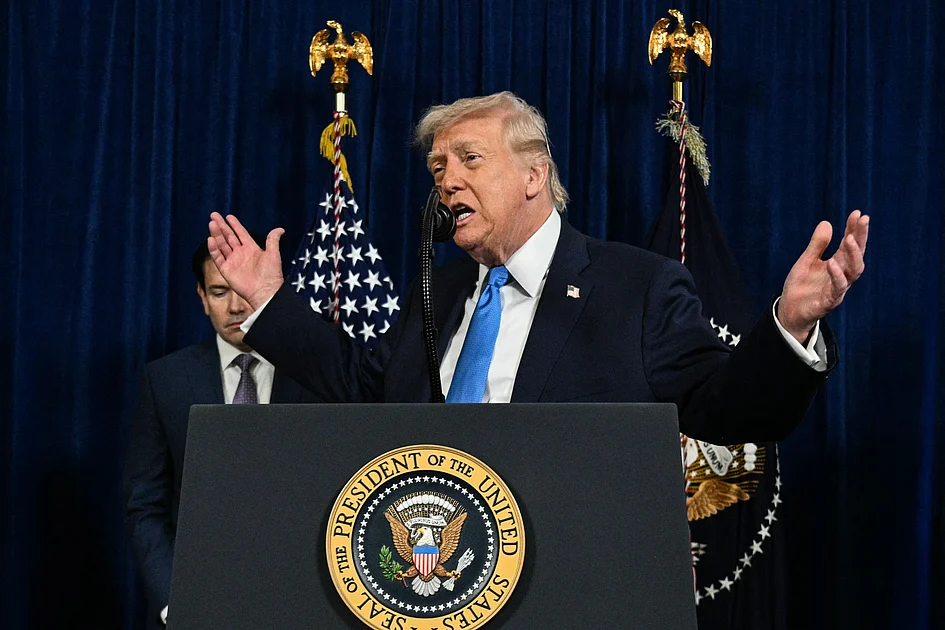
    Former US President Donald Trump has issued a stark warning to Venezuela’s newly appointed interim leader Delcy Rodríguez, cautioning that she could face consequences “probably bigger than Maduro” if she fails to align with US expectations. The threat came as ousted president Nicolás Maduro, captured in a dramatic US military operation, prepared to face New York court proceedings on drug trafficking and weapons charges.

    The extraordinary capture operation unfolded early Saturday when US special forces stormed Maduro’s compound in Caracas, resulting in the detention and transportation of both Maduro and his wife, Cilia Flores, to American soil. The operation involved strikes on military installations including Fuerte Tiuna, one of Venezuela’s largest military bases, and resulted in significant casualties according to Venezuelan officials.

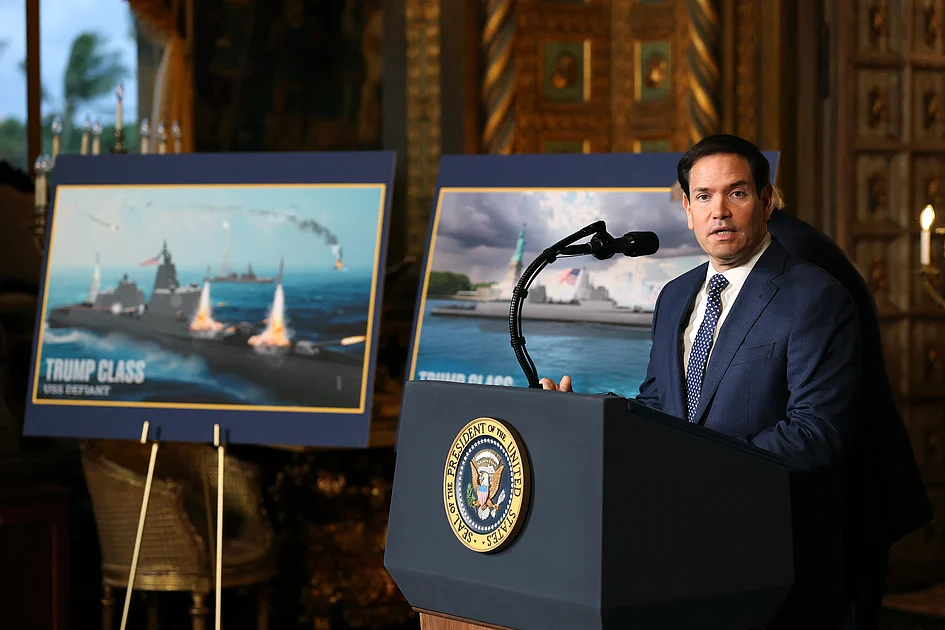
    US Secretary of State Marco Rubio vigorously defended the operation, characterizing it as a “law enforcement action” rather than an act of war. “We are at war against drug trafficking organizations. That’s not a war against Venezuela,” Rubio emphasized during multiple Sunday news program appearances. He asserted that congressional authorization was unnecessary since the operation involved FBI agents making arrests rather than military invasion.

    The political transition in Venezuela saw Rodríguez sworn in as interim president by the nation’s Supreme Court, with full backing from the military establishment. She is scheduled to be formally inaugurated Monday in Caracas. However, the US maintains it does not recognize the legitimacy of the current regime structure.

    International reaction has been sharply critical, with several nations including Brazil, Chile, Colombia, Mexico, Uruguay and Spain condemning the US military action as “an extremely dangerous precedent for peace and regional security.” They expressed particular concern about external control that threatens regional stability and violates international law.

    Domestically, Democratic lawmakers have denounced the operation as an unauthorized act of war. House Minority Leader Hakeem Jeffries and Senate Minority Leader Chuck Schumer have vowed to support legislation prohibiting further presidential action in Venezuela without congressional approval, arguing that such regime change operations historically cost American lives and treasure.

    The Cuban government, a longstanding socialist ally of Maduro, announced two days of national mourning for 32 “brave Cuban combatants” killed during the operation, further escalating regional tensions surrounding this unprecedented intervention.
  • US not seeking to govern Venezuela, aims to work with new authorities, Marco Rubio says

    US not seeking to govern Venezuela, aims to work with new authorities, Marco Rubio says

    In the aftermath of a dramatic military operation that resulted in the capture of Venezuelan President Nicolás Maduro, top U.S. officials have moved to clarify Washington’s position regarding the South American nation’s future governance. Secretary of State Marco Rubio appeared on multiple Sunday news programs to emphasize that the United States does not seek to directly govern Venezuela, but rather intends to collaborate with existing authorities under specific conditions.

    The operation, which unfolded on Saturday, involved U.S. commandos conducting a helicopter assault on Caracas with support from attack aircraft and naval assets. The successful extraction of Maduro and his wife culminated in the deposed leader’s transport to New York, where he now awaits arraignment on narcotrafficking charges. Video evidence released by the White House shows Maduro in custody at a Manhattan DEA facility, handcuffed and offering a subdued ‘Good night, happy new year’ in English.

    Despite the vacuum created by Maduro’s capture, relative calm prevailed in Venezuela’s capital. Citizens formed queues at grocery stores, while the previously visible heavily armed police presence diminished significantly. The Venezuelan military has officially recognized Vice President Delcy Rodríguez as acting president and encouraged citizens to resume normal activities.

    Secretary Rubio’s comments served to contextualize President Trump’s earlier statement about the U.S. intending to ‘run the country’ until a transition could be effected. Rubio specified that Washington would assess the existing Venezuelan leadership based on actions rather than rhetoric, indicating readiness to work with Rodríguez and other cabinet members contingent upon their adherence to U.S. demands.

    The administration faces mounting questions regarding its long-term strategy, particularly concerning Venezuela’s massive oil reserves—the world’s largest. Rubio indicated that Western companies would likely show ‘dramatic interest’ in revitalizing Venezuela’s crippled oil industry, provided appropriate guarantees and conditions were established. Simultaneously, the U.S. maintains significant leverage through an oil export embargo enforced by Navy vessels in the Caribbean.

    Political opposition emerged from Democratic leaders, with Senate leader Chuck Schumer expressing that Americans were left ‘scratching their heads in wonderment and in fear,’ while House leader Hakeem Jeffries characterized the raid as an unauthorized act of war. The operation represents the culmination of an escalating pressure campaign that began with interdictions of suspected drug trafficking vessels near Venezuelan waters.

  • Trump warns Venezuela VP Delcy Rodriguez could face harsher fate than Maduro

    Trump warns Venezuela VP Delcy Rodriguez could face harsher fate than Maduro

    In a recent interview with The Atlantic magazine, former U.S. President Donald Trump issued a direct threat to Venezuelan Vice President Delcy Rodríguez, suggesting she could face more severe consequences than ousted leader Nicolás Maduro if she fails to align with U.S. interests. The statement, made on January 4, 2026, represents a significant escalation in the ongoing political confrontation between the United States and Venezuela’s leadership.

    The remarks follow reports of a U.S. military operation that reportedly resulted in the elimination of much of Maduro’s security team and claims that the Venezuelan president had been captured and transported out of the country. Trump’s specific targeting of Rodríguez, who serves as Venezuela’s first female vice president and a key figure in Maduro’s government, indicates a strategic shift in U.S. pressure tactics toward Venezuelan officials.

    This development occurs within the broader context of heightened tensions between the two nations, with the U.S. expressing intentions to manage Venezuela’s oil reserves during a transitional period following Maduro’s alleged capture. The explicit nature of Trump’s warning underscores the increasingly direct approach being employed by U.S. officials in dealing with the Venezuelan government, moving beyond diplomatic channels to overt threats against specific individuals in leadership positions.

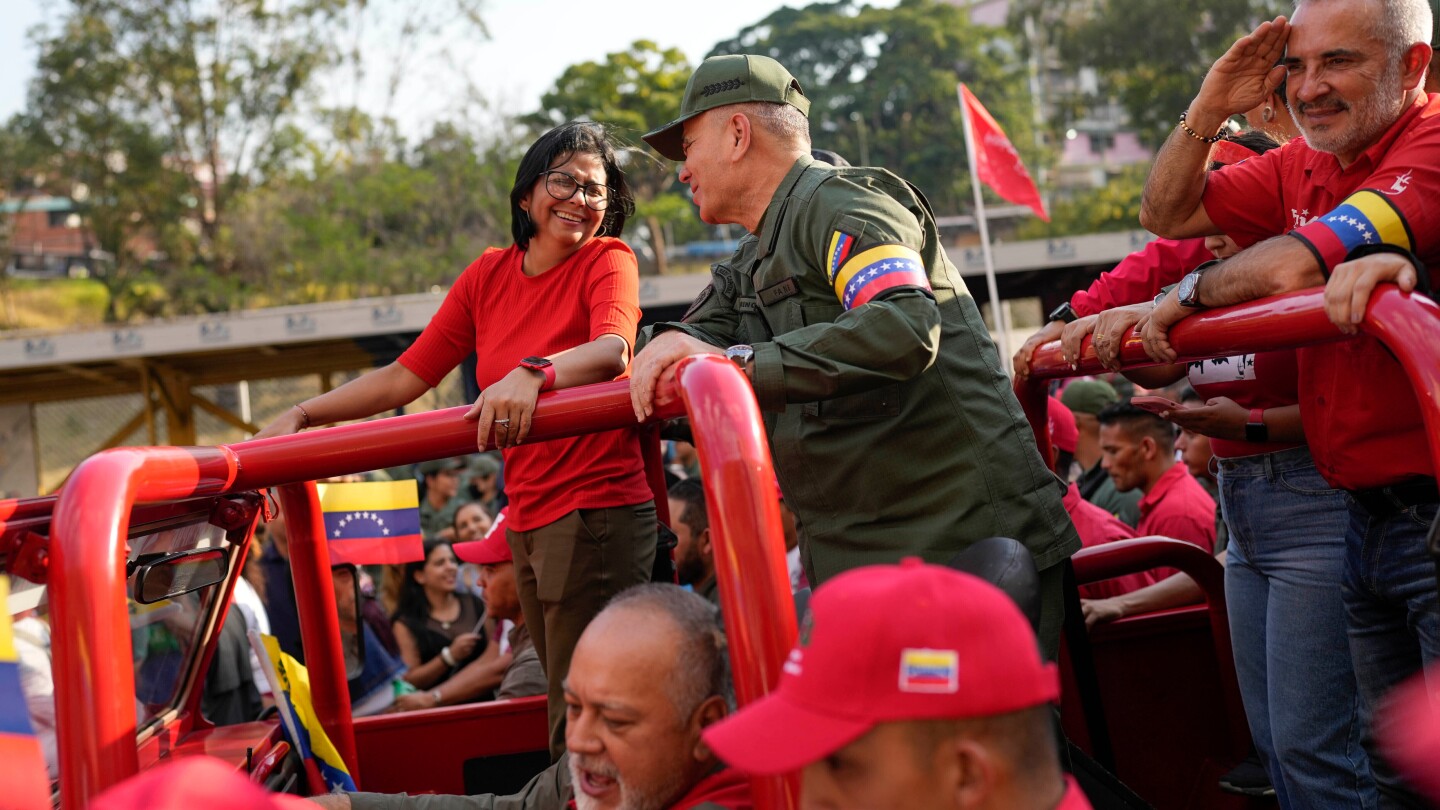
  • ‘Free our president’, Maduro supporters demand at rally

    ‘Free our president’, Maduro supporters demand at rally

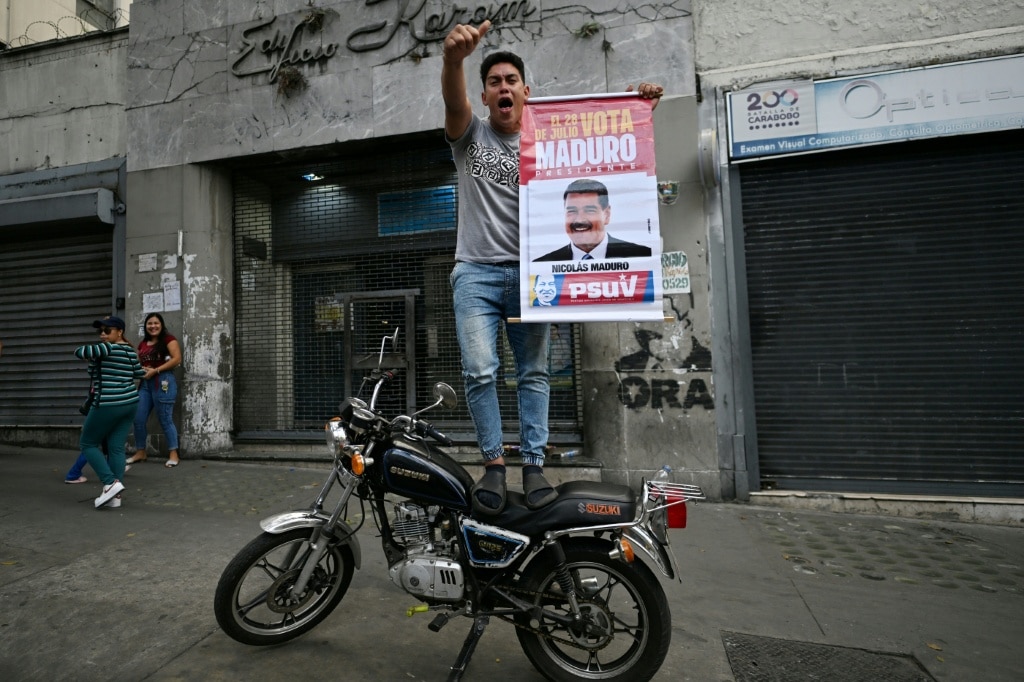
    Thousands of demonstrators flooded the streets of Caracas on Sunday in a passionate display of support for ousted Venezuelan president Nicolás Maduro, demanding his immediate release from U.S. custody following his dramatic capture by American forces. The rally, organized by Maduro loyalists, featured paramilitary groups and motorcycle brigades accompanying protesters waving the distinctive yellow, blue and red Venezuelan flags.

    Protesters carried emotionally charged signs reading ‘Free our president’ and ‘Venezuela is no-one’s colony’—the latter directly referencing President Donald Trump’s controversial statement that Washington would ‘run’ Venezuela during a transitional period. The gathering occurred just one day after U.S. forces conducted airstrikes on Caracas that reportedly neutralized Venezuelan defenses during the operation to apprehend Maduro.

    The ousted leader faces serious charges of ‘narcoterrorism’ related to alleged cocaine trafficking into the United States and is scheduled to appear in a New York courtroom on Monday. Meanwhile, Venezuelan officials have reported significant casualties from the military operation, with Defense Minister Vladimir Padrino López stating that a ‘large part’ of Maduro’s security team was killed ‘in cold blood,’ along with military personnel and civilians.

    Medical sources speaking anonymously suggested approximately 70 fatalities and 90 injuries from the pre-dawn strikes, though Venezuelan hospitals have declined to provide official casualty figures. The circumstances of Maduro’s capture have sparked widespread speculation about possible betrayal within his inner circle, particularly given the failure of air defense systems at the country’s largest military base where the arrest occurred.

    Maduro’s son, Nicolás Maduro Guerra, amplified these suspicions in an audio message circulated on social media, declaring that ‘history will tell who the traitors were.’ The emotional response from supporters like Nairda Itriago, 56, who angrily told AFP that ‘the narcotrafficker and terrorist is Trump,’ underscores the deep divisions and heightened tensions between the two nations.

  • Trump says that Ukraine didn’t target Putin residence in a drone strike as Kremlin claims

    Trump says that Ukraine didn’t target Putin residence in a drone strike as Kremlin claims

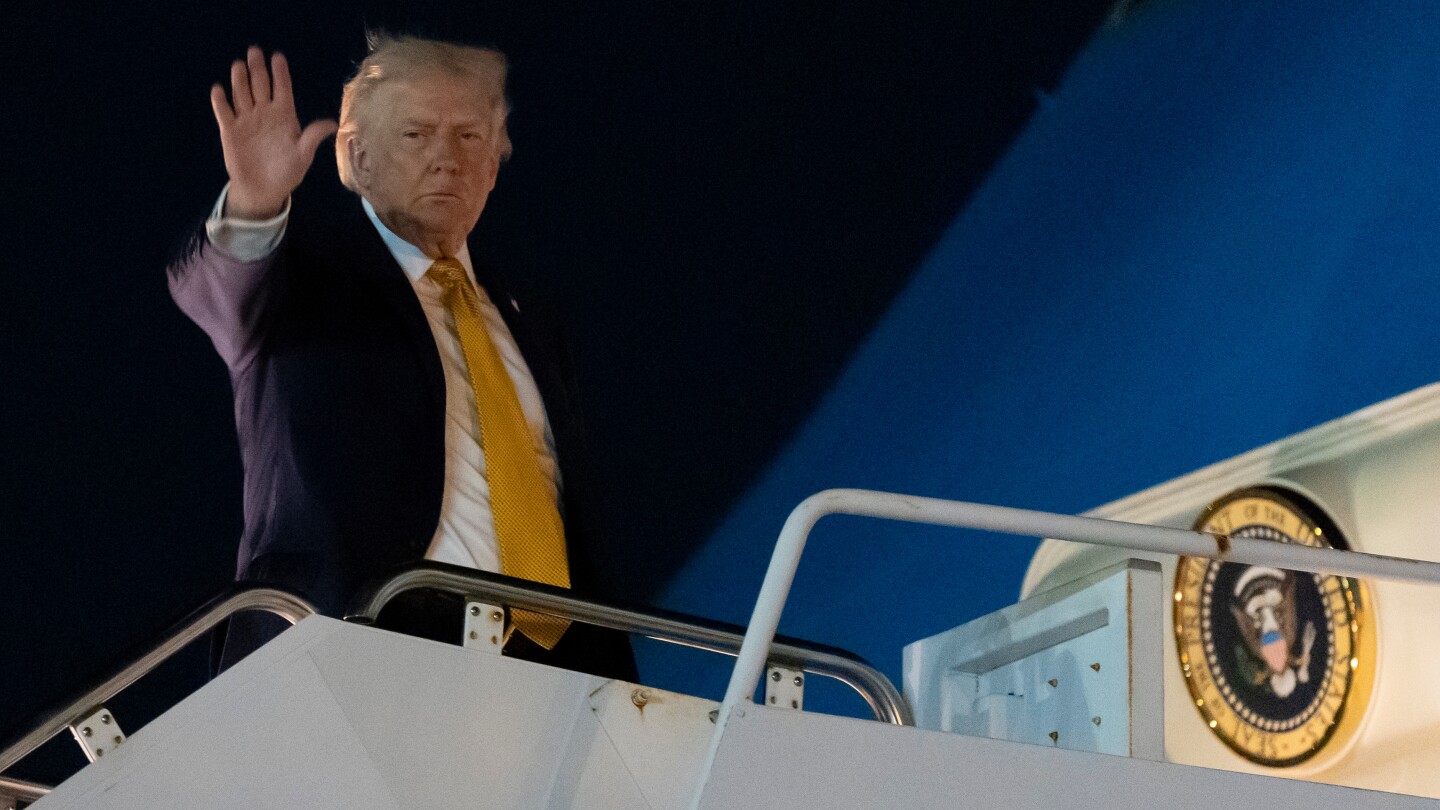
    Aboard Air Force One — President Donald Trump revealed on Sunday that United States intelligence agencies have concluded Ukraine was not responsible for targeting Russian President Vladimir Putin’s official residence in a recent alleged drone strike. This assessment directly contradicts assertions made by the Kremlin, which Trump had initially treated with serious concern.

    The controversy emerged after Russian Foreign Minister Sergey Lavrov asserted last week that Ukrainian forces launched multiple drones toward Putin’s Novgorod region compound, claiming Russian defense systems successfully neutralized the attack. Lavrov further criticized Kyiv for timing this alleged offensive during sensitive negotiations aimed at resolving the ongoing conflict.

    Trump provided clarification to journalists while returning to Washington after a two-week stay at his Florida residence. ‘Our analysis indicates something occurred in the vicinity, but we have verified that President Putin’s residence was not the intended target,’ the President stated. ‘Based on our comprehensive review, we do not believe this strike transpired as described.’

    This development occurred shortly after Ukrainian President Volodymyr Zelenskyy’s diplomatic visit to Florida, where he engaged in substantive discussions with Trump regarding a proposed 20-point peace plan to end hostilities. Zelenskyy immediately denied Russia’s allegations when they surfaced.

    European officials had previously characterized Moscow’s claims as a deliberate attempt to sabotage peace efforts. Initially, however, Trump appeared to credit the Russian narrative, expressing anger during a Monday conversation with Putin regarding the alleged incident. By Wednesday, the President’s position evolved as he shared skeptical commentary from media sources questioning the Kremlin’s account.

    The administration continues to pursue its commitment to broker a resolution to the Ukraine conflict, despite facing challenges in reconciling the divergent demands of both nations. While Trump and Zelenskyy reported constructive dialogue during their Mar-a-Lago meeting, Putin maintains Russia will not engage in peace talks until achieving its strategic objectives, including full control of the Donbas region and significant restrictions on Ukraine’s military capabilities.

  • Danish PM calls on US to stop ‘threatening’ Greenland

    Danish PM calls on US to stop ‘threatening’ Greenland

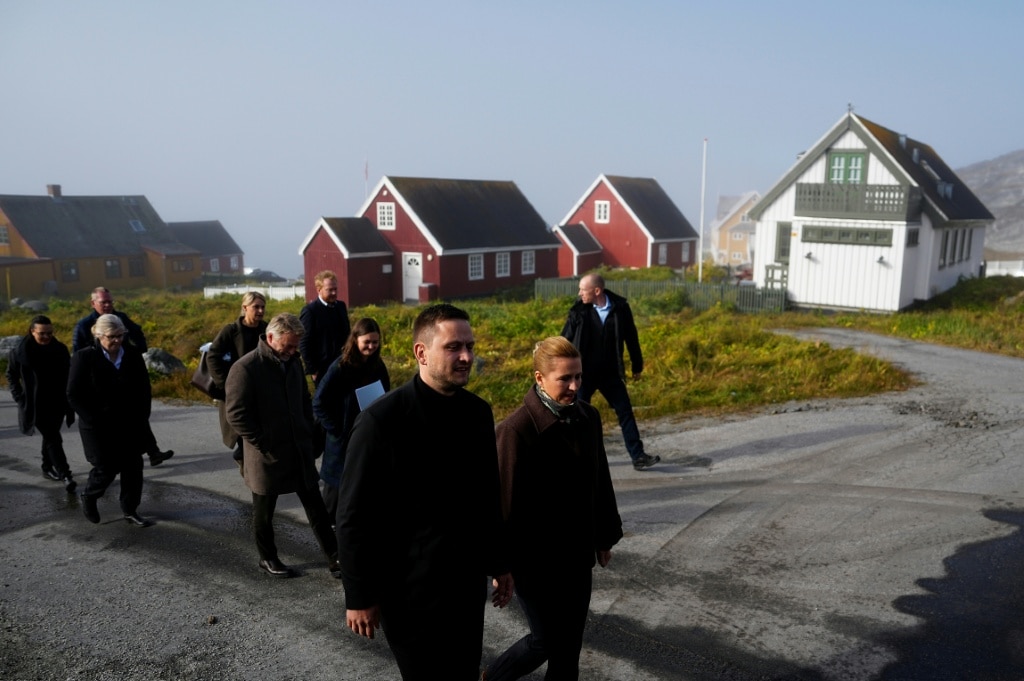
    In a sharp diplomatic rebuke, Danish Prime Minister Mette Frederiksen has publicly called upon the United States to cease what she termed ‘threatening’ behavior towards Greenland. This condemnation follows a series of provocative statements from Washington regarding the strategic Danish autonomous territory.

    The tension escalated when President Donald Trump, in an interview with The Atlantic magazine published Sunday, reaffirmed his administration’s interest in Greenland, stating, ‘we do need Greenland, absolutely. We need it for defense.’ This comment came just one day after a controversial U.S. military operation in Venezuela that resulted in the capture of President Nicolas Maduro.

    Further inflaming the situation, Katie Miller—spouse of Stephen Miller, a senior White House advisor and key architect of Trump’s policies—shared a contentious image on social media platform X. The post depicted Greenland’s map overlaid with the colors and stars of the American flag, captioned with the single word: ‘SOON.’

    Prime Minister Frederiksen characterized the notion of U.S. control over Greenland as ‘absolutely absurd’ and urged Washington to respect its historical alliance with Denmark. Greenland’s own Premier, Jens-Frederik Nielsen, denounced the social media post as ‘disrespectful,’ while simultaneously seeking to calm concerns by asserting, ‘Our country is not for sale, and our future is not decided by social media posts.’

    The U.S. intervention in Venezuela has evidently rattled European allies, casting a new light on Trump’s repeated expressions of desire to annex Greenland. The administration has justified its interest by citing the territory’s strategic Arctic positioning and its wealth of critical minerals essential for high-tech industries.

    Jesper Moeller Soerensen, Denmark’s Ambassador to the U.S., responded with a pointed ‘friendly reminder’ on X, emphasizing Denmark’s expectation of ‘full respect for territorial integrity.’ He highlighted Denmark’s status as a NATO ally that has ‘significantly boosted its Arctic security efforts’ in cooperation with the U.S., underscoring that the nations should ‘continue to work together as such.’

    Stephen Miller, recognized as a principal influence on Trump’s hardline immigration and domestic policies, finds his wife’s actions adding a personal dimension to the diplomatic friction. Katie Miller, who held communications roles in the Trump administration and for former Vice President Mike Pence, has not publicly commented further on her post.

    The incident underscores growing concerns among U.S. allies regarding the administration’s foreign policy tactics and its public disregard for established international norms and diplomatic protocols.

  • North Korea says latest missile tests involves hypersonic weapons system

    North Korea says latest missile tests involves hypersonic weapons system

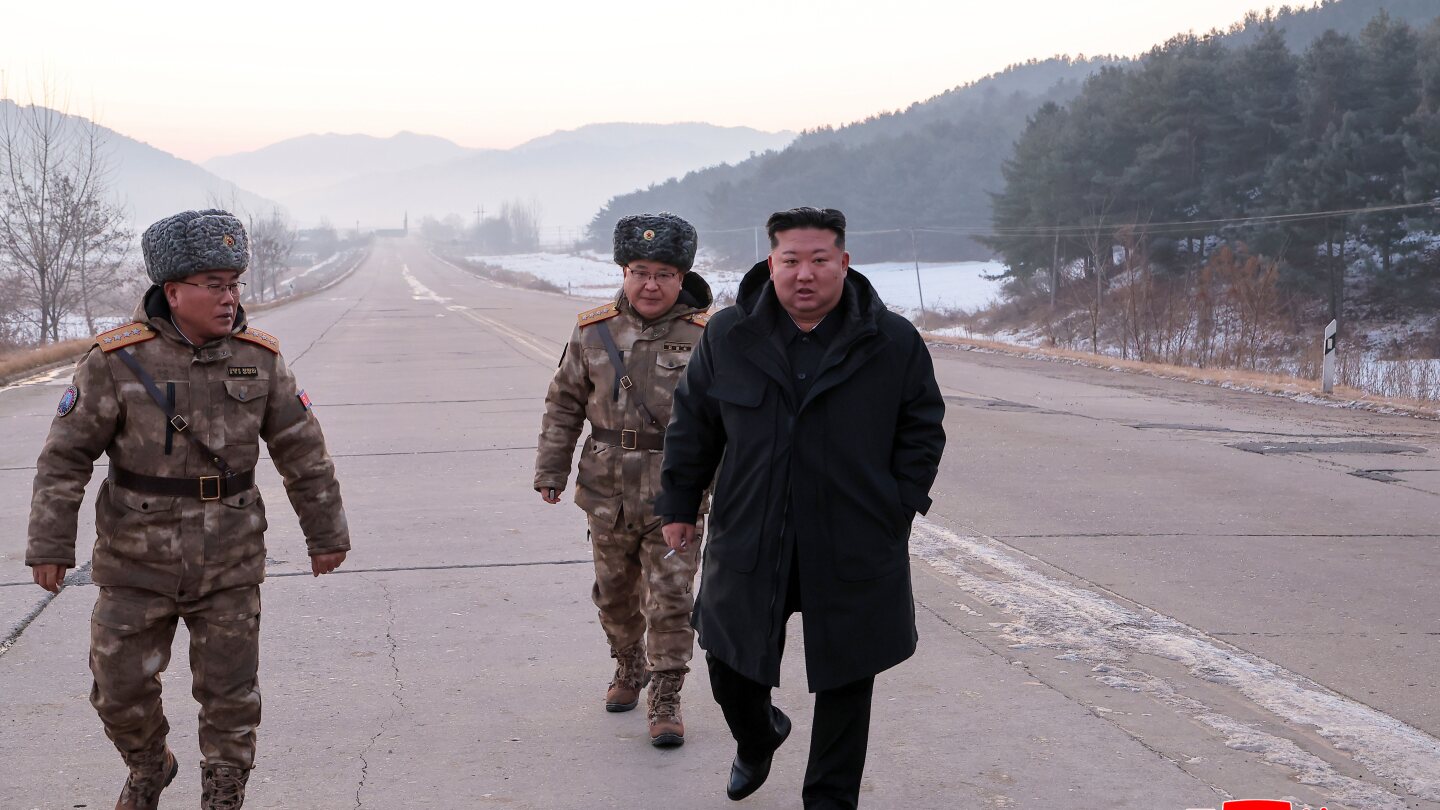
    North Korea has conducted a significant test of its hypersonic missile capabilities, with leader Kim Jong Un personally overseeing the military exercise and emphasizing the urgent need to enhance the country’s nuclear deterrent. The official Korean Central News Agency reported Monday that Sunday’s drill examined the readiness of hypersonic weapon systems while improving missile troops’ operational proficiency.

    Kim declared the successful test marked completion of “a very important technology task for national defense” and stressed the necessity of continuously upgrading military capabilities, particularly offensive weapon systems. The launches occurred just hours before South Korean President Lee Jae Myung departed for China to meet with President Xi Jinping, where North Korea’s nuclear program was expected to feature prominently in discussions.

    The development of functional hypersonic weapons represents a strategic priority for Pyongyang, as such technology could potentially penetrate U.S. and South Korean missile defense systems. However, many foreign weapons experts remain skeptical about whether North Korea’s tested missiles have actually achieved the desired hypersonic speeds and maneuverability characteristics.

    This latest demonstration forms part of an intensified weapons display campaign ahead of North Korea’s first Workers’ Party congress in five years. Recent weeks have witnessed tests of long-range strategic cruise missiles, new anti-air missiles, and apparent progress in nuclear-powered submarine construction.

    Regional analysts suggest the timing may also connect to recent U.S. military operations against Venezuelan leader Nicolás Maduro, which North Korea condemned as demonstrating “the rogue and brutal nature of the U.S.” Kim explicitly referenced geopolitical crises and complex international events as justification for his nuclear expansion efforts, indicating these developments likely reinforce his commitment to expanding weapons capabilities as insurance against perceived U.S. hostilities.

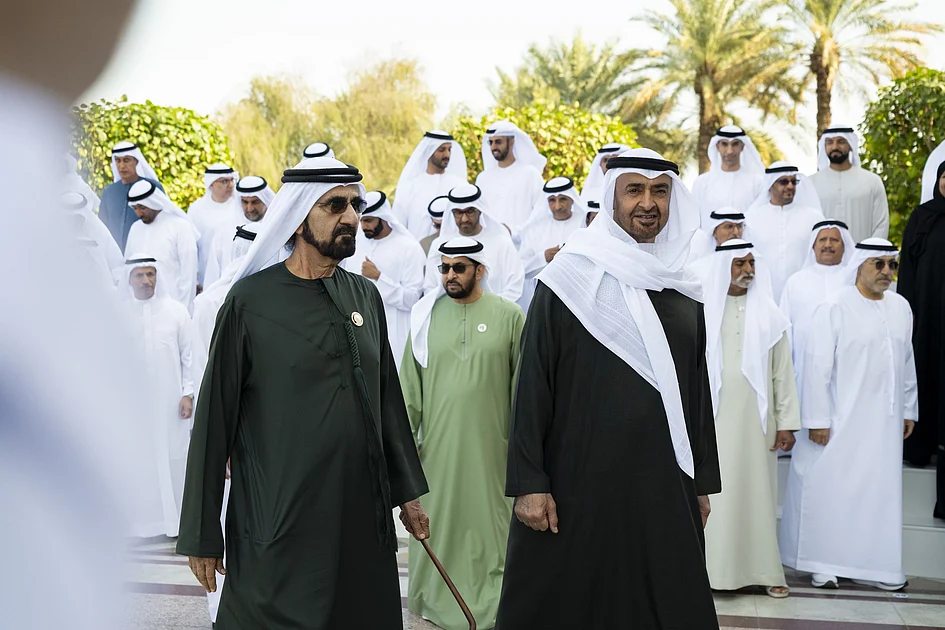
  • Look: Sheikh Mohammed meets current, former ministers who served over 20 years

    Look: Sheikh Mohammed meets current, former ministers who served over 20 years

    The United Arab Emirates celebrated a significant milestone in its political history as His Highness Sheikh Mohammed bin Rashid Al Maktoum, Vice President and Prime Minister of the UAE and Ruler of Dubai, convened with current and former ministers who have served alongside him throughout his twenty-year tenure. The gathering, attended by UAE President Sheikh Mohamed bin Zayed Al Nahyan, commemorated the anniversary of Sheikh Mohammed’s assumption of the prime ministerial office on January 5, 2006.

    President Sheikh Mohamed bin Zayed extended heartfelt congratulations to Sheikh Mohammed, recognizing his exceptional leadership that has positioned the UAE government as an exemplary developmental model centered on citizen welfare and future-oriented aspirations. The President expressed wishes for continued success in advancing the nation’s journey of achievement.

    Reflecting on two decades of progress, Sheikh Mohammed articulated the nation’s remarkable transformation from regional leader to global powerhouse. “We were determined to ensure high quality of life, stability, and prosperity for the UAE and its people,” he stated. “Today, we rank at the forefront across multiple domains, effectively becoming a complete world within one nation.”

    The Vice President specifically acknowledged key figures including Sheikh Mansour bin Zayed Al Nahyan for his unwavering partnership, Sheikh Saif bin Zayed Al Nahyan at Interior, Sheikh Abdullah bin Zayed Al Nahyan in foreign affairs, alongside Hamdan bin Mohammed in defense and Maktoum bin Mohammed in finance, characterizing them as components of an extraordinary team.

    Ministerial attendees expressed profound pride in serving under Sheikh Mohammed’s guidance, describing him as a present and motivational leader who cultivates optimism and collaborative spirit. They attributed the nation’s accomplishments to his visionary leadership and innovative policies that have established global benchmarks in governmental efficiency.

    The statistical legacy of these two decades reveals substantial governance activity: 72 ministers guided through nine cabinet formations and 13 reshuffles, 558 cabinet meetings producing nearly 16,000 resolutions, seven ministerial retreats, and 16 extraordinary meetings addressing critical national challenges.

    This period witnessed comprehensive governmental transformation through strategic initiatives including UAE Vision 2021, UAE Centennial 2071, and We the UAE 2031. The administration modernized over 90% of the legal framework, implemented AI-powered legislative systems, and launched hundreds of national policies stimulating key sectors while enhancing quality of life.

    Sheikh Mohammed expressed confidence in the nation’s continued ascent, stating: “I am optimistic the next two decades will bring prosperity, pride, and glory. The whole world will recognize the UAE as the premier global destination for living, working, investing, and visiting. Our most exceptional years still lie ahead.”

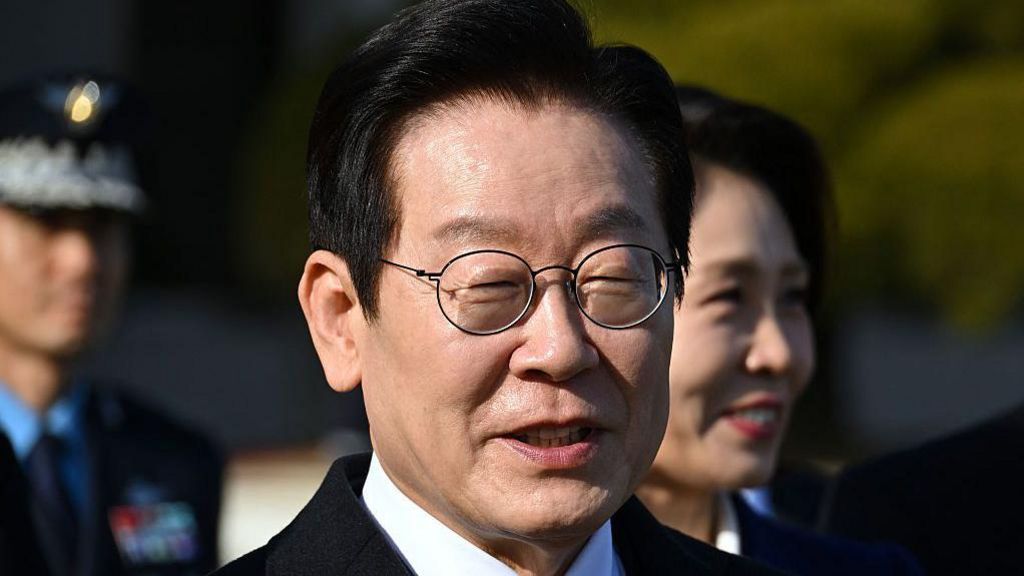
  • South Korea’s Lee Jae Myung to meet China’s Xi in reset of relations

    South Korea’s Lee Jae Myung to meet China’s Xi in reset of relations

    South Korean President Lee Jae Myung embarked on a crucial diplomatic mission to Beijing, meeting with Chinese leader Xi Jinping in a bid to recalibrate strained relations between the two nations. The Monday summit—their second since November—addressed critical issues including regional security concerns, China’s unofficial restrictions on Korean cultural exports, and economic cooperation between Seoul and its largest trading partner.

    The timing of President Lee’s visit carries substantial geopolitical significance amid escalating tensions between China and Japan over Taiwan. This diplomatic friction places South Korea—a key U.S. ally in the region—in a delicate position. Professor Park Seung-chan of Yongin University noted that China’s eagerness to host President Lee reflects Beijing’s search for regional allies, with clear expectations for Seoul to align against Japan.

    During his three-day visit, President Lee engaged in multiple high-level meetings, including a banquet hosted by Xi Jinping and discussions with Premier Li Qiang and National People’s Congress Chairman Zhao Leji. In remarks to Korean residents in Beijing, Lee characterized his visit as “a new starting point to fill in the gaps in Korea-China relations, restore them to normal and upgrade them to a new level.”

    The relationship had deteriorated under Lee’s predecessor, Yoon Suk Yeol, making this the first visit by a South Korean leader since 2019. Current discussions extend beyond bilateral ties to include security concerns on the Korean Peninsula, where Beijing’s influence over North Korea remains crucial. Despite Lee’s diplomatic outreach to Pyongyang, progress has been limited, heightening the importance of Chinese cooperation in denuclearization efforts.

    Additional agenda items included China’s maritime construction activities in disputed waters—which Beijing describes as fish-farming equipment but Seoul views as security threats—and the longstanding unofficial restrictions on Korean cultural content in China. These entertainment industry barriers, believed to be retaliation for South Korea’s 2016 deployment of a U.S. anti-missile system, have significantly impacted one of Korea’s most successful export sectors.

    The diplomatic balancing act continues as President Lee prepares for an anticipated visit to Japan later this month, demonstrating Seoul’s careful navigation between major powers in a region increasingly marked by strategic competition.

  • Surprise interim leader Delcy Rodriguez emerges in Venezuela after Maduro’s capture

    Surprise interim leader Delcy Rodriguez emerges in Venezuela after Maduro’s capture

    MEXICO CITY — Venezuela has entered a period of profound political uncertainty following the capture of President Nicolás Maduro by U.S. military forces. Delcy Rodríguez, Maduro’s vice president since 2018, has assumed interim control of the oil-rich nation amid escalating tensions with Washington.

    Rodríguez’s ascension to power came through a Saturday ruling by Venezuela’s Supreme Court, which declared Maduro’s absence temporary and authorized her takeover. The decision received immediate backing from the country’s military leadership, solidifying her position despite international skepticism.

    In her first televised address as interim leader, Rodríguez struck a defiant tone against the Trump administration, referring to American officials as “extremists” while emphatically stating, “The only president of Venezuela is President Nicolás Maduro.” Her remarks directly contradicted earlier suggestions from Secretary of State Marco Rubio that she might cooperate with U.S. interests.

    The 56-year-old British and French-educated lawyer brings considerable political experience to her new role. As Maduro’s vice president, she oversaw Venezuela’s oil-dependent economy and intelligence services, developing strong relationships with both military leaders and international energy stakeholders. Unlike many in Maduro’s inner circle, Rodríguez has avoided U.S. criminal indictment, though she faced sanctions during Trump’s first term for allegedly undermining Venezuelan democracy.

    Analysts note Rodríguez maintains particularly strong ties with Venezuela’s military establishment, which has historically served as the ultimate arbiter of political disputes. According to Ronal Rodríguez of Rosario University’s Venezuela Observatory, “She has developed very strong ties with elements of the armed forces and has managed to establish lines of dialogue with them, largely on a transactional basis.”

    The constitutional timeline for new elections remains unclear. While the charter typically requires elections within 30 days when a president becomes permanently unavailable, the Supreme Court cited provisions allowing for temporary transfers of power without immediate electoral requirements. This legal interpretation could permit Rodríguez to remain in power for up to six months through National Assembly approval.

    International observers question whether Rodríguez’s强硬 stance against the U.S. represents genuine defiance or strategic positioning. Geoff Ramsey of the Atlantic Council suggested her rhetoric might be an attempt to “save face” within revolutionary circles, noting that Maduro’s capture likely required some level of internal collaboration.

    As Venezuela navigates this political transition, Rodríguez faces the dual challenge of unifying fractious socialist party factions while managing external pressure from a U.S. administration that has threatened “very big price” consequences if she fails to align with American expectations.