分类: politics

  • NSW Police Commissioner Mal Lanyon to decide on extension of Sydney protest ban

    NSW Police Commissioner Mal Lanyon to decide on extension of Sydney protest ban

    New South Wales Police Commissioner Mal Lanyon is poised to make a pivotal determination regarding the potential extension of Sydney’s controversial protest ban, initially implemented following Christmas Eve legislative changes enacted after the Bondi terror incident. The decision, expected Tuesday, could prolong restrictive measures well into the new year.

    The current regulations, granting unprecedented authority to law enforcement, emerged from marathon parliamentary debates that established a 14-day prohibition on all public assemblies following declared terrorist events. This framework permits Commissioner Lanyon to maintain restrictions for up to three months, with provisions denying all police authorization requests during the initial fortnight.

    Notably, the legislation expands police capabilities to remove facial coverings from individuals suspected of committing offenses at public gatherings—a power previously reserved for more serious categories of criminal activity.

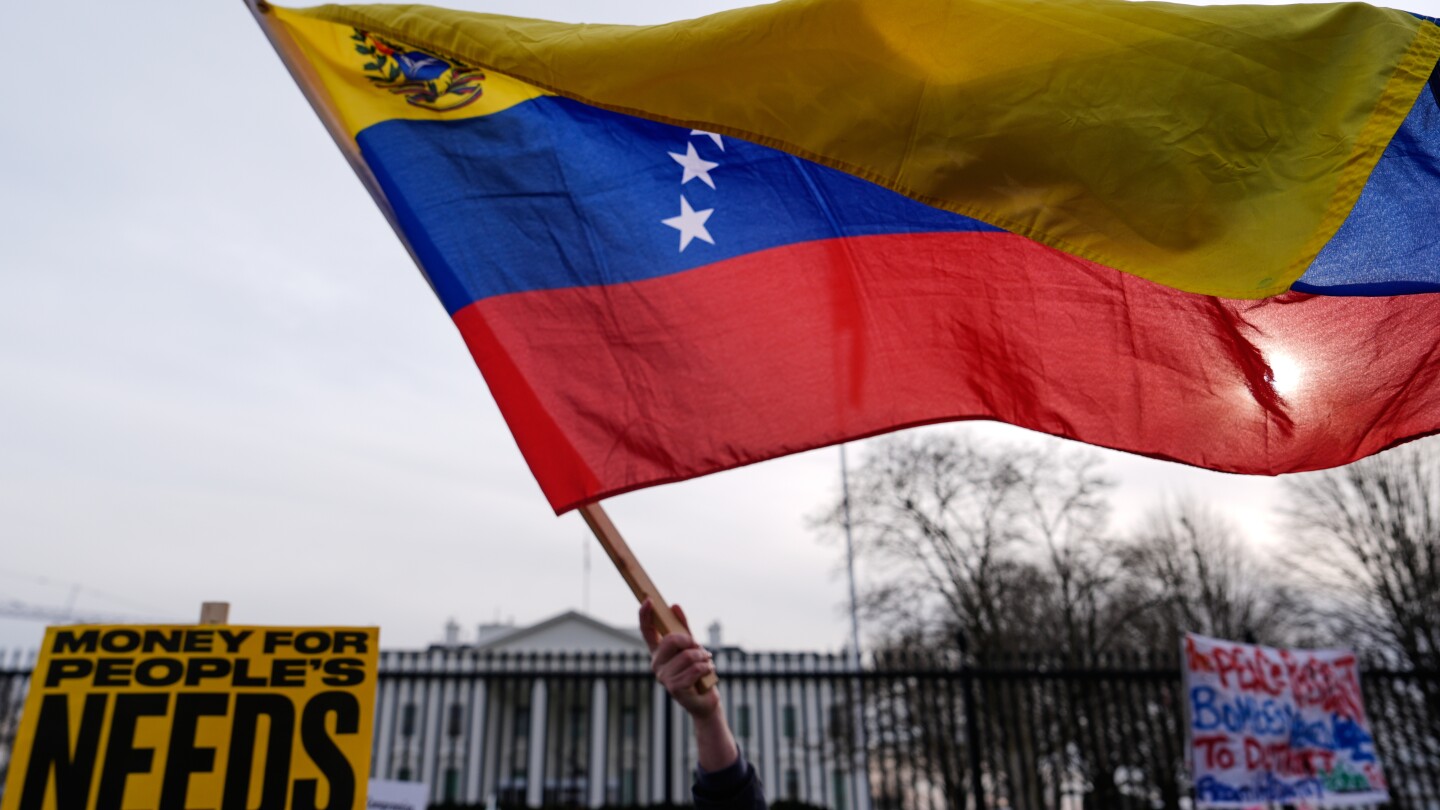
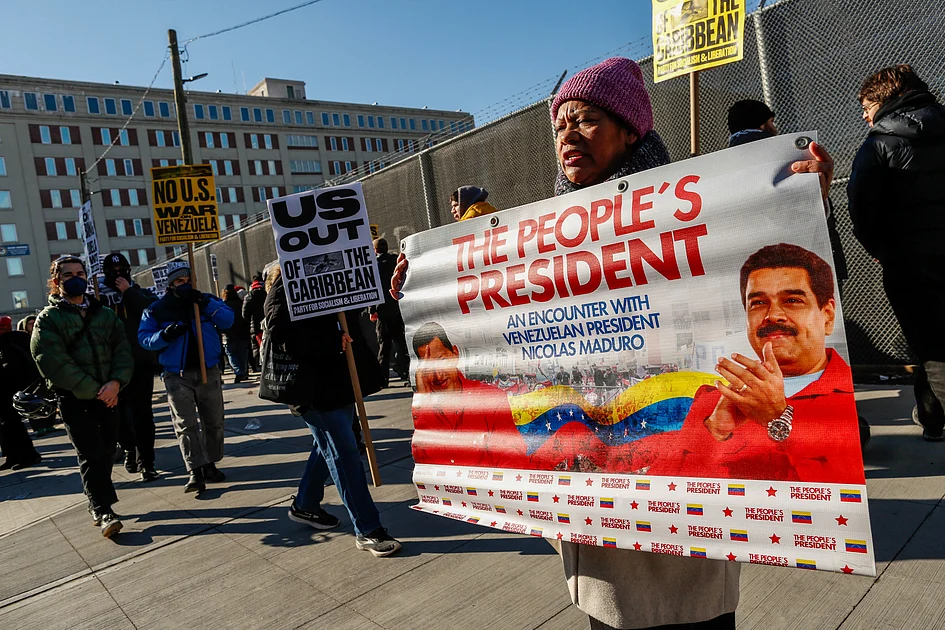
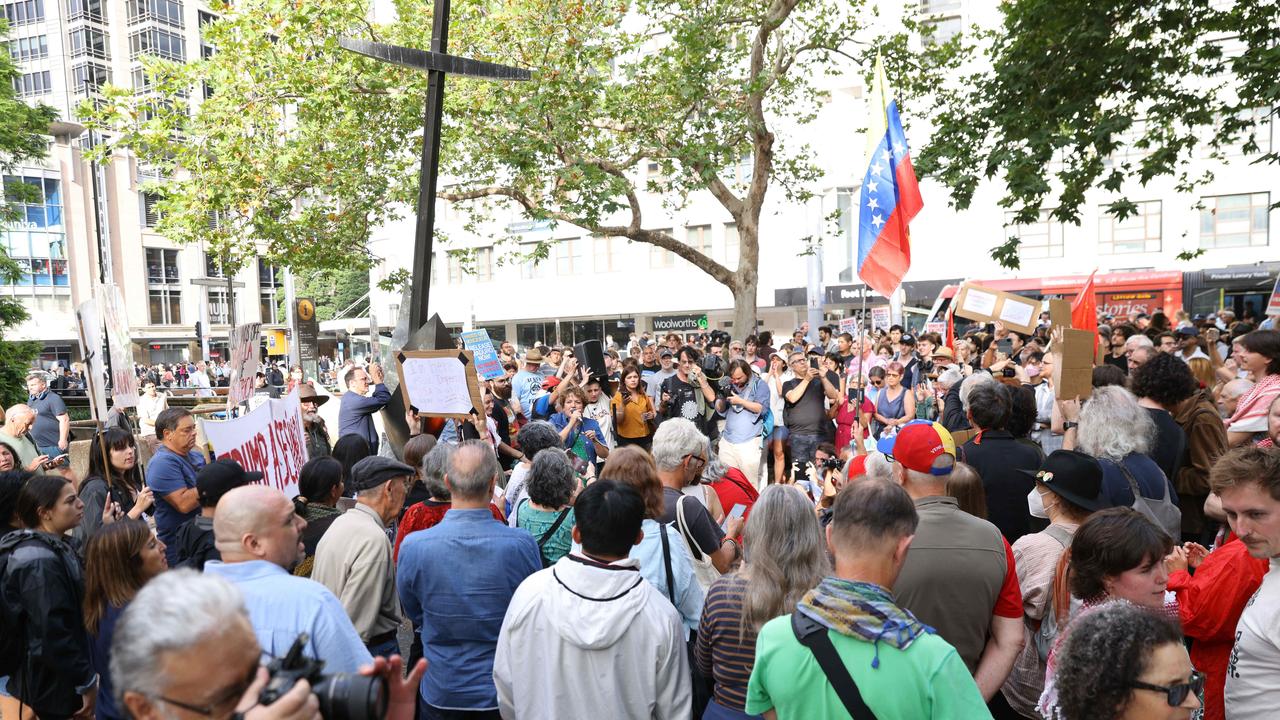
    The urgency of Commissioner Lanyon’s decision intensified after approximately 250 demonstrators defied the ban on Sunday, assembling at Sydney’s Town Hall to protest American military actions against Venezuela. Participants displayed placards bearing anti-imperialist messages and modified American flags featuring skull imagery. Counter-protesters numbered around forty according to police accounts.

    Law enforcement arrested three individuals during the unauthorized gathering: two men aged 26 and 34 for breach of peace, and a 53-year-old woman allegedly wearing offensive attire. All were released without formal charges following the demonstration’s conclusion.

    Commissioner Lanyon previously justified the restrictions by emphasizing their role in preventing community fear and divisiveness, asserting that “NSW Police is committed to exercising these new powers responsibly and transparently.”

    However, civil liberties organizations have mounted significant opposition. NSW Council for Civil Liberties president Timothy Roberts condemned the powers as “extremely anti-democratic,” while the Palestine Action Group criticized the measures as undermining fundamental democratic rights. Advocacy groups argue the regulations disproportionately suppress legitimate dissent across various social movements, extending beyond their original counter-terrorism purpose.
  • After Venezuela, Trump threatens action in 5 more countries over 3 days

    After Venezuela, Trump threatens action in 5 more countries over 3 days

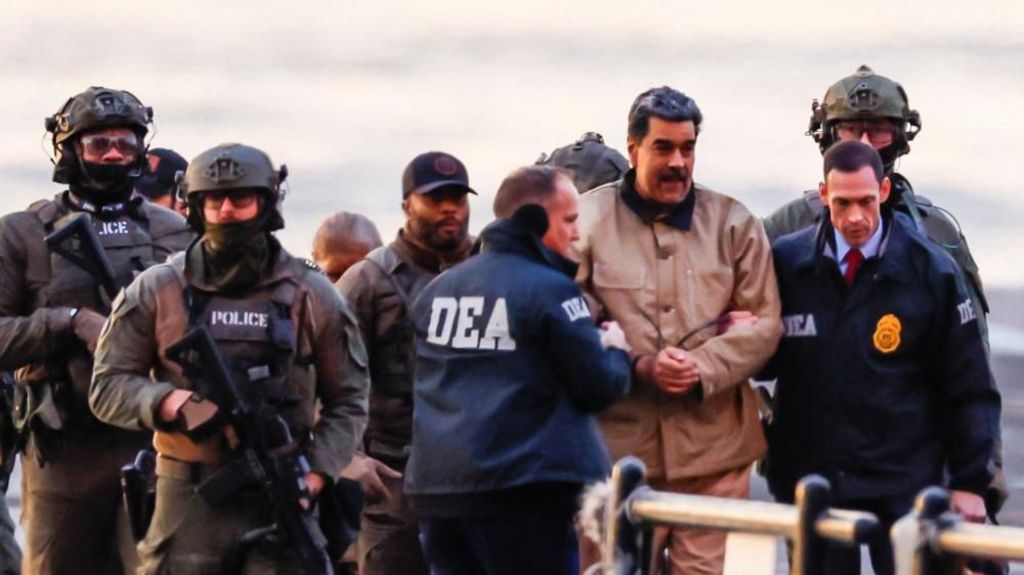
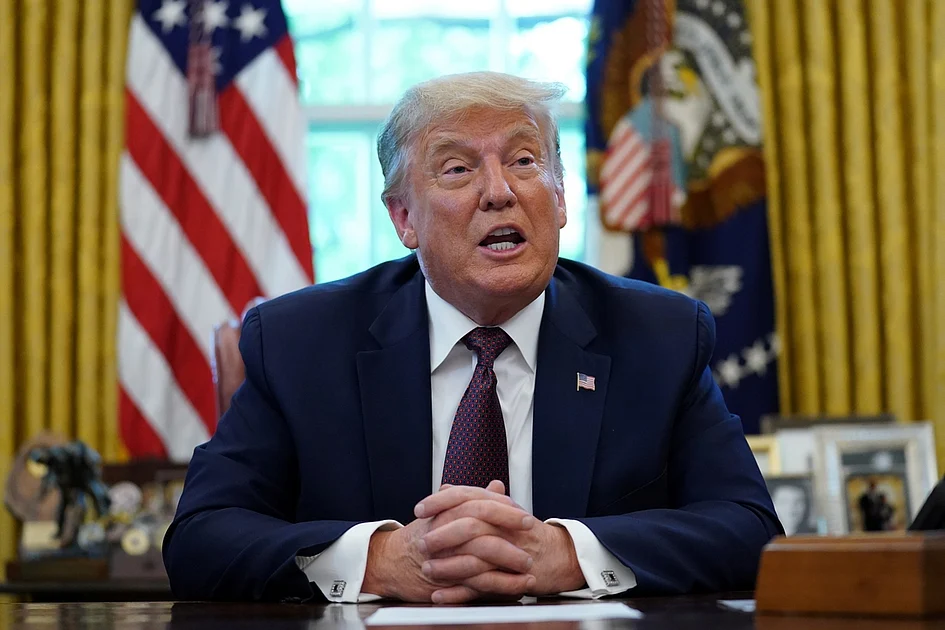
    In a dramatic escalation of foreign policy maneuvers, the Trump administration has initiated a series of confrontational actions against multiple sovereign states within a remarkably condensed timeframe. The opening salvo occurred with a military incursion into Venezuela, resulting in the capture of President Nicolas Maduro and his subsequent extradition to the United States to confront narcotics trafficking allegations. President Trump subsequently declared American oversight of Venezuelan oil reserves pending political transition.

    This unprecedented intervention has catalyzed a rapid succession of diplomatic threats against five additional nations over seventy-two hours. Mexico received stern warnings regarding cartel operations, with Trump insisting the nation ‘get its act together’ to stem drug trafficking. Colombia faced explicit threats of military action, characterized by Trump as a necessary response to governmental complicity in cocaine production.

    The administration reignited territorial aspirations regarding Greenland, with Trump asserting strategic necessity despite Danish objections. Simultaneously, Iran received ultimatums regarding its internal civil unrest, with Trump declaring readiness to ‘hit very hard’ should protests be suppressed. Cuba was conversely described as a ‘failing nation’ potentially requiring American intervention, though Trump suggested regime collapse might occur organically.

    These developments have triggered vehement international condemnation, with multiple nations decrying violations of sovereignty and international law. The rapid succession of threats suggests a coordinated strategy of hemispheric and global power projection that has fundamentally altered diplomatic norms and heightened geopolitical tensions worldwide.

  • A prediction market user made $436,000 from bets on Maduro’s downfall

    A prediction market user made $436,000 from bets on Maduro’s downfall

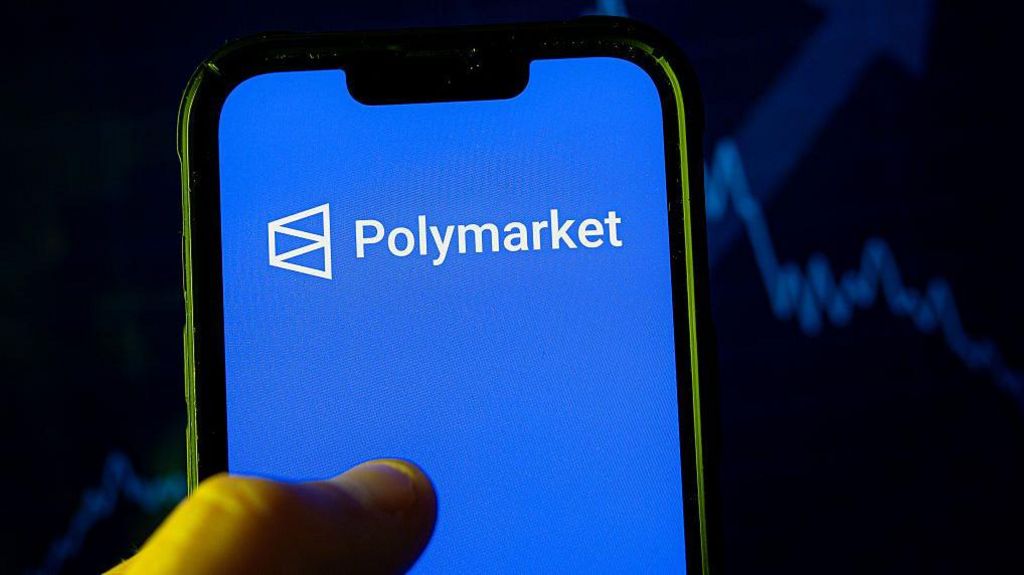
    A cryptocurrency-based prediction market has become the center of an alleged insider trading investigation after an anonymous bettor profited nearly half a million dollars from Venezuela’s political upheaval. The suspicious activity occurred on Polymarket, where wagers on President Nicolás Maduro’s removal surged hours before Donald Trump’s official announcement regarding the Venezuelan leader’s capture.

    Market data reveals dramatic odds fluctuations in the critical hours preceding Trump’s Truth Social post. On January 2nd, traders placed mere 6.5% probability on Maduro’s exit by month’s end. However, these odds jumped to 11% by midnight and experienced a significant surge in the early hours of January 3rd—immediately before Trump’s revelation that Maduro was in U.S. custody.

    One particularly fortunate account, created just last month with exclusive focus on Venezuelan political outcomes, transformed a $32,537 wager into $436,000 profits. The account’s blockchain identifier, consisting of anonymous letters and numbers, has concealed the bettor’s identity despite the substantial gains.

    Financial reform advocacy group Better Markets has characterized the transaction as exhibiting ‘all the hallmarks of a trade based on inside information.’ Several other Polymarket users also generated tens of thousands in profits from wagers on Maduro’s capture, amplifying concerns about information integrity.

    In response to these developments, Congressman Ritchie Torres (D-NY) introduced legislation seeking to prohibit government employees from trading on prediction markets when possessing material nonpublic information. The bill specifically targets those who may reasonably obtain such privileged information through official channels.

    The prediction market industry, which handled hundreds of millions in wagers during the 2024 presidential election, operates in a regulatory gray area. While traditional stock markets enforce strict insider trading prohibitions, prediction markets like Polymarket and competitor Kalshi face less stringent oversight despite company policies against insider trading. The industry has experienced fluctuating regulatory reception, facing scrutiny during the Biden administration while receiving warmer acceptance during Trump’s presidency, notably with Donald Trump Jr. serving in advisory roles at both major prediction market platforms.

  • Egypt says it has ‘identical’ positions with Saudi Arabia on Yemen and Sudan

    Egypt says it has ‘identical’ positions with Saudi Arabia on Yemen and Sudan

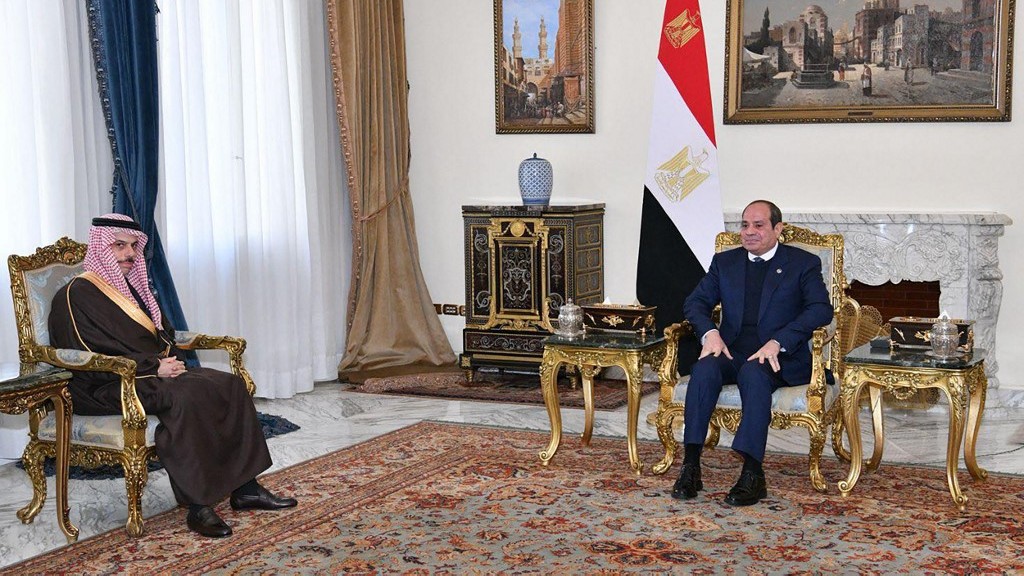
    Cairo and Riyadh have declared a unified diplomatic stance on several critical regional issues following high-level talks between Egyptian President Abdel Fattah el-Sisi and Saudi Foreign Minister Prince Faisal bin Farhan al-Saud. The Monday meeting in Cairo revealed identical positions regarding conflict resolution in Yemen, Sudan, and the contentious status of Somaliland.

    The leaders emphasized their joint commitment to peaceful resolutions for regional crises, specifically highlighting Yemen, Sudan, Gaza, and the recently recognized breakaway state of Somaliland. Both nations affirmed their dedication to preserving ‘the unity, sovereignty and territorial integrity of states’—a statement that carries significant weight given current regional dynamics.

    This demonstration of solidarity emerges against a backdrop of escalating tensions between Saudi Arabia and the United Arab Emirates, who maintain opposing positions on several regional conflicts. The UAE has notably supported secessionist movements in Sudan, Yemen, and Somaliland—a direct contrast to the Saudi-Egyptian position favoring territorial integrity.

    Somaliland, which declared independence from Somalia in 1991 but remains unrecognized by UN permanent members, recently gained recognition from Israel. The UAE, long considered Somaliland’s key international advocate, responded tepidly to Israel’s recognition while reportedly beginning to accept travel documents from the breakaway state.

    The Saudi-Egyptian alignment appears particularly significant in Yemen, where Riyadh supports the internationally recognized government while the UAE backs the Southern Transitional Council secessionist group. Recent clashes saw Saudi-backed forces reclaim territory from STC fighters, including the strategic city of Mukalla in Hadhramaut province.

    President el-Sisi endorsed Saudi Arabia’s proposal to host an inclusive conference for southern Yemeni groups, while Egyptian Foreign Minister Badr Abdelatty called for de-escalation and Yemeni-led political settlements. This coordinated diplomatic approach suggests a reshaping of regional alliances and conflict resolution strategies.

  • Canada’s Chrystia Freeland to quit as MP and become adviser to Zelensky

    Canada’s Chrystia Freeland to quit as MP and become adviser to Zelensky

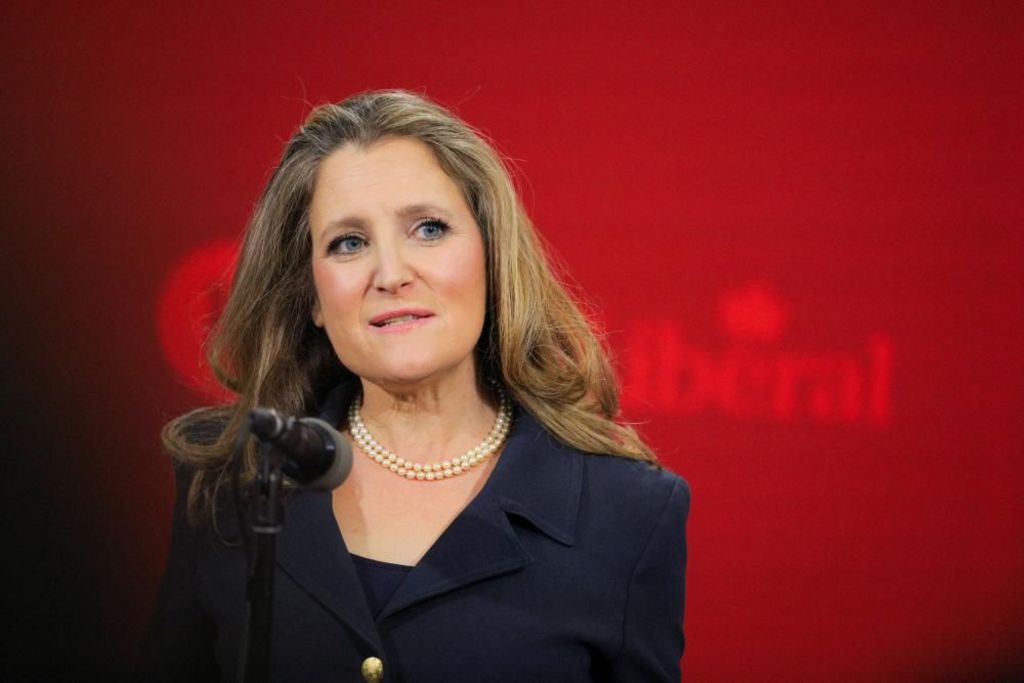
    In a significant political transition, Canada’s former Deputy Prime Minister Chrystia Freeland has announced her departure from parliament to assume an advisory position with Ukrainian President Volodymyr Zelensky’s administration. The high-profile move, confirmed through simultaneous social media announcements from both parties on Monday, marks a notable shift in Freeland’s distinguished political career.

    Freeland will serve as an unpaid economic development adviser to Ukraine while maintaining her Ukrainian heritage and longstanding support for Kyiv throughout its conflict with Russia. Her appointment has already sparked controversy among Canadian opposition lawmakers, with Conservative foreign affairs critic Michael Chong asserting that “one cannot be a Canadian MP and an adviser to a foreign government.”

    The career transition follows Freeland’s public break with former Prime Minister Justin Trudeau in late 2024, when she resigned from cabinet citing disagreements over handling potential U.S. tariffs. Her distinguished tenure included groundbreaking roles as Canada’s first female finance minister, where she managed the country’s pandemic financial response, and key positions overseeing foreign affairs and international trade.

    Additionally, Freeland will assume leadership of the prestigious Rhodes Trust educational charity in the United Kingdom this July. Her departure from Canadian politics includes relinquishing both her parliamentary seat for Toronto’s University-Rosedale riding and her position as Canada’s special representative for Ukrainian reconstruction.

    Zelensky praised Freeland’s “extensive experience in attracting investment and implementing economic transformations” in his announcement. The appointment comes as Ukraine continues its defense against Russian aggression and as the USMCA trade agreement—which Freeland helped renegotiate during the Trump administration—faces another round of negotiations this year.

  • What is Maduro charged with and what is the evidence?

    What is Maduro charged with and what is the evidence?

    In an unprecedented legal proceeding, Venezuelan President Nicolás Maduro entered a plea of not guilty in a New York federal courtroom on Monday, following what he described as his ‘kidnapping’ by U.S. forces from Caracas just 48 hours earlier. The dramatic appearance marks the first time a sitting world leader has been forcibly brought to the United States to face criminal charges.

    The comprehensive 25-page indictment unsealed by U.S. prosecutors alleges Maduro, his wife Cilia Flores, his son Nicolás Ernesto Maduro Guerra, and three high-ranking Venezuelan officials operated a sophisticated narcoterrorism network dating back to 1999. The charges include four criminal counts: engaging in a cocaine-trafficking conspiracy with designated terrorist organizations, conspiring to import narcotics into the United States, and weapons violations involving machine guns.

    Prosecutors assert the defendants ‘corrupted once-legitimate institutions’ to facilitate massive cocaine shipments through Venezuela knowingly destined for American cities. The indictment specifically names the Revolutionary Armed Forces of Colombia (FARC), Sinaloa and Zetas cartels, and Tren de Aragua criminal organization as conspirators—all designated terrorist groups by the U.S. government in February 2025.

    According to court documents, Maduro allegedly provided law enforcement protection and logistical support for drug shipments during his presidency, while previously supplying passports to traffickers and facilitating diplomatic cover for money laundering operations. His wife, former leader of Venezuela’s National Assembly, is accused of accepting hundreds of thousands in bribery payments for ensuring safe passage of narcotics shipments.

    The prosecution further alleges the couple commanded state-sponsored gangs that conducted ‘kidnappings, beatings, and murders’ against those who interfered with their operations. Other defendants include former interior ministers Diosdado Cabello Rondón and Ramon Rodriguez Chacin, accused of collaborating with Colombian traffickers and maintaining a FARC training camp, respectively.

    Maduro’s defense team challenged the court’s jurisdiction, arguing their client enjoys immunity as a sovereign leader and that his forcible apprehension violated international law. Outside the courtroom, Maduro declared himself a ‘prisoner of war,’ while his wife’s attorney stated they ‘look forward to reviewing and challenging the evidence.’

    Legal experts acknowledge the extraordinary nature of the capture potentially violates the UN Charter, but emphasize U.S. courts have historically permitted trials of defendants brought to the country through forcible means. U.S. District Judge Alvin Hellerstein scheduled the next hearing for March 17 as the case progresses through the American justice system.

  • Cuba defiant as it braces for post-Maduro era

    Cuba defiant as it braces for post-Maduro era

    The United States’ military operation in Venezuela, which forcibly removed President Nicolás Maduro, has sent seismic shockwaves through Havana, threatening to sever a vital economic lifeline and destabilize Cuba’s socialist government. The two nations have been ideological and economic partners since 1999, when Hugo Chávez and Fidel Castro forged an alliance that exchanged Venezuelan crude oil for Cuban medical expertise and security support.

    The depth of this symbiosis was starkly revealed when 32 Cuban nationals, constituting Maduro’s primary security detail, were killed during the US operation. Their deaths exposed the extensive penetration of Cuban intelligence and military personnel within Venezuela’s state apparatus, a fact long denied by Havana but frequently alleged by freed political prisoners.

    With Maduro’s ouster, Cuba now confronts an existential crisis. The island nation, already grappling with its most severe economic downturn since the Cold War, faces the imminent threat of its oil supply being severed. Venezuela has been providing an estimated 35,000 barrels per day—a subsidy that Russia and Mexico cannot match. The Trump administration’s tactic of seizing sanctioned oil tankers has already exacerbated crippling fuel and electricity shortages, leading to nationwide blackouts, food spoilage, and a devastating outbreak of mosquito-borne diseases that is overwhelming Cuba’s once-vaunted healthcare system.

    The political future looks equally precarious. US Secretary of State Marco Rubio, a key architect of the administration’s Latin America policy, has framed the region as America’s ‘backyard’ and expects total compliance from Venezuela’s new acting president, Delcy Rodríguez. President Trump has threatened further interventions, even naming this aggressive new foreign policy approach the ‘Donroe Doctrine’ in a provocative reference to the 19th-century Monroe Doctrine.

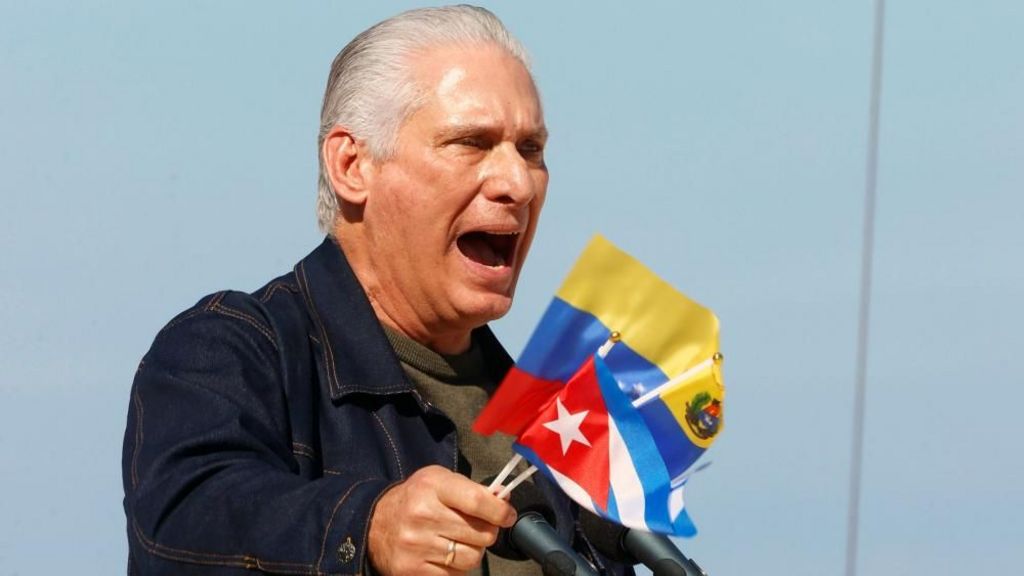
    While Cuban President Miguel Díaz-Canel has declared national mourning for the fallen and condemned the US operation as imperialist kidnapping, the government faces a bleak new reality. The strategy of leveraging a pliant government in Caracas to ultimately achieve regime change in Havana is now openly articulated in Washington, signaling a dangerous new chapter for US-Cuba relations and for the entire Latin American region.

  • FACT FOCUS: Fabricated and misrepresented images shared widely online after US removal of Maduro

    FACT FOCUS: Fabricated and misrepresented images shared widely online after US removal of Maduro

    As former Venezuelan president Nicolás Maduro entered a plea of not guilty to U.S. federal narcotics charges on Monday, a wave of digitally manipulated content and misrepresented footage continued spreading across social media platforms. The disinformation campaign gained significant momentum when former President Donald Trump amplified fabricated narratives through his Truth Social platform.

    Among the most widely circulated falsehoods was a video Trump presented as evidence of Venezuelans celebrating Maduro’s apprehension. Comprehensive verification reveals this footage actually depicts University of California, Los Angeles students participating in their traditional ‘Undie Run’ event from December 2023. Clear landmarks including the Wasserman Football Center and Luskin Conference Center establish the authentic location, while the original TikTok posting from December 11 confirms the event’s true nature.

    A second misrepresented video, also shared by Trump, purported to show massive celebrations in Caracas following Maduro’s alleged capture. Fact-checking analysis confirms this footage actually documents the July 2024 electoral protest demonstrations in Venezuela. The presence of opposition leaders María Corina Machado and Edmundo González on a parade float, along with verified media coverage from the period, confirms the video’s actual context.

    Additionally, sophisticated AI-generated images depicting Maduro in U.S. custody circulated widely across social platforms. These fabricated visuals, bearing the watermark of a self-described ‘professional in artificial intelligence,’ showed Maduro surrounded by figures wearing DEA and military insignia. Trump further complicated the information landscape by sharing an image captioned ‘Nicolas Maduro on board the USS Iwo Jima,’ despite its evident inconsistencies and lack of verification.

  • Danish prime minister says a US takeover of Greenland would mark the end of NATO

    Danish prime minister says a US takeover of Greenland would mark the end of NATO

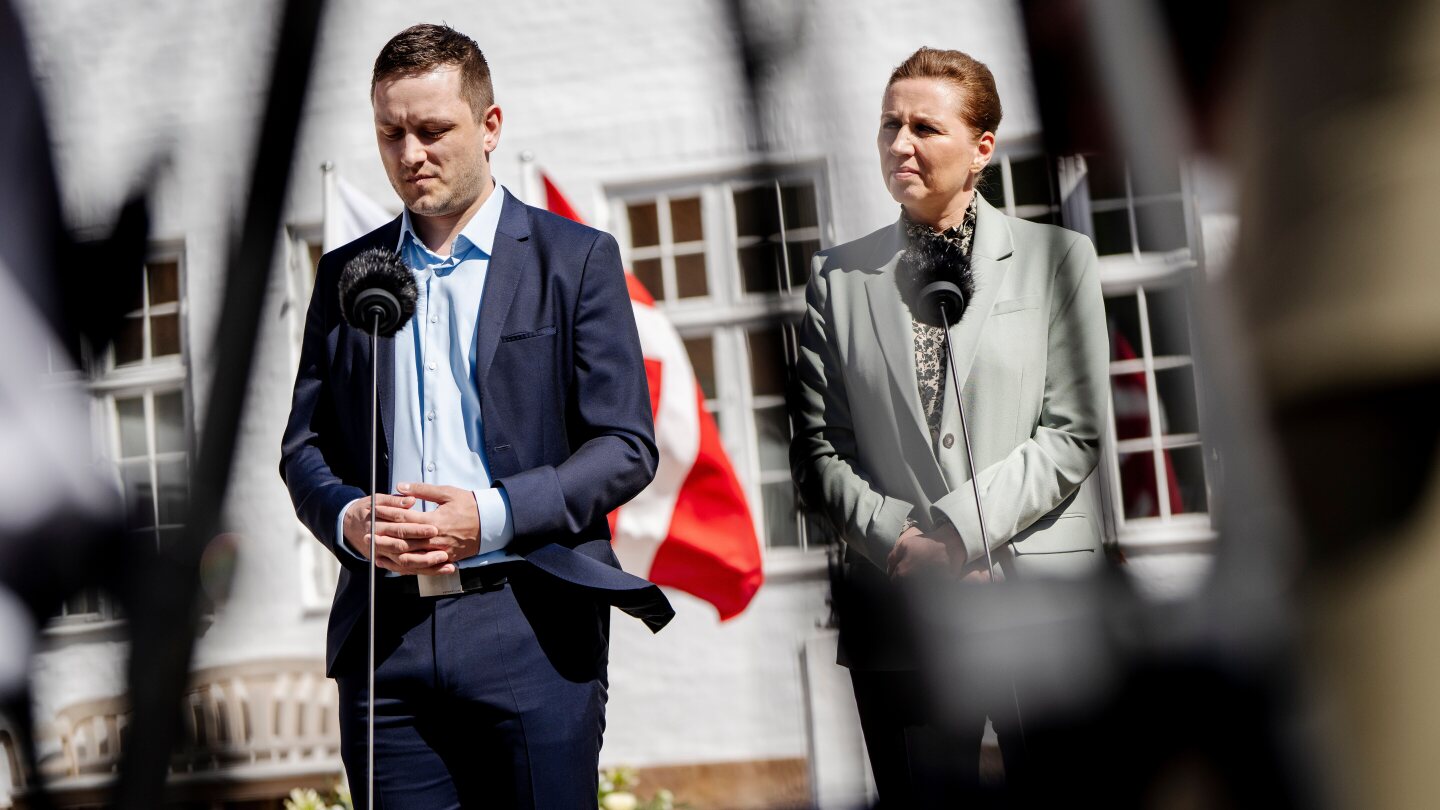
    COPENHAGEN, Denmark — Danish Prime Minister Mette Frederiksen issued a stark warning Monday that any U.S. military action to acquire Greenland would effectively terminate the NATO alliance. This statement came in direct response to President Donald Trump’s renewed assertions about bringing the mineral-rich Arctic territory under American control, following the controversial military operation in Venezuela over the weekend.

    The dramatic nighttime raid in Caracas targeting Venezuelan leader Nicolás Maduro and his wife has intensified anxieties in Denmark and its semiautonomous territory Greenland, both NATO members. Frederiksen, alongside Greenlandic counterpart Jens Frederik Nielsen, strongly condemned Trump’s remarks and cautioned about potentially catastrophic repercussions. Multiple European leaders have expressed solidarity with their position.

    “Military aggression by the United States against another NATO nation would immediately dissolve the alliance,” Frederiksen stated during an interview with Danish broadcaster TV2. “This would mean the end of NATO and consequently the collapse of the security framework maintained since World War II.”

    Trump’s persistent interest in acquiring Greenland—first expressed during his presidential transition and reiterated recently—has created mounting concerns. His Sunday comment to reporters suggesting “let’s talk about Greenland in 20 days” has been interpreted as hinting at potential near-term intervention. The president has previously refused to rule out military action to secure control of the strategically vital island.

    Frederiksen emphasized that Trump’s statements “should be taken seriously,” adding that Denmark “will not accept a situation where we and Greenland are threatened in this way.” Nielsen separately affirmed that Greenland’s situation differs fundamentally from Venezuela’s, urging citizens to remain calm and united while maintaining that “the United States cannot simply conquer Greenland.”

    TV2 political journalist Ask Rostrup observed that while Frederiksen would have previously dismissed the possibility of an American takeover, the escalating rhetoric has forced her to acknowledge it as a genuine concern.

    Trump further heightened tensions by mocking Denmark’s security enhancements in Greenland, sarcastically referring to the addition of “one more dog sled” to the territory’s defenses. He asserted that Greenland is “covered with Russian and Chinese ships” and crucial for U.S. national security, claiming Denmark lacks capability to protect it.

    However, Ulrik Pram Gad, a global security expert at the Danish Institute for International Studies, challenged this assessment in a recent report, noting that while Russian and Chinese vessels operate in the Arctic, “these vessels are too far away to see from Greenland with or without binoculars.”

    The situation was further inflamed when Katie Miller, a former Trump administration official married to influential deputy chief of staff Stephen Miller, posted an illustrated map of Greenland in American colors captioned “SOON” on social media following the Venezuela raid. Denmark’s ambassador to Washington, Jesper Møller Sørensen, responded by demanding “full respect for the territorial integrity of the Kingdom of Denmark.”

    The United States already maintains significant military presence in Greenland through the remote Pituffik Space Base in the northwest, established under a 1951 defense agreement with Denmark. The facility supports missile warning, defense, and space surveillance operations for both the U.S. and NATO.

    Denmark’s relationship with the United States extends beyond Greenland, with the Scandinavian nation purchasing American F-35 fighter jets and recently approving legislation allowing U.S. military bases on Danish soil—a move critics argue compromises Danish sovereignty.

  • US capture of Venezuelan President Maduro opens door to democratic transition, EU says

    US capture of Venezuelan President Maduro opens door to democratic transition, EU says

    The European Commission has declared that the apprehension of Venezuelan President Nicolas Maduro by United States forces presents a pivotal opening for restoring democratic governance in Venezuela. During a press briefing on Monday, a Commission spokesperson characterized the development as creating a significant opportunity for a transition ultimately directed by the Venezuelan populace themselves.

    The spokesperson refrained from offering a definitive legal assessment of the U.S. operation that led to Maduro’s capture this past Saturday, stating it was premature to evaluate all its implications. The EU’s position notably hinges on its longstanding refusal to recognize Maduro’s legitimacy, a point the official underscored by stating he ‘lacked the legitimacy of a democratically elected leader.’

    Crucially, the European Union declined to speculate on the motivations of U.S. President Donald Trump, explicitly avoiding commentary on whether his administration’s actions were genuinely driven by an interest in fostering Venezuelan democracy. The EU’s statement carefully frames the event as a consequential geopolitical moment while maintaining a cautious distance from endorsing the methods employed by its American ally.